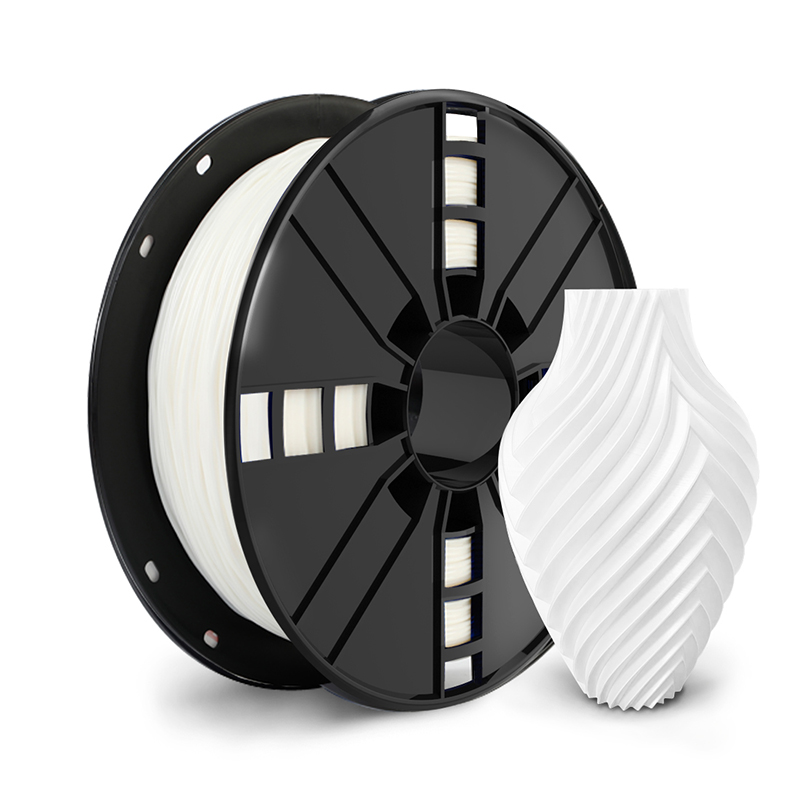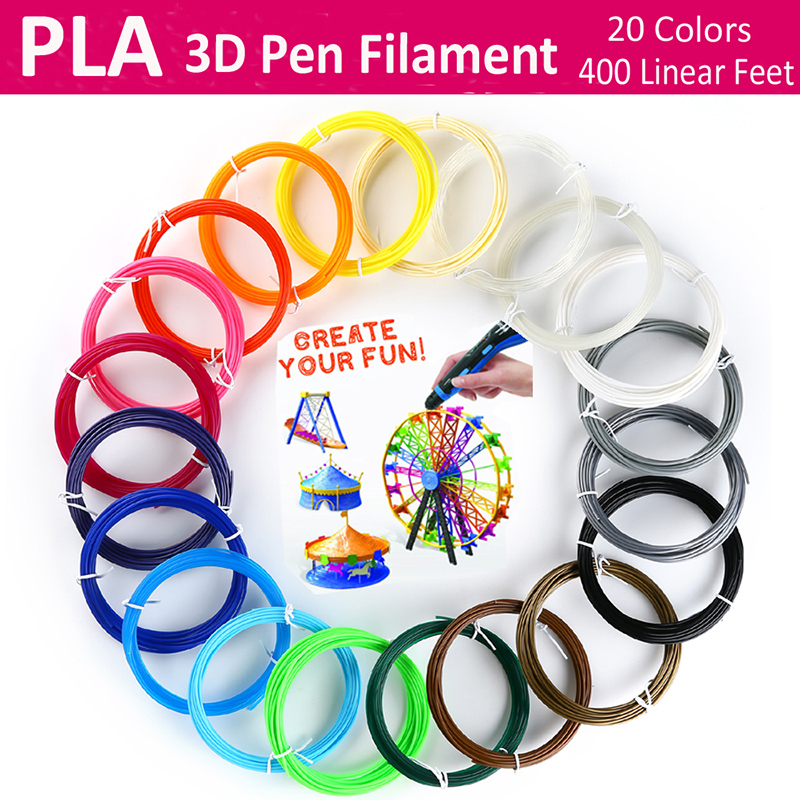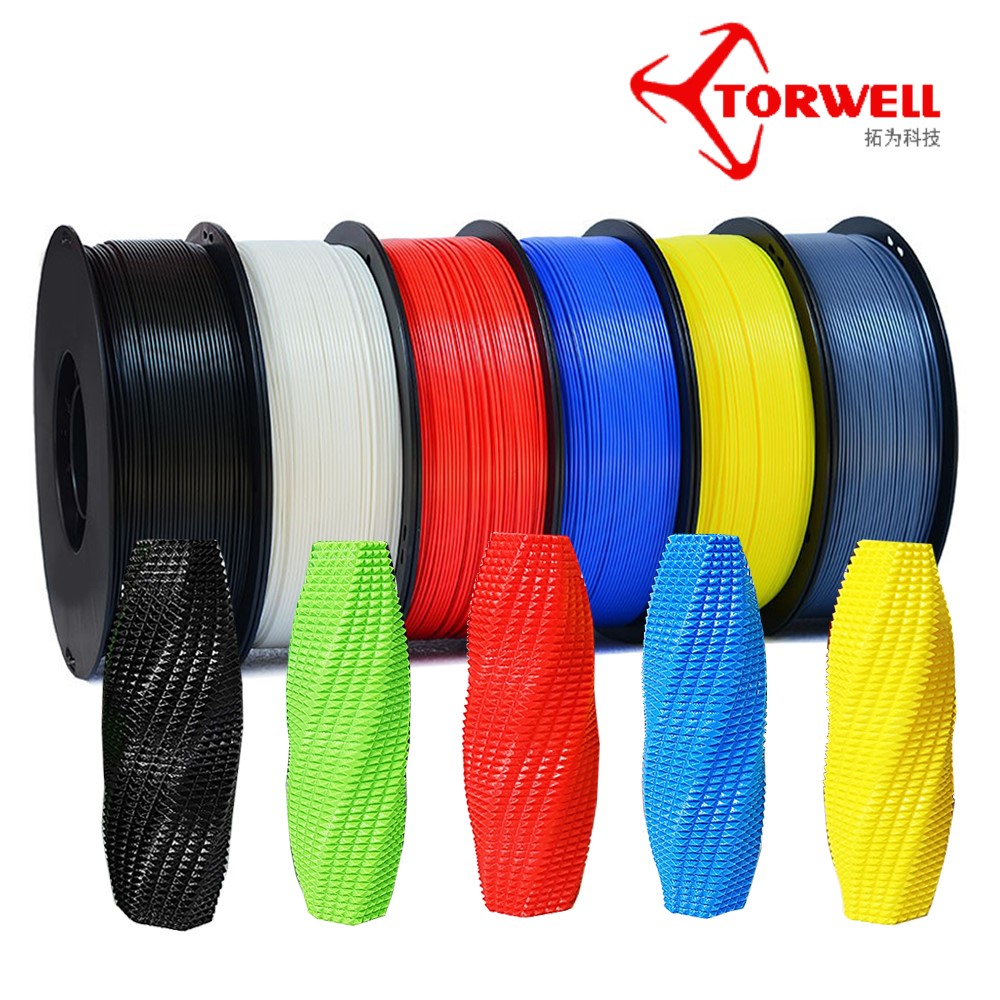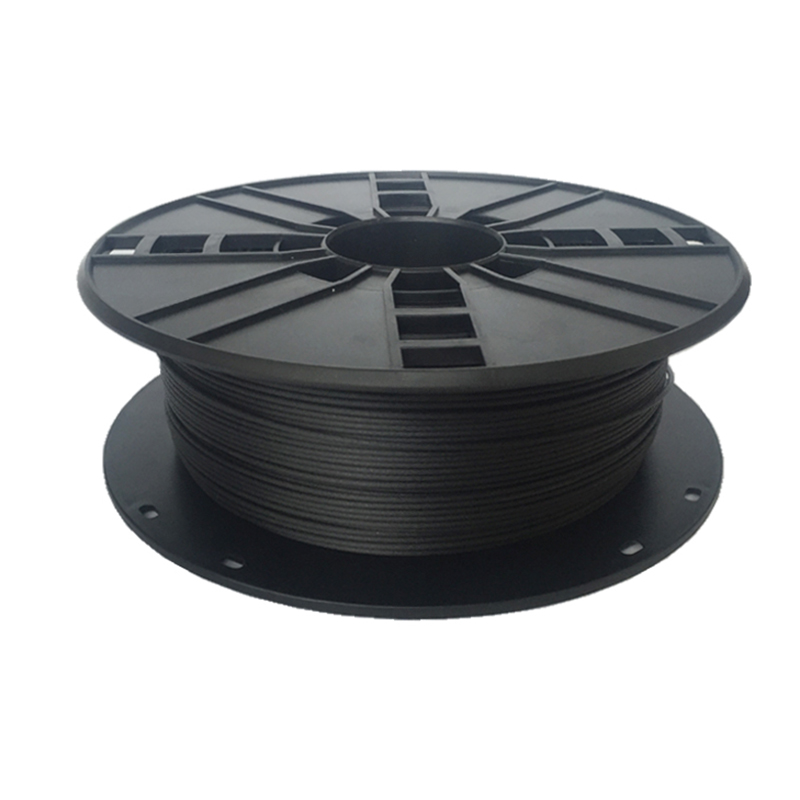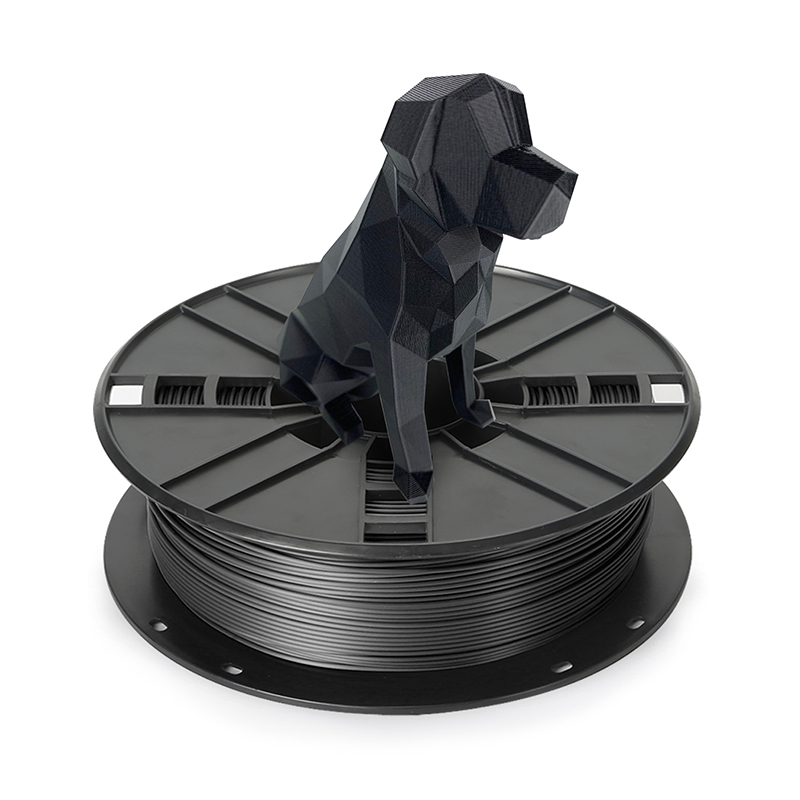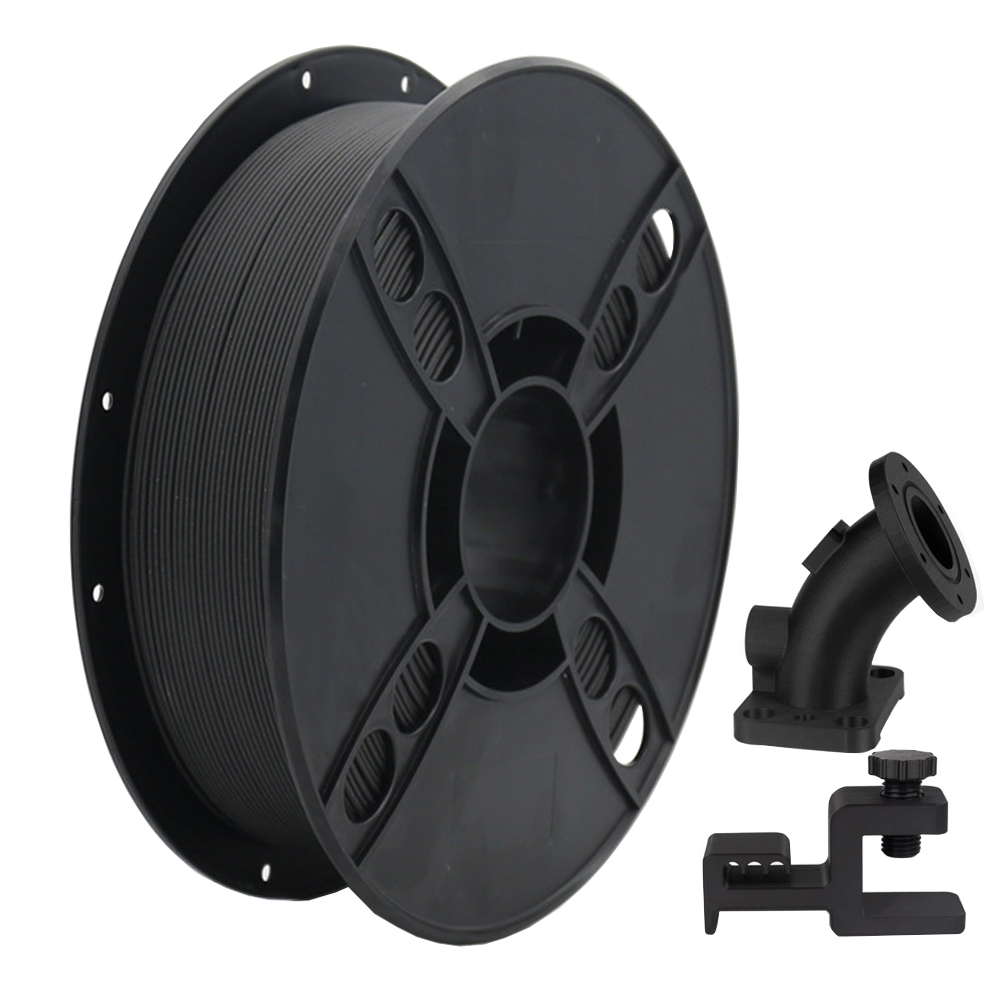
Core Filaments for Next-Gen Cushioning Prototyping
Engineered polymers designed for rapid functional iteration of shoe outsoles, mid-sole lattice structures, and torsion stability plates.
The Paradigm Shift in Modern Footwear Engineering: From Subtractive Tooling to Carbon Fiber Additive Lattice Dynamics
The athletic and therapeutic footwear manufacturing industry is undergoing its most profound architectural revolution since the introduction of injection-molded Ethylene-Vinyl Acetate (EVA) foams in the late 1970s. Modern sports biomechanics demand footwear that does not merely cushion impact force, but actively regulates kinetic energy storage and return, controls pronation torque, and minimizes joint stress across complex dynamic gait cycles. In this high-stakes biomechanical arena, traditional foam molding methods suffer from fundamental limitations: static density gradients, uniform elasticity profiles, and catastrophic compression set over repetitive load cycles.
The integration of 3D printing carbon fiber filament for custom shoe sole cushioning prototypes has emerged as the definitive breakthrough for footwear R&D laboratories, orthopedic engineering centers, and bespoke performance athletic brands. By infusing micro-chopped high-modulus carbon fiber strands into engineering thermoplastic matrices such as PLA, TPU, PETG, and Polyamide (Nylon), additive manufacturing engineers can now synthesize proprietary sole components that feature variable anisotropic stiffness, ultra-low weight, and unprecedented fatigue endurance.
Industrial Impact: Traditional steel and aluminum tooling for sneaker midsole iteration typically incurs costs exceeding $4,000 to $8,000 per mold size and requires a 4 to 8-week turnaround. High-performance carbon fiber FDM/FFF filament prototyping reduces this development cycle to under 12 hours at a raw material cost under $20 per physical prototype pair, delivering a 95% reduction in R&D lead time.
Tunable Modulus & Energy Return
Carbon fiber loading elevates the flexural modulus and tensile strength of thermoplastic matrixes, enabling tuned rebound rates in parametric lattice cells.
Fatigue Resistance & Zero Creep
Micro-carbon fibers suppress polymer chain relaxation, preventing premature bottoming-out and permanent deformation under 100,000+ continuous compression impacts.
Precision Orthotic Topology
Direct translation of dynamic plantar pressure mapping scans into patient-specific sole geometries with exact shore hardness zone transitions.
Biomechanical Mechanics: Why Carbon Fiber Composite Reinforcement is Essential for Cushioning Validation
A high-performance running shoe sole is not a uniform block of elastomer; it is a complex kinetic transmission system comprising an outsole, a responsive midsole, and a structural shank or propulsion plate. When an athlete's foot makes ground contact, the heel or midfoot experiences impact forces between 2.5 to 3.5 times body weight within milliseconds. In pure elastomeric FDM prints (such as standard unreinforced TPU), thin struts in gyroid or Schwarz-D lattice structures can buckle uncontrollably, leading to structural instability and excessive lateral foot rolling.
By contrast, incorporating carbon fiber reinforced filament introduces microscopic stiffening trusses throughout the polymer matrix. When combined with customized multi-material or hybrid dual-extrusion architectures, the carbon-fiber elements act as directional load-bearing ribs and torsion control shanks. This allows the cushioning prototype to exhibit non-linear viscoelastic compression: velvety compliance under low-load walking conditions, followed by sharp progressive resistance and high-rebound energy storage during explosive toe-off movements.
Material Performance Benchmark: Carbon Fiber Reinforced vs Conventional Footwear Prototyping Polymers
Choosing the correct polymer matrix for 3D printed footwear prototyping depends heavily on the specific mechanical zone being evaluated. The table below delineates the quantitative engineering characteristics across key filament formulations utilized in high-performance footwear prototyping laboratories:
| Filament Type | Tensile Modulus (MPa) | Flexural Strength (MPa) | Heat Deflection Temp (°C) | Primary Footwear Prototyping Function |
|---|---|---|---|---|
| Carbon Fiber PLA (Torwell CF-PLA) | 4,850 - 5,200 | 110 - 130 | 62 - 68 | Propulsion plates, torsion shanks, external heel counters, master vacuum molds. |
| Engineering TPU 95A (Torwell TPU) | 120 - 180 | 35 - 45 | 75 - 82 | Energy-absorption midsole lattices, shock dampening forefoot pods, flexible outsoles. |
| PLA+ High Impact Polymer | 3,100 - 3,450 | 85 - 95 | 58 - 64 | Rapid visual design review, fit-testing lasts, aesthetic multi-color sole mockups. |
| Industrial ABS Formulation | 2,300 - 2,700 | 70 - 82 | 88 - 96 | High-temperature polyurethane casting molds, endurance track test fixtures. |
In-Depth Application Scenarios Across Commercial and Clinical Footwear Sectors
The deployment of carbon fiber filament for shoe sole prototyping spans far beyond simple aesthetic models. Today's commercial enterprises utilize this advanced material across four primary industrial pathways:
- Elite Marathon & Sprint Propulsion Plates: Carbon fiber PLA and Carbon-Nylon filaments are 3D printed with oriented raster angles to fabricate curved, spoon-shaped carbon propulsion plates. These plates are embedded within dual-density cushioning prototypes to validate metabolic energy savings in wind-tunnel and treadmill gas-exchange testing before launching mass-scale autoclave carbon manufacturing.
- Triply Periodic Minimal Surface (TPMS) Cushioning Cells: By combining generative CAD algorithms with rigid CF-reinforced polymers, engineers generate self-supporting Gyroid, Diamond, and Neovius cell mid-soles that dissipate peak lateral shear forces without requiring secondary support material removal.
- Custom Diabetic & Orthotic Plantar Offloading: In clinical podiatry, patients suffering from diabetic foot ulcers or severe overpronation require custom orthotic insoles with localized stiffness variations. FDM 3D printing with carbon-doped materials allows podiatrists to print rigid bridge supports precisely underneath the longitudinal medial arch while maintaining soft compliance under the calcaneus and metatarsal heads.
- Direct-to-Sole Rapid Tooling (DSRT): Instead of machining expensive metal molds for trial polyurethane foam pours, prototyping facilities print high-temp ABS and CF-PLA negative molds in hours, directly casting bespoke elastomer chemistry into functional, production-representative cushioning prototypes.
Torwell Manufacturing Excellence & Quality Infrastructure
Every spool of additive manufacturing filament is engineered under strict aerospace-grade quality management protocols to ensure continuous diameter tolerance and batch-to-batch polymer purity.
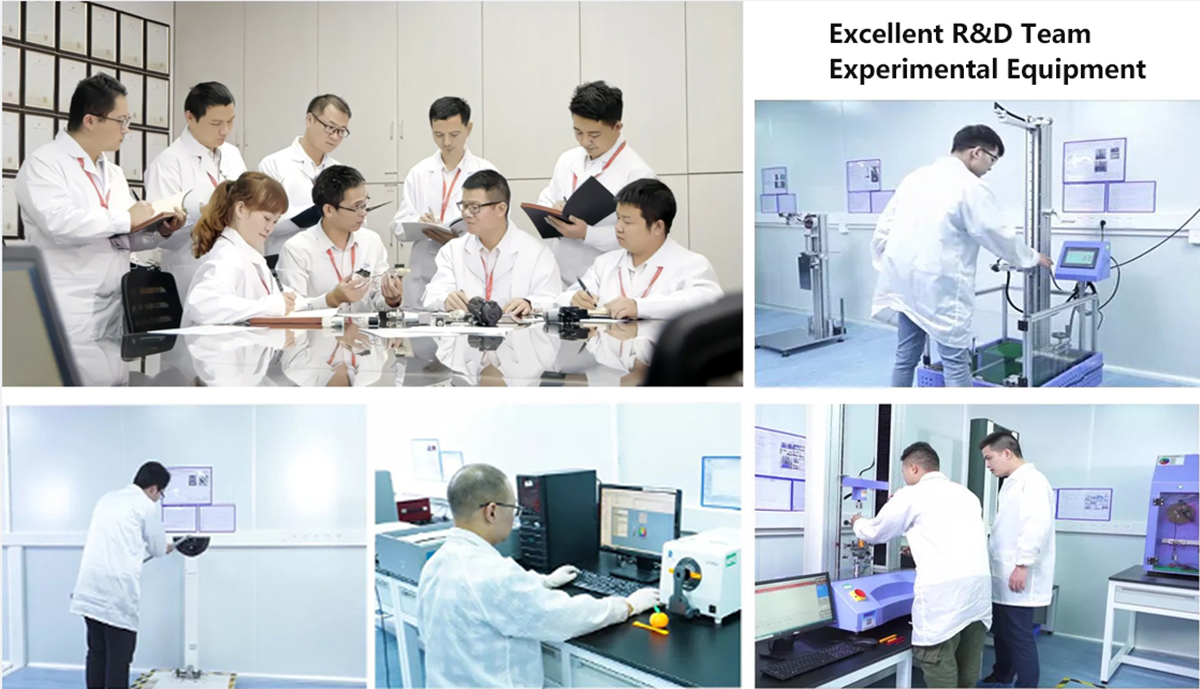
Quality Control System
The factory area has passed ISO45001 occupational health and safety management system certification. Every new employee must experience one week of safety production knowledge teaching and two weeks of production skills training, mastering every course in the production process. Strict traceability protocols ensure that each technician is accountable for precision filament spooling and thermal stability monitoring.
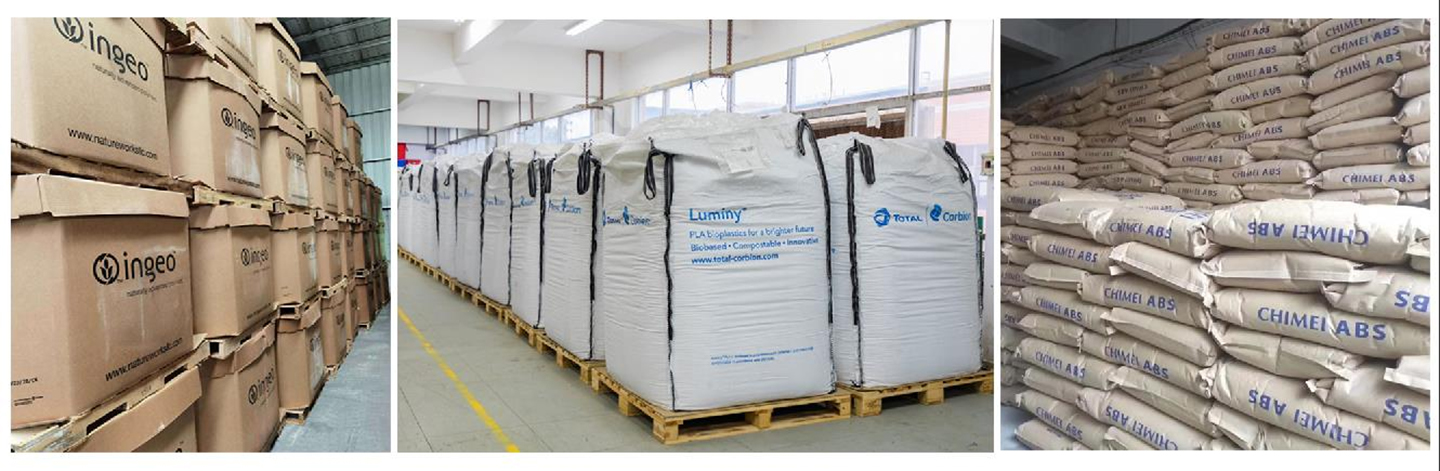
Premium Virgin Raw Material Selection
PLA is the most preferred material for 3D printing. Torwell firstly chooses PLA from US NatureWorks, and Total-Corbion is the alternative; ABS is sourced from Taiwan ChiMei, and PETG from South Korea SK. Each batch of main raw materials comes from partners who have cooperated for more than 5 years to ensure product reliability from the source. Incoming resin undergoes melt-flow and moisture parameter inspection before production to ensure 100% original, virgin polymer status.
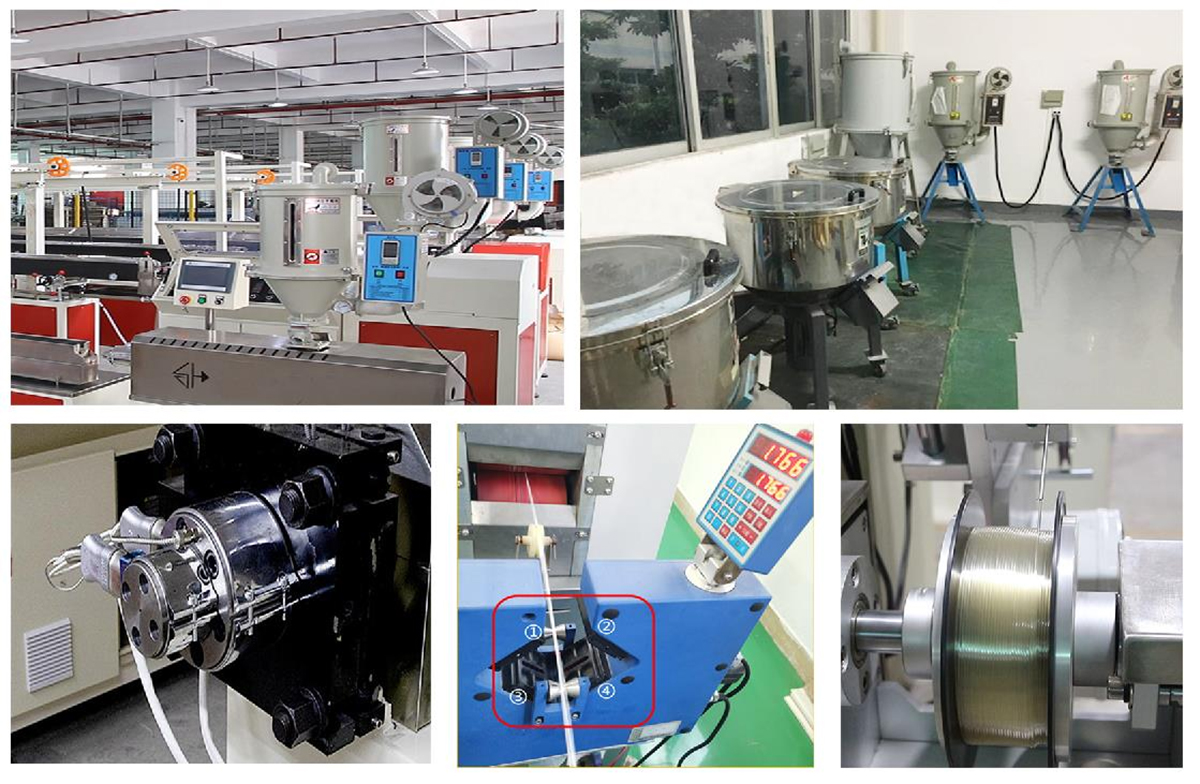
Advanced Extrusion & Inline Laser Gauging
The manufacturing workshop initiates production following comprehensive raw material inspection. At least two engineers cross-check the clearance of mixing tanks, color homogeneity, hopper dryer humidity levels, and multi-zone extruder temperatures. Inline dual-axis laser micrometers monitor extrusion continuously, strictly maintaining the filament Diameter tolerance at +/- 0.02mm and Roundness tolerance at +/- 0.02mm for flawless extrusion without nozzle jamming.
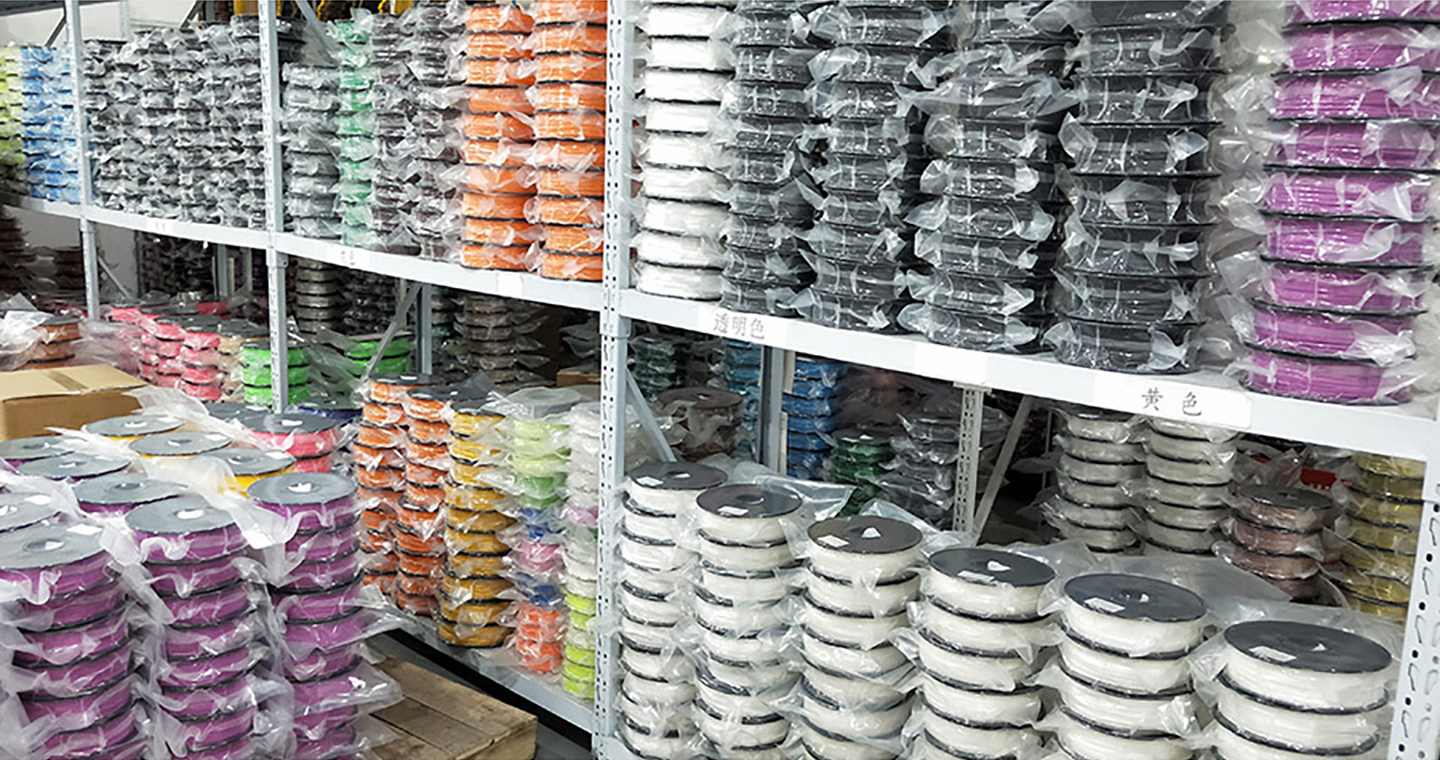
Comprehensive Final Inspection & Moisture Barrier Packaging
After each batch of 3D filament is produced, two quality inspectors conduct systematic random inspections in accordance with rigorous industrial criteria, verifying diameter tolerance, color consistency, mechanical tensile strength, and toughness. Spools are immediately vacuum-sealed with high-efficiency desiccant and held in quarantine for 24 hours to verify package hermetic seal integrity before final labeling and global dispatch.
Engineering Best Practices: 3D Printing Carbon Fiber Filaments for Shoe Sole Prototypes
Carbon fiber reinforced filaments possess abrasive characteristics and unique thermal contraction behaviors that require specialized slicer parameterization and hardware configurations to achieve optimal layer bonding and mechanical performance:
1. Wear-Resistant Hardened Nozzles
Micro-carbon fibers cause rapid abrasive wear in standard brass nozzles within hours of printing. Always install a hardened tool steel, ruby, or tungsten carbide nozzle (0.4mm to 0.6mm diameter) to maintain dimensional extrusion fidelity across entire sole printing jobs.
2. Layer Adhesion & Thermal Profiles
For Carbon Fiber PLA, maintain an extrusion temperature between 210°C - 230°C and a heated bed temperature of 55°C - 65°C with a PEI spring steel build surface. Printing at slightly elevated temperatures optimizes polymer matrix inter-layer melting and prevents delamination under impact.
3. Infill Topology & Raster Angle Tuning
Align infill raster angles along the primary biomechanical stress vectors of the foot sole. Using 3D infill patterns such as Gyroid or 3D Honeycomb at 35% to 55% infill density provides isotropic damping while minimizing unnecessary rotational mass.
Complete Industrial 3D Printing Filament Range for Footwear & Prototyping
Explore Torwell's certified lineup of high-performance composite, elastomeric, and structural prototyping filaments trusted by engineering studios worldwide.