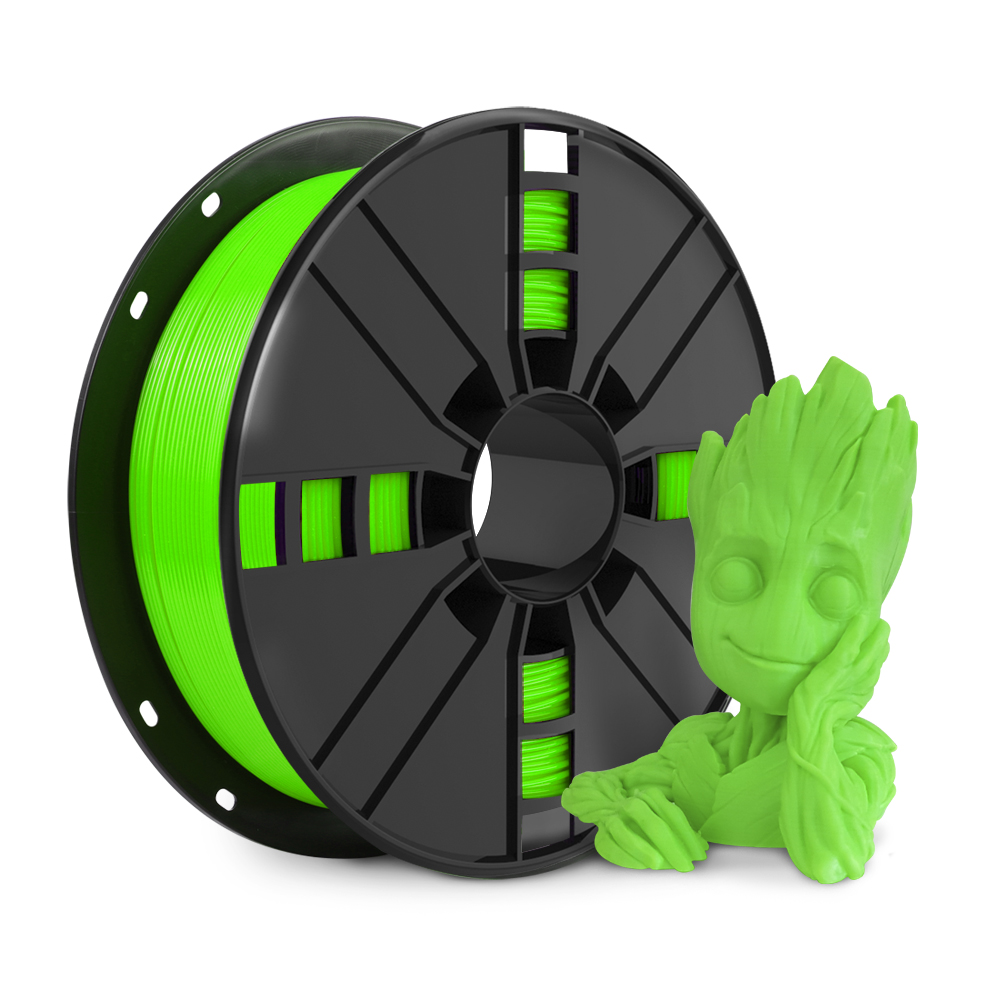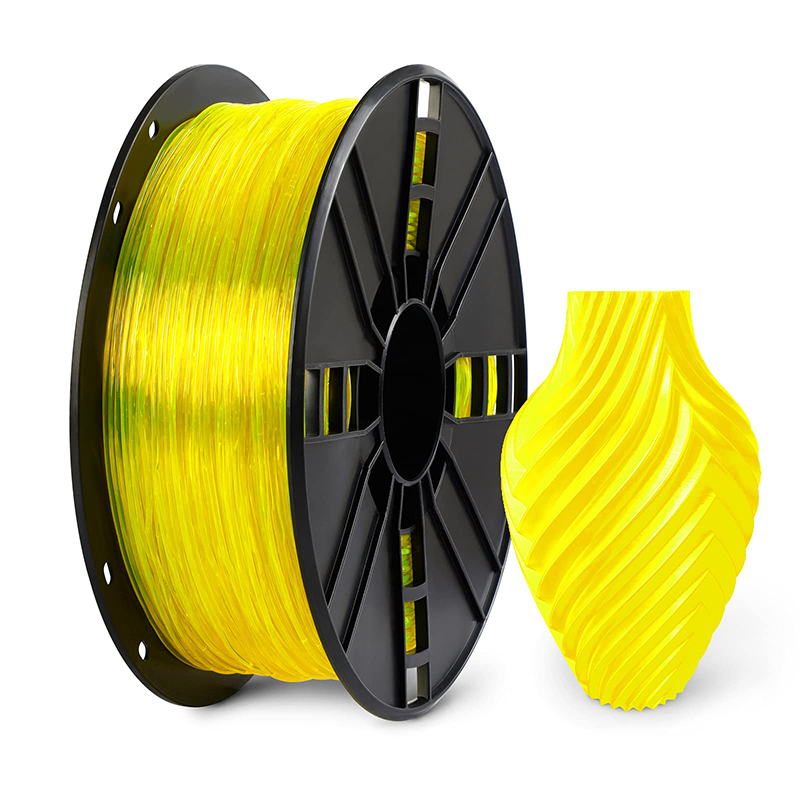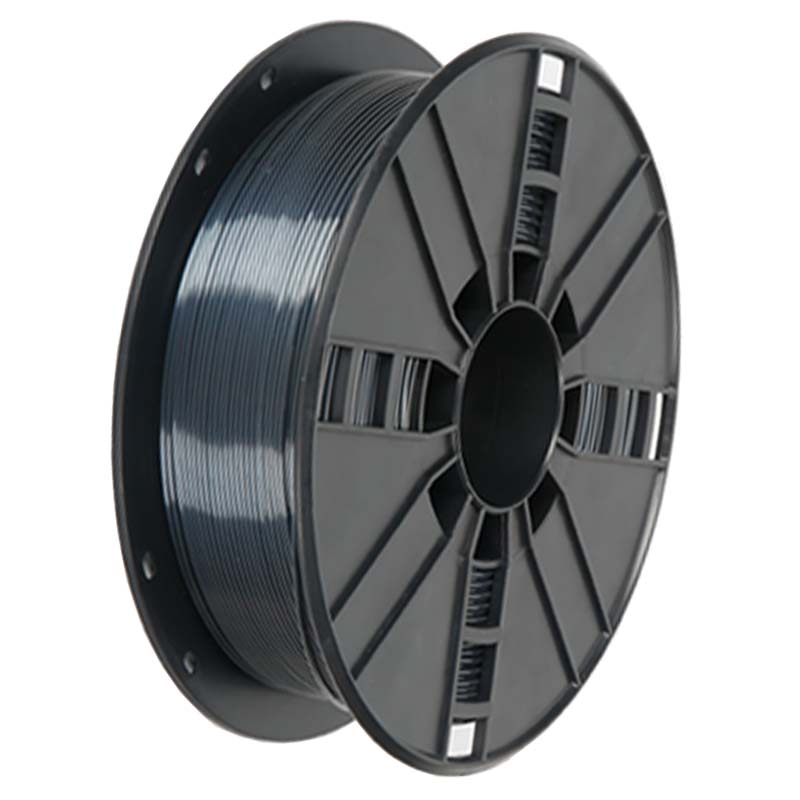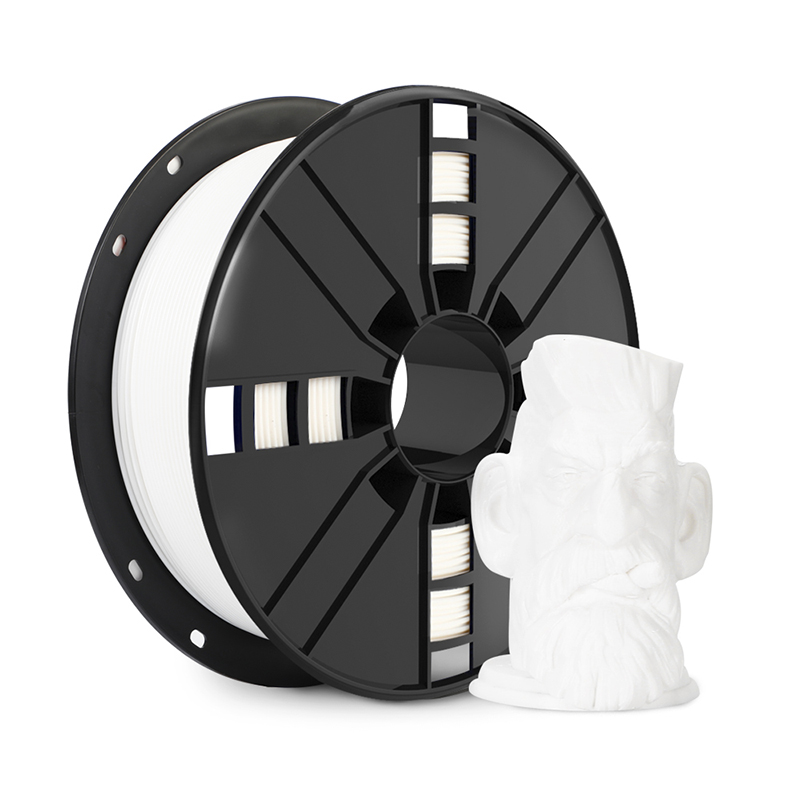
Featured Materials for Impact Mitigation & Airframe Rigidity
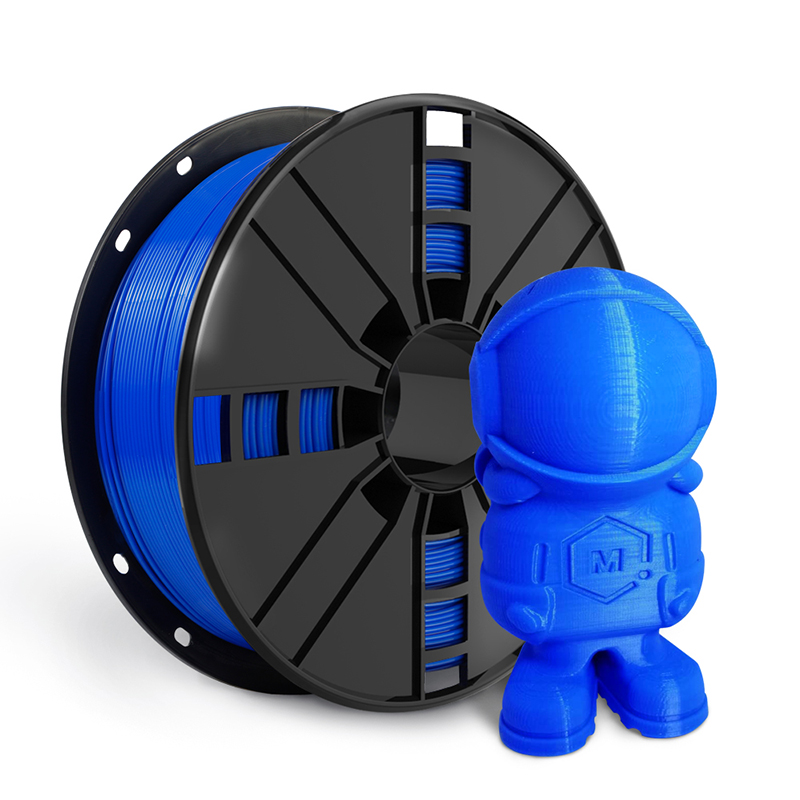
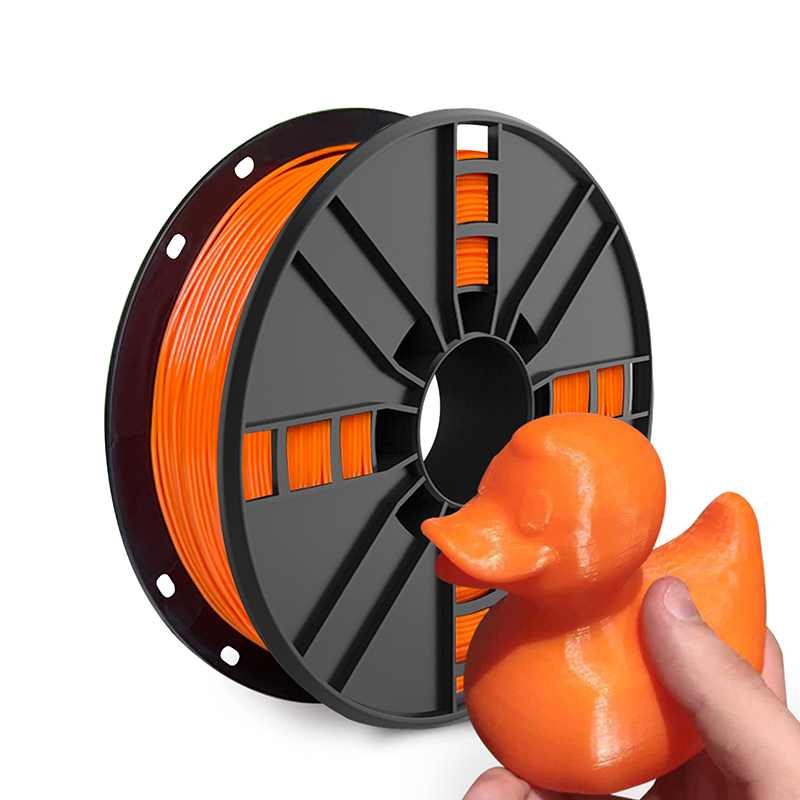
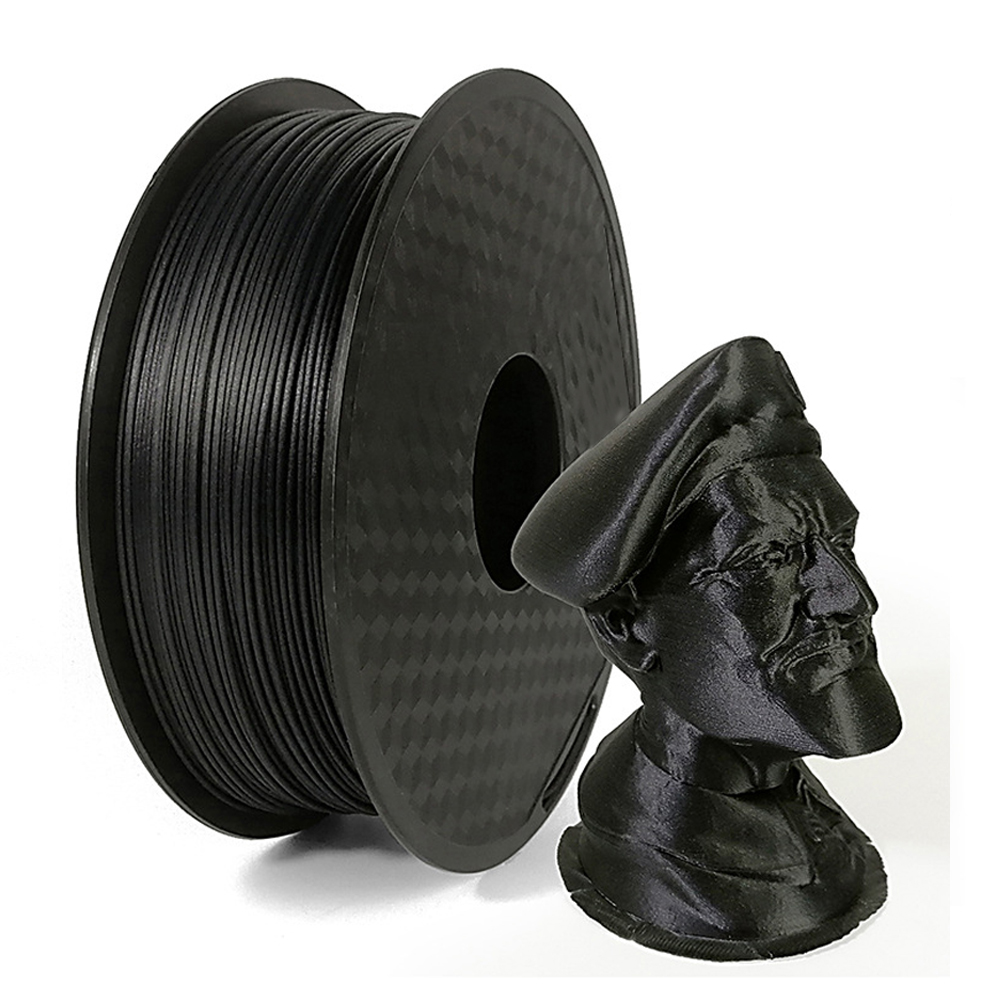
Select from high-modulus PETG Carbon Fiber, impact-absorbing TPU elastomers, and engineering-grade ABS for high-reliability drone landing gear prototyping and production.
The Commercial UAV Landscape & The Evolution of 3D Printed Landing Gear
The unmanned aerial vehicle (UAV) and electric vertical takeoff and landing (eVTOL) industries are undergoing a profound technological transformation. As commercial drones evolve from lightweight consumer quadcopters into heavy-lift industrial platforms for precision agriculture, long-range logistics, emergency payload delivery, and aerial surveillance, landing dynamics have emerged as a critical engineering bottleneck. Hard touchdowns, unpredicted descent velocities, and non-planar terrain landings exert extreme impulse forces through the landing structure directly into sensitive avionics, gimbal-mounted LiDAR payloads, and battery arrays.
Traditional manufacturing paradigms relied heavily on standardized pultruded carbon fiber tubes fastened with CNC-machined aluminum brackets. While this assembly offers high axial stiffness, it suffers from significant drawbacks: high assembly part counts, stress concentration zones at fastener joints, complete lack of tailored progressive compliance, and costly post-impact replacement cycles. The rapid integration of Fused Deposition Modeling (FDM) and Fused Filament Fabrication (FFF) with advanced carbon-fiber-reinforced thermoplastics (CFRTP) is radically altering this landscape.
Modern drone manufacturers and defense contractors leverage short-chopped carbon fiber filaments—specifically high-grade matrix formulations like PETG-CF and PA-CF—to fabricate topologically optimized, single-piece monolithic landing gear legs. By incorporating variable wall thicknesses, internal cellular lattice geometries, and strategically oriented strand laydowns via slicing toolpaths, engineers can tailor the anisotropic stiffness of each strut. This allows landing gear to remain ultra-rigid during high-speed forward flight to prevent aerodynamic flutter while providing engineered elasticity and progressive damping during sudden landing decelerations.
Mechanics of Energy Dissipation in Carbon Fiber Composites
How micro-scale fiber matrix interactions convert violent landing impact kinetic energy into micro-deflection strain and heat dissipation.
Progressive Strain Damping
Chopped carbon fiber strands embedded in the polymer matrix constrain micro-crack propagation under transient peak G-loads. The high shear strength between carbon micro-fibers and the base polymer allows controlled flexural deflection, absorbing initial impact energy rather than transferring instantaneous shock to the central flight controller.
Topological Lattice Cores
3D printing enables internal gyroid, octet, and auxetic honeycomb infills inside the carbon fiber landing legs. Under compressive landing loads, these micro-structures undergo progressive elastic buckling, acting as integrated non-linear mechanical shock absorbers without requiring heavy hydraulic or pneumatic pistons.
Anisotropic Load Tuning
By controlling print orientation (slicing layer angles relative to vertical landing vectors), the tensile strength along the outer fiber perimeters is maximized. This creates an engineered spring-damper effect where horizontal flexural deflection cushions the touchdown before the structure rebounds elastically to its original geometry.
Multi-Polymer Co-Extrusion: Carbon Fiber Legs with Viscoelastic TPU Dampers
While carbon-fiber-reinforced filaments provide extraordinary stiffness-to-weight ratios, optimal shock-absorbing landing systems often adopt a dual-material strategy. In high-velocity touchdown scenarios, combining a high-modulus PETG Carbon Fiber structural strut with an elastic thermoplastic polyurethane (TPU) foot pad or internal damping bushing delivers superior impact attenuation.
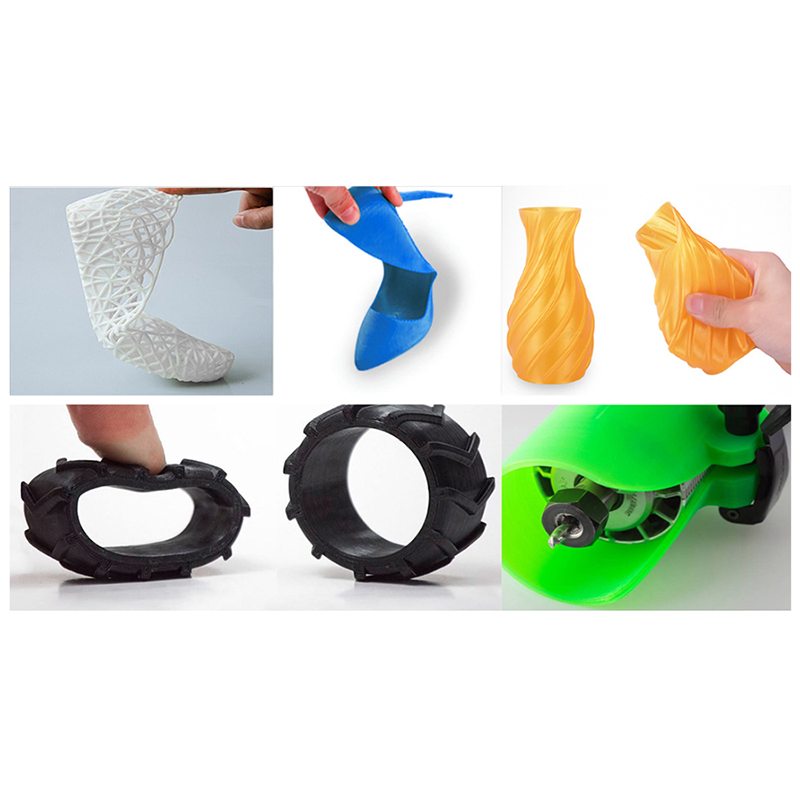
Torwell's engineered TPU formulations offer exceptional elongation at break and high hysteresis loss properties. When fused directly to or mechanically interlocked with PETG-CF landing arms, the TPU element absorbs high-frequency shockwaves and prevents surface slip across wet tarmac, rocky surfaces, or metallic shipboard landing platforms.
- PETG-CF Structural Armature: Eliminates landing gear deflection under hovering payload loads, prevents resonance vibration with high-RPM motor frequencies, and resists atmospheric moisture degradation.
- Flexible TPU Terminal Footpads: Dampens initial touchdown bounce, dissipates primary ground reaction spikes, and prevents surface abrasion during skidding landings.
- ABS/PLA+ Avionics Isolation: Yields precision internal mounting housings for telemetry and landing sensors with dimensional accuracy and thermal stability.
| Mechanical Property | Standard PETG | PETG Carbon Fiber | Industrial TPU (95A) |
|---|---|---|---|
| Tensile Strength (MPa) | 48 - 52 | 75 - 88 | 35 - 42 |
| Flexural Modulus (GPa) | 2.1 | 5.8 - 6.4 | 0.12 - 0.18 |
| Impact Resistance (kJ/m²) | 5.4 | 8.9 | No Break |
| Density (g/cm³) | 1.27 | 1.22 | 1.20 |
| Primary Landing Role | General Brackets | High-Stress Skids | Vibration Dampening |
Mission-Critical Deployment of CF Shock-Absorbing Landing Gear
From rugged agricultural spraying to offshore maritime recovery, 3D printed carbon fiber filaments ensure maximum payload survival and structural resilience.
Heavy-Lift Agricultural UAVs
Agricultural drones carrying 30-50kg liquid tanks experience massive sloshing and shifting centers of gravity upon landing. 3D printed carbon fiber landing gear assemblies withstand intense cyclic landing forces on uneven mud and furrowed crop fields while resisting chemical fertilizer corrosion and UV exposure.
Autonomous LiDAR Survey Platforms
Sub-millimeter mapping accuracy requires zero residual frame vibration. PETG-CF struts suppress motor micro-harmonics during flight and prevent high-G shock transfers to multimillion-dollar optical sensors during rapid slope landings in mountainous survey zones.
Maritime & Search-and-Rescue Drones
Shipboard landings involve rolling decks and sudden wave-induced heave motions. Rapid-recovery landing gears printed with carbon fiber composites combined with TPU friction pads maintain structural integrity under violent oblique impacts without brittle failure in salty marine environments.
Emerging Trends: AI-Generated Lattice Geometries and Continuous Fiber Co-Deposition
The convergence of artificial intelligence generative design tools and advanced filament chemistry is ushering in a new era of drone structural engineering. Generative algorithms can now simulate thousands of stochastic touchdown impact vectors, calculating the exact stress distribution paths across landing gear frames. Slicers translate these finite element simulations into custom volumetric infill densities, concentrating carbon fiber alignment strictly along primary load trajectories while leaving non-load-bearing regions hollow.
Furthermore, the industry is witnessing rapid adoption of hybrid short-fiber formulations alongside continuous-fiber co-extrusion. As industrial FDM printers achieve higher thermal capabilities (nozzle temperatures exceeding 300°C and heated chambers above 90°C), filaments containing carbon fibers exhibit virtually zero warping and layer delamination. This allows aerospace engineers to iterate functional prototypes in hours and scale directly into serial on-demand manufacturing for customized commercial drone fleets without expensive injection tooling molds.
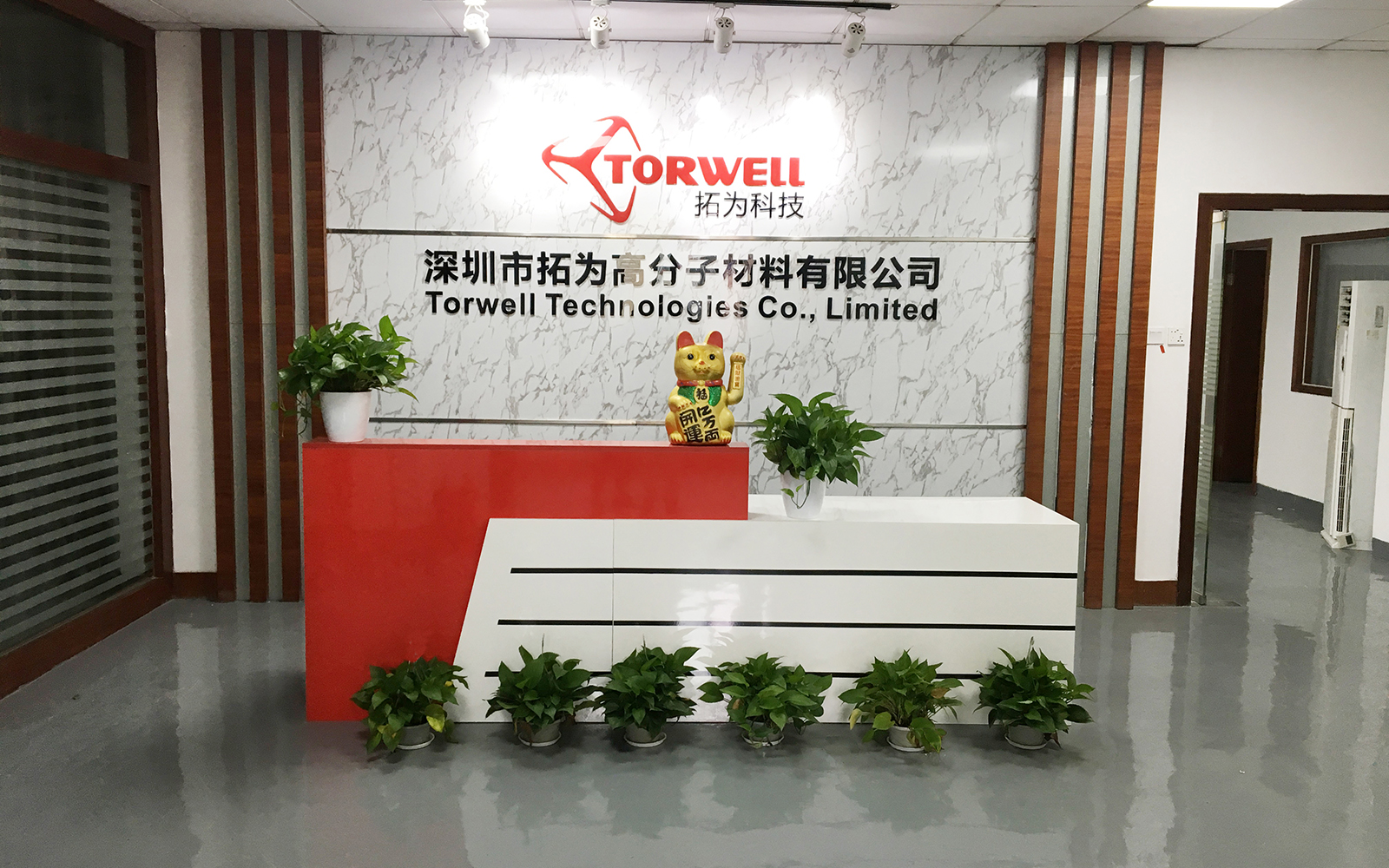
Company Profile: Torwell Technologies Co., Ltd.
Founded in 2011, Torwell Technologies Co., Ltd. is one of the earliest high-tech enterprises specializing in high-tech 3D printer filaments research, manufacture, and sales. Torwell occupies a 2,500 square meters modern factory with a production capacity of 50,000kgs per month.
With more than 10 years of experience in 3D printing market exploration, Torwell has cooperated with the Institute for High Technology and New Materials in domestic famous universities and engaged polymer materials experts as technical advisers. Torwell has become a member of the Chinese Rapid Prototyping Association and a leading enterprise with the most innovative products in the 3D printing industry, owning independent intellectual property rights, patents, and registered trademarks (Torwell US, Torwell EU, NovaMaker US, NovaMaker EU).
Torwell passed the international quality management system ISO9001 and international environmental system ISO14001. Advanced manufacturing equipment, precision testing devices, and premium virgin raw materials are introduced to produce and distribute 3D printer filament of unparalleled quality, ensuring all Torwell products are compliant with RoHS standards, MSDS, REACH, TUV, and SGS test certifications.
As a reliable and professional 3D printing partner, Torwell is committed to expanding its products to America, Canada, the UK, Germany, Netherlands, France, Spain, Sweden, Italy, Russia, Mexico, Australia, New Zealand, Brazil, Argentina, Japan, South Korea, Vietnam, Thailand, Malaysia, India, and more than 80 countries and regions worldwide.
Engineering Materials for Drone Airframe & Landing Assemblies
Explore our full line of carbon fiber composites, high-flexibility TPU filaments, and specialized prototyping plastics manufactured under strict ISO quality control.