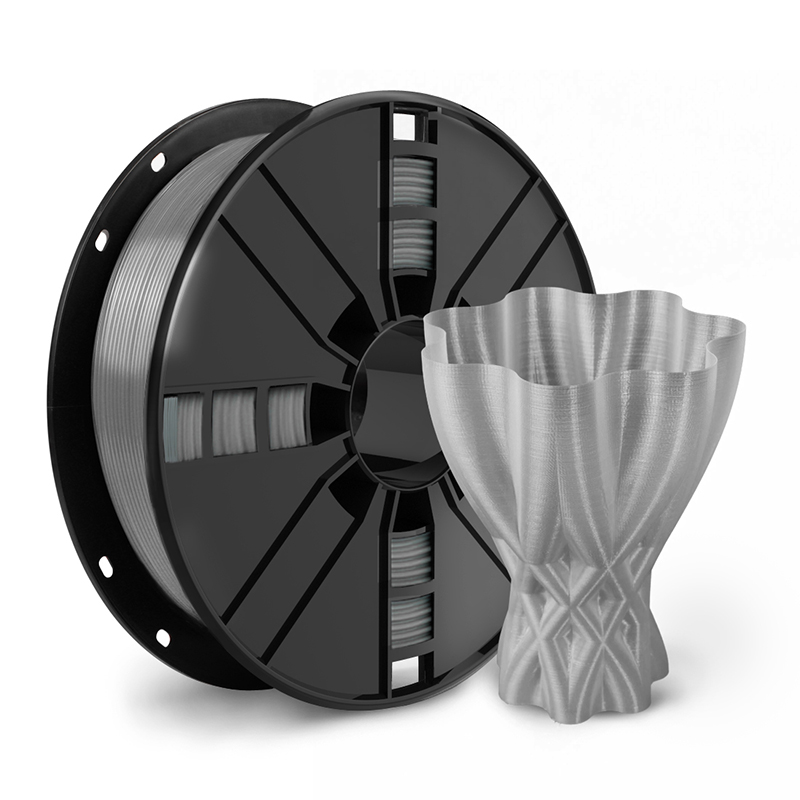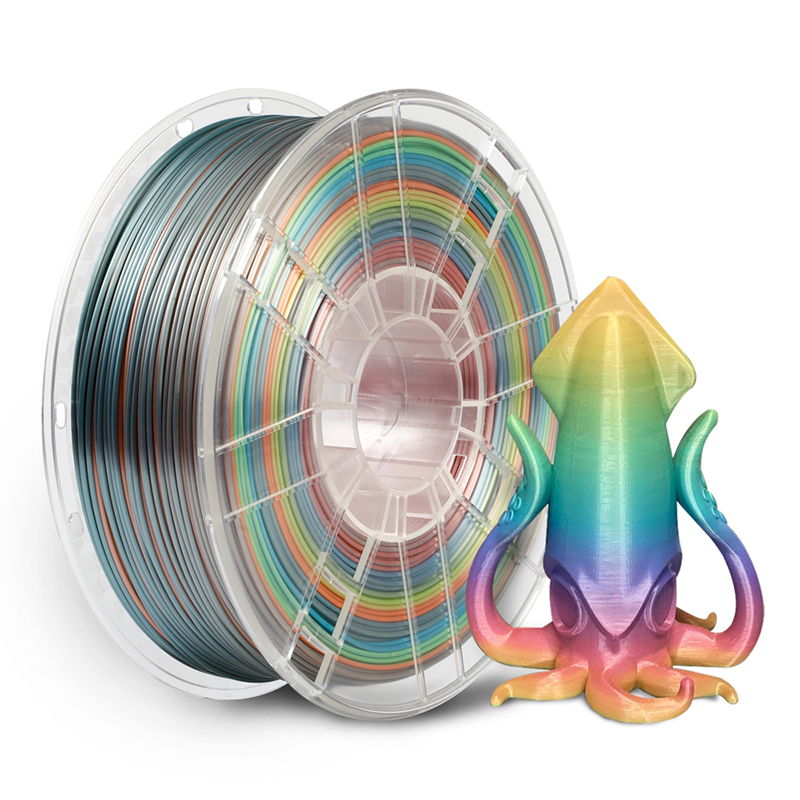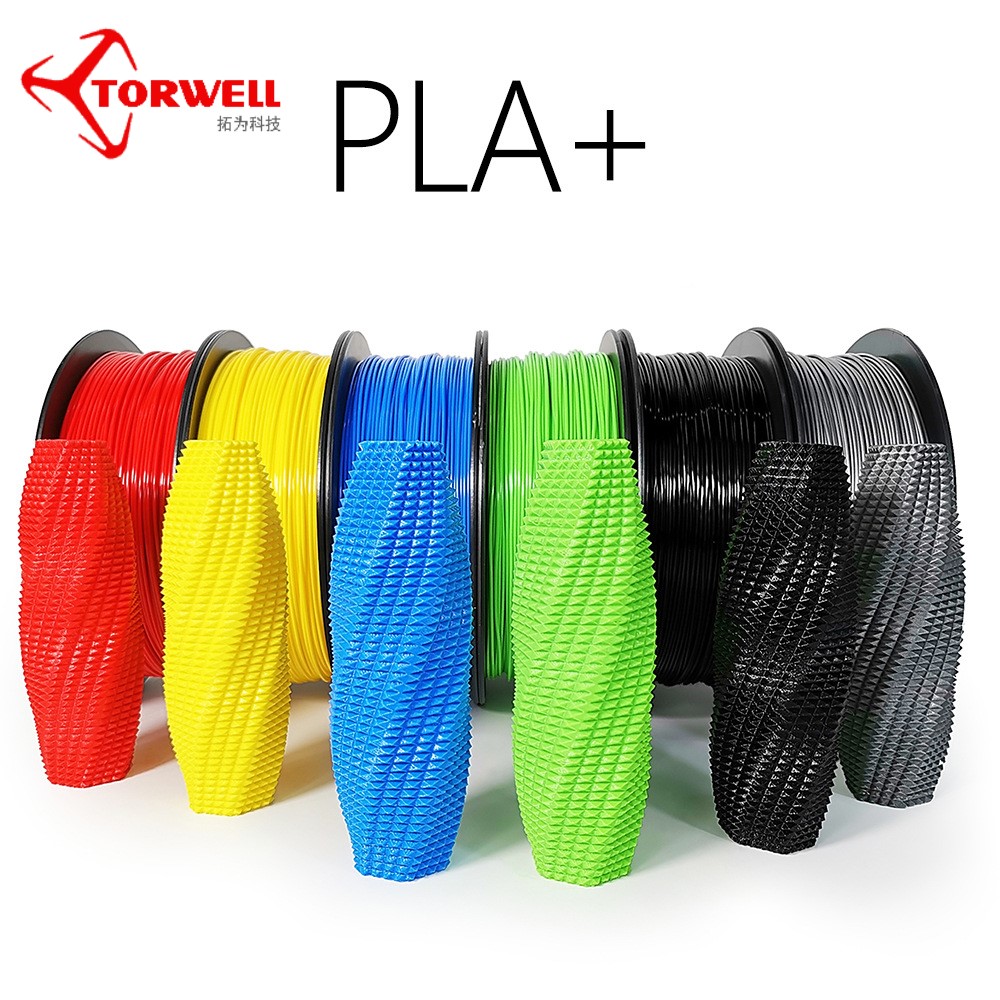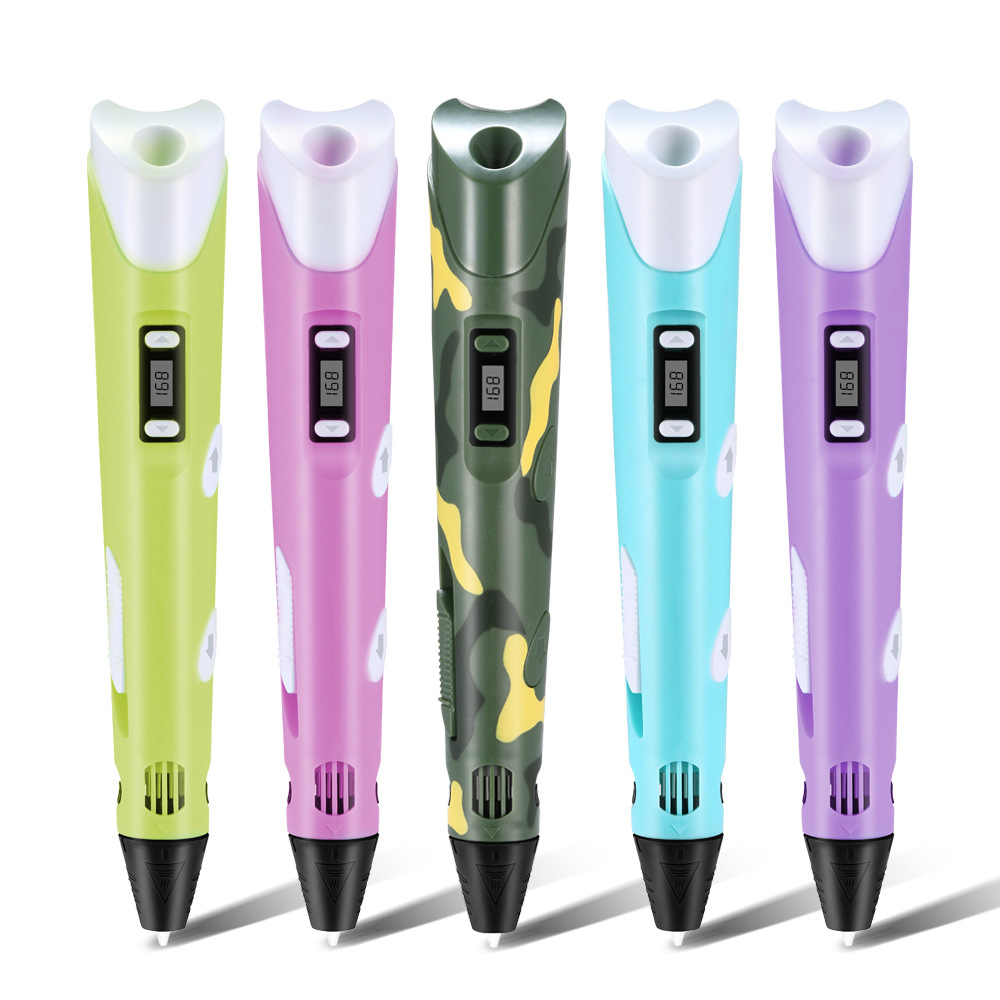
Featured High-Performance & Flexible Filament Series
Discover our engineering-grade filament selection, calibrated to deliver superior structural consistency, high layer cohesion, and aesthetic excellence for European prototyping labs and manufacturing floors.
The Carbon Fiber 3D Printing Revolution in the Netherlands
The Netherlands stands as one of the most innovative and digitally advanced manufacturing powerhouses in the European Union. Across regions like Brainport Eindhoven, Rotterdam's maritime cluster, and the aerospace research hubs surrounding Delft, additive manufacturing has evolved far beyond visual prototyping into direct digital fabrication of end-use industrial components.
Carbon fiber reinforced filament (CF filament) represents the pinnacle of this technological transition. By infusing high-modulus chopped carbon microfibers into advanced engineering polymers such as PETG, Polyamide (Nylon PA6/PA12), PLA, Polycarbonate (PC), and PEEK, manufacturers achieve exceptional tensile strength, elevated heat deflection temperatures (HDT), unmatched dimensional stability, and significant weight reductions compared to machined aluminum.
In the Dutch industrial ecosystem, where precision, energy efficiency, and high automation are paramount, carbon fiber composite printing allows system engineers and machine builders to cut production lead times from weeks to hours while radically reducing scrap material and inventory warehousing costs.
Why Dutch Innovators Choose CF Thermoplastics
From semiconductor packaging tools in Veldhoven to offshore inspection drones in Den Helder, carbon fiber filaments offer a distinct set of physical attributes:
- High Strength-to-Weight Ratio: Replaces metal fixtures and brackets at 40-60% weight reduction.
- Near-Zero Thermal Warping: Carbon fibers constrain thermal shrinkage during crystallization.
- Matte High-Tech Finish: Conceals layer lines cleanly, providing professional end-use aesthetics.
- High Rigidity & Modulus: Ideal for robotic end-of-arm tooling (EOAT) subjected to continuous dynamic loads.
Engineering Properties & Material Science Breakdown
Our carbon fiber reinforced filaments are formulated using high-purity virgin polymer matrices blended with finely tuned chopped carbon fibers (15% - 25% weight ratio), ensuring optimal fiber-matrix interfacial adhesion and smooth extrusion through wear-resistant nozzles.
PLA-CF & PETG-CF Composites
Combining the effortless printability of standard polymers with the stiffening characteristics of micro-carbon fibers. PETG-CF delivers outstanding moisture resistance, chemical inertness, and structural rigidity for functional housings, ducting, and water-resistant enclosures used in Dutch agricultural and greenhouse automation.
PA-CF (Nylon Carbon Fiber)
Engineered for punishing mechanical environments. High tensile yield strength, remarkable impact absorption, and continuous thermal resistance exceeding 140°C. Perfect for functional automotive engine components, custom cycling gear, and load-bearing fixtures in manufacturing assembly lines.
Ultra-High Performance (PEEK-CF)
Tailored for extreme mission-critical conditions in aerospace and chemical processing. Offers unmatched flame retardancy (UL94 V-0), radiation resistance, and chemical immunity against harsh hydrocarbons, saltwater, and aggressive solvents frequently encountered in North Sea maritime applications.
Localized Application Scenarios across Key Netherlands Industries
The Netherlands' dense industrial corridors require robust material solutions that can withstand mechanical wear, salt-air corrosion, and high dynamic forces. Carbon fiber composite filaments provide targeted advantages across multiple strategic Dutch sectors.
1. Aerospace & Autonomous Drone Systems
With aerospace research centers cluster around Delft and innovative drone development testing zones across Twente, weight reduction directly correlates with battery endurance and payload capacity. Carbon fiber filament empowers designers to print aerodynamic structural spars, motor mounts, gimbal housings, and sensor enclosures that endure extreme vibration without fatigue delamination.
2. Maritime, Offshore & Port Operations (Rotterdam Hub)
The Port of Rotterdam and offshore wind farms throughout the North Sea require rapid on-demand replacement parts that resist harsh saline environments. Traditional metal parts suffer rapid corrosion; carbon fiber nylon and PETG-CF parts offer superior chemical inertness, high UV resistance, and immediate on-site digital fabrication capability on marine vessels.
3. Precision Agri-Tech & Smart Horticulture (Westland)
Dutch automated greenhouses and robotic harvesting equipment demand lightweight, non-corroding grippers and robotic picking arms. By utilizing CF reinforced filament, automated sorting robots achieve faster acceleration cycles, reduced servo motor strain, and increased cycles-per-minute without sacrificing component rigidity.
4. High-Tech Semiconductor Equipment & Jigs
Supporting cleanroom-adjacent assembly jigs, custom test fixtures, and wafer inspection alignment tools. CF composite filament minimizes electrostatic discharge (ESD) risks when formulated with conductive carbon networks, ensuring maximum safety for delicate microelectronic modules and high-precision sensors.
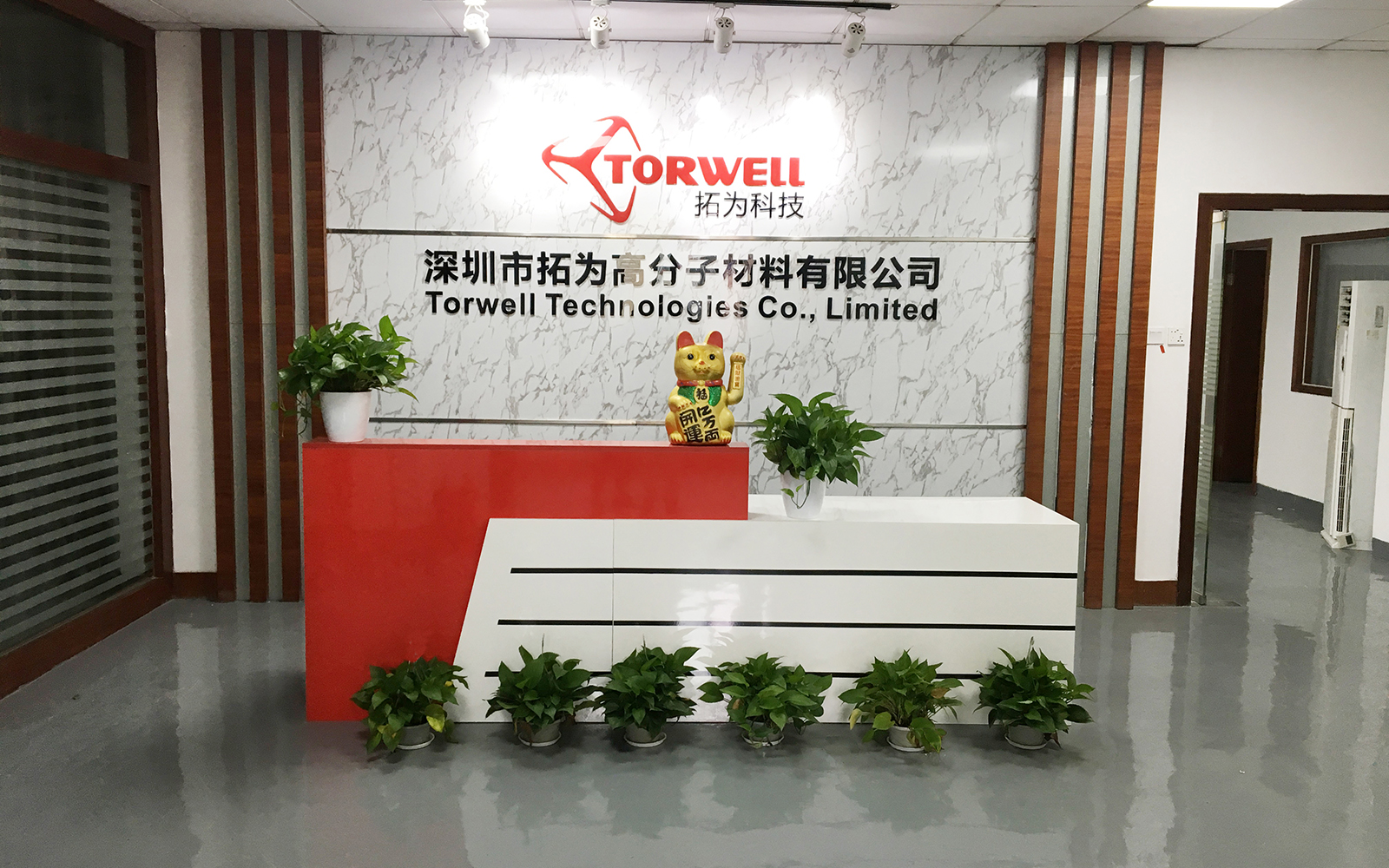
Company Profile: Torwell Technologies Co., Ltd.
Founded in 2011, Torwell Technologies Co., Ltd. is one of the earliest high-tech enterprises which specializing in high – tech 3D printer filaments research, manufacture and sell, occupies 2,500 square meters modern factory with production capacity of 50,000kgs per month.
With more than 10years experiences in 3D printing market exploration, cooperated with Institute for High Technology and New Materials in domestic famous universities, and engaging Polymer materials experts as technical adviser, Torwell becomes one of member of Chinese rapid prototyping association and leader enterprise with the most innovative products in 3D printing industry, owns independent intellectual property rights, patents and trademarks(Torwell US, Torwell EU, NovaMaker US, NovaMaker EU).
Torwell passed international quality management system ISO9001, international environment system ISO14001, the advanced manufacturing equipment, test devices and virgin raw materials available are introduced to produce and distribute 3D printer filament of unparalleled quality, to insure all the products of Torwell are compliant with RoHS standard, MSDS, Reach, TUV and SGS test certificated.
Be a reliable and professional 3D printing partner, Torwell has committed to expanding its products to America, Canada, UK, Germany, Netherlands, France, Spain, Sweden, Italy, Russia, Mexico, Australia, New Zealand, Brazil, Argentina, Japan, South Korea, Vietnam, Thailand, Malaysia, India, more than 80 countries and regions.
Rigorous Quality Assurance for Demanding Industrial Standards
Producing high-grade carbon fiber filament requires stringent control over raw polymer purity, fiber length distribution, compounding consistency, and spool winding tension to prevent nozzle clogging and layer separation.
Dual-Axis Laser Diameter Gauging
Continuous real-time optical monitoring guarantees strict dimensional tolerance of ±0.02mm across the entire spool length, preventing extrusion under-fill or over-pressure jams in high-speed printers.
Vacuum Moisture Control & Desiccant Sealing
Carbon fibers can act as moisture pathways. Our factory implements high-temperature multi-stage desiccant drying and automated vacuum aluminum foil packing, ensuring filaments arrive moisture-free.
Tangle-Free Precision Spooling
Automated winding robotics ensure neat, layer-by-layer spooling that eliminates overlaps, snags, and mid-print hang-ups during prolonged 48+ hour unattended industrial print jobs.
Sustainable Additive Manufacturing in the Benelux
The European Green Deal and Dutch circular economy directives mandate that modern manufacturing processes reduce carbon footprints and eliminate hazardous chemical substances.
Torwell Technologies takes ecological stewardship seriously. All filament series are produced using eco-responsible processing compliant with ISO 14001, RoHS, and EU REACH regulations. Our carbon fiber compounds maximize print longevity and part durability, reducing replacement cycles and non-recyclable scrap material.
Furthermore, by empowering Dutch businesses to manufacture on-demand spare parts locally inside the Netherlands, logistics-related carbon emissions and intercontinental freight dependency are dramatically diminished.
Comprehensive Compliance Certifications
Our products are thoroughly certified by international testing bodies, ensuring smooth compliance for European commercial distributors and corporate end-users:
- ISO 9001:2015 Quality Management Systems Certified
- ISO 14001:2015 Environmental Management Certified
- RoHS & REACH Compliant for European distribution
- MSDS, TUV & SGS Safety and Chemical Analysis Verified
- OEM & ODM Custom Formulation and Private Labeling Available
Industrial Printing Parameters & Best Practices
To achieve optimal inter-layer bonding and mechanical performance when printing carbon fiber filaments on desktop and industrial FDM/FFF 3D printers, adhere to the following recommended settings:
Nozzle Requirements
Carbon microfibers are abrasive to standard brass nozzles. Always employ hardened steel, tungsten carbide, or ruby-tipped nozzles with an orifice size of 0.4mm or preferably 0.6mm to prevent clogging and maintain dimensional accuracy over prolonged use.
Thermal Management
Extrusion temperatures typically range between 220°C - 260°C for PETG-CF and 260°C - 300°C for PA-CF. Heated bed settings between 70°C and 100°C paired with PEI or textured build sheets guarantee robust first-layer adhesion without edge lift.
Post-Print Annealing
For Nylon-CF (PA-CF) components requiring maximum thermal resistance and tensile strength, secondary oven annealing at 80°C - 100°C for 4-6 hours promotes polymer re-crystallization and relieves internal residual stresses.
Complete Torwell 3D Printing Filament & Innovation Portfolio
Explore our full lineup of 3D printing filaments, high-strength polymers, silk aesthetics, and creative 3D drawing tools manufactured for global distribution.