
Featured 3D Printing Materials
Discover our range of premium filaments tailored for precision FDM 3D printing applications.
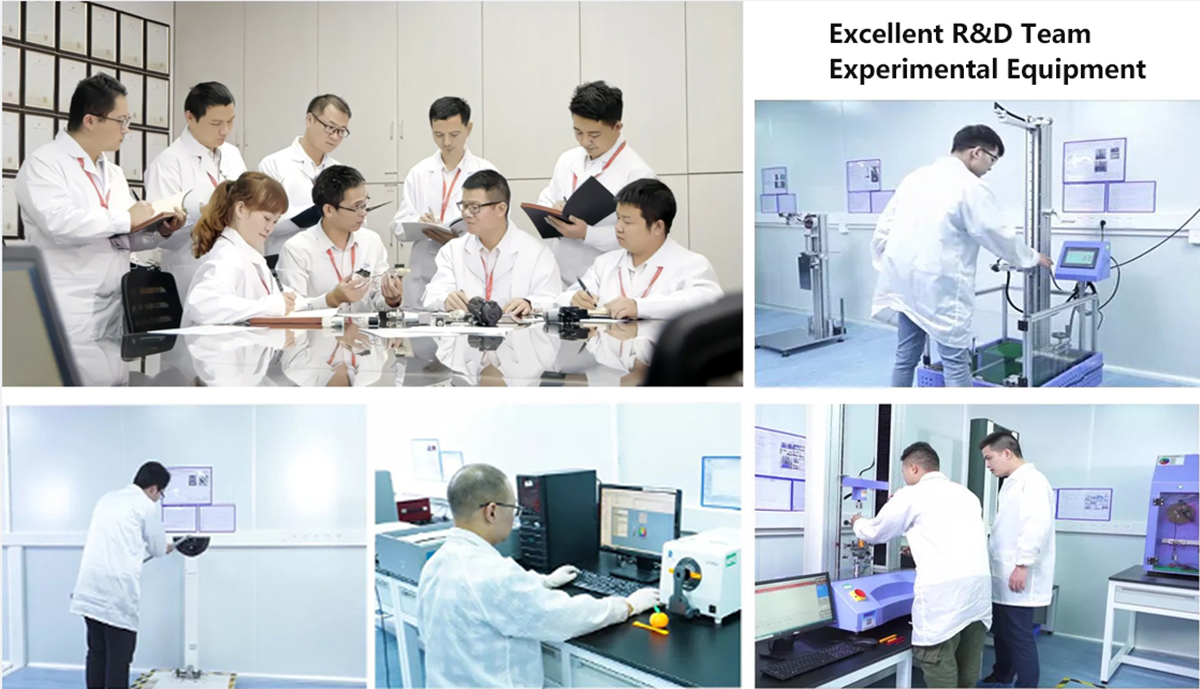
Quality Control Standards
The factory area has passed ISO45001 occupational health and safety management system certification. Every new employee must be experienced one week of safety production knowledge teaching and two weeks of produce skills training, and master every course in the production process. Who is in the position will be responsible for its duty.
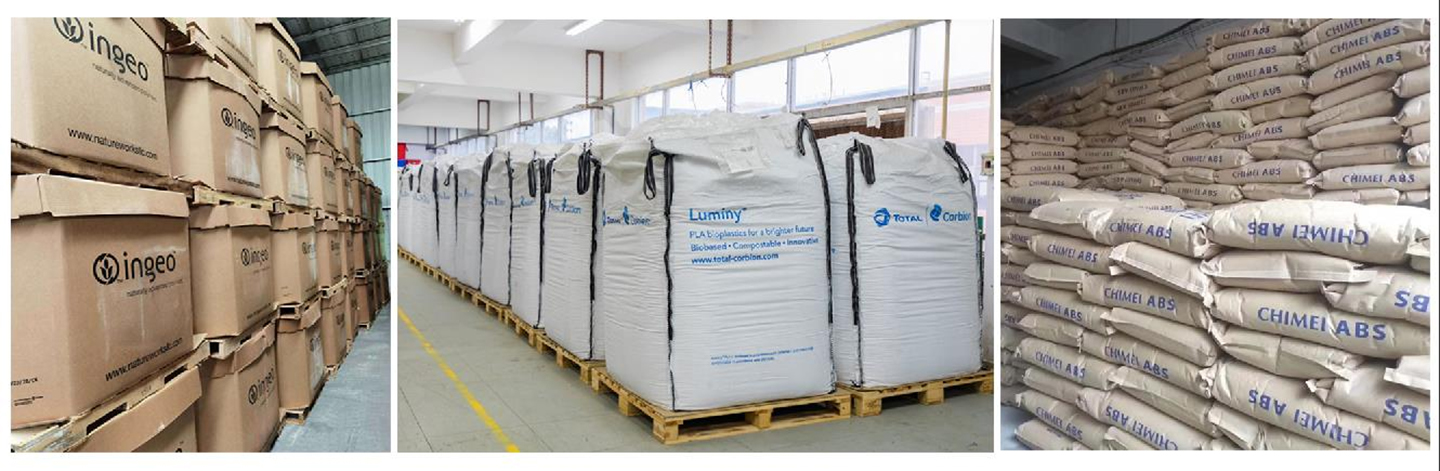
Premium Raw Material Selection
PLA is the most preferred material for 3D printing, Torwell firstly chooses PLA from US NatureWorks, and Total-Corbion is the alternative. ABS from TaiWan ChiMei, PETG from South Korea SK. Each batch of main raw materials comes from the partners who has cooperated more than 5 years to ensure the reliability of the products from the source. Each batch of raw materials will undergo parameters inspection before produce to ensure that raw materials are original and virginal.
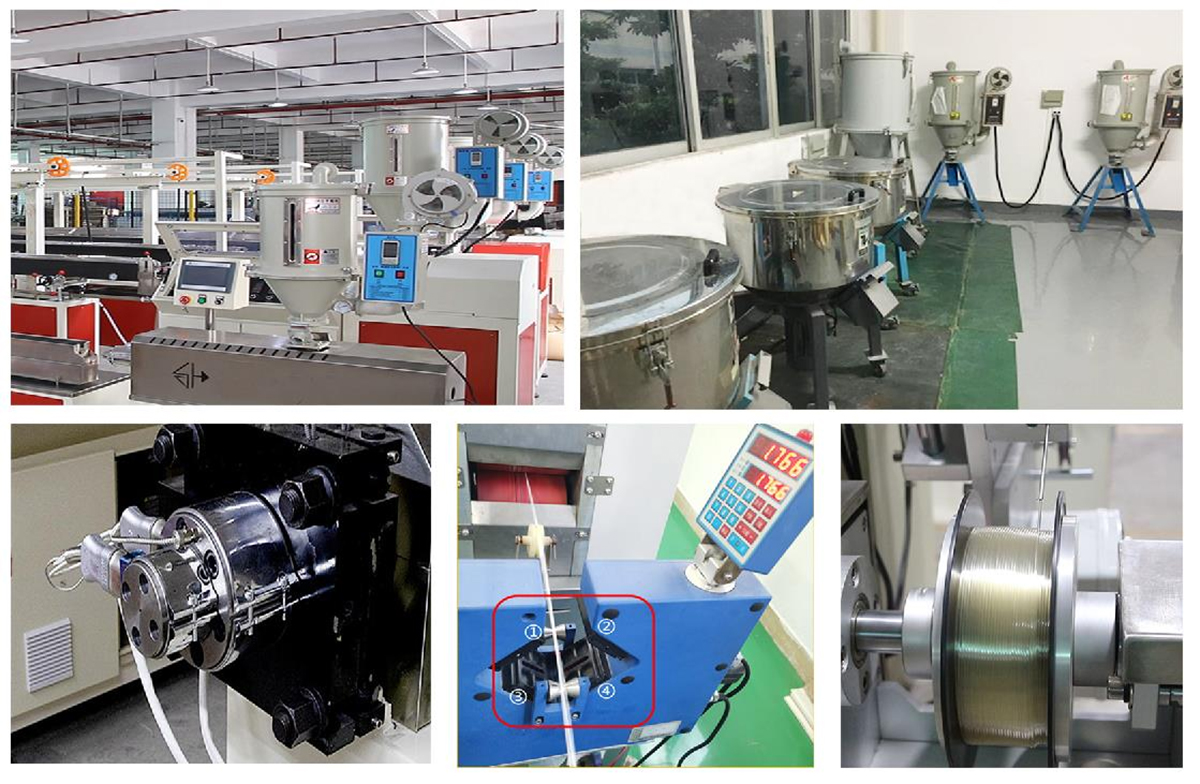
Advanced Manufacturing Equipment
The manufacturing workshop will make arrangements after the inspection of raw materials, at least two engineers cross-check the clearance of mixing tank, color mixed of material, humidity from hopper dryer, temperature of extruder, hot/cool tank, and trial-produce and debugging the produce line to make sure all of processes in the best condition. Maintain the filament Diameter tolerance +/- 0.02mm, Roundness tolerance +/- 0.02mm.
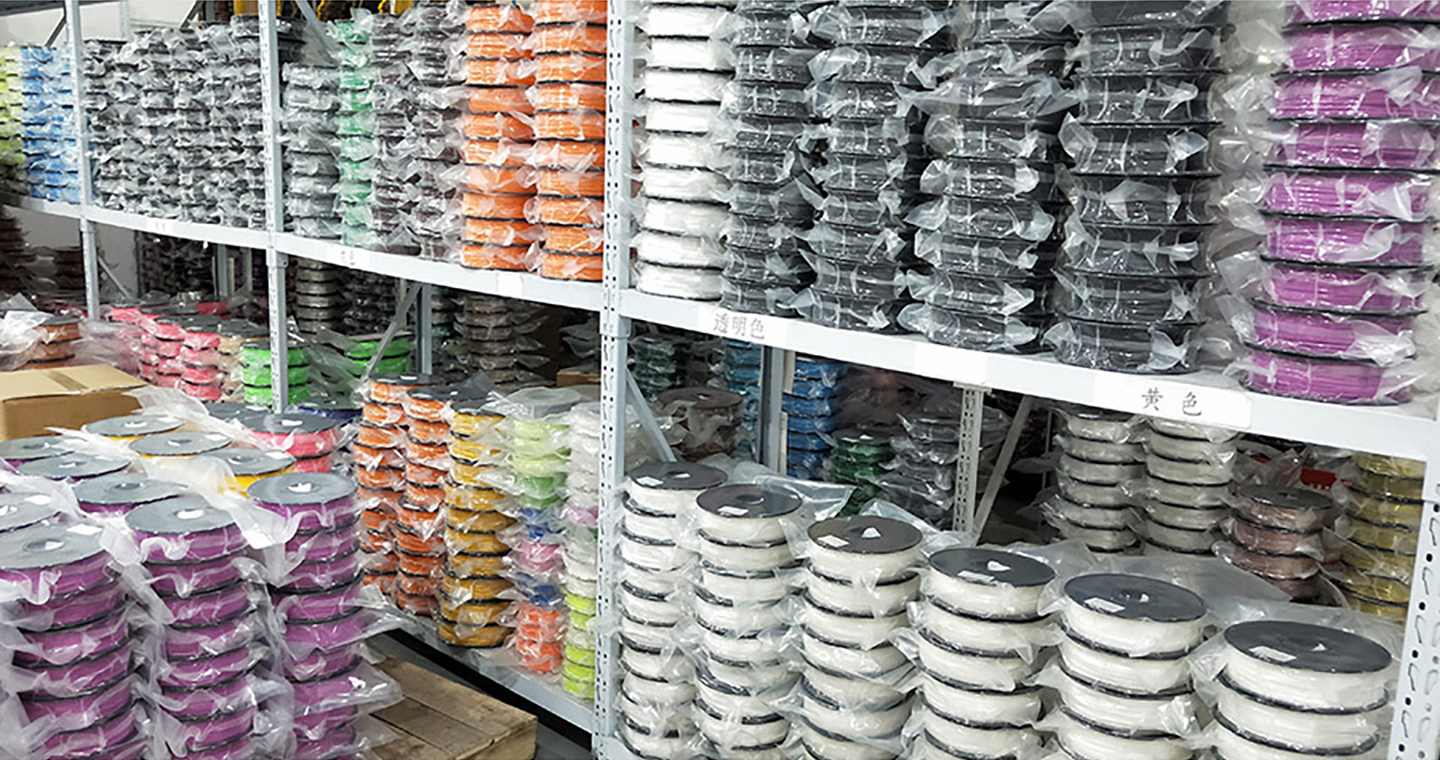
Rigorous Final Inspection
After each batch of 3D filament is produced, two quality inspectors will conduct random inspections on each batch of finished products in accordance with the requirements of the standard, such as diameter tolerance, color consistency, strength and toughness and so on. After vacuuming the package, place them for 24 hours to check whether there is any leaking package, then label it and finish the package.
The Rise of 3D Printing Carbon Fiber Filament Manufacturers & Factories in the UK
The United Kingdom has long been a global powerhouse in high-end engineering, aerospace innovation, and advanced motorsports. In recent years, the integration of additive manufacturing into these legacy sectors has accelerated dramatically. As demand for lightweight, exceptionally strong, and heat-resistant components surges, industrial designers and manufacturers are increasingly turning to advanced composite materials. Among these, carbon fiber reinforced filaments stand out as a game-changer for FDM/FFF 3D printing technology.
Industry Insight
Carbon fiber filaments combine traditional thermoplastic bases—such as PLA, PETG, ABS, or high-performance PEEK and Nylon—with finely chopped carbon fibers. This infusion drastically improves the tensile strength, stiffness, and dimensional stability of printed parts while reducing overall weight.
Industrial Landscape and Manufacturing Status in the UK
The industrial landscape across regions like the West Midlands, Greater Manchester, and the South of England is witnessing a digital transformation. Local manufacturers and factories specializing in polymer extrusion are adopting stringent quality frameworks to meet the exacting standards of British industries. Whether producing functional prototypes for automotive lightweighting or end-use structural components for aerospace, reliability and consistency are paramount.
Top-tier suppliers ensure that their production floors adhere to international quality benchmarks like ISO45001, utilizing state-of-the-art laser diameter measuring equipment and automated drying systems. This local and international supply chain synergy guarantees that UK engineers receive engineering-grade carbon fiber filaments capable of enduring rigorous mechanical loads.
Key Technological Trends in Carbon Fiber Additive Manufacturing
The 3D printing filament industry is undergoing rapid technological evolution. Several key trends are shaping the future of carbon fiber composites in the UK:
- High-Performance Polymer Matrices: Moving beyond standard PLA and ABS, manufacturers are incorporating carbon fiber into engineering thermoplastics like Nylon, Polycarbonate, and PPSU for extreme thermal and chemical resistance.
- Enhanced Fiber Dispersion: Advanced compounding techniques ensure uniform distribution of carbon fibers throughout the filament strand, minimizing nozzle clogging and maximizing inter-layer adhesion.
- Eco-Friendly Composite Solutions: With the UK's commitment to net-zero carbon emissions, sustainable bio-based polymer matrices infused with recycled carbon fibers are gaining immense traction.
Localized Application Scenarios across British Industries
The versatility of carbon fiber 3D printing filaments has unlocked innovative application scenarios across various vertical markets in the UK:
1. Aerospace and Defense
In the aerospace sector, weight reduction directly translates to fuel efficiency and increased payload capacity. Carbon fiber filaments are utilized to print lightweight brackets, UAV (Unmanned Aerial Vehicle) structural frames, and interior cabin components that require high strength-to-weight ratios.
2. Motorsport and Automotive
Given the UK's renowned Motorsport Valley, rapid prototyping and production of aerodynamic testing parts, custom jigs, fixtures, and under-the-hood components require materials that can withstand high temperatures and severe vibrational stress. Carbon fiber reinforced polymers provide the ideal metallic alternative.
3. Medical and Orthopedic Engineering
Prosthetics and custom orthotic devices demand materials that are lightweight, skin-friendly, and structurally rigid. Carbon fiber filaments allow biomedical engineers in the UK to fabricate patient-specific devices with exceptional durability.
Choosing the Right Manufacturing Partner
Partnering with a reliable factory and manufacturer is critical for success in industrial 3D printing. From strict raw material selection—sourcing virgin pellets from industry giants like NatureWorks and ChiMei—to precise extrusion control and rigorous vacuum-sealed packaging, every step influences the final print quality. As the UK market continues to embrace advanced manufacturing, investing in high-grade carbon fiber filaments remains a vital strategy for maintaining a competitive edge in global innovation.
Complete Product Collection
Explore our full catalog of high-quality FDM 3D printing filaments designed for professional and industrial use.
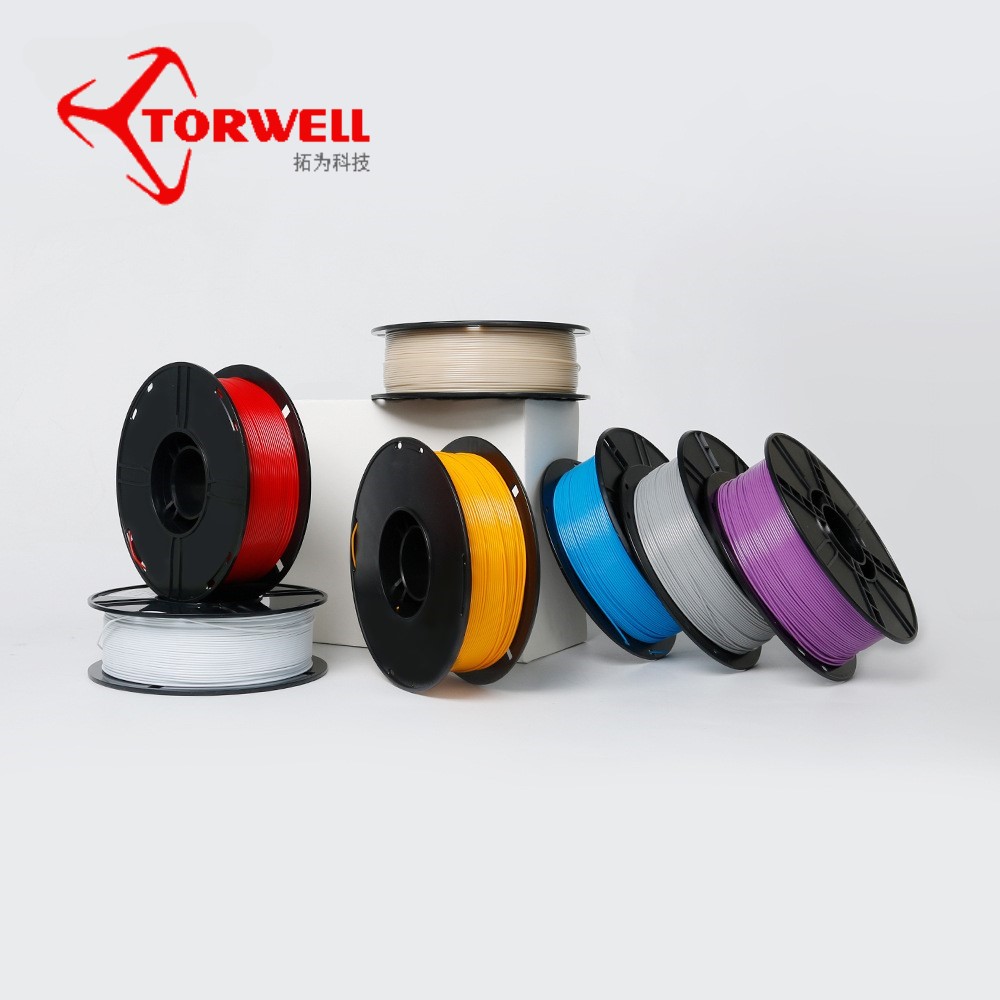 PLA 3D Printer Filament 1.75mm/2.85mm 1kg per Spool
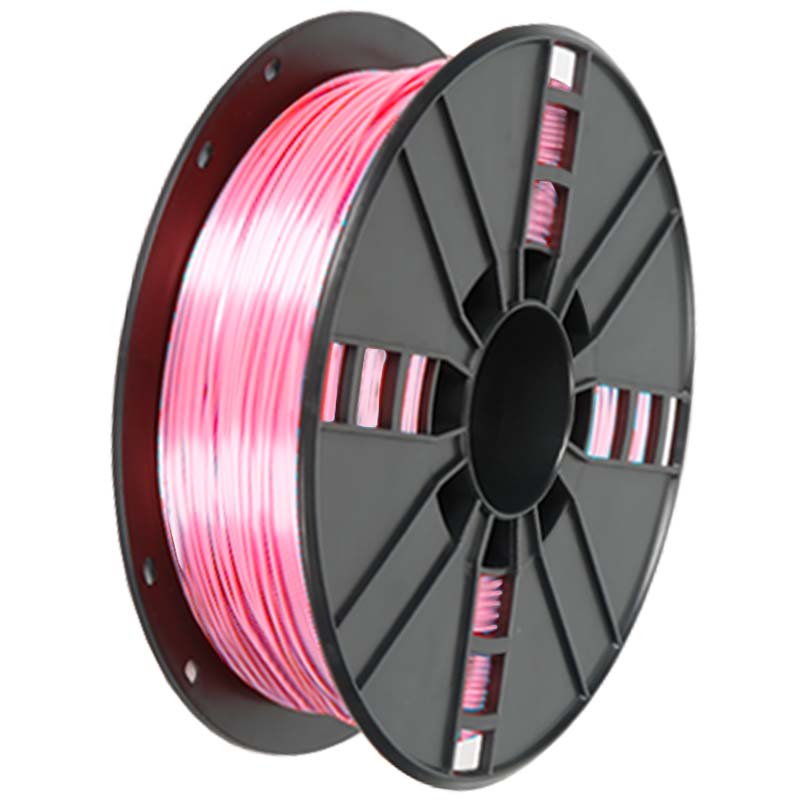 Silky Shiny 3D Printing Material for 3D Printer and 3D Pen, 1kg 1 Spool
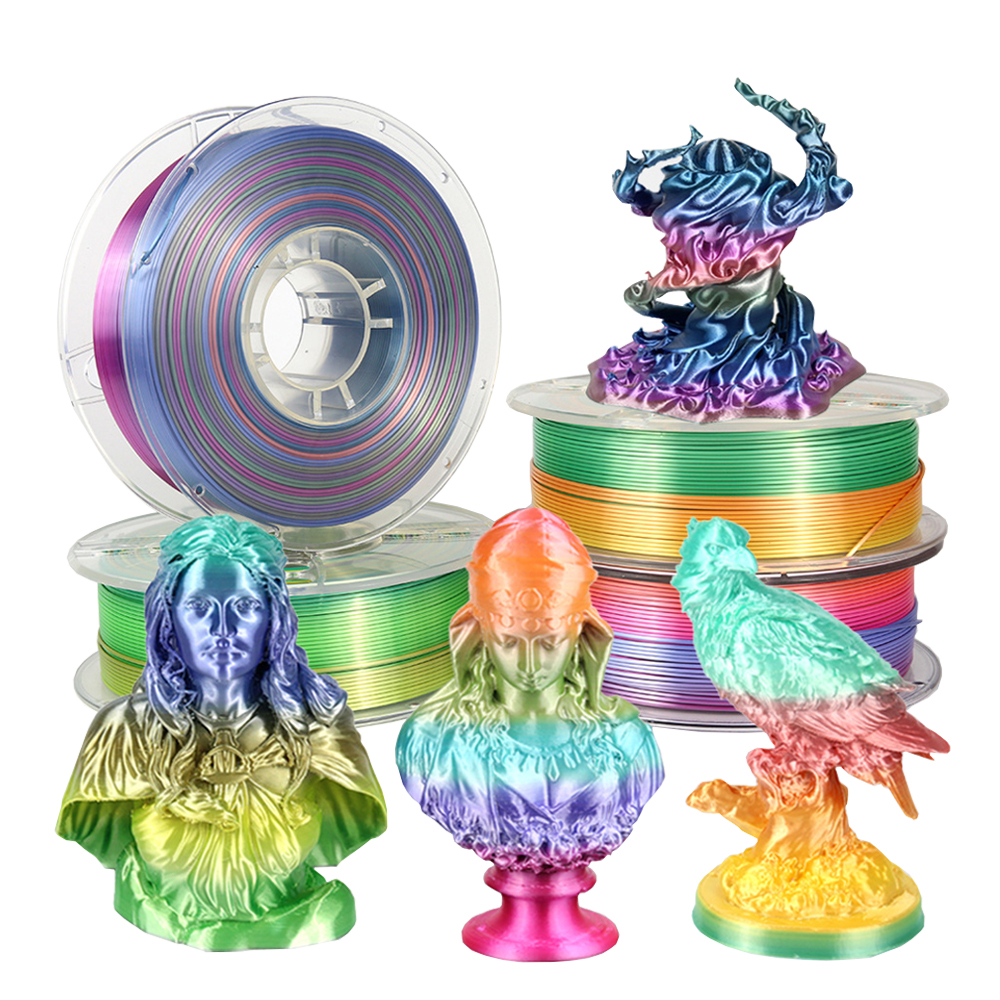 Silk Shiny Fast Color Gradient Change Rainbow Multicolored 3D Printer PLA Filament
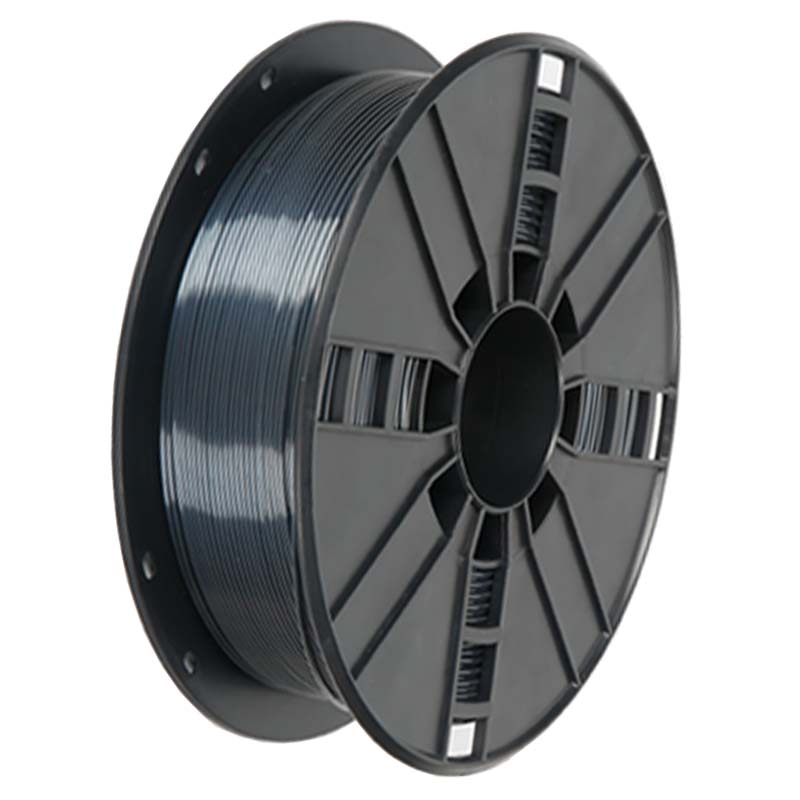 Silk PLA 3D Filament Silk shiny 3D filament
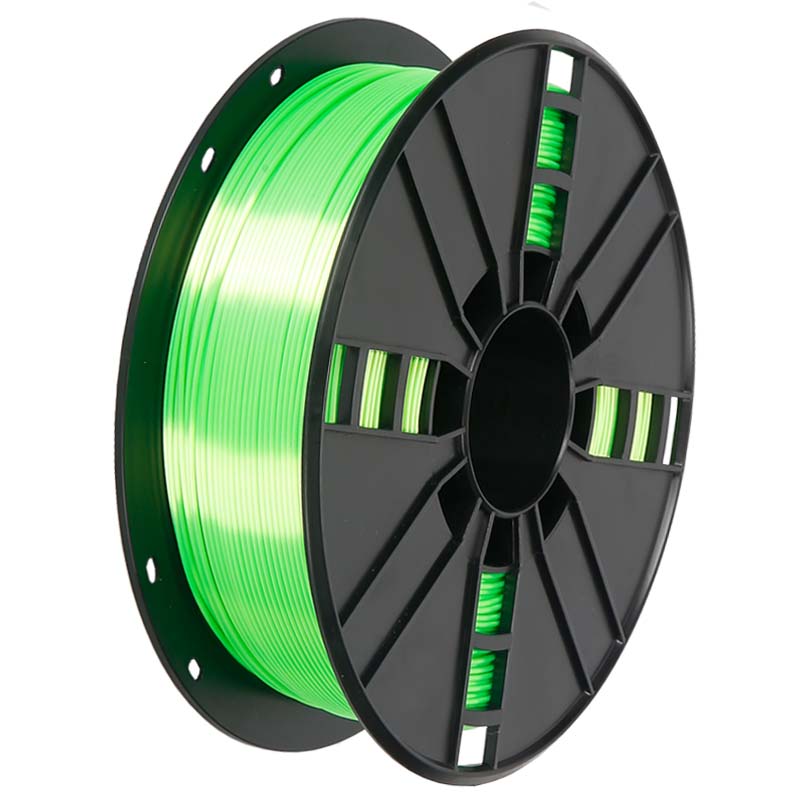 Silk PLA 3D Filament 1KG green color
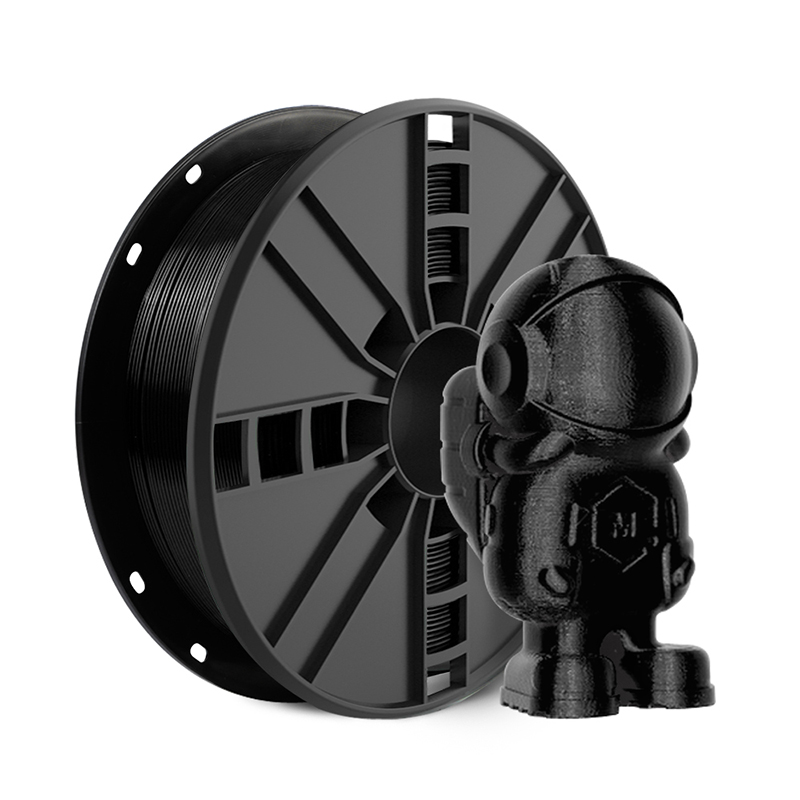 Torwell ABS Filament 1.75mm, Black, ABS 1kg Spool, Fit Most FDM 3D Printer
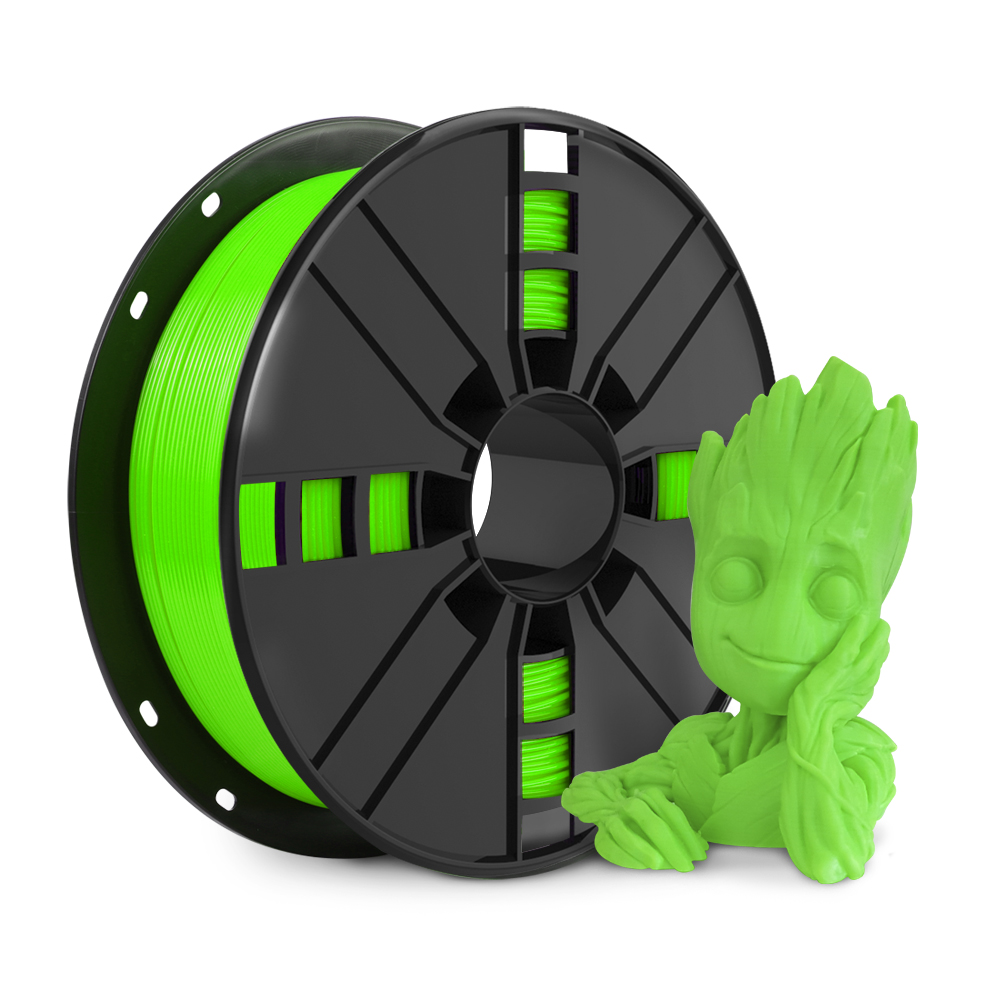 Pla printer filament green color
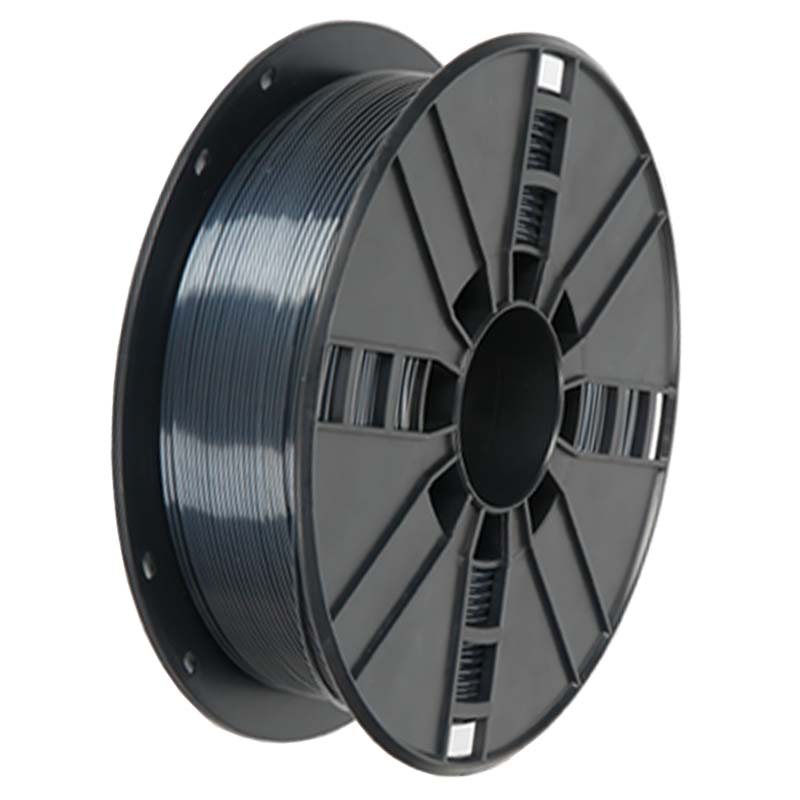 Silk Black PLA Filament 1.75mm 3D Printing Filament