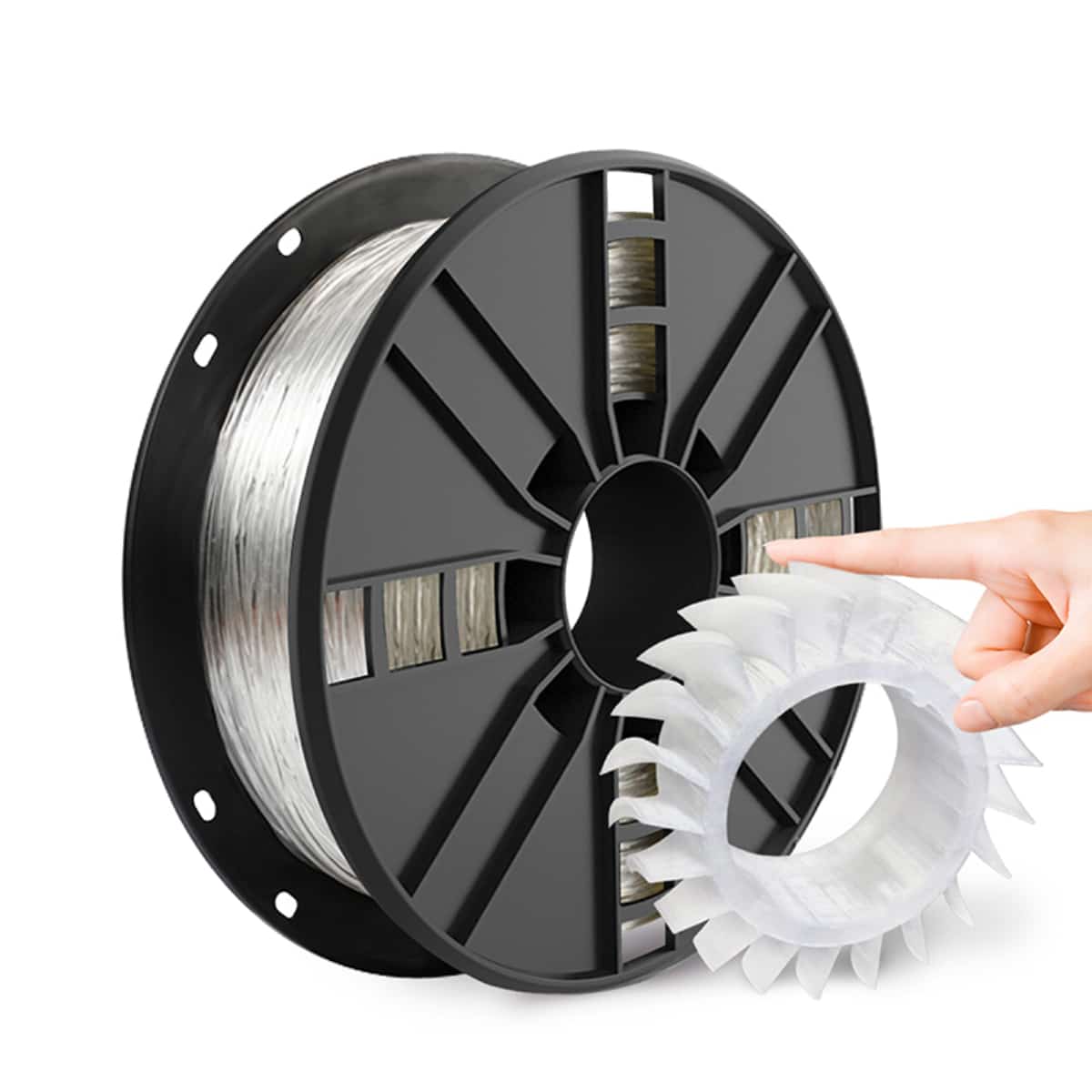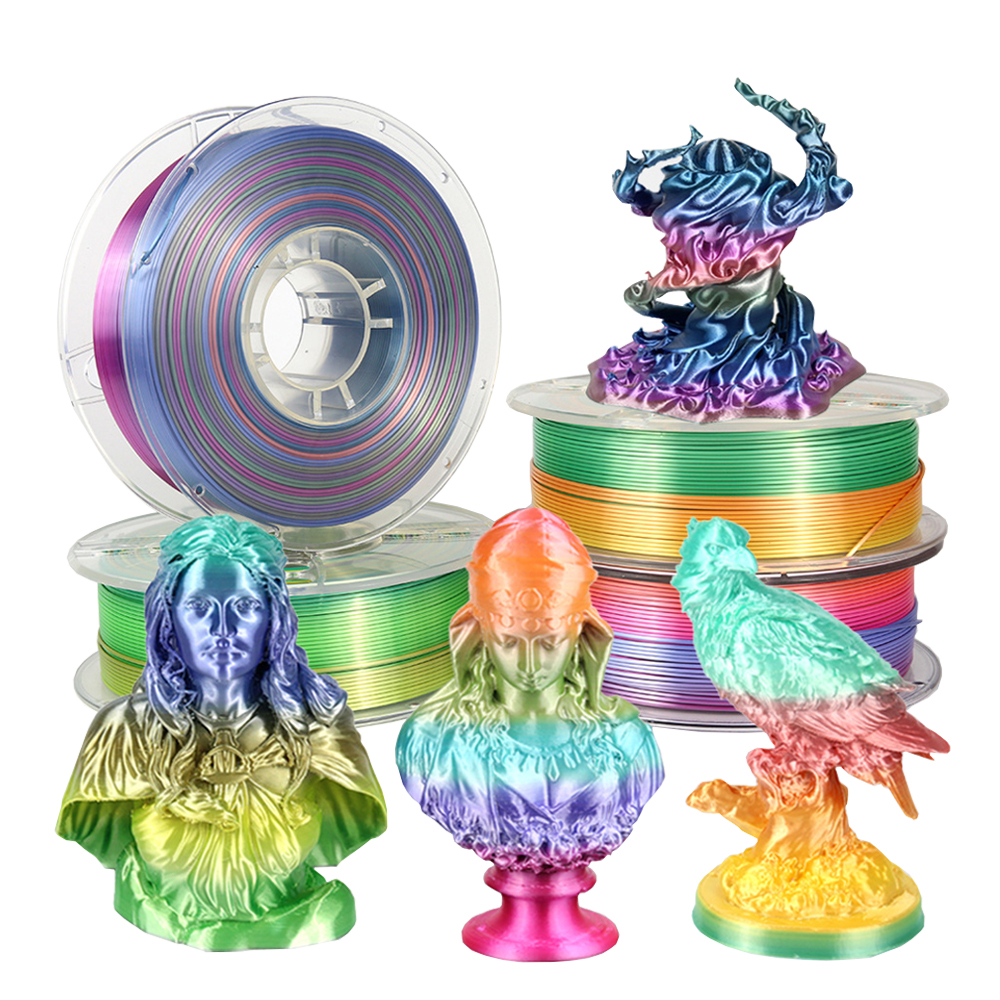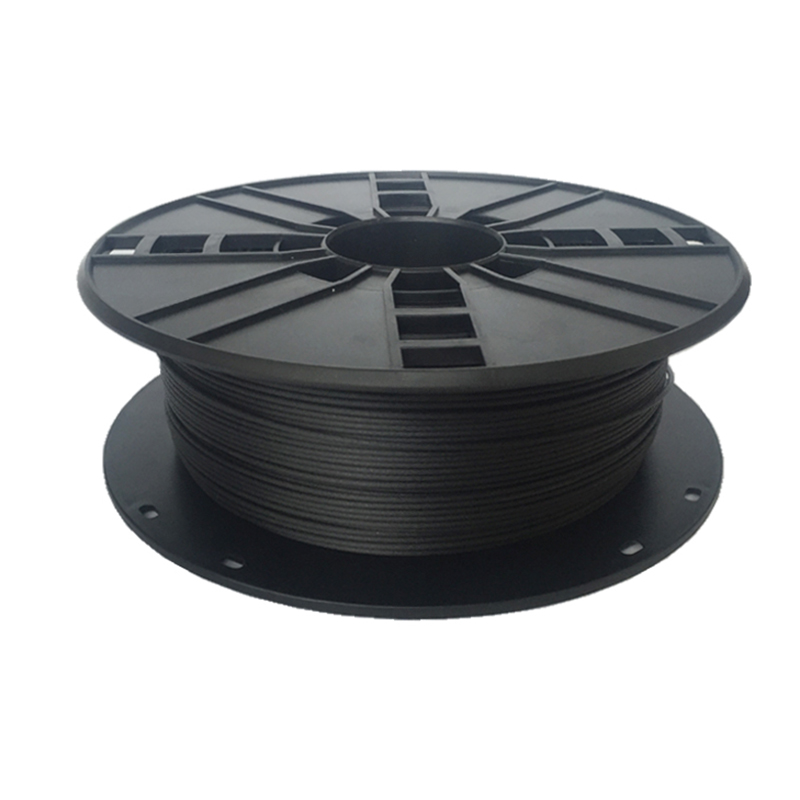
Featured Flexible & High-Precision Filaments For Custom Seals
Explore our industrial-grade extrusion materials engineered for optimal layer bonding, elasticity, and dimensional stability.
The Evolution of Mechanical Gasket Manufacturing: The Additive Shift
In modern industrial engineering, mechanical gasket seals serve as indispensable barriers against liquid migration, gas leakage, pressure differentials, and particulate ingress. Historically, the production of elastomeric gaskets relied almost entirely on subtractive die-cutting, compression molding, or liquid injection molding (LIM). While these legacy methodologies offer high-throughput unit economics for millions of identical units, they present severe commercial vulnerabilities: high initial tooling costs (often exceeding thousands of dollars per mold), lead times stretching across weeks or months, and staggering material waste from sheet stampings. The rapid integration of 3D printing flexible filament for flexible mechanical gasket seals has fundamentally rewritten these manufacturing economics.
Industrial enterprises are increasingly migrating toward on-demand digital inventory and localized additive fabrication. Thermoplastic Polyurethane (TPU) and Thermoplastic Elastomers (TPE) engineered specifically for Fused Deposition Modeling (FDM / FFF) now offer isotropic mechanical properties, repeatable Shore hardness options, and superior resistance to cyclic compression. Whether fabricating bespoke intake manifold seals for motorsport prototypes, customized silicone-alternative gaskets for chemical flow meters, or immediate replacement O-rings on offshore oil rigs, additive manufacturing provides engineers with unparalleled design agility without the constraints of draft angles, parting lines, or tooling capital expenditure.
Zero Tooling & Rapid Iteration
Transition from CAD geometry to pressurized functional testing within hours. Eliminate costly steel tooling and CNC cutting dies for custom low-volume runs.
Chemical & Thermal Stability
Advanced TPU formulations provide exceptional resistance to hydrocarbons, lubricating greases, industrial solvents, UV degradation, and thermal cycling.
Complex Topological Geometries
Print embedded cellular lattices, multi-durometer sealing lips, and variable-compression cross-sections impossible to fabricate with traditional molding.
Material Science: Selecting the Ideal Flexible Filament for Sealing Applications
Achieving a zero-leak seal requires a deep understanding of polymer rheology, durometer hardness, tensile dynamics, and compression set. When choosing a flexible filament for mechanical gaskets, design engineers must evaluate how the polymer behaves under continuous mechanical clamping loads and environmental exposure.
Durometer Hardness: Matching Shore Rating to Flange Requirements
The Shore hardness of flexible filaments typically ranges between Shore 80A (very flexible, similar to a rubber band) and Shore 98A / 55D (semi-rigid, comparable to a hard automotive tire or skateboard wheel). The optimal selection depends strictly on flange bolt preload, fluid pressure, and surface roughness:
- Shore 80A - 85A (Ultra-Flexible Elastomers): Best suited for low-torque, delicate plastic or sheet metal enclosures, such as IP67 electronics enclosures and dust ingress seals. They conform readily to micro-irregularities without requiring excessive bolt tension.
- Shore 90A - 95A (Standard Engineering TPU): The gold-standard balance for industrial mechanical gaskets, pneumatic seals, and hydraulic access covers. They offer exceptional printability through direct-drive extruders while delivering high tensile strength and tear resistance.
- Shore 98A - 55D (Semi-Rigid Structural Seals): Ideal for high-pressure fluid flanges, structural backup rings, and anti-extrusion wiper seals where dimensional stability under high shear stresses is paramount.
| Filament Grade | Shore Durometer | Tensile Strength (MPa) | Elongation at Break (%) | Compression Set (72h @ 23°C) | Primary Industrial Seal Target |
|---|---|---|---|---|---|
| Ultra-Soft TPU | 80A - 85A | 28 - 34 | > 550% | 22% | Acoustic Dampening, Low-Pressure IP68 Enclosures |
| Industrial Grade TPU | 90A - 95A | 38 - 48 | > 450% | 28% | Mechanical Pipe Flanges, Automotive Fluid Seals |
| Engineering Semi-Flex | 98A / 55D | 50 - 62 | > 320% | 35% | Hydraulic Backups, High-Torque Pump Flange Gaskets |
Understanding Compression Set and Creep in Additive Elastomers
The single most critical failure mode in mechanical gaskets is compression set—the permanent deformation remaining after the compressive force is released. Traditional elastomers like vulcanized Nitrile (NBR) or EPDM exhibit low compression set due to thermoset crosslinking. Standard thermoplastics can suffer from viscoelastic relaxation over time. However, modern industrial-grade TPU filaments utilize specialized block copolymer structures containing alternating hard and soft segments. The hard segments act as physical crosslinks that impart high elasticity and elastic memory, allowing the gasket to maintain continuous outward contact force against mating flanges across thousands of operating hours.
Precision Manufacturing & Quality Control Behind High-Performance Filaments
Industrial sealing demands absolute filament consistency. Learn how strict quality standards ensure zero voids, uniform melt flow, and tight diameter tolerances.
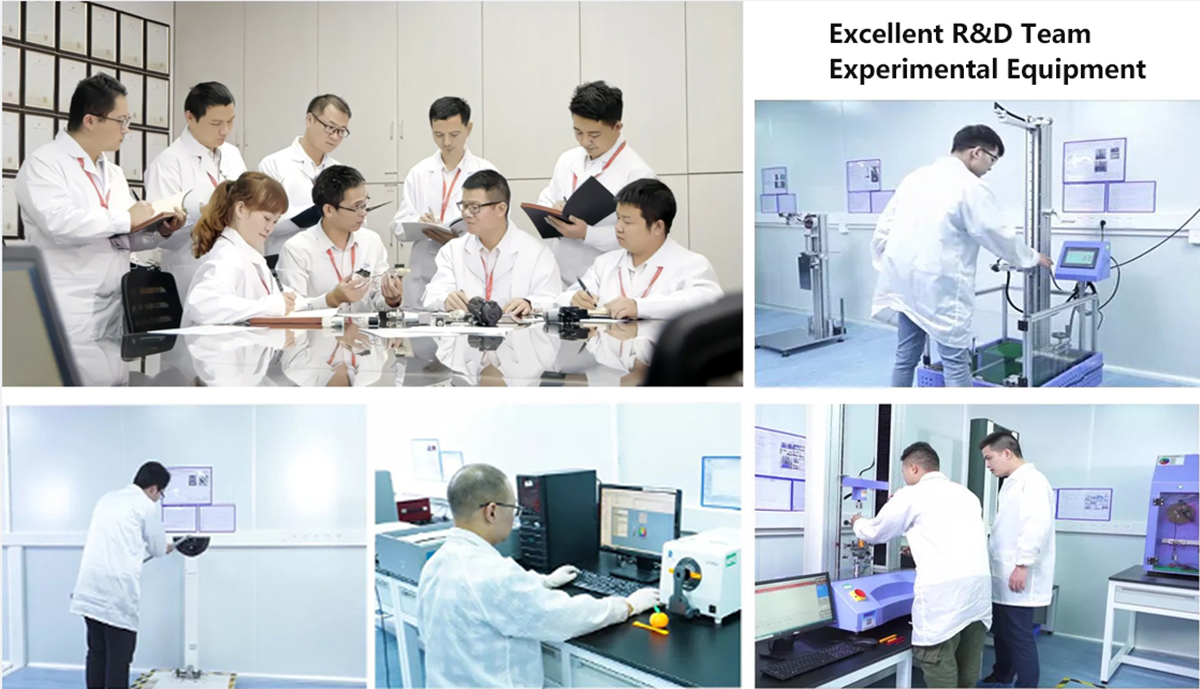
Quality Control & Certified Excellence
The factory area has passed ISO45001 occupational health and safety management system certification. Every new employee must be experienced one week of safety production knowledge teaching and two weeks of produce skills training, and master every course in the production process. Who is in the position will be responsible for its duty.
In the context of 3D printing flexible filament for flexible mechanical gasket seals, our quality assurance protocols guarantee that every spool delivers consistent molecular weight, predictable thermal behavior, and superior interlayer bonding essential for pressure-tight seals.
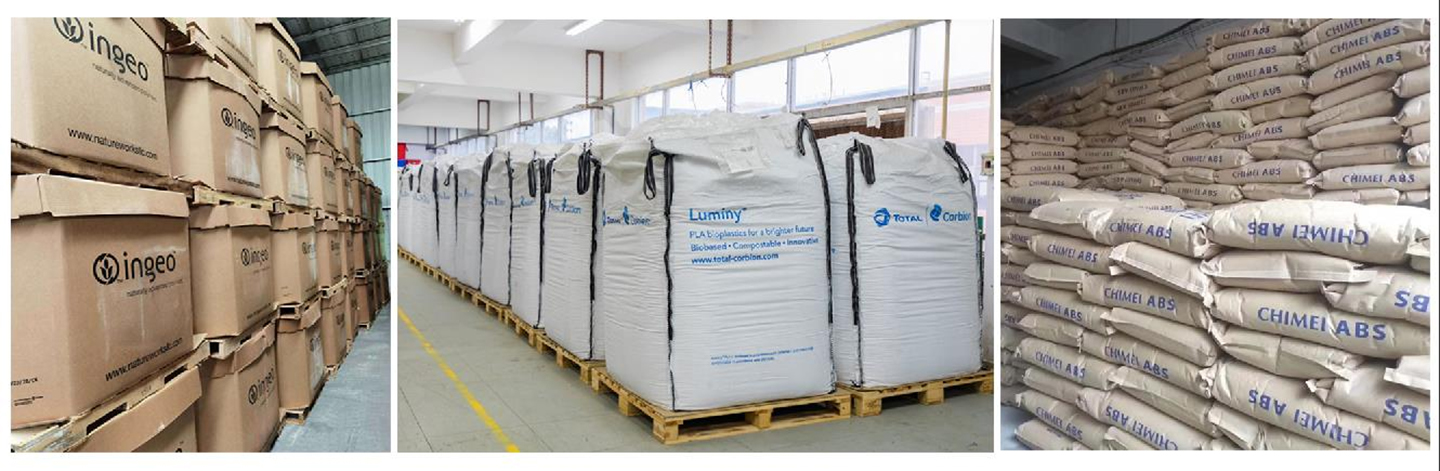
Premium Virgin Raw Material Sourcing
PLA is the most preferred material for 3D printing, Torwell firstly chooses PLA from US NatureWorks, and Total-Corbion is the alternative. ABS from TaiWan ChiMei, PETG from South Korea SK. Each batch of main raw materials comes from the partners who has cooperated more than 5 years to ensure the reliability of the products from the source. Each batch of raw materials will undergo parameters inspection before produce to ensure that raw materials are original and virginal.
This uncompromising commitment extends to our thermoplastic polyurethanes (TPU), utilizing only virgin polymer granules free from recycled contaminants to prevent nozzle blockages and micro-porosity in printed gasket cross-sections.
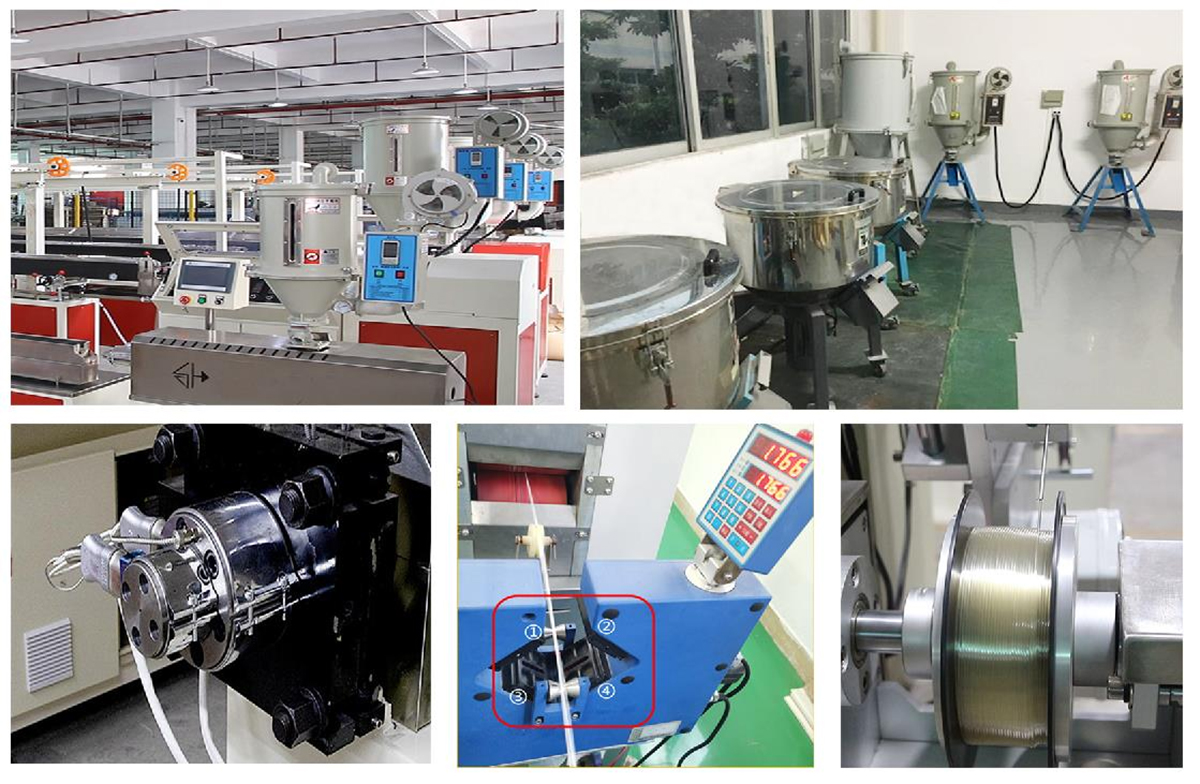
Advanced Extrusion Equipment & Precision Calibration
The manufacturing workshop will make arrangements after the inspection of raw materials, at least two engineers cross-check the clearance of mixing tank, color mixed of material, humidity from hopper dryer, temperature of extruder, hot/cool tank, and trial-produce and debugging the produce line to make sure all of processes in the best condition. Maintain the filament Diameter tolerance +/- 0.02mm, Roundness tolerance +/- 0.02mm.
When printing elastic gaskets, tight +/-0.02mm tolerances eliminate flow rate fluctuations, preventing under-extrusion voids that cause fluid leakage paths or over-extrusion dimensional swelling.
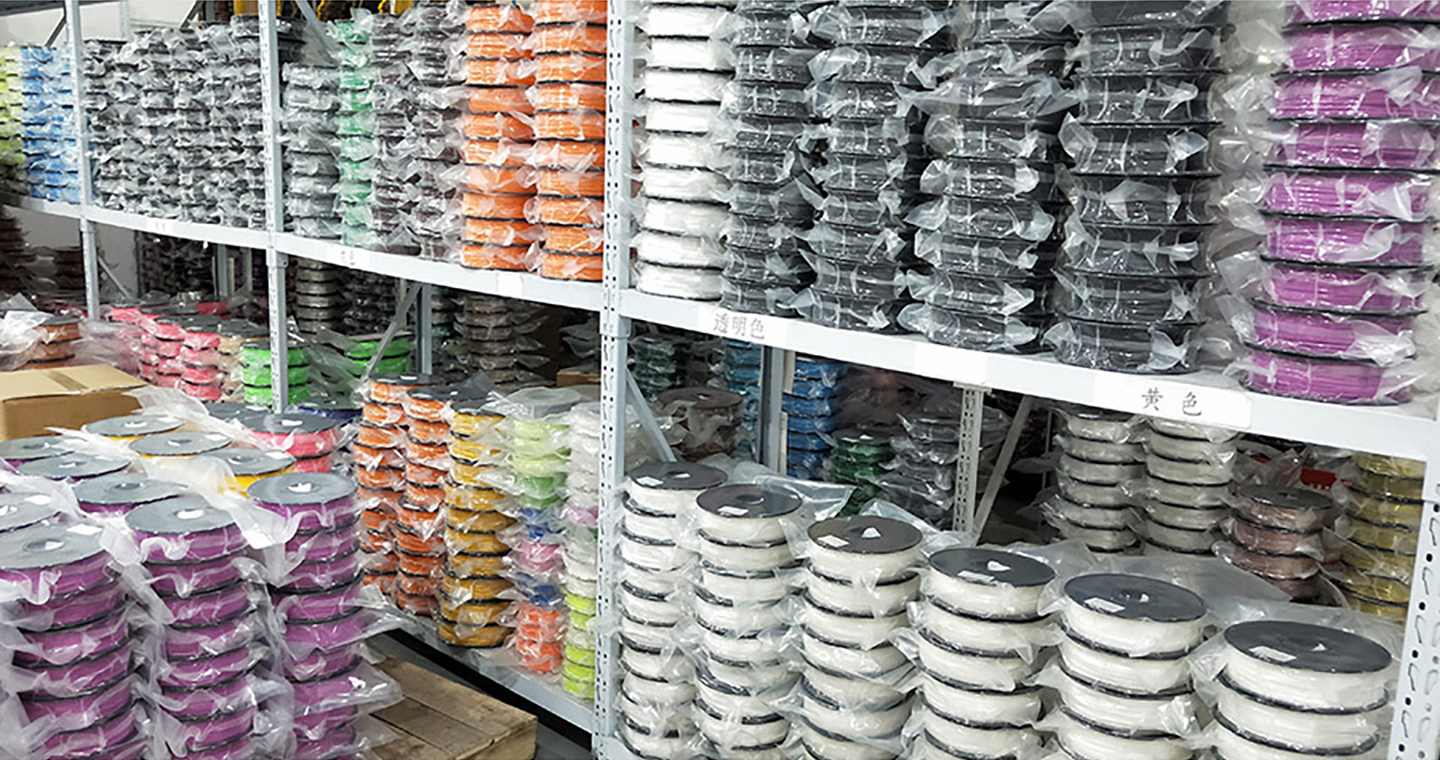
Rigorous Final Inspection & Moisture-Proof Packaging
After each batch of 3D filament is produced, two quality inspectors will conduct random inspections on each batch of finished products in accordance with the requirements of the standard, such as diameter tolerance, color consistency, strength and toughness and so on. After vacuuming the package, place them for 24 hours to check whether there is any leaking package, then label it and finish the package.
Because flexible TPU filaments are inherently hygroscopic, our 24-hour vacuum-seal retention check prevents moisture absorption that would otherwise cause steam popping, bubbling, and structural porosity during gasket fabrication.
FDM Slicing Optimization: Engineering 100% Watertight and Airtight Mechanical Seals
Standard 3D printing slicing configurations prioritize aesthetic surface finish and print speed over absolute hermetic density. However, printing flexible mechanical gaskets requires specialized slicing strategies to eliminate inter-path micro-channels and guarantee hydrostatic containment.
1. Extrusion Architecture & Temperature Profile
Direct-drive extruders equipped with constrained filament paths are highly recommended for flexible filaments below 95A durometer. Maintain nozzle temperatures between 220°C and 240°C with reduced print cooling (0-20%) to maximize polymer chain diffusion across adjacent layers. Elevated thermal energy ensures that deposited beads melt homogenously into adjacent perimeters, converting the discrete toolpaths into a monolithic elastomer body.
2. Perimeter Overlap and Infill Strategies
Traditional grid or gyroid infills trap micro-cavities that breach under hydrostatic pressure. To produce an impenetrable mechanical seal:
- 100% Concentric Infill: Force the extruder to trace the outer contour of the gasket continuously, creating continuous parallel elastomeric rings that block radial fluid egress.
- Elevated Flow Rate (102% - 106%): Deliberately introduce slight micro-overextrusion to force the molten elastomer into any microscopic seams between adjacent perimeters.
- Perimeter Wall Count: Configure the slicer so that the entire cross-sectional thickness of the gasket consists exclusively of perimeter walls, removing infill-to-perimeter transition boundaries entirely.
- Surface Ironing Enabled: Apply a high-temperature smoothing pass across the top surface layer to eliminate layer peaks, creating a mirror-flat mating surface for flange faces.
3. Eliminating the Z-Seam as a Leak Path
A standard aligned Z-seam creates a vertical ridge across the sealing face that acts as a primary capillary leak channel under pressure. Setting the Z-seam alignment to "Random" or routing seam starts inside non-critical bolt hole perimeters ensures the primary sealing bead remains completely continuous and free of start-stop defects.
Deep-Dive Industrial Application Scenarios
The versatility of 3D printed flexible gaskets spans multiple critical sectors, replacing conventional fabrication techniques where customization, fast turnaround, or complex geometry is required.
Automotive & Commercial Transport
From custom engine intake plenum seals in high-performance motorsports to aftermarket wiring harness firewall grommets, TPU gaskets endure elevated under-hood temperatures, synthetic motor oils, and continuous chassis vibration without cracking or suffering mechanical relaxation.
Aerospace, Avionics & Marine Enclosures
Sensitive avionics and marine electronics demand environmental barriers certified to IP67 / IP68 ingress protection standards. 3D printed elastomeric seals offer conformal geometric sealing around irregular radar housings, antenna bases, and underwater sensor packages, resisting salt spray corrosion and atmospheric ozone degradation.
Industrial Automation & Robotics
Automated manufacturing environments rely heavily on pneumatic end-effectors, soft vacuum suction cups, and protective dust bellows. Flexible filaments allow automation engineers to iterate bespoke suction cup lip geometries tailored precisely to irregular workpiece contours, dramatically improving robotic pick-and-place cycle speeds.
Chemical Fluid Processing & Piping Systems
Specialized chemical metering pumps, custom sight-glass flanges, and fluid filtration systems often require non-standard dimensional gaskets. On-demand 3D printing of chemical-resistant flexible filament enables maintenance technicians to replace degraded flange seals in minutes, reducing unscheduled refinery or plant downtime from days to hours.
Future Trends: Multi-Material Co-Extrusion & AI-Driven Generative Seals
The future of 3D printed mechanical gasket seals lies at the intersection of multi-material additive manufacturing and computational generative design. Next-generation additive systems seamlessly combine rigid carbon-fiber reinforced thermoplastics (such as Torwell Carbon Fiber PLA/PETG) with ultra-flexible TPU within a single print cycle.
This multi-material capability enables the direct fabrication of integrated rigid-backed gasket assemblies: a stiff structural backbone prevents gasket blowout under extreme hydraulic pressure, while co-extruded elastomeric sealing lips provide micro-conformal sealing against flange faces without requiring manual assembly or adhesive bonding. Concurrently, AI-driven generative design algorithms are optimizing internal cellular lattice densities, engineering gaskets that dynamically increase their sealing contact pressure as internal fluid pressure rises.
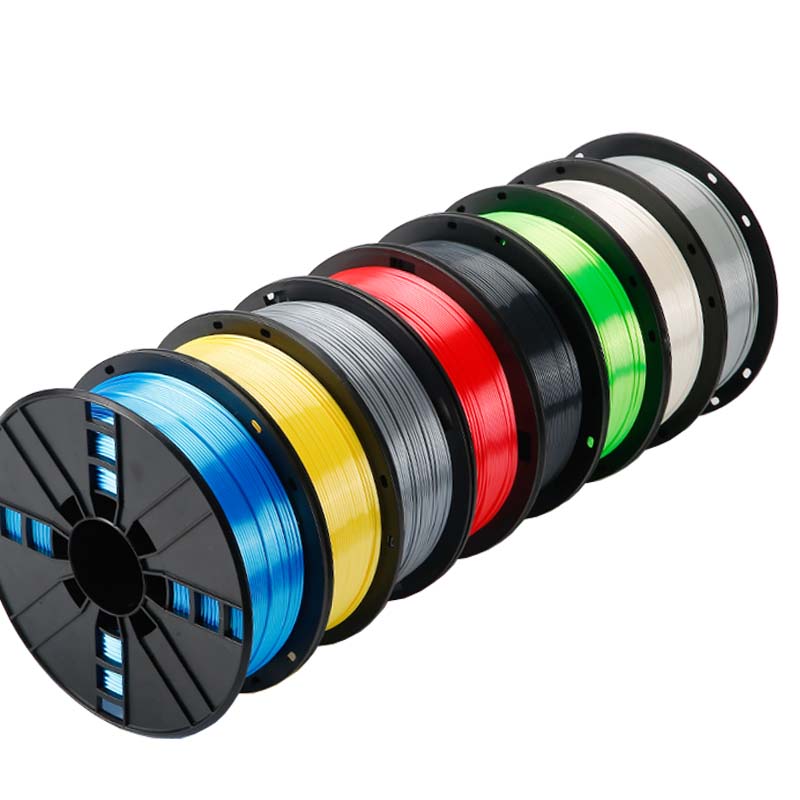
Complete Industrial 3D Printing Filament Series
High-precision materials engineered for rigorous functional prototyping, mechanical gaskets, tooling fixtures, and aesthetic manufacturing.