
Featured Additive Manufacturing Filaments
High-precision thermoplastic polymers and flexible printing consumables engineered for rapid prototyping and mass-production reliability across Singapore's industrial parks.
The Rise of Flexible 3D Printing in Singapore's Industrial Ecosystem
Driving next-generation manufacturing across Jurong Innovation District, Seletar Aerospace Park, and Tuas Biomedical Hub.
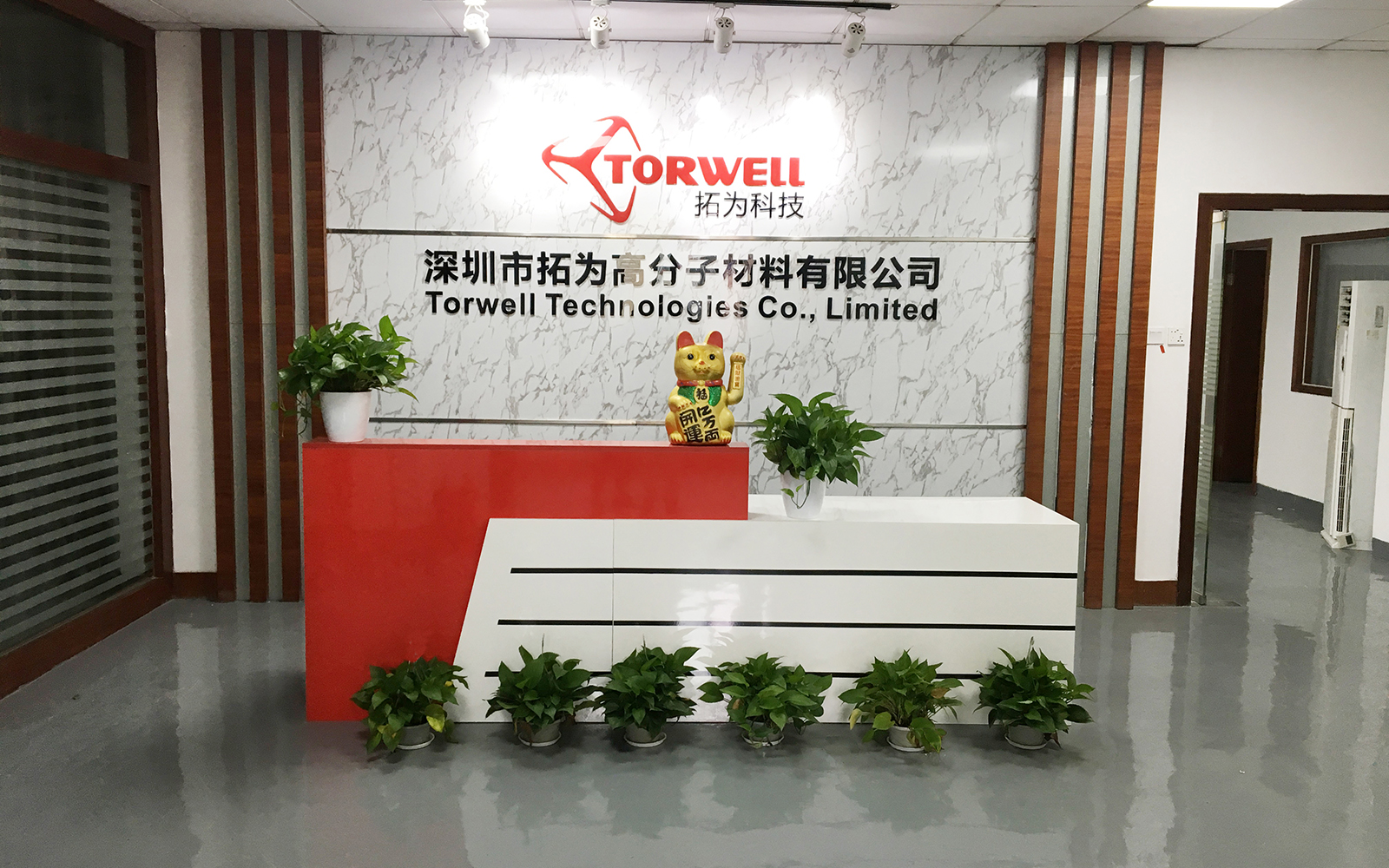
About Torwell Technologies & Manufacturing Capabilities
Advanced Material Formulations for Flexible Additive Manufacturing
Engineered polymer grades meeting exact mechanical, thermal, and chemical specifications.
TPU 95A / 98A (Standard Industrial)
The ideal balance between structural rigidity and elastomeric flexibility. Torwell's TPU 95A offers exceptional layer adhesion, high tear strength, and effortless printability on direct-drive and high-end Bowden systems. Widely utilized in Singapore for industrial gaskets, protective phone bumpers, and drone impact guards.
Ultra-Soft TPU 80A / 85A
Engineered for applications demanding extreme elongation (over 550%) and plush shock absorption. Formulated using specialized virgin polyether and polyester polyols, this formulation provides superior resistance to hydraulic fluids, UV radiation, and skin-contact sweat, making it the top choice for wearable biomedical devices.
TPE & Conductive Elastomers
Tailored thermoplastic elastomers featuring tactile rubber feel and specialized anti-static (ESD) or conductive properties. Essential for cleanroom electronics assembly in Singapore's semiconductor fabs, protecting sensitive wafer transport fixtures from electrostatic discharge.
Singapore Local Industry Application Scenarios
Deploying flexible additive materials across high-value regional manufacturing verticals.
Soft Robotic End-Effectors & Grippers
In Jurong's automated fulfillment centers and precision electronics lines, vacuum suction cups and non-marring robotic grippers are printed using Torwell TPU to handle fragile glass displays, semiconductor components, and perishable goods without surface damage.
Custom Orthotics & Prosthetic Liners
Singapore General Hospital and local biomedical incubators leverage skin-safe, biocompatible-tested flexible filaments for patient-specific orthotic insoles, prosthetic socket interfaces, and surgical simulation organ models with realistic tactile compliance.
Aviation Vibration Dampening & Ducting
Aerospace MRO facilities at Seletar Aerospace Park utilize chemical-resistant flexible elastomeric polymers to fabricate custom environmental control ducting, vibration isolation bushings, and fuel-resistant maintenance protective masking jigs.
Subsea Seals & Marine Sensor Housings
Singapore's maritime cluster at Keppel and Jurong Port applies saltwater-resistant TPU filaments for customized waterproof cable strain reliefs, marine robotic seals, and protective sensor sleeves subjected to high hydrostatic pressures.
ESD-Safe Wafer Carriers & Jigs
In cleanroom fabrication environments across Tampines and Pasir Ris, static-dissipative flexible filaments are custom-printed for wafer handling tools, test fixtures, and cushioning nests that safeguard microchips against electrostatic breakdown.
Smart Device Straps & Impact Cases
Singapore's consumer hardware startups utilize ultra-soft flexible formulations for rapid prototyping and low-volume production of smart watch bands, ergonomic hearable earpieces, and drop-tested ruggedized device chassis.
Precision Manufacturing Technology & Extrusion Control
How Torwell's proprietary laser-monitoring and desiccant vacuum spooling ensure defect-free flexible prints.
Dual-Axis Laser Caliper Control
Every continuous extrusion line is monitored by dual-axis online laser scanning systems maintaining a rigorous diameter tolerance of ±0.02mm. This eliminates feeding slippage and prevents filament buckling inside high-speed direct-drive and Bowden extruders.
Multi-Stage Dehumidifying & Vacuum Sealing
Prior to spooling, raw polymers undergo 8 hours of multi-chamber desiccant drying down to moisture levels below 0.05%. Spools are immediately automated into aluminum foil or thick PE vacuum bags with industrial desiccants, guaranteeing plug-and-play moisture immunity upon arrival in Singapore.
Anti-Stringing Polymer Modifiers
Torwell's proprietary melt-flow rheology modifiers optimize the melt crystallization window. This drastically reduces stringing during travel moves, allowing high retraction speeds without grinding, and yielding flawless surface aesthetics even on intricate lattice geometry.
Future Trends: Sustainable Elastomers & AI-Driven Extrusion
Pioneering the next wave of additive materials for green circular economies in the APAC region.
Complete 3D Printing Materials & Consumables Catalog
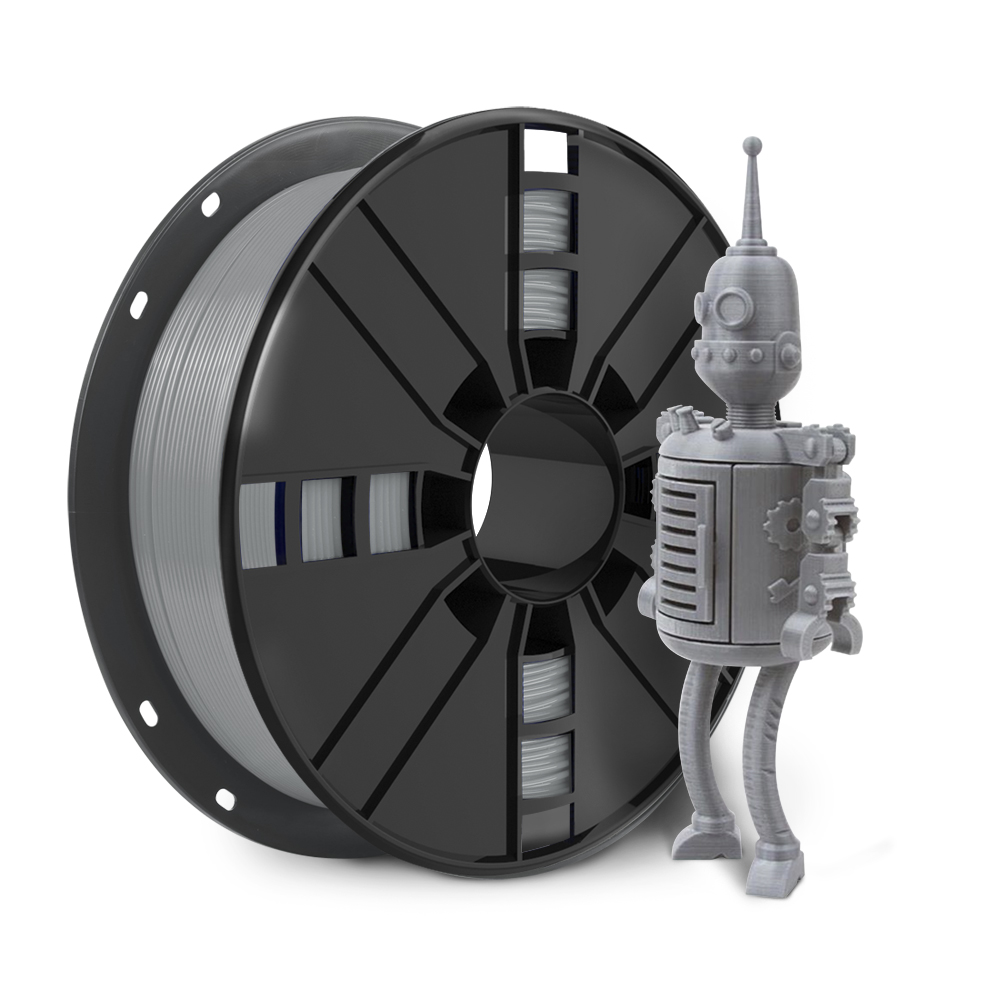
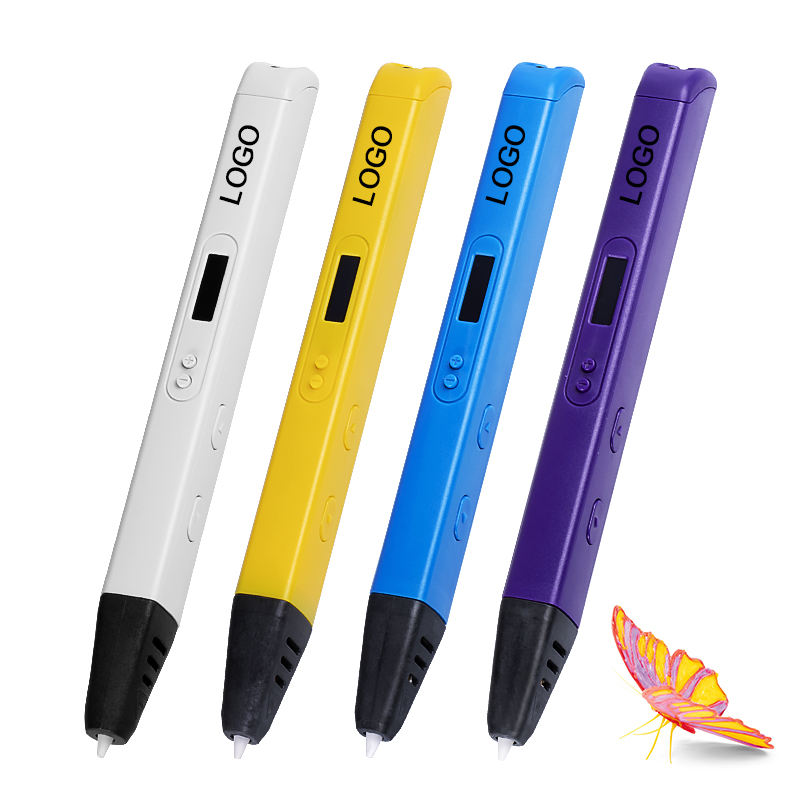
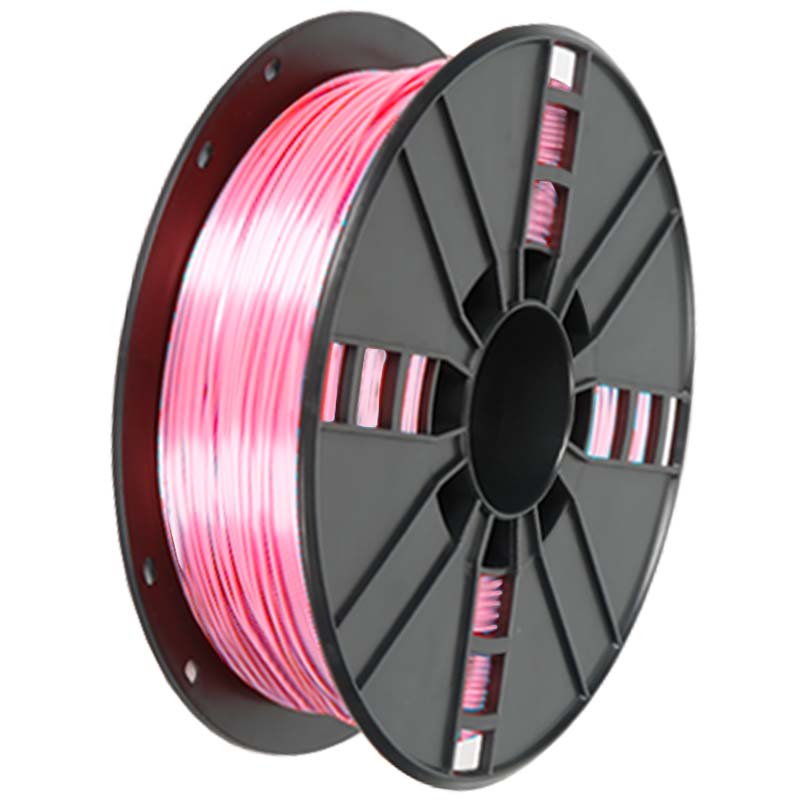
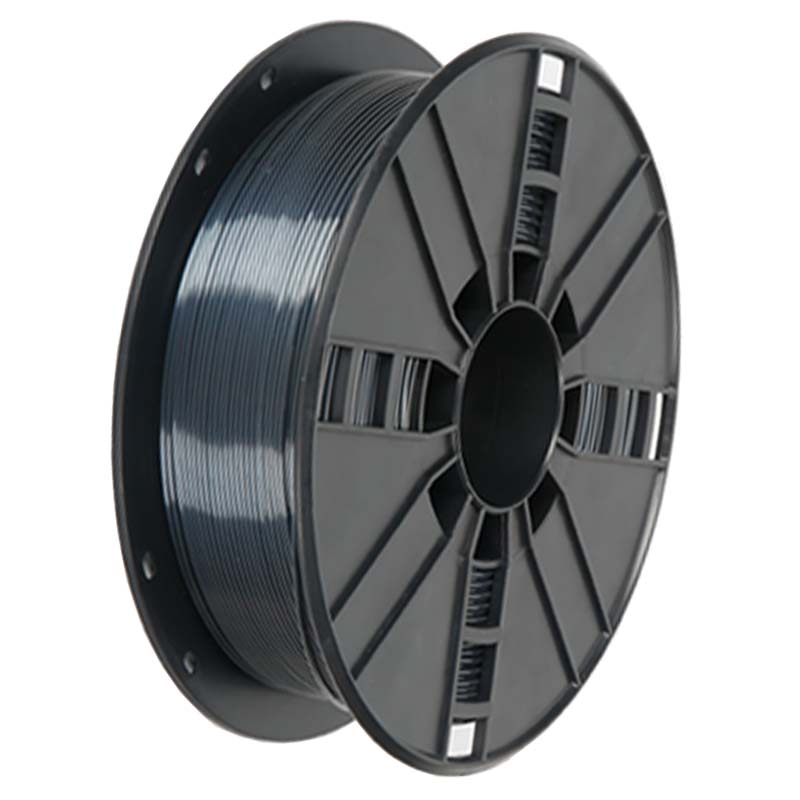
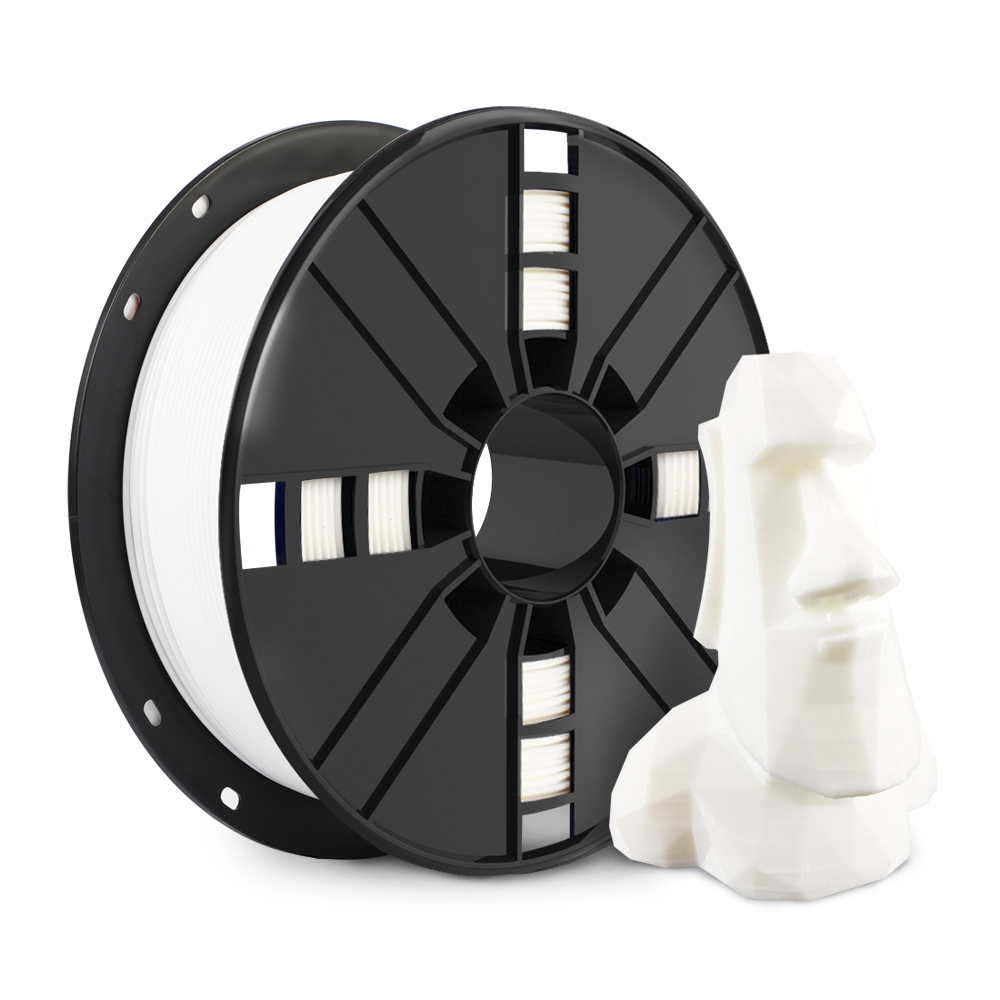
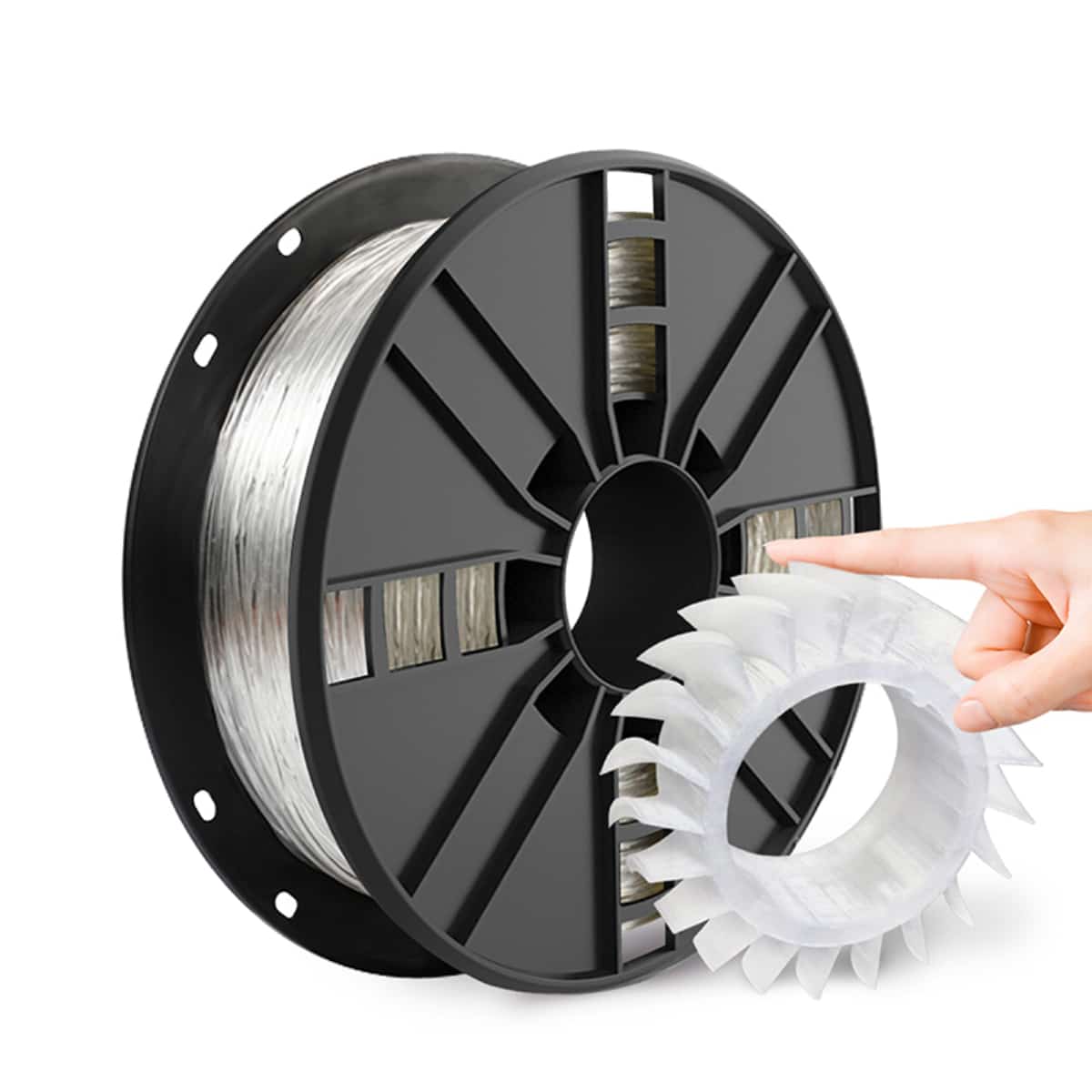
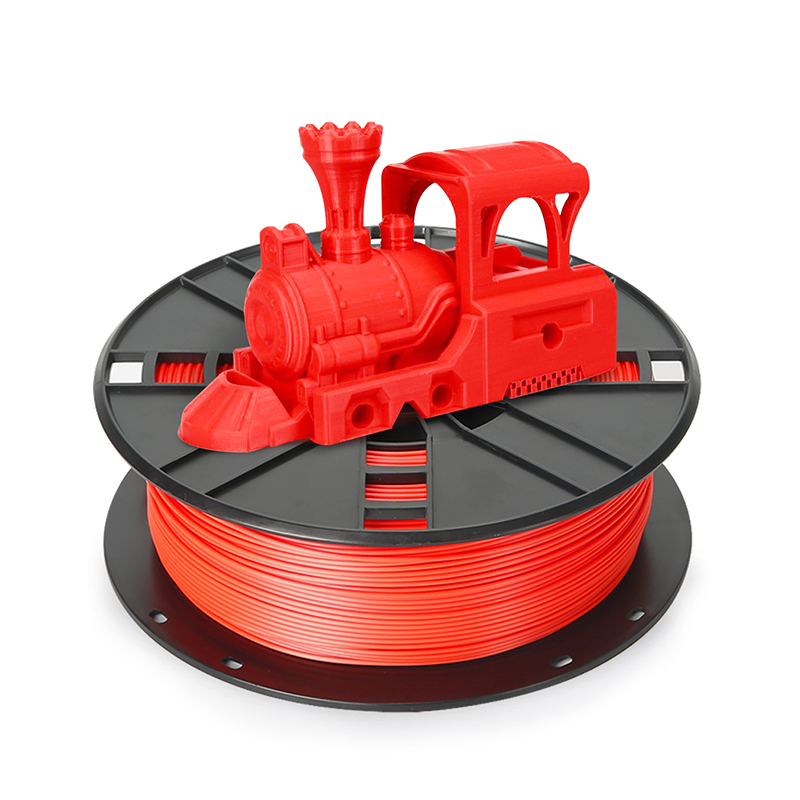
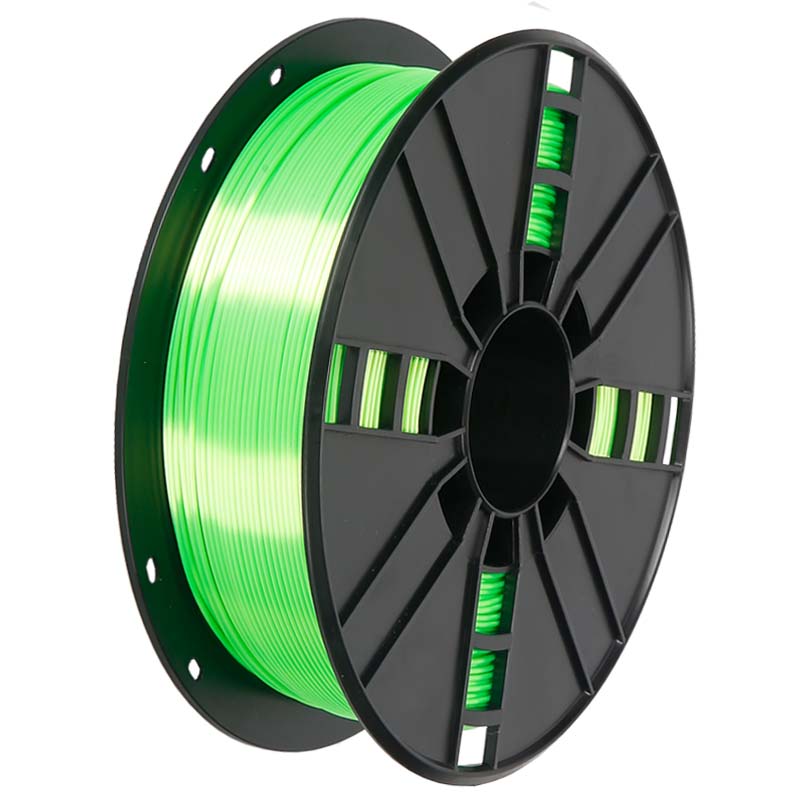
Explore Torwell's certified production series including engineering PLA, Silk PLA, ultra-clear TPU, and specialty additive filaments.
Frequently Asked Questions: Industrial Flexible 3D Printing
Key technical considerations for Singaporean engineers, factory procurement leads, and laboratory managers.
What is the recommended print configuration for Torwell TPU in high-humidity climates?
We recommend a nozzle temperature of 215°C to 235°C with a heated bed set between 40°C and 60°C. For optimal results in tropical environments like Singapore, feed filament directly from a dedicated dry-box with active desiccant and maintain printing speeds between 30mm/s to 60mm/s on direct-drive setups.
Can Torwell provide customized Shore hardness and Pantone colors for Singapore OEM projects?
Yes. Torwell operates 2,500 square meters of high-tech production infrastructure capable of compounding customized Shore hardness profiles from 75A to 64D. We offer custom Masterbatch color matching (Pantone/RAL), OEM private labeling, custom spool sizing (0.5kg, 1kg, 3kg, 5kg), and custom packaging for industrial clients.
What international quality certifications do Torwell filaments carry?
Torwell holds ISO9001 quality management and ISO14001 environmental management certifications. All filament batches are fully compliant with RoHS directives, REACH standards, MSDS documentation, and have passed rigorous third-party testing via TUV Rheinland and SGS.
How quickly can bulk factory orders be shipped and delivered to Singapore?
With a monthly production capacity of 50,000kg and established logistics lanes across the Singapore-Johor-Riau growth triangle, standard stock orders can be dispatched within 48 to 72 hours, with ocean freight arriving in Singapore port within 5 to 7 days, or express air courier within 2 to 3 business days.