Precision Filaments for Advanced Ergonomic Grips
Explore engineering-grade polymer solutions optimized for high-performance additive manufacturing
The Industrial Paradigm Shift: Custom Ergonomic Tool Grips via ASA 3D Printing
In modern manufacturing, aerospace assembly, heavy construction, and surgical robotics, the human-machine interface defines productivity and worker well-being. Historically, industrial hand tools, assembly line fixtures, and pneumatic controls were outfitted with generic, mass-molded handles manufactured from rigid standard polymers or short-lived elastomeric sleeves. However, one-size-fits-all tooling inevitably leads to cumulative trauma disorders (CTDs), operator fatigue, carpal tunnel syndrome, and inefficient torque transfer.
The convergence of generative biomechanical design and additive manufacturing has enabled a revolution: custom-tailored, topology-optimized ergonomic grips matched precisely to an individual technician's hand geometry or dedicated industrial assembly routines. At the forefront of this industrial transformation is Acrylonitrile Styrene Acrylate (ASA) 3D printing material. Known for its extraordinary structural resilience, thermo-mechanical endurance, and unmatched environmental resistance, ASA has emerged as the premier choice for direct-use custom tool grips and end-use manufacturing jigs.
Why ASA Material Outperforms Traditional Thermoplastics for Tool Handles
When selecting a thermoplastic filament for functional, high-load ergonomic tool grips, mechanical engineers evaluate three foundational pillars: mechanical durability, tactile ergonomics with interfacial bonding, and long-term chemical/environmental endurance. Here is how ASA compares across critical dimensions:
UV & Weather Invariance
ASA exhibits superior ultraviolet stability and oxidation resistance. Outdoor fieldwork tools, utility grips, and marine hardware printed with ASA do not suffer from embrittlement, micro-cracking, or chalking under intense sunlight.
High Impact & Thermal Stance
With a glass transition temperature (Tg) exceeding 100°C and excellent Izod impact strength, ASA tool grips withstand elevated operating temperatures, vibrational cycles, and accidental workshop drops without mechanical failure.
Chemical & Solvent Tolerance
In industrial settings, tool handles encounter cutting fluids, synthetic lubricants, cleaning alcohols, and grease. ASA offers high resistance to aqueous solutions, dilute acids, and petroleum-based greases, ensuring enduring dimensional integrity.
Commercial & Industrial Landscape: Market Dynamics of Additive Tooling
The global demand for additive tooling, customized human factors engineering, and lightweight ergonomic fixtures is growing at a compound annual growth rate (CAGR) surpassing 18%. Driven by Industry 4.0 standards and stringent ergonomic safety regulations (such as OSHA guidelines and ISO 11228 standards for ergonomics and manual handling), tier-1 automotive plants and electronics assembly lines are rapidly replacing mass-produced aluminum or rubberized handles with customized ASA additive components.
Commercial enterprises are experiencing substantial returns on investment by shifting from traditional injection molding or CNC machining to on-demand ASA additive fabrication. The fabrication of specialized low-volume custom grips via injection tooling historically incurred prohibitive tooling lead times (4–8 weeks) and high capital expenditure ($5,000–$25,000 per mold). With professional-grade ASA filament, factory engineers can 3D scan an operator’s palm impression or mathematically optimize a tool's center-of-gravity grip, print the functional end-use handle in under 10 hours, and deploy it onto the active shop floor for a fraction of the cost.
Emerging Trends in Ergonomic Tool Grips
Several technological trends are shaping the future of ASA 3D printed ergonomic accessories:
1. Generative Lattice Infill for Vibration Damping: By leveraging advanced algorithmic slicers, ASA tool grips can incorporate internal micro-lattice architectures (such as gyroid, octet, or diamond lattices). These structures reduce tool weight by up to 45% while naturally dissipating mechanical high-frequency vibrations produced by rotary torque wrenches, pneumatic rivet guns, and impact drivers.
2. Multi-Material Hybrid Overmolding: Advanced industrial setups increasingly combine rigid ASA structural cores with flexible TPU (Thermoplastic Polyurethane) contact surfaces. The ASA core locks firmly to the tool spindle or chassis providing extreme torsional rigidity, while an outer layer of TPU provides soft-touch tactile comfort, non-slip friction, and sweat channeling.
3. Vapour Smoothing for Hygienic & Medical Applications: ASA can be chemically vapor smoothed using controlled solvent exposure, completely sealing the FDM layer lines. This delivers a continuous, ultra-smooth surface that prevents microbial harboring, facilitating rapid sterilization in cleanrooms, aerospace assembly labs, and clinical maintenance environments.
Comprehensive Application Scenarios for ASA Custom Tool Grips
The versatility of ASA spans a vast spectrum of demanding enterprise sectors:
• Aerospace & Aircraft MRO: Technicians working in tight fuselage spaces frequently require non-standard offset hand tools. Custom ASA handles provide the precise reach and high mechanical leverage required for fastening torque-sensitive bolts while remaining impervious to aviation hydraulic fuels (e.g., Skydrol).
• Automotive Production Assembly Lines: Fast-paced automotive assembly demands rapid repetitive tasks. Customizing every pneumatic torque wrench with an ASA grip molded specifically to the worker's dominant grip angle reduces wrist deviation and significantly cuts workplace strain injuries.
• Outdoor Utility & Renewable Energy Infrastructure: Wind turbine technicians and solar grid maintenance crews operate in extreme weather conditions. ASA grips for tensioning winches, crimping pliers, and safety climbing devices ensure UV longevity and non-conductive electrical safety across seasonal temperature swings.
Enterprise Quality Control & Manufacturing Standards
Strict standard operating procedures ensure dimensional precision and raw material integrity
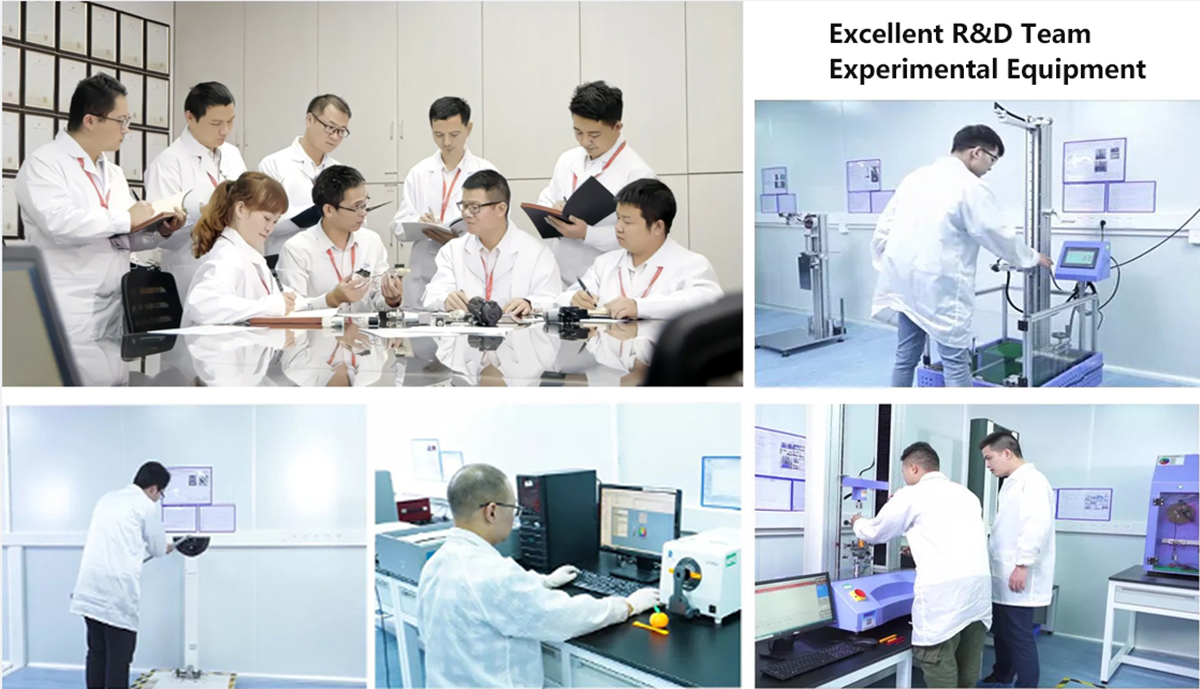
Quality Control
The factory area has passed ISO45001 occupational health and safety management system certification. Every new employee must be experienced one week of safety production knowledge teaching and two weeks of produce skills training, and master every course in the production process. Who is in the position will be responsible for its duty.
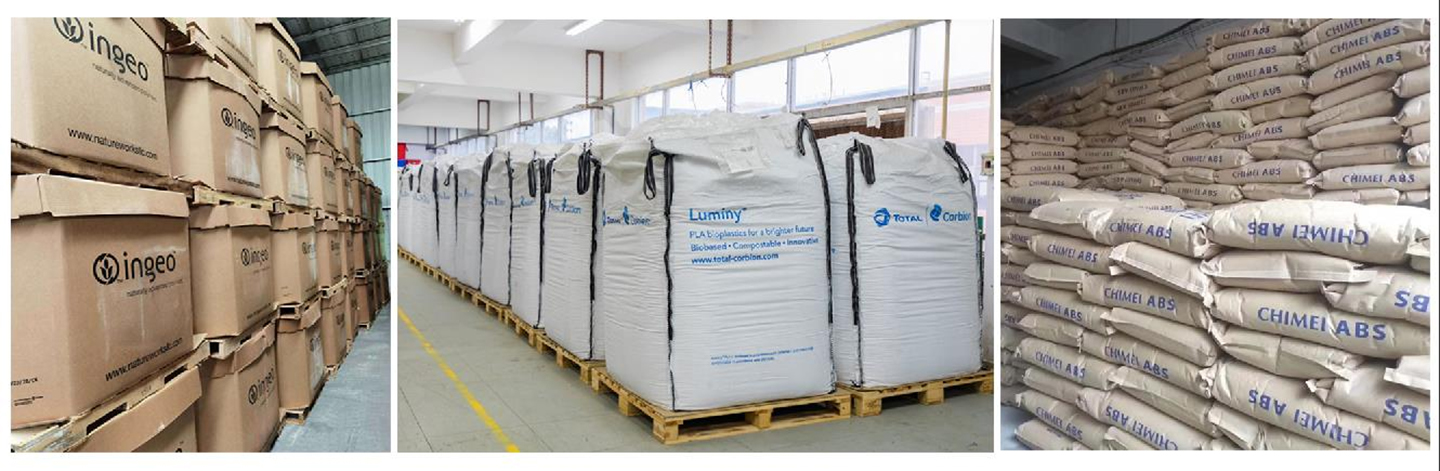
Raw Material
PLA is the most preferred material for 3D printing, Torwell firstly chooses PLA from US NatureWorks, and Total-Corbion is the alternative. ABS from TaiWan ChiMei, PETG from South Korea SK. Each batch of main raw materials comes from the partners who has cooperated more than 5 years to ensure the reliability of the products from the source. Each batch of raw materials will undergo parameters inspection before produce to ensure that raw materials are original and virginal.
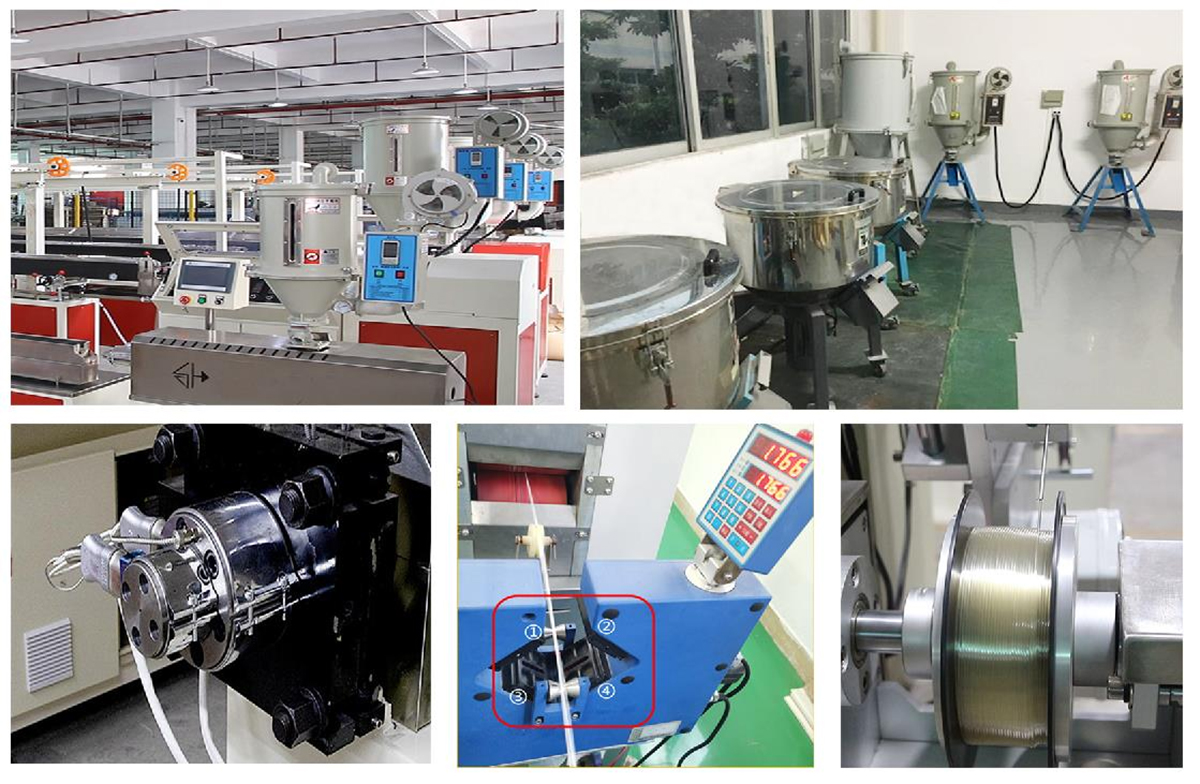
Equipment
The manufacturing workshop will make arrangements after the inspection of raw materials, at least two engineers cross-check the clearance of mixing tank, color mixed of material, humidity from hopper dryer, temperature of extruder, hot/cool tank, and trial-produce and debugging the produce line to make sure all of processes in the best condition. Maintain the filament Diameter tolerance +/- 0.02mm, Roundness tolerance +/- 0.02mm.
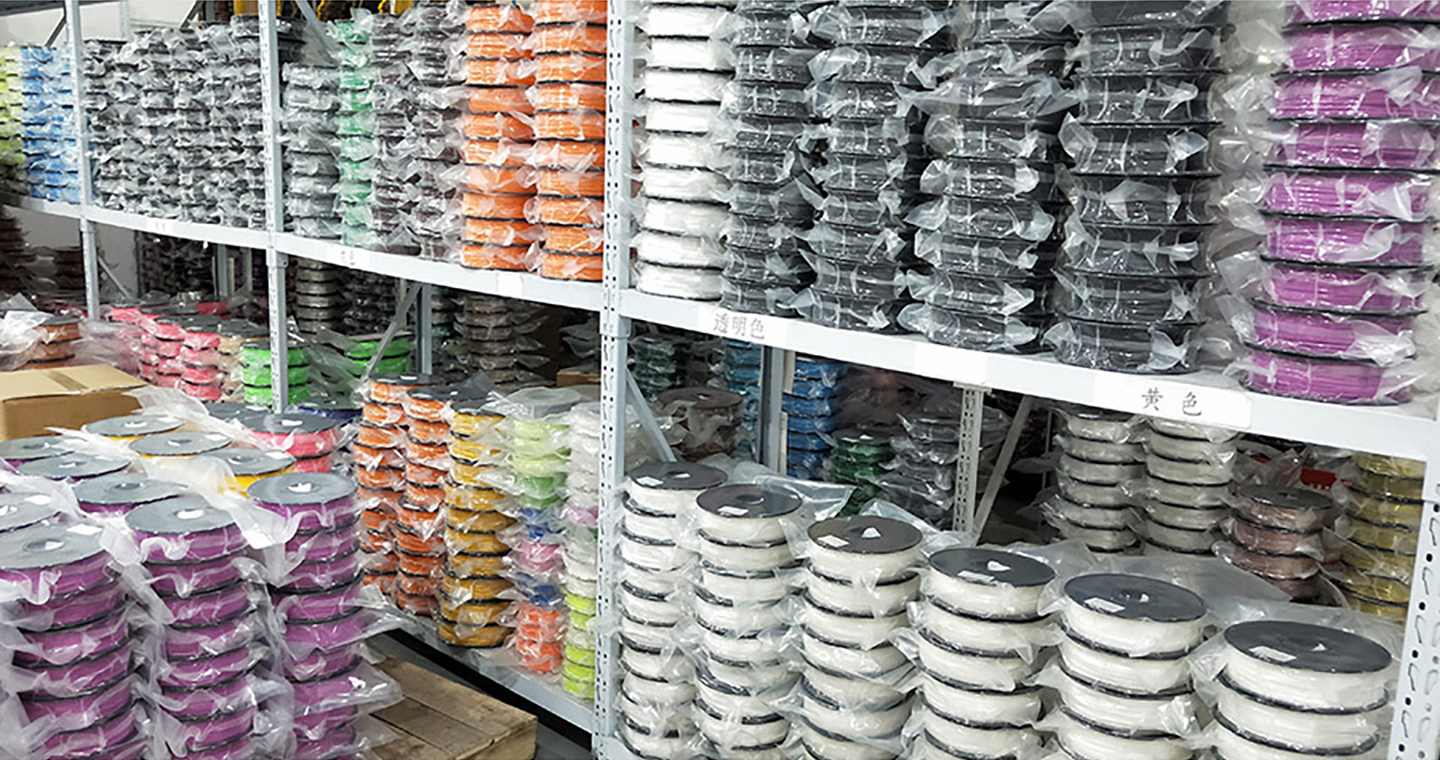
Final Inspection
After each batch of 3D filament is produced, two quality inspectors will conduct random inspections on each batch of finished products in accordance with the requirements of the standard, such as diameter tolerance, color consistency, strength and toughness and so on. After vacuuming the package, place them for 24 hours to check whether there is any leaking package, then label it and finish the package.
Engineering Best Practices for FDM Printing ASA Tool Grips
Achieving optimal interlayer bonding, zero warp, and full mechanical strength when fabricating custom ergonomic grips using ASA requires careful parameter tuning:
1. Enclosed Thermal Chamber: ASA has a moderate coefficient of thermal expansion. Maintaining an enclosed build chamber between 45°C to 65°C mitigates internal thermal stresses and eliminates layer delamination on thick-walled handle sections.
2. Bed Adhesion & Temperature: Set bed temperatures between 95°C and 110°C on a PEI sheet with thin adhesive primer to guarantee flawless first-layer anchoring.
3. Wall Perimeter Thickness & Infill Strategy: For high-torque tool handles, utilize a minimum of 4 to 6 solid wall perimeters (approx. 2.4mm wall thickness) and a 35%–50% gyroid infill pattern to deliver uniform multidirectional strength against twisting and shear forces.
4. Cooling Control: Limit the part cooling fan to 0%–15% during printing to ensure maximum polymer chain interdiffusion across layers, directly enhancing ultimate tensile and impact performance.
Complete Engineering & Functional Filament Series
Comprehensive portfolio of high-grade 3D printing filaments for prototyping, tooling, and industrial applications