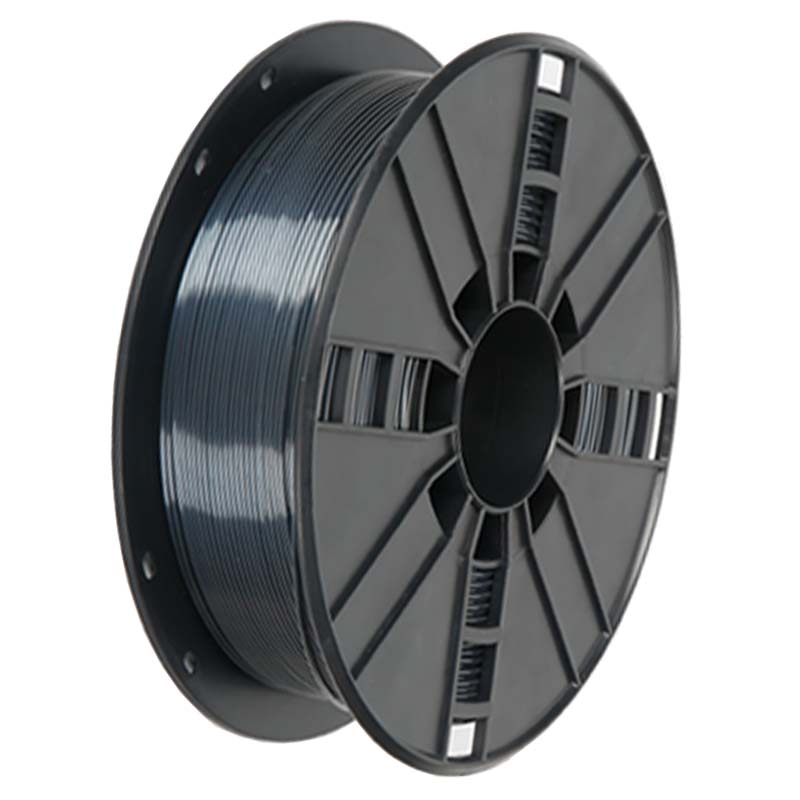
Engineered Materials for High-Load Mechanical Test Fixtures
High-precision additive manufacturing materials tailored for demanding structural testing, load-bearing verification, and enduring dimensional consistency.
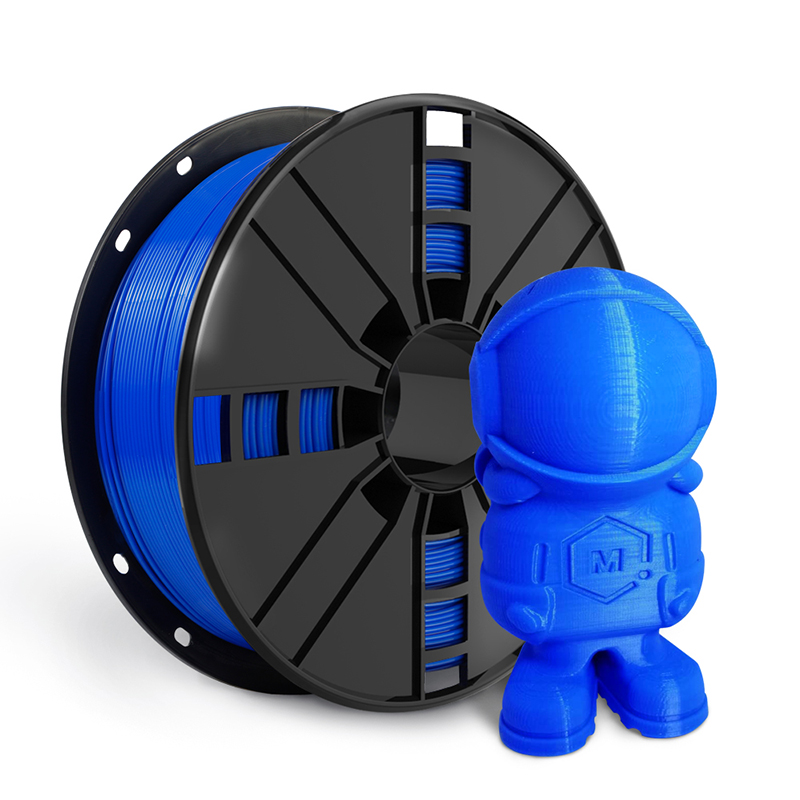
High-Impact ABS Filament Blue for Structural Test Fixture Bases
View Engineering Specs →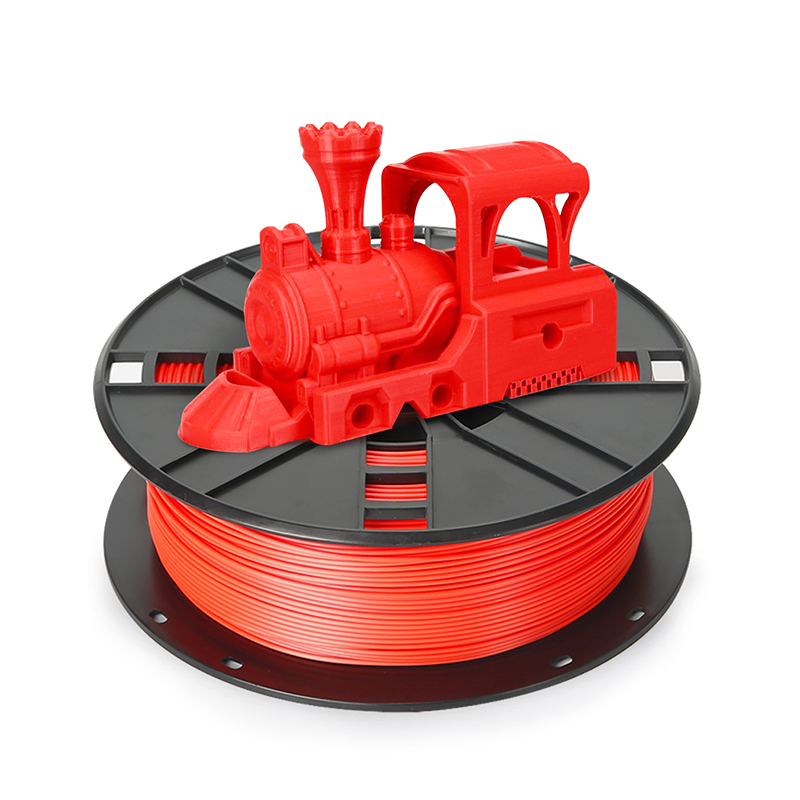
Enhanced Toughness PLA Plus Red for Rapid Calibration Tooling
View Engineering Specs →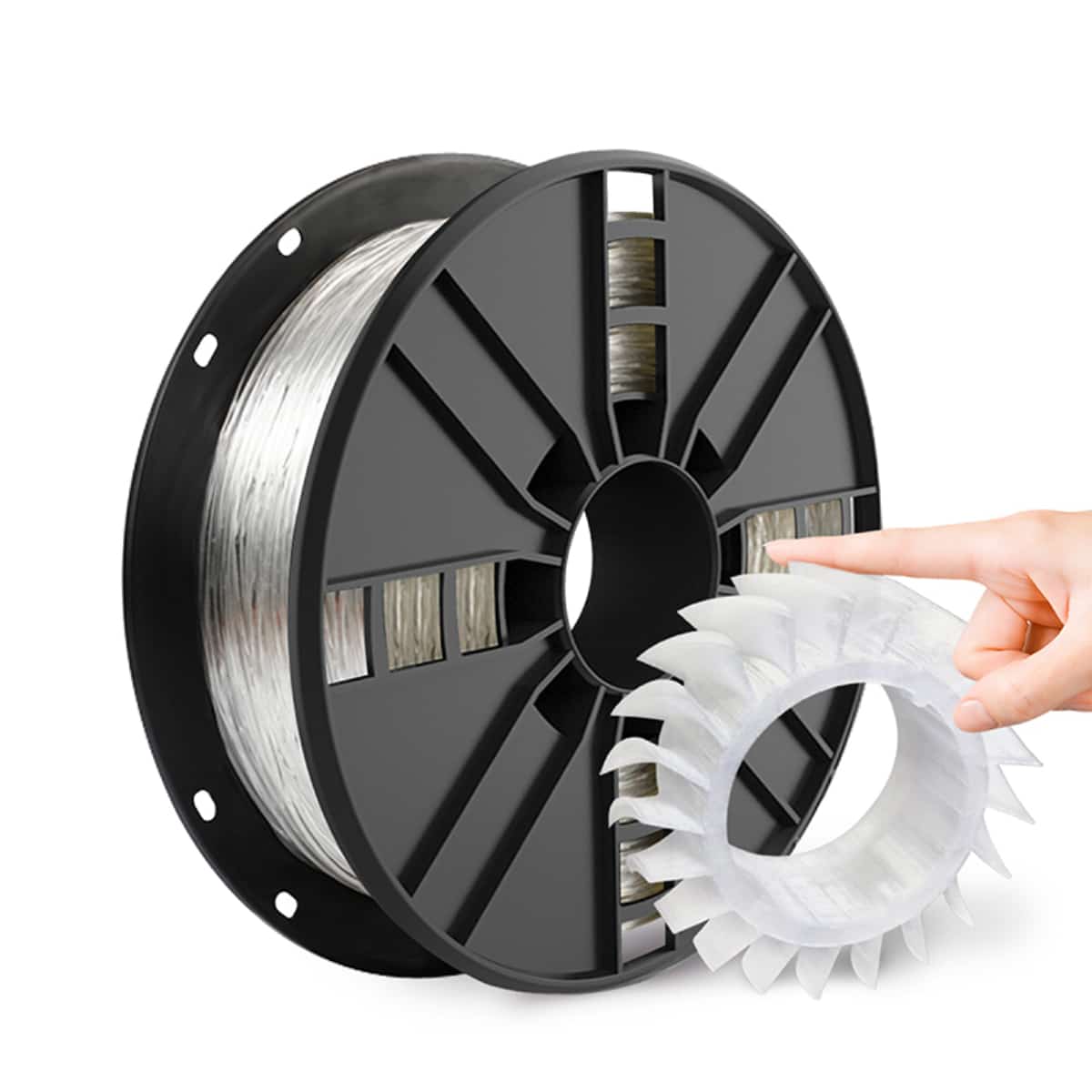
Damping TPU Flexible Polymer for Fixture Vibration Isolation
View Engineering Specs →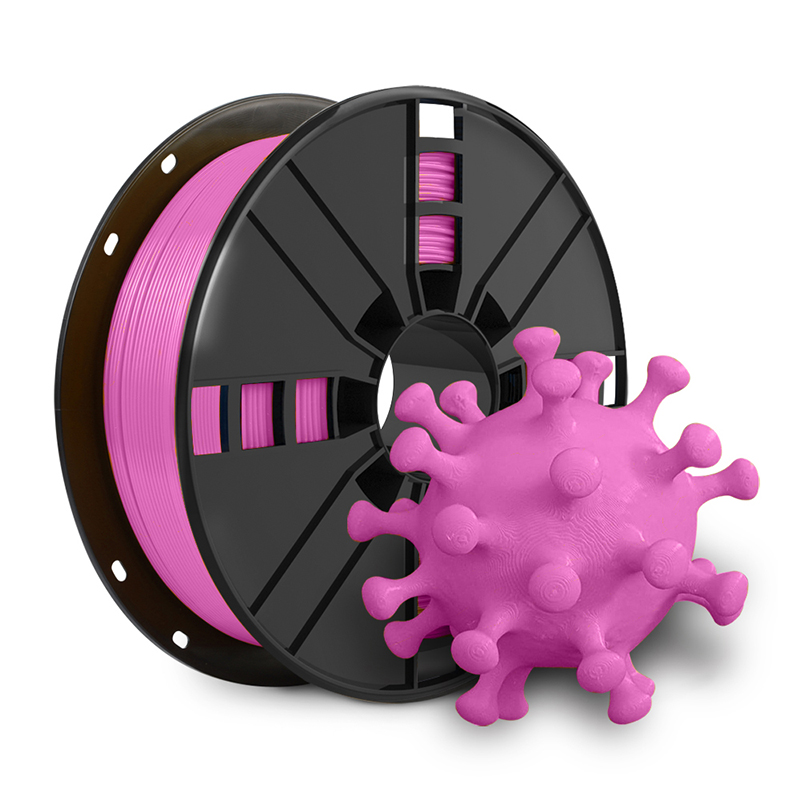
Precision Prototyping PLA Pink Filament for Dimensional Jigs
View Engineering Specs →The Paradigm Shift: ASA 3D Printing Material in Heavy Mechanical Testing Fixtures
In modern industrial validation, manufacturing quality control, and accelerated lifetime testing (ALT), the design and fabrication of mechanical test fixtures represent a critical engineering bottleneck. Historically, mechanical fixtures subjected to continuous static loads, cyclic pneumatic clamping, high-frequency torque, and dynamic vibrational stress were exclusively machined out of aluminum (such as 6061-T6), mild steel, or expensive engineered tooling resins through subtractive CNC milling. While metal fixtures provide high tensile modulus, they introduce substantial lead times (often 2 to 5 weeks), exorbitant tooling costs, and significant component weight that restricts ergonomic handling and robotic end-effector agility.
The industrial adoption of ASA (Acrylonitrile Styrene Acrylate) 3D printing material has initiated a massive technological shift across the aerospace, automotive, robotic, and consumer appliance sectors. As an advanced terpolymer originally formulated to overcome the weatherability and ultraviolet (UV) degradation shortcomings of standard ABS (Acrylonitrile Butadiene Styrene), ASA incorporates an acrylic ester elastomer matrix rather than butadiene rubber. This subtle macromolecular engineering renders ASA fundamentally superior in maintaining long-term isotropic tensile retention, creep rupture resistance, and interfacial layer adhesion when deployed in demanding structural test fixtures.
Long-Term Creep Resistance
Maintains geometric accuracy without continuous plastic deformation under high torque clamping and sustained cantilever loads over 100,000+ test cycles.
Thermal & Environmental Stability
High Heat Deflection Temperature (HDT ~95°C–105°C) and supreme UV/chemical resistance allow testing in harsh climatic chambers with zero degradation.
Exceptional Layer Cohesion
Optimized polymer chain interdiffusion during Fused Deposition Modeling (FDM) ensures superior Z-axis mechanical shear strength under multi-axial loads.
Material Science & Mechanical Property Dynamics: ASA vs. Engineering Polymers
When selecting a thermoplastic for load-bearing fixtures, validation engineers evaluate several mechanical thresholds: Tensile Strength at Break (MPa), Flexural Modulus (GPa), Izod Impact Resistance (kJ/m²), and Glass Transition Temperature (Tg). ASA exhibits a harmonized balance of rigidity, toughness, and dimensional resilience that prevents brittle fracture under sudden shock loading while avoiding excessive elastic compliance under continuous stress.
Unlike Polycarbonate (PC), which can be excessively brittle and prone to moisture-induced micro-voiding during extrusion, or standard PLA, which suffers from low thermal deflection (HDT ~55°C) and severe viscoelastic creep, ASA preserves over 90% of its initial mechanical stiffness after months of exposure to industrial testing environments, including exposure to machine oils, cooling lubricants, and outdoor environmental stress screening (ESS).
| Engineering Property | Torwell Industrial ASA | Standard ABS | Standard PETG | Standard PLA |
|---|---|---|---|---|
| Tensile Strength (MPa) | 46 - 52 | 38 - 45 | 44 - 50 | 50 - 60 (Brittle) |
| Flexural Modulus (GPa) | 2.3 - 2.7 | 2.0 - 2.3 | 1.9 - 2.1 | 3.2 - 3.8 |
| Heat Deflection Temp (0.45 MPa) | 98°C - 104°C | 86°C - 92°C | 68°C - 74°C | 52°C - 58°C |
| UV & Weather Resistance | Exceptional (Grade 5/5) | Poor (Photodegradable) | Moderate (Grade 3/5) | Poor (Hydrolysis prone) |
| Fatigue Life Under Sustained Load | Superior | Moderate | Low (Creep Prone) | Very Poor |
| Post-Machinability & Threading | Excellent (Clean Tap) | Good | Difficult (Gummy) | Poor (Micro-chipping) |
In-Depth Industrial Applications: ASA Test Fixtures Across Key Sectors
The versatility of additive manufacturing coupled with ASA material performance enables complex topology-optimized test fixtures that cannot be manufactured via traditional CNC subtractive operations. Below are key real-world industrial validation environments where ASA high-load fixtures deliver exceptional operational utility:
1. Automotive Environmental Stress Screening (ESS) & Vibration Jigs
Automotive subsystems, such as sensor housings, electronic control unit (ECU) brackets, and interior center consoles, undergo accelerated multi-axis vibration testing (shaker tables) inside extreme climatic chambers (-40°C to +85°C). Test fixtures fabricated from ASA filament maintain their dimensional tolerances and damp high-frequency resonant harmonics without transmitting destructive vibration spikes back into the sensitive testing instrumentation.
2. Pneumatic Clamping & Cyclic Actuation Durability Rigs
In life-cycle testing of industrial switches, door latches, and pneumatic actuators, holding fixtures must sustain repetitive clamping forces of 500 N to 3,500 N over hundreds of thousands of cycles. ASA’s superior wear resistance, low coefficient of friction against metals, and resistance to micro-fissuring make it an outstanding candidate for cyclic holding nests, locating pins, and quick-change tooling plates.
3. Robotic End-of-Arm Tooling (EOAT) Gripper Fixtures
Automated assembly verification cells utilize industrial robots equipped with custom EOAT to grip, manipulate, and apply torque to workpieces. Replacing CNC-machined aluminum gripper jaws with topology-optimized ASA fixtures cuts end-effector payload weight by up to 65%. This reduction allows robots to achieve higher acceleration profiles, reduces motor wear, and prevents surface scratching on class-A decorative surfaces.
4. High-Pressure Fluidic & Hydrostatic Validation Manifolds
When testing cooling lines, HVAC distribution valves, and automotive fluid reservoirs, test fixtures must withstand continuous fluid contact and elevated back-pressures without chemical swelling or delamination. ASA’s hydrophobic nature and robust chemical tolerance against glycol, motor oils, and cleaning detergents ensure leak-free sealing during prolonged hydrostatic proof-pressure testing.
Optimization Guidelines: Slicing & Printing ASA for Maximum Load Capacity
To fully realize the structural capability of ASA in high-load mechanical fixtures, engineers must configure slicer parameters to prioritize interlaminar bonding and eliminate internal stress concentrators:
- Nozzle Temperature & Extrusion Energy: Maintain hotend temperatures between 245°C and 265°C. High extrusion temperatures maximize polymer chain entanglement across adjacent layers, bringing Z-axis tensile strength to within 80–88% of XY-plane strength.
- Enclosure & Thermal Management: Utilize a strictly controlled, heated build chamber (60°C to 80°C) with low cooling fan speeds (0–15%). This prevents rapid thermal contraction, eliminating anisotropic internal residual stresses and warping across large fixture footprints.
- Perimeter Wall Count vs. Infill Density: For heavy bending and torsional moments, increase perimeter wall thickness (5 to 8 perimeters, or 3.2mm–4.8mm solid shell) rather than solely relying on 100% infill. A dense outer shell provides optimal resistance against flexural stress according to the second moment of area principle.
- Gyroid & 3D Infill Topologies: When infill is required, implement three-dimensional infill patterns such as Gyroid or 3D Honeycomb at 40%–60% density. These structures distribute isotropic compressive and shear forces evenly in all spatial directions, preventing shear plane slip.
- Threaded Brass Heat-Set Inserts: Design counterbored boss features to accommodate thermal heat-set brass inserts. ASA flows smoothly around knurled brass surfaces at 220°C, providing pull-out retention strengths exceeding 1,200 N per M5/M6 insert for modular sensor mounts and fastening points.
Rigorous Quality Control & Production Precision
Every spool of Torwell 3D filament undergoes comprehensive material verification, continuous laser inspection, and stringent environmental packaging controls.
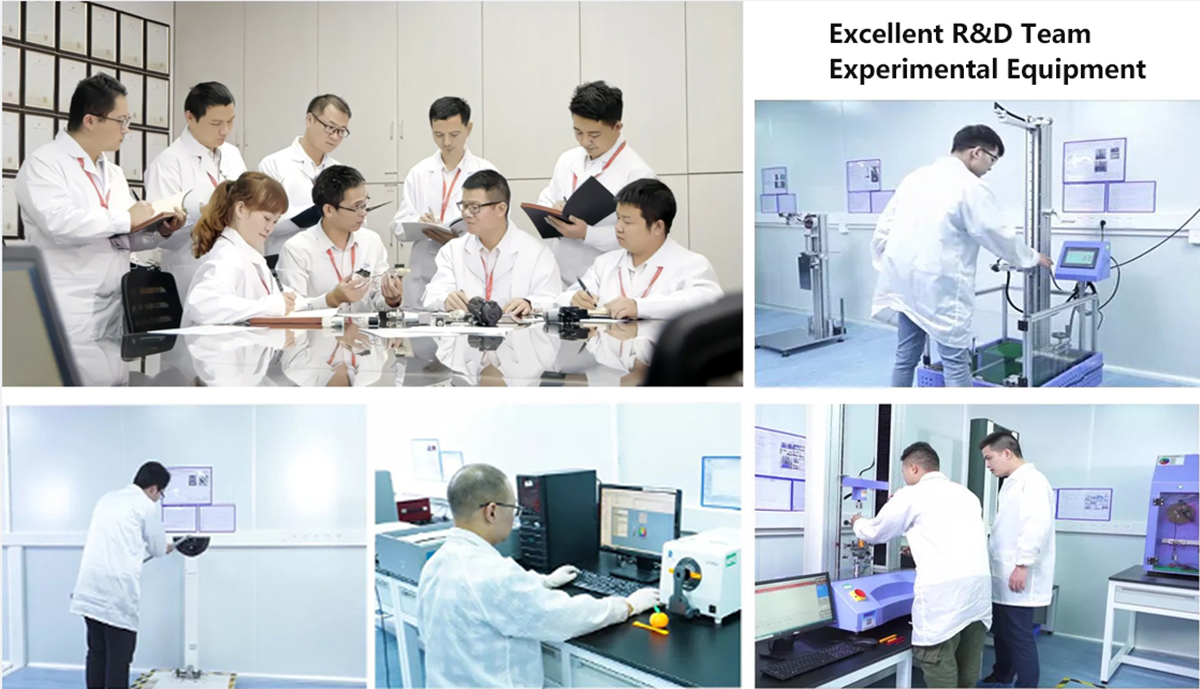
Quality Control
The factory area has passed ISO45001 occupational health and safety management system certification. Every new employee must be experienced one week of safety production knowledge teaching and two weeks of produce skills training, and master every course in the production process. Who is in the position will be responsible for its duty.
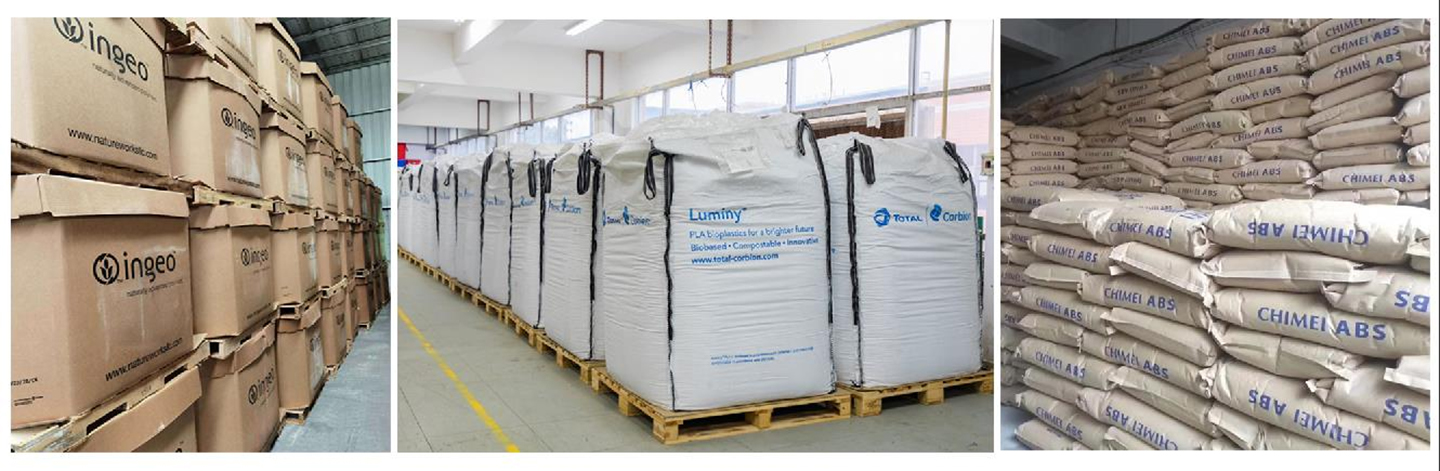
Raw Material
PLA is the most preferred material for 3D printing, Torwell firstly chooses PLA from US NatureWorks, and Total-Corbion is the alternative. ABS from TaiWan ChiMei, PETG from South Korea SK. Each batch of main raw materials comes from the partners who has cooperated more than 5 years to ensure the reliability of the products from the source. Each batch of raw materials will undergo parameters inspection before produce to ensure that raw materials are original and virginal.
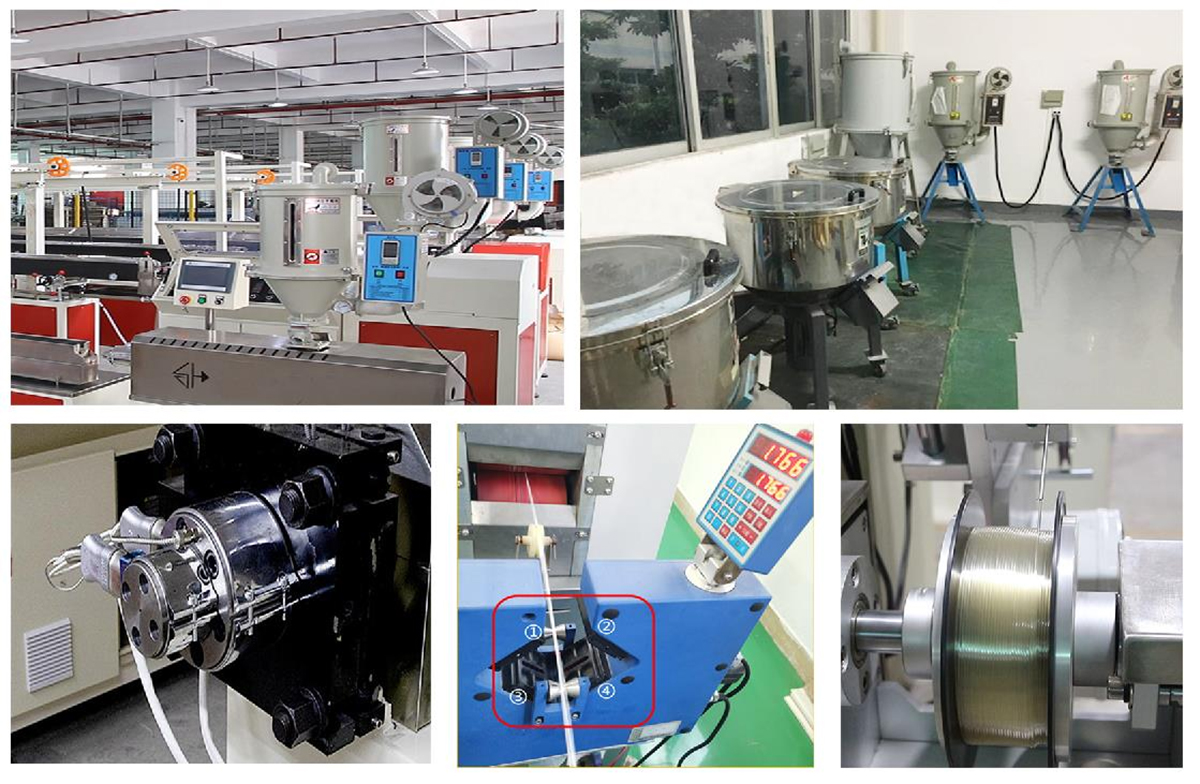
Equipment
The manufacturing workshop will make arrangements after the inspection of raw materials, at least two engineers cross-check the clearance of mixing tank, color mixed of material, humidity from hopper dryer, temperature of extruder, hot/cool tank, and trial-produce and debugging the produce line to make sure all of processes in the best condition. Maintain the filament Diameter tolerance +/- 0.02mm, Roundness tolerance +/- 0.02mm.
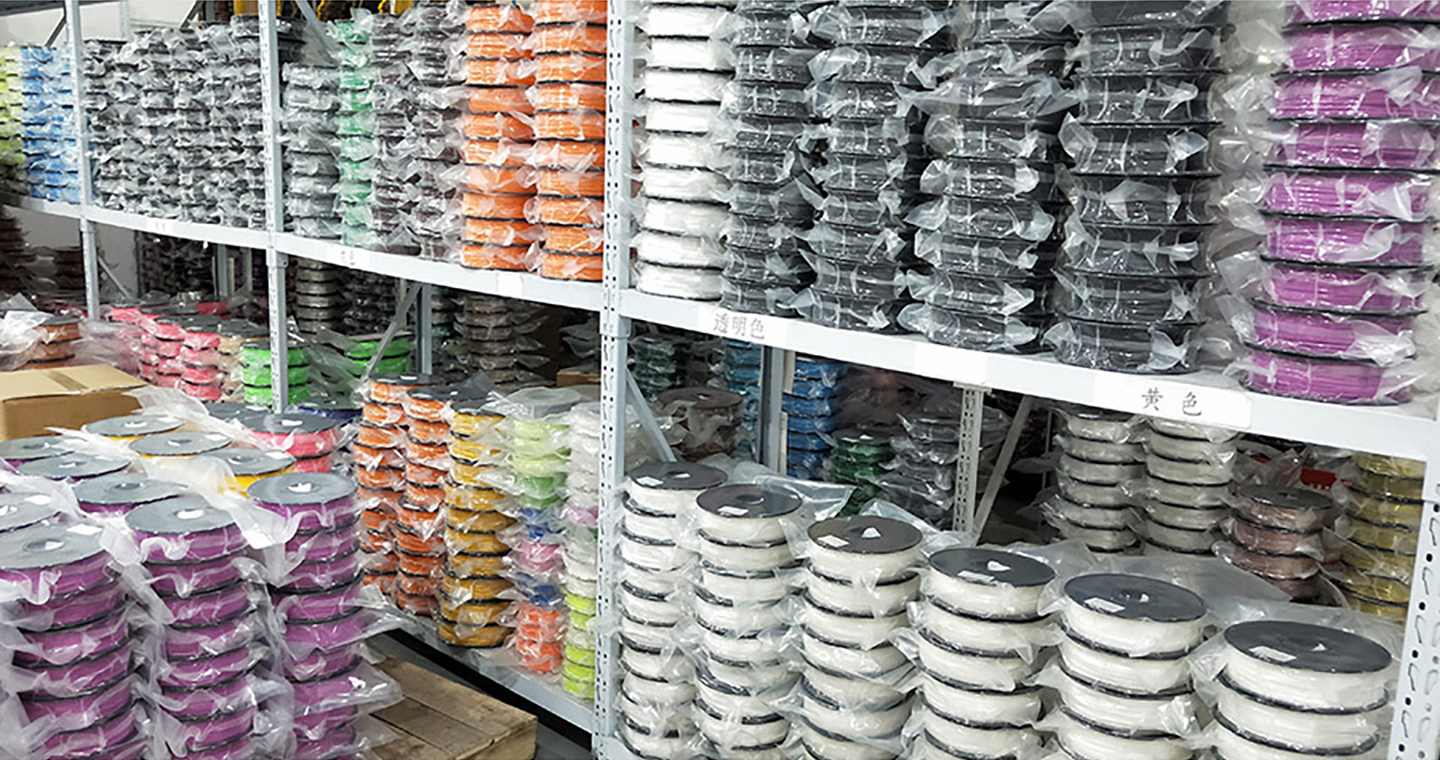
Final Inspection
After each batch of 3D filament is produced, two quality inspectors will conduct random inspections on each batch of finished products in accordance with the requirements of the standard, such as diameter tolerance, color consistency, strength and toughness and so on. After vacuuming the package, place them for 24 hours to check whether there is any leaking package, then label it and finish the package.
Commercial ROI & Future Trends: Industrial Additive Fixtures
The economic justification for replacing subtractively machined tooling with ASA 3D printed mechanical fixtures is compelling. In standard automotive Tier-1 validation laboratories, transitioning to in-house additive manufacturing of holding fixtures yields direct hardware cost reductions between 60% and 85%, while shrinking turnaround cycles from weeks to single-digit hours. When an engineering design modification occurs, revised fixtures can be re-printed overnight, eliminating critical path project delays.
Looking toward the next decade of additive tooling, continuous fiber-reinforced ASA and carbon-nanotube filled conductive/ESD-safe ASA formulations are setting new benchmarks. These composite matrix materials integrate the UV resilience and surface smoothness of ASA with the tensile modulus of chopped carbon fibers (reaching flexural modulus values above 6.5 GPa), enabling ultra-stiff, non-marring, lightweight inspection jigs capable of supporting multi-ton static loads.
Industrial 3D Printing Materials for Mechanical Testing & Tooling
Explore our complete range of premium filaments engineered for precision manufacturing, functional prototypes, and high-load mechanical test fixtures.
ABS 3D Printer Filament, Blue Color, ABS 1kg Spool 1.75mm Filament
Explore Material Specs →
PLA plus Red PLA filament 3D printing materials
Explore Material Specs →
TPU filament 1.75mm clear Transparent TPU
Explore Material Specs →
1.75mm/2.85mm Filament 3D PLA Pink color
Explore Material Specs →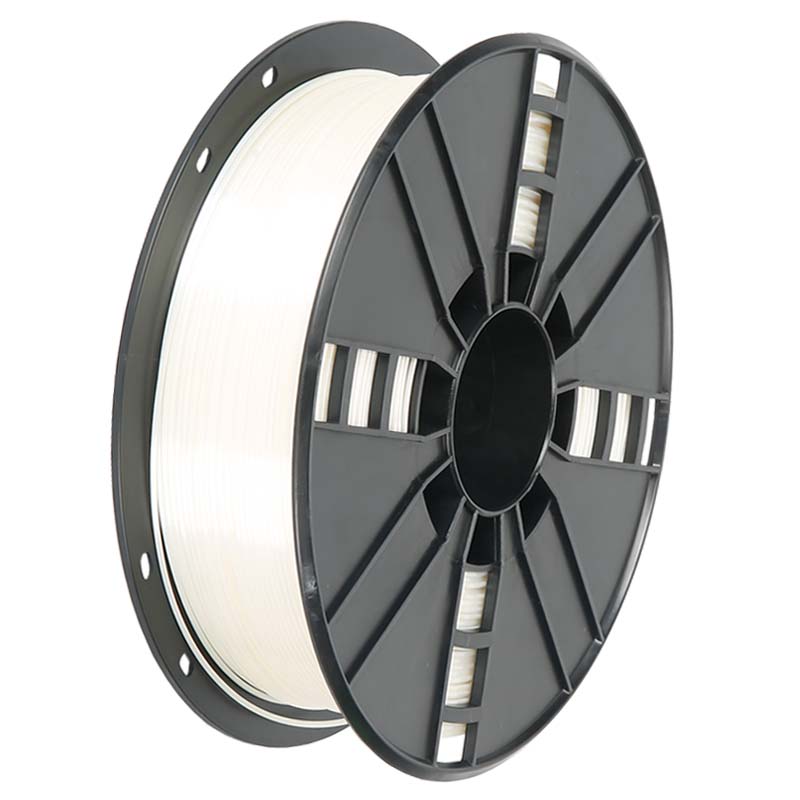
Shiny Pearl White PLA Filament
Explore Material Specs →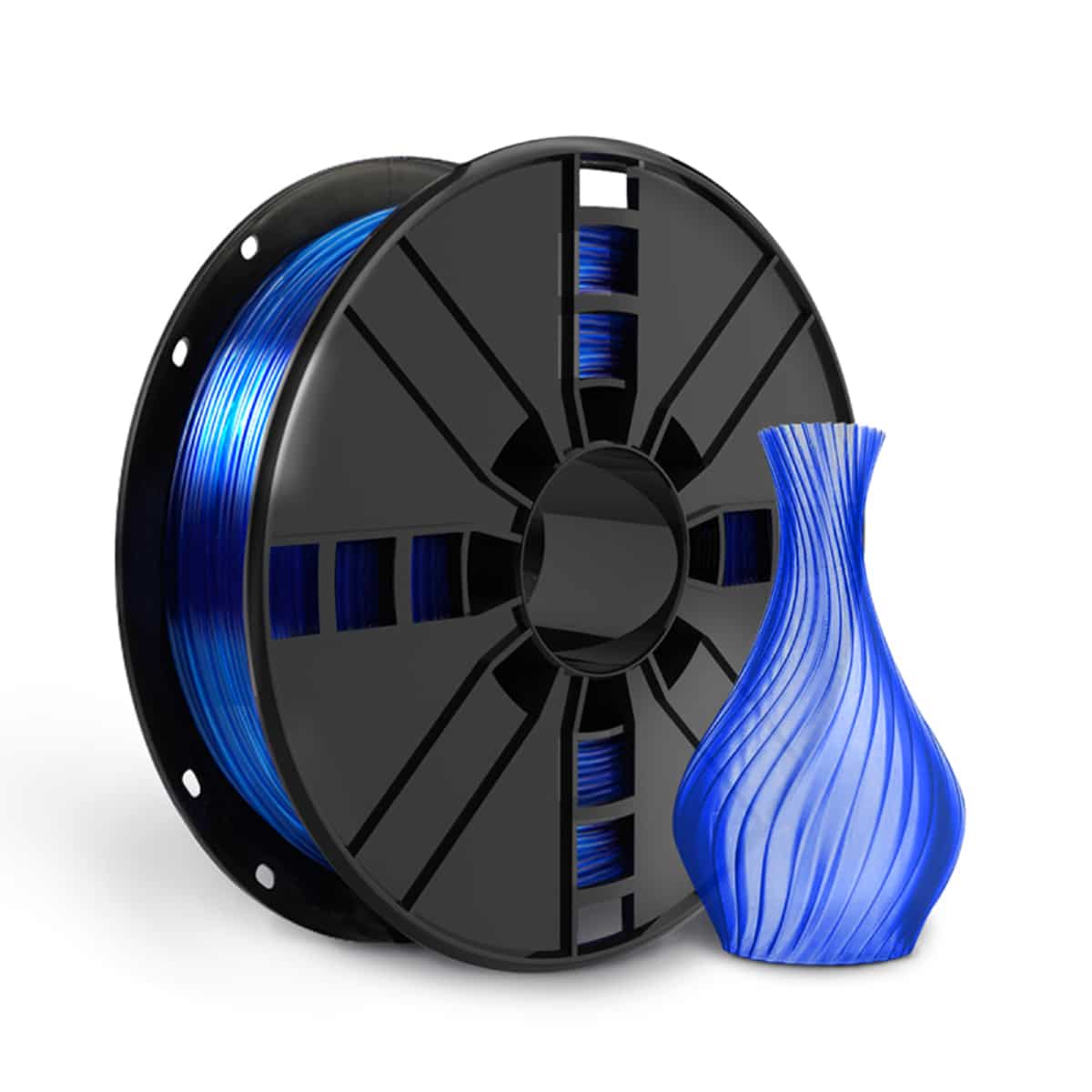
PETG filament 1.75 Blue for 3D printing
Explore Material Specs →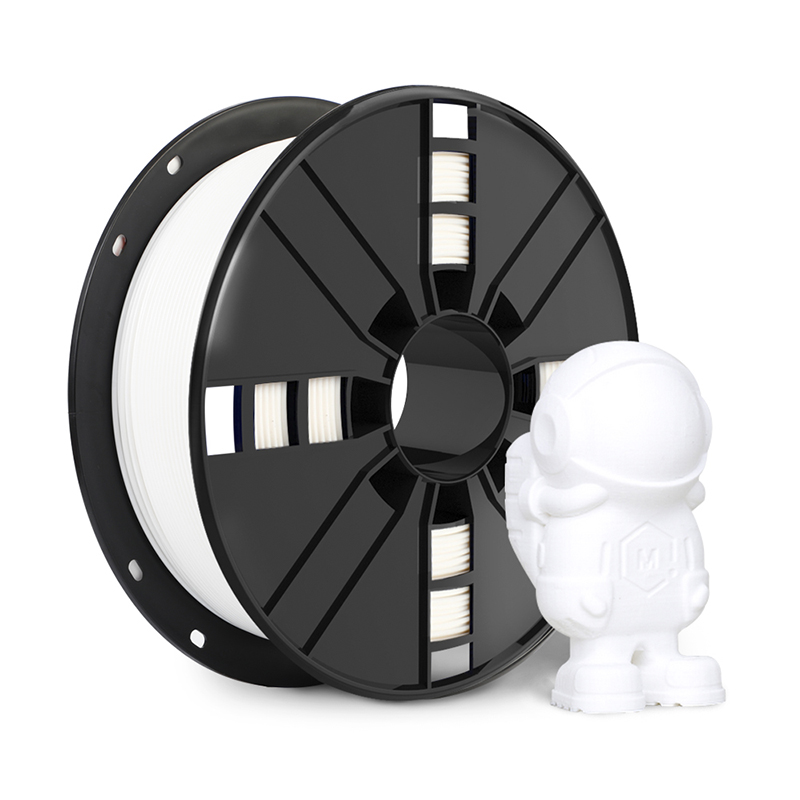
Torwell ABS Filament 1.75mm, White, Dimensional Accuracy +/- 0.03 mm, ABS 1kg Spool
Explore Material Specs →