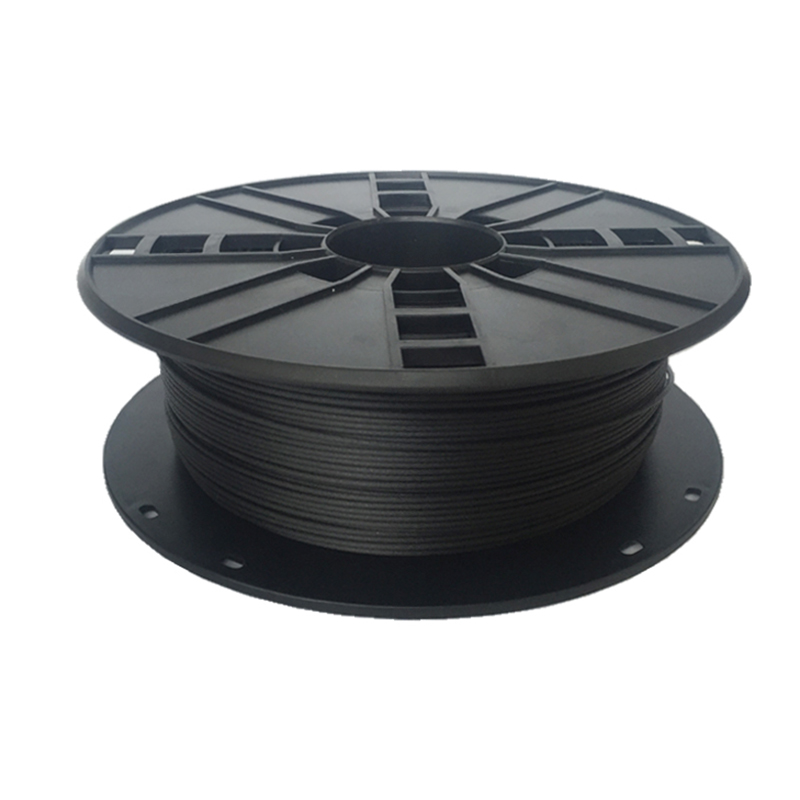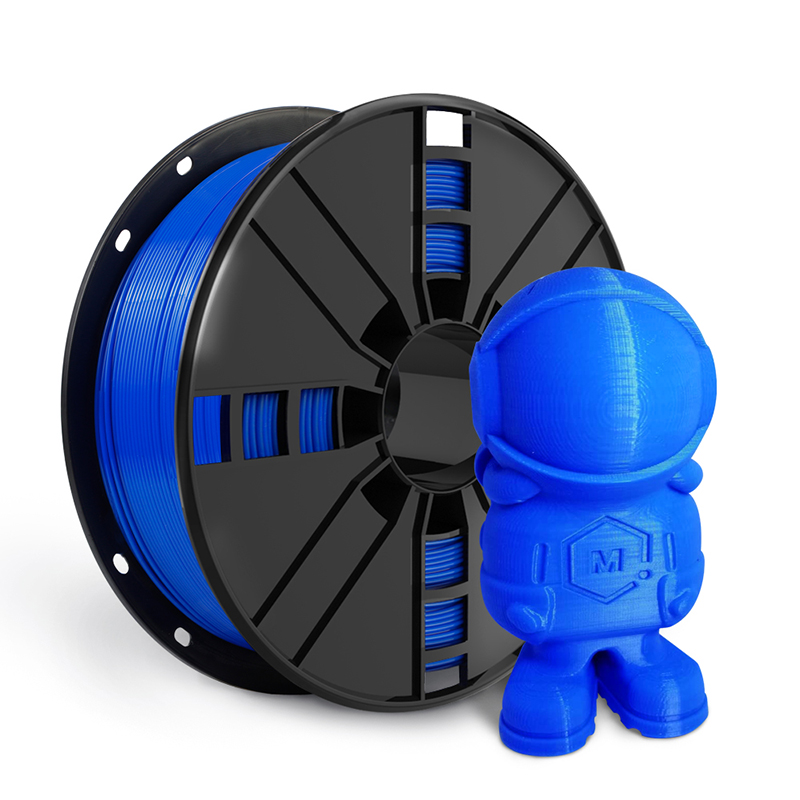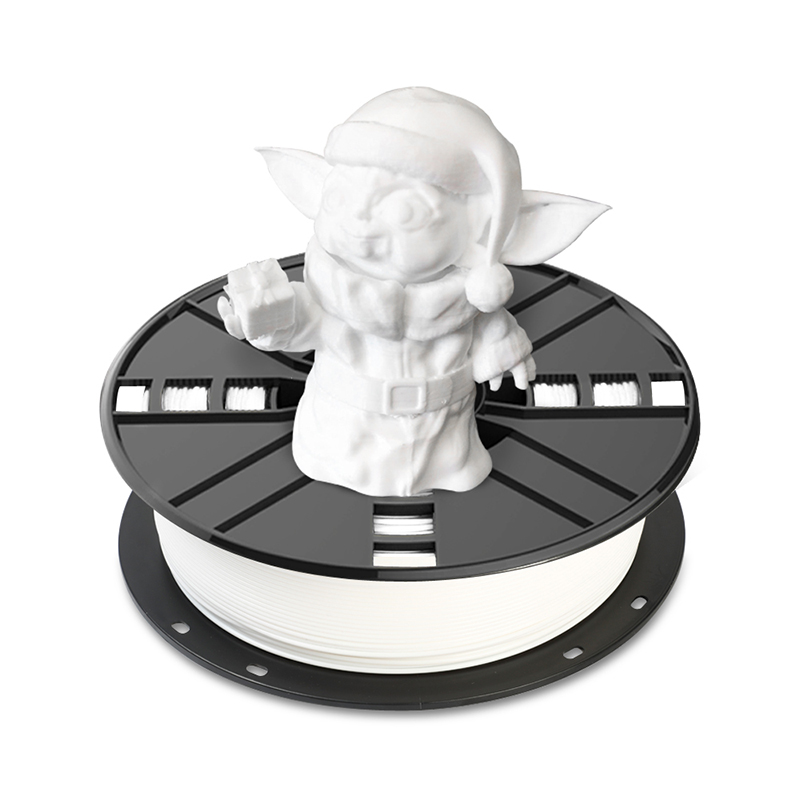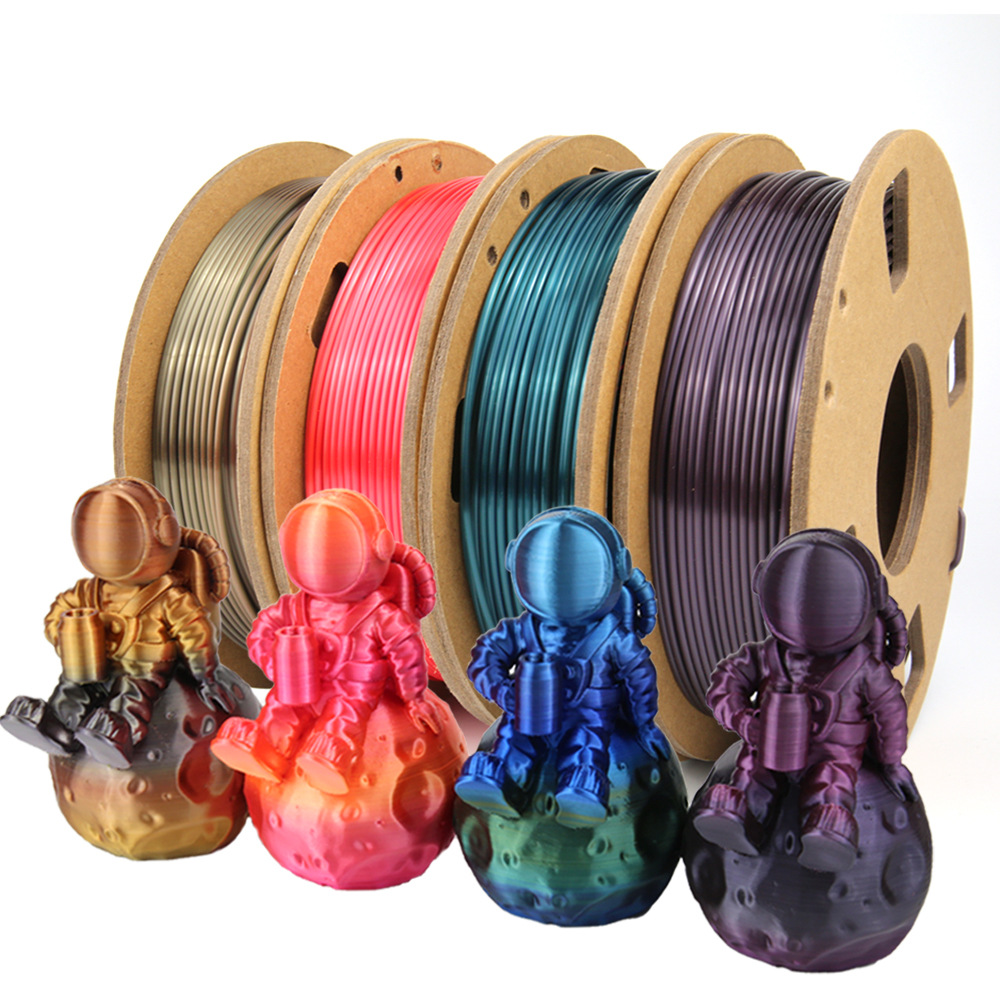
Featured Engineering & Aesthetic 3D Printing Materials
From robust exterior grade filaments to high-precision cosmetic polymers, our factory produces industry-grade thermoplastics designed for high-end additive prototyping and serial manufacturing.
The Rise of ASA 3D Printing Material Across Canadian Industries
How Canadian commercial manufacturers, automotive integrators, and aerospace innovators are utilizing UV-stable Acrylonitrile Styrene Acrylate to solve extreme climate prototyping and production challenges.
Meeting Canada's Rigorous Climate and Outdoor Durability Requirements
Canada represents one of the world's most demanding environments for polymer engineering. With temperature variations spanning from -40°C in mid-winter across Alberta, Saskatchewan, and Northern Ontario, to high-UV summer exposure in British Columbia and Southern Ontario, traditional 3D printing polymers like standard PLA and ABS frequently suffer from photo-oxidation, thermal embrittlement, and layer delamination. As a direct result, industrial engineers and tier-1 suppliers across Canada have accelerated the adoption of Acrylonitrile Styrene Acrylate (ASA).
ASA is chemically modified with an acrylic ester elastomer replacing the polybutadiene rubber found in conventional ABS. This fundamental molecular substitution prevents the polymer chain from degrading under intense solar ultraviolet radiation, offering extraordinary weatherability, chemical resistance to diluted acids and oils, and outstanding structural integrity over prolonged outdoor lifespans. Today, ASA 3D printing filaments manufactured with stringent quality controls serve as the backbone for end-use outdoor electrical enclosures, railway signaling casings, automotive external trims, and marine sensors installed throughout Canadian municipal and industrial sectors.
- Extreme Weatherability: Retains mechanical impact resistance under Canadian sub-zero deep freeze conditions.
- Unrivaled UV Stability: Resists color fading, chalking, and micro-cracking during extended outdoor service.
- Matte Engineering Finish: Produces clean, non-glossy exterior surface layers ideal for production-grade end-use parts.
Regional Additive Manufacturing Hubs Across Canadian Provinces
From the advanced automotive corridors in Ontario to the aerospace clusters of Quebec and heavy resource engineering in Western Canada, ASA material has become essential across critical industrial clusters.
Ontario Automotive Corridor
Windsor, Kitchener-Waterloo, and the Greater Toronto Area (GTA) deploy ASA for automotive exterior mirror housings, bumper mounting brackets, functional sensor shrouds, and rapid tooling fixtures that must resist road salt and high UV.
Quebec Aerospace & Transport
Montreal's aerospace and transportation OEMs utilize ASA for custom cabin ducting, test-bench fixtures, ground support instrument bezels, and aerodynamic airflow prototyping where mechanical stability and flame-retardant modifications are required.
Western Canada Energy & Marine
Calgary, Edmonton, and Vancouver industrial enterprises leverage ASA for outdoor telemetry housings on oilfields, agricultural drone housings, coastal buoy sensor frames, and moisture-resistant pipeline sensor adapters.
ASA vs. Standard Polymers in Outdoor & Harsh Environments
A detailed analytical breakdown highlighting why ASA outperforms conventional FDM/FFF thermoplastics for structural longevity and outdoor chemical resilience.
| Performance Metric | ASA (Acrylonitrile Styrene Acrylate) | ABS (Standard Formulation) | PETG (Copolyester) | PLA / PLA Plus |
|---|---|---|---|---|
| UV / Solar Weathering | Exceptional (10+ Years No Degradation) | Poor (Degrades & Yellows rapidly) | Moderate (Good clarity, slight yellowing) | Low (Brittle under intense UV) |
| Heat Deflection Temp (HDT) | 90°C – 100°C | 85°C – 95°C | 70°C – 75°C | 50°C – 55°C |
| Impact Resistance (Izod) | High (Sub-zero toughness maintained) | High (Brittle in extreme cold) | Moderate to High | Low to Moderate |
| Chemical & Salt Resistance | High (Oils, road salts, weak acids) | Moderate (Vulnerable to solvents) | High (Excellent acid/base barrier) | Low to Moderate |
| Surface Aesthetics & Finish | Matte / Low-Glare Satin Finish | Semi-Gloss / Easy acetone smoothing | Glossy / Stringing prone | High Gloss / Crisp detail |
| Warp Resistance During Print | Moderate (Requires enclosed chamber) | Low (High thermal shrinkage) | High (Low shrinkage) | Highest (Zero enclosure needed) |
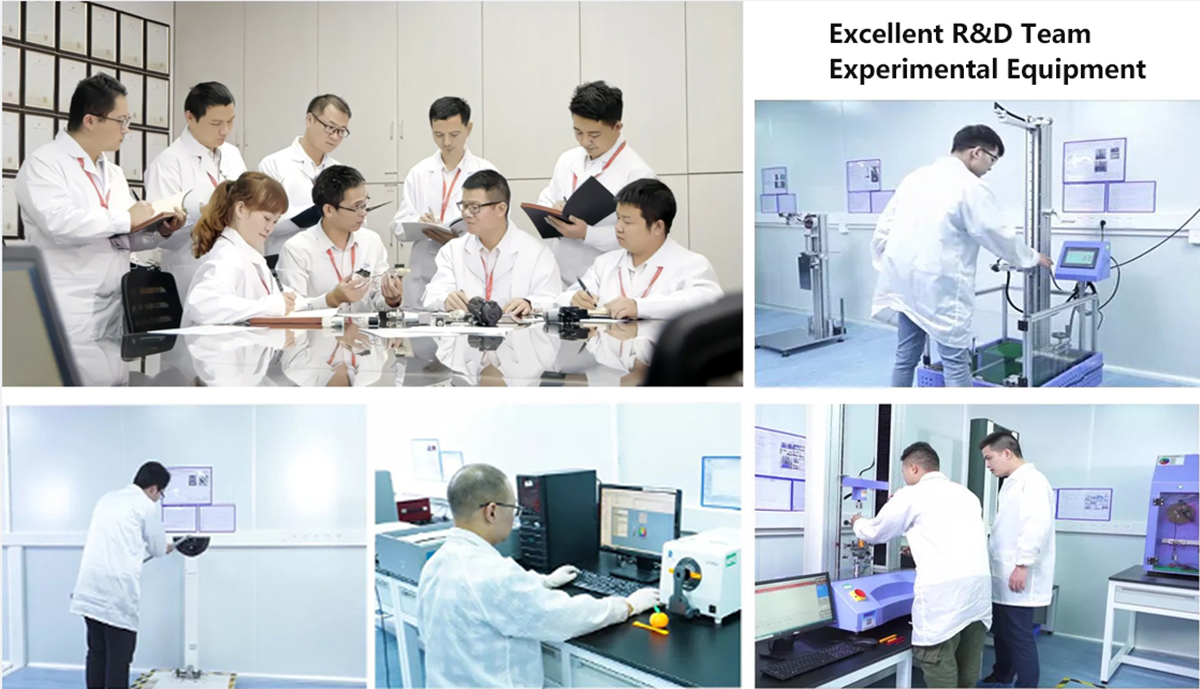
Strict Quality Control & Certified Operational Procedures
The factory area has passed ISO45001 occupational health and safety management system certification. Every new employee must be experienced one week of safety production knowledge teaching and two weeks of produce skills training, and master every course in the production process. Who is in the position will be responsible for its duty.
This rigorous adherence to standardized manufacturing protocols ensures that every spool of ASA, PLA, ABS, and specialized composite filament leaving the production lines exhibits zero structural defects, uniform molecular weight distribution, and impeccable layer-bonding capability for critical Canadian manufacturing deployments.
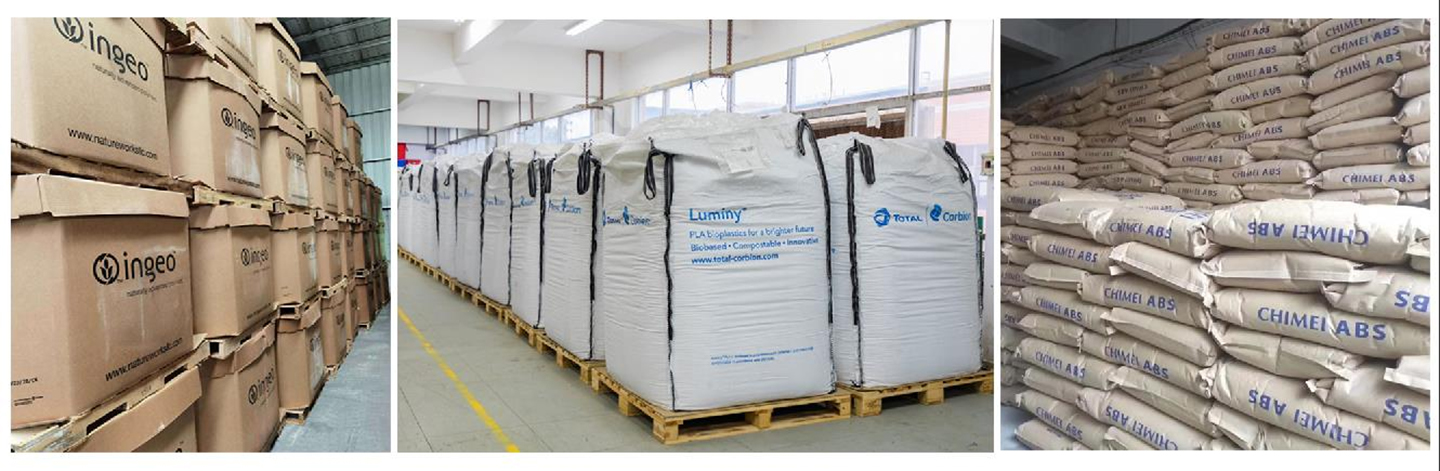
Virgin Raw Materials from World-Class Chemical Pioneers
PLA is the most preferred material for 3D printing, Torwell firstly chooses PLA from US NatureWorks, and Total-Corbion is the alternative. ABS from TaiWan ChiMei, PETG from South Korea SK. Each batch of main raw materials comes from the partners who has cooperated more than 5 years to ensure the reliability of the products from the source. Each batch of raw materials will undergo parameters inspection before produce to ensure that raw materials are original and virginal.
For ASA material lines, specialized UV-stabilized terpolymers and heat-resistant modifiers are strictly sourced from verified global resin producers. We avoid re-granulated or secondary recycled feeds in our high-performance lines, ensuring stable melt flow index (MFI), zero nozzle clogging, and predictable thermal shrinkage rates.
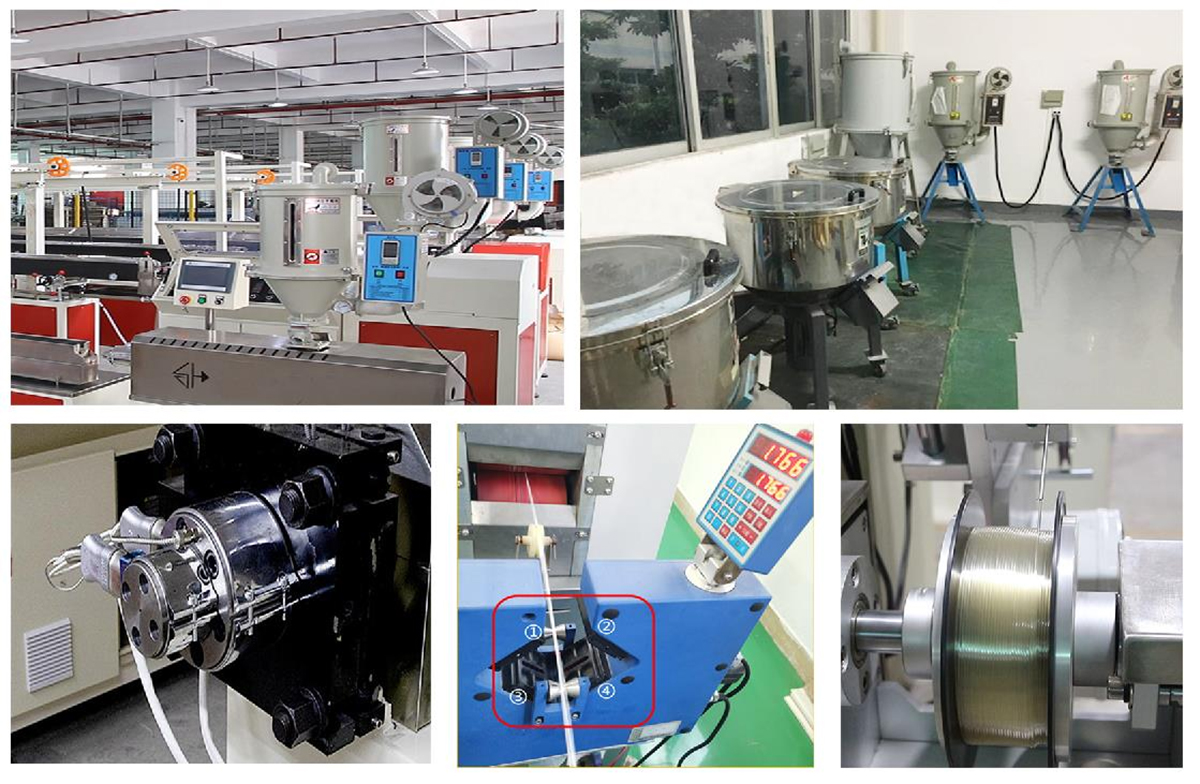
State-of-the-Art Extrusion Equipment & Laser Calibration
The manufacturing workshop will make arrangements after the inspection of raw materials, at least two engineers cross-check the clearance of mixing tank, color mixed of material, humidity from hopper dryer, temperature of extruder, hot/cool tank, and trial-produce and debugging the produce line to make sure all of processes in the best condition. Maintain the filament Diameter tolerance +/- 0.02mm, Roundness tolerance +/- 0.02mm.
Using closed-loop multi-axis laser gauging systems operating at real-time feedback frequencies of over 1000Hz, our precision extrusion lines instantly regulate pulling tension and screw speed, ensuring uncompromising diameter consistency across every kilometer of filament produced.
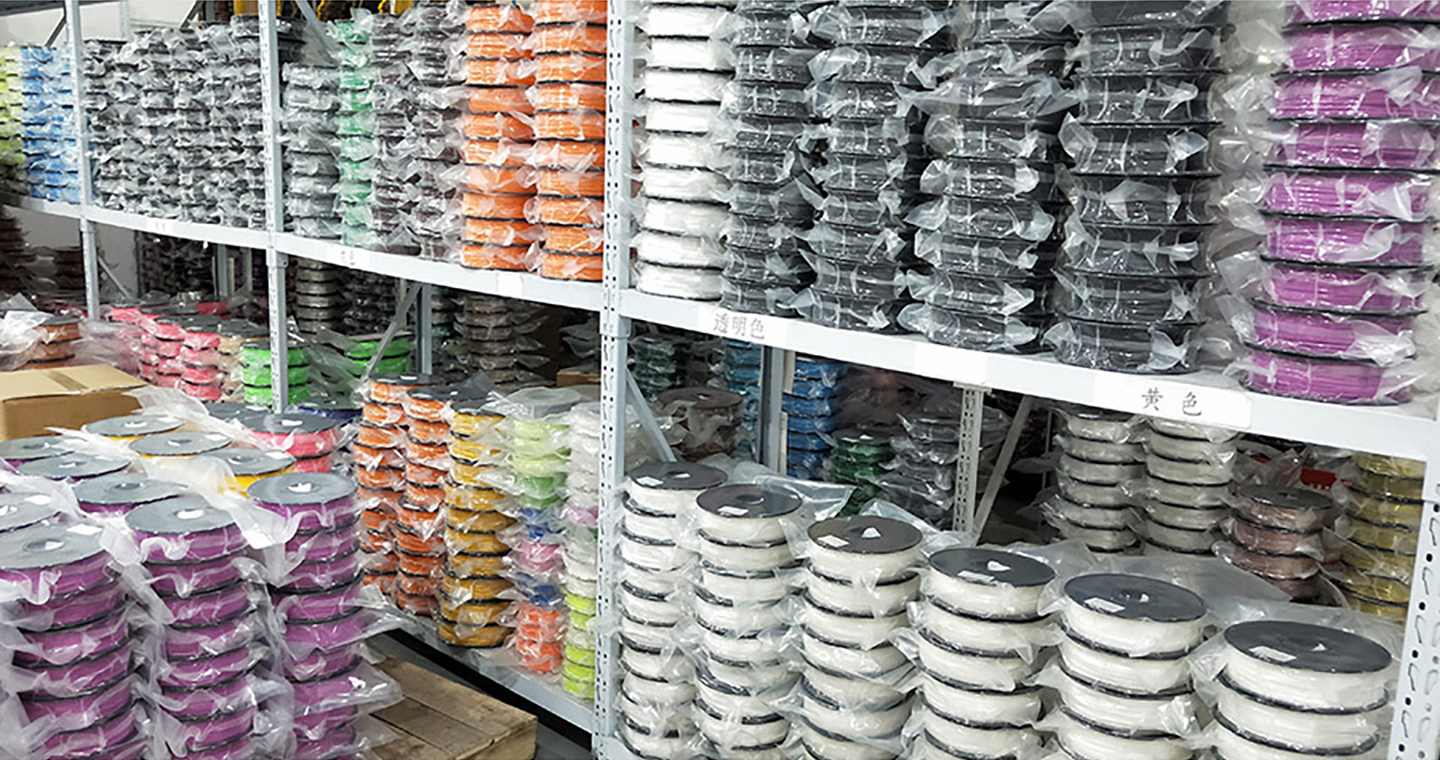
24-Hour Vacuum Pressure Testing & Final Batch Verification
After each batch of 3D filament is produced, two quality inspectors will conduct random inspections on each batch of finished products in accordance with the requirements of the standard, such as diameter tolerance, color consistency, strength and toughness and so on. After vacuuming the package, place them for 24 hours to check whether there is any leaking package, then label it and finish the package.
This 24-hour retention protocol ensures that spools shipped to Canadian warehouses across Toronto, Montreal, Calgary, and Vancouver remain 100% moisture-free, preventing hydrolysis and steam cavitation during high-temperature printing.
Key Trends Shaping ASA 3D Printing Manufacturing in Canada
Technological advancements in polymer chemistry and automated manufacturing workflows driving faster turnaround times and superior material performance.
High-Flow Rate ASA Formulations
With high-speed core-XY and industrial 3D printers operating at speeds exceeding 300mm/s to 600mm/s, next-generation ASA materials incorporate specialized internal lubricants and thermal chain extenders to maintain layer adhesion at extreme extrusion volumetric speeds.
Carbon Fiber & Glass Reinforced ASA
Compounding ASA with chopped carbon fibers (10-20% weight ratio) dramatically minimizes shrinkage coefficients, virtually eliminating bed warping while elevating tensile modulus and heat deflection temperatures above 110°C.
Eco-Conscious Spooling & Packaging
In alignment with Canadian environmental sustainability directives, factories are transitioning toward recycled cardboard spools, biodegradable desiccant packs, and master spool refill packaging systems to drastically reduce plastic footprint.
Digital Batch Traceability
End-to-end QR code tracking linking every produced spool to its specific raw resin batch number, extrusion line log, laser measurement curves, and vacuum test validation records for aerospace-grade compliance.
Optimal ASA Processing Parameters for Industrial Printers
Recommended parameters based on extensive factory trial testing to ensure maximum inter-layer fusion and structural reliability.
Thermal Settings
Extruder Temp: 240°C – 260°C
Heated Bed: 90°C – 110°C
Enclosure Temp: 45°C – 65°C recommended to eliminate corner lifting and optimize crystalline relaxation.
Cooling & Adhesion
Part Cooling Fan: 0% – 15% (disabled for maximum mechanical strength).
Bed Surface: Textured PEI sheet, Kapton tape, or high-adhesion liquid adhesive designed for styrenics.
Drying & Post-Processing
Pre-Dry: 70°C for 4 to 6 hours if exposed to ambient relative humidity.
Post-Processing: Acetone vapor smoothing can be performed to achieve a glass-smooth injection molded finish.
Frequently Asked Questions: ASA Manufacturing & Supply
Answers to essential technical and commercial questions regarding ASA 3D printing filament sourcing, OEM customization, and Canadian delivery logistics.
Why choose ASA over ABS for Canadian outdoor industrial use?
While ABS delivers excellent mechanical impact strength, its polybutadiene compound is highly vulnerable to solar UV radiation and Canadian sub-zero temperature cycling, causing rapid embrittlement and micro-cracking within months. ASA incorporates an acrylic ester elastomer that provides superior UV immunity and long-term weather resistance without degradation.
What dimensional tolerances are guaranteed during factory extrusion?
Our automated extrusion lines maintain an exact diameter tolerance of +/- 0.02mm and a roundness tolerance of +/- 0.02mm. Closed-loop multi-axis laser measuring systems continuously monitor and correct the filament diameter throughout production to prevent under-extrusion or jams.
Can ASA filament be supplied under custom OEM branding and spool sizing?
Yes. We offer turnkey OEM/ODM manufacturing services including custom Pantone/RAL color compounding, specialized spool configurations (1kg, 2.5kg, 5kg industrial master spools), private labeling, custom packaging boxes, and tailored spool materials (eco-friendly cardboard or reusable plastic).
How are finished spools protected against humidity during ocean & land transit?
Immediately following post-extrusion dehumidification, every spool is vacuum-sealed with high-absorption desiccant packs in heavy-gauge barrier foil/plastic pouches. Spools undergo a mandatory 24-hour vacuum leak-check stage before packing into master cartons to ensure fresh delivery to Canadian ports and distribution centers.
Explore Our Full Range of 3D Printing Materials
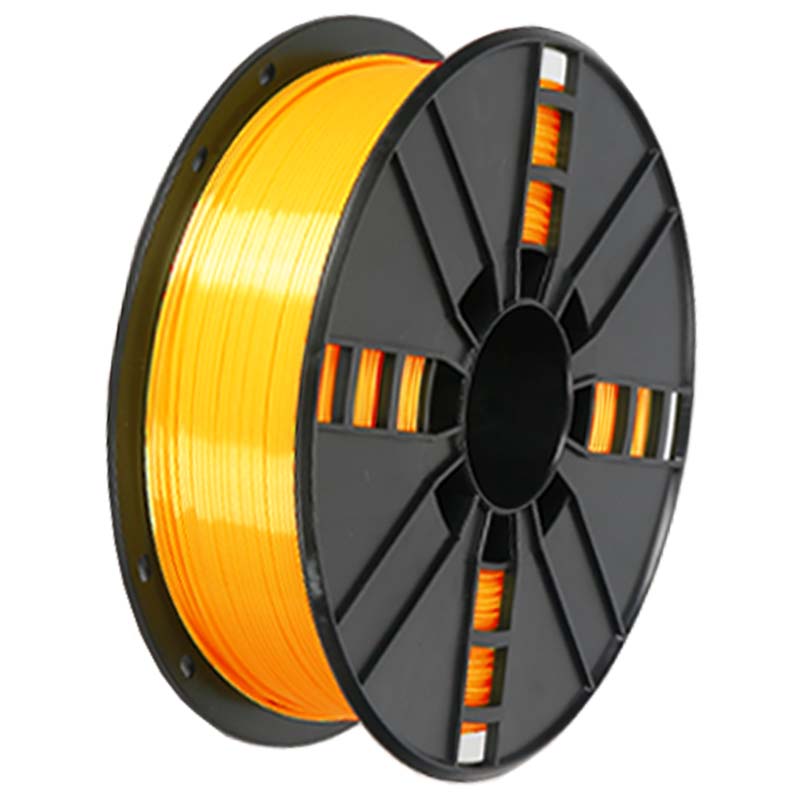
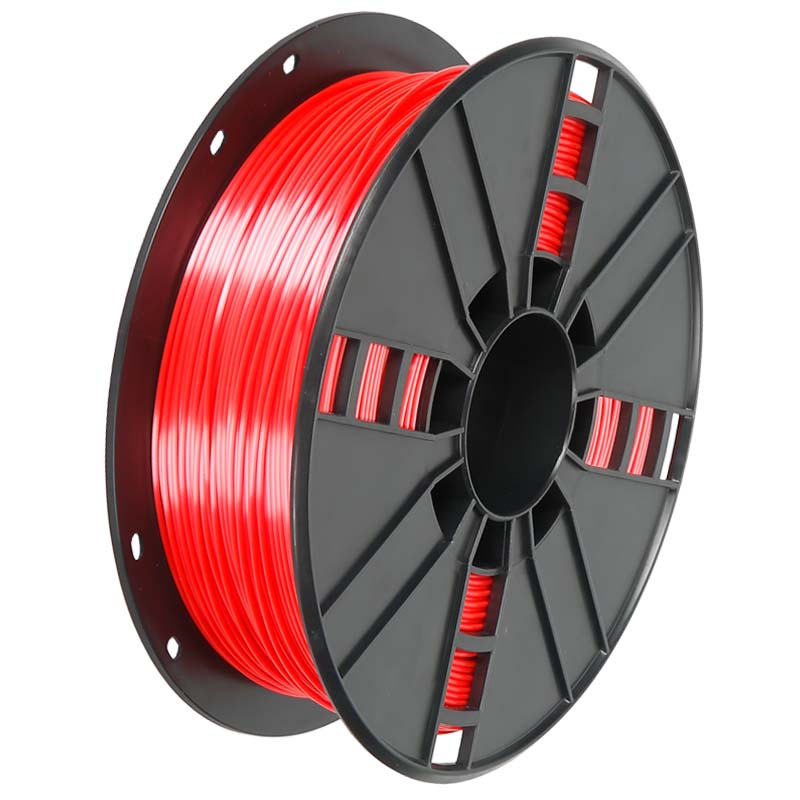
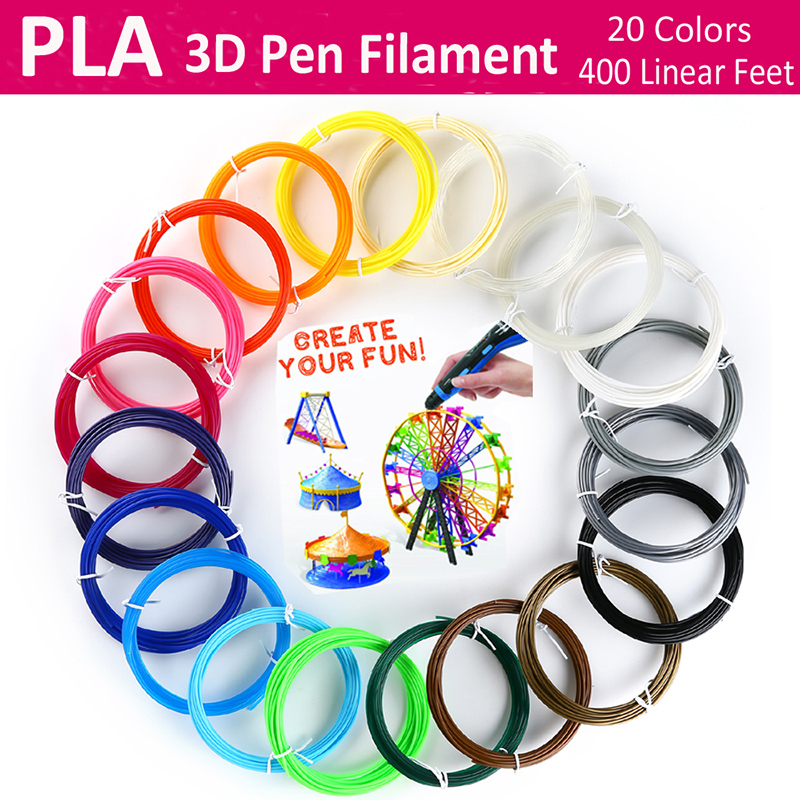
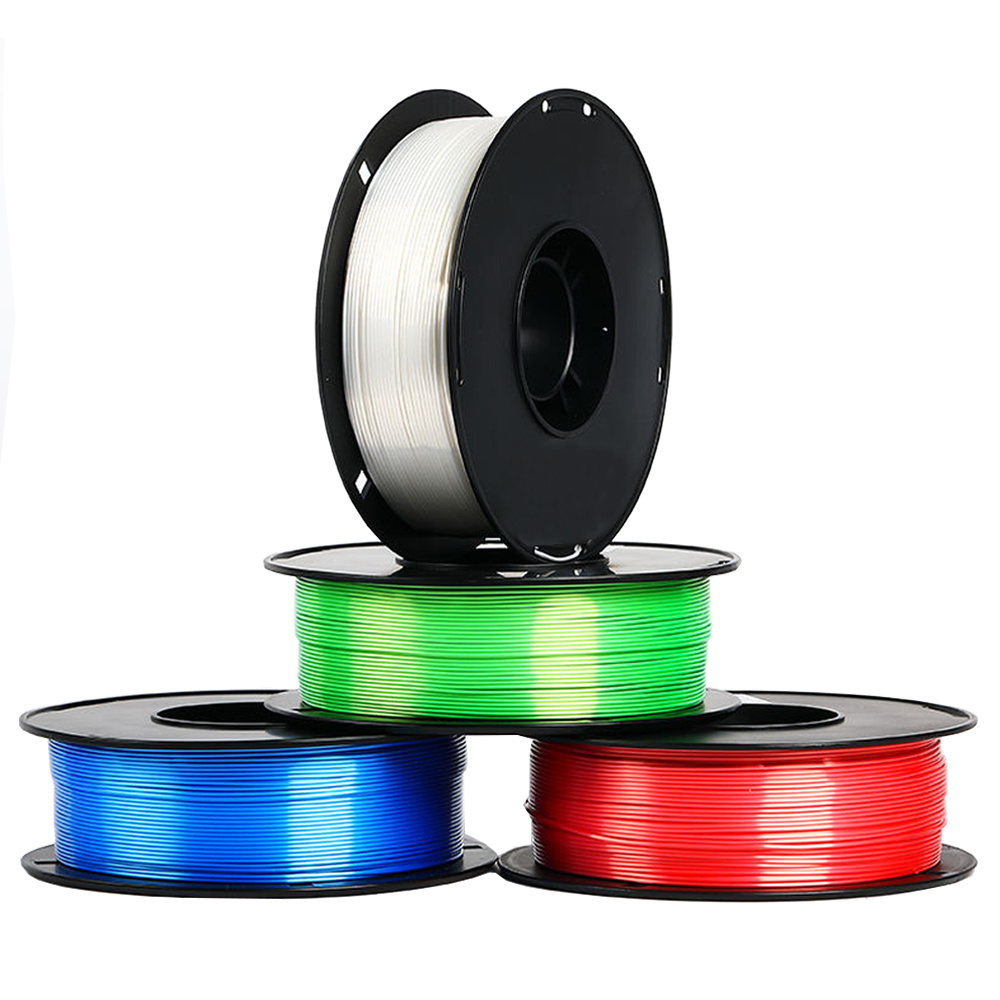
Discover our comprehensive collection of advanced filaments, from high-strength composites and engineering ABS to brilliant silk and co-extruded rainbow materials.