High-Performance Prototyping & Production Materials
Explore our top-tier functional filaments formulated to deliver unmatched dimensional precision and surface finish for European commercial operations.
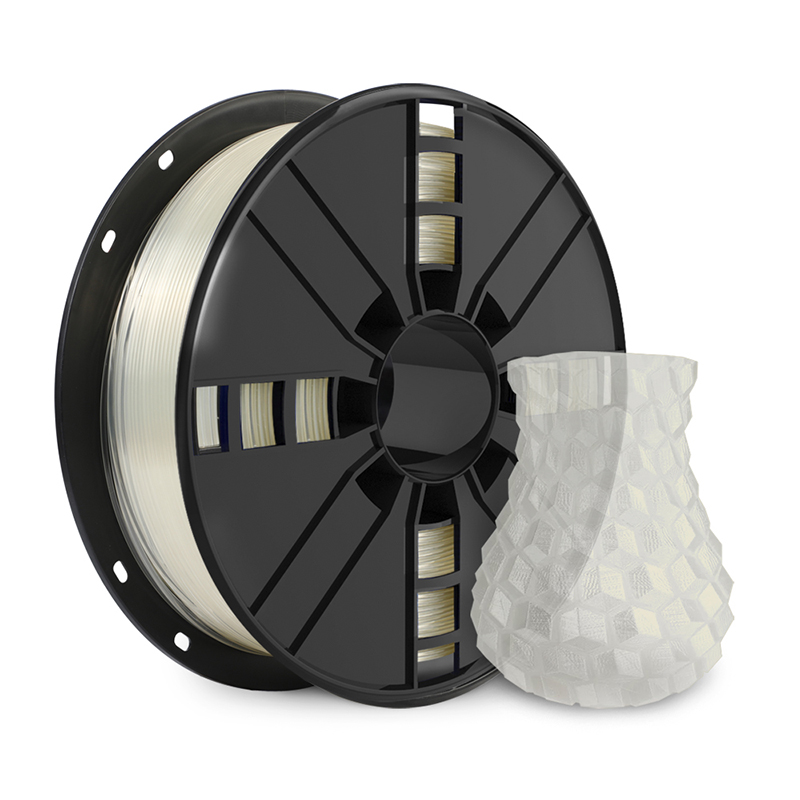
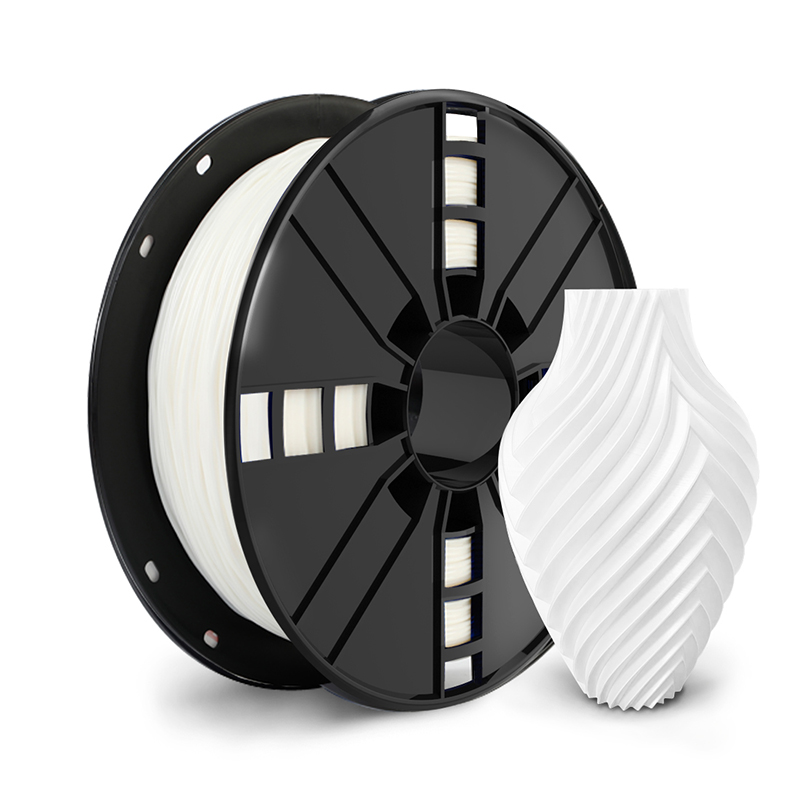
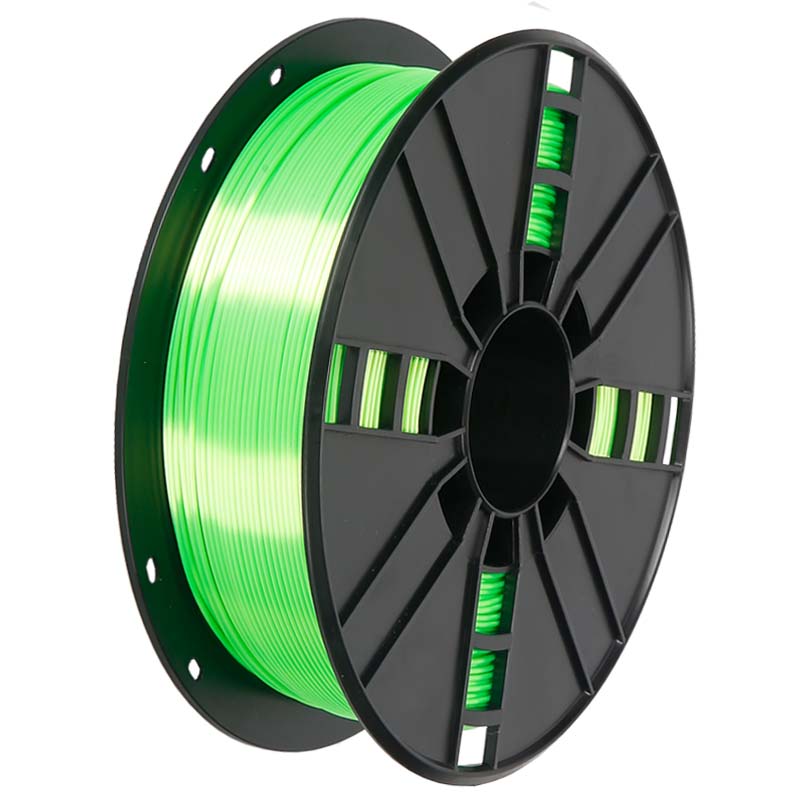
ASA Filament Sourcing & Industrial Demands in Germany
From Stuttgart and Munich to Wolfsburg and Frankfurt, German high-precision manufacturing demands additive materials that surpass traditional limitations.
Germany stands at the epicenter of Europe's advanced manufacturing and industrial design ecosystem. With leading automotive original equipment manufacturers (OEMs), Tier-1 engineering suppliers, and specialized Mittelstand automation enterprises driving digital transformation, the requirements for 3D printing materials have evolved far beyond rudimentary aesthetic models. Industrial operations now demand end-use durability, UV stability, and exact chemical tolerance, positioning Acrylonitrile Styrene Acrylate (ASA) as an indispensable engineering polymer across the Federal Republic.
Unlike standard ABS polymers which suffer from photodegradation and embrittlement when exposed to outdoor ultraviolet radiation, ASA replaces polybutadiene rubber with an elastomeric acrylate phase. This structural evolution provides permanent weatherability, exceptional color retention, and elevated glass transition thresholds (Tg ~100°C). For German engineering firms developing automotive exterior components, sensor housings for high-speed rail, telecommunication enclosures, and agricultural machinery, ASA filament guarantees structural stability throughout prolonged outdoor duty cycles.
Torwell Tech functions as an established production partner and direct bulk supplier, providing contract manufacturers, additive manufacturing bureaus, and R&D centers throughout Germany with certified, high-grade ASA extrusion materials. Our supply chain supports key manufacturing hubs across North Rhine-Westphalia, Bavaria, and Baden-Württemberg with stable volume distribution, custom RAL-standard color matching, and tight geometric repeatability.
- DIN EN ISO 9001 / ISO 45001 Compliance
- Strict Laser Micrometer Tolerance
- High Heat Deflection (HDT > 92°C)
- Long-Term UV & O-Zone Inertness
Why the German Market Demands ASA
German engineers prioritize verified material data sheets and consistent mechanical performance. ASA exhibits virtually zero micro-cracking under intense cyclic weather conditions, making it the preferred thermoplastic for exterior automotive components, wind turbine housing prototypes, and municipal smart metering systems.
Industry 4.0 Ready Tolerances
Our dual-axis laser inspection tracks continuous diameter and ovality during extrusion at microsecond frequencies, guaranteeing jam-free feeding in automated multi-material farm systems used in Berlin, Hamburg, and Dresden tech facilities.
Key Engineering Attributes & German Application Sectors
ASA filament bridges the functional divide between high-speed rapid prototyping and real-world industrial deployment across key sectors.
Automotive & Commercial Transport
Adopted heavily across Bavaria and Lower Saxony for exterior mirror housings, radiator grilles, aerodynamic fairings, and roof rack brackets. ASA withstands continuous highway airflow, stone chipping, chemical car washes, and harsh winter road deicing salts.
Smart Grid & Telecom Enclosures
Widely integrated into 5G communication repeaters, smart power metering boxes, and outdoor IoT sensor nodes across German urban infrastructure. The material prevents yellowing and maintains IP67 sealing compatibility against sustained rainfall and UV exposure.
Industrial Jigs & Tooling
German mechanical engineering (Maschinenbau) utilizes ASA for durable assembly fixtures, robotic end-of-arm grippers, and machining templates where impact absorption, solvent resistance, and mechanical toughness are critical inside factory cells.
| Material Property | Torwell Industrial ASA | Standard ABS | Industrial PETG | Standard PLA |
|---|---|---|---|---|
| UV & Weather Resistance | Outstanding (No yellowing / degradation) | Poor (Degrades under UV sunlight) | Moderate (Limited outdoor exposure) | Poor (Hydrolyzes, degrades rapidly) |
| Heat Deflection Temp (0.45 MPa) | 95°C - 102°C | 88°C - 95°C | 68°C - 74°C | 52°C - 58°C |
| Tensile Strength (MPa) | 42 - 48 MPa | 38 - 45 MPa | 45 - 50 MPa | 55 - 65 MPa |
| Impact Resistance (Charpy kJ/m²) | 18 - 22 kJ/m² | 15 - 20 kJ/m² | 6 - 9 kJ/m² | 3 - 5 kJ/m² |
| Post-Processing Potential | Excellent (Acetone smoothing, CNC milling) | Excellent (Vapor smoothing) | Fair (Difficult to sand/smooth) | Moderate (Sanding, priming) |
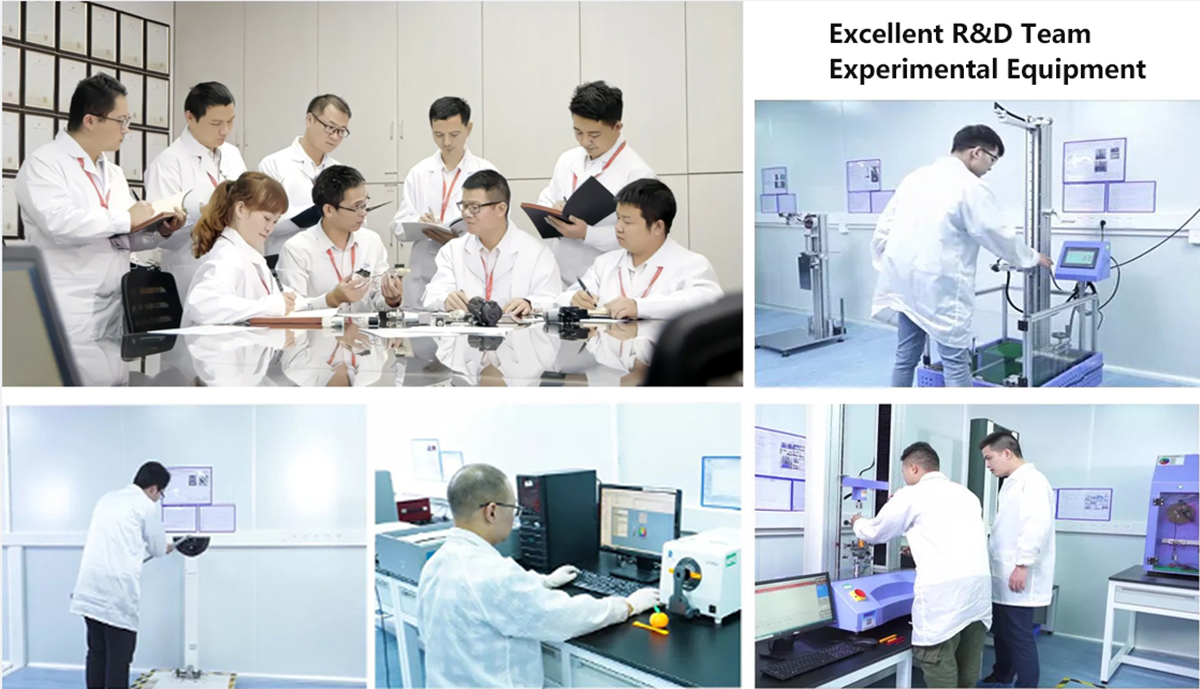
Quality Control
The factory area has passed ISO45001 occupational health and safety management system certification. Every new employee must be experienced one week of safety production knowledge teaching and two weeks of produce skills training, and master every course in the production process. Who is in the position will be responsible for its duty.
In adherence to international manufacturing standards, our production infrastructure integrates comprehensive operator accountability protocols. By cultivating technical competency across each stage of filament synthesis, winding, and automated spooling, our production output consistently satisfies the rigorous engineering criteria demanded by German procurement auditors and industrial distributors.
Raw Material
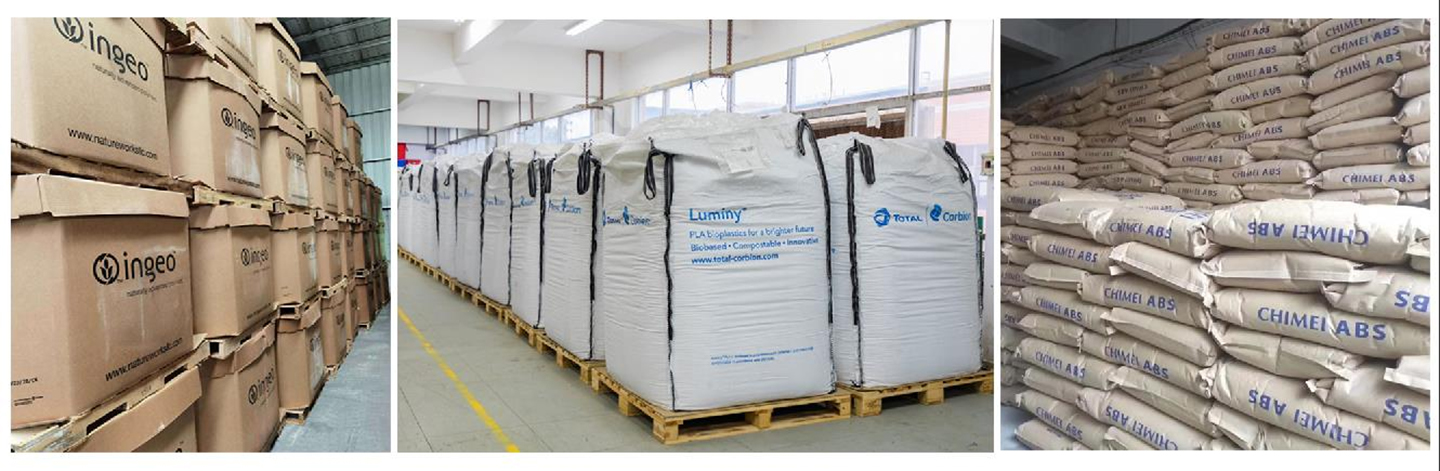
PLA is the most preferred material for 3D printing, Torwell firstly chooses PLA from US NatureWorks, and Total-Corbion is the alternative. ABS from TaiWan ChiMei, PETG from South Korea SK. Each batch of main raw materials comes from the partners who has cooperated more than 5 years to ensure the reliability of the products from the source. Each batch of raw materials will undergo parameters inspection before produce to ensure that raw materials are original and virginal.
For our ASA filament line, raw polymers and acrylate elastomers are acquired exclusively from top-tier chemical synthesizers. Virgin, unadulterated polymer granules ensure batch-to-batch color repeatability, uniform melt flow index (MFI), and completely eliminate cross-contamination risks during industrial extrusion cycles.
Equipment
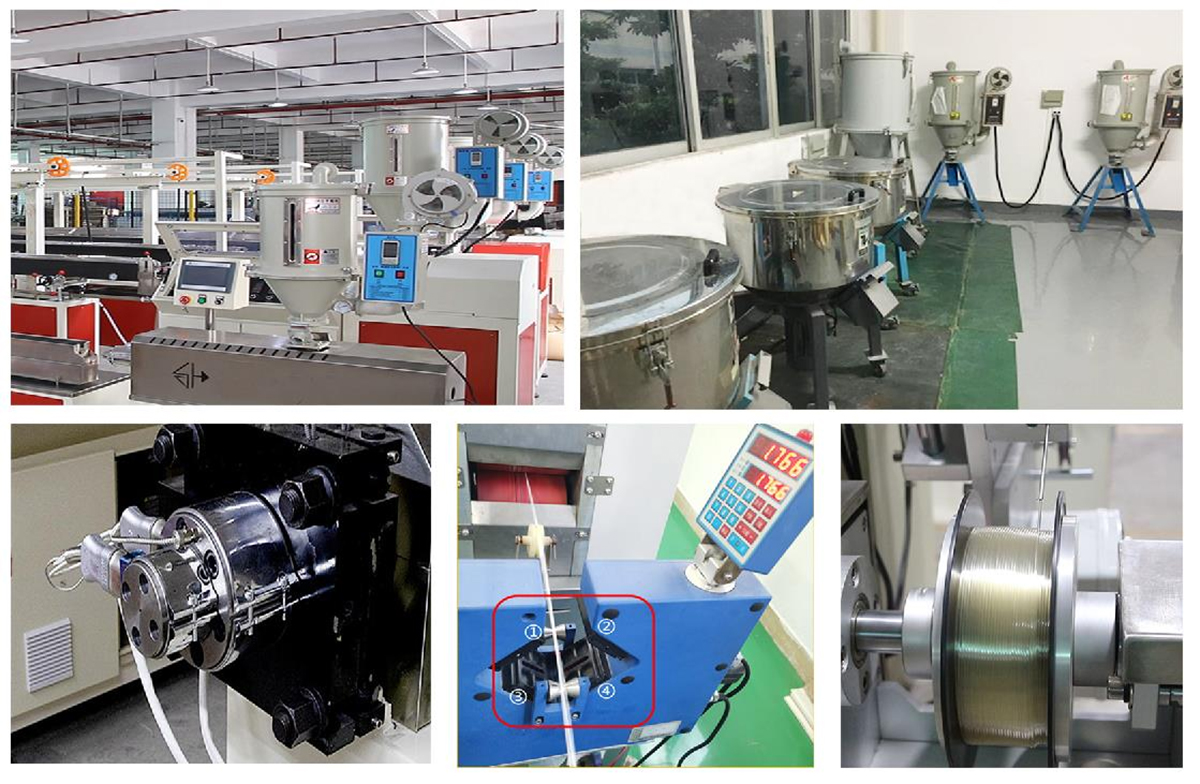
The manufacturing workshop will make arrangements after the inspection of raw materials, at least two engineers cross-check the clearance of mixing tank, color mixed of material, humidity from hopper dryer, temperature of extruder, hot/cool tank, and trial-produce and debugging the produce line to make sure all of processes in the best condition. Maintain the filament Diameter tolerance +/- 0.02mm, Roundness tolerance +/- 0.02mm.
Our workshop employs high-precision German and Swiss laser measurement arrays. Closed-loop PID temperature modules along the heating barrels guarantee that the delicate acrylate chains within ASA are never degraded during thermal processing, providing flawless filament consistency across entire production spools.
Final Inspection
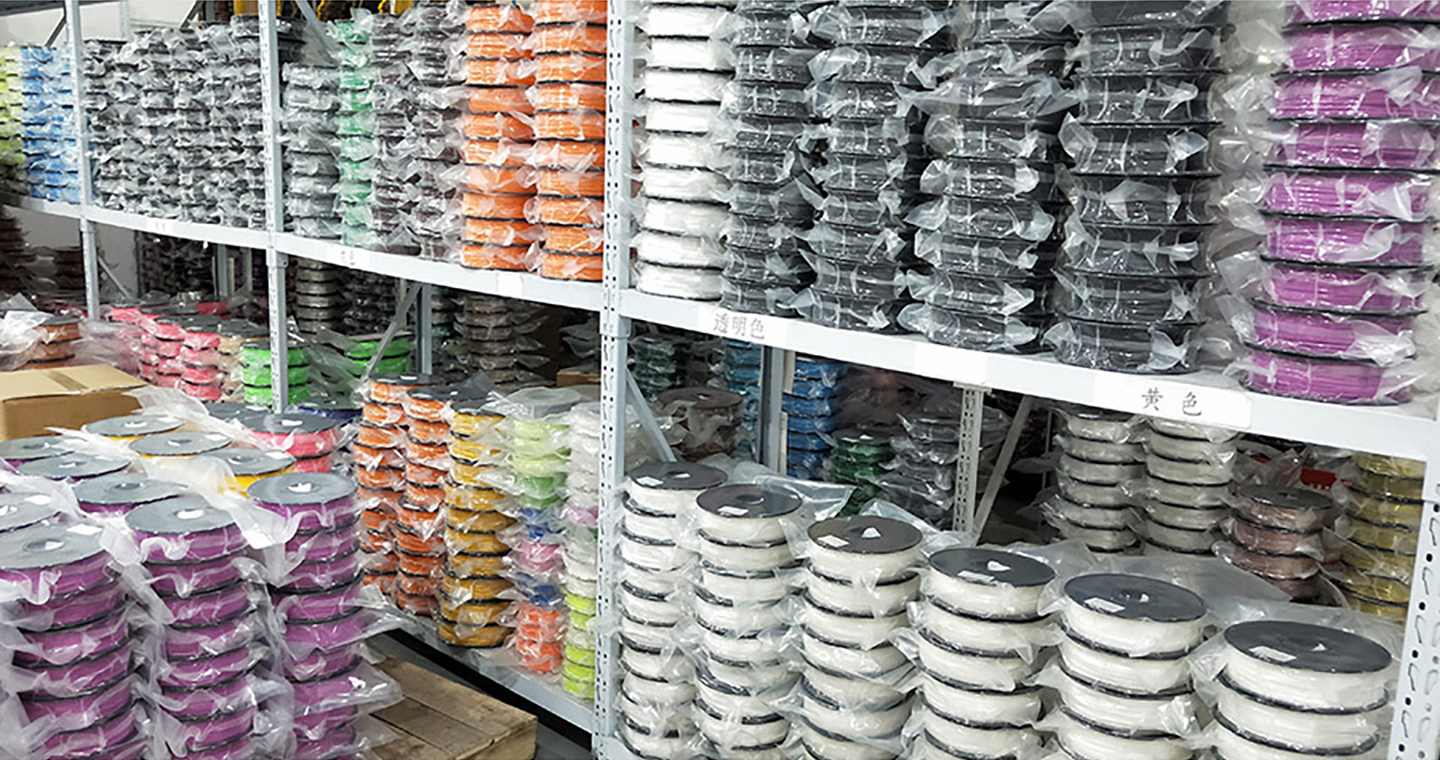
After each batch of 3D filament is produced, two quality inspectors will conduct random inspections on each batch of finished products in accordance with the requirements of the standard, such as diameter tolerance, color consistency, strength and toughness and so on. After vacuuming the package, place them for 24 hours to check whether there is any leaking package, then label it and finish the package.
Each production batch undergoes continuous print trial benchmarking on closed-chamber industrial 3D printers. Only when bridging capability, layer adhesion, inter-layer tensile strength, and zero-leak vacuum sealed packaging are fully verified will the consignment be approved for export to our German partners.
Recommended Parameters for Industrial ASA Processing
Optimize your additive manufacturing parameters for industrial extrusion platforms such as Ultimaker, Intamsys, Raise3D, Bambu Lab, and customized Voron systems.
Nozzle Temperature
240°C – 265°C
Wear-resistant hardened steel or copper nozzle recommended.
Heated Bed Temp
90°C – 110°C
Textured PEI sheet with polyamide adhesive backing.
Chamber Conditions
40°C – 60°C
Enclosed chamber essential to eliminate delamination.
Cooling Fan Control
0% – 20%
Low airflow ensures maximum inter-layer bonding.
Industry Trends & Next-Generation ASA Advancements in Germany
How ecological standards, localized supply chains, and composite material blends are redefining polymer additive manufacturing.
Carbon-Fiber Reinforced ASA (ASA-CF)
German mechanical engineers are increasingly adopting chopped carbon-fiber augmented ASA formulations. Incorporating 15-20% high-modulus carbon fibers substantially raises flexural modulus while dropping warpage coefficients to near-zero, making the production of large structural automotive panels feasible on unenclosed large-format systems.
Adherence to German Environmental & TRGS Norms
Modern German manufacturing facilities operate under stringent Technical Rules for Hazardous Substances (TRGS 900). Torwell's proprietary ultra-low VOC additive chemistry minimizes styrene gas outgassing during high-temperature melting, seamlessly integrating with workshop HEPA and activated carbon recirculating filters.
Closed-Loop Recycling & Spool Logistics
In harmony with European Green Deal directives, our procurement options include biodegradable cardboard spools and recycled polycarbonate carrier reels. We partner directly with German enterprise distributors to implement recycling loops for production remnants and post-processing scrap.
Frequently Asked Questions for Sourcing ASA in Germany
Direct answers for German supply chain managers, additive lab leads, and technical purchasers.
1. How does ASA filament perform under central European weather conditions?
ASA is purpose-designed for exterior exposure. In accelerated weathering tests matching ISO 4892 standards, ASA exhibits over 2,500 hours of continuous UV and humidity resistance with zero visible color change (Delta E < 1.0) and retention of over 90% of tensile yield strength. It easily withstands Germany's sub-zero winters, high humidity, and intense summer UV radiation without embrittlement.
2. Can Torwell provide custom RAL colors matching German corporate CI standards?
Yes. We specialize in compounding exact color matches based on standard RAL, Pantone, and automotive OEM color codes. Our mixing tanks and spectrophotometer validation loops ensure color consistency from sample batches up to multi-ton container shipments for German client accounts.
3. What is the standard shipping lead time to major German logistics hubs?
We maintain streamlined freight routes to major German distribution points including Hamburg Port, Frankfurt Cargo City, and Duisburg Hub. Standard air freight sample shipments arrive within 3 to 7 business days, while volume sea and rail freight (via the New Silk Road railway link) require approximately 18 to 28 days for full container loads (FCL).
4. What OEM and white-label spooling options are available for German resellers?
We deliver turnkey white-label contract manufacturing for European brands. Services include customized cardboard spool labeling, laser-etched branded flanges, vacuum moisture-barrier packaging, customized multi-lingual instruction inserts (German/English), and custom outer master shipping cartons.
Industrial Grade Filaments & Additive Manufacturing Supplies
Torwell provides an exhaustive spectrum of high-performance thermoplastics, engineering materials, and 3D prototyping accessories for European distributors and enterprise suppliers.