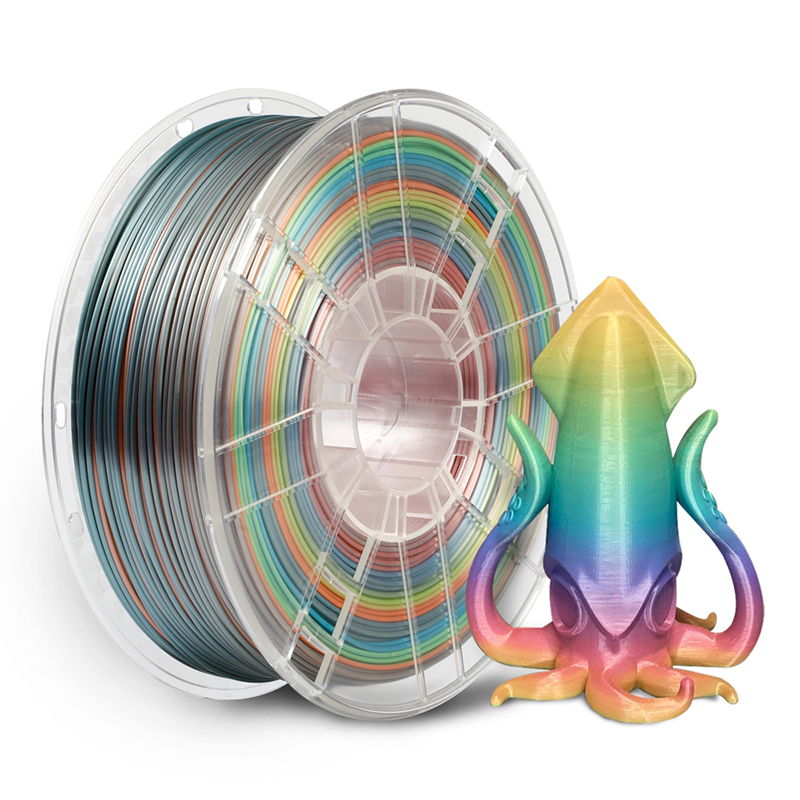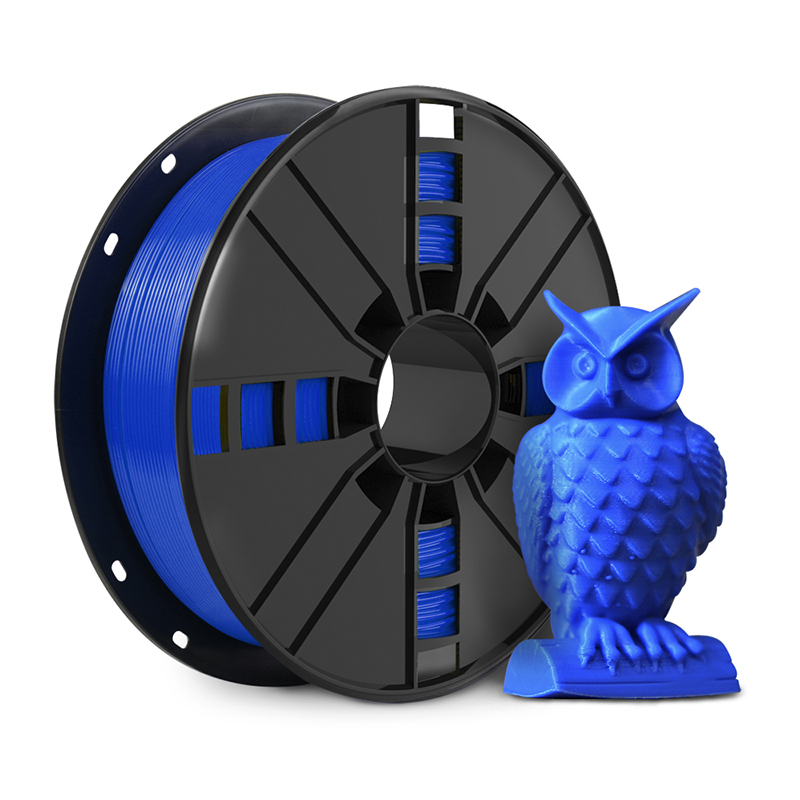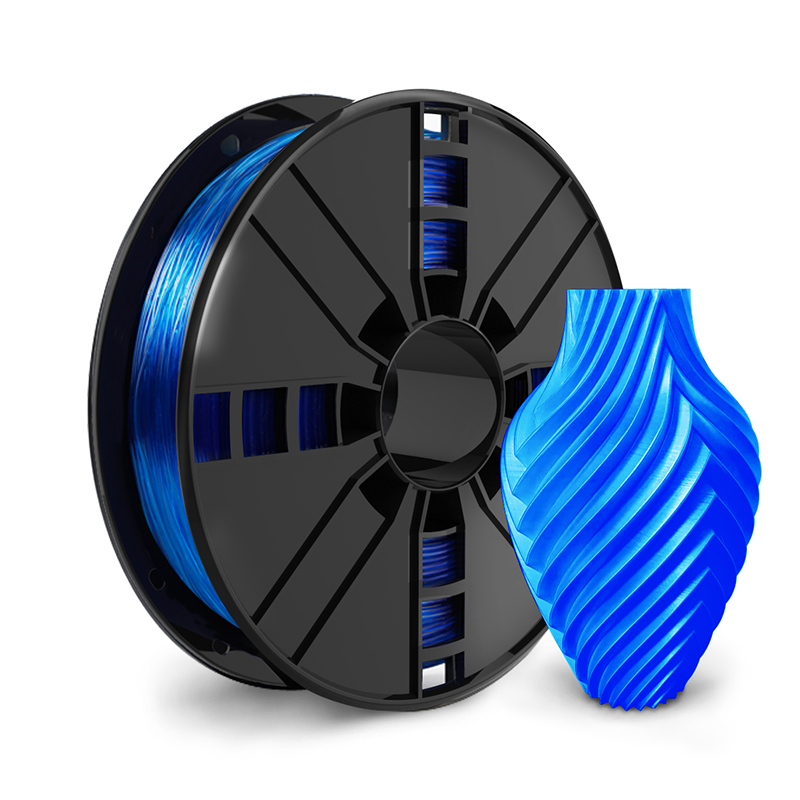
Precision Filament Solutions for Surveillance & Industrial Prototyping
Explore our high-performance thermoplastic filaments engineered for tight tolerances, optical integrity, and demanding additive manufacturing environments.
The Engineering Evolution of Exterior Surveillance Housings
Why modern edge-vision ecosystems, smart city monitoring, and IoT security devices demand a transition toward specialized Black ASA engineering polymers.
Severe Photo-Degradation Immunity
Unshielded solar radiation contains aggressive UV-A and UV-B spectra that break polymer covalent bonds in standard plastics like ABS and PLA. Black ASA incorporates an integrated acrylic ester elastomer that does not degrade, yellow, or become brittle over decades of intense sun exposure.
Thermal Stability Under Direct Sun
Enclosed surveillance electronics generate significant internal heat while exterior housings absorb solar radiant energy. Black ASA possesses a glass transition temperature (Tg) exceeding 100°C, preventing structural sagging, dimensional warping, or seal failure under extreme seasonal temperature deltas.
High Impact & Chemical Resilience
Exterior surveillance systems face environmental airborne contaminants, salt fog in coastal regions, cleaning detergents, and mechanical vandalism risks. ASA delivers superior impact resistance and chemical endurance, preserving IP-rated ingress protection throughout its service life.
In the modern commercial surveillance industry, the physical enclosure is no longer just a passive shell; it is a critical component that ensures the operational continuity of edge computing microprocessors, optical zoom lenses, infrared illuminators, and high-resolution CMOS sensors. Exterior surveillance housings are continuously exposed to severe environmental stressors: perpetual cyclic ultraviolet radiation, acid rain, wide diurnal temperature fluctuations, and airborne saline particulate matter. When traditional injection-molded or 3D-printed enclosures made from standard polymers degrade, the consequences include micro-cracking, optical misalignment, water ingress, and catastrophic hardware failure.
Black ASA (Acrylonitrile Styrene Acrylate) has established itself as the benchmark additive manufacturing material for mission-critical surveillance enclosures. By replacing the unsaturated polybutadiene rubber found in ABS with a saturated polyalkyl acrylate ester modifier, ASA eliminates the double-bond molecular vulnerability that typically triggers ultraviolet photo-oxidation. Enhanced with high-purity carbon black masterbatches, Black ASA filament simultaneously absorbs and dissipates radiant energy, providing total optical opacity to protect sensitive internal components from parasitic light scattering and infrared interference.
Engineering Polymer Benchmark for Outdoor Applications
Quantitative property comparison illustrating why ASA stands out for exterior surveillance hardware engineering over alternative 3D printing filaments.
| Property / Metric | Black ASA (Surveillance Grade) | Standard ABS | PETG | Polycarbonate (PC) |
|---|---|---|---|---|
| UV & Weathering Resistance | Outstanding (>10 Years Outdoor) | Poor (Yellows & Embrittles in <1 Year) | Moderate (Slow UV Degradation) | Moderate to Good (Requires UV Additives) |
| Glass Transition Temp (Tg) | 100°C - 105°C | 105°C | 75°C - 80°C | 145°C - 150°C |
| Impact Resistance (Charpy Notch) | 18 - 22 kJ/m² | 20 kJ/m² | 7 - 9 kJ/m² | 35 - 50 kJ/m² |
| Post-Processing Vapor Smoothing | Yes (Acetone Soluble for IP Sealing) | Yes (Acetone Soluble) | No (Difficult to Smooth) | Limited (Special Solvents) |
| Printability & Warp Tendency | Moderate (Requires Heated Chamber) | High Warping Propensity | Low Warping Propensity | Very High (Requires 120°C+ Chamber) |
| Matte Finish & Optical Opacity | Deep Matte Black (Anti-Reflective) | Semi-Gloss / Hazy | High Gloss (Light Bleed Risk) | Transparent to Glossy Black |
Commercial & Industrial Application Ecosystems
From smart city Intelligent Transportation Systems (ITS) to harsh maritime ports, discovering how Black ASA enclosures safeguard high-value vision hardware.
1. Intelligent Transportation & ANPR Camera Shells
Automatic Number Plate Recognition (ANPR) and traffic management cameras operate 24/7 above asphalt freeways where ambient radiated heat can exceed 65°C alongside high concentrations of vehicle exhaust particulates. Black ASA provides dimensional stability for precision optical focal lengths and long-term chemical tolerance against hydrocarbons and acidic smog.
2. Coastal Maritime & Port Security Installations
Seaports, automated container terminals, and offshore buoys demand robust surveillance to monitor logistics and maritime borders. Marine environments subject hardware to perpetual salt spray, humid air, and intense solar glare. Black ASA exhibits zero ionic reactivity with saline solutions, preventing galvanic corrosion and structural embrittlement.
3. Edge AI Industrial Thermal & Multi-Sensor Pods
Modern industrial surveillance utilizes dual-spectrum vision: optical CMOS paired with long-wave infrared (LWIR) bolometers for automated thermal perimeter security. Black ASA enables custom internal baffle geometries that physically isolate thermal dissipation zones while preventing internal cross-radiation and stray light leaks.
4. Off-Grid Remote Infrastructure & Wildlife Monitoring
Cellular-connected and solar-powered surveillance nodes deployed in national parks, high-voltage utility easements, and perimeter fences require unattended longevity. The deep matte black finish of ASA ensures low visual detectability in nature while resisting temperature swings from freezing winter blizzards to blistering summer heatwaves.
Additive Manufacturing Parameters & Waterproofing Protocols
Key technical parameters to achieve maximum interlayer bonding, water-tight IP67 certification, and sleek aesthetics with Black ASA filament.
To fabricate mission-grade surveillance housings, 3D printing parameters must be tightly calibrated to guarantee maximum inter-layer cohesion. Due to the presence of acrylic elastomer groups, ASA requires precise thermal regulation during the extrusion and deposition cycle:
Thermal Optimization
Nozzle Temp: 245°C - 265°C
Bed Temp: 95°C - 110°C
Chamber Temp: 45°C - 60°C
Enclosed printing prevents localized draft shrinkage, eliminating micro-delamination along critical Z-axis stress lines.
Vapor Smoothing for IP Seals
ASA responds exceptionally well to controlled acetone vapor polishing. This process melts and fuses the microscopic striations between layers, converting the porous FDM surface into a monolithic, glass-smooth shell that guarantees IP67 and IP68 waterproof ratings.
Mechanical Fastening
Direct screw threading into thermoplastic can cause stress cracks over time. Surveillance housings printed in Black ASA are ideal for ultrasonic or heat-set brass threaded inserts (M2 to M5), providing high torque resistance for repeated maintenance access.
Manufacturing Standards & Certified Quality Engineering
Torwell Technology maintains stringent end-to-end production controls, ensuring industrial-grade reliability from raw polymer synthesis to final vacuum packaging.
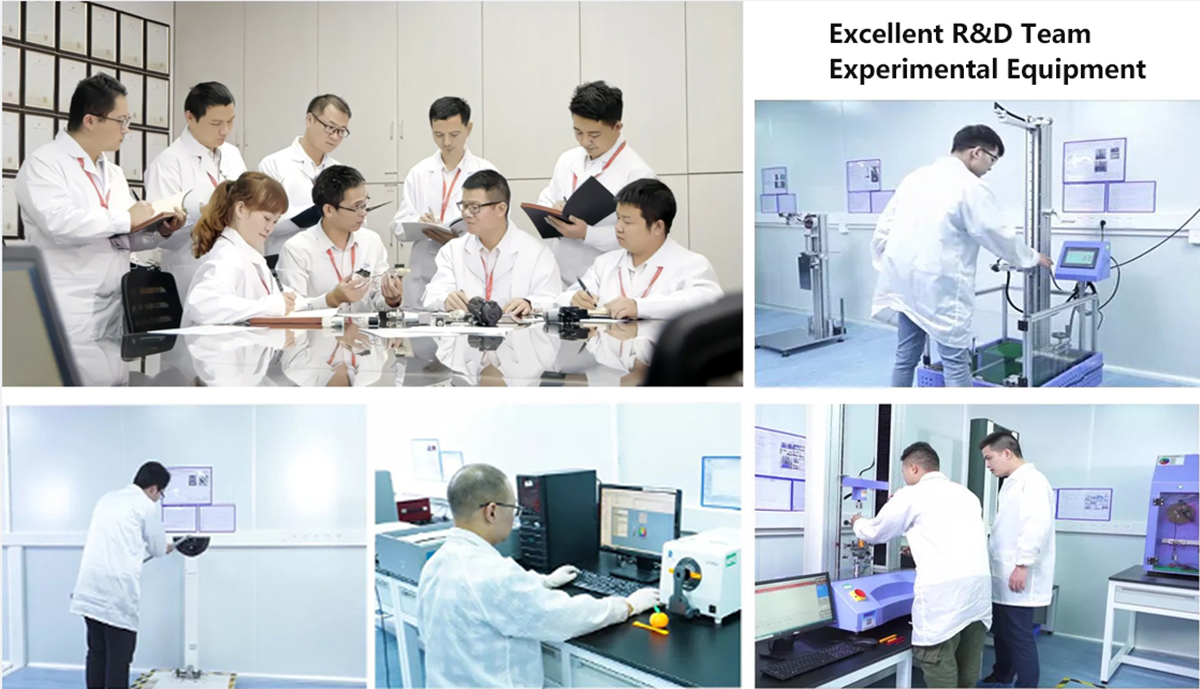
✔ Quality Control & Safety Management
The factory area has passed ISO45001 occupational health and safety management system certification. Every new employee must experience one week of safety production knowledge teaching and two weeks of production skills training, mastering every course in the production process. Who is in the position will be responsible for its duty.
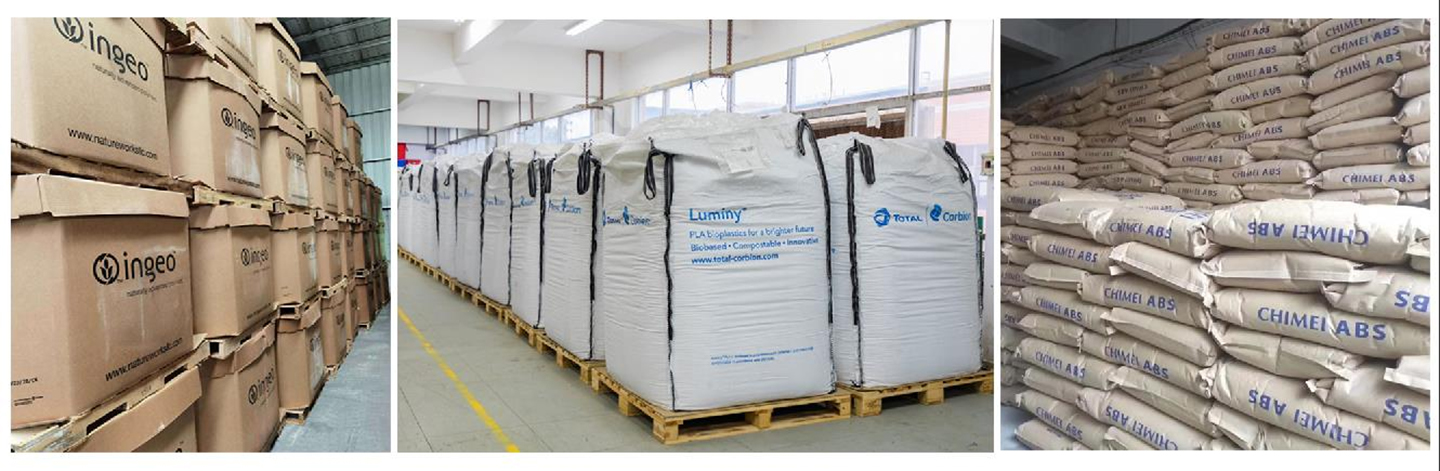
⚖ Pure Virgin Raw Material Selection
PLA is the most preferred material for 3D printing, Torwell firstly chooses PLA from US NatureWorks, and Total-Corbion is the alternative. ABS from Taiwan ChiMei, PETG from South Korea SK. Each batch of main raw materials comes from partners who have cooperated for more than 5 years to ensure the reliability of the products from the source. Each batch of raw materials will undergo parameters inspection before production to ensure that raw materials are original and virginal.
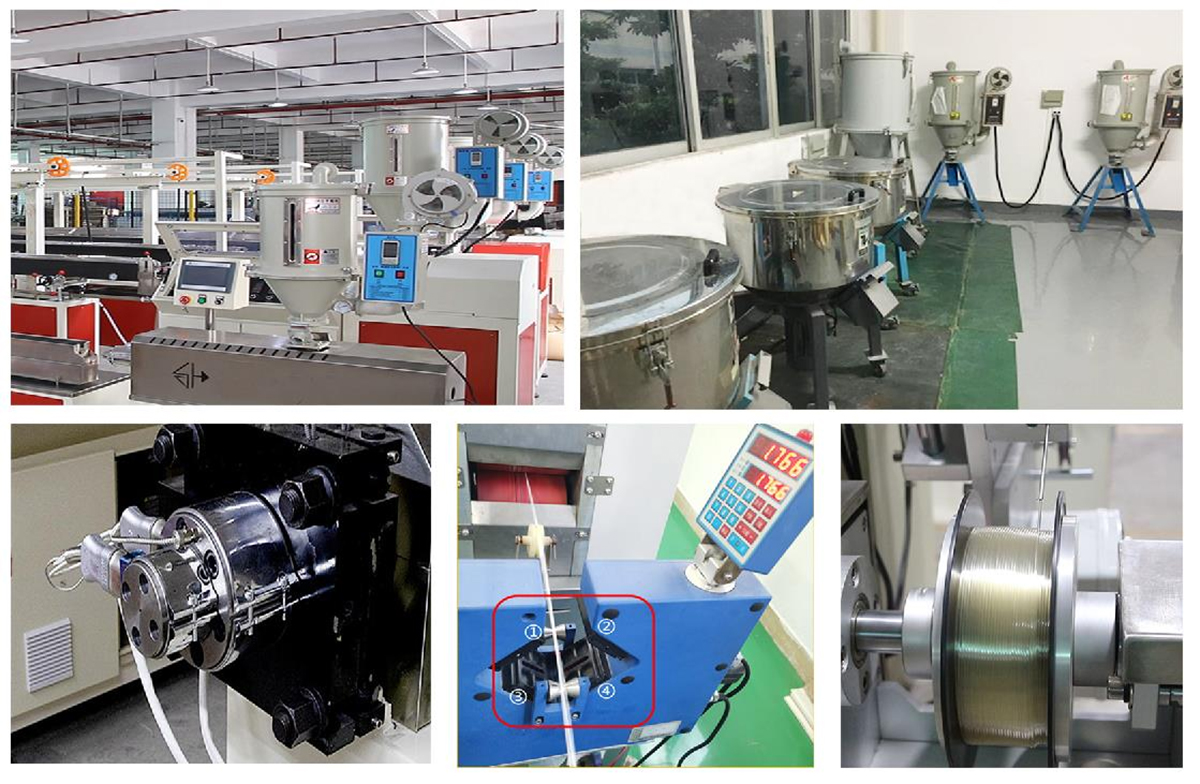
⚙ High-Precision Extrusion Equipment
The manufacturing workshop will make arrangements after the inspection of raw materials; at least two engineers cross-check the clearance of mixing tanks, color-mixed material, humidity from hopper dryers, temperature of extruders, hot/cool tanks, and trial-produce and debug the production line to make sure all processes remain in the best condition. Maintain the filament Diameter tolerance ± 0.02mm, Roundness tolerance ± 0.02mm.
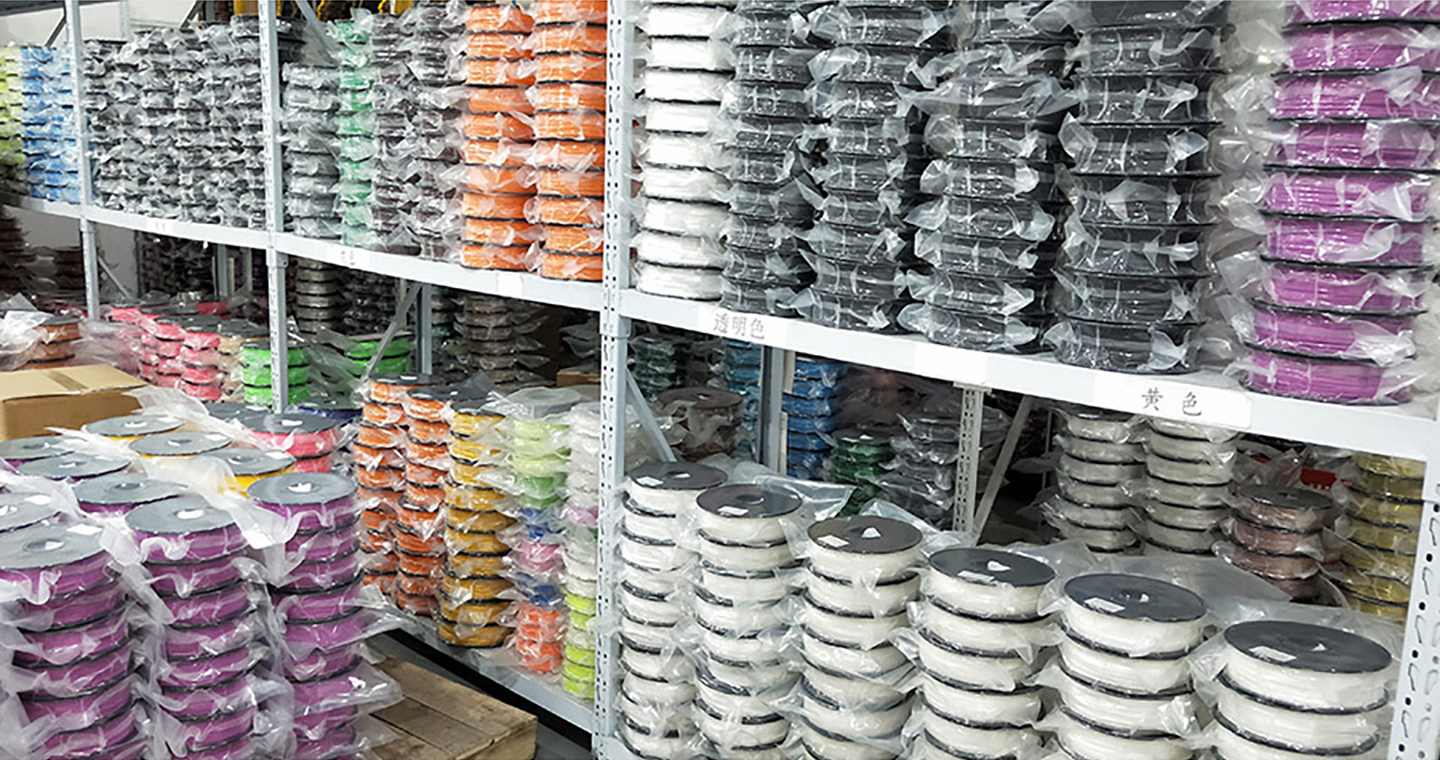
🔍 Rigorous Final Inspection & Packaging
After each batch of 3D filament is produced, two quality inspectors will conduct random inspections on each batch of finished products in accordance with the requirements of the standard, such as diameter tolerance, color consistency, strength, toughness, and so on. After vacuuming the package, place them for 24 hours to check whether there is any leaking package, then label it and finish the package.
Future Horizons: Emerging Trends in Surveillance Additive Polymers
Key technological advancements driving the next decade of intelligent video surveillance housings and additive polymer composites.
Flame Retardant UL94 V-0 ASA
The convergence of surveillance with building automation requires strict compliance with fire safety codes. Next-generation ASA formulations combine halogen-free flame retardancy with non-dripping UL94 V-0 ratings, making them ideal for high-density commercial infrastructure and subway transit hubs.
Anti-Static & ESD-Safe Formulations
As exterior cameras integrate advanced neural processing units (NPUs) and radar sensors directly on the edge, static discharge protection becomes vital. Carbon nanotube (CNT) enriched ASA filaments offer surface resistivity control without compromising UV endurance.
Carbon-Neutral Circular Polymers
Corporate sustainability mandates are shifting the additive industry toward bio-attributed styrene and recycled acrylic feedstocks. Closed-loop recycling programs allow aged surveillance shells to be reclaimed, re-pelletized, and re-extruded into virgin-grade filaments.
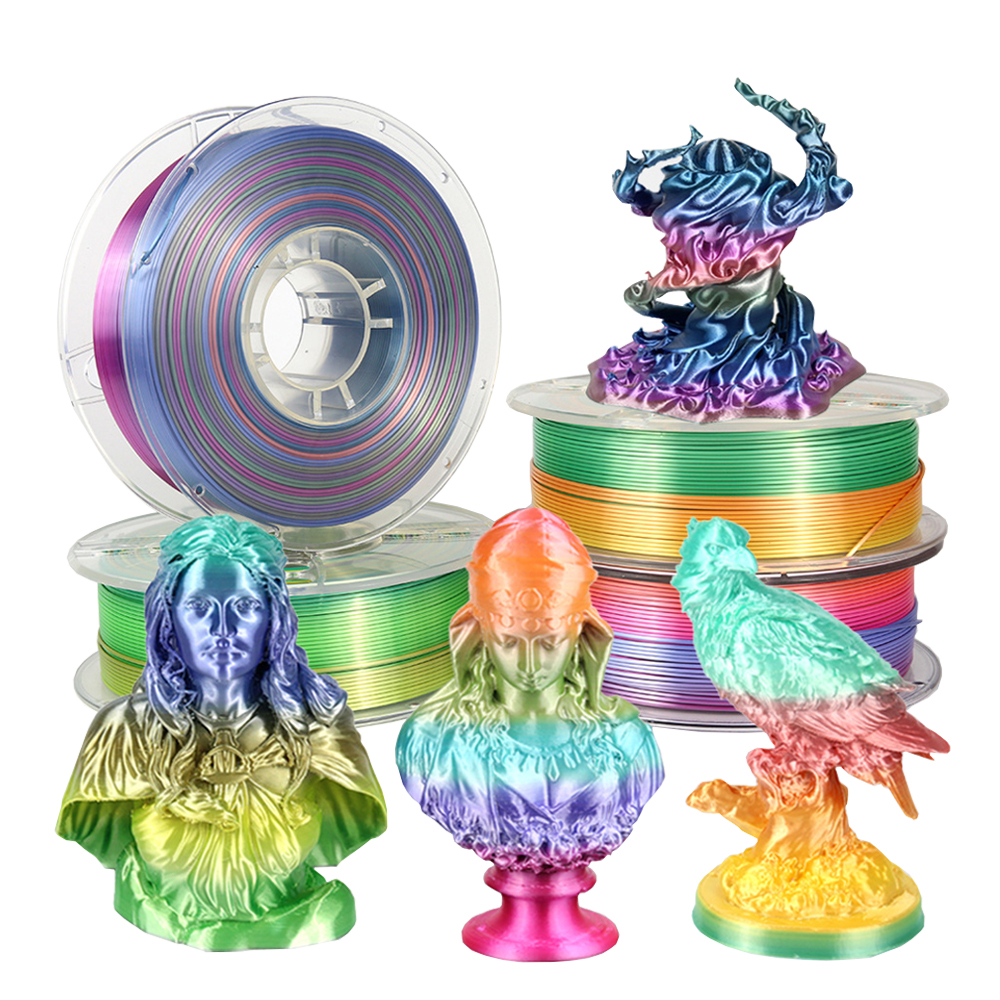
Comprehensive 3D Printing Filament Portfolio
Explore our complete catalog of industrial, functional, and aesthetic grade filaments engineered for precision manufacturing.