
Featured High-Performance 3D Printing Materials
Engineered for precision additive manufacturing and certified industrial prototyping across North American facilities.
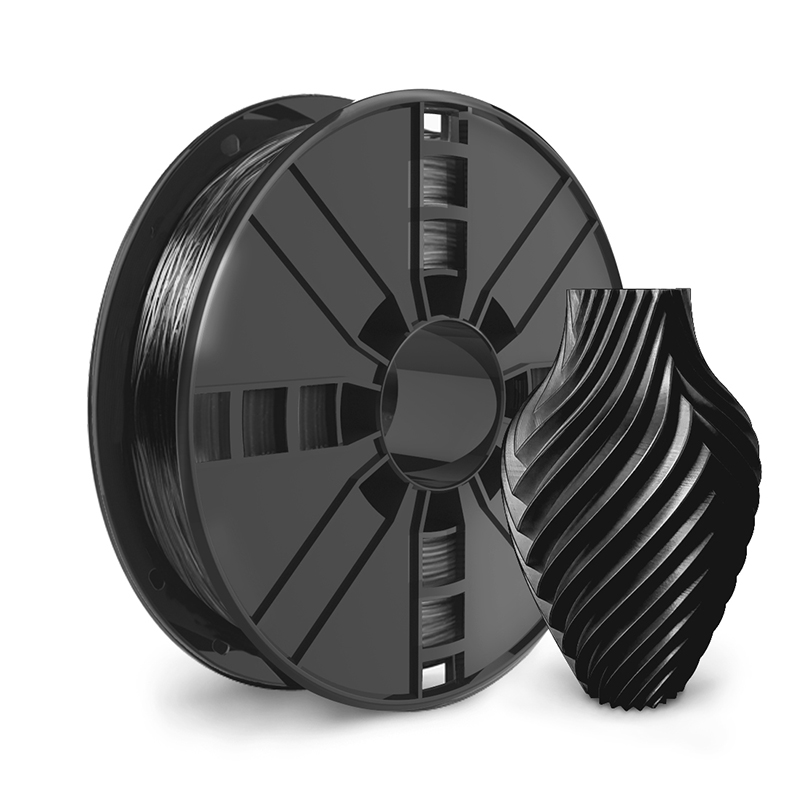
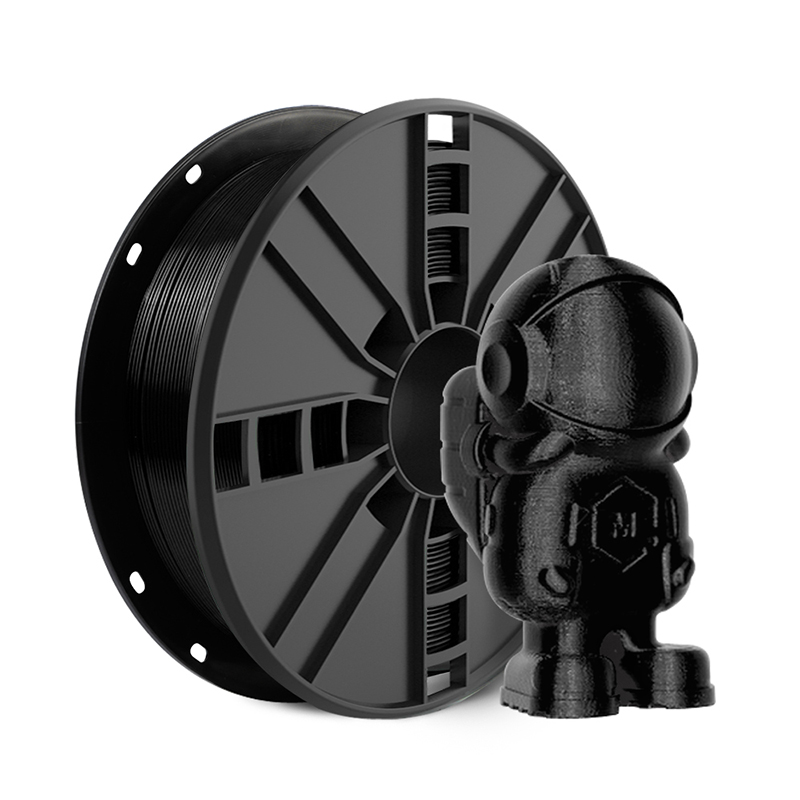
The Industrial Rise of Black ASA Filament Across Canada
Analyzing the modern manufacturing landscape and harsh climate demands driving the shift toward Acrylonitrile Styrene Acrylate polymers.
Canada's advanced manufacturing corridor—spanning Ontario's automotive heartland, Quebec's aerospace and transport clusters, Alberta's heavy energy extraction infrastructure, and British Columbia's maritime marine tech—requires engineering materials capable of withstanding extreme operational stresses. In this landscape, Black ASA (Acrylonitrile Styrene Acrylate) filament has surfaced as the premier additive manufacturing thermoplastic, bridging the mechanical strength of ABS with unprecedented environmental resilience.
Traditional engineering polymers such as standard ABS, standard PLA, and general-purpose PETG often succumb to photo-oxidation, embrittlement, and surface degradation when exposed to Canada's intense sub-zero winters, elevated summer UV indexes, and rapid freeze-thaw cycles. Black ASA filament solves this critical industrial vulnerability. Formulated with an acrylate elastomer matrix reinforced by ultraviolet stabilizers and deep-carbon-black pigments, ASA retains structural impact toughness, dimensional stability, and deep matte aesthetics even after continuous years of exterior weathering.
UV & Weather Immunity
Unlike ABS which yellows and degrades under solar radiation, ASA incorporates an acrylic rubber phase providing continuous resistance against UV radiation and ozone exposure.
High Thermal Deflection
Maintains structural rigidity under continuous service temperatures exceeding 95°C to 105°C, making it ideal for engine compartments and outdoor industrial junctions.
Chemical & Impact Strength
Engineered to resist aggressive industrial hydrocarbons, de-icing salts, aliphatic hydrocarbons, and high impact forces common across Canadian transport corridors.
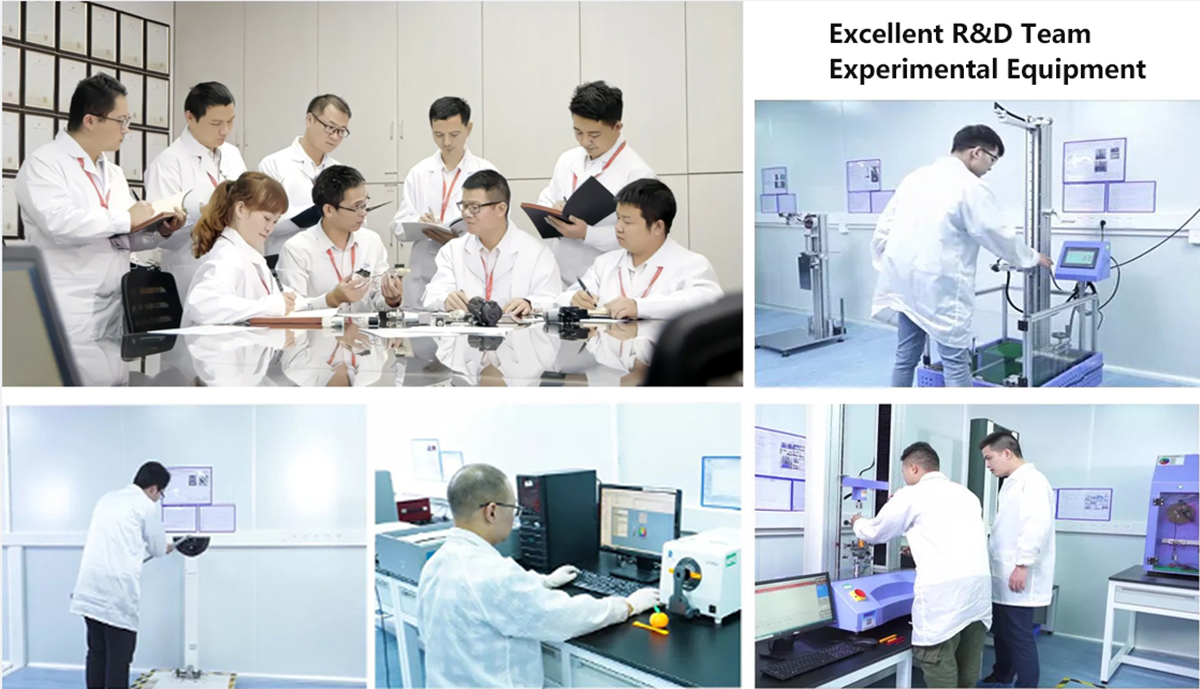
Quality Control
The factory area has passed ISO45001 occupational health and safety management system certification. Every new employee must be experienced one week of safety production knowledge teaching and two weeks of produce skills training, and master every course in the production process. Who is in the position will be responsible for its duty.
Our Canadian supply network relies on this stringent operational foundation. By combining standard operating procedures (SOP) with proactive environmental monitoring, every spool of filament is manufactured under cleanroom-grade conditions, ensuring flawless layer bonding and zero internal porosity for critical commercial prototyping.
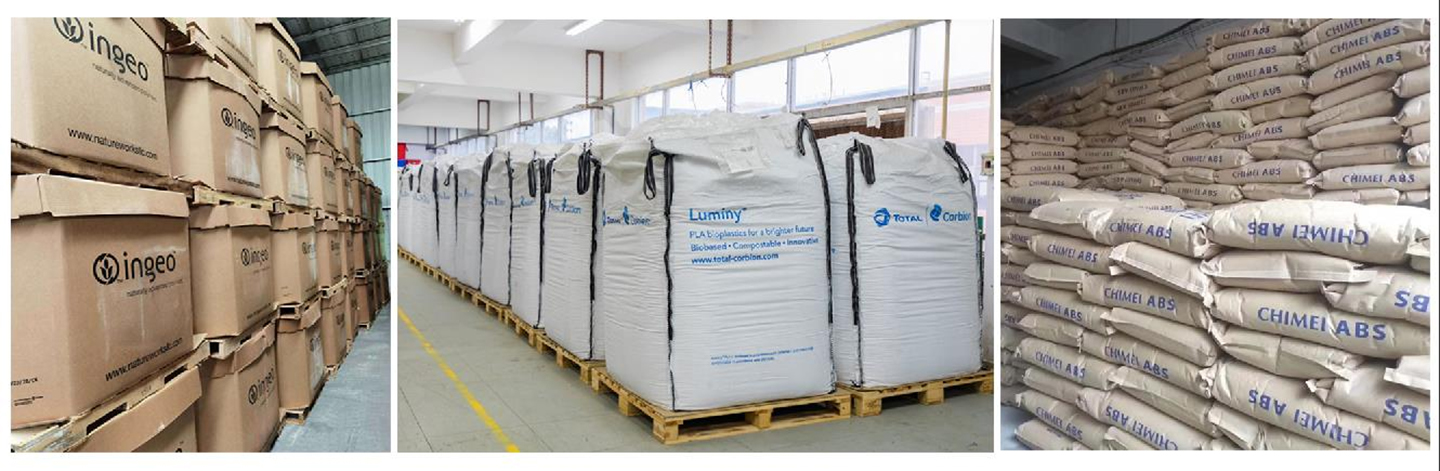
Raw Material
PLA is the most preferred material for 3D printing, Torwell firstly chooses PLA from US NatureWorks, and Total-Corbion is the alternative. ABS from TaiWan ChiMei, PETG from South Korea SK. Each batch of main raw materials comes from the partners who has cooperated more than 5 years to ensure the reliability of the products from the source. Each batch of raw materials will undergo parameters inspection before produce to ensure that raw materials are original and virginal.
For our Black ASA manufacturing, we source only virgin acrylic-styrene-acrylate matrices enhanced with high-purity furnace carbon black. This prevents thermal degradation and micro-voids, guaranteeing that the filament extruded for Canadian industrial suppliers delivers consistent melt flow index (MFI) and flawless inter-layer fusion across high-speed FDM platforms.
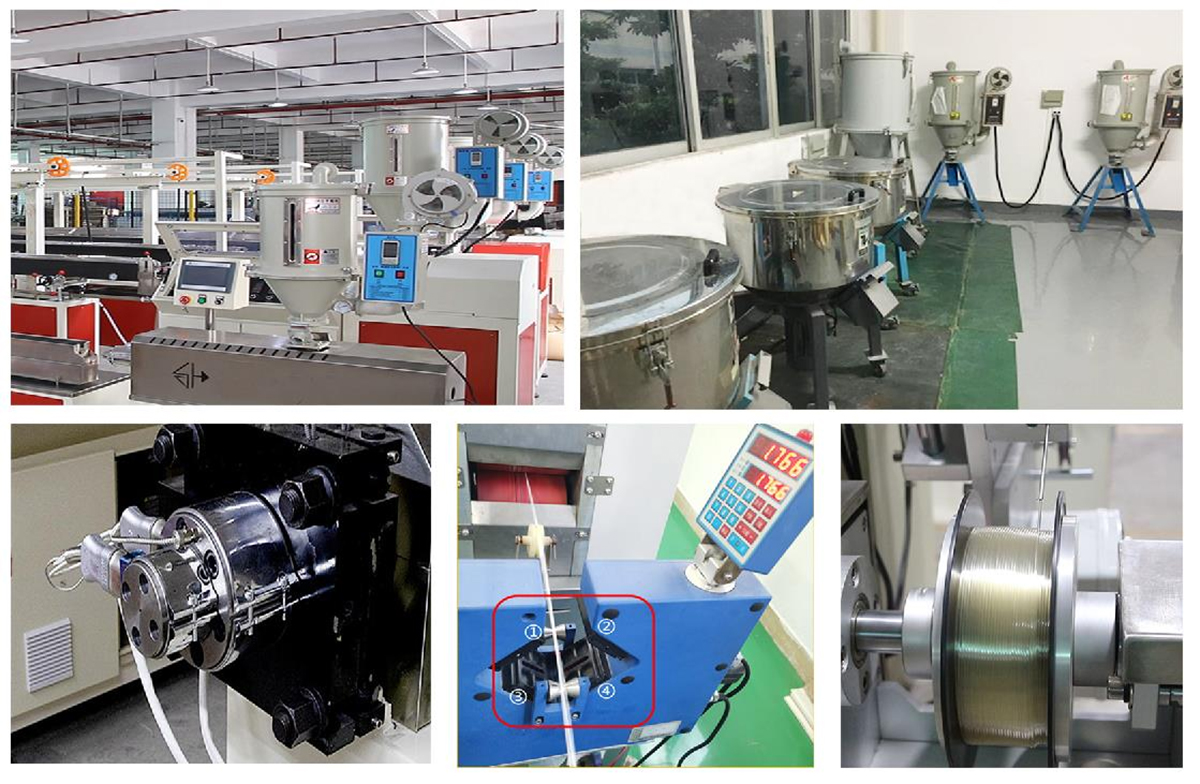
Equipment
The manufacturing workshop will make arrangements after the inspection of raw materials, at least two engineers cross-check the clearance of mixing tank, color mixed of material, humidity from hopper dryer, temperature of extruder, hot/cool tank, and trial-produce and debugging the produce line to make sure all of processes in the best condition. Maintain the filament Diameter tolerance +/- 0.02mm, Roundness tolerance +/- 0.02mm.
High-precision laser gauging equipment continuously monitors the extruded filament along dual perpendicular axes in real-time. Automated closed-loop puller controls correct micro-deviations instantaneously, providing Canadian makers and industrial 3D printing hubs with tangle-free, non-jamming spools capable of multi-day continuous print operations without operator intervention.
Final Inspection
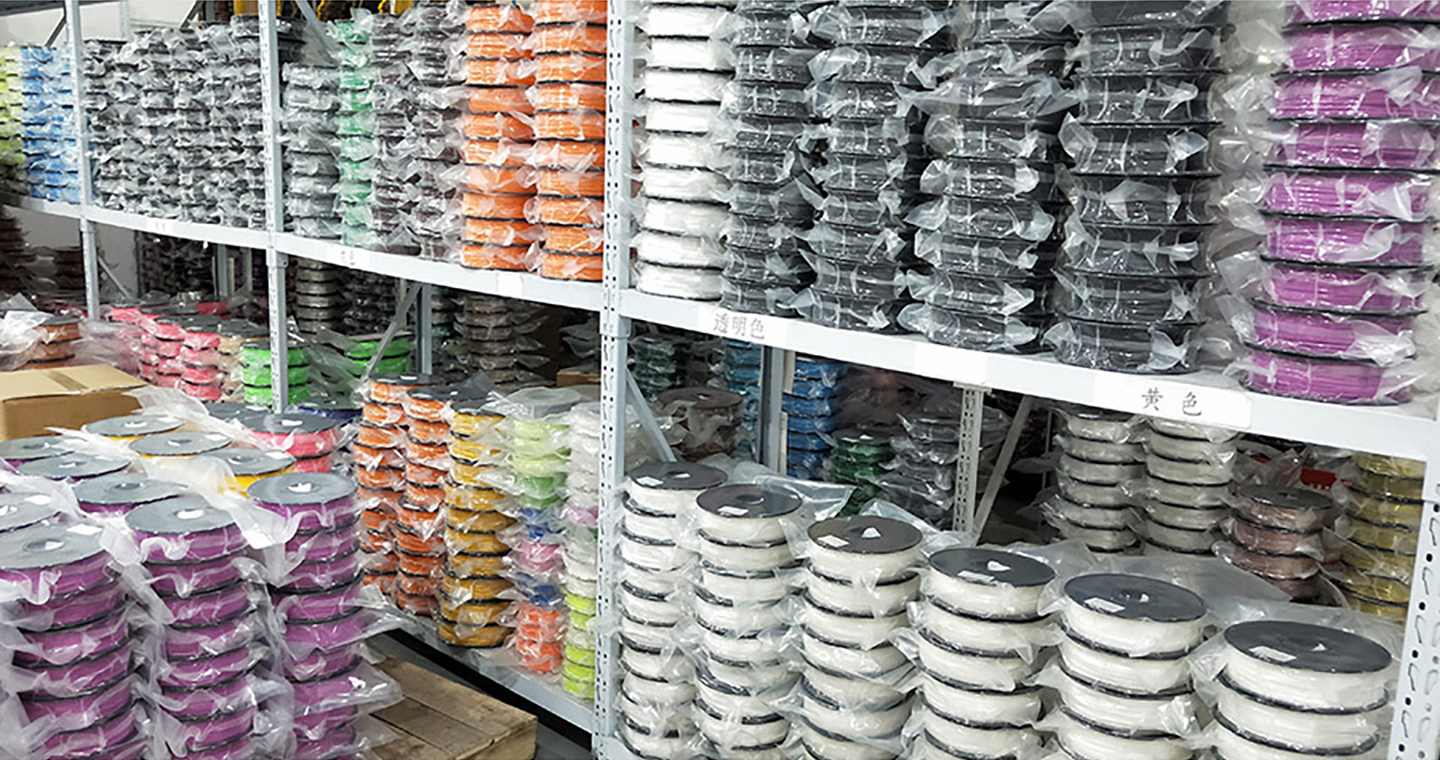
After each batch of 3D filament is produced, two quality inspectors will conduct random inspections on each batch of finished products in accordance with the requirements of the standard, such as diameter tolerance, color consistency, strength and toughness and so on. After vacuuming the package, place them for 24 hours to check whether there is any leaking package, then label it and finish the package.
Each vacuum-sealed bag includes premium moisture-absorbing desiccant sachets, fortified aluminum barrier packaging, and individual lot traceability codes. This safeguards the pristine dryness of every Black ASA spool during trans-continental shipping and seasonal temperature transitions across Canadian regional warehouses.
Localized Applications of Black ASA Across Canadian Industries
Custom engineering solutions tailored for municipal infrastructure, harsh weather IoT, heavy automotive, and marine environments.
| Industry Sector | Application Examples | Key Engineering Advantages |
|---|---|---|
| Automotive & Commercial Vehicles (Ontario) | Side-mirror housings, custom roof rack mounts, grille inserts, sensor brackets, EV charging dock components. | High glass transition temperature (~105°C), resistance to road salts, anti-fading deep black OEM aesthetic. |
| Telecommunications & Smart City IoT (Quebec & BC) | 5G repeater enclosures, meteorological sensors, municipal camera hoods, outdoor junction boxes. | Dielectric insulation, long-term UV stability, zero signal interference, IP67 enclosure seal compatibility. |
| Mining, Energy & Oil Sands (Alberta & Saskatchewan) | Heavy equipment valve covers, pipeline inspection gauge housings, ruggedized terminal casings. | High chemical resistance against oils and greases, shatterproof cold-weather impact retention down to -30°C. |
| Marine & Coastal Infrastructure (Atlantic & Pacific Ports) | Navigation sonar brackets, radar radome fixtures, boat deck cable routing, harbor monitoring gear. | Saltwater corrosion resistance, zero polymer degradation from solar reflections, algae-resistant non-porous finish. |
Technical Optimization Guide for Printing Black ASA
Achieving superior structural strength and warp-free geometry when printing Black ASA requires understanding its thermal crystallization dynamics. In Canada's varied ambient workshop climates, adopting proper thermal management is essential:
- Extrusion Temperature: 240°C – 260°C. Calibrate nozzle temperature according to print speed (higher temperatures of 255°C – 260°C are recommended for speeds exceeding 150mm/s to maintain layer adhesion).
- Heated Bed Configuration: 90°C – 110°C. Utilize PEI powder-coated spring steel sheets or high-temp glass with specialized adhesion promoters (such as ASA/ABS slurry or PVP-based adhesives).
- Enclosure Temperature: 40°C – 60°C. An enclosed build chamber prevents rapid ambient cooling, eliminating corner lifting, layer delamination, and residual internal stress.
- Part Cooling Fan: 0% – 20%. Keep cooling minimal to allow maximum polymer fusion across adjacent paths; brief 30% bursts may be deployed for bridges and steep overhangs.
- Post-Processing & Chemical Smoothing: Black ASA responds exceptionally well to acetone vapor smoothing, yielding an injection-molded, ultra-smooth, high-gloss or satin waterproof shell suitable for production-grade end-use parts.
Direct Wholesale, OEM & Custom Spooling Solutions for Canada
Streamlined logistics, bulk procurement pricing, and precision engineering support for enterprise clients.
As a global leader in high-performance additive manufacturing consumables, Torwell provides scalable supply solutions tailored specifically for Canadian distribution hubs, universities, rapid prototyping bureaus, and tier-1 manufacturing facilities. Whether your operations require standard 1kg spools, high-capacity 2.5kg, 5kg, or 10kg industrial spools for continuous production runs, our facility offers rapid dispatch and comprehensive technical compliance documentation (including RoHS, REACH, and ISO45001 certificates).
Our OEM & ODM manufacturing services offer customizable spool diameters, specialized cardboard eco-spools, customized Pantone black formulations (including UV-reflective matte black and high-impact structural black), custom label barcoding, and private-label packaging configured to your enterprise requirements.
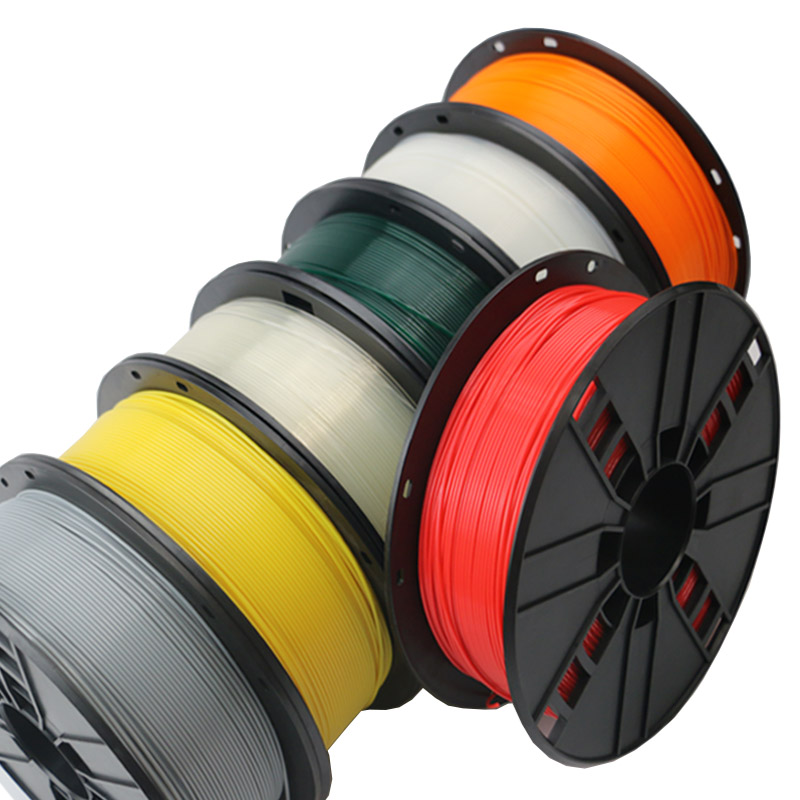
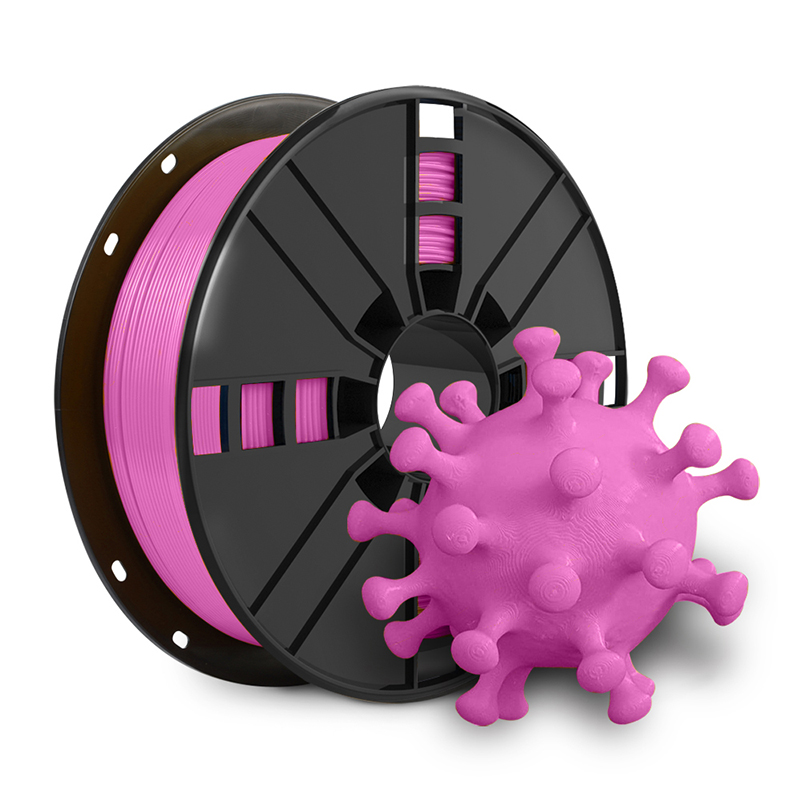
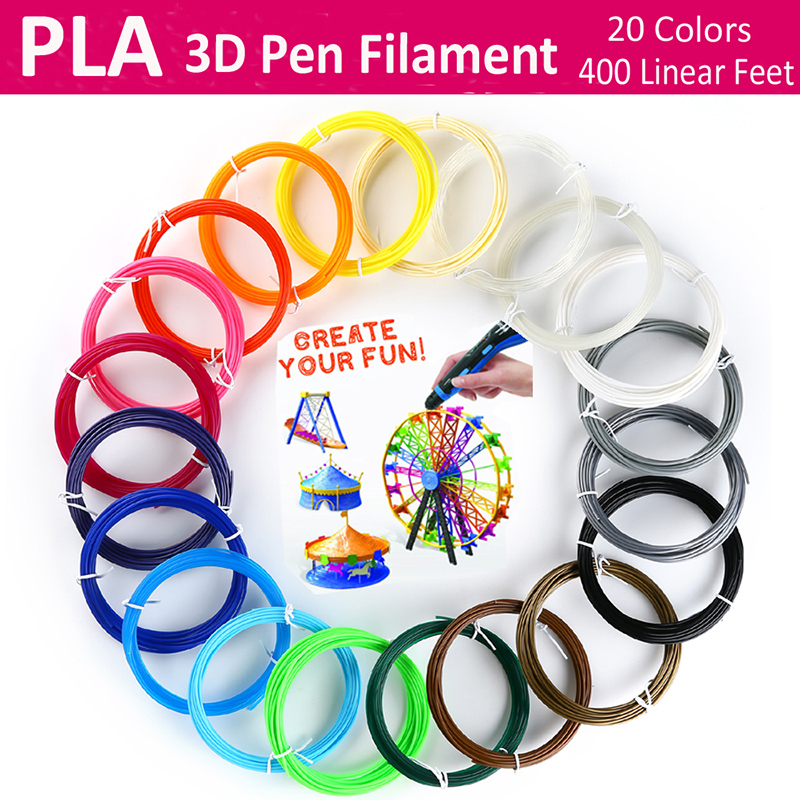
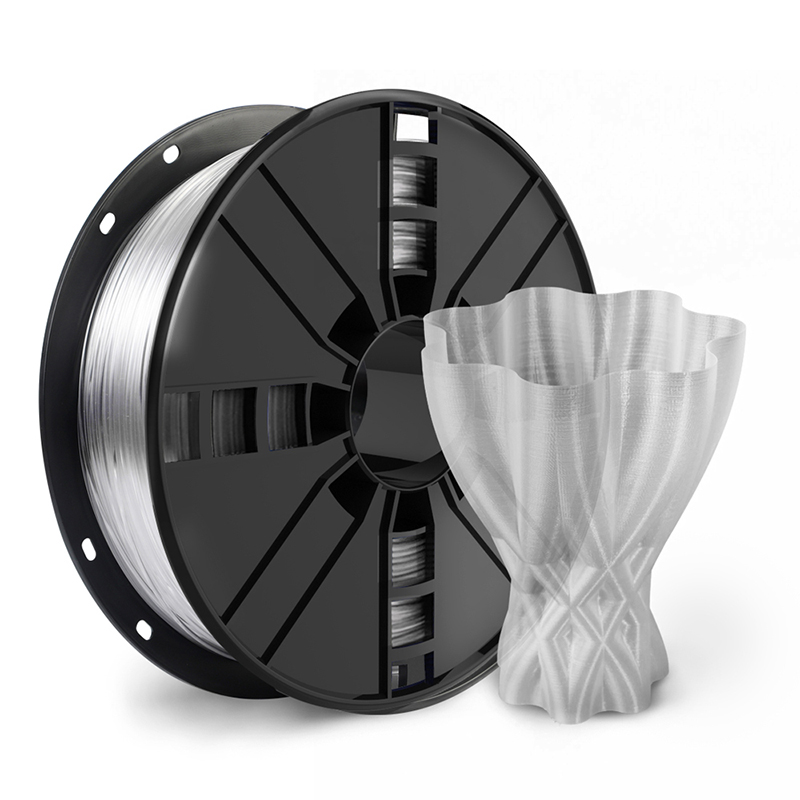
Complete High-Performance 3D Filament Catalog
Explore our full range of certified industrial, flexible, and aesthetic FDM 3D printing filaments.
Frequently Asked Questions: Black ASA Filaments in Canada
Key technical and procurement insights for commercial buyers, engineers, and additive manufacturing specialists.
1. Why choose Black ASA filament over standard Black ABS for outdoor applications?
While ABS filament offers good mechanical impact resistance, it contains polybutadiene rubber which degrades rapidly under ultraviolet solar radiation, turning brittle, micro-cracking, and chalking within months of outdoor deployment. Black ASA replaces butadiene with UV-stable acrylic rubber, providing enduring structural strength, color depth, and mechanical resilience for years under direct sunlight and extreme seasonal temperature swings in Canada.
2. How does Black ASA compare to PETG for structural industrial parts?
PETG is straightforward to print and offers good chemical resistance, but it exhibits lower thermal deflection temperatures (~70°C – 75°C) and suffers from mechanical creep under continuous mechanical load. Black ASA withstands continuous temperatures up to 100°C+, offers significantly higher structural stiffness, and allows solvent post-processing (vapor smoothing) for airtight and isotropic mechanical components.
3. What diameter tolerance standards do you guarantee for enterprise deliveries?
Every spool of our 3D printing filament is produced with high-precision online dual-axis laser diameter monitoring, maintaining a strict tolerance of ±0.02mm and roundness tolerance of ±0.02mm. This ensures uniform volumetric extrusion, zero nozzle clogging, and predictable surface finishes across both industrial and desktop FDM systems.