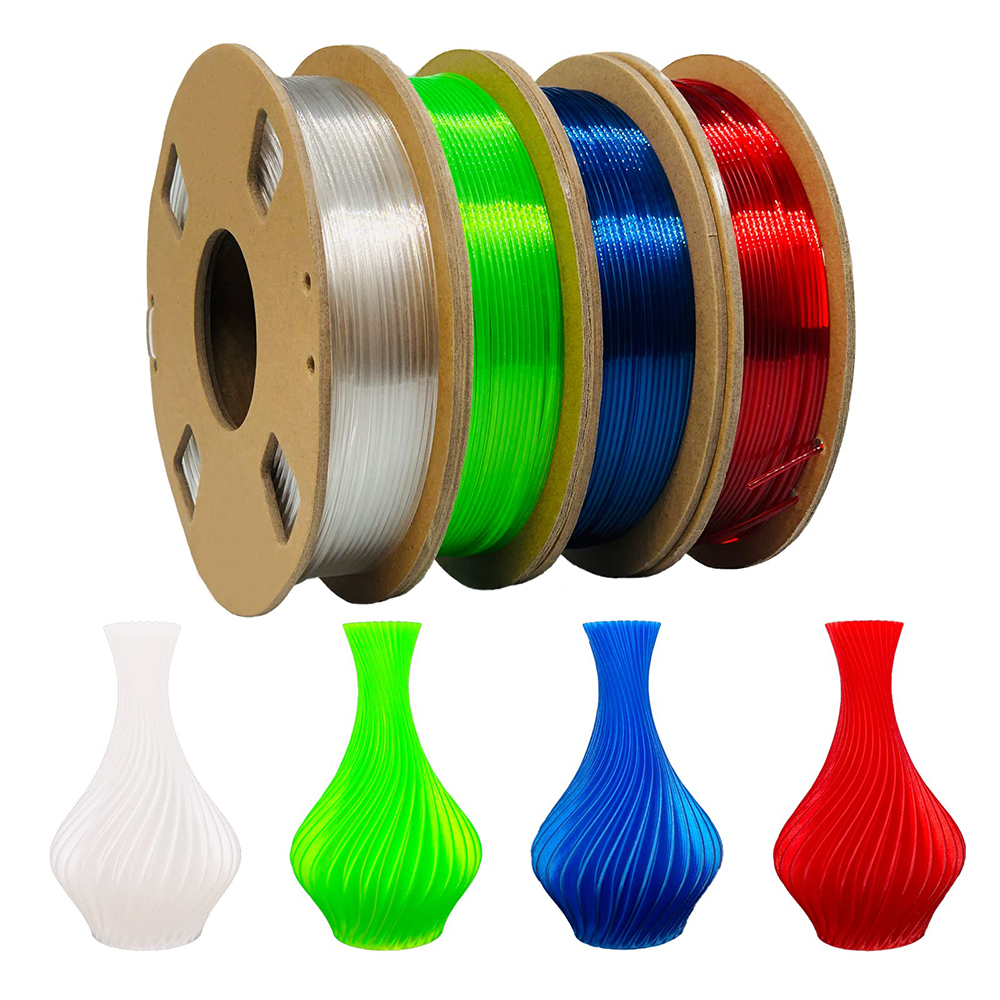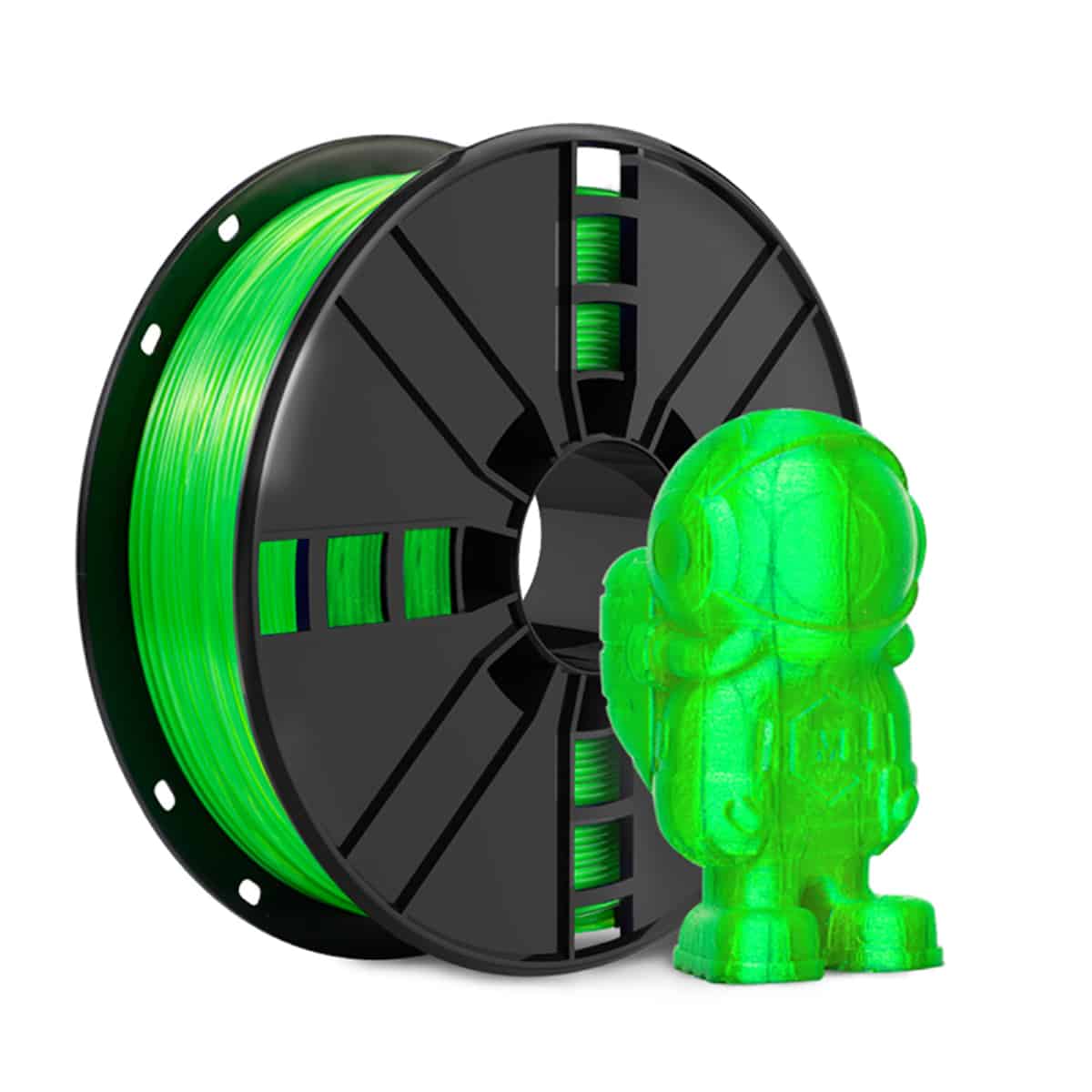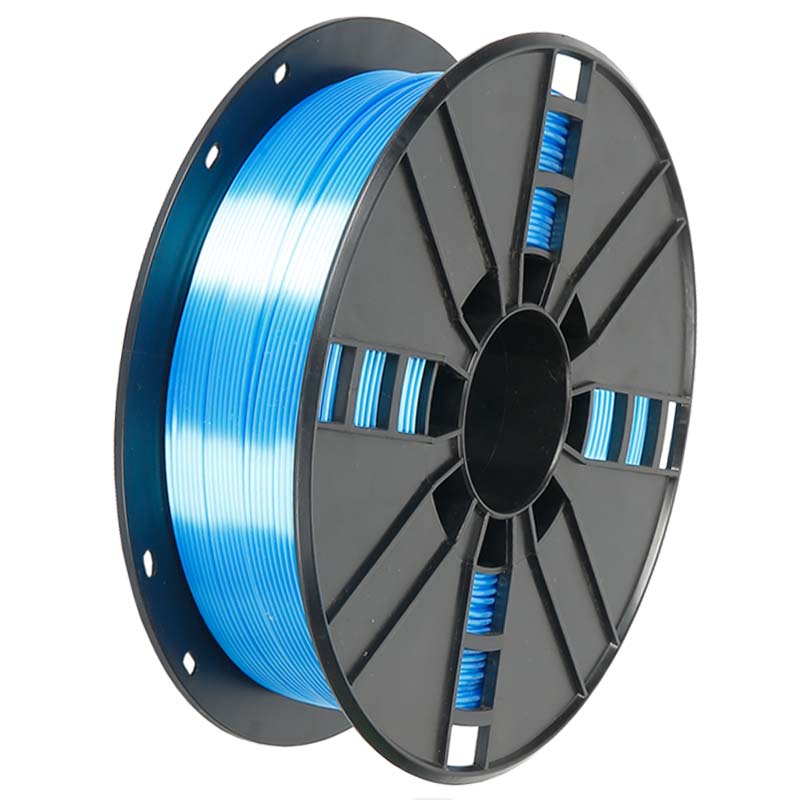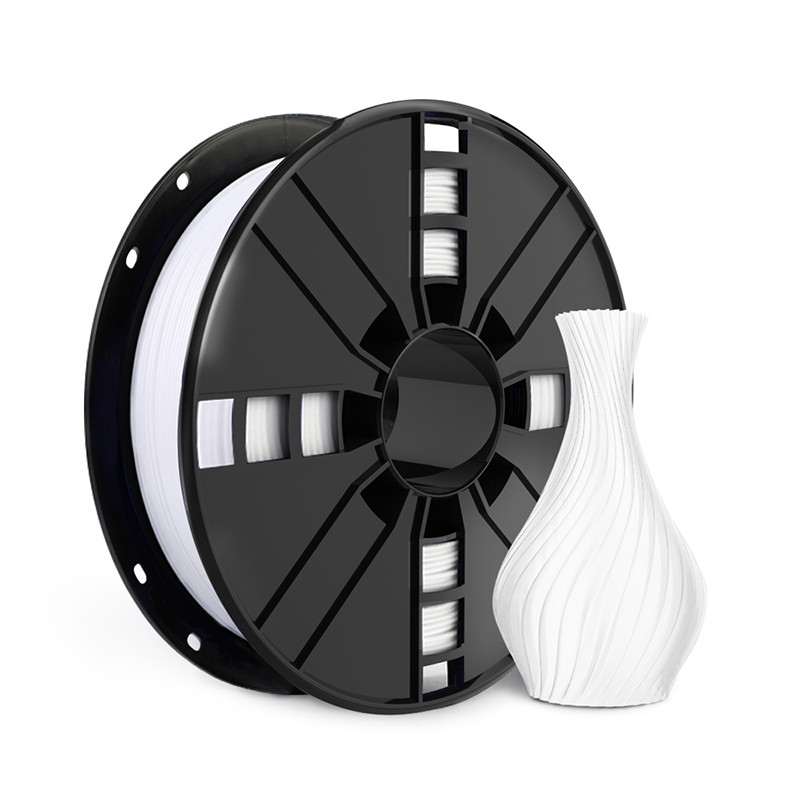
Featured Industrial High-Performance Filaments
Explore our core engineering polymers certified for precision prototyping, functional outdoor hardware, and high-speed industrial 3D printing workflows across Japan.
The Strategic Rise of Black ASA Filament in Japan's Advanced Industrial Ecosystem
Analyzing the paradigm shift in Japanese manufacturing from standard prototyping plastics to high-performance Acrylonitrile Styrene Acrylate polymers.
In the forefront of global technological innovation and precision manufacturing (Monozukuri), Japan continues to set the benchmark for engineering excellence. As industrial sectors across Tokyo, Osaka, Nagoya, Yokohama, and Fukuoka rapidly integrate additive manufacturing into final-part production lines, the demand for high-performance thermoplastic filaments has surged. Among these advanced materials, Black ASA (Acrylonitrile Styrene Acrylate) Filament has emerged as the definitive polymer of choice for outdoor structural components, automotive prototyping, telecommunications housings, and harsh-environment industrial equipment.
Historically, ABS (Acrylonitrile Butadiene Styrene) served as the primary workhorse for functional 3D printing due to its mechanical strength and impact resistance. However, ABS suffers from inherent degradation when exposed to ultraviolet (UV) radiation; the polybutadiene rubber phase oxidizes rapidly, leading to micro-cracking, discoloration, and catastrophic brittleness. In contrast, Black ASA substitutes the butadiene elastomer with an acrylate ester elastomer. This chemical architecture imparts virtually invulnerable weatherability, robust thermal stability up to 100°C+, and long-term mechanical integrity under direct sunlight and severe meteorological cycles.
Industrial Landscape & Market Drivers in Japan
Japanese engineering departments require stringent quality controls, low batch-to-batch variation, high dimensional accuracy (±0.02mm), and compliance with global environmental standards. Black ASA directly fulfills these expectations by providing a refined matte black aesthetic finish that masks layer lines while delivering the exact chemical and mechanical properties needed for end-use functional testing and direct digital manufacturing.
Extreme UV & Weather Resilience
Formulated with acrylate rubber that resists photo-oxidation. Retains tensile yield strength and color stability even under years of Japanese solar radiation, seasonal typhoons, and heavy snowfall.
Elevated Thermal Resistance
With a glass transition temperature (Tg) exceeding 100°C and a high Heat Deflection Temperature (HDT), Black ASA components maintain structural rigidity under engine bay temperatures and intense rooftop exposure.
Chemical & Environmental Resistance
Highly resistant to saturated hydrocarbons, automotive greases, lubricating oils, diluted acids, alkalis, and coastal salt spray, making it vital for marine and transportation applications across Japan.
Technical Characterization & Comparative Performance
Benchmark data demonstrating the thermodynamic and mechanical advantages of Industrial Grade Black ASA against conventional filaments.
When engineering structural components for the Japanese market, material selection dictates the operational lifespan of the end part. While standard PLA and PETG offer ease of printing and moderate rigidity, they fail rapidly in outdoor or elevated-temperature environments. PLA undergoes thermal deformation at 55°C, while PETG softens and degrades under prolonged UV index exposure. Black ASA stands apart by combining the tough mechanical properties of industrial ABS with unmatched environmental resistance.
| Property Parameter | Torwell Industrial Black ASA | Standard ABS Filament | Standard PETG Filament | Standard PLA+ Filament |
|---|---|---|---|---|
| Tensile Strength (MPa) | 42 - 48 | 40 - 45 | 45 - 50 | 55 - 60 |
| Flexural Modulus (MPa) | 2,200 - 2,450 | 2,100 - 2,300 | 2,000 - 2,150 | 2,600 - 2,800 |
| Heat Deflection Temp (0.45 MPa) | 95°C - 102°C | 86°C - 92°C | 68°C - 72°C | 52°C - 56°C |
| UV & Outdoor Weatherability | Exceptional (No Degradation) | Poor (Embrittlement / Yellowing) | Moderate (Surface Chalking) | Poor (Biodegradation / Warping) |
| Impact Strength (kJ/m²) | 18 - 22 | 16 - 20 | 7 - 9 | 5 - 7 |
| Surface Finish & Post-Processing | Matte Black / Acetone Vapor Smooth | Glossy / Acetone Smoothing | High Gloss / Difficult to Sand | Semi-Gloss / Difficult to Smooth |
Carbon Black Dispersion and Optical Precision
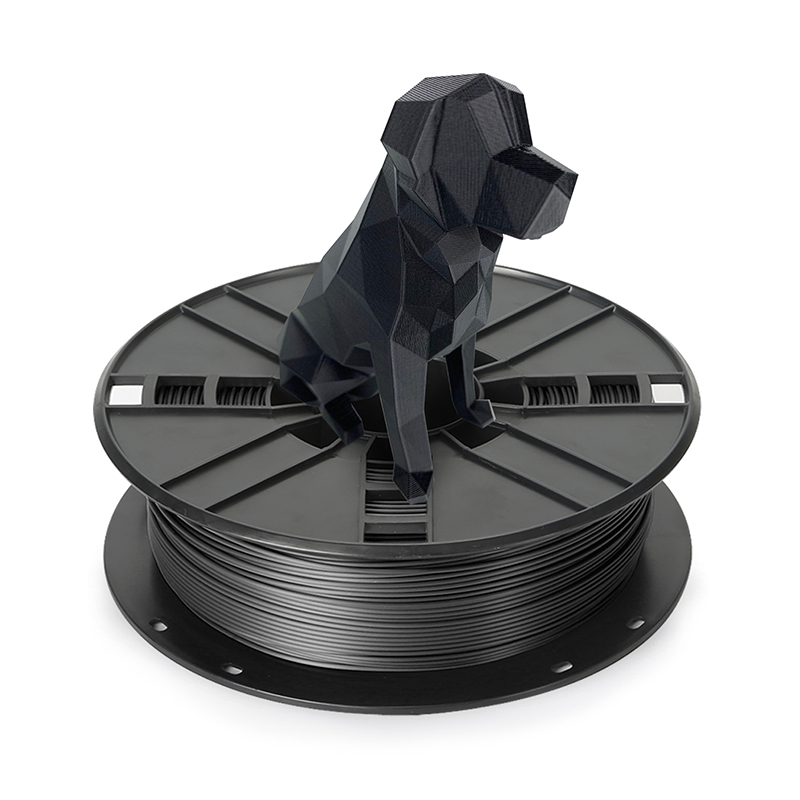
In the production of our premium Black ASA filament, specialized virgin carbon black pigments are uniformly compounded into the ASA copolymer matrix. This ultra-fine dispersion not only imparts a luxurious, non-reflective deep matte black surface finish but also provides secondary stabilization against localized thermal hot-spots caused by solar absorption. For Japanese electronics manufacturers and automotive design studios in the Chubu and Kanto regions, this surface quality minimizes visual layer stratification and eliminates the need for labor-intensive post-painting operations.
Localized Application Scenarios Across Japanese Industries
Transforming functional prototyping and batch production in key Japanese industrial clusters.
1. Automotive & Electric Vehicle (EV) Systems
Japan's automotive sector—spanning giants in Aichi, Shizuoka, and Kanagawa—demands rapid turnarounds for functional exterior prototypes and aftermarket fixtures. Black ASA is extensively utilized for aerodynamic mirror caps, cowl air intake grilles, radar/LiDAR sensor brackets, customized roof rack fixtures, and EV charging station enclosures. The filament withstands both summer road-surface radiant heat (often exceeding 65°C) and winter freeze-thaw cycles without dimensional distortion.
2. 5G Infrastructure & Smart City IoT Sensors
As Japanese metropolitan and rural zones expand their Smart City networks and automated disaster prevention monitoring systems, outdoor IoT nodes and 5G repeater enclosures are installed on utility poles, bridges, and mountain monitoring stations. Black ASA delivers an airtight, UV-stabilized, and dielectric enclosure material that safeguards sensitive microelectronics against humidity, typhoons, and ultraviolet radiation year-round.
3. Agricultural Automation & Coastal Marine Hardware
In agricultural hubs across Hokkaido and Kyushu, autonomous harvesting robots and drone sprayers require lightweight, chemical-resistant chassis parts that resist fertilizers and pesticides. Additionally, marine surveillance vessels in Japan's coastal ports rely on Black ASA brackets that withstand continuous saline aerosol exposure without corrosion or micro-fissuring.
Japanese Additive Manufacturing Engineering Requirements
- Dimensional Accuracy: Consistent 1.75mm diameter with continuous dual-axis laser verification holding tolerances within ±0.02mm.
- Thermal Stability: Sustained heat deflection performance under heavy mechanical load.
- Low Warpage Technology: Modified polymer chain kinetics to suppress shrinkage stress during large-format enclosed chamber printing.
- Chemical Inertness: Resistant to motor fuels, industrial lubricants, alcohols, and saline environments.
- Environmental Certification: Full compliance with RoHS, REACH, and Japanese Green Procurement directives.
Pro-Tip for Japanese Fab Labs: For optimal mechanical bonding, print Black ASA at 245°C - 260°C nozzle temperature with a heated chamber (50°C - 65°C) and build plate at 95°C - 105°C using PEI or Kapton substrates.
About Torwell Technologies – Manufacturing Excellence
A globally trusted polymer research and 3D printing filament manufacturing powerhouse serving Japanese and international enterprises.
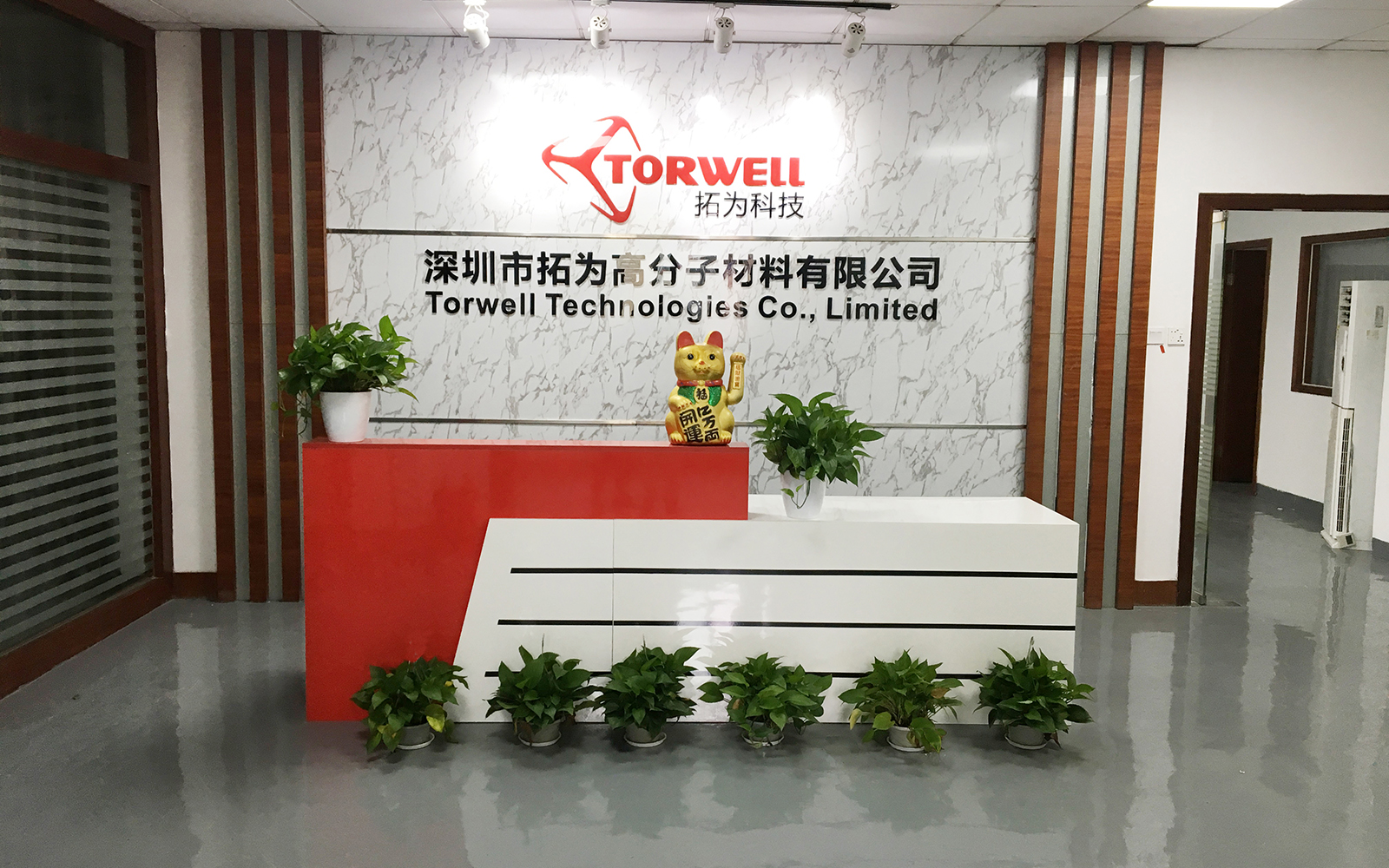
Company Profile & Global Footprint
Founded in 2011, Torwell Technologies Co., Ltd. is one of the earliest high-tech enterprises which specializing in high – tech 3D printer filaments research, manufacture and sell, occupies 2,500 square meters modern factory with production capacity of 50,000kgs per month.
With more than 10years experiences in 3D printing market exploration, cooperated with Institute for High Technology and New Materials in domestic famous universities, and engaging Polymer materials experts as technical adviser, Torwell becomes one of member of Chinese rapid prototyping association and leader enterprise with the most innovative products in 3D printing industry, owns independent intellectual property rights, patents and trademarks(Torwell US, Torwell EU, NovaMaker US, NovaMaker EU).
Torwell passed international quality management system ISO9001, international environment system ISO14001, the advanced manufacturing equipment, test devices and virgin raw materials available are introduced to produce and distribute 3D printer filament of unparalleled quality, to insure all the products of Torwell are compliant with RoHS standard, MSDS, Reach, TUV and SGS test certificated.
Be a reliable and professional 3D printing partner, Torwell has committed to expanding its products to America, Canada, UK, Germany, Netherlands, France, Spain, Sweden, Italy, Russia, Mexico, Australia, New Zealand, Brazil, Argentina, Japan, South Korea, Vietnam, Thailand, Malaysia, India, more than 80 countries and regions.
OEM / ODM Capabilities & High-Volume Supply Chain for Japan
Streamlined logistics, customized packaging, private labeling, and strict Japanese quality standard compliance.
Custom Color & Masterbatch Matching
Beyond standard deep Black ASA, our polymer laboratory offers custom RAL/Pantone color compounding, conductive anti-static ASA formulations (ESD-safe), and flame-retardant modifications tailored for Japanese electronics assembly.
Custom Spooling & Private Labeling
Complete OEM support for Japanese distributors and brand owners. We offer 250g, 500g, 1kg, 2.5kg, 3kg, and 5kg spool formats with eco-friendly cardboard spools, customized Japanese box artwork, barcoding, and desiccant packaging.
Rapid Direct Supply to Japanese Ports
With established trade routes into Tokyo Port, Yokohama, Kobe, and Osaka, we guarantee dependable lead times, flexible batch MOQ, clear export documentation, and responsive customer support for Japanese partners.
Every spool of Torwell Black ASA undergoes an exhaustive 5-stage quality assurance protocol before vacuum sealing: virgin polymer drying, precision extrusion with continuous laser micrometer feedback, automated tension winding to prevent tangling, vacuum nitrogen sealing with high-absorption molecular desiccant, and sample batch melt flow index (MFI) and printability validation.
Technical Printing Guidelines for Black ASA Filament
Optimal FDM/FFF parameters recommended for industrial 3D printers and high-speed core-XY machines.
Achieving structural perfection and immaculate aesthetic quality with Black ASA requires fine-tuning of machine parameters. Unlike basic PLA, ASA is an engineering copolymer that requires controlled thermal conditions to maximize inter-layer fusion and prevent edge curling on large structural geometries.
Post-Processing Versatility: Black ASA exhibits superior compatibility with standard industrial post-processing techniques. Japanese design houses can utilize acetone vapor smoothing to achieve injection-molded surface aesthetics, or employ standard mechanical sanding, wet priming, and CNC tapping without polymer gumming or structural tearing.
Comprehensive 3D Printing Material Catalog
Torwell Technologies manufactures a complete line of engineering, standard, and aesthetic filaments for global industrial markets and Japanese distribution partners.