
Featured Industrial Materials for Damping & Isolation
Explore high-performance engineering filaments designed for mechanical resilience, custom-tuned Shore hardness, and superior layer adhesion in anti-vibration mount fabrication.
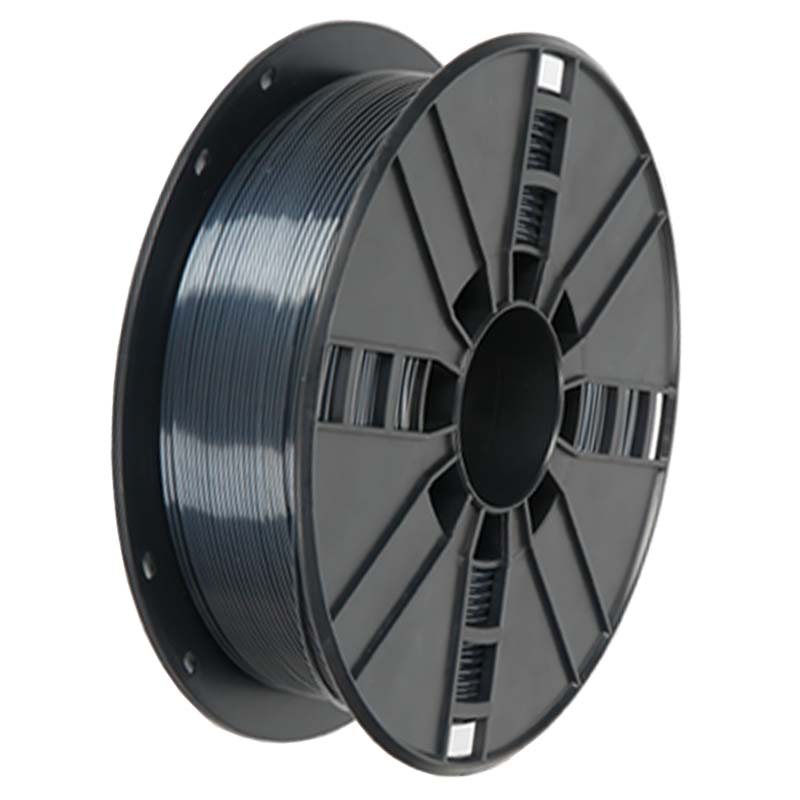
Viscoelastic Physics: Why Black TPU Outperforms Traditional Rubber in Vibration Isolation
In modern industrial engineering, mechanical vibration is the primary culprit behind premature bearing degradation, fastener loosening, optical misalignments, and structural fatigue. Traditional elastomeric isolators—such as molded vulcanized neoprene, nitrile rubber (NBR), and cast polyurethanes—are severely constrained by fixed mold geometries, extensive tooling lead times, and uniform internal solid densities.
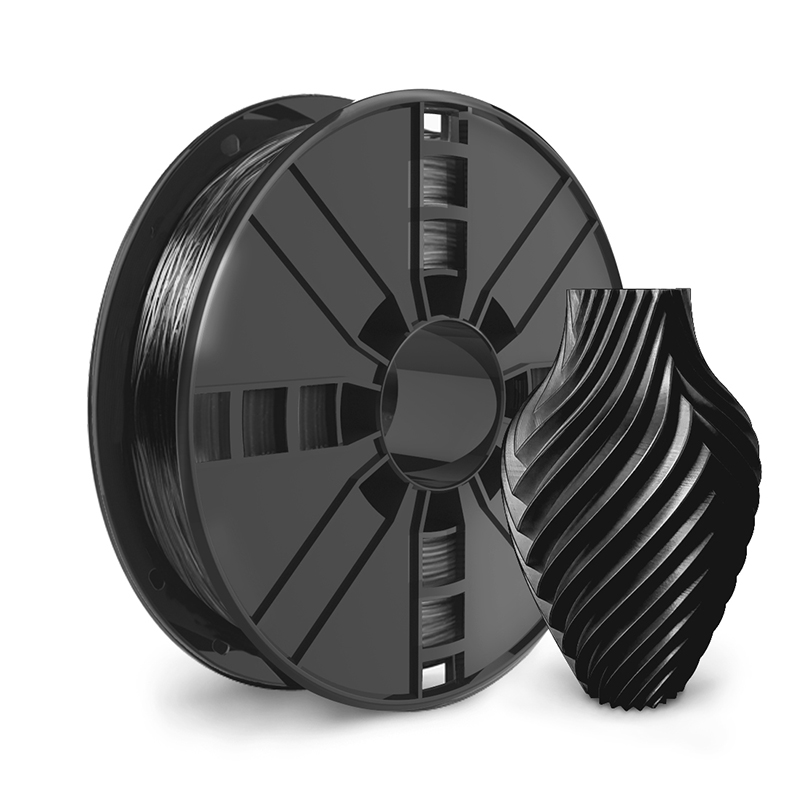
Black Thermoplastic Polyurethane (TPU) filament has emerged as a disruptive technological catalyst in vibration attenuation engineering. By leveraging Fused Filament Fabrication (FFF/FDM), manufacturing engineers can fabricate functionally graded isolators, variable-density lattice dampeners, and custom-tuned harmonic mounts on demand.
The Carbon Black Reinforcement Advantage
The inclusion of fine-grade carbon black pigment does not merely serve aesthetic purposes; it functions as an active micro-filler within the polyurethane polymer matrix. Carbon black enhances ultraviolet (UV) photodegradation resistance, improves thermal dissipation generated during cyclic mechanical hysteresis, and yields elevated tensile modulus without sacrificing the elastomeric elongation-at-break performance.
Engineering Mechanisms of Additive Damping Systems
A comprehensive breakdown of the physical characteristics that make Black TPU the gold standard for dynamic shock isolation.
Hysteresis Loss & Energy Dissipation
When subjected to cyclic dynamic loads, Black TPU absorbs mechanical kinetic energy and dissipates it internally as low-grade thermal energy via molecular chain slippage. The area inside the stress-strain hysteresis loop directly correlates to damping capacity, minimizing resonant oscillation amplitudes.
Lattice-Driven Resonance Tuning
Unlike injection-molded solid rubber blocks, 3D printed TPU mounts utilize Triply Periodic Minimal Surfaces (TPMS) and Gyroid infills. This enables precise engineering of directional stiffness (Kx, Ky, Kz), matching the mount's natural frequency (ƒn) to avoid operational resonance bands.
Chemical & Environmental Durability
Industrial machinery environments are unforgiving. Black TPU features exceptional resistance to mineral oils, hydraulic greases, industrial coolants, aliphatic hydrocarbons, and ozone degradation, ensuring prolonged MTBF (Mean Time Between Failures) in heavy-duty factory floors.
Industrial Application Scenarios for Black TPU Damping Mounts
From micro-electronics manufacturing to severe duty industrial drivetrains, explore how Black TPU isolators protect mission-critical equipment.
| Application Sector | Operational Challenge | TPU Mount Design Topology | Key Performance Impact |
|---|---|---|---|
| CNC & Precision Machining | High-frequency spindle harmonics and cutting chatter causing surface roughness and tool wear. | Dual-durometer composite mount with 95A TPU outer shell and 25% Gyroid core. | 42% reduction in surface harmonic chatter; extends cutting tool lifespan by up to 28%. |
| Industrial Robotics & Cobots | Sudden deceleration torque spikes inducing micro-vibrations in collaborative robot joints and end effectors. | Custom-contoured flange bushings and annular dampers printed directly to mating bolt flanges. | Eliminates end-of-arm settling time; improves payload positional repeatability down to ±0.02mm. |
| AGV / AMR Autonomous Fleets | Rough concrete floor traversal transmitting continuous shock loads into LiDAR and optical camera sensors. | Progressive-rate suspension bumpers and multi-axial sensor gimbal isolation grommets. | Prevents optical sensor calibration drift; mitigates shock spikes exceeding 15G. |
| Heavy HVAC & Rotary Pumps | Continuous low-frequency (10 Hz - 60 Hz) structure-borne acoustic vibration through facility flooring. | Conical multi-chambered isolator feet with tuned internal air entrapment pockets. | Achieves up to 18 dB acoustic attenuation; eliminates structural resonance transmission. |
| Aerospace Avionics & Drones | Motor prop wash and high-RPM motor imbalance corrupting IMU (Inertial Measurement Unit) telemetry. | Ultra-lightweight micro-lattice vibration isolation pucks (Shore 85A/95A). | Isolates high-frequency sensor noise; maintains gyroscopic stabilization during high-velocity maneuvers. |
Custom Tooling & Fixture Protection
In electronic assembly lines, printed circuit board (PCB) testing fixtures require non-marring, static-dissipative, and vibration-isolated contact points. Black TPU provides the perfect balance of compliance and structural integrity, preventing sensitive component micro-fracturing during pneumatic testing cycles.
Rapid Digital Spare Parts Logistics
Plant maintenance teams no longer need to maintain costly physical inventories of thousands of different molded rubber isolator sizes. By retaining parametric CAD models on a centralized digital server, custom replacement vibration dampeners can be sliced and printed on-site in hours using standard FFF hardware.
High-Temperature Dynamic Damping
Engineered black TPU formulations sustain continuous dynamic loading up to 80°C (with intermittent peaks up to 100°C) without suffering thermal softening or permanent compression set, making them ideal for engine bay components, pump enclosures, and hot-air blower dampening.
Parametric Optimization Guidelines for Damping Mount Fabrication
Achieving maximum fatigue life, interlaminar shear strength, and predictable damping coefficients requires meticulous slicing and thermal calibration.
Infill Topologies & Mechanical Behavior
The mechanical damping behavior of a 3D printed mount is dictated more by its infill geometry than by solid material bulk properties:
- Gyroid Infill: Provides isotropic mechanical stiffness and uniform energy absorption regardless of shock impact angle. Ideal for 3-axis multidirectional vibration dampeners.
- Honeycomb (Hexagonal): High compressive load-bearing capability along the Z-axis with progressive collapse characteristics. Best for vertical shock isolators under high static preload.
- Cross-3D / Schwarz Primitive: Exceptional energy dissipation in cyclic shear and torsional moments. Highly recommended for rotating shaft coupling inserts and motor mounts.
Extrusion & Layer Bonding Parameters
To ensure zero interlaminar delamination under severe cyclical shear strain, adhere to these production parameters:
- Print Temperature: 220°C – 245°C (higher range promotes optimal polymer weld line diffusion).
- Extrusion Width: Set to 120% – 130% of nominal nozzle diameter to maximize contact surface area.
- Print Speed: Maintain a consistent 20 – 40 mm/s to eliminate flow rate fluctuations and void entrapment.
- Direct Drive Extruders: Recommended to ensure precise retraction control and prevent flexible filament buckling.
Market Outlook: The Evolution of Smart Damping Solutions
Industry 4.0 and advanced materials science are converging to redefine the next decade of industrial vibration management.
Generative AI Design & Localized Durometer Gradients
The future of vibration isolation lies in AI-driven generative design tools capable of calculating topology-optimized density distributions. By automatically varying the local density of Black TPU infill across a single continuous component, engineers can create a monolithic mount that acts stiff at the fastening interfaces while maintaining high compliance and dampening at its core, completely eliminating multi-part assemblies.
Transition to Sustainable Circular Elastomers
Unlike thermoset vulcanized rubber, which cannot be remelted and frequently ends up in industrial landfills, Thermoplastic Polyurethane is 100% mechanically recyclable. Spent vibration dampeners, support structures, and prototype iterations can be re-granulated and re-extruded into high-grade functional filaments, aligning with global industrial ESG mandates.
Key Industry Drivers (2025–2030)
1. On-Demand Production: Reduction of machine downtime by replacing custom molded parts within 4 hours instead of 6-week tooling cycles.
2. Weight Reduction: Lattice-cored TPU dampeners reduce parasitic mass on robotic arms by up to 65% compared to solid vulcanized rubber blocks.
3. High-Frequency Attenuation: Superior loss modulus in the 100 Hz to 2000 Hz spectrum, critical for electronic manufacturing automation.
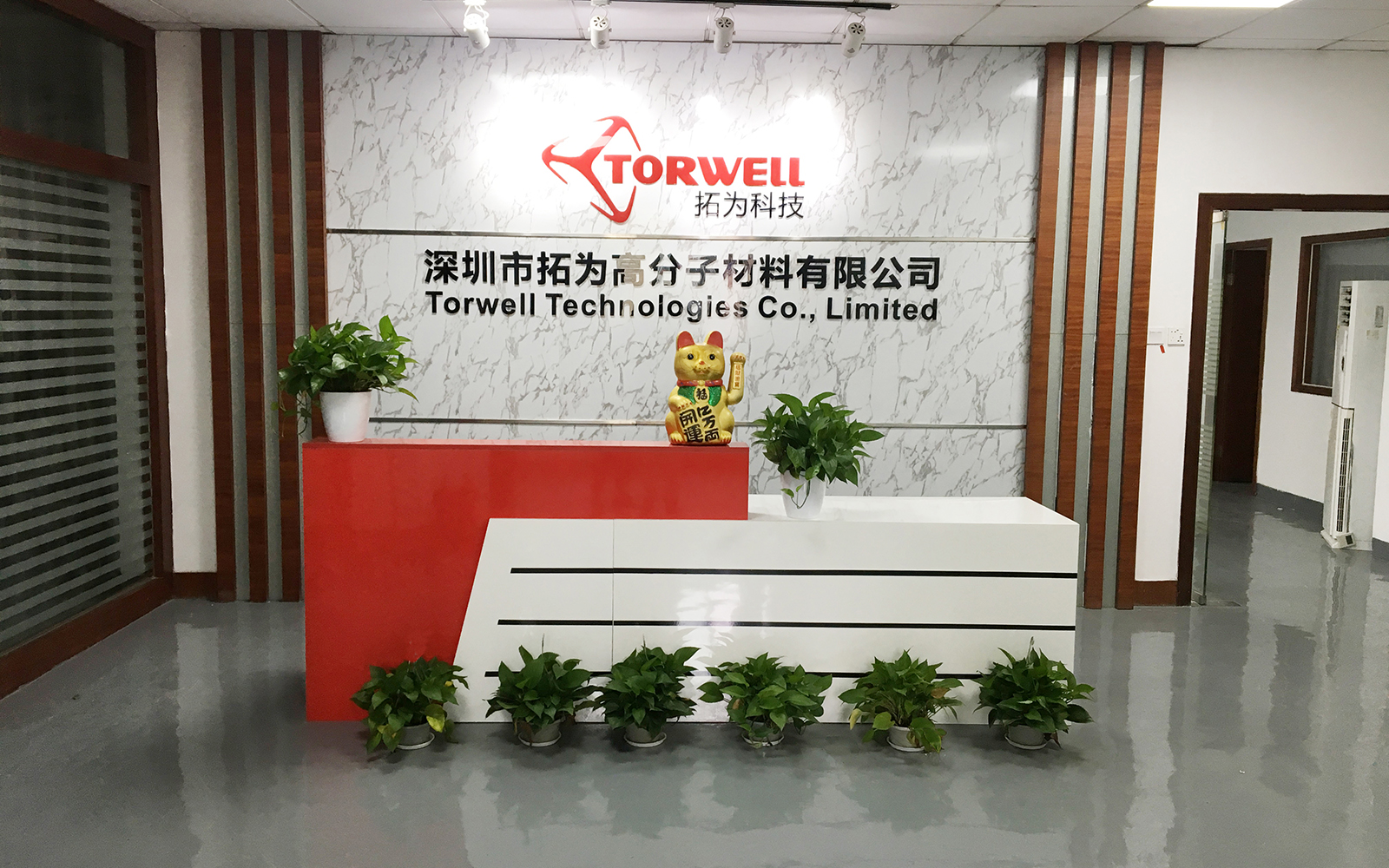
Company Profile | Torwell Technologies
Founded in 2011, Torwell Technologies Co., Ltd. is one of the earliest high-tech enterprises specializing in high-tech 3D printer filaments research, manufacture, and sales. Torwell occupies a 2,500 square meters modern factory with a production capacity of 50,000 kgs per month.
With more than 10 years of experience in 3D printing market exploration, Torwell cooperates with the Institute for High Technology and New Materials in domestic famous universities and engages Polymer materials experts as technical advisers. Torwell has become a member of the Chinese Rapid Prototyping Association and a leading enterprise with the most innovative products in the 3D printing industry, owning independent intellectual property rights, patents, and global trademarks (Torwell US, Torwell EU, NovaMaker US, NovaMaker EU).
Torwell has passed international quality management system ISO9001 and international environmental system ISO14001. The advanced manufacturing equipment, test devices, and virgin raw materials available are introduced to produce and distribute 3D printer filament of unparalleled quality, ensuring all Torwell products are compliant with RoHS standards, MSDS, REACH, TUV, and SGS certifications.
As a reliable and professional 3D printing partner, Torwell is committed to expanding its products to America, Canada, UK, Germany, Netherlands, France, Spain, Sweden, Italy, Russia, Mexico, Australia, New Zealand, Brazil, Argentina, Japan, South Korea, Vietnam, Thailand, Malaysia, India, and more than 80 countries and regions.
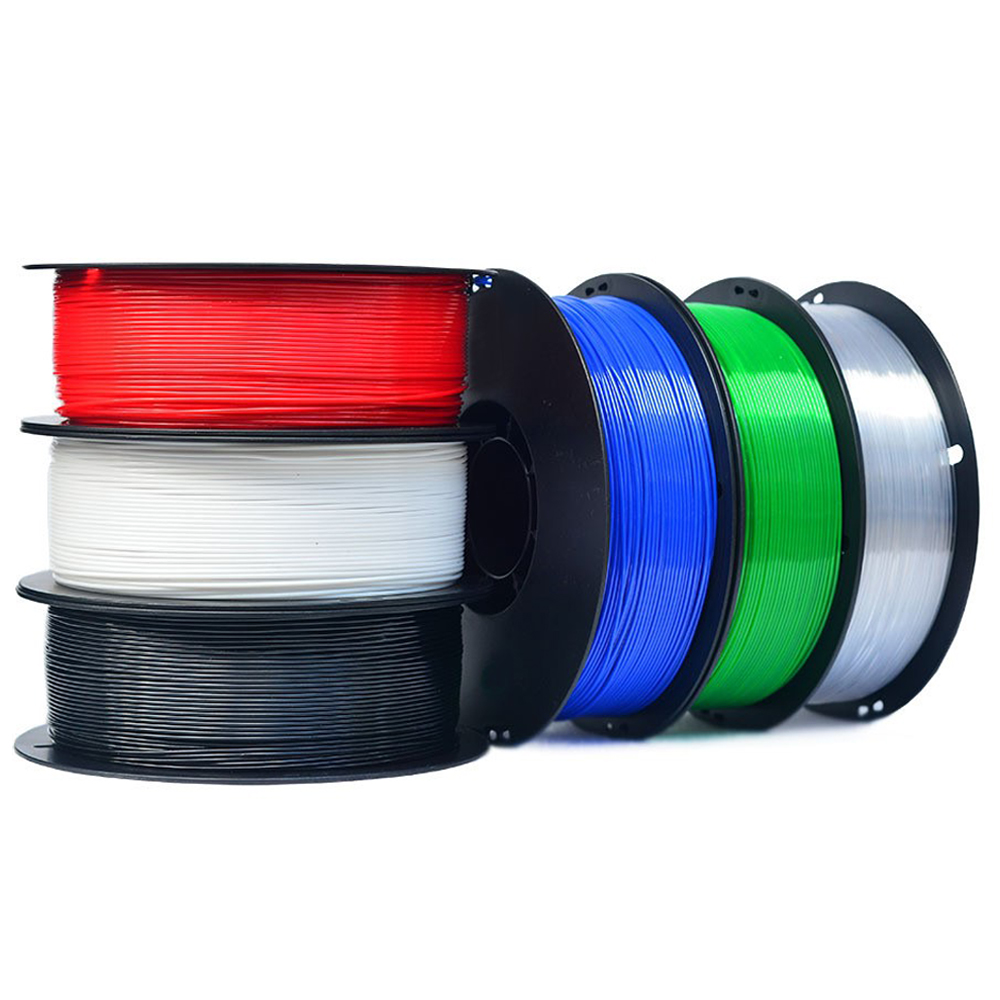
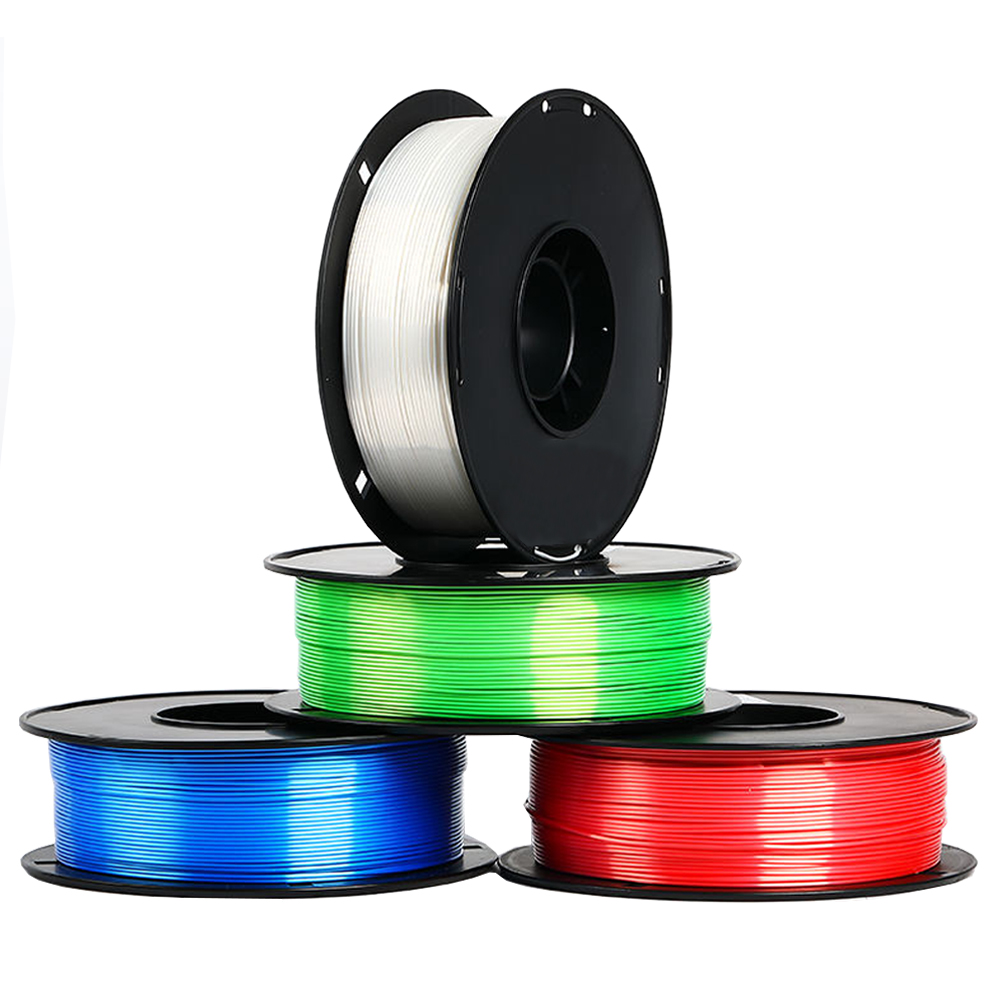
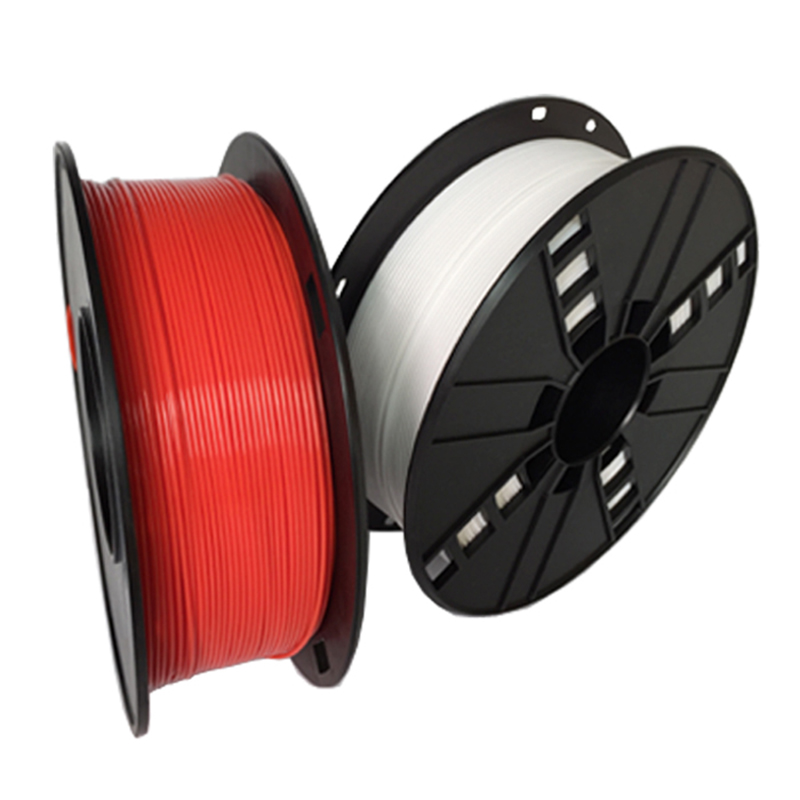
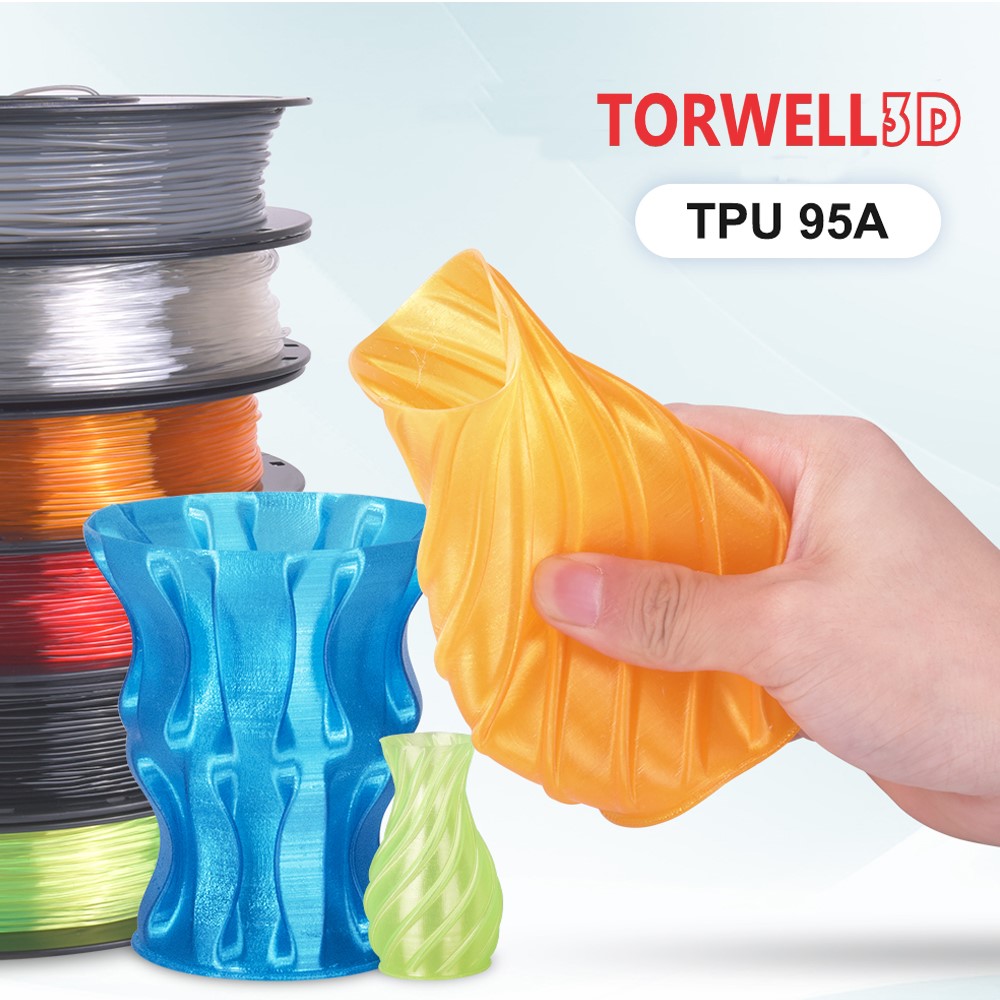
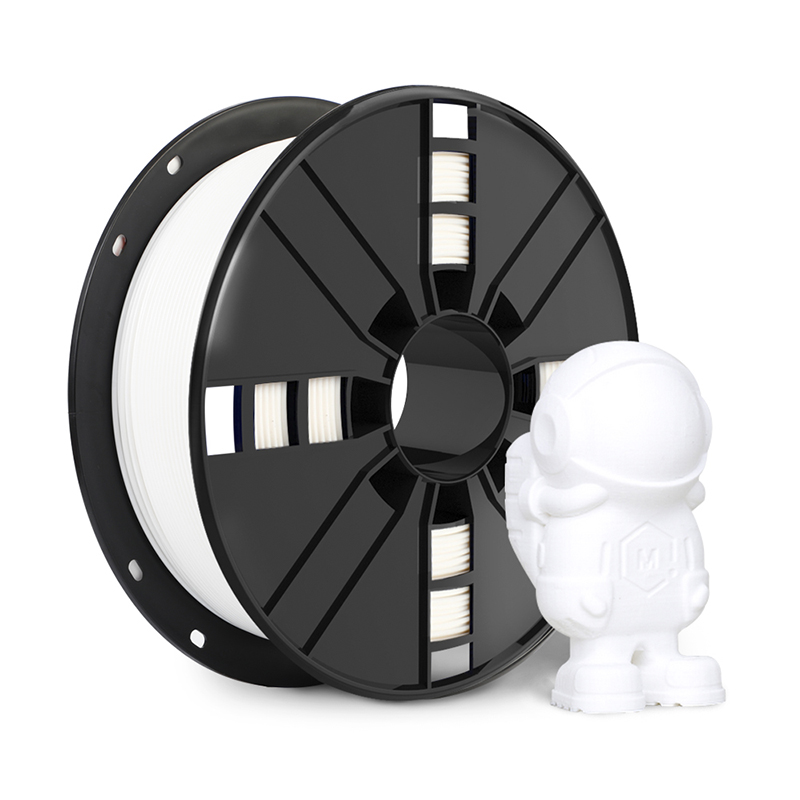
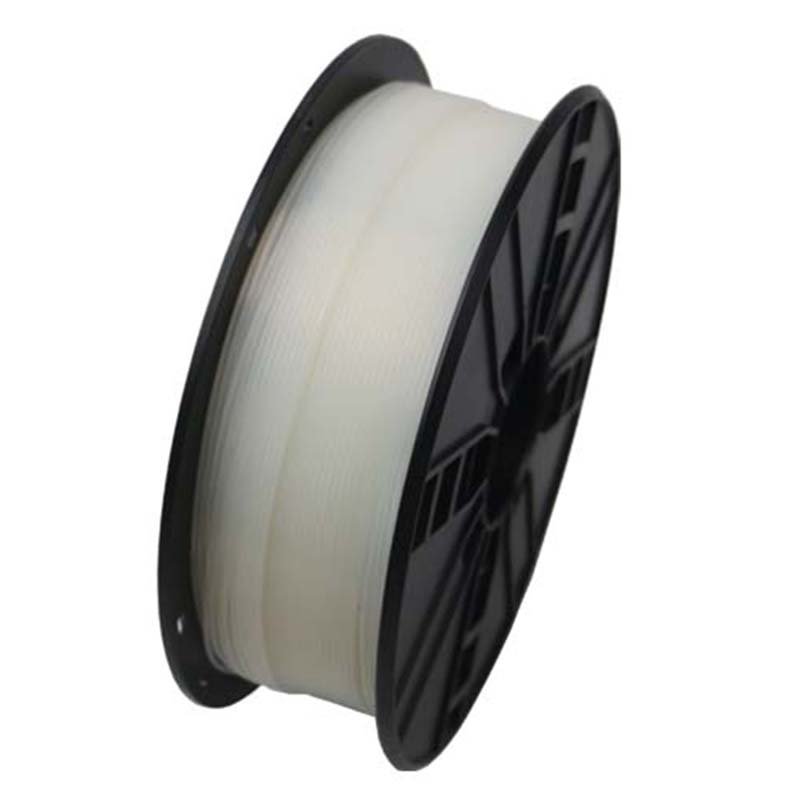
Complete Industrial Filament Product Catalog
Explore our complete range of certified 3D printing polymers optimized for functional prototyping, vibration dampening, and industrial production tooling.
Frequently Asked Questions: Black TPU Vibration Mounts
Technical solutions to common design, slicing, and engineering implementation challenges.
What Shore hardness is best for industrial vibration dampening?
Shore 95A is the industry benchmark for high-load mounts because it balances structural integrity with elastomeric energy dissipation. For lighter payloads or delicate optical isolators, Shore 85A to 90A provides greater deflection and lower natural resonance frequencies.
How does Black TPU compare to silicone in dynamic damping?
While silicone exhibits a broad temperature tolerance, TPU features vastly superior tensile strength, tear resistance, and abrasion resistance. TPU can withstand high cyclic shear and mechanical friction without shredding, and allows complex internal geometries impossible with silicone molding.
Can 3D printed TPU mounts withstand chemical exposure in factory environments?
Yes. Ester- and ether-based black TPU formulations offer excellent resistance to industrial grease, oils, cutting fluids, and hydrocarbons. For aqueous environments or high-humidity operations, ether-based TPU is selected to prevent hydrolytic degradation over extended operational lifecycles.
How can I prevent compression set in continuously loaded TPU isolators?
To mitigate permanent deformation under sustained static load, design the mount with thicker wall perimeters (4 to 6 perimeters), utilize a continuous Gyroid infill between 30% and 50%, and ensure operating temperatures remain below 60°C for continuous duty.