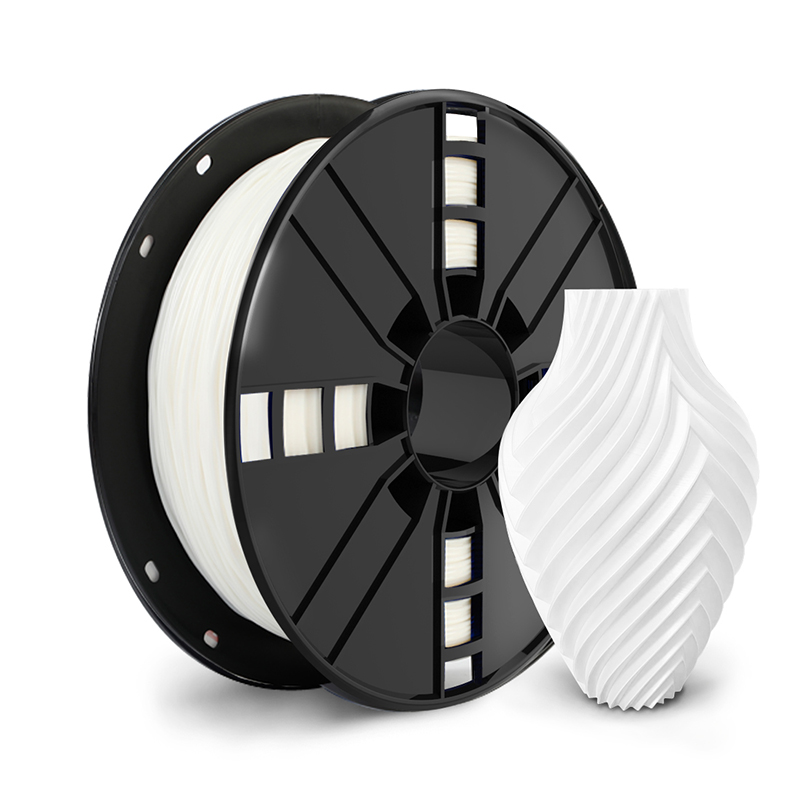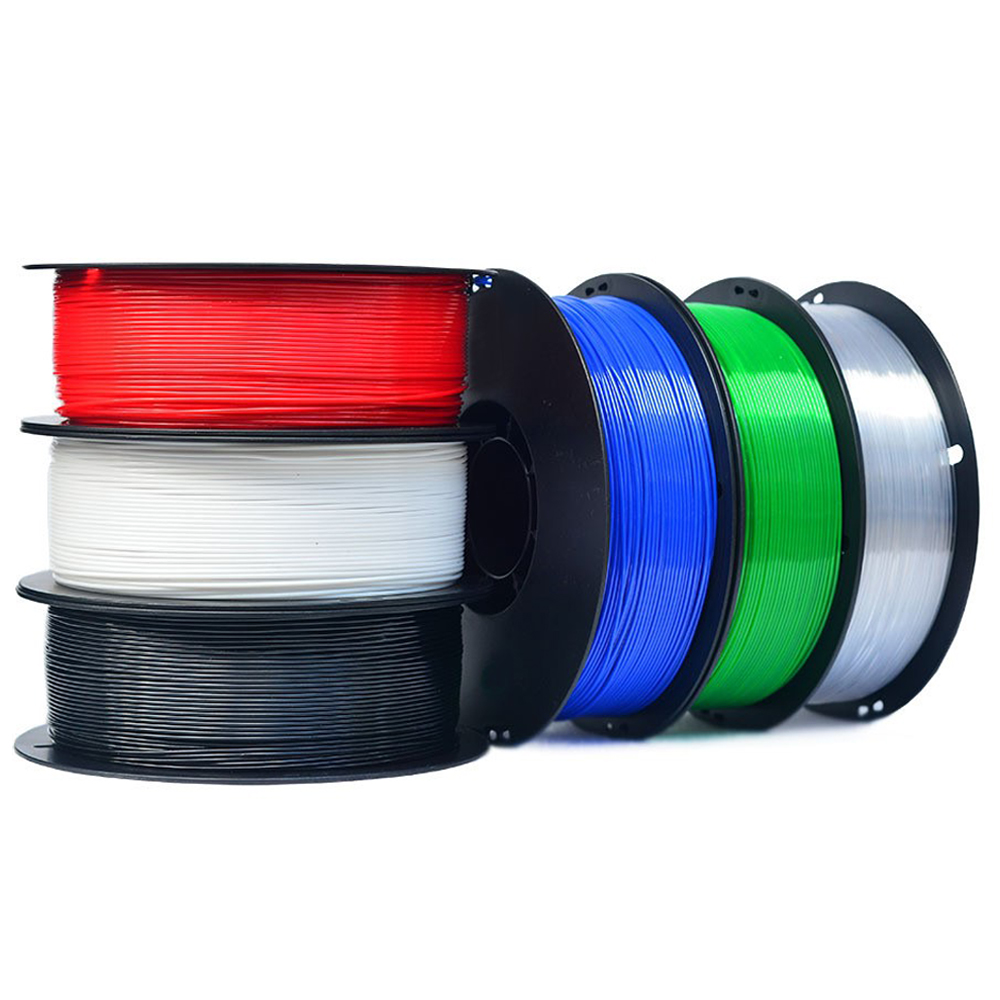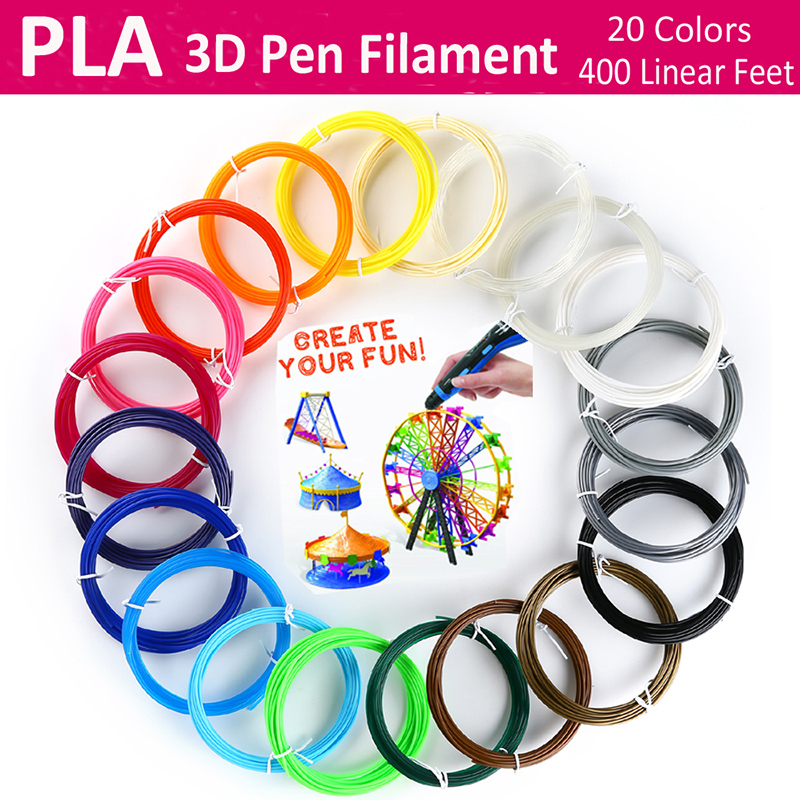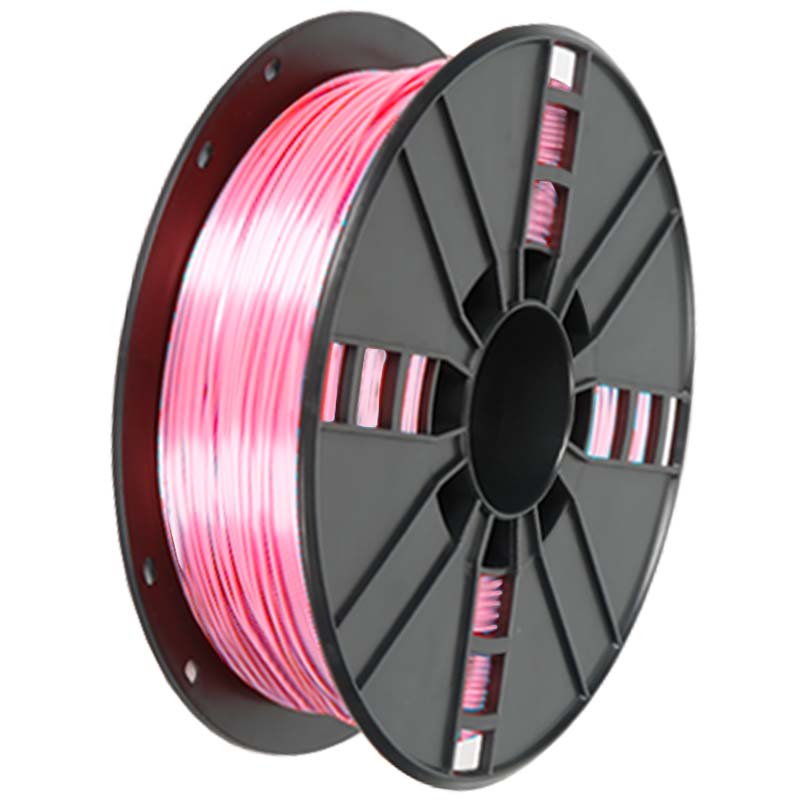
Featured Engineering 3D Printing Materials
Explore our elite polymer and composite printing materials optimized for high tensile modulus, dimensional accuracy, and rugged thermal endurance.
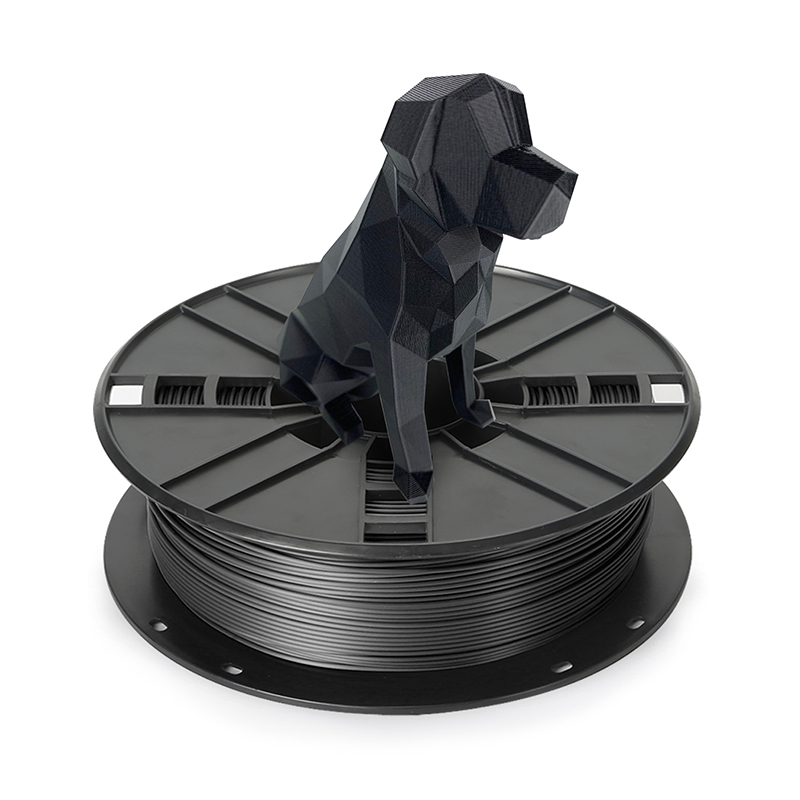
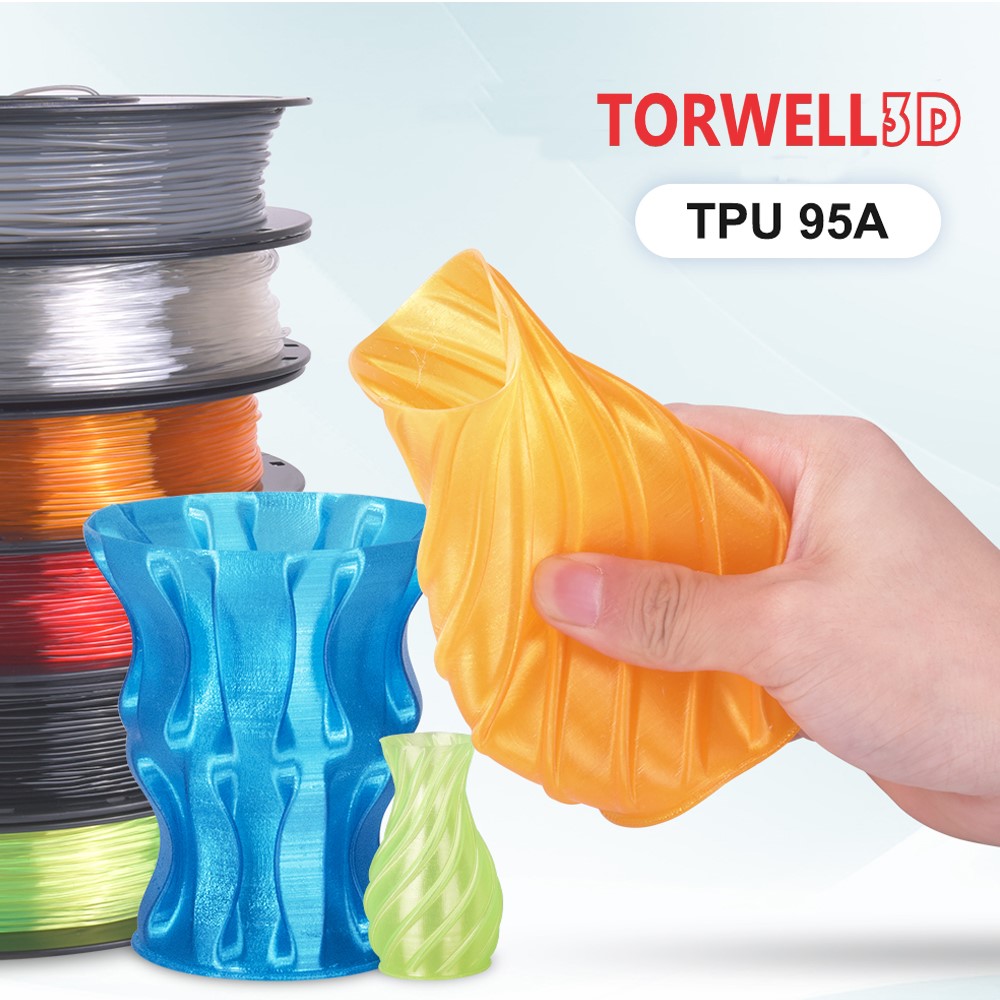
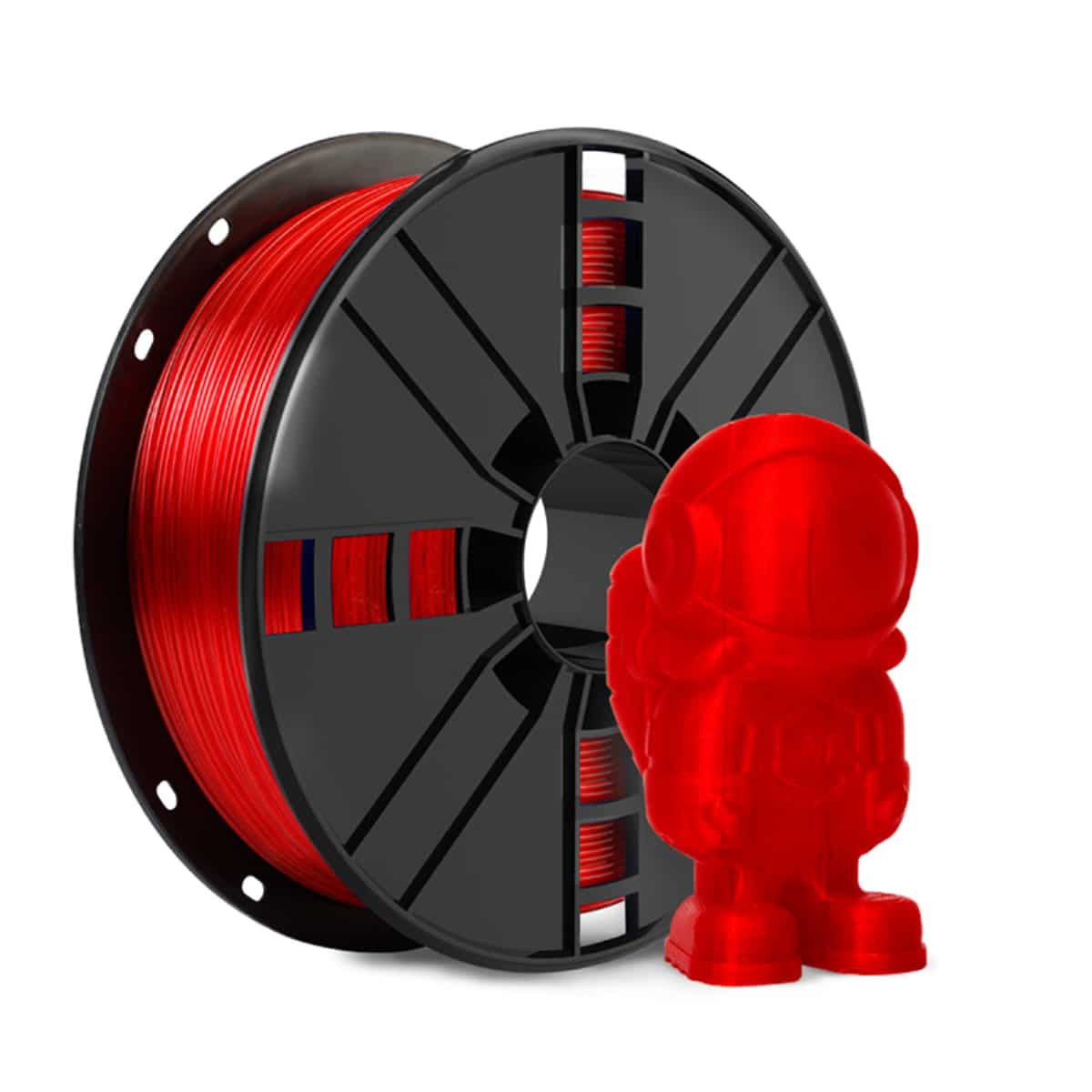
The Carbon Fiber Additive Manufacturing Revolution in Canada
Across Canada, industrial production lines are experiencing a fundamental shift from subtractive metal fabrication to lightweight, high-performance composite additive manufacturing. From the automotive corridors of Southern Ontario to the aerospace clusters of Greater Montreal and the heavy energy operations in Alberta, carbon fiber reinforced 3D printing materials (such as CF-PLA, CF-PETG, CF-Nylon, and CF-PEEK) are quickly establishing themselves as the gold standard for rapid prototyping, specialized functional assemblies, and custom jigs and fixtures.
The demand for carbon fiber filaments in Canada is propelled by their remarkable strength-to-weight ratio, exceptional rigidity, and thermal-dimensional stability. Standard thermoplastics often deform under cyclic mechanical strain or wide thermal swings. Incorporating high-modulus chopped carbon fibers into the polymer matrix restricts isotropic thermal contraction, effectively preventing warping during printing while yielding parts capable of replacing cast aluminum components.
As Canadian enterprises aim to shorten global supply chains and achieve Net-Zero environmental benchmarks, on-demand additive manufacturing powered by carbon-composite filaments enables decentralized fabrication, minimal scrap generation, and unprecedented design agility.
High Tensile Modulus
Engineered micro-carbon fiber alignment increases component stiffness up to 300% compared to unfilled base polymers.
Thermal Stability
Near-zero shrinkage coefficient delivers warp-free printing of large-format industrial tooling and end-use housings.
Chemical Durability
Reinforced engineering polymers withstand exposure to industrial cutting fluids, hydrocarbons, and harsh UV exposure.
Aluminum Replacement
Reduces overall component weight by 40% to 65% while preserving critical structural integrity and load resistance.
Key Application Scenarios Across Canadian Provinces
Tailoring composite additive materials to meet specific regional industrial demands across Canada.
Quebec Aerospace Hub
Centering in Montreal, Quebec's aerospace giants utilize carbon fiber filaments for internal cabin non-structural brackets, UAV avionics mounts, and environmental ducting. Low flammability formulations with high glass transition temperatures ensure regulatory compliance and weight reduction.
Ontario EV & Automotive Corridor
Southern Ontario's automotive corridor is accelerating EV transition. Manufacturers employ carbon-filled PETG and Nylon for custom end-of-arm tooling (EOAT), robotic gripper fingers, assembly line nest fixtures, and rapid testing of battery enclosure brackets with tight geometric tolerances.
Alberta Energy & Subsea BC
In Calgary and Edmonton's energy fields, as well as British Columbia's marine and autonomous oceanography sectors, CF composites provide corrosion-proof downhole sensor housings, pump impellers, and subsea robotic hulls resistant to salt mist and heavy mechanical impacts.
Factory Manufacturing & Quality Engineering
Discover the precision manufacturing protocols, raw material selection, and rigorous testing lines behind every spool produced.
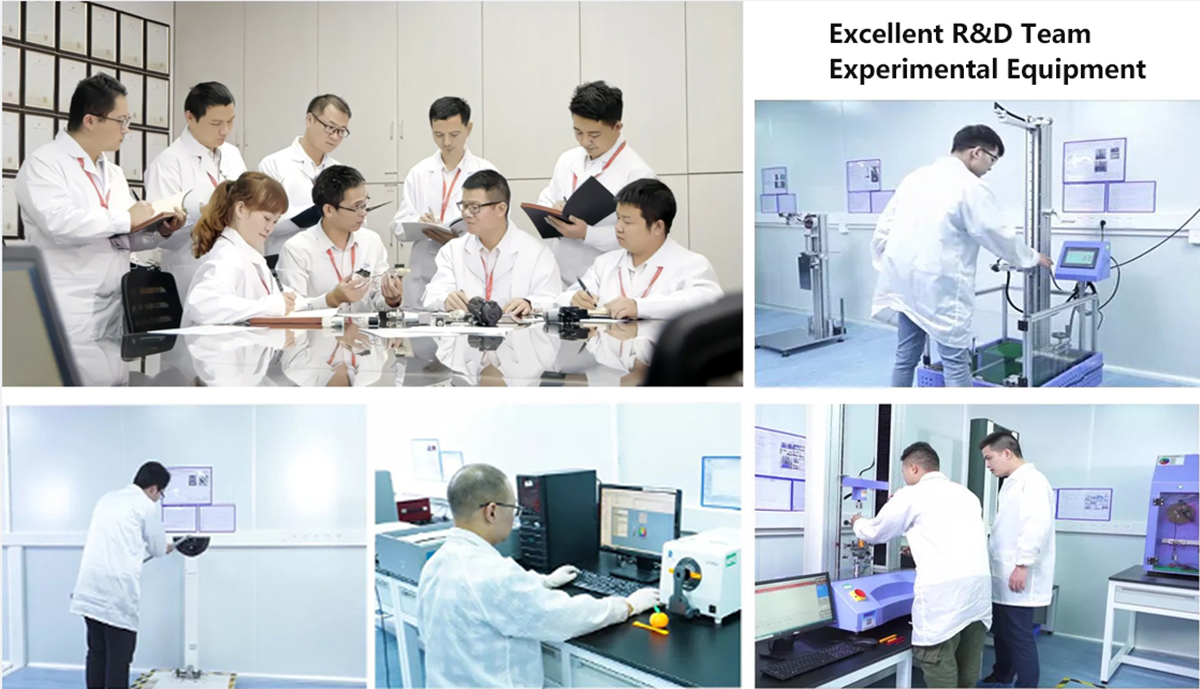
Quality Control & Safety Systems
The factory area has passed ISO45001 occupational health and safety management system certification. Every new employee must be experienced one week of safety production knowledge teaching and two weeks of produce skills training, and master every course in the production process. Who is in the position will be responsible for its duty.
Our systemic operational safety protocols ensure that the extrusion of advanced composite materials, handling of high-temperature engineered matrices, and specialized fiber compounding occur under strictly monitored cleanroom environments, preventing any external particulate contamination.
Raw Material Procurement & Inspection
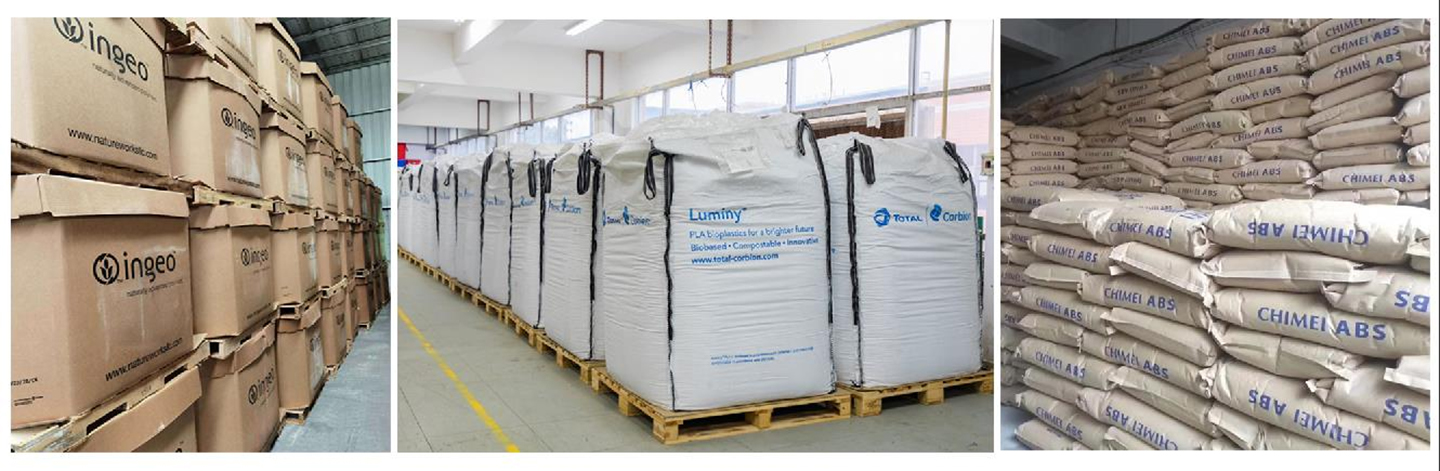
PLA is the most preferred material for 3D printing, Torwell firstly chooses PLA from US NatureWorks, and Total-Corbion is the alternative. ABS from TaiWan ChiMei, PETG from South Korea SK. Each batch of main raw materials comes from the partners who has cooperated more than 5 years to ensure the reliability of the products from the source.
Each batch of raw materials will undergo parameters inspection before produce to ensure that raw materials are original and virginal. When compounding carbon fiber, only high-purity, treated short-chopped carbon fibers are dosed into the melt stream, ensuring consistent wetting and interfacial bonding.
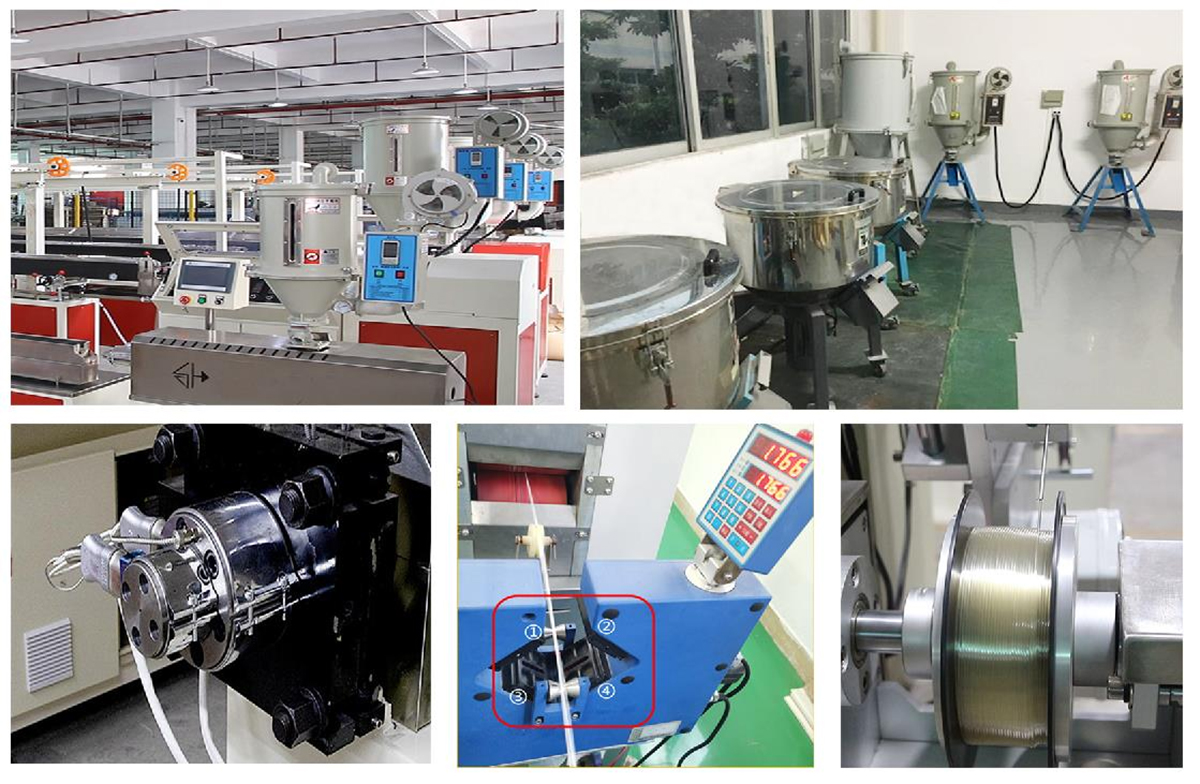
Advanced Extrusion & Precision Calibration Equipment
The manufacturing workshop will make arrangements after the inspection of raw materials, at least two engineers cross-check the clearance of mixing tank, color mixed of material, humidity from hopper dryer, temperature of extruder, hot/cool tank, and trial-produce and debugging the produce line to make sure all of processes in the best condition.
Maintain the filament Diameter tolerance +/- 0.02mm, Roundness tolerance +/- 0.02mm. Using dual-axis laser diameter monitoring arrays, real-time feedback loops instantly adjust extrusion pull speed, ensuring uniform melt flow for clog-free composite 3D printing on commercial machines.
Final Inspection & Hermetic Packaging
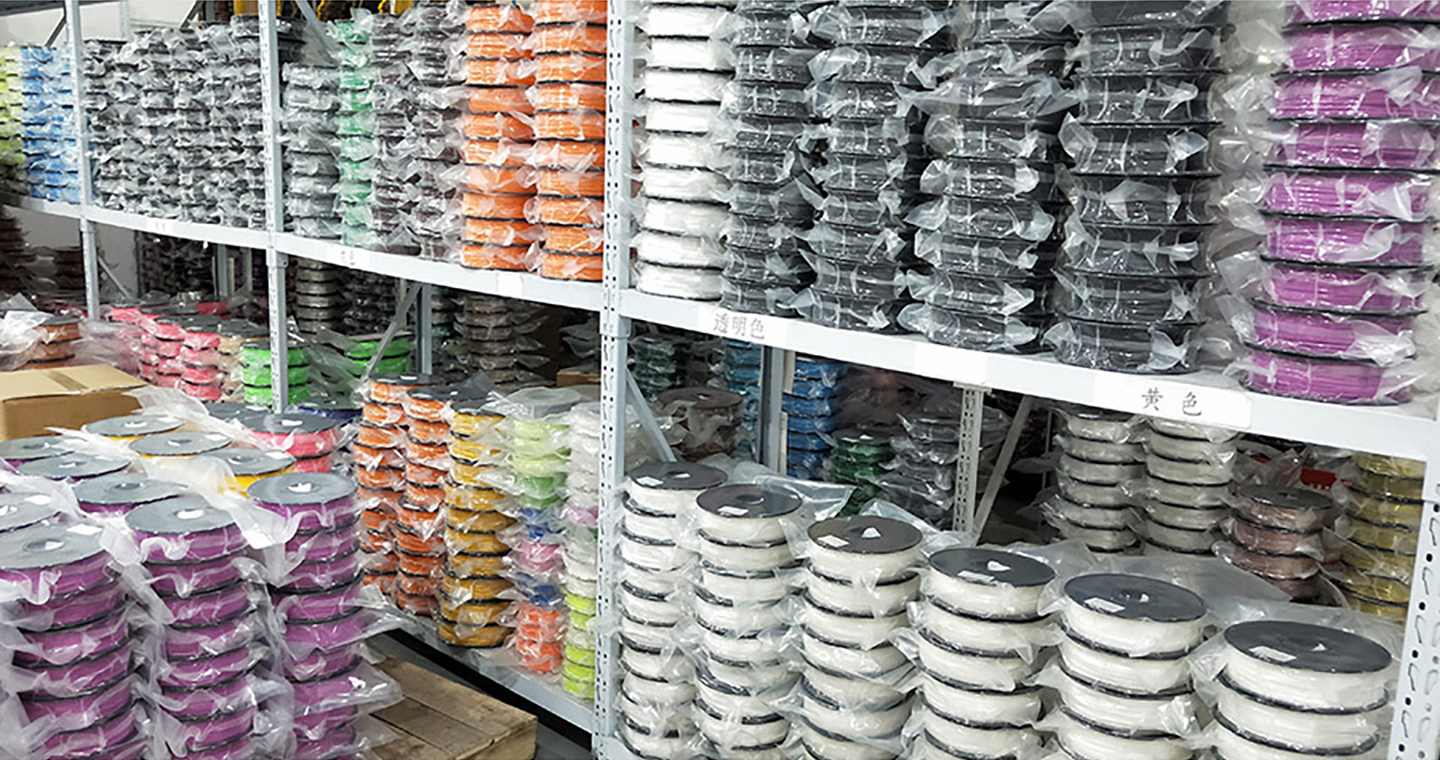
After each batch of 3D filament is produced, two quality inspectors will conduct random inspections on each batch of finished products in accordance with the requirements of the standard, such as diameter tolerance, color consistency, strength and toughness and so on.
After vacuuming the package, place them for 24 hours to check whether there is any leaking package, then label it and finish the package. Moisture-resistant foil and desiccants protect the carbon composite filaments during transatlantic transit to Canadian supply depots.
Trends Shaping Carbon Fiber 3D Printing in Canada
Technological innovations driving composite additive manufacturing forward into the next decade.
1. Transition Toward Recycled Carbon Fiber (rCF) Hybrid Formulations
Environmental sustainability has become a core mandate across Canadian industries. The integration of reclaimed carbon fibers sourced from aerospace manufacturing scrap into virgin and bio-based polymers (such as PLA and PHA) reduces carbon footprint while maintaining 85% to 92% of virgin composite tensile properties. Canadian research hubs and manufacturers are actively adopting circular lifecycle models to reduce landfill waste.
2. High-Temperature Composite Matrices (CF-PEEK, CF-PEKK & CF-PPS)
While general-purpose CF-PLA and CF-PETG dominate jigs, fixtures, and cosmetic brackets, the frontier of Canadian additive manufacturing lies in ultra-performance polyaryletherketones. Filled with high-aspect-ratio carbon fibers, these filaments offer continuous service temperatures surpassing 240°C, extreme chemical resistance to corrosive solvents, and flame-retardant V-0 ratings suitable for under-the-hood automotive and space payload housings.
3. AI-Driven Extrusion and Closed-Loop Quality Control
Modern factories supplying the Canadian market are embracing smart manufacturing. Real-time machine-vision tracking during filament extrusion continuously evaluates surface roughness, fiber dispersion homogeneity, and spool winding tension. Closed-loop temperature regulation prevents thermal degradation of the polymer backbone, eliminating micro-voids inside the filament thread.
Industrial & Commercial 3D Printing Filament Range
Browse our complete selection of engineered 3D printing filaments, covering standard prototypes, flexible elastomers, UV-resistant shells, and composite matrices.