
Primary Industrial Grade Filament Showcase
Explore high-strength, dimensionally stable materials engineered to withstand mechanical friction, extreme temperatures, and industrial prototyping loads.
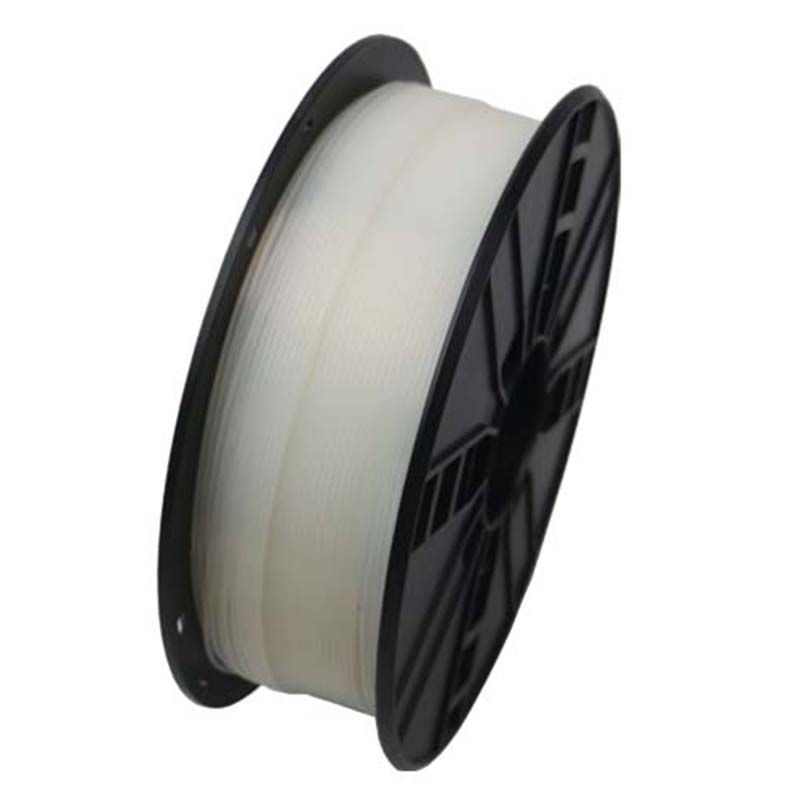
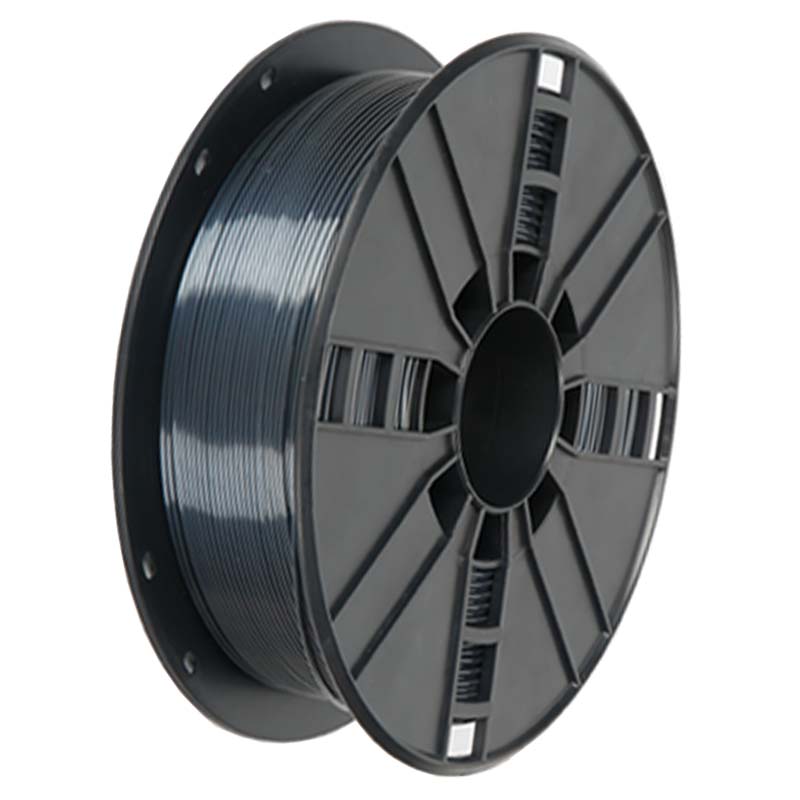
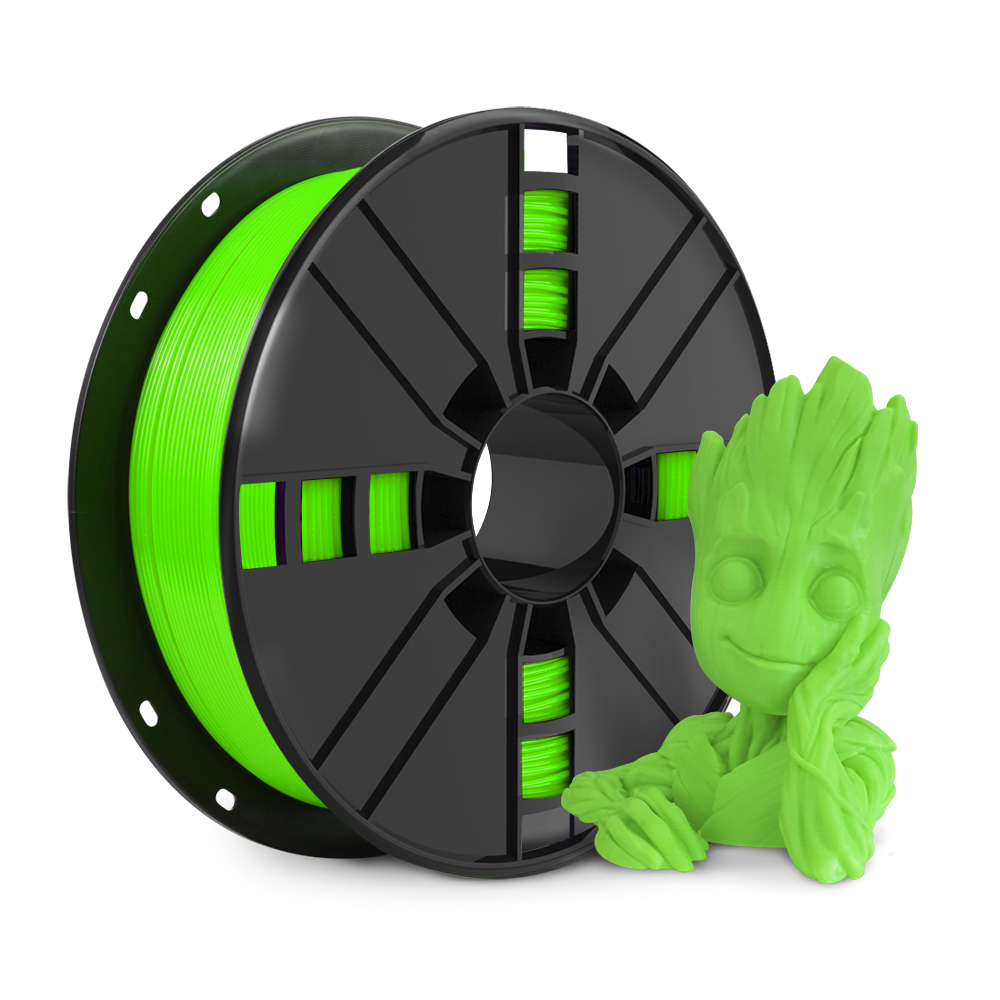
Japan's Industrial Landscape & Carbon Fiber Additive Integration
Japan holds a commanding global legacy in composite science, being home to world-renowned precursor pioneers such as Toray, Teijin, and Mitsubishi Chemical. However, the convergence of carbon fiber technology with fused deposition modeling (FDM/FFF) has initiated a profound paradigm shift across Japan's core manufacturing sectors. In prefectures like Aichi (Nagoya), Kanagawa, Shizuoka, and Osaka, manufacturers are aggressively pursuing lightweighting initiatives to substitute traditional CNC-milled aluminum, cast iron, and structural tooling with high-modulus, short-chopped carbon fiber composite polymers.
Under Japan’s Society 5.0 roadmap and the government's Green Transformation (GX) policies, automotive giants and Tier-1 Keiretsu suppliers are under immense pressure to reduce carbon footprints and optimize component weight for next-generation Electric Vehicles (EVs). Carbon fiber-reinforced 3D printing filaments—combining polyamides (Nylon 6/12), PETG, ABS, and high-performance polyetheretherketone (PEEK) matrices with high-aspect-ratio carbon fibers—deliver high tensile modulus, minimal warping, and superior chemical resistance directly to factory production lines.
Strategic Demand Centers in Japan
- Nagoya & Toyota City (Chubu Region): Jigs, fixtures, rapid ergonomic assembly tooling, and functional air intake manifold prototyping for hydrogen and EV vehicle platforms.
- Tokyo & Kanagawa (Kanto Region): R&D laboratories, autonomous collaborative robotics (cobots), and end-of-arm tooling (EOAT) components requiring exceptional dimensional accuracy.
- Osaka & Kyoto (Kansai Region): High-precision biomedical equipment, optical housing systems, and semiconductor test jigs demanding static-dissipative (ESD) composite formulations.
- Tohoku & Kyushu Aerospace Hubs: UAV lightweight structural brackets, aerodynamic fairings, and flight-ready sub-assemblies needing flame retardancy and high strength-to-weight ratios.
Engineering Architecture of Carbon Fiber Filaments
A deep dive into polymer microstructures, chopped strand dispersion, and the rheological dynamics that ensure zero-delamination across continuous build cycles.
Optimized Fiber Orientation
By utilizing precisely chopped micro-carbon fibers (150-250 microns), our compounding process ensures longitudinal alignment during extrusion. This alignment maximizes the tensile modulus along the vector of deposition, reducing layer-to-layer shear failure by up to 45% compared to unfilled base polymers.
Thermal Expansion Control
Carbon fiber inherently exhibits a near-zero or slightly negative coefficient of thermal expansion (CTE). Compounding high-grade carbon strands into PETG, ABS, and Nylon eliminates the notorious warping and shrinkage associated with large-format engineering prints, enabling tight dimensional tolerances within ±0.05px/mm.
High Heat Deflection (HDT)
Reinforced polymers shift the Heat Deflection Temperature significantly higher. For example, carbon fiber-infused PA6/66 compounds withstand continuous exposure upwards of 150°C under load, making them ideal for automotive under-the-hood components, thermal chambers, and engine test bays.
| Material Category | Tensile Strength (MPa) | Flexural Modulus (GPa) | Heat Deflection Temp (0.45 MPa) | Target Japanese Industrial Application |
|---|---|---|---|---|
| Torwell Carbon Fiber PA12/Nylon | 105 MPa | 7.8 GPa | 160°C | End-of-Arm Tooling, Robotic Arms, Automotive Intake |
| Torwell Carbon Fiber PETG | 76 MPa | 5.2 GPa | 82°C | Manufacturing Jigs, CNC Guides, Electronic Enclosures |
| Torwell Carbon Fiber ABS | 68 MPa | 4.9 GPa | 102°C | Functional Mechanical Housings, Vibration Damping Mounts |
| Standard Virgin PLA / ABS | 42 - 50 MPa | 2.1 - 2.8 GPa | 55 - 85°C | General Rapid Prototyping, Educational & Visual Models |
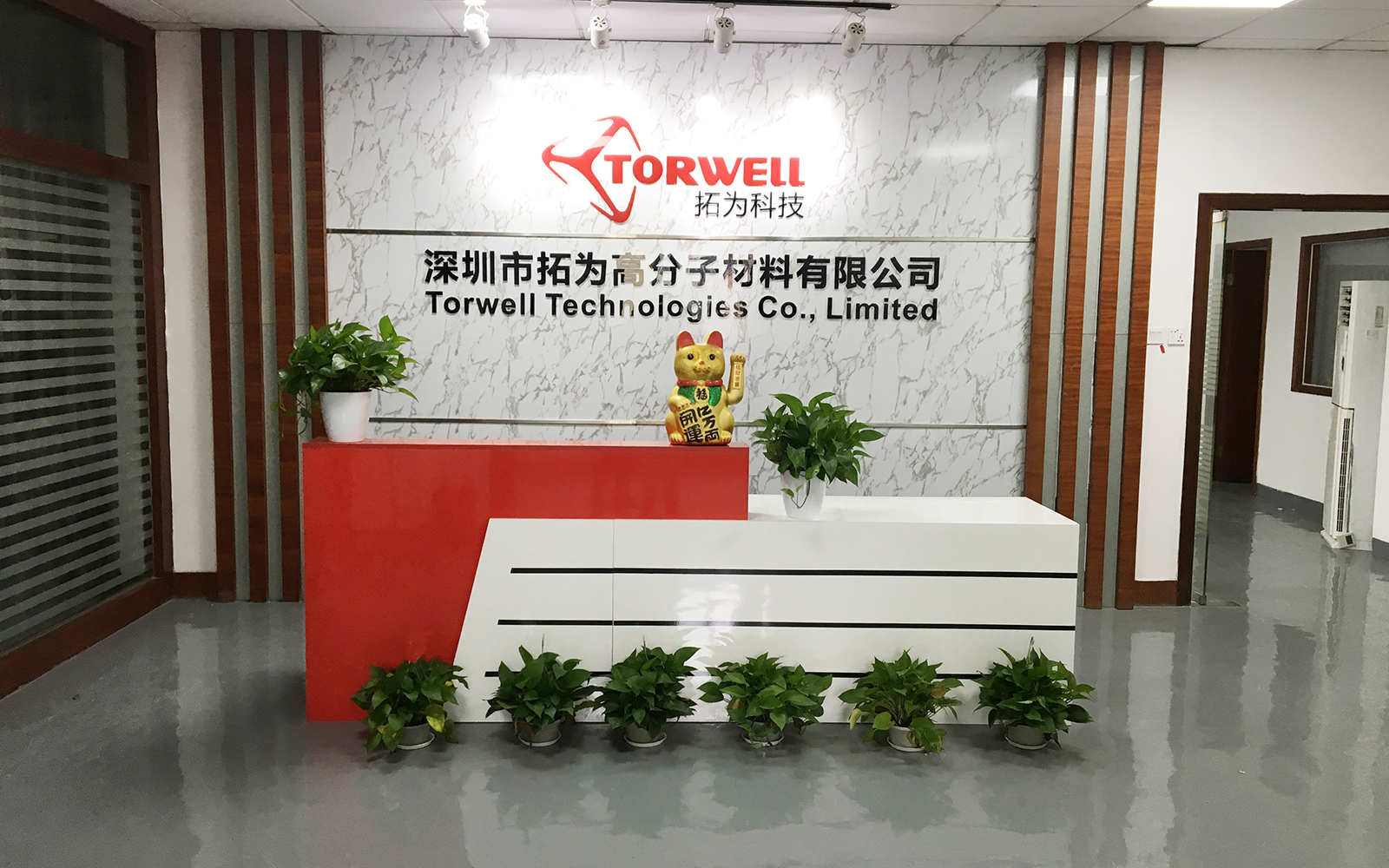
Company Profile & High-Tech Manufacturing Line
Founded in 2011, Torwell Technologies Co., Ltd. is one of the earliest high-tech enterprises which specializing in high – tech 3D printer filaments research, manufacture and sell, occupies 2,500 square meters modern factory with production capacity of 50,000kgs per month.
With more than 10years experiences in 3D printing market exploration, cooperated with Institute for High Technology and New Materials in domestic famous universities, and engaging Polymer materials experts as technical adviser, Torwell becomes one of member of Chinese rapid prototyping association and leader enterprise with the most innovative products in 3D printing industry, owns independent intellectual property rights, patents and trademarks(Torwell US, Torwell EU, NovaMaker US, NovaMaker EU).
Torwell passed international quality management system ISO9001, international environment system ISO14001, the advanced manufacturing equipment, test devices and virgin raw materials available are introduced to produce and distribute 3D printer filament of unparalleled quality, to insure all the products of Torwell are compliant with RoHS standard, MSDS, Reach, TUV and SGS test certificated.
Be a reliable and professional 3D printing partner, Torwell has committed to expanding its products to America, Canada, UK, Germany, Netherlands, France, Spain, Sweden, Italy, Russia, Mexico, Australia, New Zealand, Brazil, Argentina, Japan, South Korea, Vietnam, Thailand, Malaysia, India, more than 80 countries and regions.
Local Engineering Scenarios in the Japanese Market
Demonstrating actionable return-on-investment across automated assembly lines, precision electronics, and rapid tool room environments throughout Japan.
Robotic End-of-Arm Tooling (EOAT)
Japanese robotics firms (such as FANUC, Yaskawa, and Kawasaki ecosystems) utilize carbon fiber-reinforced filaments to manufacture ultra-lightweight pneumatic grippers and vacuum manifolds. Reducing the inertial weight at the robot arm’s extremity allows faster acceleration, shorter cycle times, and reduces servomotor wear.
Motorsport & Automotive Prototyping
From the Suzuka racing circuit development labs to major automotive proving grounds in Tochigi, engineering teams utilize CF-ABS and CF-Nylon to produce wind-tunnel test components, brake cooling ducts, and structural mounts capable of withstanding turbulent aerodynamic forces and oil contact.
Semiconductor Assembly Jigs
Cleanroom packaging plants across Kumamoto and Kyushu demand materials that avoid static accumulation while providing absolute planar rigidity. Specially formulated ESD-safe carbon-loaded filaments protect sensitive silicon wafers during automated optical inspection (AOI) processes.
Future Trajectory: Japanese Composite Printing (2025–2030)
Strategic advancements shaping the adoption of reinforced polymer composites in East Asia’s most demanding quality environment.
1. Shift from Prototyping to End-Use Production
Japanese manufacturers are transitioning past the stage of visual conceptualization. With labor shortages and an aging specialized craftsman demographic (Dankai no Sedai), digital manufacturing using carbon-infused composites provides an automated bridge. Low-volume spare parts that previously required dedicated casting molds are now printed on demand with high dimensional fidelity.
2. Continuous Fiber vs. Chopped Strand Co-existence
While continuous fiber fabrication offers unidirectional tensile strength mimicking aerospace prepregs, short-chopped carbon fiber filaments remain the undisputed workhorse for complex geometries, thin walls, and isotropic surface finishes. The ability to print on standard industrial desktop machines using abrasion-resistant hardened steel or ruby nozzles makes chopped-strand composites cost-effective and versatile.
3. Stringent Environmental & Compliance Standards
Japanese enterprises enforce strict green procurement guidelines. Filaments must not release hazardous off-gassing during extrusion and must comply fully with international frameworks including RoHS, REACH, and Japanese chemical management protocols (PRTR law). Torwell’s dual ISO9001 and ISO14001 certifications provide factory audit transparency and batch traceability that Japanese purchasing directors mandate.
High-precision dual-axis laser micrometer diameter inspection (1.75mm & 2.85mm) keeps roundness variation within ±0.02px/mm. Vacuum-sealed packaging with advanced molecular sieve desiccants guarantees bubble-free extrusion right out of the box.
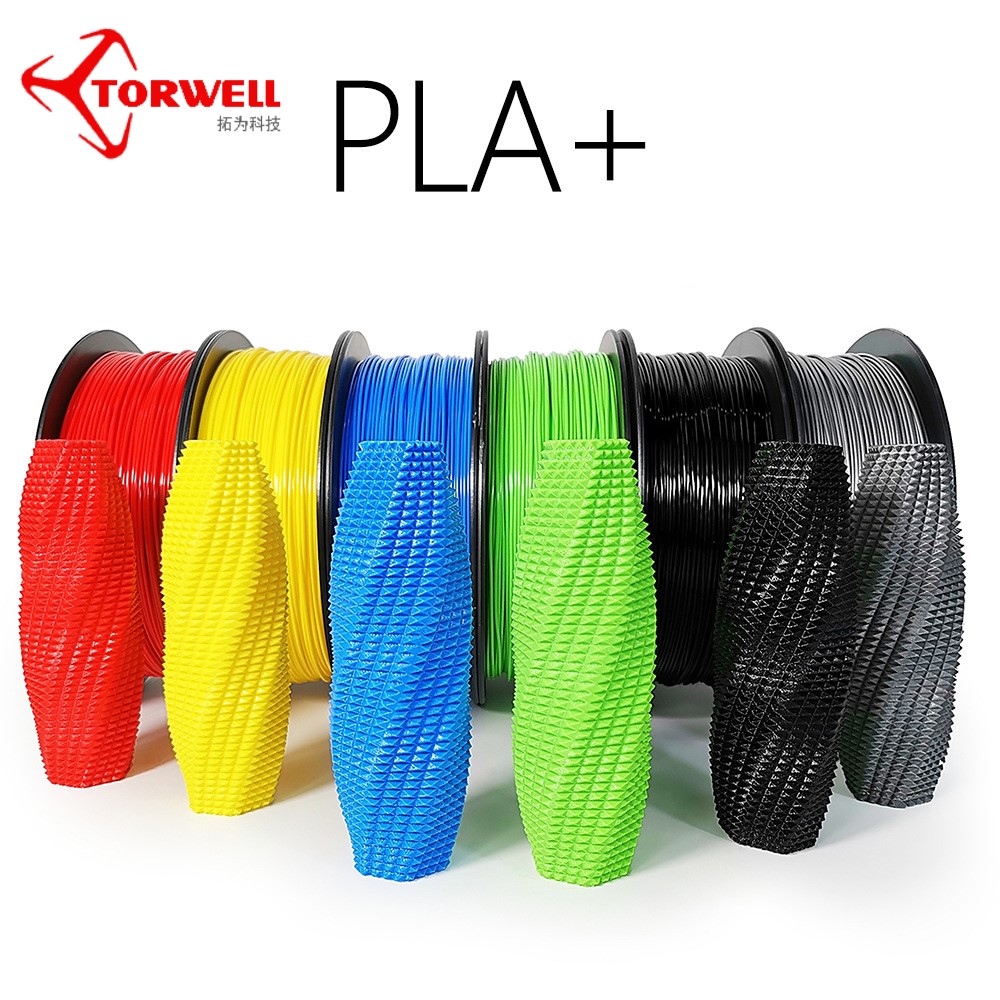
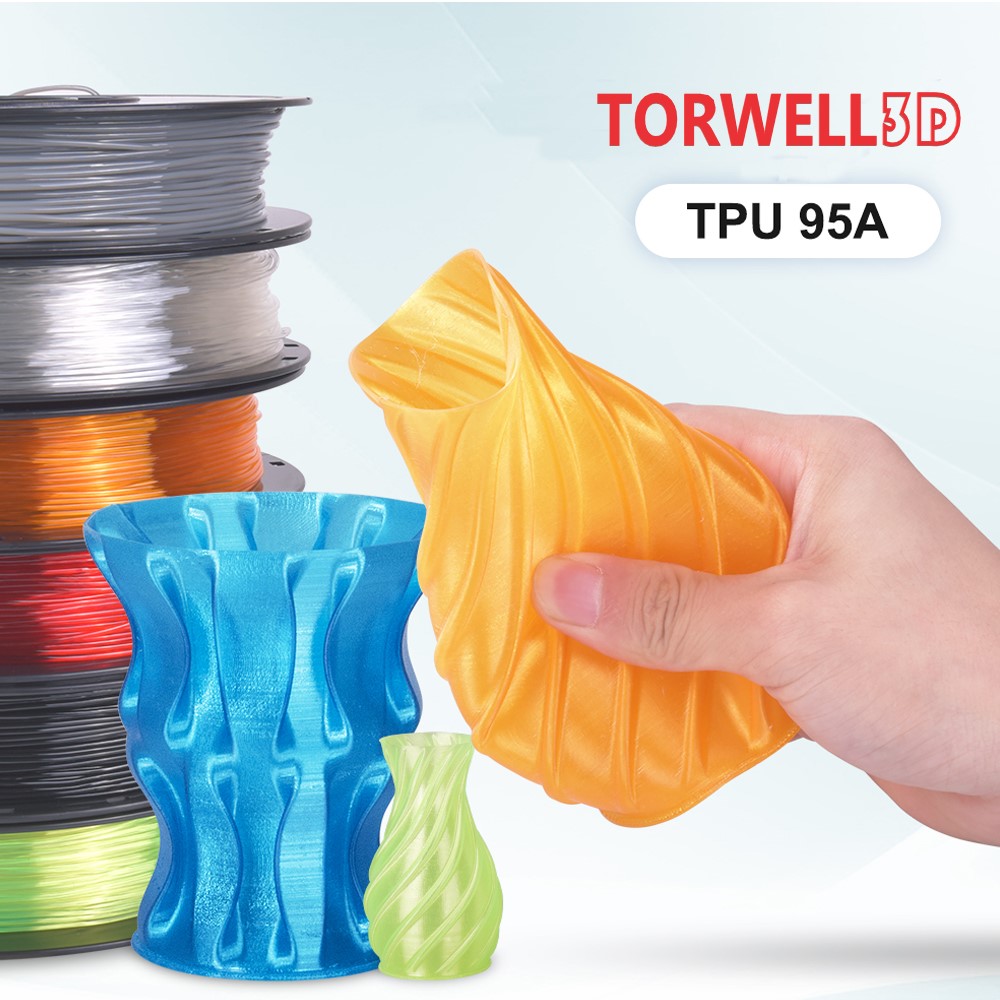
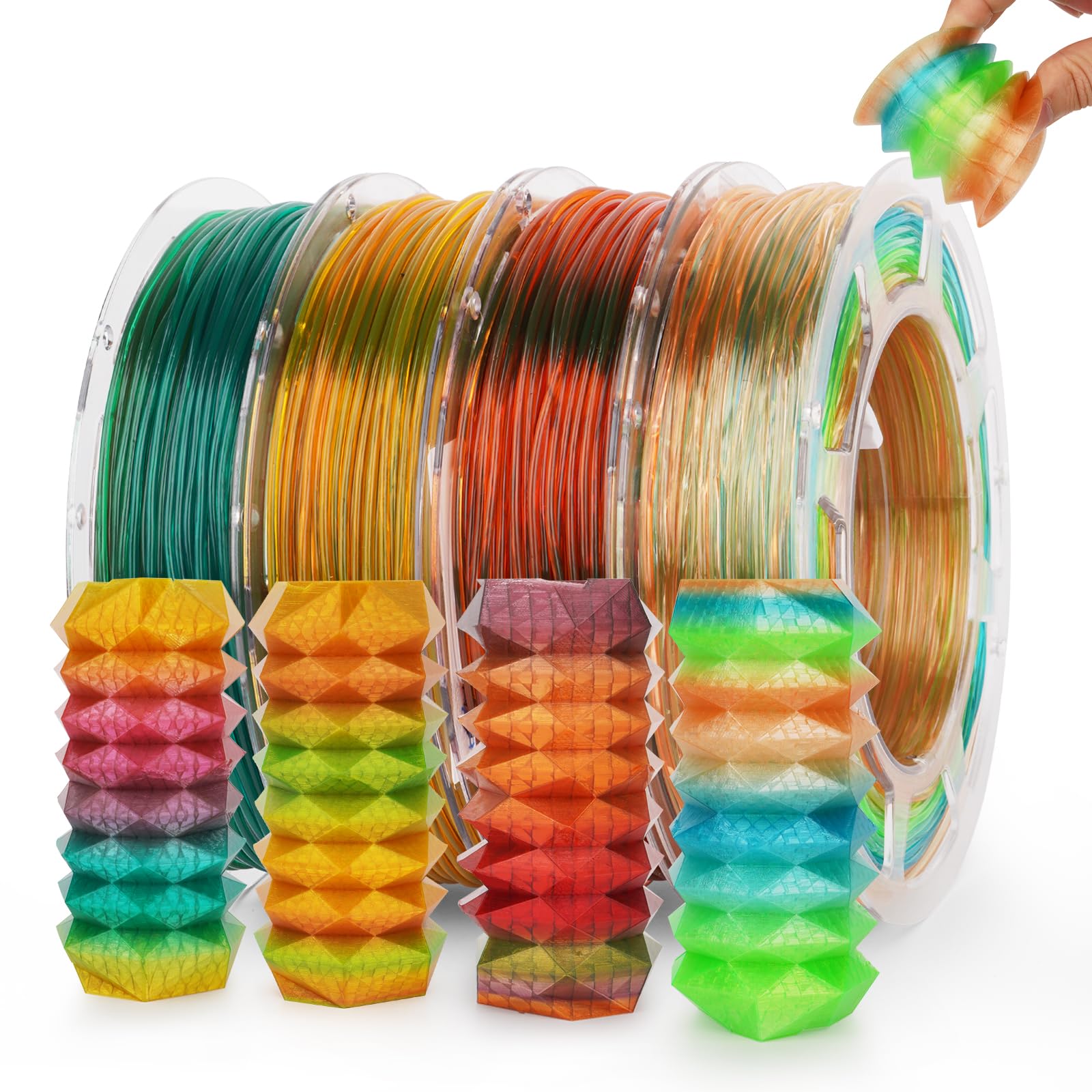
Comprehensive 3D Printing Material Portfolio
Review our extended series of engineering, flexible, and high-strength thermoplastic filaments manufactured for global distributors and industrial end-users.
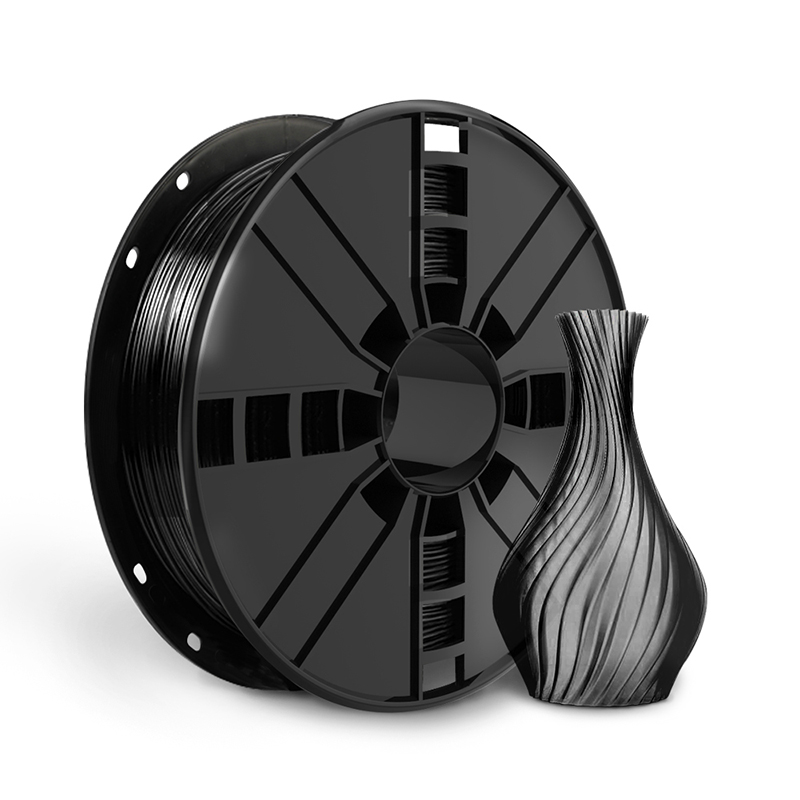
Wholesale Supply Chain & Japanese Distribution Channels
For Japanese trading houses (Sogo Shosha), industrial material wholesalers, and additive machinery manufacturers looking to provide custom private-label spools, Torwell Technologies offers end-to-end OEM and ODM compounding services. We accommodate specific carbon fiber weight percentages (e.g., 10%, 15%, 20%, 25%), custom polymer blends, environmentally conscious cardboard spool packaging, and customized masterbatch colors tailored to corporate identities.
Our strategic export facilities ensure seamless logistics into major Japanese sea freight hubs such as Tokyo, Yokohama, Nagoya, and Osaka/Kobe ports. Backed by RoHS, REACH, MSDS, TUV, and SGS testing credentials, Japanese procurement departments benefit from streamlined customs processing, transparent batch chemical declarations, and reliable continuous replenishment schedules.
Frequently Addressed Specifications
Because chopped carbon fibers are abrasive, we recommend hardened steel, tungsten carbide, or ruby-tipped nozzles with minimum diameters of 0.4px or 0.6px to eliminate nozzle orifice enlargement and clogging.
Hydroscopic matrices such as PA/Nylon are thoroughly dehumidified in industrial ovens prior to vacuum sealing with aluminum-foil desiccant bags, ensuring relative humidity levels remain below 0.05% upon arrival.
Yes. Our partnership with the Institute for High Technology and New Materials enables customized engineering of base resins, flame retardant additives, and fiber loading ratios suited to exact enterprise test specifications.