
Precision 3D Engineering Filaments & Prototyping Essentials
Premium grade thermoplastic compounds and specialized aesthetic filaments verified for additive manufacturing workflows across Western Europe.
The Strategic Rise of Carbon Fiber 3D Materials in the Netherlands
The Netherlands has established itself as one of the most technologically advanced additive manufacturing capitals in Europe. Supported by world-class innovation clusters such as Brainport Eindhoven, the aerospace hub surrounding TU Delft, and maritime industrial centers along Rotterdam and Amsterdam, the demand for composite manufacturing materials has reached unprecedented heights. Carbon fiber reinforced filaments—including Carbon Fiber Nylon (PA-CF), PETG-CF, ABS-CF, and ultra-high-temperature PEEK-CF—are replacing traditional machined metals like aluminum, bronze, and stainless steel in modern Dutch workshops and production lines.
Carbon fiber 3D printing material combines the versatility and geometric freedom of fused deposition modeling (FDM/FFF) with the extraordinary tensile modulus, low weight, and thermal stability of micro-carbon fibers. When chopped short carbon fibers (typically 50 to 150 microns in length) are precisely infused into high-performance polymers, the resulting composite offers remarkable layer bonding, exceptionally low shrinkage rates, and an ultra-matte surface finish that hides layer lines completely.
In the Netherlands, where precision engineering and sustainability go hand in hand, industrial enterprises seek reliable manufacturers and agile factories that can deliver high-volume batches with tight diameter tolerances (±0.02mm), strict moisture control, and 100% batch-to-batch consistency. Our factory provides end-to-end composite formulation, custom compounding, and rapid European logistics to empower Dutch OEM engineers, product designers, and academic researchers.
Why Dutch Engineers Choose Carbon Fiber Composites
• Extreme Strength-to-Weight Ratio: Up to 300% stiffer than virgin base polymers, enabling lightweight end-use components.
• Zero Warping & Superior Dimensional Stability: Carbon fibers reduce the thermal expansion coefficient, preventing bed lift on large prints.
• Chemical & Thermal Resistance: High Heat Deflection Temperature (HDT) allows operational use in harsh environments.
• Premium Technical Texture: A refined, non-reflective matte finish ready for structural end-use without post-processing.
Localized Applications in the Dutch Industrial Landscape
From deep-sea offshore operations to autonomous agricultural machinery, carbon composite filaments drive breakthrough efficiency across key sectors.
Maritime & Offshore Engineering (Rotterdam)
The Port of Rotterdam and offshore marine engineering facilities require corrosion-resistant, lightweight spare parts on demand. Carbon-reinforced PETG and PA materials provide saltwater resistance, oil endurance, and structural integrity for underwater sensor housings, custom pipe flanges, and deck tool fixtures without electrolytic corrosion.
Semicon & Robotics Tooling (Brainport Eindhoven)
Eindhoven's advanced semiconductor equipment makers and mechatronic robotics integrators deploy carbon fiber filaments for end-of-arm tooling (EOAT), robotic gripper jaws, cleanroom alignment jigs, and electrostatic-dissipative (ESD) fixtures where high stiffness and minimal vibration are mission-critical.
Aerospace & Drone Prototyping (Delft / Noordwijk)
Working alongside institutions like the European Space Research and Technology Centre (ESTEC) in Noordwijk and aerospace labs in Delft, carbon fiber filaments supply ultra-rigid aerodynamic drone airframes, antenna brackets, satellite test mounts, and wind tunnel test mockups capable of handling significant aerodynamic stress.
Smart Agro-Tech & Greenhouse Automation
The Netherlands leads the world in greenhouse agriculture and vertical farming. Automated harvesting grippers, sorting mechanisms, and robotic sensor arms printed with PETG-CF withstand continuous humidity, UV lamp radiation, and cleaning chemical contact while operating 24/7 in Westland greenhouses.
Automotive & Electric Mobility (Helmond Automotive Hub)
From solar-powered vehicles developed in Eindhoven to custom race cars and electric bus fleet retrofits, carbon fiber 3D printing accelerates rapid functional iteration for lightweight brackets, dashboard enclosures, battery module mounts, and aerodynamic splitters.
Medical Orthotics & Personalized Prosthetics
Dutch biomedical workshops utilize biocompatible carbon-infused polymers to manufacture customized leg braces, cranial remolding orthoses, and prosthetic sockets that provide maximum stiffness and durability while cutting overall patient carry weight by up to 40%.
Factory Manufacturing Standards & Quality Management
Our integrated manufacturing plants utilize high-precision extrusion systems, premium global raw materials, and strict multi-tier quality control protocols.
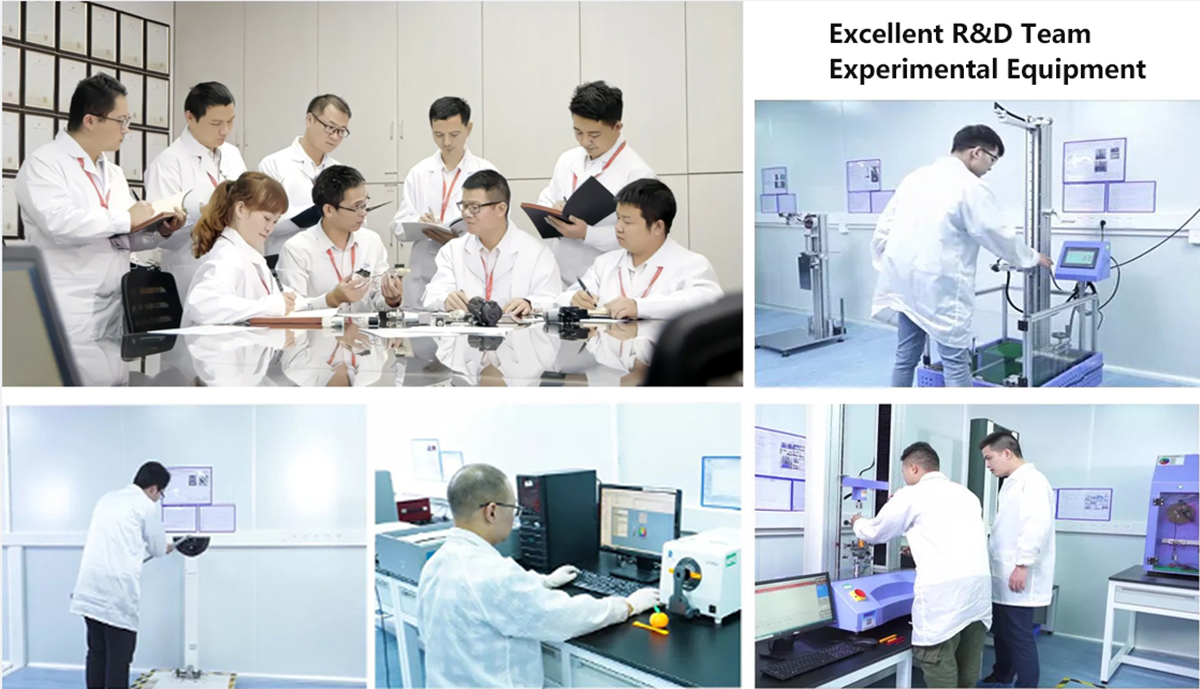
Quality Control
The factory area has passed ISO45001 occupational health and safety management system certification. Every new employee must be experienced one week of safety production knowledge teaching and two weeks of produce skills training, and master every course in the production process. Who is in the position will be responsible for its duty.
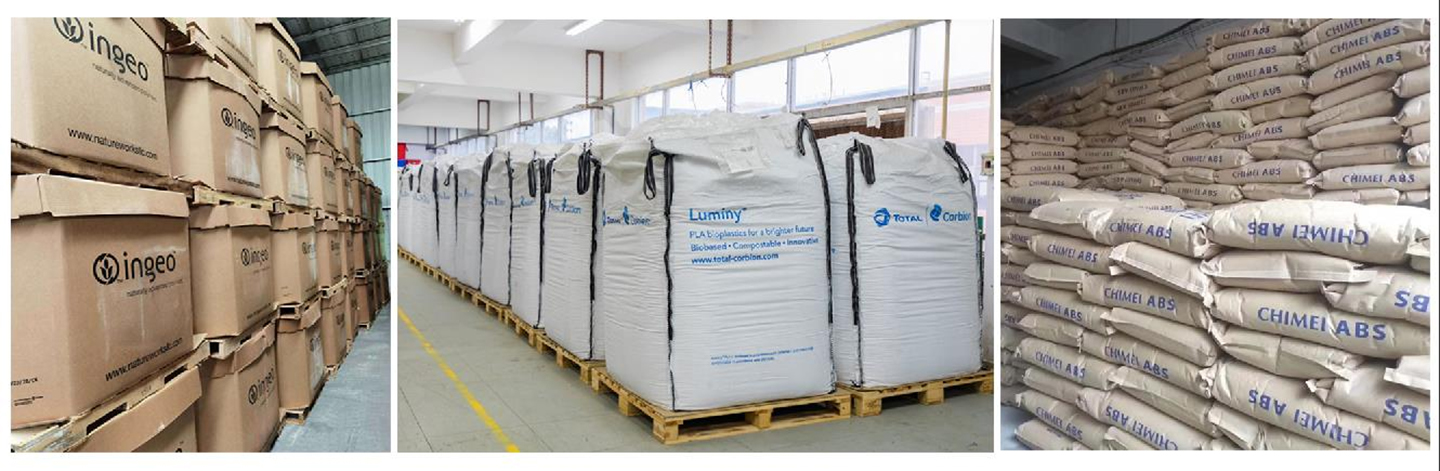
Raw Material
PLA is the most preferred material for 3D printing, Torwell firstly chooses PLA from US NatureWorks, and Total-Corbion is the alternative. ABS from TaiWan ChiMei, PETG from South Korea SK. Each batch of main raw materials comes from the partners who has cooperated more than 5 years to ensure the reliability of the products from the source. Each batch of raw materials will undergo parameters inspection before produce to ensure that raw materials are original and virginal.
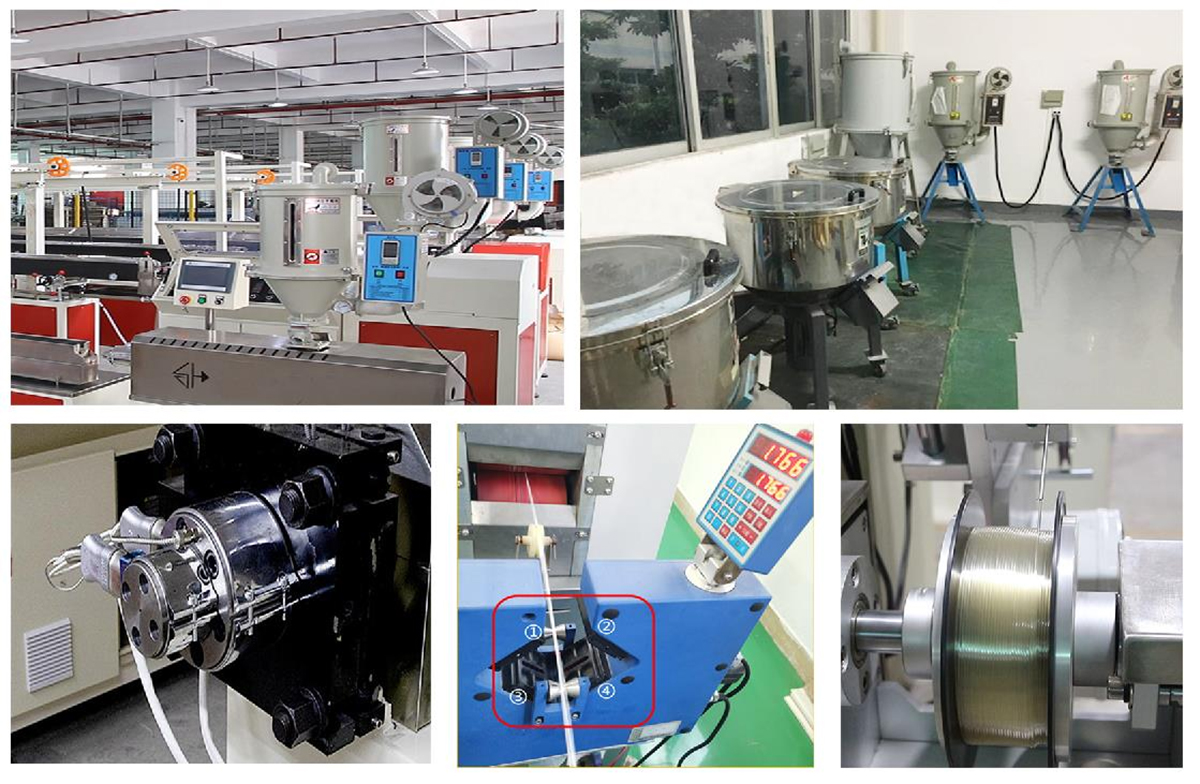
Equipment
The manufacturing workshop will make arrangements after the inspection of raw materials, at least two engineers cross-check the clearance of mixing tank, color mixed of material, humidity from hopper dryer, temperature of extruder, hot/cool tank, and trial-produce and debugging the produce line to make sure all of processes in the best condition. Maintain the filament Diameter tolerance +/- 0.02mm, Roundness tolerance +/- 0.02mm.
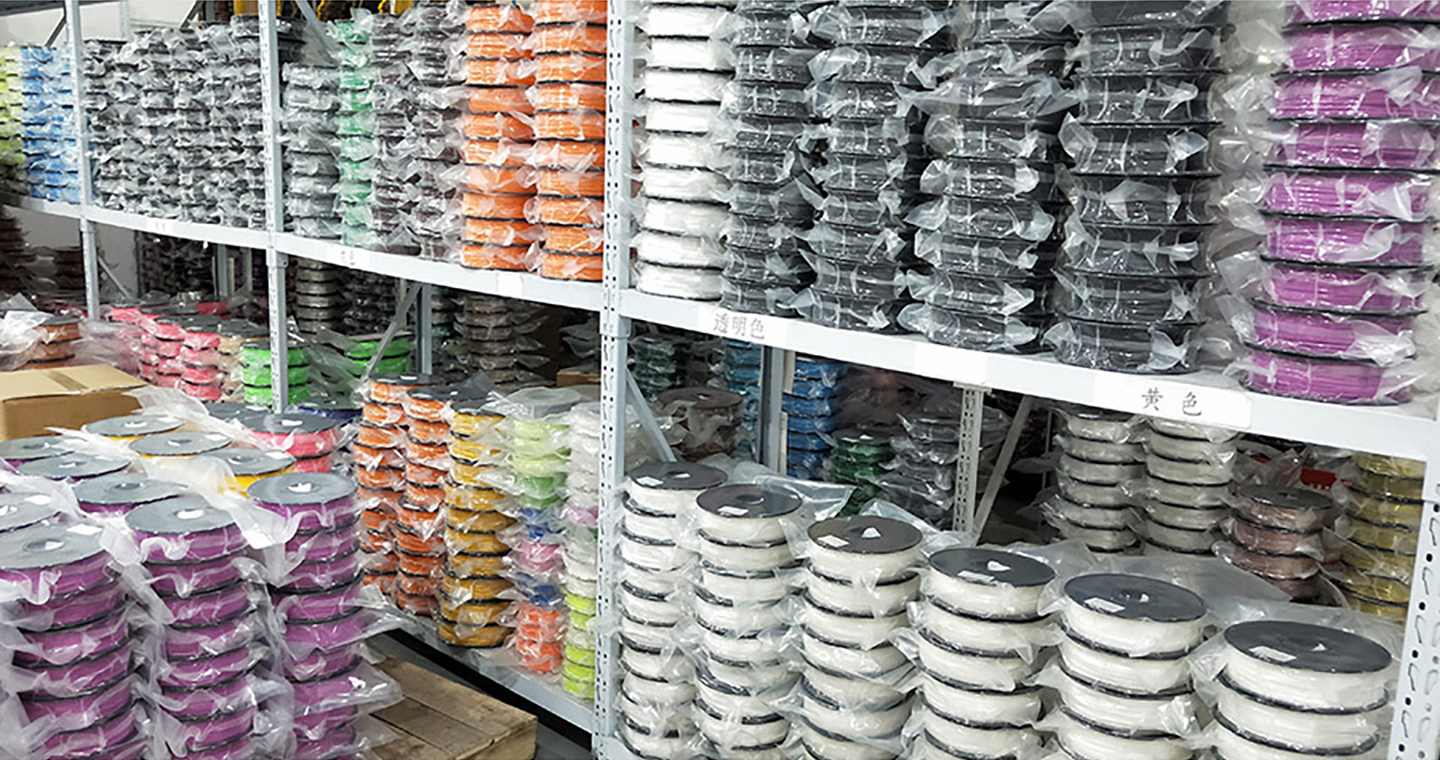
Final Inspection
After each batch of 3D filament is produced, two quality inspectors will conduct random inspections on each batch of finished products in accordance with the requirements of the standard, such as diameter tolerance, color consistency, strength and toughness and so on. After vacuuming the package, place them for 24 hours to check whether there is any leaking package, then label it and finish the package.
Engineering Specifications: Carbon Fiber Composite Series
Comprehensive physical, mechanical, and thermal metrics for technical additive manufacturing deployment.
| Material Grade | Base Polymer & Reinforcement | Tensile Modulus (MPa) | Heat Deflection Temp (0.45MPa) | Recommended Nozzle Temp | Key Recommended Applications |
|---|---|---|---|---|---|
| Torwell PLA-CF | NatureWorks Ingeo™ + 15% Carbon Fiber | 4,500 – 5,200 | 65°C – 70°C | 210°C – 230°C | Aesthetic rapid tooling, structural prototypes, architectural mockups |
| Torwell PETG-CF | SK Chemicals High-Impact + 20% Carbon Fiber | 5,800 – 6,400 | 82°C – 88°C | 240°C – 260°C | Chemical enclosures, maritime components, greenhouse automation |
| Torwell PA12-CF / PA6-CF | Engineering Polyamide + 25% High-Modulus Carbon | 7,200 – 8,500 | 175°C – 190°C | 270°C – 300°C | End-of-arm robotics, automotive engine brackets, high-load jigs |
| Torwell ABS-CF | TaiWan ChiMei ABS + 15% Micro-Carbon | 4,800 – 5,600 | 98°C – 105°C | 245°C – 265°C | Automotive cabin fixtures, functional electronics housings, impact covers |
| Torwell PEEK-CF | Ultra-Polymer Polyetheretherketone + 30% Carbon | 11,000 – 13,500 | 280°C – 315°C | 390°C – 430°C | Aerospace structural brackets, offshore oil/gas tooling, space satellites |
Complete Filament Series & Production Offerings
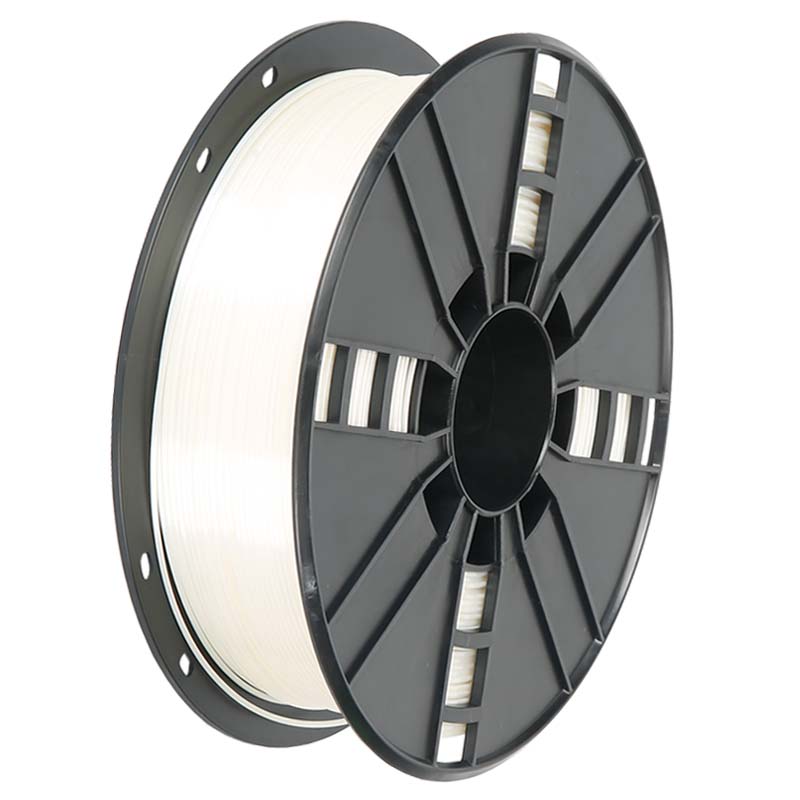
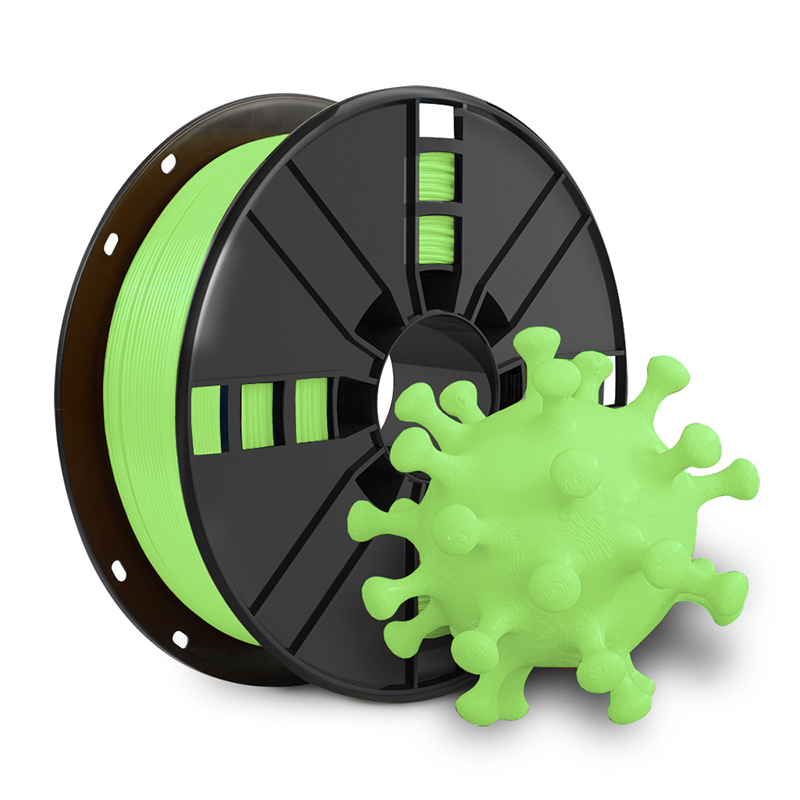
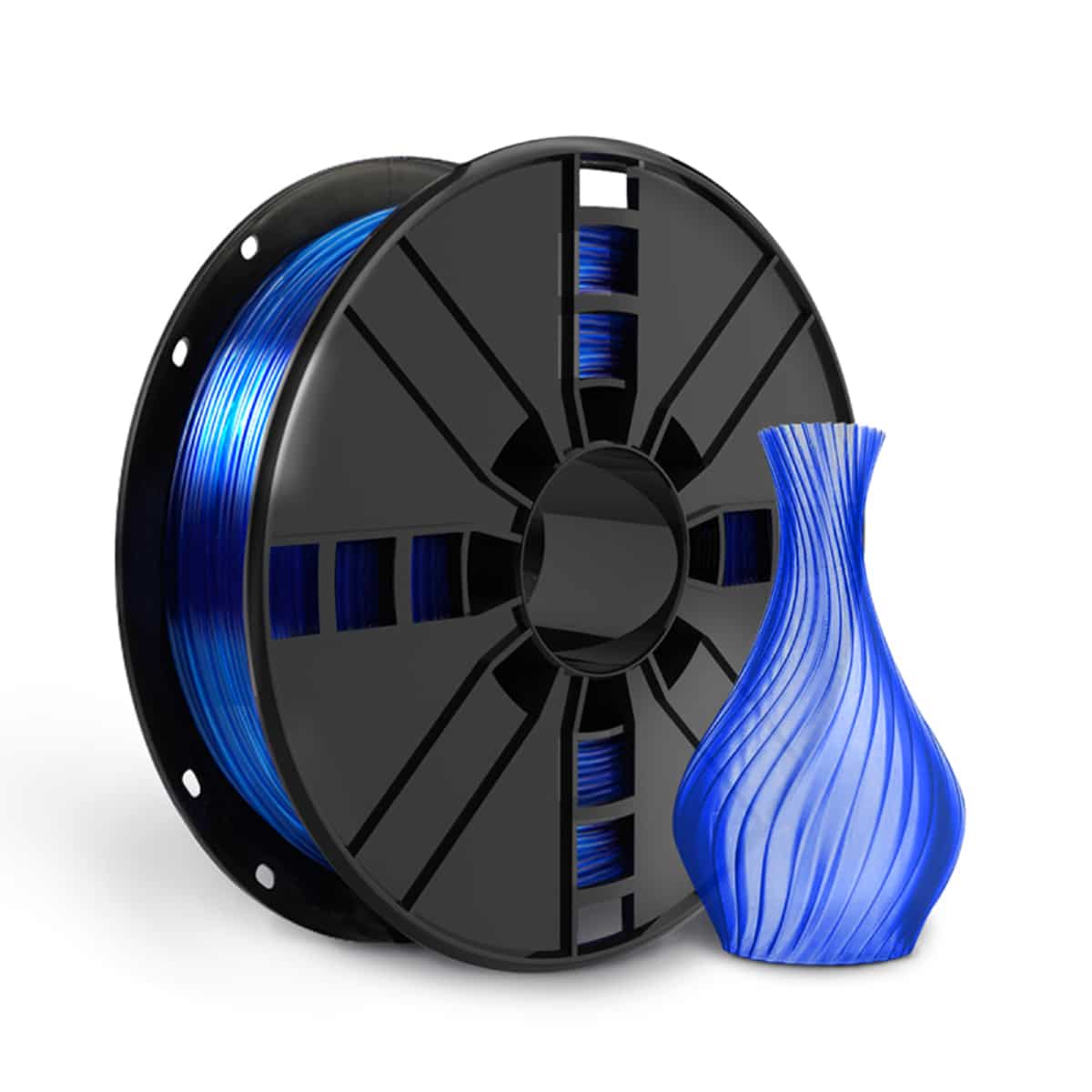
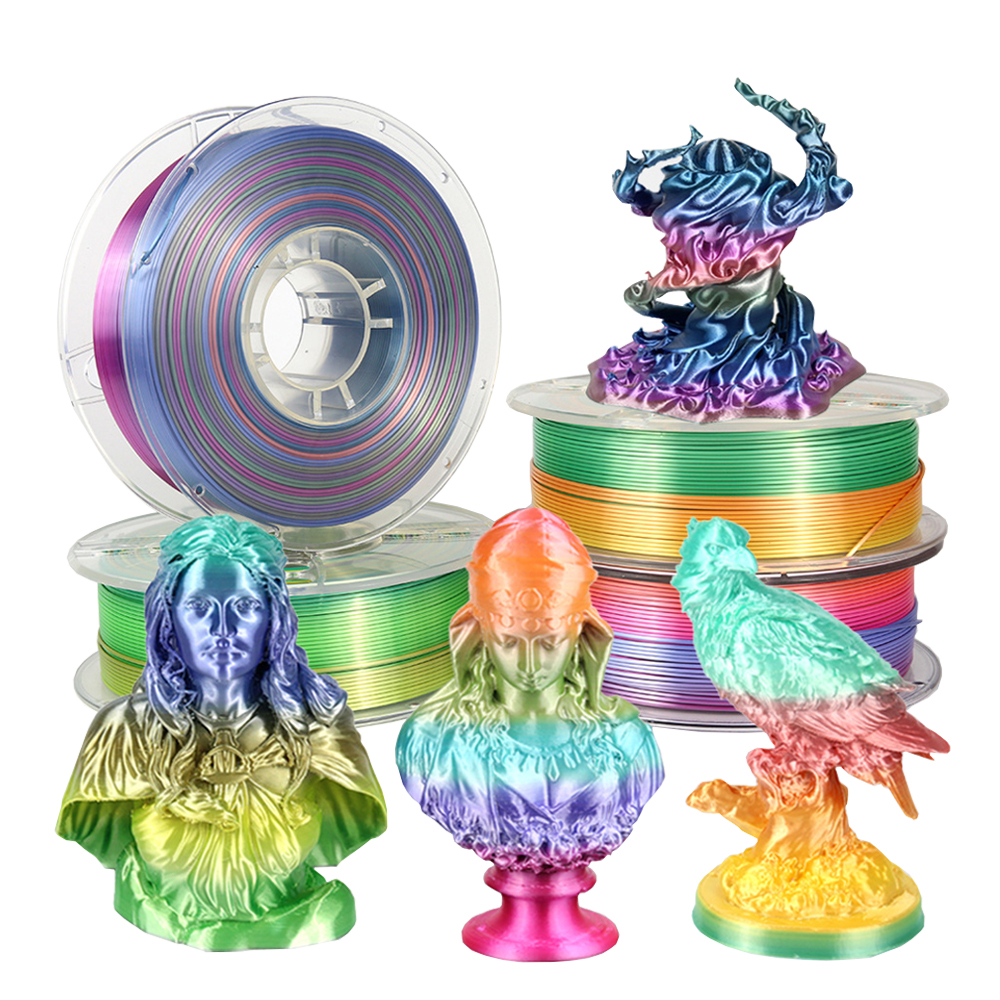
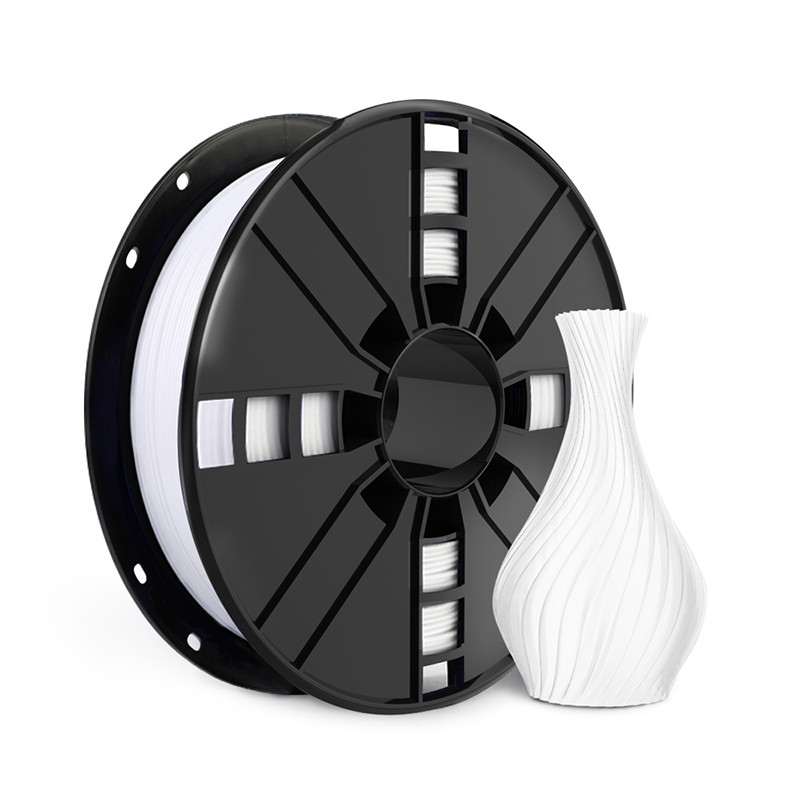
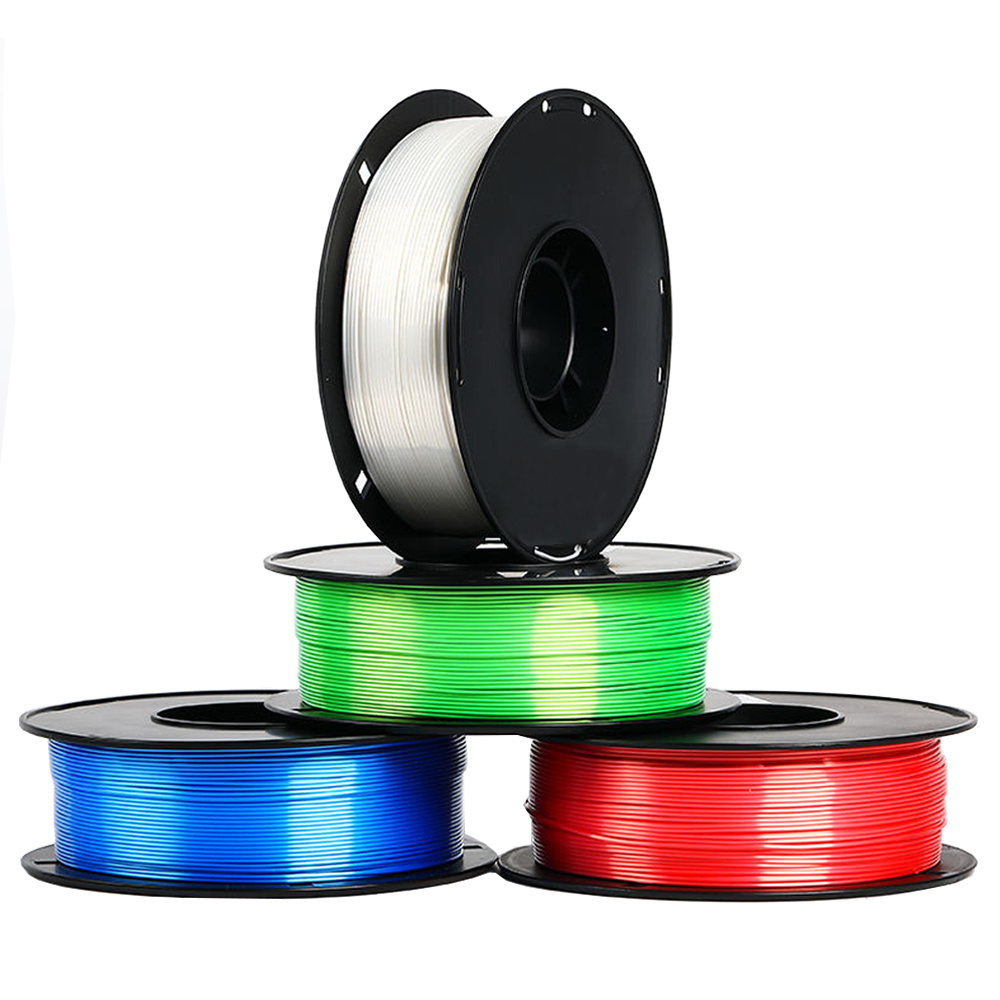
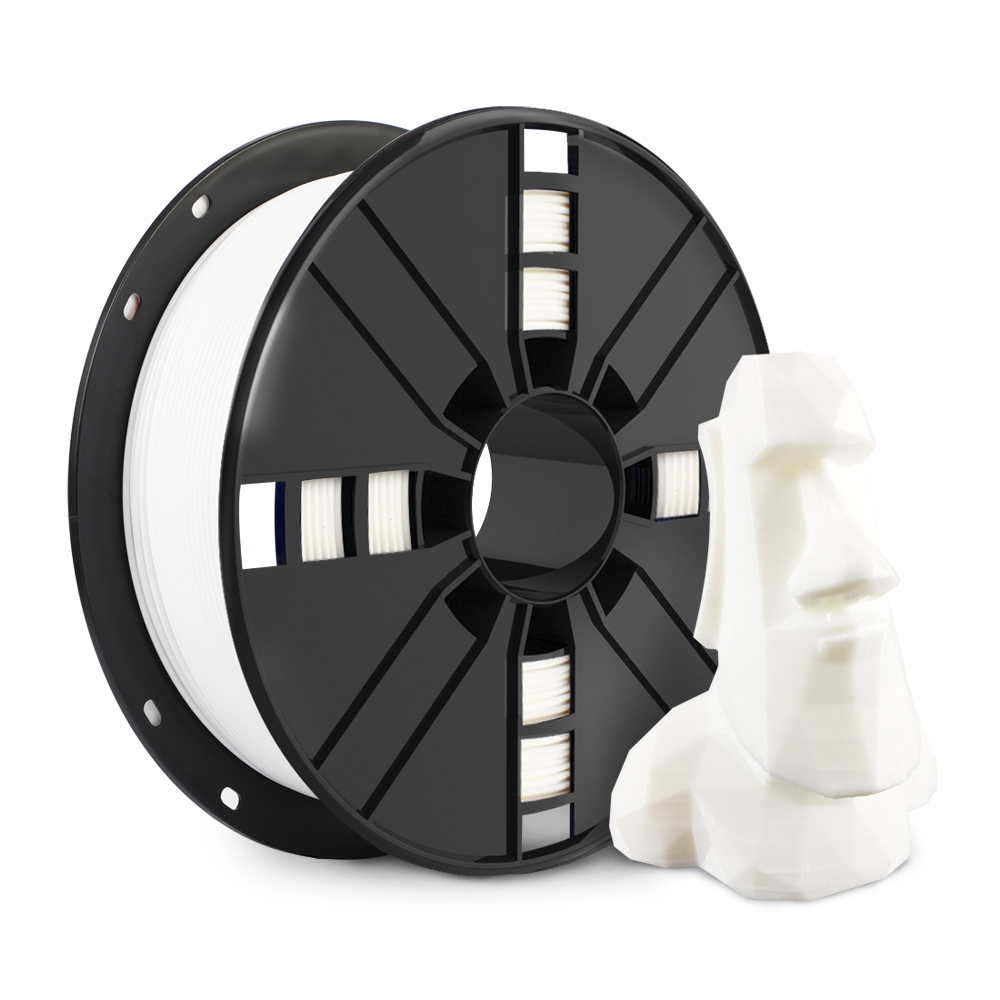
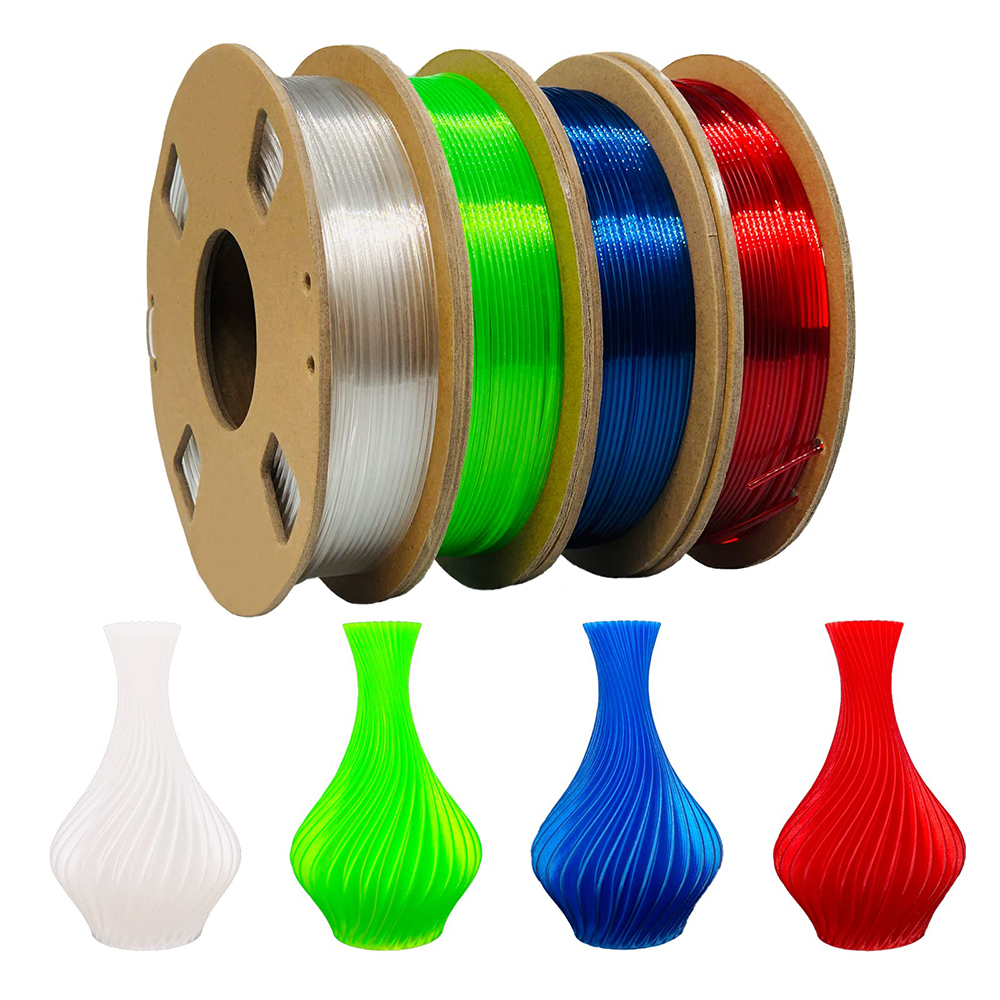
Explore our full range of certified industrial filaments, engineered for outstanding surface finish and maximum mechanical performance.
Future Industry Trends: Circular Composites & High-Speed Additive Extrusion
The Netherlands is a global pioneer in circular economy regulations, targeting a fully circular manufacturing economy by 2050. In line with this environmental imperative, the development of carbon fiber 3D printing materials is advancing towards bio-circular matrices and recycled carbon fiber (rCF) composites. By extracting post-industrial carbon fibers from aerospace trimmings and combining them with renewable bio-polymers like NatureWorks PLA, manufacturers can achieve identical mechanical performance while reducing carbon footprints by up to 65%.
Furthermore, modern high-speed 3D printers operating at speeds between 300mm/s and 600mm/s require advanced filament rheology. Carbon fibers naturally improve heat conductivity inside the hotend, enabling rapid, uniform polymer melting without nozzle cavitation. Torwell continues to optimize its melt-flow index (MFI) and polymer-to-fiber sizing agents to guarantee tangle-free, high-speed extrusions across all open-source and closed-loop European 3D printer platforms.
OEM / ODM Custom Compounding for Dutch & EU Distributors
As an international manufacturing powerhouse, Torwell provides full OEM and ODM services for European brands, filament distributors, and high-tech enterprises. From bespoke fiber loading percentages (10% to 35%) to custom pantone color matching, private-label spooling, laser-etched branding, and eco-friendly cardboard packaging, our manufacturing lines deliver flexible minimum order quantities (MOQs) with reliable European logistics.
Each production run undergoes comprehensive batch testing, including moisture content analysis (<0.05%), melt flow index verification, and continuous dual-axis laser diameter monitoring to ensure complete compliance with European RoHS, REACH, and ISO standards.
Frequently Asked Questions: Carbon Fiber 3D Materials
Essential guidance on printing, nozzle selection, drying parameters, and factory customization.