Specialized 3D Printing Materials for Automotive Exterior Subsystems
From flexible sealing gaskets to high-temperature impact components, explore performance polymers certified for automotive prototyping and low-volume body production.
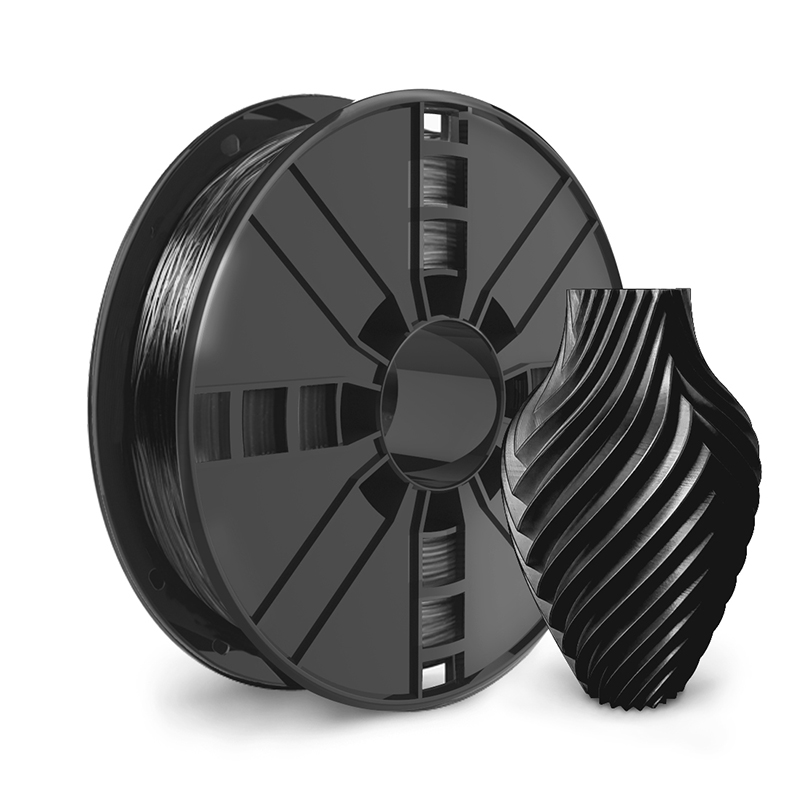
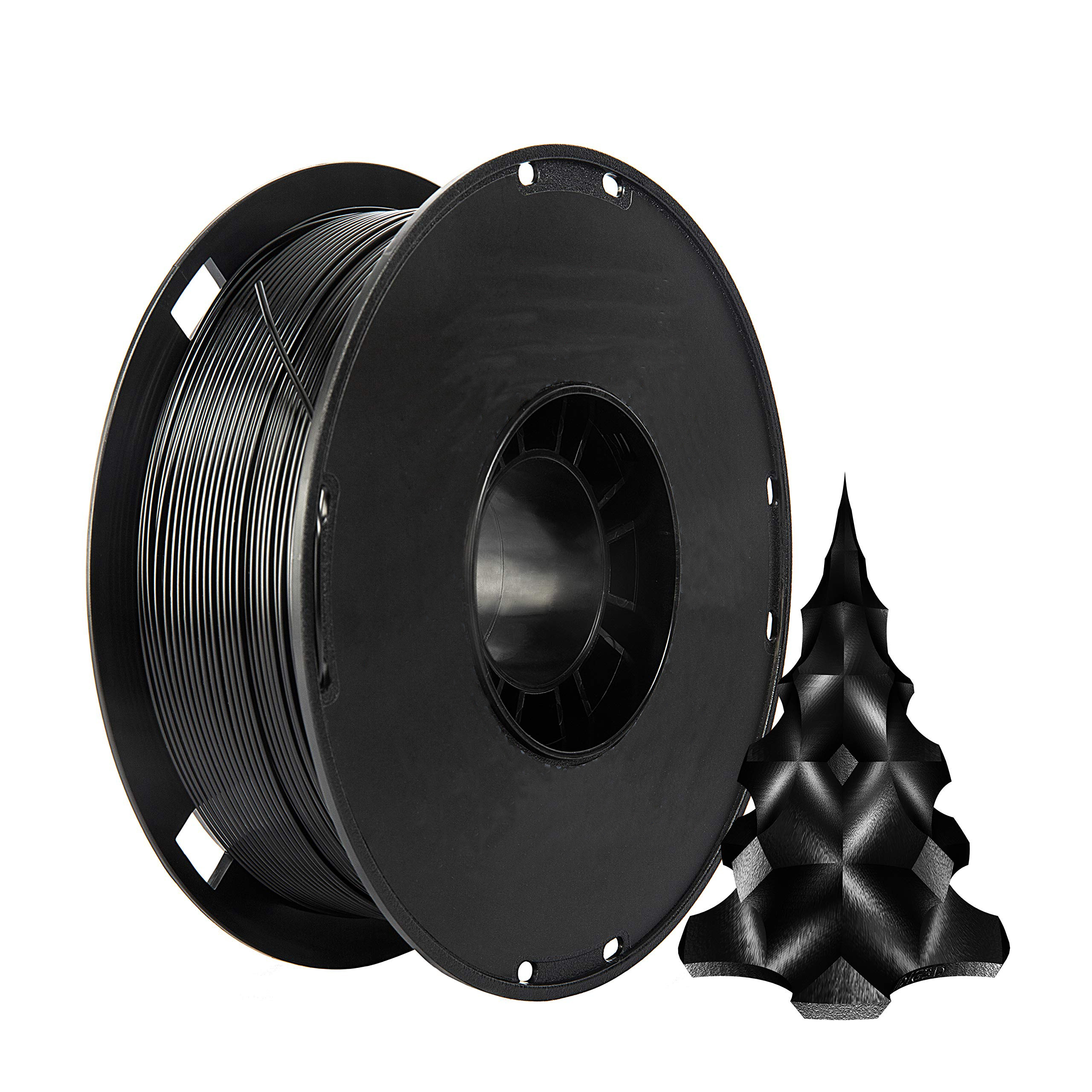
Industrial Evolution: Carbon Fiber 3D Printing in Automotive Exterior Architecture
The automotive engineering sector is experiencing an unprecedented paradigm shift driven by light-weighting directives, rapid electrification, and hyper-customization demands. In traditional automotive manufacturing, Class-A exterior body panels, front splitters, diffusers, mirror housings, and structural aerodynamic cowlings rely heavily on multi-million dollar stamped steel dies or labor-intensive thermoset carbon fiber prepreg autoclaving. While conventional composite layups yield exceptional strength-to-weight metrics, their extreme tooling lead times (often 16 to 28 weeks) and astronomical low-volume tooling costs make agile design iterations economically unviable.
Integrating carbon fiber 3D printing materials—specifically short chopped carbon fiber (CF) reinforced thermoplastics and continuous filament fabrication (CFF)—has transformed automotive exterior manufacturing from a rigid tooling-dependent bottleneck into a fluid, digital-first direct manufacturing process. By dispersing microscopic carbon fibers within engineering polymer matrices such as Polyamide (PA12/PA6), Polycarbonate (PC), PETG, and Polyetheretherketone (PEEK), additive composite materials bridge the gap between pure polymer ductility and metal-grade structural rigidity. In exterior body component design, this capability enables tier-1 automotive suppliers, hypercar constructors, and commercial fleet customizers to produce functional, wind-tunnel-ready aerodynamic assemblies within 48 hours directly from CAD models.
Anisotropic Tensile Reinforcement
High-aspect-ratio carbon microfibers align along extrusion vectors, delivering up to 140 MPa tensile strength and 8.5 GPa flexural modulus for exterior aerodynamic loads.
Near-Zero Thermal Warpage
Carbon fiber minimizes the Coefficient of Thermal Expansion (CTE), ensuring exceptional dimensional fidelity during large-format printing of 1200mm+ body panels.
UV & Chemical Resistance
Engineered matrices combined with carbon shielding resist continuous environmental degradation, road-salt corrosion, hydrocarbons, and solar UV radiation.
Mechanical Performance Comparison: Composite 3D Printing vs Conventional Body Materials
Selecting the optimal material for automotive exterior components involves balancing mass reduction, flexural yield, impact dampening, and thermal deflection under severe operational environments. The table below outlines empirical mechanical specifications comparing standard unfilled plastics, carbon-reinforced 3D printing filaments, and traditional sheet metals used in exterior vehicle skin construction.
| Material Formulation | Tensile Modulus (GPa) | Tensile Strength (MPa) | Heat Deflection Temp (0.45 MPa) | Density (g/cm³) | Primary Automotive Body Application |
|---|---|---|---|---|---|
| Standard Neat ABS | 2.1 - 2.4 | 38 - 45 | 86°C | 1.04 | Interior dashboard brackets, non-structural covers |
| Carbon Fiber Reinforced PA12 (CF-PA12) | 7.8 - 9.2 | 115 - 138 | 178°C | 1.18 | Front bumper splitters, functional hood vents, spoilers |
| Carbon Fiber Polycarbonate (CF-PC) | 6.5 - 7.5 | 85 - 105 | 142°C | 1.22 | Side mirror housings, aerodynamic wheel fairings |
| Continuous CF High-Temp Matrix | 45.0 - 58.0 | 520 - 700 | 210°C | 1.38 | Race-spec rear wings, crash bumper sub-structures |
| Stamped Aluminum 6061-T6 | 68.9 | 310 | > 500°C | 2.70 | OEM structural outer door panels, hood skins |
Deep-Dive Exterior Application Scenarios in Modern Automotive Engineering
Automotive exterior components are subjected to dynamic multi-axial aerodynamic loads, stone chipping at high velocities, extreme cyclic temperature swings (-40°C in winter to +85°C surface heat under desert sun), and aggressive chemical environments. Additive carbon fiber composites resolve critical engineering challenges across diverse exterior domains:
1. Aerodynamic Ground-Effect Splitters & Rear Diffusers
Front splitters and rear underbody diffusers operate in harsh ground-effect airflow regimes where downforce exerts significant bending moments. Unreinforced 3D printed polymers fail due to creeping and structural flutter at high vehicle speeds (>120 km/h). Chopped carbon fiber reinforced nylon (CF-Nylon) possesses extraordinary high flexural modulus that eliminates high-speed flutter while maintaining high izod impact resistance to withstand gravel impingement. By leveraging topology optimization software, automotive engineers generate internal lattice ribbing within the splitter, achieving 40% mass reduction compared to solid vacuum-infused fiberglass while increasing downward load carrying capacity.
2. Lightweight Functional Spoilers & Active Aero Flaps
Active aerodynamics—such as electronically actuated rear spoilers and active front grille shutters—require minimal inertial mass to ensure rapid servomotor response times. Printing the wing profiles and structural hinge brackets using Carbon Fiber PC or CF-PETG allows the integration of internal actuator conduits, air channels, and metallic threaded inserts directly into a single unified monocoque component. This consolidation eliminates dozens of individual fasteners, simplifies assembly lines, and avoids harmonic vibrations caused by multi-piece assemblies.
3. EV Aerodynamic Wheel Fairings & Side Skirts
In Electric Vehicles (EVs), aerodynamic drag accounts for up to 30% of energy consumption at highway speeds. Automakers utilize additive carbon fiber materials to produce ultra-thin, geometrically complex wheel rim inserts and low-drag side skirt extensions. The low density of carbon-doped thermoplastics (1.15 to 1.25 g/cm³) prevents rotational weight penalties on wheel assemblies while extending overall battery driving range through tailored boundary-layer air management.
4. Low-Volume Specialty Vehicles, Motorsports & Hypercar Enclosures
For track cars, commercial prototypes, and bespoke luxury editions, creating traditional steel tooling costing upwards of $500,000 for a batch of 50 vehicles is economically unfeasible. Large-Format Additive Manufacturing (LFAM) combined with Carbon Fiber Pellet Extrusion allows the production of full-scale fender flares, intake scoops, and roof scoops within hours. Once post-processed with automotive-grade UV-resistant 2K clear coats, these components achieve flawless Class-A surface aesthetics matching factory paint finishes.
Emerging Commercial Trends & Additive Manufacturing Industry Horizon
The adoption of carbon fiber 3D printing across the automotive exterior supply chain is accelerating due to three major manufacturing trends:
AI-Optimized Generative Slicing: Modern CAM software integrates generative AI algorithms that align slicing paths with predicted Finite Element Analysis (FEA) aerodynamic load paths. This technique deposits continuous carbon fiber strands precisely along high-stress trajectories, mirroring biological bone structures and delivering maximum structural rigidity with minimum material expenditure.
Circular Economy & Recycled Carbon Fiber (rCF): Sustainability directives from global automotive consortiums are driving the adoption of recycled carbon fiber filaments. Reclaimed aerospace composite scrap is milled into high-purity microfibers and compounded with bio-based Polyamide or circular PETG matrices, cutting lifecycle carbon footprint by over 65% compared to virgin aluminum stamping.
Hybrid Additive Tooling for Rapid Prepreg Molding: Rather than printing end-use panels directly for high-volume series, automotive OEMs utilize ultra-high-temp Carbon Fiber PEEK/PEI filaments to 3D print autoclave-ready layup molds. These additive molds endure 180°C curing cycles at 7 bar pressure, collapsing composite prototype tooling timelines from months to mere days.
Rigorous Quality Management & Production Infrastructure
Ensuring aerospace and automotive tier-1 consistency through certified cleanroom extrusion, global virgin raw materials, and multi-stage laser micrometer tolerance verification.

Quality Control
The factory area has passed ISO45001 occupational health and safety management system certification. Every new employee must be experienced one week of safety production knowledge teaching and two weeks of produce skills training, and master every course in the production process. Who is in the position will be responsible for its duty.
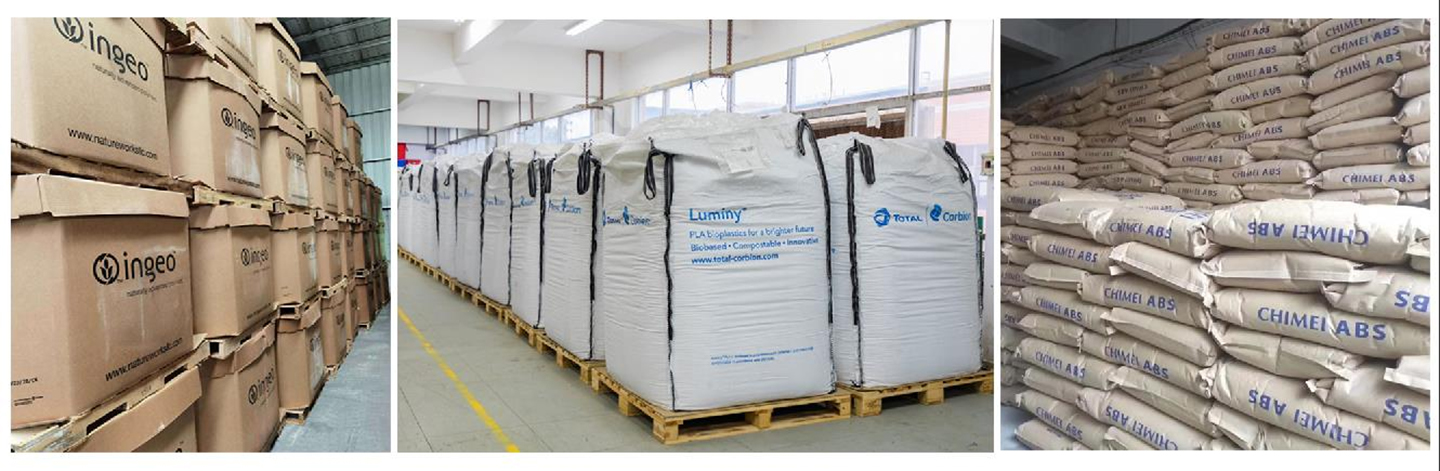
Raw Material
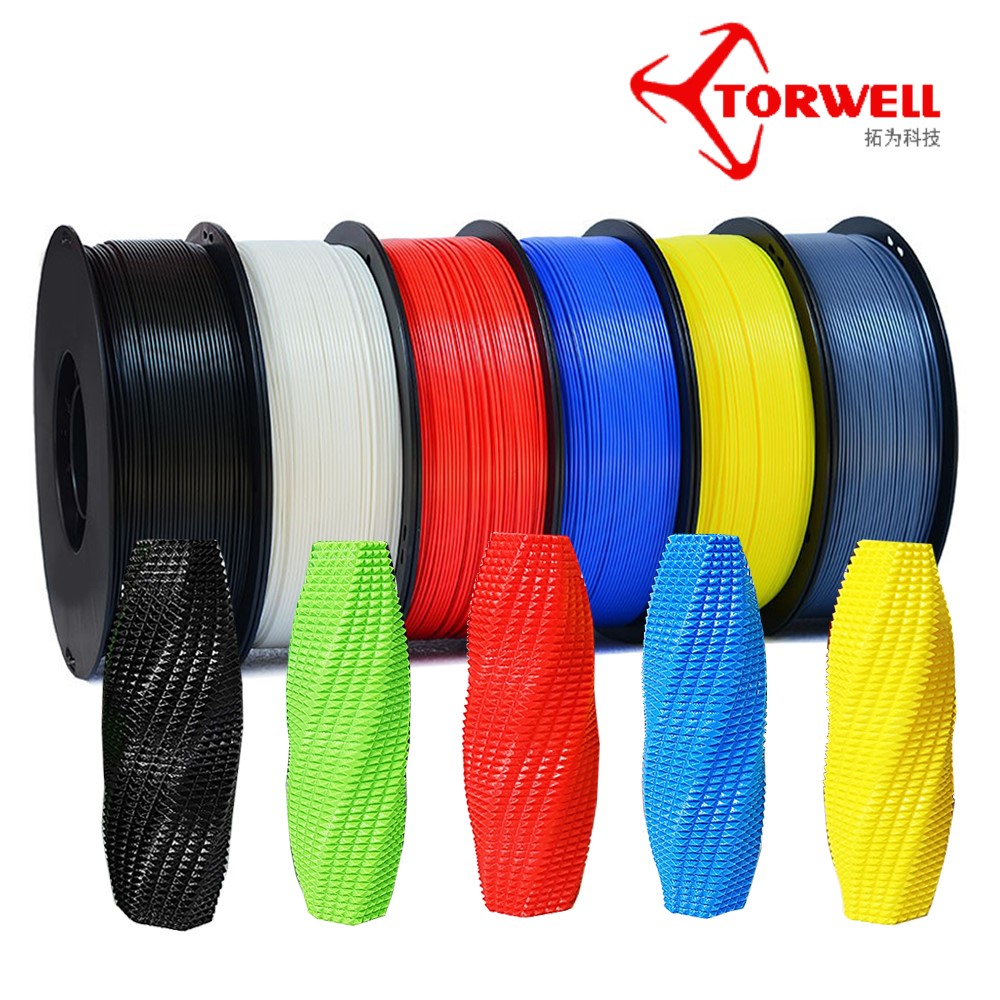
PLA is the most preferred material for 3D printing, Torwell firstly chooses PLA from US NatureWorks, and Total-Corbion is the alternative. ABS from TaiWan ChiMei, PETG from South Korea SK. Each batch of main raw materials comes from the partners who has cooperated more than 5 years to ensure the reliability of the products from the source. Each batch of raw materials will undergo parameters inspection before produce to ensure that raw materials are original and virginal.
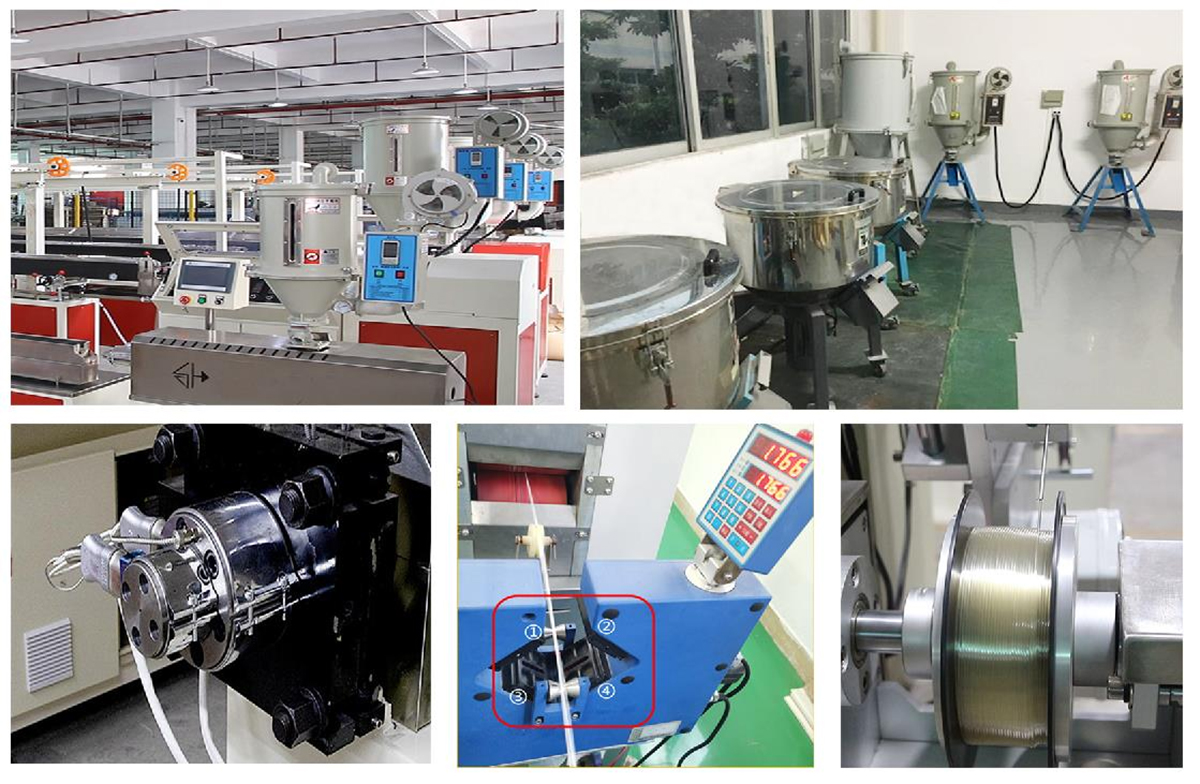
Equipment
The manufacturing workshop will make arrangements after the inspection of raw materials, at least two engineers cross-check the clearance of mixing tank, color mixed of material, humidity from hopper dryer, temperature of extruder, hot/cool tank, and trial-produce and debugging the produce line to make sure all of processes in the best condition. Maintain the filament Diameter tolerance +/- 0.02mm, Roundness tolerance +/- 0.02mm.
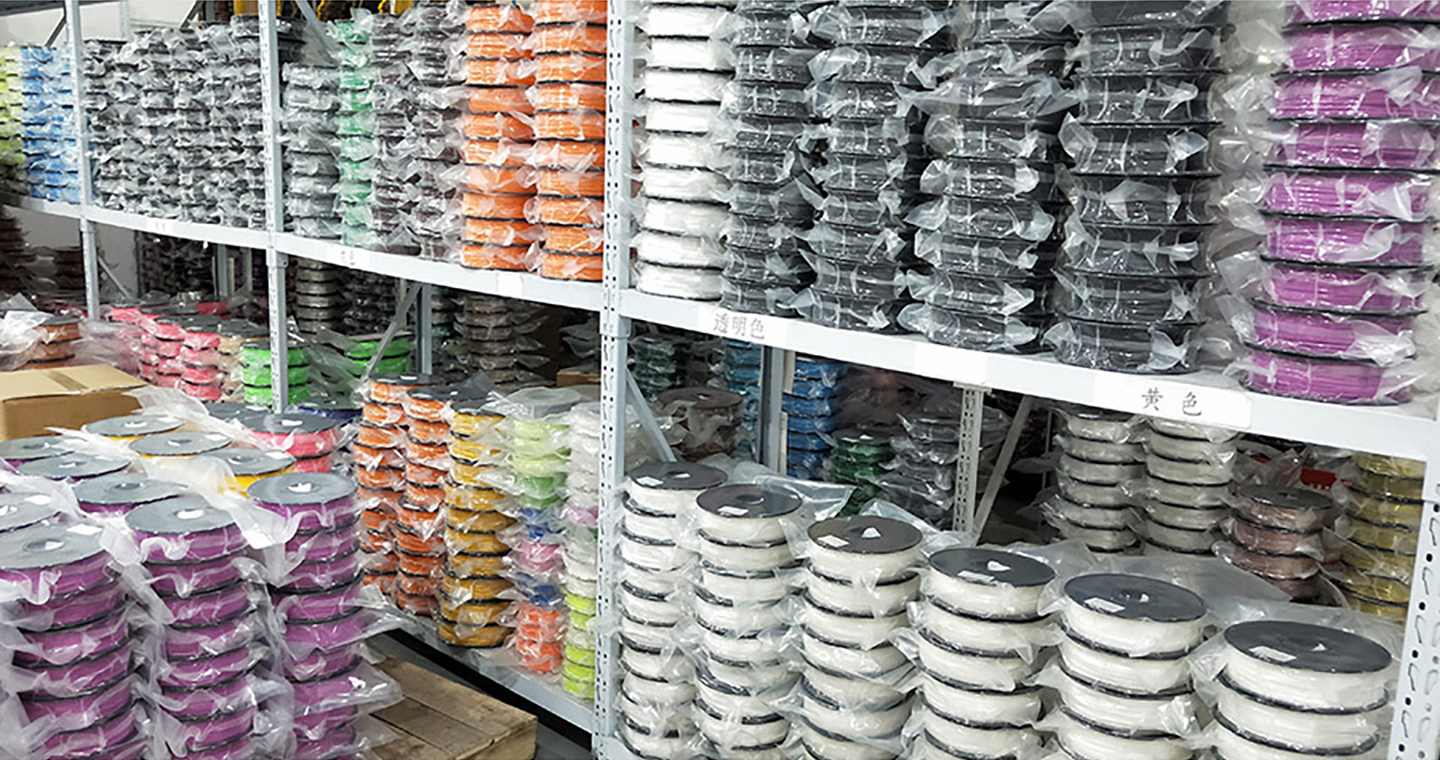
Final Inspection
After each batch of 3D filament is produced, two quality inspectors will conduct random inspections on each batch of finished products in accordance with the requirements of the standard, such as diameter tolerance, color consistency, strength and toughness and so on. After vacuuming the package, place them for 24 hours to check whether there is any leaking package, then label it and finish the package.
Comprehensive 3D Printing Materials for Automotive Engineering
Browse our complete range of certified filaments, engineered for high-precision automotive styling, functional testing, aesthetic presentation, and end-use part manufacturing.