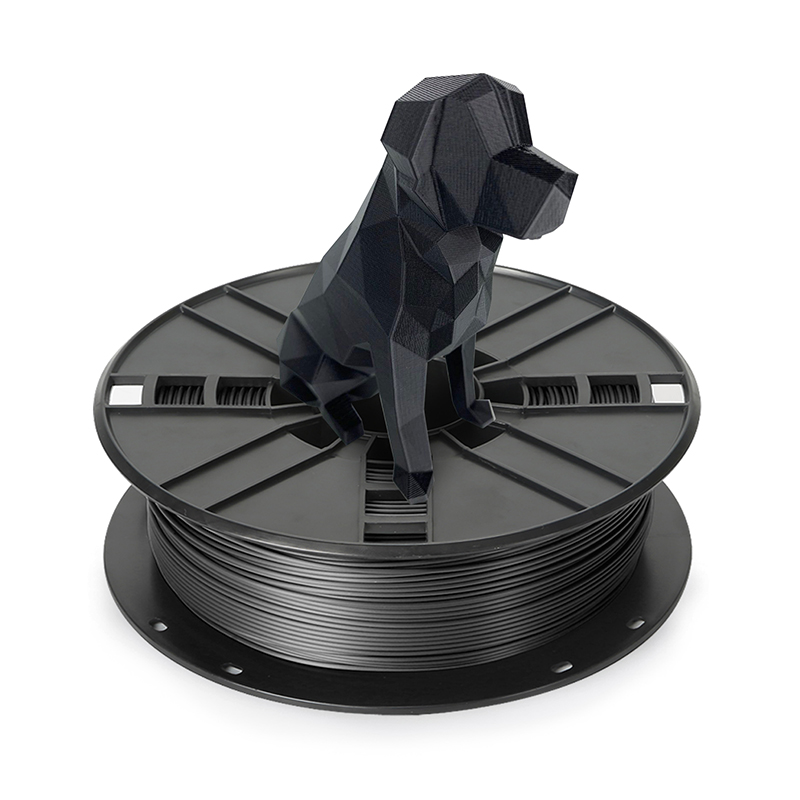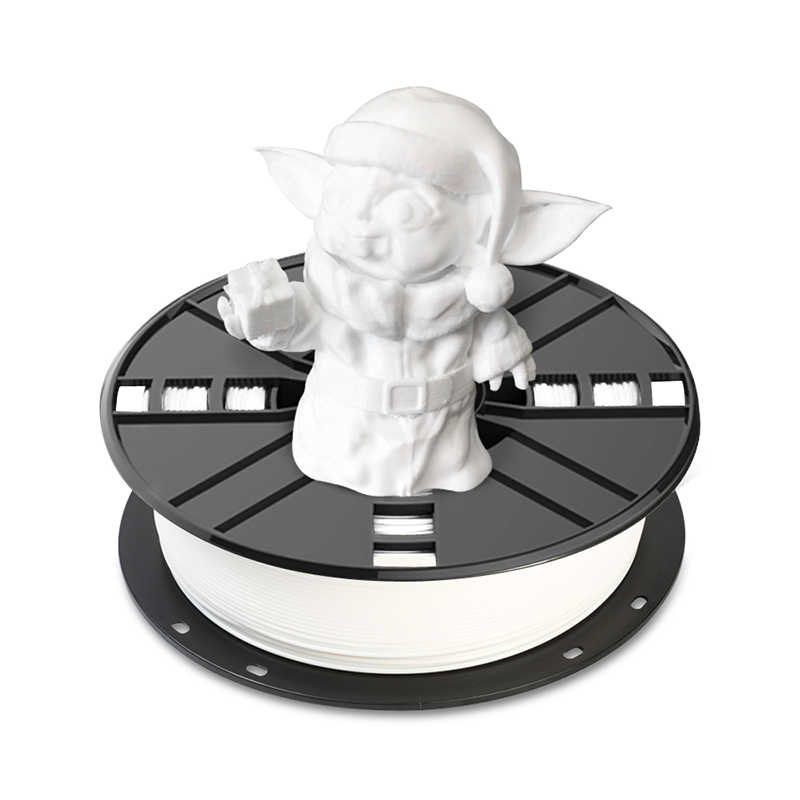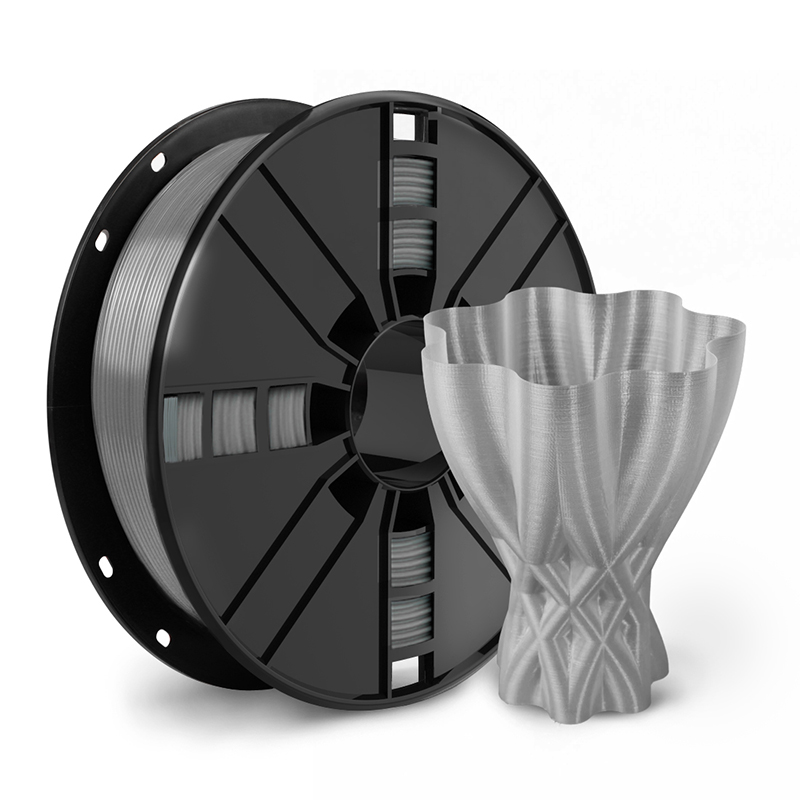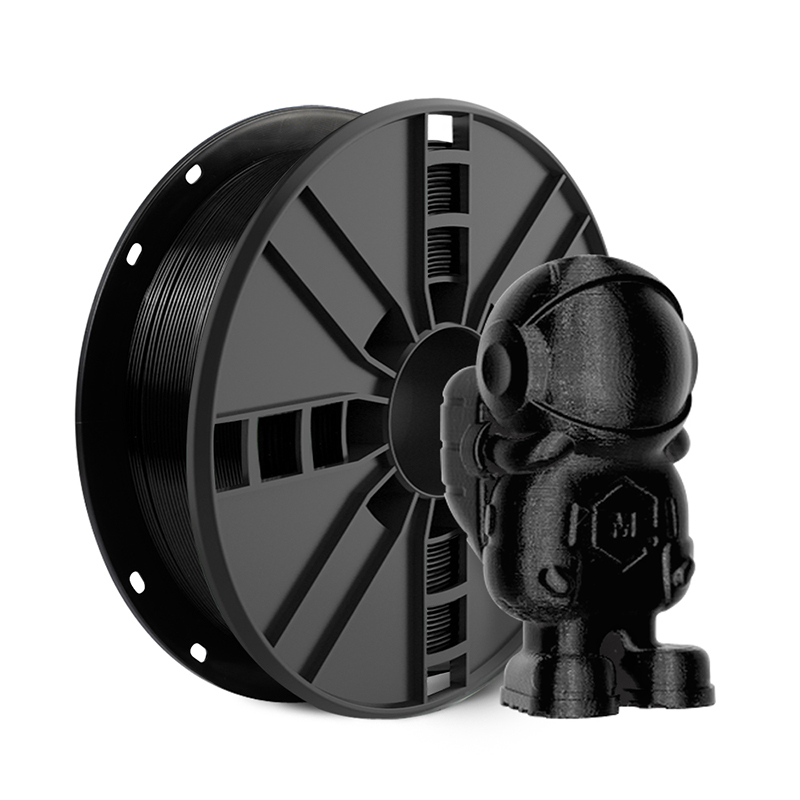
Featured High-Precision Polymers for Vibration Isolation
Engineered structural thermoplastics designed for rapid prototyping and precision manufacturing of industrial anti-vibration fixtures.
1. Industrial Landscape: The Need for Carbon Fiber Filament in Vibration Dampening
Industrial machinery operates under extreme cyclic stresses, continuous dynamic loads, and repetitive harmonic frequencies. From high-speed Computer Numerical Control (CNC) milling beds to dynamic robotic end-of-arm tooling (EOAT) and aerospace payloads, mechanical vibration is the primary cause of premature hardware degradation, acoustic resonance, and dimensional inaccuracies. Traditionally, manufacturers relied exclusively on cast iron, machined aluminum, and vulcanized elastomeric dampers. While metallic mounts offer rigidity, they reflect harmonic frequencies rather than absorbing them, transferring mechanical noise throughout structural assemblies. Conversely, traditional rubber mounts lack the dimensional fidelity and directional stiffness necessary for high-tolerance automation.
The advent of carbon fiber filament for industrial vibration dampening mounts bridges this material divide. By embedding micro-chopped carbon fiber strands into advanced polymer matrices such as PLA, PETG, ABS, and high-performance Nylons (Polyamide), engineers can produce bespoke vibration dampening components that combine high specific modulus, rapid mechanical hysteretic energy dissipation, and dramatic weight reductions. Additive manufacturing unlocks optimized topology, allowing internal lattice structures, gyroid infills, and tuned mass damping cavities directly within the mounting blocks.
Viscoelastic Synergy
Leverages micro-friction along short carbon fiber boundaries to dissipate cyclic mechanical vibrations into minimal thermal dissipation.
Exceptional Specific Stiffness
Maintains high structural rigidity to avoid mechanical deflection under load while preventing resonance peak amplification across wide frequency spectra.
Tailored Lattice Architectures
Enables 3D infill engineering (triply periodic minimal surface, gyroid) to physically redirect wave propagation through destructive interference.
2. Technical Mechanics of Vibration Isolation via Carbon Fiber Composites
The damping mechanism in carbon fiber reinforced filament is fundamentally distinct from isotropic metals. In solid aluminum or steel, mechanical shockwaves propagate cleanly with very low internal friction, leading to sustained ring-down oscillations unless augmented with external hydraulic or elastomeric dampers. Carbon-infused filament operates on an interfacial shear strain model:
Furthermore, Fused Deposition Modeling (FDM) extrusion processes inherently create semi-isotropic cellular structures. By selectively adjusting extrusion wall count, top/bottom skin thickness, and infill percentages (30% to 70% gyroid infill), mechanical design engineers can tune the natural frequency ($f_n$) of an anti-vibration mount to bypass the operational harmonic frequencies of surrounding electric servomotors, linear actuators, or pneumatic cylinders.
3. Comparative Matrix: Carbon Fiber Filaments vs. Traditional Mount Materials
| Performance Characteristic | Chopped Carbon Fiber Filament | Machined 6061-T6 Aluminum | Standard Vulcanized NBR Rubber |
|---|---|---|---|
| Specific Modulus (Stiffness-to-Weight) | Extremely High (Reinforced Matrix) | Moderate to High | Low (Flexible only) |
| Inherent Dynamic Loss Factor ($\eta$) | High (Polymer-Fiber Boundary Friction) | Extremely Low (Rings continuously) | High (Hysteresis loss) |
| Custom Geometric Adaptability | Immediate via Parametric 3D CAD | Requires 5-Axis CNC / High Cost | Requires Expensive Compression Molds |
| Chemical & Oil Resistance | Superior (Matrix Dependent: PA/PETG) | Susceptible to galvanic oxidation | Degrades under cutting oils & fuels |
| Production Turnaround | Rapid On-Demand Rapid Fabrication | Weeks (Tooling & Setup) | Weeks/Months (Tooling fabrication) |
4. Deep-Dive Industrial Application Scenarios
High-Velocity Pick-and-Place Robotic Tooling
In high-speed delta and SCARA robotic architectures, inertial vibrations during rapid deceleration limit production cycles per minute. Machined aluminum mounting brackets transfer intense shock directly back into the robotic wrist gears and drive motor encoders. Custom-printed carbon fiber filament mounts provide the structural rigidity necessary to prevent end-effector tip deflection while providing localized vibration suppression, protecting sensitive optical vision systems and reducing cycle settling time by up to 34%.
Optical Table Sub-Mounts and Metrology Fixtures
Laser interferometer benches and coordinate measuring machines (CMM) are susceptible to floor vibrations generated by HVAC chillers, nearby forklift traffic, and adjacent stamping equipment. Multi-phase isolator cups 3D printed with Torwell PLA Carbon Fiber composite act as non-conductive, structurally ultra-rigid bases that isolate sub-micron metrology instrumentation from high-frequency floor disturbances.
Unmanned Aerial Vehicle (UAV) & Aerospace Gimbal Stabilization
Aerial sensor packages must eliminate high-frequency motor frequencies (typically 200 Hz to 2 kHz) without introducing parasitic payload mass. Monolithic carbon fiber damping cages 3D printed with thin-wall hollow matrices replace heavy metal bracketry, eliminating camera jello effects and improving inertial sensor gyro stability under severe turbulence.
5. Commercial Market Trends & Additive Manufacturing Advancements
The global vibration dampening equipment market is shifting away from off-the-shelf catalog parts toward hyper-customized, application-specific mounting systems. Key industry drivers include:
- Integration of On-Demand Inventory (Digital Warehousing): Maintenance, Repair, and Operations (MRO) departments in automated assembly plants no longer store thousands of distinct elastomer isolators. Instead, they store high-consistency spools of composite carbon filament and print replacements directly within hours.
- Continuous Fiber vs. Short Chopped Fiber Synergy: Advancements in pellet and filament compounding techniques have elevated chopped carbon fiber loading ratios up to 20-30% by weight without causing nozzle clogs, ensuring superior tensile modulus and smooth surface finishes.
- Multi-Material Co-Extrusion: Advanced manufacturing cells leverage dual-extrusion printers to combine high-damping flexible polymers (such as TPU) inside a rigid carbon fiber filament outer shell, forming a hybrid constrained-layer dampener (CLD) in a single continuous print run.
Precision Manufacturing & Quality Control Infrastructure
Our ISO-certified manufacturing footprint ensures high-tolerance dimensional stability and filament roundness across every composite batch.
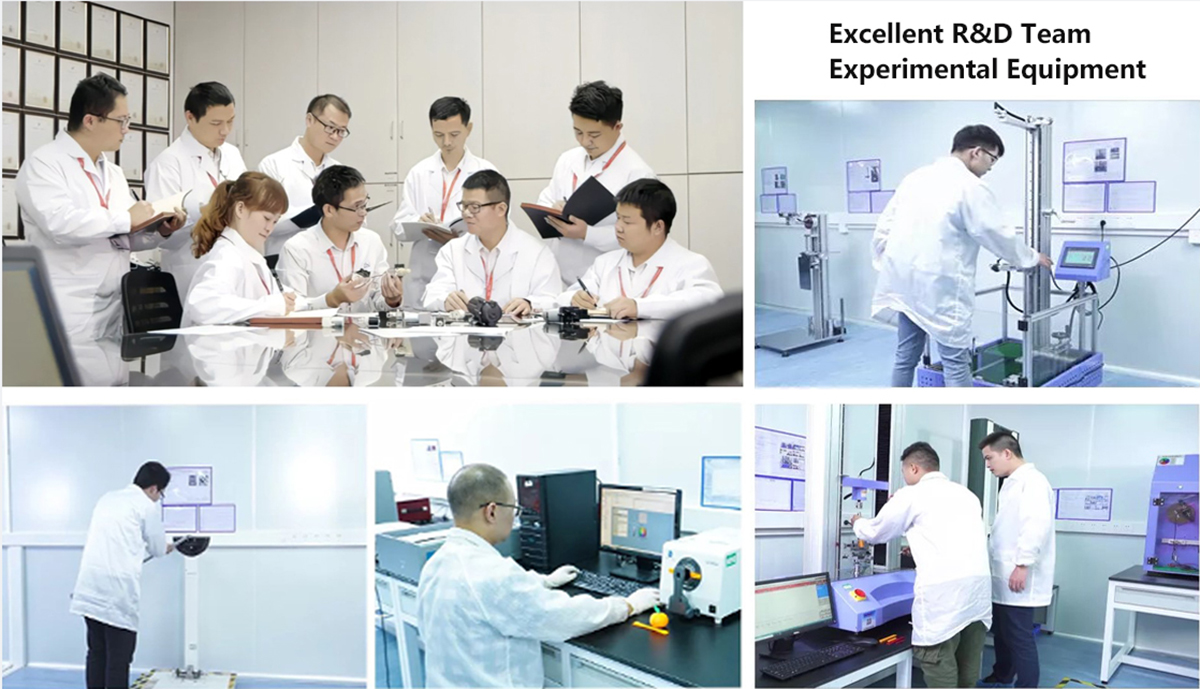
Quality Control
The factory area has passed ISO45001 occupational health and safety management system certification. Every new employee must be experienced one week of safety production knowledge teaching and two weeks of produce skills training, and master every course in the production process. Who is in the position will be responsible for its duty.
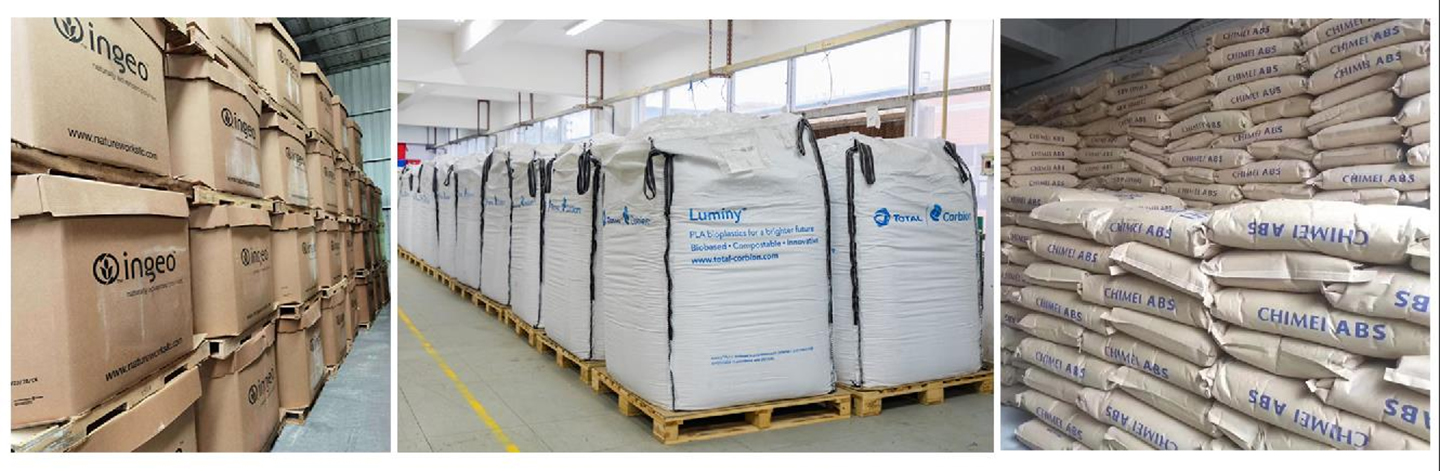
Raw Material
PLA is the most preferred material for 3D printing, Torwell firstly chooses PLA from US NatureWorks, and Total-Corbion is the alternative. ABS from TaiWan ChiMei, PETG from South Korea SK. Each batch of main raw materials comes from the partners who has cooperated more than 5 years to ensure the reliability of the products from the source. Each batch of raw materials will undergo parameters inspection before produce to ensure that raw materials are original and virginal.
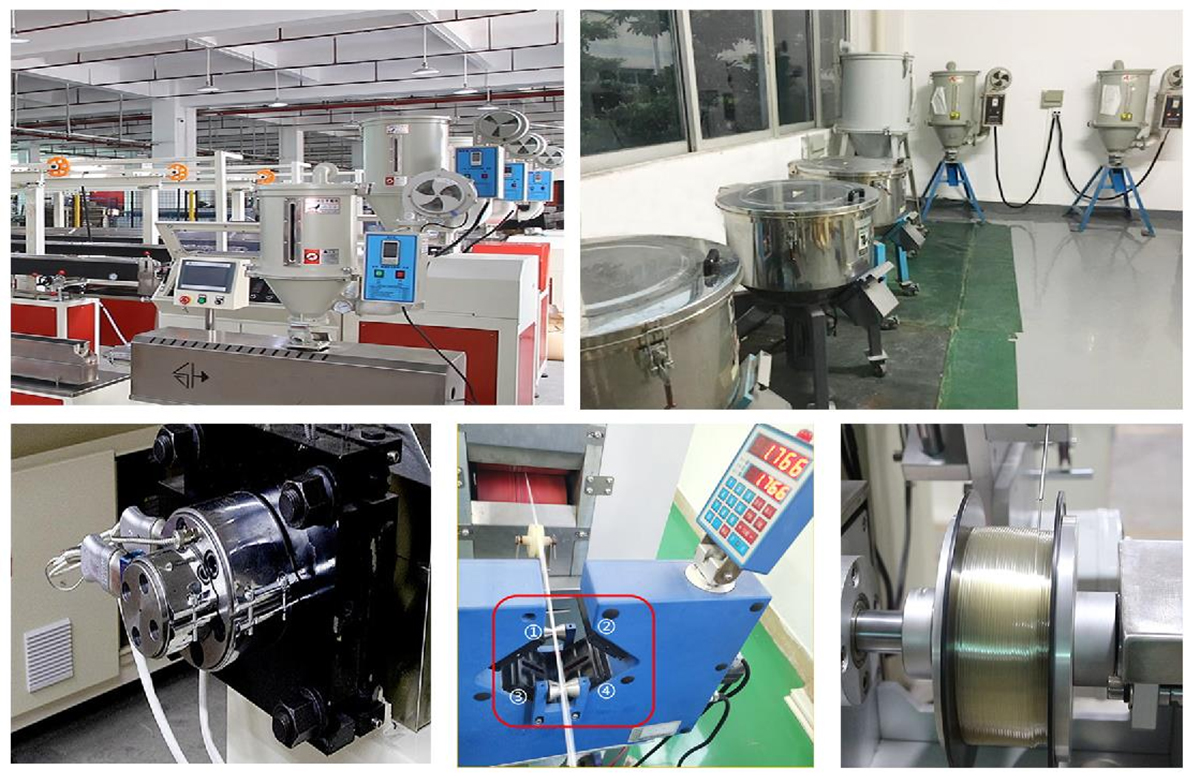
Equipment
The manufacturing workshop will make arrangements after the inspection of raw materials, at least two engineers cross-check the clearance of mixing tank, color mixed of material, humidity from hopper dryer, temperature of extruder, hot/cool tank, and trial-produce and debugging the produce line to make sure all of processes in the best condition. Maintain the filament Diameter tolerance +/- 0.02mm, Roundness tolerance +/- 0.02mm.
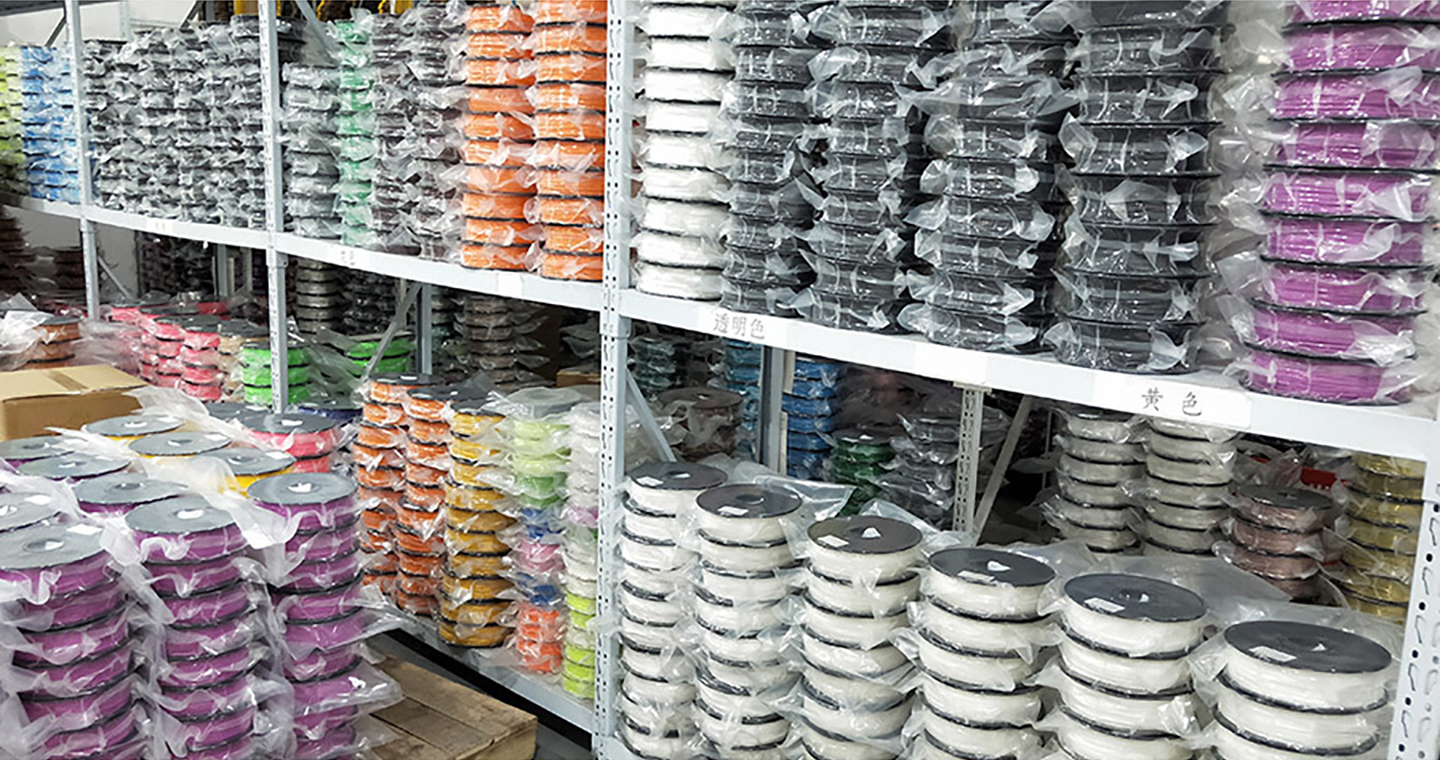
Final Inspection
After each batch of 3D filament is produced, two quality inspectors will conduct random inspections on each batch of finished products in accordance with the requirements of the standard, such as diameter tolerance, color consistency, strength and toughness and so on. After vacuuming the package, place them for 24 hours to check whether there is any leaking package, then label it and finish the package.
Comprehensive Material Portfolio for Industrial Damping Solutions
Select from our complete range of additive polymers, functional composite filaments, and precision 3D fabrication systems.