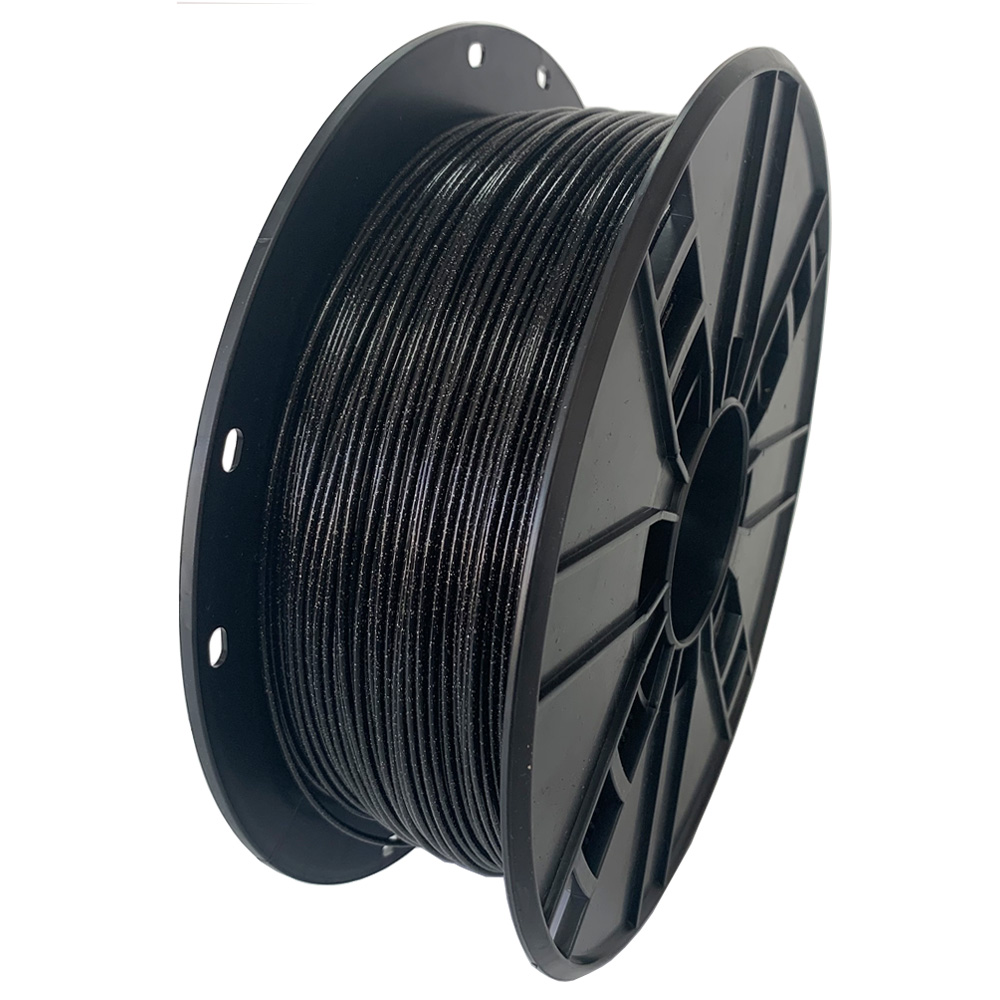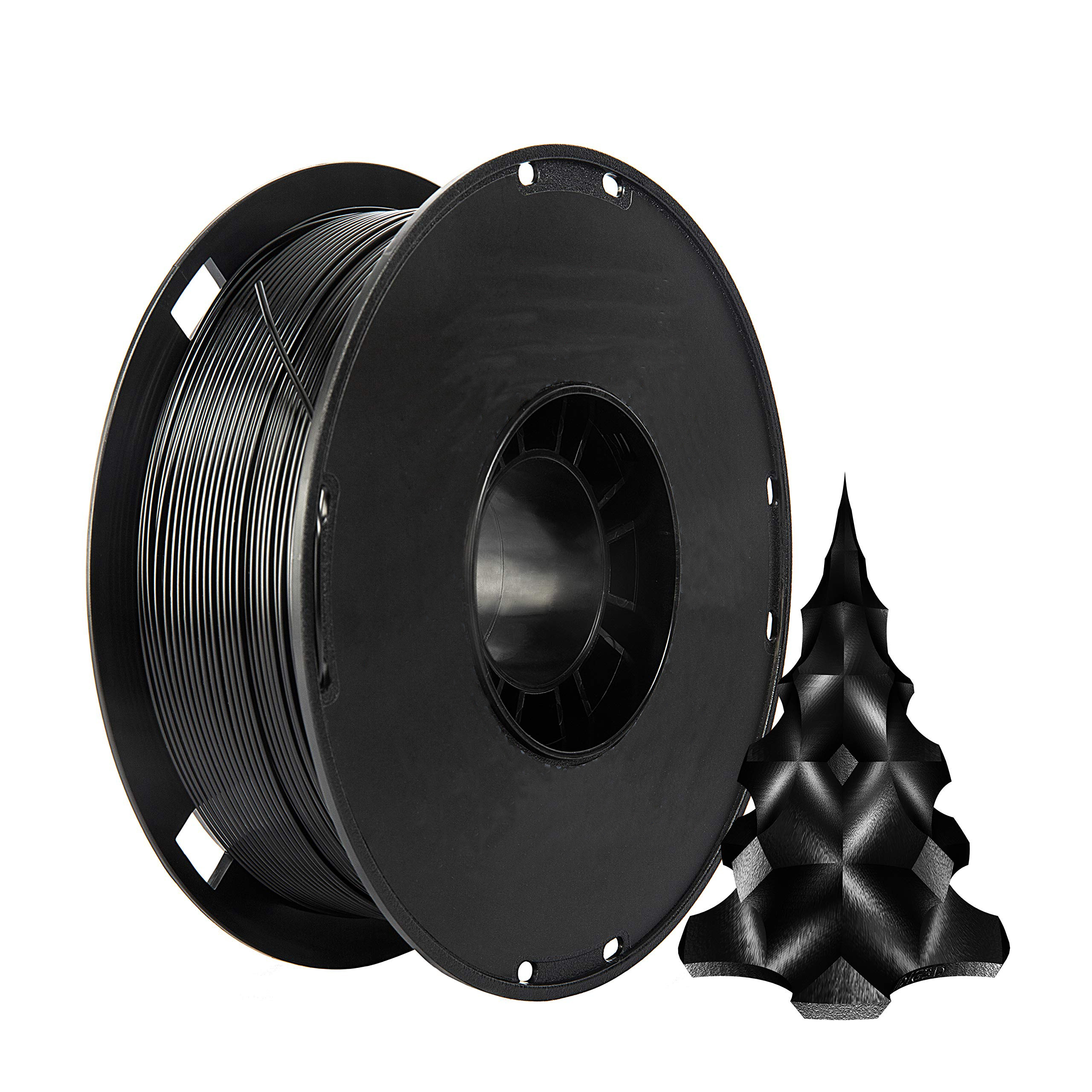
Featured Industrial Materials & Carbon Fiber Precursors
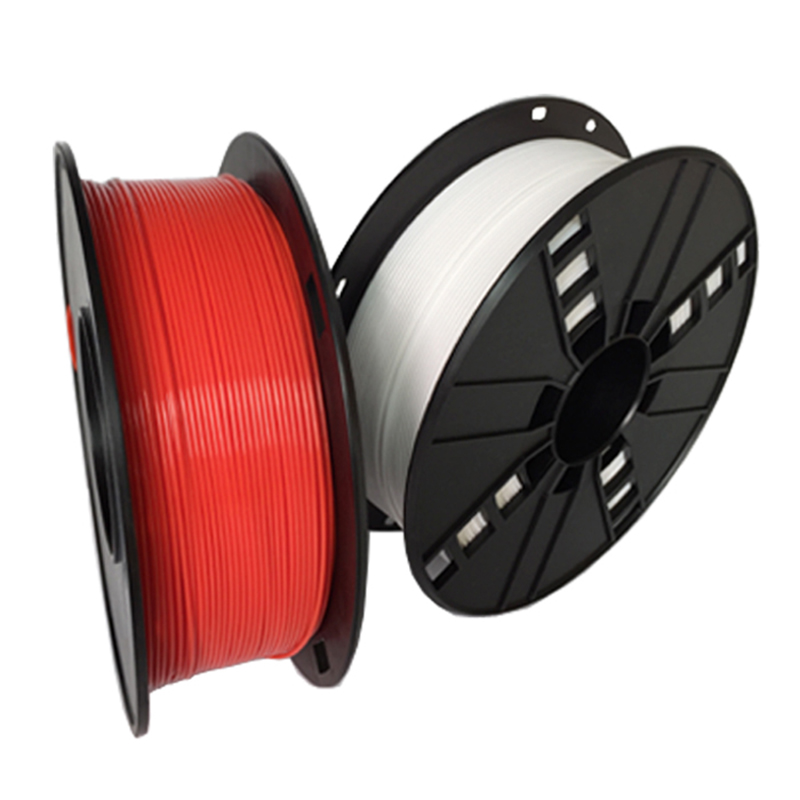
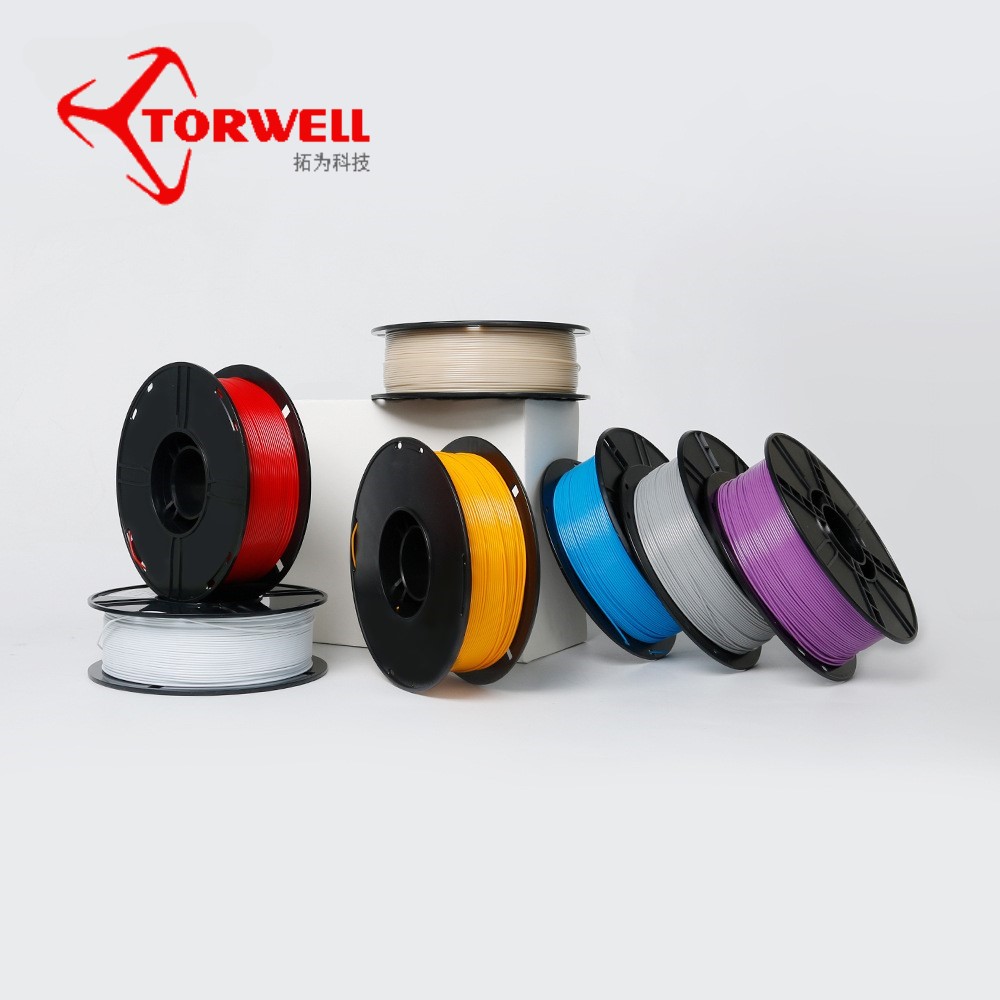
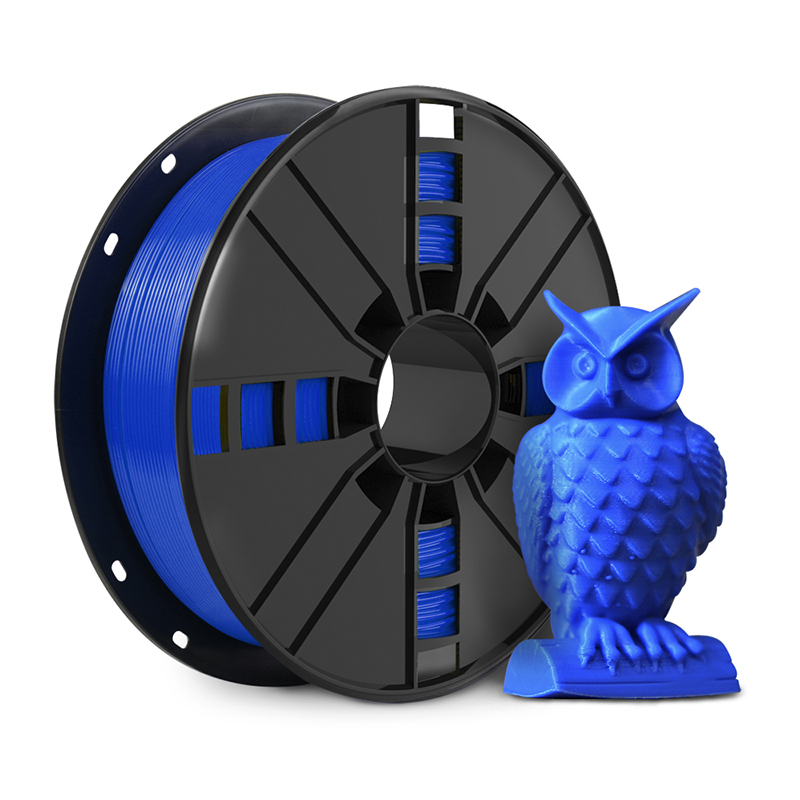
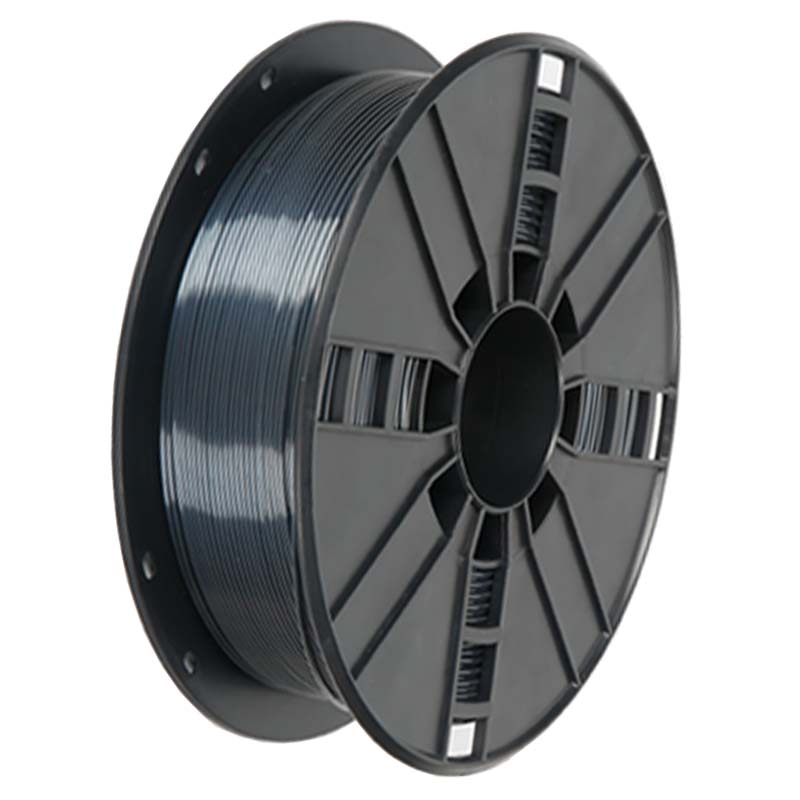
Explore our top-tier engineering thermoplastic formulations engineered with tight dimensional tolerance (+/-0.02mm) for high-load additive manufacturing across the Netherlands.
Industrial Dynamics & Carbon Fiber Filament Adoption in the Netherlands
The Netherlands represents one of Europe's most sophisticated hubs for advanced polymer composites, digital manufacturing, and Industry 4.0 automation.
Brainport Eindhoven & High-Tech Tooling
In the Brainport Eindhoven region—home to world-renowned semiconductor equipment, mechatronics, and precision engineering clusters—carbon fiber reinforced filaments (such as PETG-CF, PA-CF, and PEEK-CF) are rapidly replacing CNC-machined aluminum. Dutch equipment manufacturers utilize carbon fiber filaments to fabricate lightweight end-of-arm tooling (EOAT), robotic gripper brackets, and vibration-damped assembly jigs that increase robotic arm pick-and-place speeds while reducing inertial load.
Maritime & Offshore Engineering in Rotterdam
The Port of Rotterdam and maritime industrial clusters across South Holland and Zeeland demand components that withstand saline mist, intense UV radiation, and continuous mechanical stress. Carbon fiber reinforced polymers (CFRP) provide superior corrosion resistance compared to marine-grade metals. Dutch shipyards and subsea drone designers deploy high-strength carbon fiber composite parts for lightweight underwater sensor enclosures, custom cable routing fixtures, and on-demand replacement impellers.
TU Delft Innovation & Green Mobility
Driven by pioneer academic hubs like TU Delft and modern aerospace research institutions in the Netherlands, local engineering enterprises are pushing the boundaries of lightweighting. In electric mobility, solar racing vehicles, and unmanned aerial systems (UAS), carbon-reinforced thermoplastic filaments deliver an extraordinary strength-to-weight ratio, allowing Dutch engineers to iterate functional aerodynamic wings, chassis stiffeners, and battery mounts in hours instead of weeks.
Engineering Formulation: Why Carbon Fiber Infusion Redefines 3D Printing
By incorporating high-modulus micro-carbon fibers (15% to 25% by weight) into base polymers, our factory delivers filament with increased structural stiffness, dimensional stability, and reduced thermal shrinkage.
Micro-Fiber Reinforcement Dynamics
Standard FDM/FFF filaments often suffer from anisotropic weaknesses and thermal deformation during large-envelope printing. By dispersing micro-milled carbon fibers throughout the polymer melt during high-temperature extrusion, our filaments benefit from structural micro-skeletons. The chopped carbon fibers align along the flow path within the printer nozzle, significantly enhancing tensile modulus along the X-Y print plane.
Furthermore, the carbon fiber additives radically lower the coefficient of thermal expansion (CTE), essentially eliminating corner curling, layer lifting, and dimensional distortion on open-frame and enclosed industrial 3D printers widely deployed across Dutch production lines.
| Filament Matrix | Tensile Strength (MPa) | Flexural Modulus (GPa) | Heat Deflection (HDT @ 0.45MPa) |
|---|---|---|---|
| Standard PLA | 55 - 60 | 2.8 - 3.2 | 55 °C |
| Carbon Fiber PLA (PLA-CF) | 72 - 78 | 4.8 - 5.5 | 68 °C |
| Standard PETG | 48 - 52 | 2.1 - 2.4 | 70 °C |
| Carbon Fiber PETG (PETG-CF) | 68 - 75 | 4.2 - 4.9 | 82 °C |
| Carbon Fiber Nylon (PA-CF) | 110 - 135 | 7.5 - 9.2 | 155 °C |
Factory Manufacturing Protocols & Quality Assurance Standards
Behind our supply to the Dutch and European markets lies an industrial manufacturing facility strictly adhering to international safety, raw material traceability, and automated extrusion tolerances.
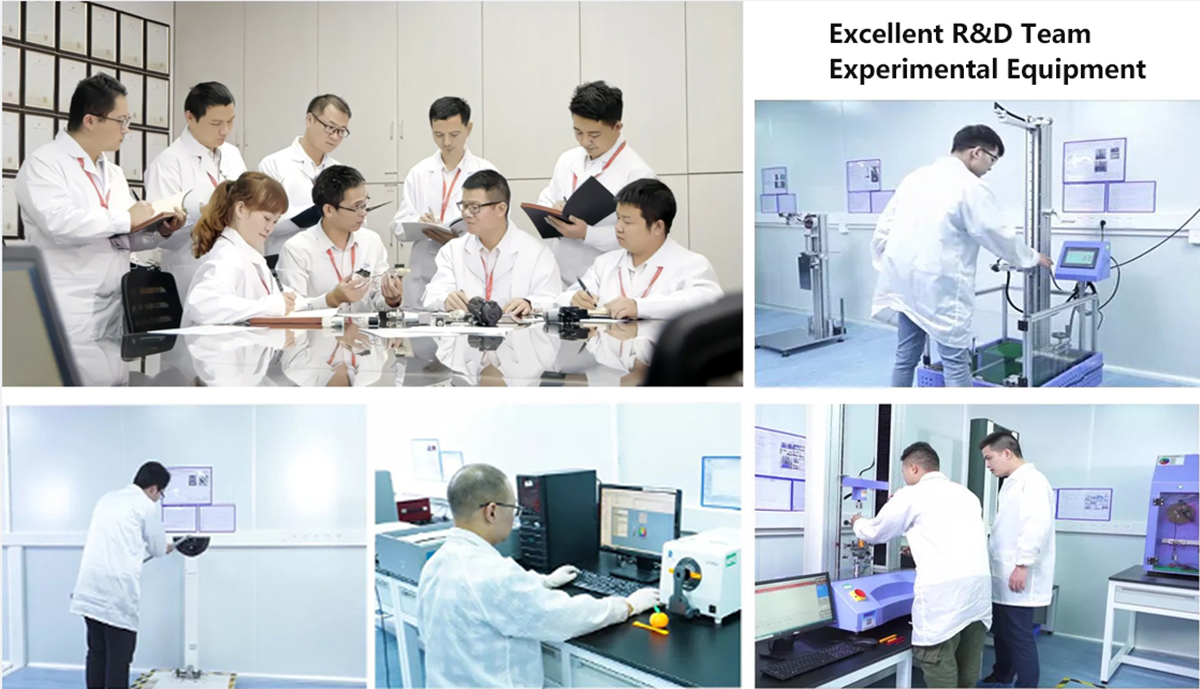
Quality Control
The factory area has passed ISO45001 occupational health and safety management system certification. Every new employee must be experienced one week of safety production knowledge teaching and two weeks of produce skills training, and master every course in the production process. Who is in the position will be responsible for its duty.
Our cleanroom-standard workshops implement 5S management systems, ensuring that carbon fiber particles and base plastic granules are handled under controlled environmental conditions to prevent cross-contamination.
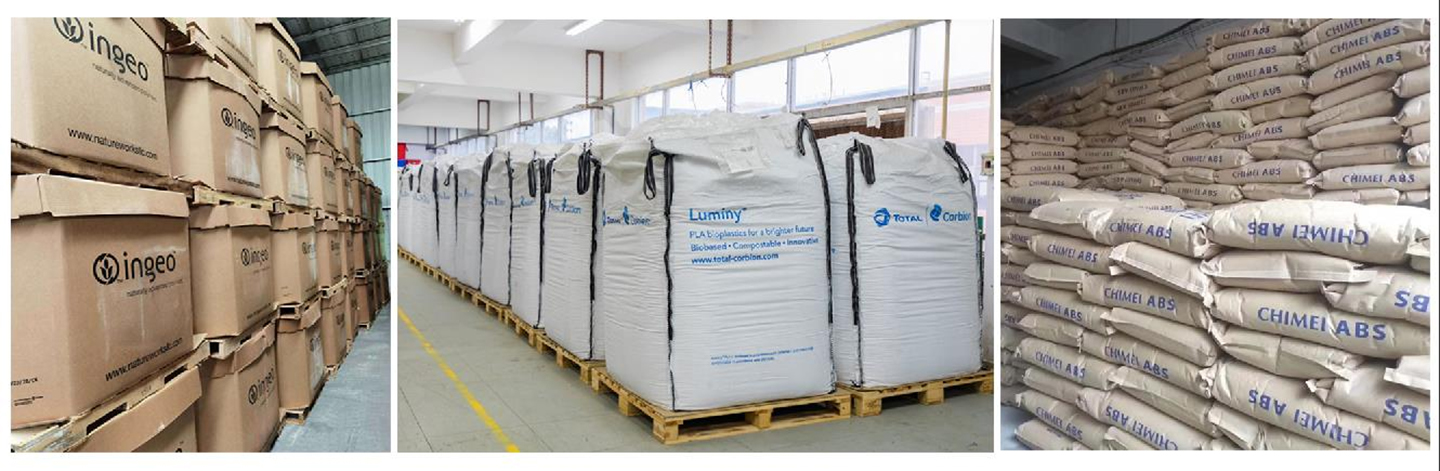
Raw Material
PLA is the most preferred material for 3D printing, Torwell firstly chooses PLA from US NatureWorks, and Total-Corbion is the alternative. ABS from TaiWan ChiMei, PETG from South Korea SK. Each batch of main raw materials comes from the partners who has cooperated more than 5 years to ensure the reliability of the products from the source. Each batch of raw materials will undergo parameters inspection before produce to ensure that raw materials are original and virginal.
For carbon-fiber reinforced matrices, premium high-purity chopped fibers with consistent aspect ratios are blended with virgin resins, creating unyielding bonding integrity between matrix and reinforcement.
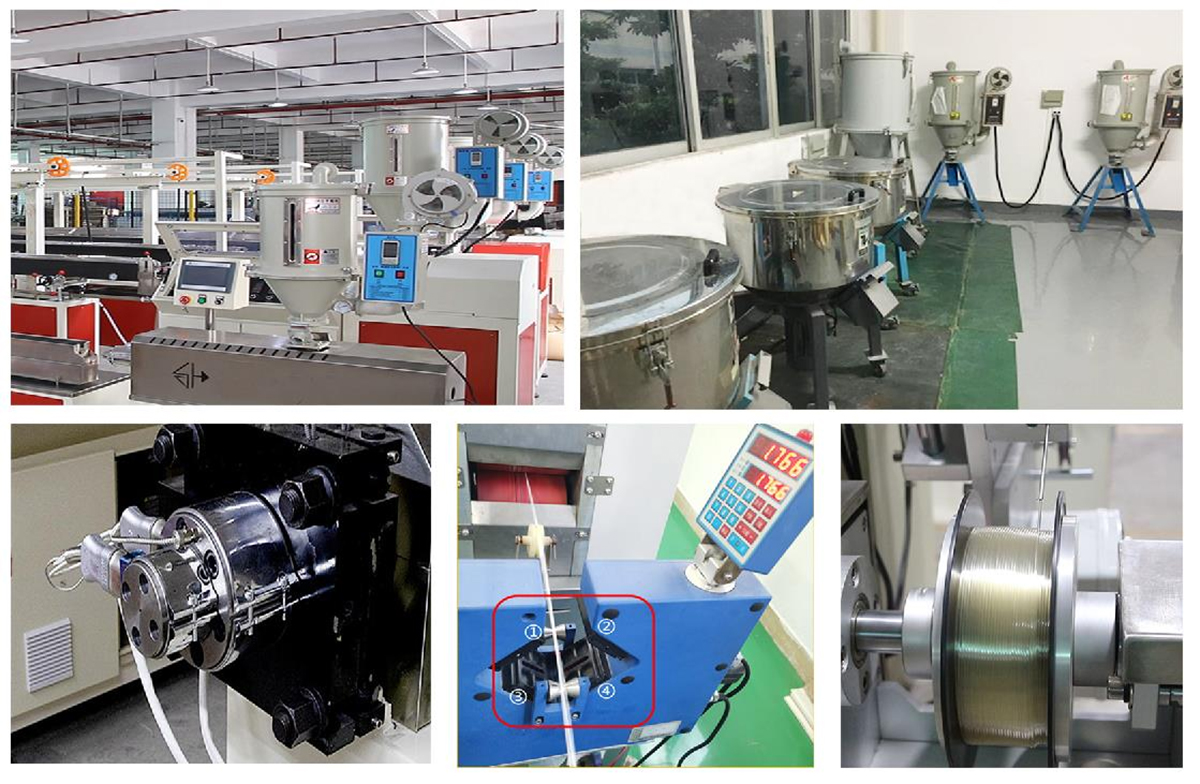
Equipment
The manufacturing workshop will make arrangements after the inspection of raw materials, at least two engineers cross-check the clearance of mixing tank, color mixed of material, humidity from hopper dryer, temperature of extruder, hot/cool tank, and trial-produce and debugging the produce line to make sure all of processes in the best condition. Maintain the filament Diameter tolerance +/- 0.02mm, Roundness tolerance +/- 0.02mm.
High-precision multi-axis laser measurement micrometers continuously scan the filament in real-time, instantly adjusting extrusion gear torque and puller speeds to guarantee flawless spool consistency.
Final Inspection
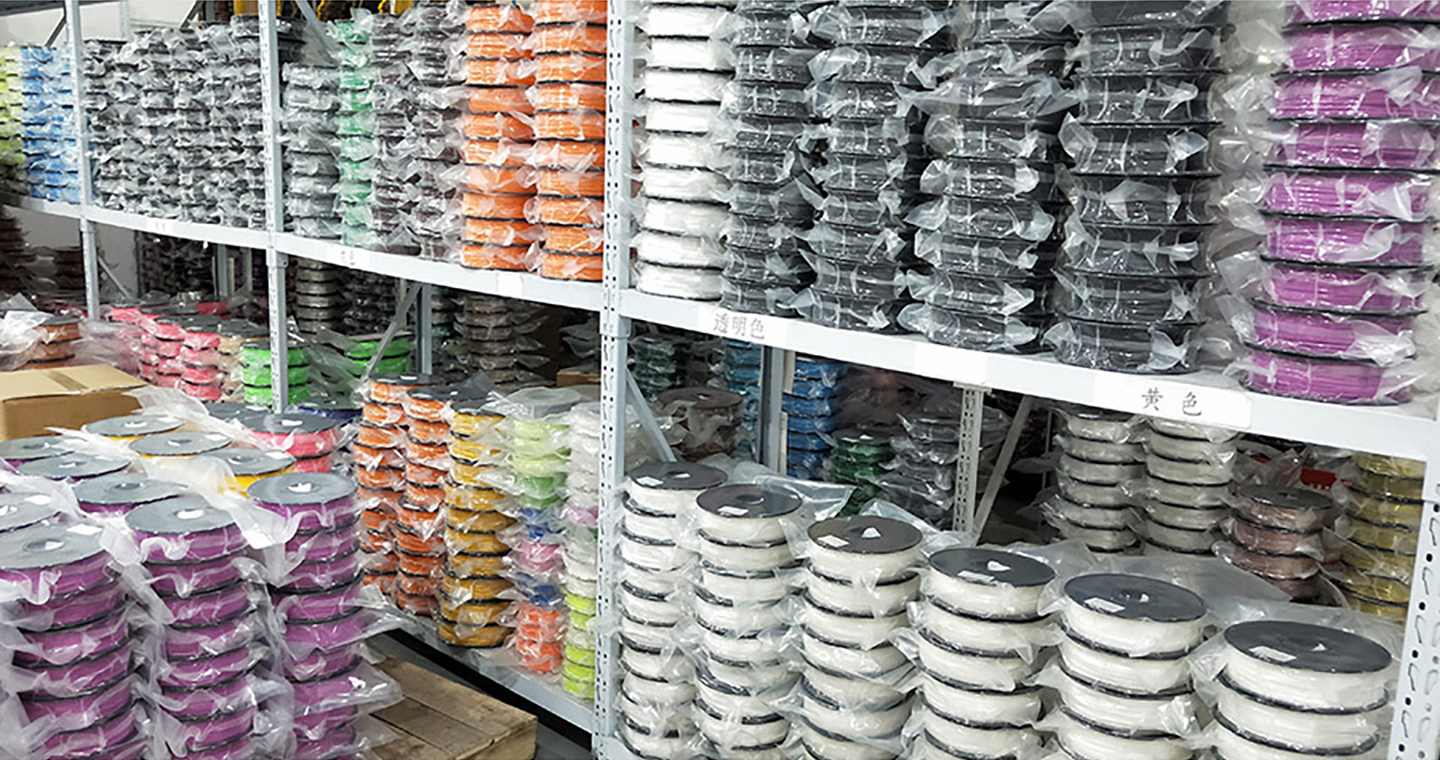
After each batch of 3D filament is produced, two quality inspectors will conduct random inspections on each batch of finished products in accordance with the requirements of the standard, such as diameter tolerance, color consistency, strength and toughness and so on. After vacuuming the package, place them for 24 hours to check whether there is any leaking package, then label it and finish the package.
All spools destined for European buyers are desiccated with high-absorption moisture scavengers and sealed in multi-layer barrier foil to maintain pristine print readiness upon arrival at Dutch facilities.
Industrial Application Scenarios in the Dutch Market
How leading industrial sectors in Amsterdam, Eindhoven, Rotterdam, and Utrecht utilize carbon fiber filament for mission-critical manufacturing.
AgTech & Greenhouse Automation
The Dutch Westland horticulture cluster leads global automated greenhouse technology. Engineers utilize carbon-fiber filaments to 3D print customized harvest grippers, sensor mounts, and sorting machine brackets. The material's rigidity and resistance to high humidity and warm temperatures allow reliable 24/7 continuous robotic harvesting.
Custom Medical & Orthotics
Dutch healthcare innovations and orthopedic research institutes utilize carbon-infused PETG and Nylon filaments for patient-specific prosthetic limbs, exoskeleton braces, and rehabilitative orthotics. Carbon fiber additive manufacturing produces lightweight, patient-comfortable devices with high fatigue resistance.
Aerospace & Drone Airframes
From aerospace clusters in Zuid-Holland to specialized industrial inspection drone manufacturers, carbon fiber 3D printing enables the production of custom drone arms, motor mount brackets, and internal sensor gimbals that reduce overall vehicle take-off weight while extending battery flight duration.
B2B Supply Chain, OEM/ODM & Wholesale Services for the Netherlands
We deliver full-spectrum manufacturing, custom masterbatch formulation, private-label branding, and bulk pallet logistics across the Benelux trade corridor.
Custom Reinforcement Ratios
Formulations tailored from 10% to 30% carbon fiber volume according to customer tensile, surface finish, and flexibility requirements.
Industrial Spool Formats
Available in 1kg, 2.5kg, 5kg, and 10kg bulk production spools compatible with large-format industrial 3D printing systems.
Private Label OEM/ODM
Custom box design, branded spool stickers, custom pantone colors, and eco-friendly cardboard spools customized for European resellers.
Streamlined EU Logistics
Direct bulk air/ocean freight forwarding with rapid customs clearance at Rotterdam port and Schiphol airport, ensuring dependable inventory continuity.
Frequently Asked Questions by Dutch Engineers & Procurement Teams
Technical guidelines and procurement answers regarding carbon fiber 3D printer filaments.
Q: What nozzle is required for printing carbon fiber filament?
Carbon fibers are inherently abrasive to standard brass nozzles. We strongly recommend using hardened steel, tungsten carbide, or ruby-tipped nozzles with a minimum diameter of 0.4mm (0.6mm recommended for high-load printing) to prevent nozzle wear and clogging.
Q: How does carbon fiber filament improve part dimensional stability?
The embedded carbon fibers drastically lower the polymer's thermal contraction during cooling. This ensures near-zero shrinkage across large-format prints, exceptional layer-to-layer geometric precision, and an attractive matte finish that obscures layer lines.
Q: Are your materials fully compliant with EU REACH & RoHS?
Yes. Every batch of our virgin thermoplastic resin, carbon fibers, and colorants complies fully with European Union RoHS (Restriction of Hazardous Substances) and REACH safety directives, accompanied by verified MSDS documentation.
Q: What is the optimal moisture management protocol?
Polymers such as PA-CF and PETG-CF are hygroscopic. We recommend drying the filament at 65°C-80°C for 4-6 hours prior to printing and utilizing a sealed dry-box feed system during prolonged manufacturing runs to preserve peak mechanical strength.
Complete Product Portfolio & Industrial Filaments
Browse our comprehensive lineup of 3D printing filaments, high-performance polymers, specialty aesthetic filaments, and additive manufacturing equipment.