
Featured Industrial 3D Printing Materials
Premium-grade composite and engineering filaments engineered for rigorous prototyping and serial production in Spain.
Industrial Landscape of Carbon Fiber PETG in Spain
Spain has rapidly grown into one of Europe’s leading hubs for advanced composite additive manufacturing and digital fabrication.
Automotive Innovation Hubs
The manufacturing epicenters across Catalonia (Barcelona), the Valencian Community, and Galicia (Vigo) leverage Carbon Fiber PETG for lightweight structural brackets, robust assembly jigs, and custom End-of-Arm Tooling (EOAT) for robotic arms.
Aerospace & Defense Clusters
Andalusia (Seville Aerospace Cluster) and Madrid’s technology parks rely on micro-carbon reinforced filaments to produce non-critical air duct prototypes, electronic housings, and lightweight tooling with zero hygroscopic degradation.
Renewable Energy & Wind Power
With Spain leading European wind and solar power generation, composite 3D printing enables fast, localized replacement of customized maintenance fixtures, sensor brackets, and UV-resistant outdoor turbine inspection drones.
The transition toward Industry 4.0 in Spain has fueled an unprecedented demand for functional thermoplastic composites. While pure Polyethylene Terephthalate Glycol (PETG) provides excellent chemical resistance, water barrier qualities, and ease of extrusion, compounding it with high-modulus chopped carbon fibers transforms it into an engineering-grade structural material. Spanish machine shops, tier-one automotive suppliers, and consumer electronics design houses are aggressively substituting machined aluminum components with Carbon Fiber PETG to reduce weight by up to 60% while slashing lead times from weeks to hours.
Direct supply partnerships between specialized polymer extrusion factories and Spanish distributors in Madrid, Barcelona, Bilbao, and Valencia have streamlined logistics, offering bulk Masterspool packaging, rapid customs clearance through major ports like Valencia and Barcelona, and guaranteed lot-to-lot consistency compliant with European Union safety directives.
Material Performance & Comparative Engineering Metrics
Understanding why Carbon Fiber PETG stands out against conventional thermoplastics and alternative carbon-filled polymers.
| Property Metric | Standard PETG | Carbon Fiber PETG (CF-PETG) | Carbon Fiber Nylon (CF-PA) | Industrial ABS |
|---|---|---|---|---|
| Tensile Strength (MPa) | 45 - 50 | 68 - 80 | 85 - 110 | 40 - 45 |
| Flexural Modulus (GPa) | 2.1 | 5.8 - 7.2 | 6.5 - 8.5 | 2.3 |
| Heat Deflection Temp (0.45 MPa) | 72 °C | 80 °C - 85 °C | 140 °C - 175 °C | 88 °C |
| Moisture Absorption Rate | Very Low (<0.3%) | Extremely Low (<0.2%) | High (Requires Drying) | Low (~0.5%) |
| Warping Tendency | Low | Near Zero (Extreme Stability) | Moderate to High | High (Enclosure Needed) |
| Surface Finish & Aesthetics | Glossy / Layer Lines | Matte Black / Layer Concealment | Satin Matte | Semi-Gloss |
Why Spanish Engineers Choose CF-PETG Over CF-Nylon
While Carbon Fiber Nylon provides higher heat resistance, its hygroscopic nature presents severe challenges in humid coastal regions such as Barcelona, Valencia, and Bilbao. CF-PETG does not suffer from hydro-expansion or mechanical softening upon exposure to ambient moisture, making it ideal for stable, dimensionally accurate end-use parts without requiring climate-controlled storage enclosures.
Elimination of Delamination & Shrinkage
The addition of short carbon fibers creates an internal structural lattice that dramatically restricts thermal contraction during cooling. This permits large-scale functional prints on open-frame industrial 3D printers commonly deployed across Iberian workshops, ensuring perfect layer adhesion and flawless flatness across the build plate.
Factory Standards & International Quality Assurance
Our manufacturing foundation is built upon certified quality management systems and stringent process control.
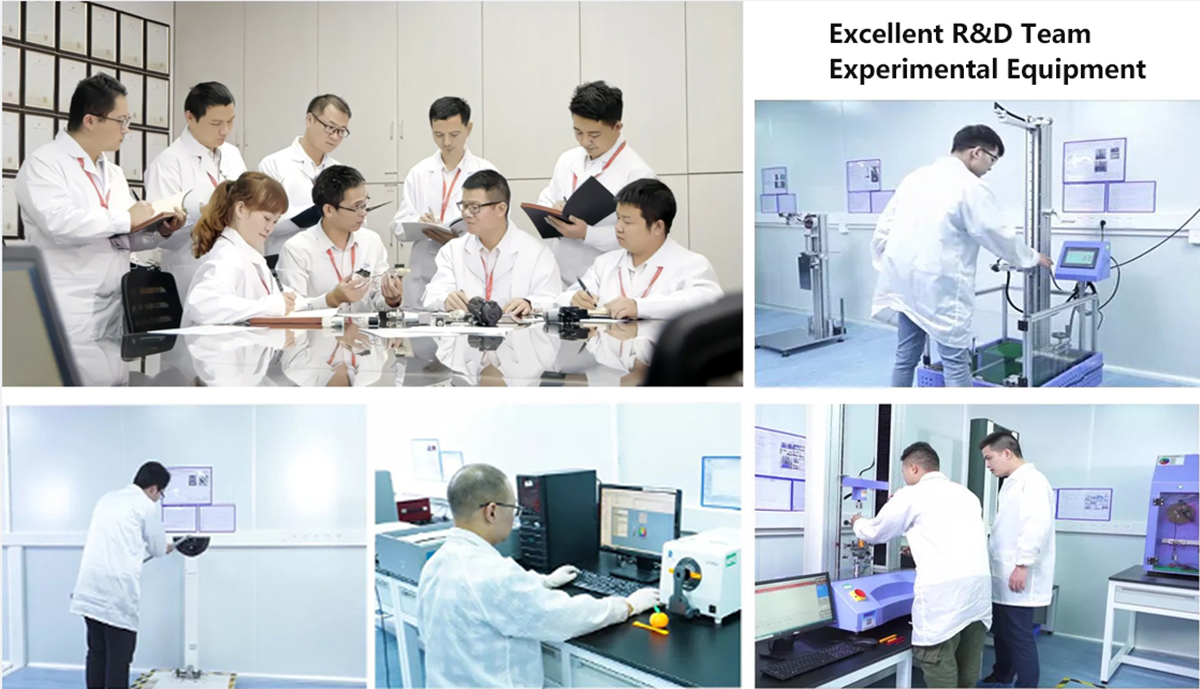
Quality Control & Certified Safety
The factory area has passed ISO45001 occupational health and safety management system certification. Every new employee must experience one week of safety production knowledge teaching and two weeks of produce skills training, and master every course in the production process. Who is in the position will be responsible for its duty.
- Strict ISO45001 workplace health & safety compliance
- Multi-tier operational certification for technical operators
- Accountable workstation traceability for every extrusion batch
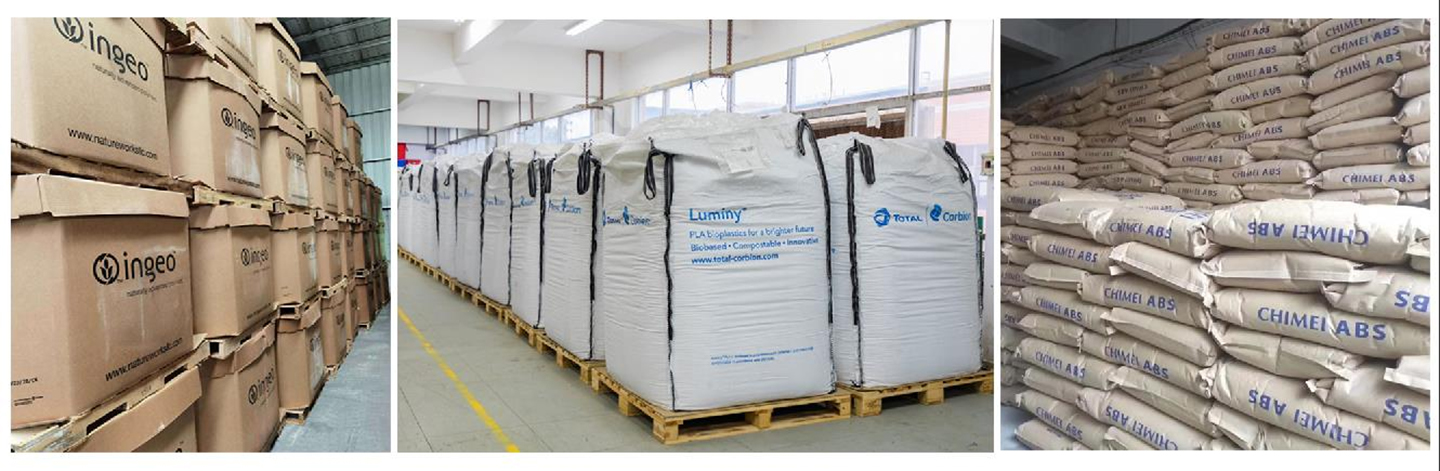
Premium Virgin Raw Materials
PLA is the most preferred material for 3D printing, Torwell firstly chooses PLA from US NatureWorks, and Total-Corbion is the alternative. ABS from TaiWan ChiMei, PETG from South Korea SK. Each batch of main raw materials comes from the partners who have cooperated for more than 5 years to ensure the reliability of the products from the source. Each batch of raw materials will undergo parameters inspection before production to ensure that raw materials are original and virginal.
- South Korea SK Chemical PETG base resin paired with premium micro-carbon fibers
- Rigorous inbound purity checks avoiding recycled or degraded feedstocks
- REACH & RoHS European environmental standard verification
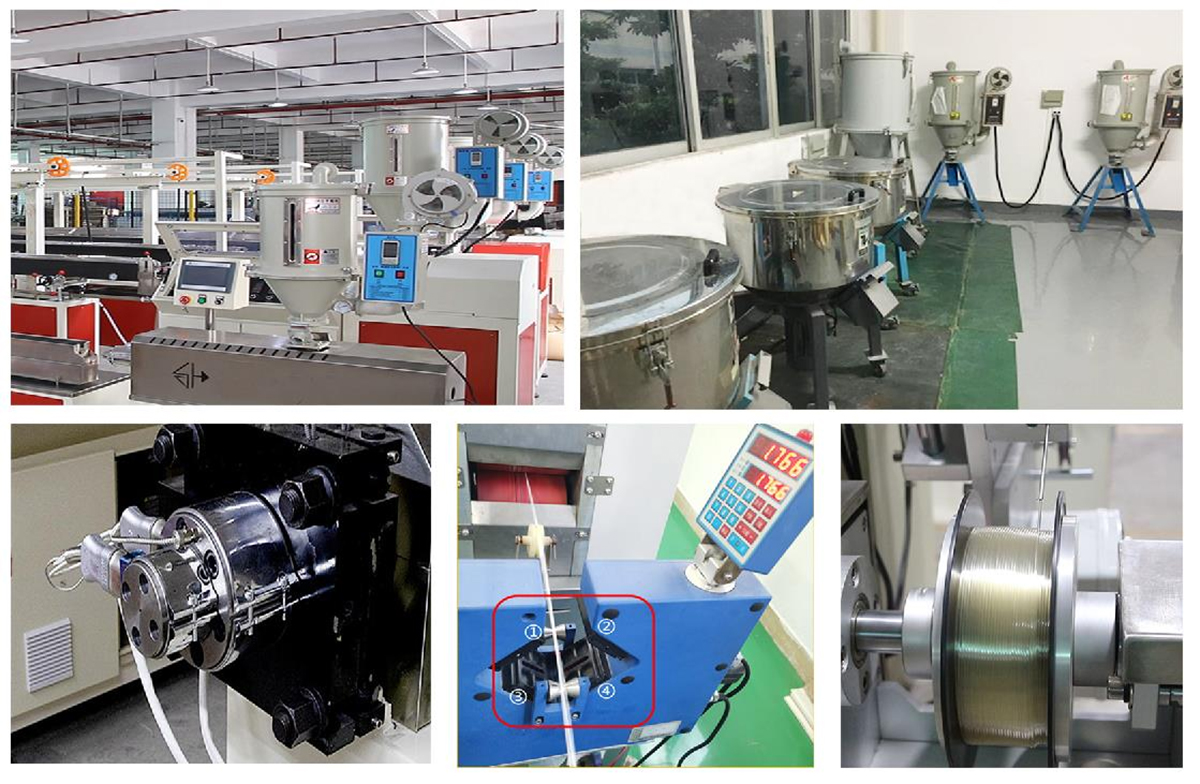
High-Precision Extrusion Equipment
The manufacturing workshop will make arrangements after the inspection of raw materials, at least two engineers cross-check the clearance of mixing tank, color mixed of material, humidity from hopper dryer, temperature of extruder, hot/cool tank, and trial-produce and debugging the produce line to make sure all of processes in the best condition. Maintain the filament Diameter tolerance +/- 0.02mm, Roundness tolerance +/- 0.02mm.
- Dual-axis inline laser micrometer real-time monitoring
- Closed-loop temperature-controlled quenching water baths
- Guaranteed filament tolerance within ±0.02mm
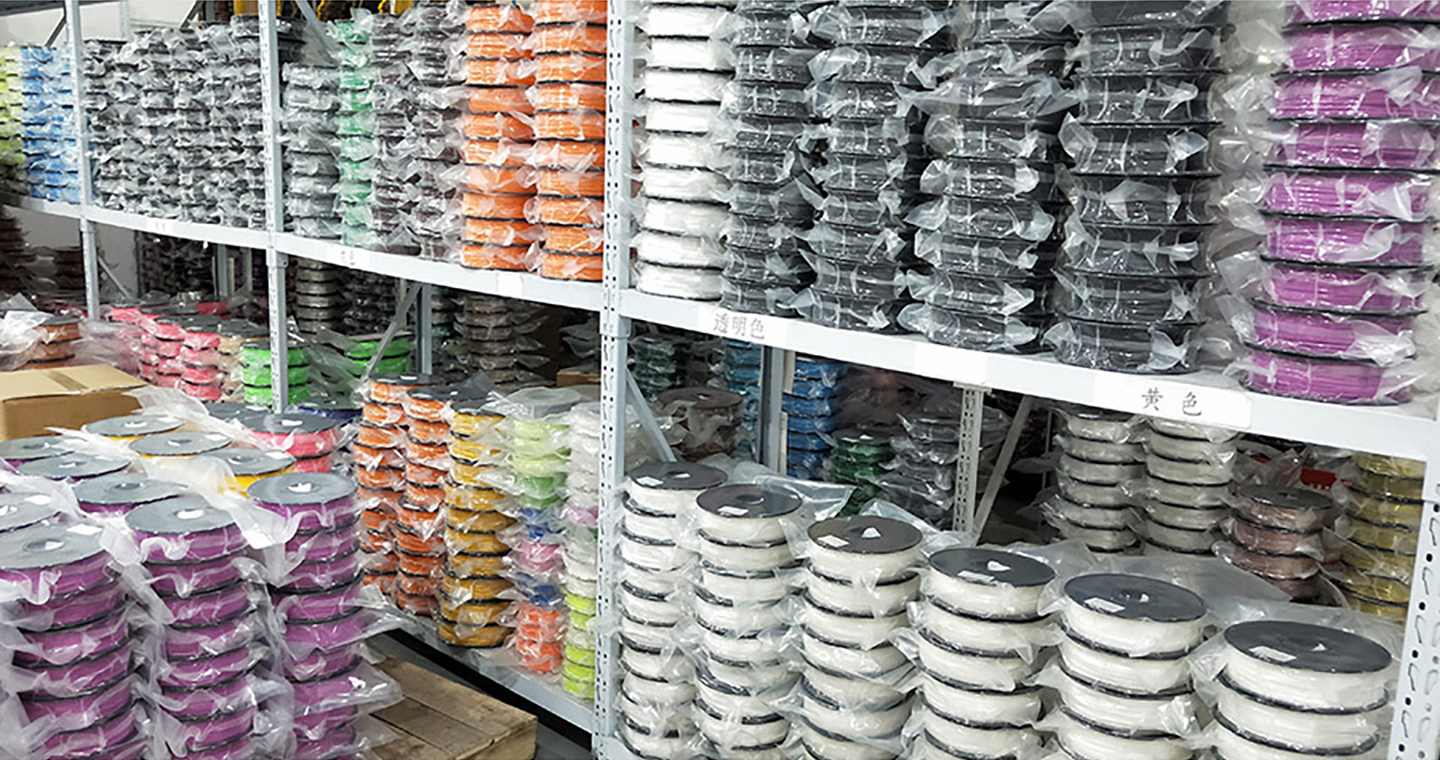
Comprehensive Final Inspection
After each batch of 3D filament is produced, two quality inspectors will conduct random inspections on each batch of finished products in accordance with the requirements of the standard, such as diameter tolerance, color consistency, strength and toughness and so on. After vacuuming the package, place them for 24 hours to check whether there is any leaking package, then label it and finish the package.
- 24-Hour vacuum seal quarantine guaranteeing complete desiccation
- Continuous sample test prints checking inter-layer bonding strength
- Full traceability barcoding for seamless European B2B logistics
Industrial Use Cases Across Spanish Sectors
How businesses in Spain leverage Carbon Fiber PETG to accelerate iteration cycles and lower production overhead.
Assembly Jigs & Welding Fixtures
Automotive tier suppliers in Martorell and Zaragoza manufacture lightweight ergonomic assembly aids. The structural rigidity of CF-PETG prevents flexure during mechanical fastening while protecting delicate Class-A automotive body surfaces from metallic scratches.
Electronic Enclosures & Drone Frames
Spanish robotics startups and drone developers utilize CF-PETG for specialized quadcopter arms, sensor housings, and avionics casings that require high stiffness-to-weight ratios and superior RF shielding characteristics.
Fluid Handling & Marine Equipment
Nautical workshops and agricultural irrigation engineers in Mediterranean coastal hubs (Alicante, Murcia) deploy CF-PETG for saltwater-resistant pump impellers, customized pipe couplings, and automated valve brackets that resist chemical corrosion.
Optimization Guide for Printing Carbon Fiber PETG in Spain
Due to the abrasive nature of chopped carbon fibers, standard brass nozzles will degrade rapidly. We strongly advise Spanish manufacturing teams to equip 3D printers with hardened steel, tungsten carbide, or ruby-tipped nozzles (0.4mm to 0.6mm diameter). Set extrusion temperatures between 240°C and 260°C, heatbed temperatures between 70°C and 85°C, and maintain printing speeds between 45 - 80 mm/s. A PEI magnetic build plate or textured powder-coated sheet provides optimal part adhesion and effortless release upon cooling.
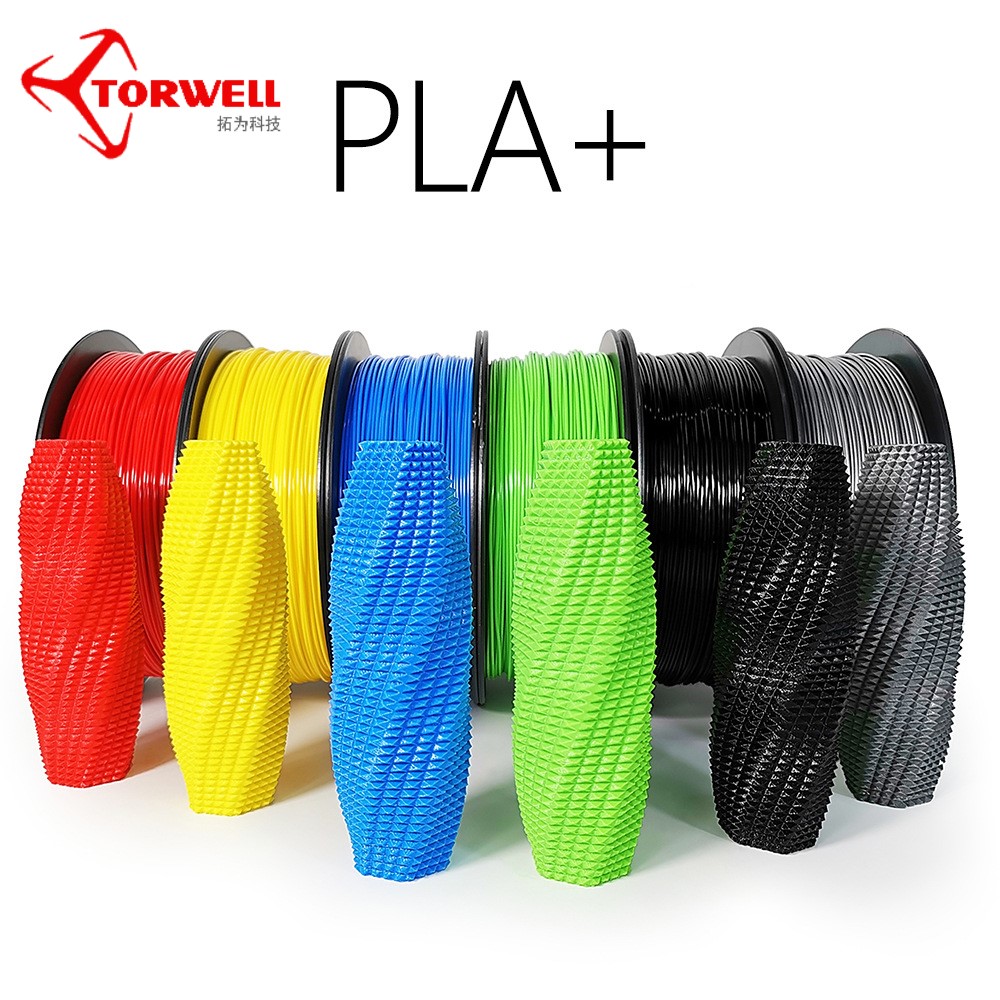
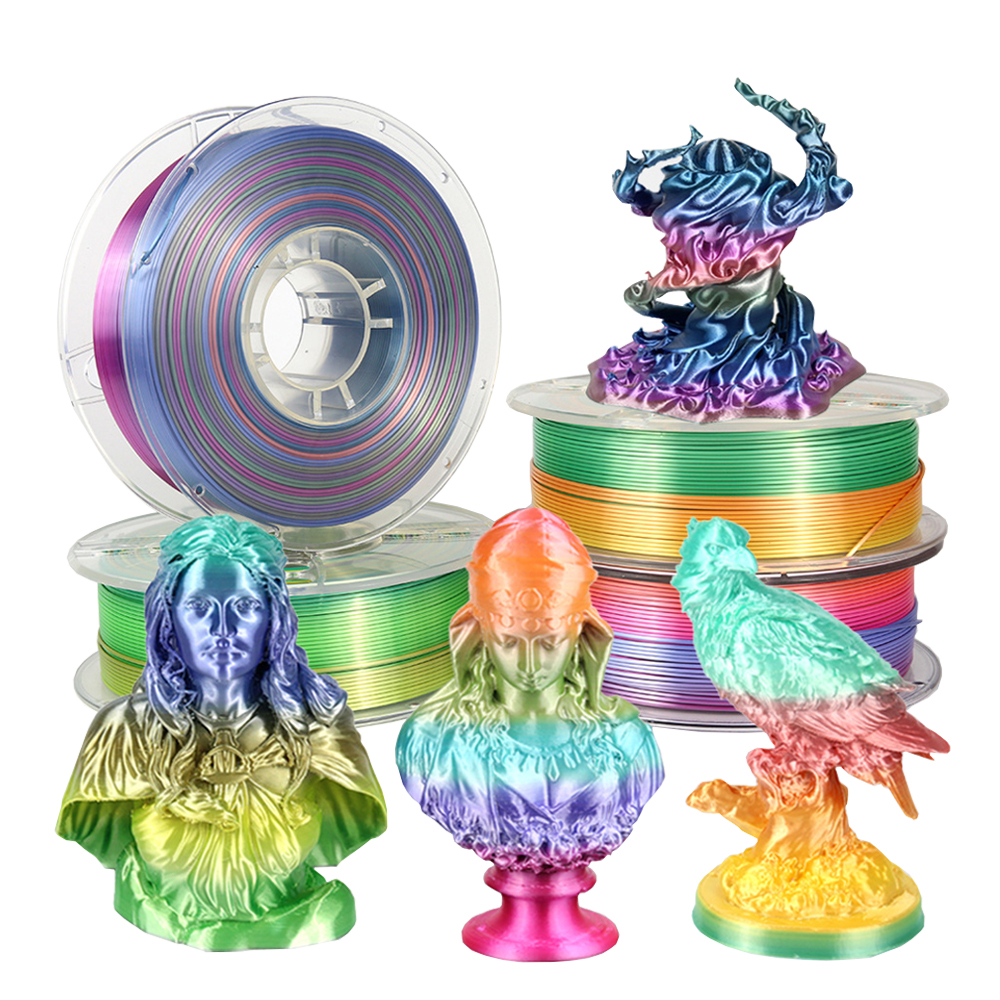
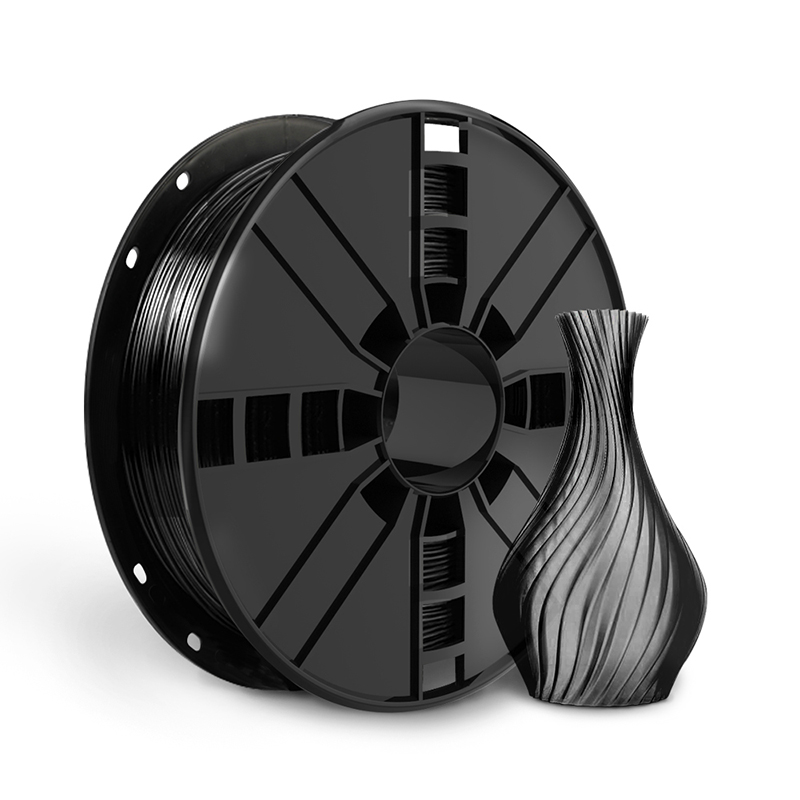
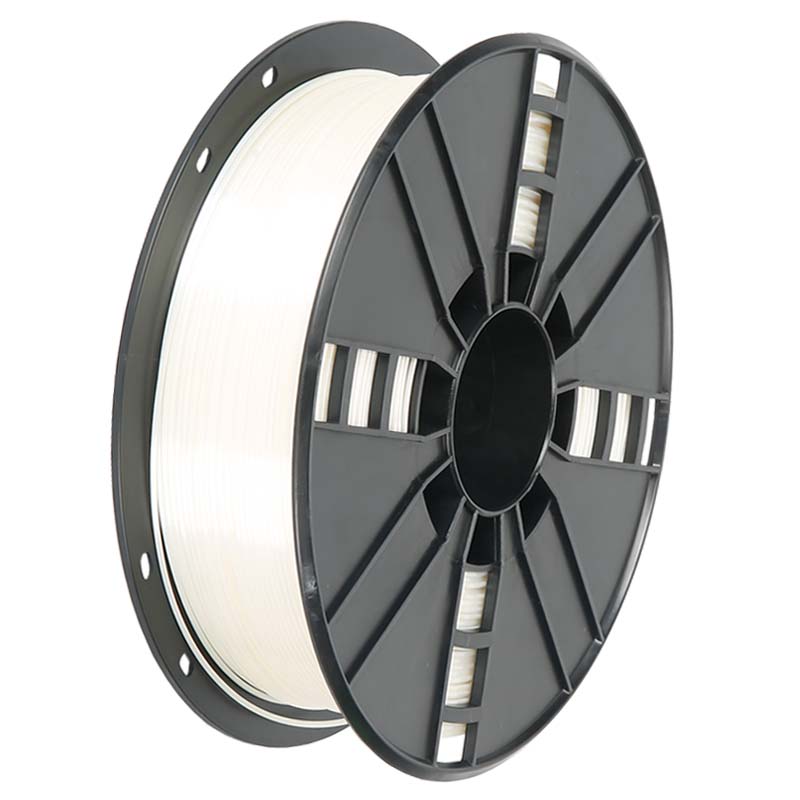
Complete 3D Printing Material Portfolio
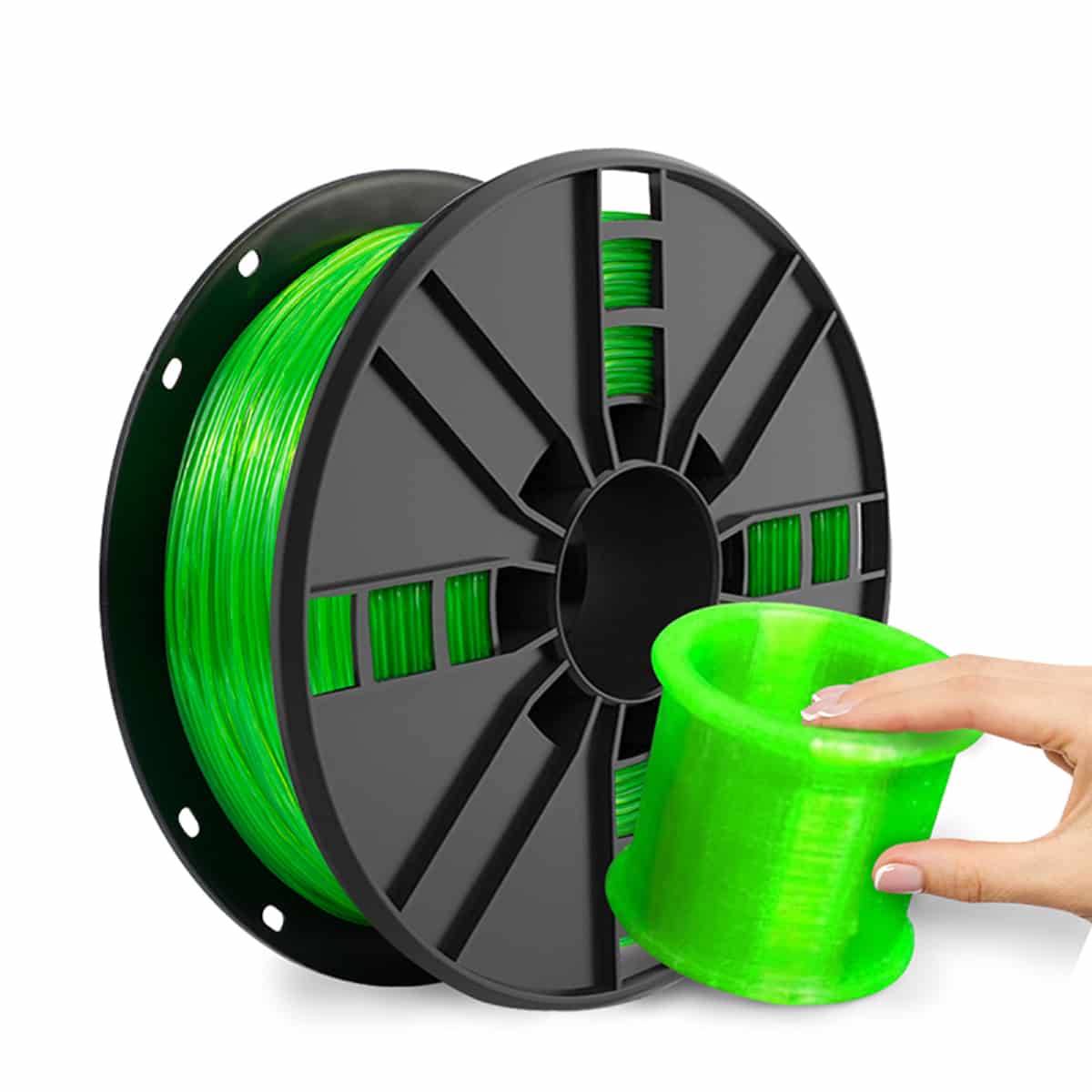
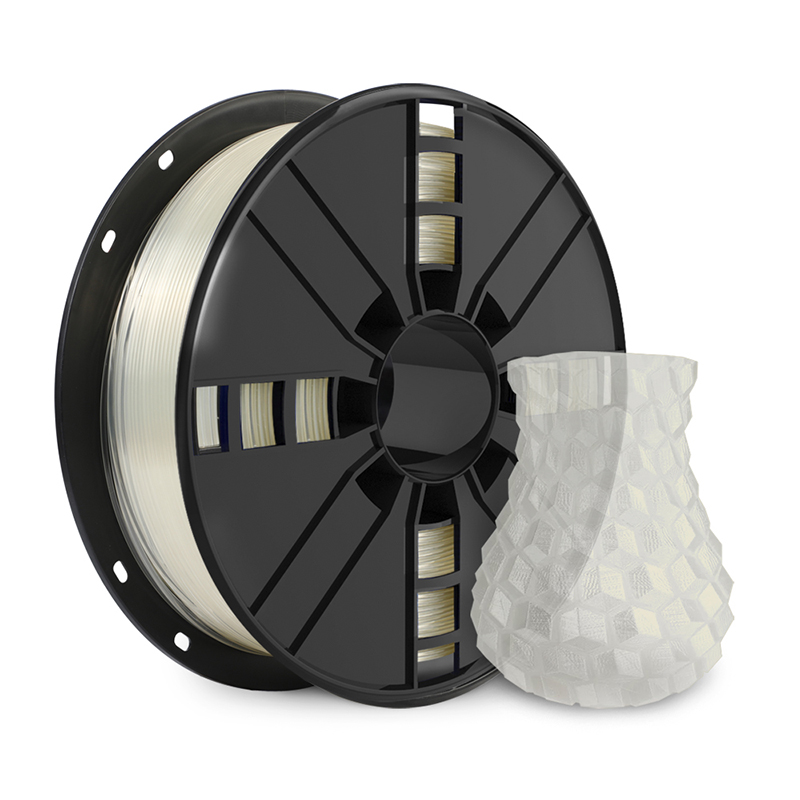
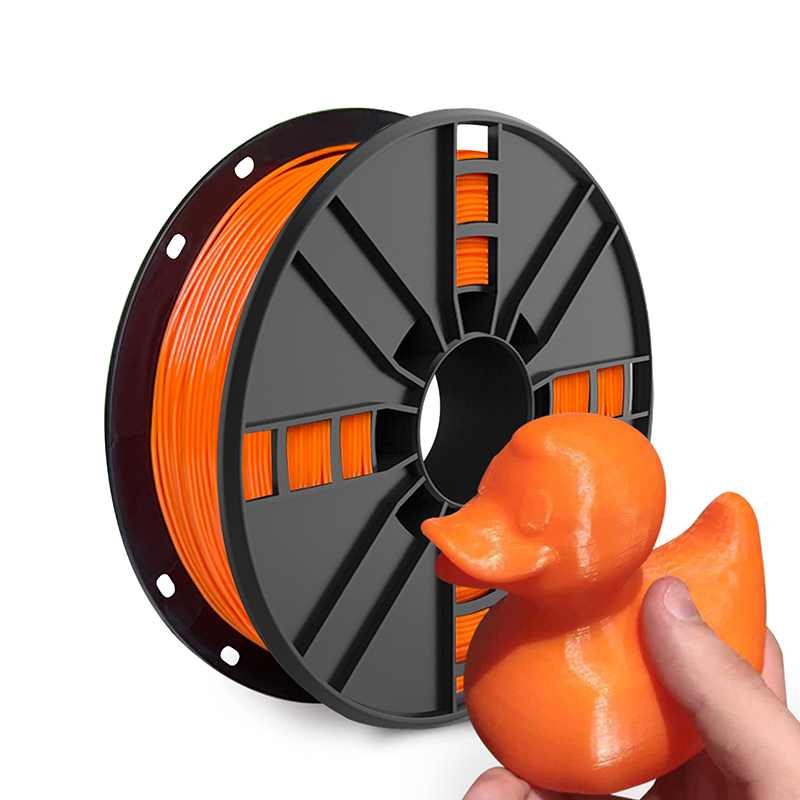
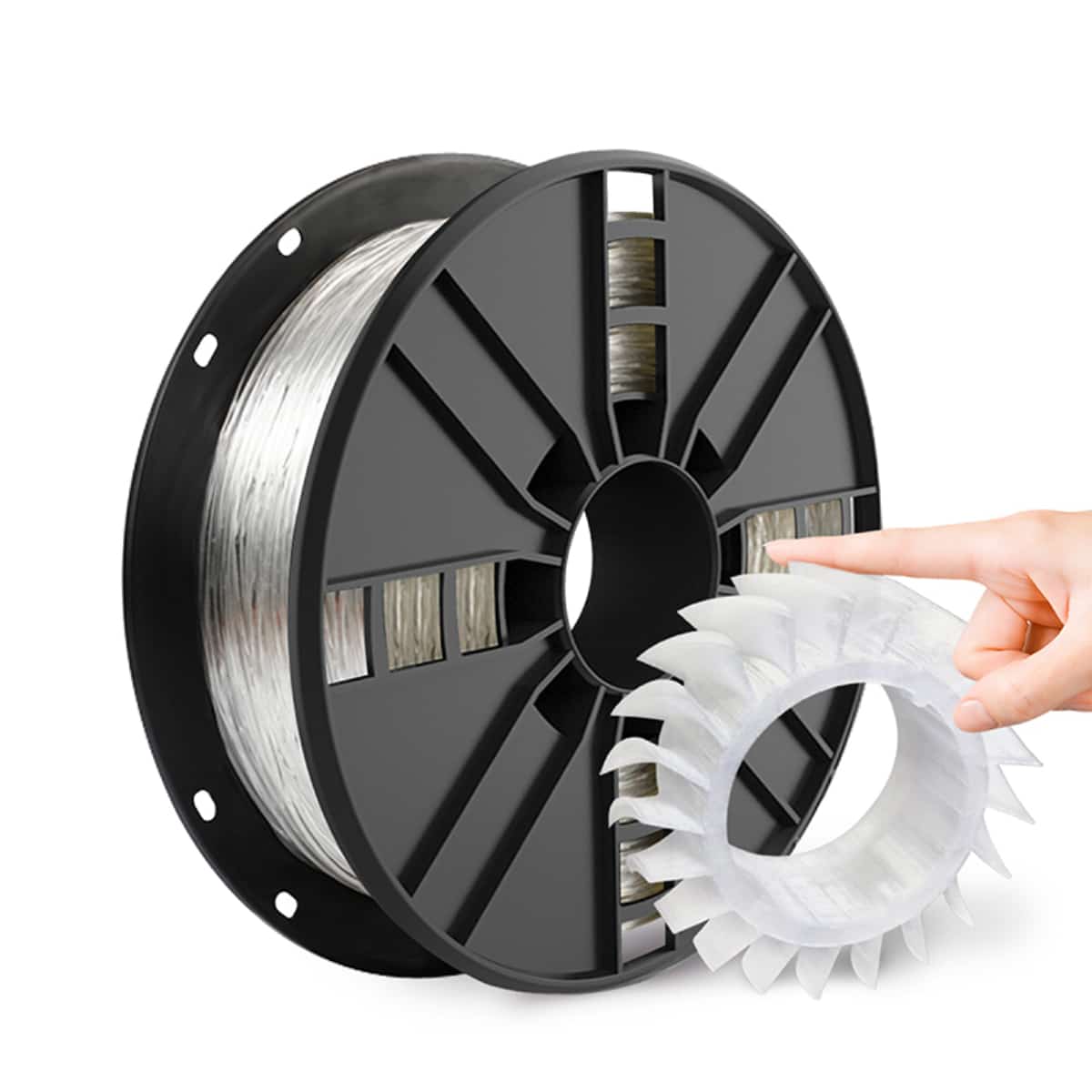
Explore our full range of certified engineering, composite, and artistic filaments available for direct supply across Spain.
Direct OEM/ODM Factory Supply for Spanish Importers
Seamless international trade pathways, custom spool branding, and consolidated sea/air freight to Spain.
Private Label & Custom Packaging
We provide full white-label manufacturing services for Spanish 3D printing brands, including customized spool dimensions, cardboard eco-spools, customized Masterspool options, and high-resolution corporate packaging.
Streamlined Spanish Port Access
Direct ocean shipments route efficiently through the Port of Valencia, Port of Barcelona, and Port of Algeciras, supplemented by express air courier directly into Madrid-Barajas (MAD) Airport for emergency stock replenishment.
Regulatory & Technical Documentation
All filament formulations are backed by comprehensive Technical Data Sheets (TDS), Safety Data Sheets (MSDS), and verified compliance with EU Regulation (EC) No 1907/2006 (REACH) and RoHS directives.