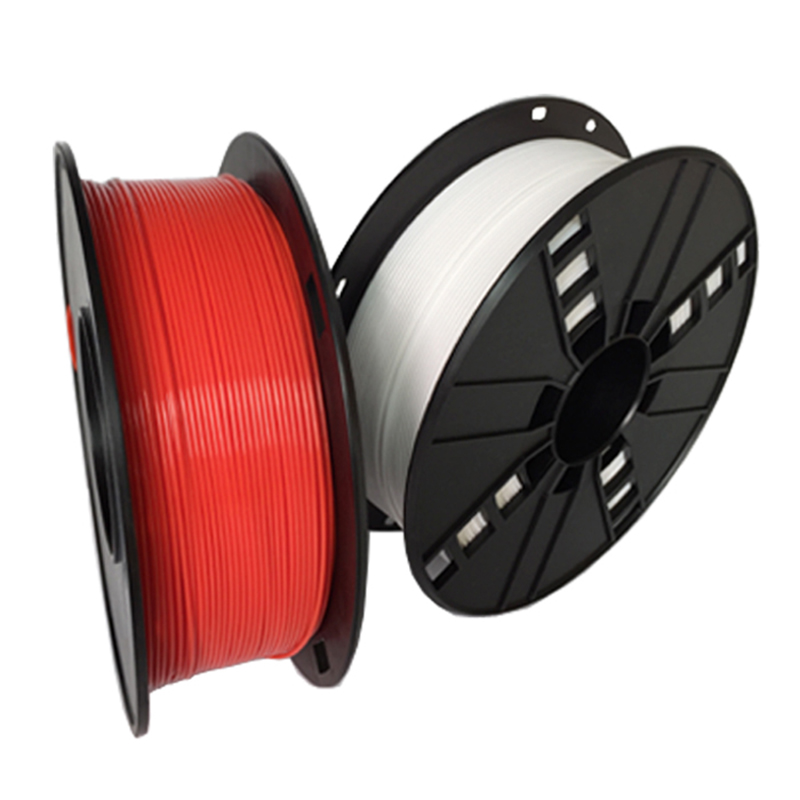
Premium Carbon Fiber PETG & Specialty Filaments
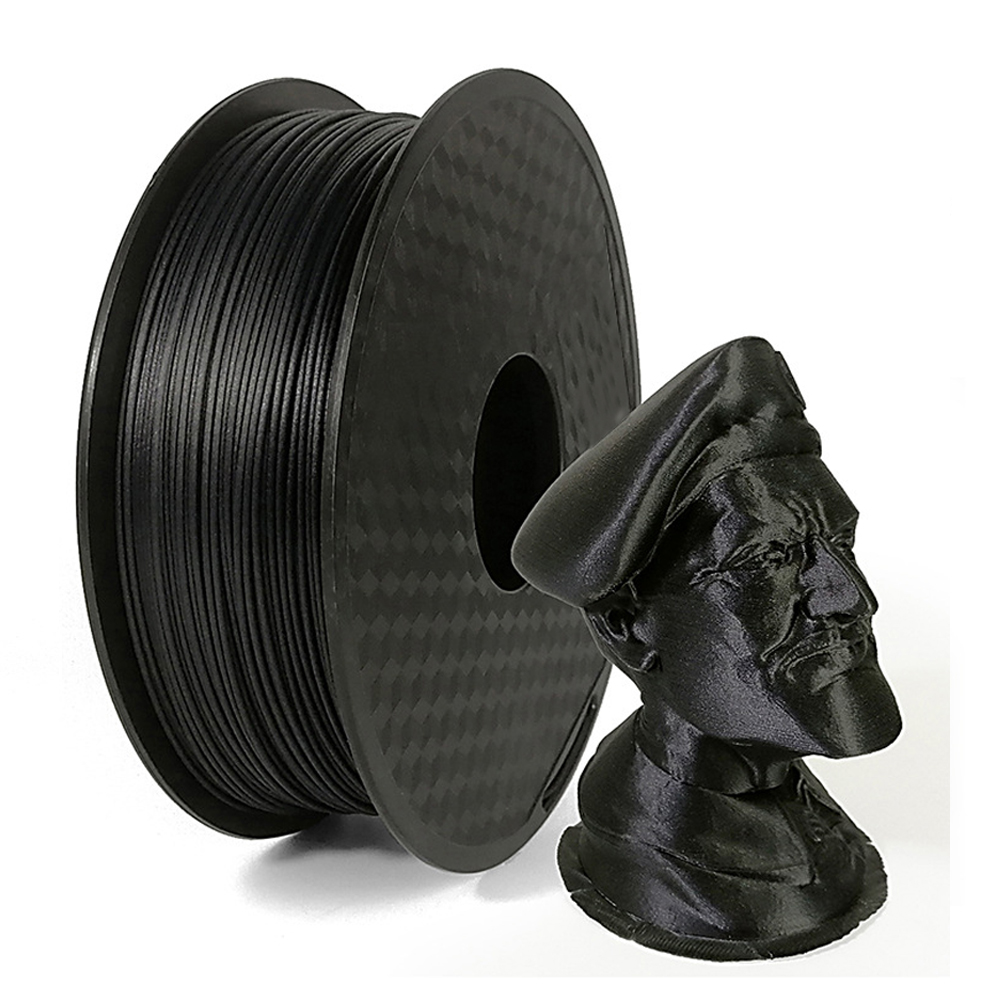
PETG Carbon Fiber 3D Printer Filament, 1.75mm 800g/spool
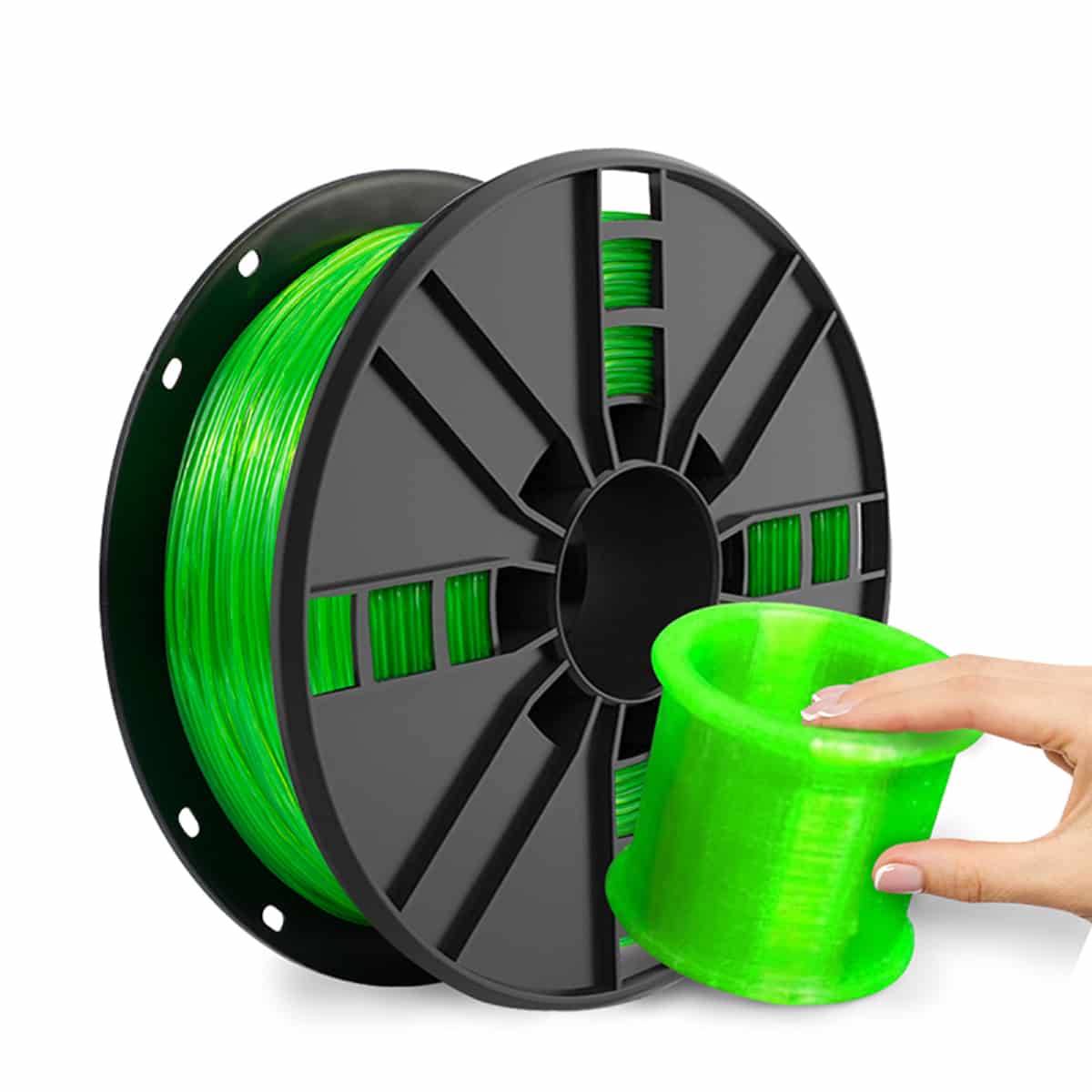
TPU flexible filament 1.75mm 1kg Green color for 3D printing
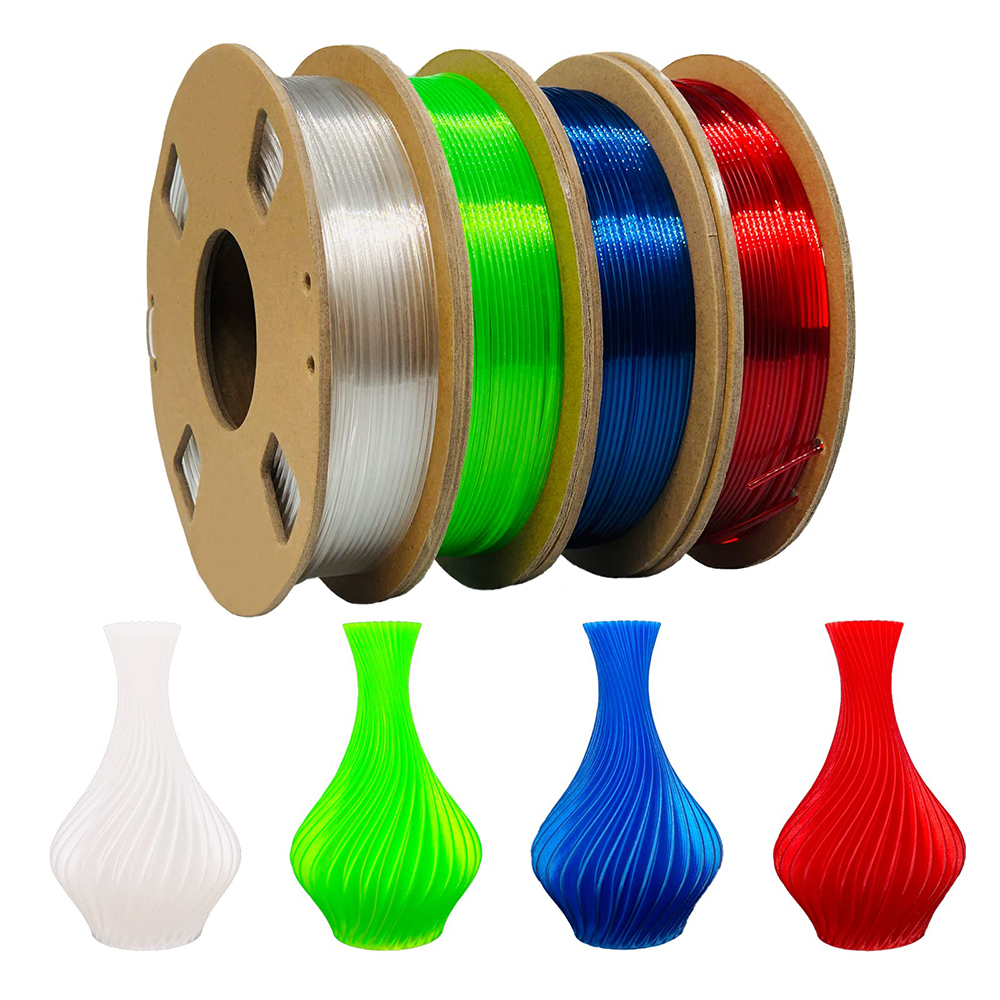
PETG Filament with multi-color for 3D printing, 1.75mm, 1kg
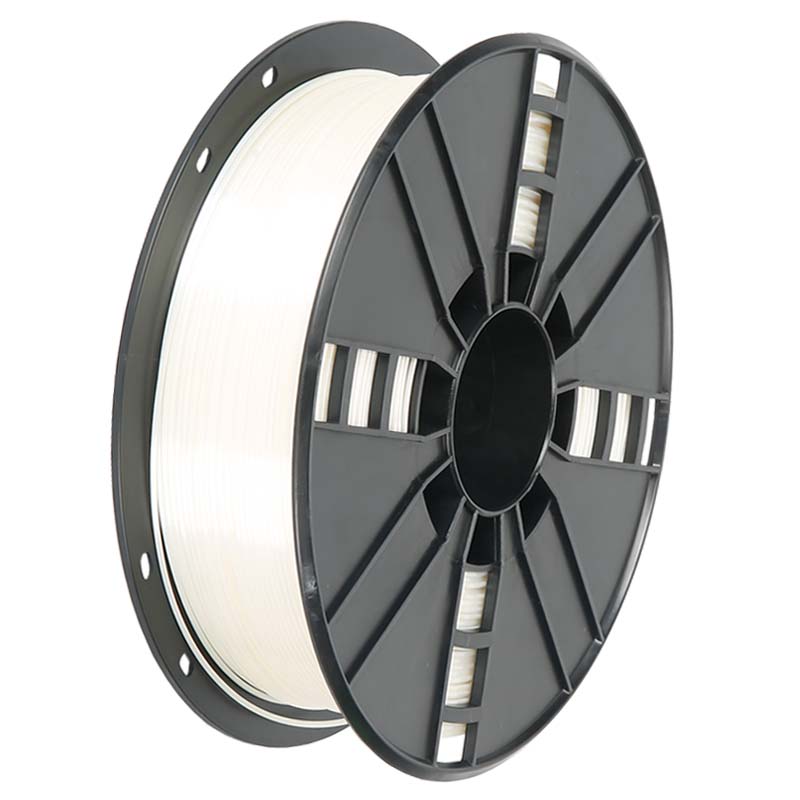
Shiny Pearl White PLA Filament 1.75mm 1kg
The Rise of Carbon Fiber PETG in the UK Industrial Landscape
The United Kingdom has long stood at the forefront of engineering innovation, from the heartlands of the Industrial Revolution to today's cutting-edge aerospace and automotive clusters. In recent years, the UK's additive manufacturing sector has witnessed an unprecedented paradigm shift. Standard prototyping materials are no longer sufficient; instead, British engineers and manufacturing facilities are demanding high-performance, functional materials capable of surviving harsh working environments. This demand has positioned Carbon Fiber PETG (Polyethylene Terephthalate Glycol reinforced with Carbon Fiber) as one of the most sought-after composite filaments across the country.
UK-based manufacturing hubs, particularly those situated within the Midlands' "Motorsport Valley," are rapidly adopting Carbon Fiber PETG to accelerate design cycles and reduce physical tooling costs. Unlike traditional unfilled plastics, Carbon Fiber PETG combines the chemical resistance, thermal stability, and ease of processing of PETG with the incredible structural stiffness and weight reduction offered by high-modulus chopped carbon fibers.
According to industrial manufacturing surveys in the UK, the adoption of composite filaments has grown by over 35% year-on-year, driven by the aerospace, automotive, and customized tooling sectors seeking lightweight alternatives to aluminum and steel components.
Why the UK Market Favors Carbon Fiber PETG Over Other Materials
In the past, engineers seeking high stiffness turned to Carbon Fiber Nylon (CF-PA). However, nylon's high hygroscopicity (moisture absorption) and tendency to warp during printing present significant challenges without specialized, high-temperature industrial printers. Carbon Fiber PETG offers a compelling alternative:
- Low Moisture Absorption: Unlike Nylon, PETG does not absorb water rapidly from the air, making it far more stable to store and print in the UK’s humid climate.
- Superior Dimensional Stability: The inclusion of carbon fibers drastically reduces the thermal contraction of the base polymer, resulting in virtually zero warping or shrinkage, even when printing large structural components.
- Excellent Chemical & Temperature Resistance: Parts printed with Carbon Fiber PETG withstand exposure to hydrocarbons, diluted acids, and oils, which are common in automotive workshop environments.
- Aesthetic Appeal: The carbon fiber reinforcement imparts a stunning, premium matte finish that hides layer lines exceptionally well, minimizing the need for extensive post-processing.
Localized Applications of Carbon Fiber PETG Across UK Industries
The practical utility of Carbon Fiber PETG spans multiple high-tech sectors throughout England, Scotland, Wales, and Northern Ireland. By partnering with leading global manufacturers and local suppliers, UK enterprises are unlocking new capabilities on their factory floors.
1. Automotive & Motorsports (The Motorsport Valley)
The UK is home to the majority of Formula 1 teams and a dense network of high-performance automotive suppliers. In this high-octane sector, weight reduction directly translates to speed and efficiency. Carbon Fiber PETG is widely utilized to print functional prototype intake manifolds, aerodynamic ducting, customized brackets, and sensor mounts. The material's stiffness-to-weight ratio allows teams to rapidly iterate designs and test them directly on track or in wind tunnels without the delays of carbon fiber layup molds.
2. Aerospace & Defense Clusters
With major aerospace hubs located in Bristol, Preston, and Derby, the UK aerospace industry demands the highest standards of material traceability and performance. Carbon Fiber PETG is increasingly used for non-critical cabin interior components, ground support equipment, and specialized drone frames. The lightweight properties of carbon fiber composites help reduce fuel consumption in unmanned aerial vehicles (UAVs) while maintaining structural integrity during high-G maneuvers.
3. Industrial Jigs, Fixtures, and Manufacturing Aids
On assembly lines across the UK, from machinery manufacturing to consumer electronics assembly, custom jigs and fixtures are essential. Traditional metallic fixtures are heavy, expensive, and slow to produce. Carbon Fiber PETG enables production engineers to design and print lightweight, ergonomically optimized handheld jigs overnight. These 3D-printed tools are stiff enough to withstand repetitive mechanical stresses without bending, yet soft enough not to scratch or damage the finished production parts.
4. Academic Research & University Spin-offs
The UK boasts world-renowned academic institutions like Oxford, Cambridge, and Imperial College London, all of which feature state-of-the-art additive manufacturing laboratories. Carbon Fiber PETG is a staple material in these research environments, supporting spin-offs and start-ups in robotics, medical devices, and marine engineering by providing an accessible path to high-strength functional prototyping.
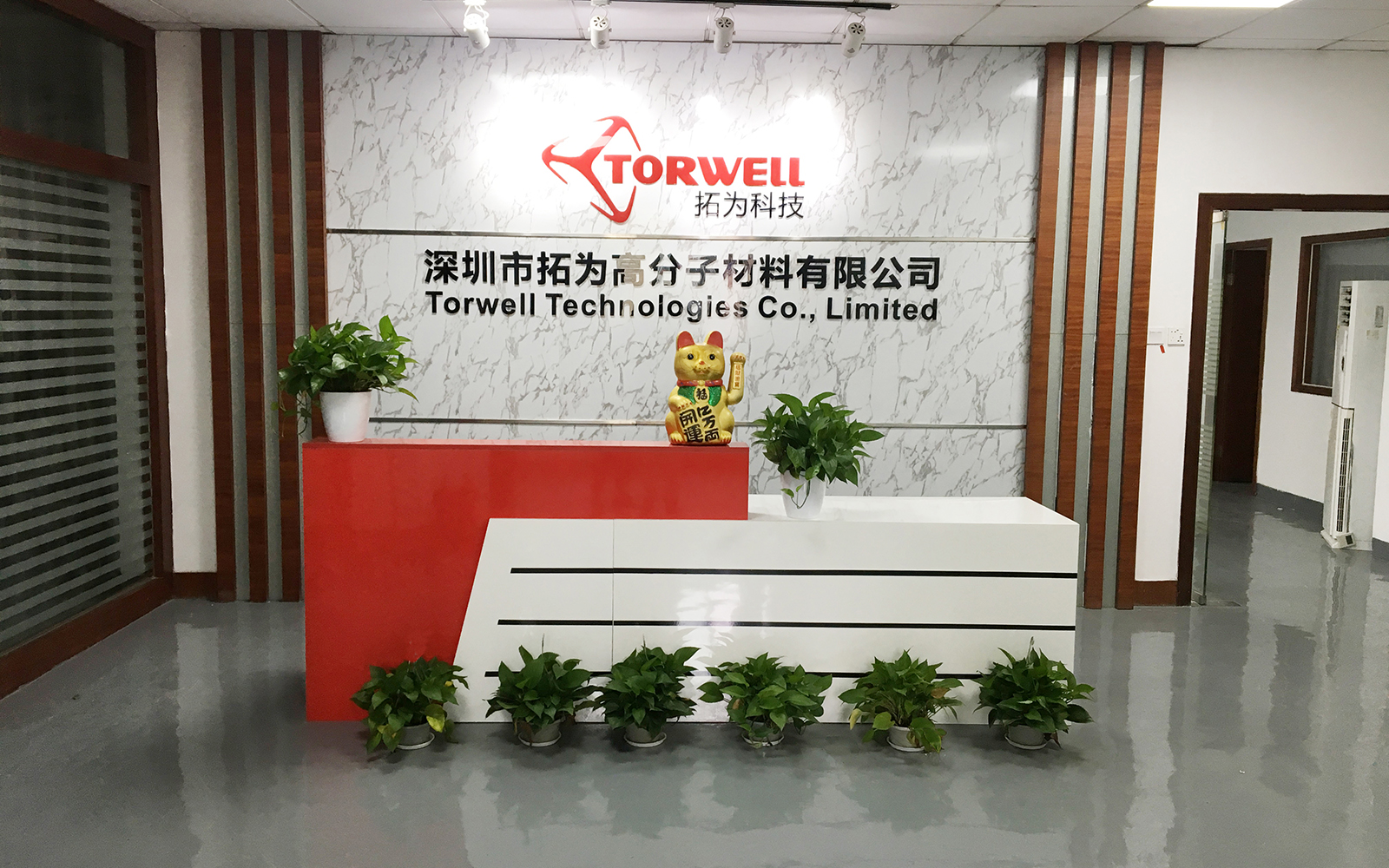
Company Profile
Founded in 2011, Torwell Technologies Co., Ltd. is one of the earliest high-tech enterprises which specializing in high – tech 3D printer filaments research, manufacture and sell, occupies 2,500 square meters modern factory with production capacity of 50,000kgs per month.
With more than 10years experiences in 3D printing market exploration, cooperated with Institute for High Technology and New Materials in domestic famous universities, and engaging Polymer materials experts as technical adviser, Torwell becomes one of member of Chinese rapid prototyping association and leader enterprise with the most innovative products in 3D printing industry, owns independent intellectual property rights, patents and trademarks(Torwell US, Torwell EU, NovaMaker US, NovaMaker EU).
Torwell passed international quality management system ISO9001, international environment system ISO14001, the advanced manufacturing equipment, test devices and virgin raw materials available are introduced to produce and distribute 3D printer filament of unparalleled quality, to insure all the products of Torwell are compliant with RoHS standard, MSDS, Reach, TUV and SGS test certificated.
Selecting the Right Carbon Fiber PETG Supplier in the UK
When sourcing Carbon Fiber PETG for industrial applications, UK procurement managers and engineering leads must look beyond price. Consistent filament diameter, fiber distribution, and polymer purity are the cornerstones of successful additive manufacturing. A minor variation in filament quality can lead to nozzle clogs, layer delamination, or catastrophic part failure under load.
Crucial Factors to Evaluate in a Supplier:
- Diameter Consistency and Roundness: High-quality suppliers utilize dual-axis laser measurement systems during extrusion to ensure a tolerance of ±0.03mm or better. This consistency guarantees steady volumetric flow and prevents extrusion bottlenecks.
- Uniform Carbon Fiber Distribution: The chopped carbon fibers must be evenly dispersed throughout the PETG matrix. Poor dispersion leads to localized weak spots in the printed component and increases the risk of nozzle wear and clogging.
- Raw Material Traceability: Premium suppliers use 100% virgin PETG resin combined with high-grade carbon fibers. Recycled or inferior raw materials introduce impurities that degrade the physical properties of the printed part.
- Compliance and Certifications: For UK businesses, adherence to environmental and chemical safety regulations is paramount. Sourced materials should comply with UK REACH and RoHS standards, backed by third-party testing (SGS/TUV).
As a reliable and professional 3D printing partner, Torwell has committed to expanding its products to America, Canada, UK, Germany, Netherlands, France, Spain, Sweden, Italy, Russia, Mexico, Australia, New Zealand, Brazil, Argentina, Japan, South Korea, Vietnam, Thailand, Malaysia, India, more than 80 countries and regions. By blending global manufacturing scale with meticulous quality control, Torwell ensures that UK distributors and factories receive high-performance filaments that meet rigorous British industrial standards.
Optimizing Your Setup for Carbon Fiber PETG Printing
To fully unlock the mechanical potential of Carbon Fiber PETG, proper printer configuration is essential. Because carbon fiber is highly abrasive, standard brass nozzles will wear out rapidly, leading to enlarged nozzle diameters and poor print quality. UK workshops should follow these technical recommendations:
1. Nozzle Selection
Always upgrade to a hardened steel, ruby-tipped, or tungsten carbide nozzle. A standard 0.4mm nozzle is acceptable, but a 0.6mm nozzle is highly recommended. The larger orifice reduces backpressure, decreases the likelihood of clogs from the chopped carbon fibers, and allows for faster print speeds.
2. Thermal Settings
- Extruder Temperature: 240°C to 260°C (depending on the printer's speed and hotend configuration).
- Bed Temperature: 70°C to 80°C to ensure optimal first-layer adhesion.
- Enclosure: While not strictly mandatory like with ABS or Nylon, a stable ambient temperature improves layer-to-layer bonding and structural strength.
3. Print Speed and Cooling
Keep print speeds moderate, typically between 30mm/s and 60mm/s, to ensure adequate melting and extrusion of the composite material. Minimize part cooling fan usage (0% to 20%) to maximize interlayer adhesion, which is critical for the structural integrity of load-bearing parts.
The Future of Carbon Fiber Composites in the UK
The UK's commitment to achieving Net-Zero greenhouse gas emissions by 2050 is driving immense innovation in material science. The additive manufacturing sector is actively exploring sustainable polymer bases and bio-composite formulations. Future iterations of Carbon Fiber PETG are expected to incorporate recycled PET plastic (rPET) sourced from post-consumer waste, paired with reclaimed carbon fibers from the aerospace industry. This circular economy approach aligns perfectly with the sustainability goals of major UK manufacturing consortia.
Furthermore, the integration of AI-driven slicer software and real-time print monitoring is enabling factories to predict mechanical weaknesses before a print is completed. By aligning with forward-thinking manufacturing partners like Torwell Technologies, UK suppliers and factories can secure their supply chains with state-of-the-art materials designed for the smart factories of tomorrow.
Our Complete Specialty Filament Portfolio
TPU flexible filament 1.75mm 1kg Green color for 3D printing
PETG Carbon Fiber 3D Printer Filament, 1.75mm 800g/spool
PETG Filament with multi-color for 3D printing, 1.75mm, 1kg
Shiny Pearl White PLA Filament 1.75mm 1kg
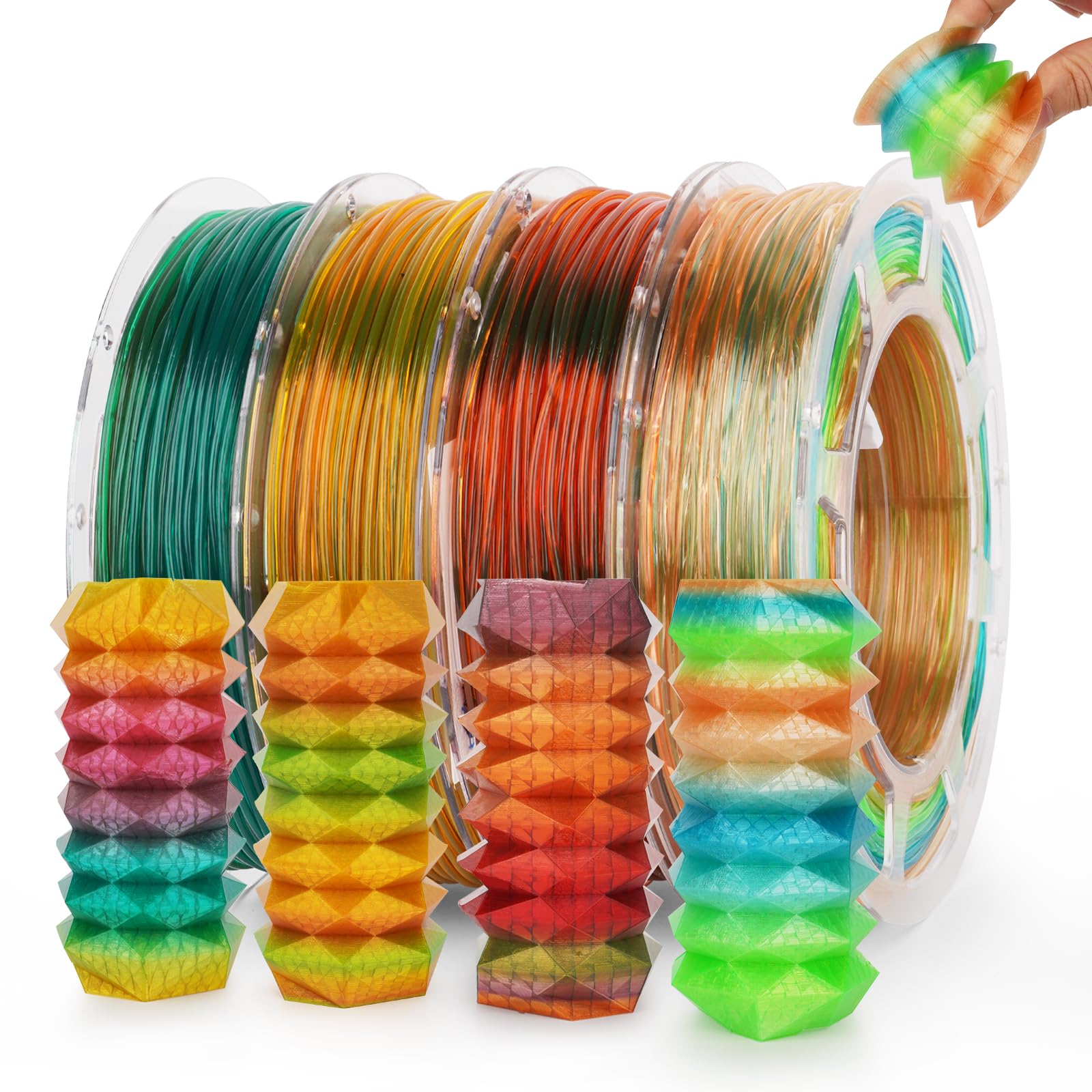
TPU Rainbow Filament 1.75mm 1kg 95A for Industrial & Creative Projects
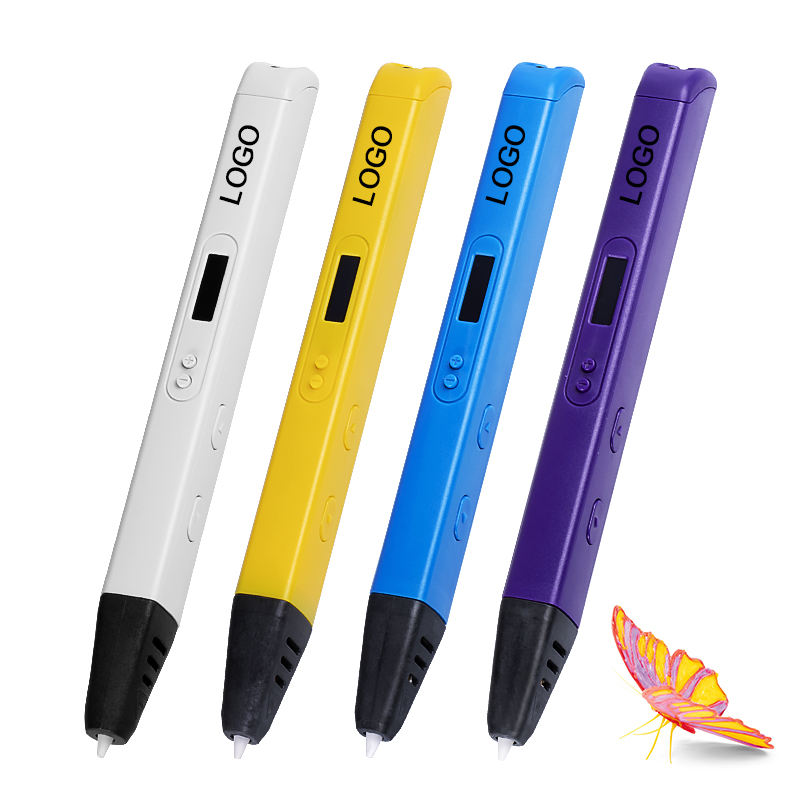
3D Printing Pen with Display - Includes 3D Pen, 3 Colors PLA Filament
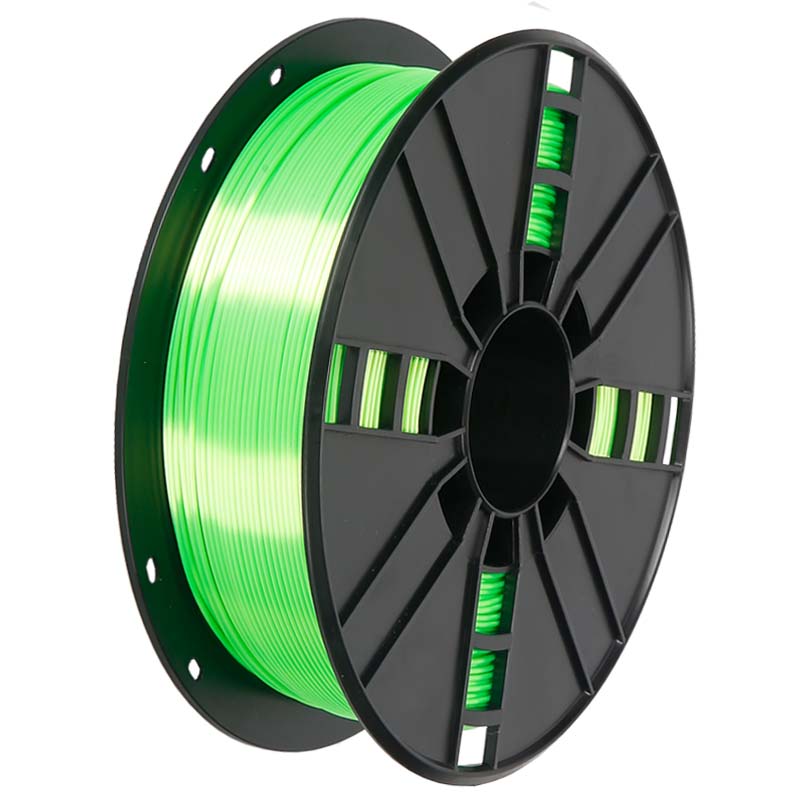
Silk PLA 3D Filament 1KG Green Color with High Gloss Finish