Pioneering Materials For Wearable Fastening Solutions
Commercial Evolution: Carbon Fiber PETG in Flexible Wearable Device Straps
The consumer electronics and medical health sector is witnessing a paradigm shift from rigid mechanical hardware toward soft, responsive, and ergonomic personal telemetry systems. Modern smart wristbands, connected sports trackers, and clinical ambulatory vital sign devices demand structural components that operate reliably at the intersection of strength, elasticity, and comfort. While conventional elastomer straps built from standard vulcanized silicone or pure thermopolyurethane (TPU) offer sufficient flexibility, they consistently fail under prolonged shear loads, lack structural anchorage for sensor mounts, and deform over extended dynamic stress cycles.
This technical boundary has opened massive demand for Carbon Fiber PETG (Polyethylene Terephthalate Glycol reinforced with micro-carbon fibers). When incorporated into multi-material generative strap structures or engineered compliant flexures, Carbon Fiber PETG provides a unique modulus profile: structural rigidity across lateral vectors to securely lock microcontrollers and PPG biometric sensor housings, balanced by torsional flexibility along circumferential wrist contours. The microscopic carbon fiber matrices prevent creep relaxation, retain clasp retention over thousands of wear cycles, and deliver an advanced matte finish with high aesthetic appeal.
Industrial Landscape and Market Projections for Smart Wearables
The wearable tech ecosystem is projected to surpass $180 billion globally within this decade, driven heavily by continuous remote patient monitoring (RPM), field tactical military communications, and industrial occupational exoskeleton attachments. These specialized deployments demand strap systems that withstand sweat acids, skin lipids, environmental ozone, and direct UV radiation without undergoing material degradation or plasticizer leaching.
PETG inherently possesses robust chemical resistance, impervious to skin oils and common antiseptic cleansers like isopropyl alcohol. When carbon fiber additives are homogenized into the polymer matrix through twin-screw compounding, the composite exhibits dramatically improved isotropic strength. Industrial designers leverage this filament in fused deposition modeling (FDM) additive manufacturing to produce complex parametric link-mesh assemblies, customized micro-lattice clasps, and co-molded strap endoskeletons without requiring expensive steel injection tooling.
Compliant Flexure Mechanics
Engineered thin-wall geometry allows PETG carbon composites to act as continuous spring mechanisms for dynamic wrist expansion and retraction.
Skin-Safe Chemical Inertness
Complete resistance to sweat secretions, oils, and sanitizing chemicals prevents hydrolytic degradation and minimizes dermatological irritation.
Sensor Array Anchoring
High tensile modulus provides zero-flex housing perimeters, guaranteeing precise sensor skin contact without signal artifacts or sensor wander.
Deep Scenario Analysis: Specialized Wearable Environments
1. Tactical and First Responder Biosensors: In search-and-rescue or fireground operations, electronic straps face intense heat fluctuations, abrasion, and aggressive pulling forces. A hybrid strap containing a Carbon Fiber PETG core encased in soft Shore 75A-95A TPU combines ballistic impact resistance with physiological skin compliance, ensuring the transdermal sensor arrays stay firmly aligned over arterial beds.
2. Clinical Holter & ECG Ambulatory Straps: In cardiac rehab scenarios, straps must be disinfected frequently and worn uninterrupted for days or weeks. Carbon Fiber PETG delivers the dimensional stability needed for clasp locking pins, alongside non-hygroscopic attributes that deter bacterial accumulation and odor retention.
3. Heavy Industrial Lone-Worker Wearables: Gas monitors and slip-and-fall telemetry bands worn on factory floors must endure chemical mists, vibrations, and frequent mechanical collisions. Traditional soft rubber straps fail quickly due to tear propagation. With carbon fiber alignment across the extrusion vectors, tear propagation speeds drop asymptotically, guarding high-value instrumentation against accidental loss.
Enterprise Manufacturing Infrastructure
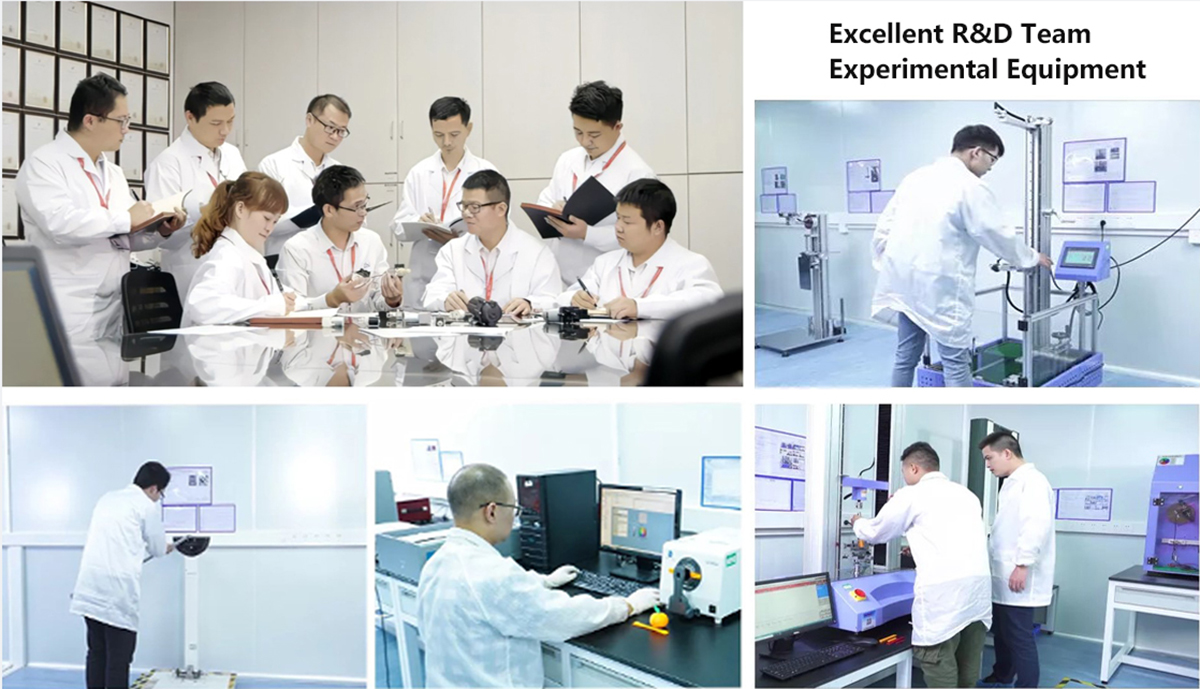
Quality Control
The factory area has passed ISO45001 occupational health and safety management system certification. Every new employee must be experienced one week of safety production knowledge teaching and two weeks of produce skills training, and master every course in the production process. Who is in the position will be responsible for its duty.
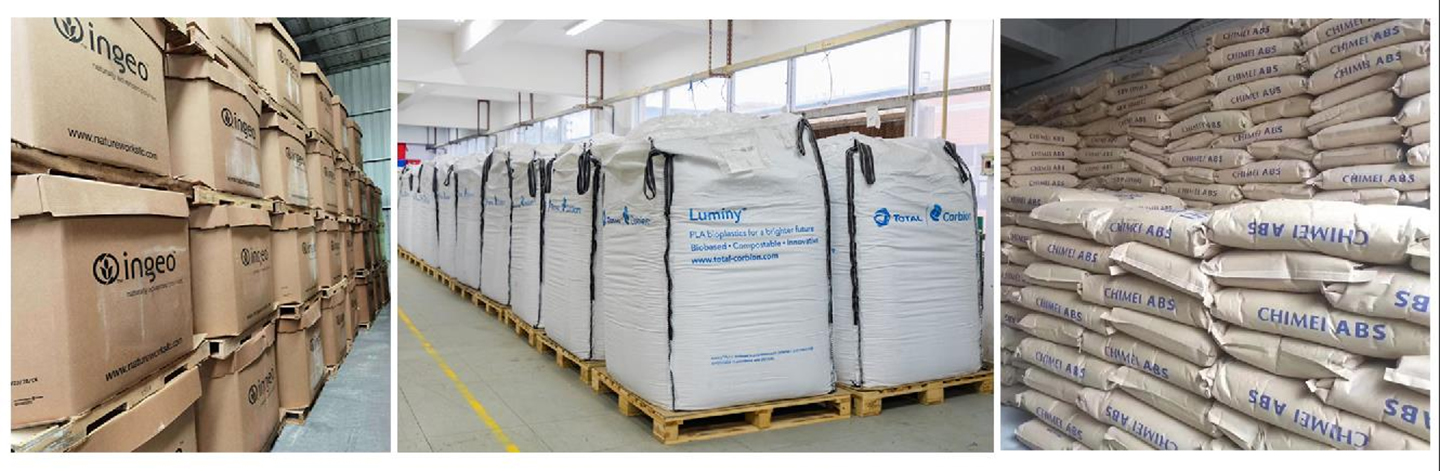
Raw Material
PLA is the most preferred material for 3D printing, Torwell firstly chooses PLA from US NatureWorks, and Total-Corbion is the alternative. ABS from TaiWan ChiMei, PETG from South Korea SK. Each batch of main raw materials comes from the partners who has cooperated more than 5 years to ensure the reliability of the products from the source. Each batch of raw materials will undergo parameters inspection before produce to ensure that raw materials are original and virginal.
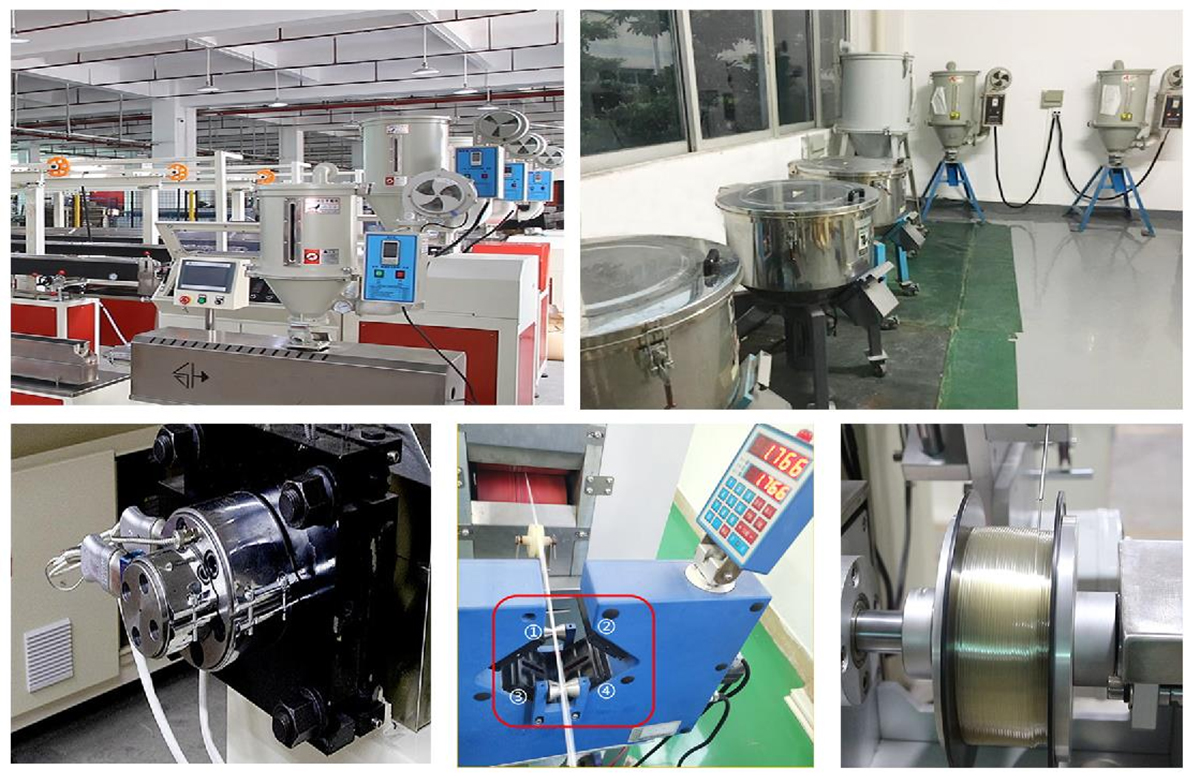
Equipment
The manufacturing workshop will make arrangements after the inspection of raw materials, at least two engineers cross-check the clearance of mixing tank, color mixed of material, humidity from hopper dryer, temperature of extruder, hot/cool tank, and trial-produce and debugging the produce line to make sure all of processes in the best condition. Maintain the filament Diameter tolerance +/- 0.02mm, Roundness tolerance +/- 0.02mm.
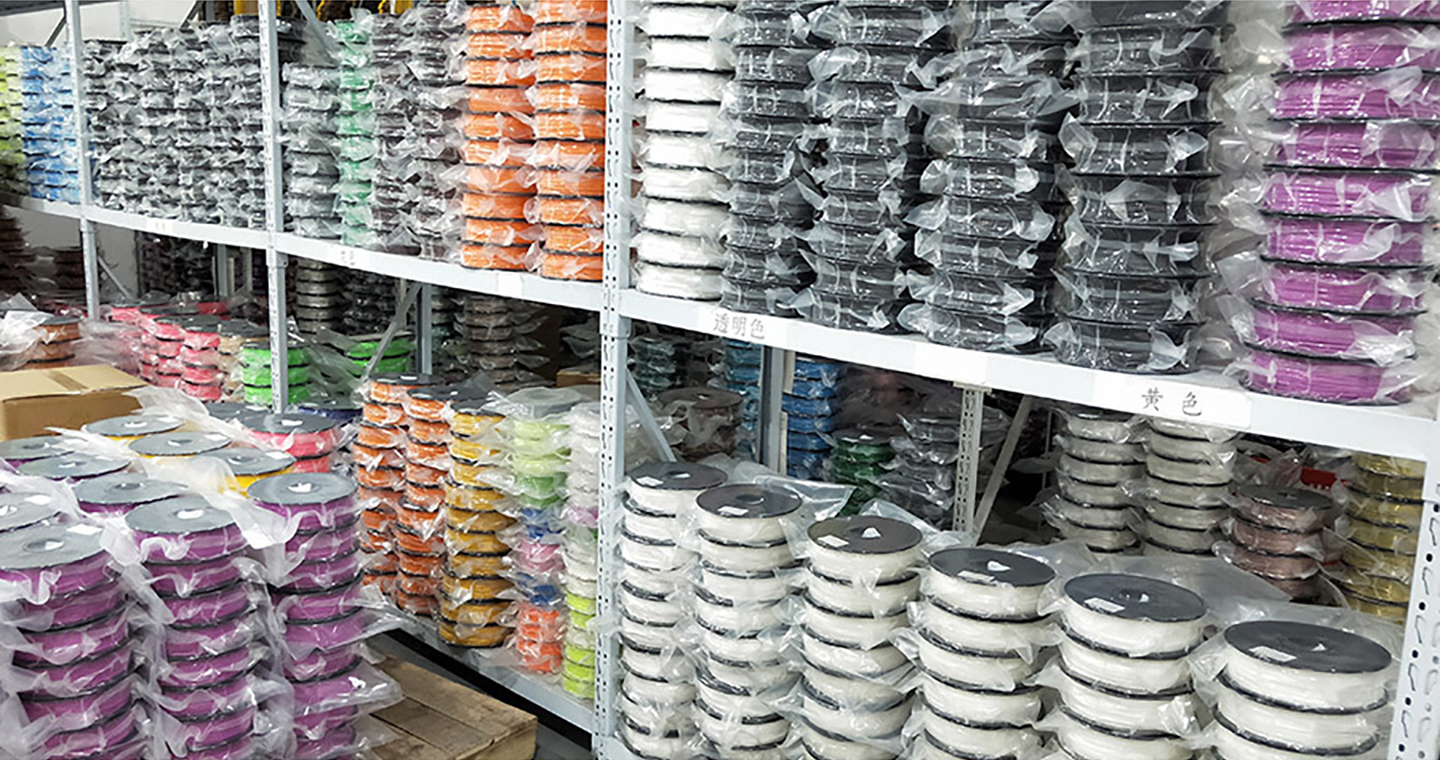
Final Inspection
After each batch of 3D filament is produced, two quality inspectors will conduct random inspections on each batch of finished products in accordance with the requirements of the standard, such as diameter tolerance, color consistency, strength and toughness and so on. After vacuuming the package, place them for 24 hours to check whether there is any leaking package, then label it and finish the package.