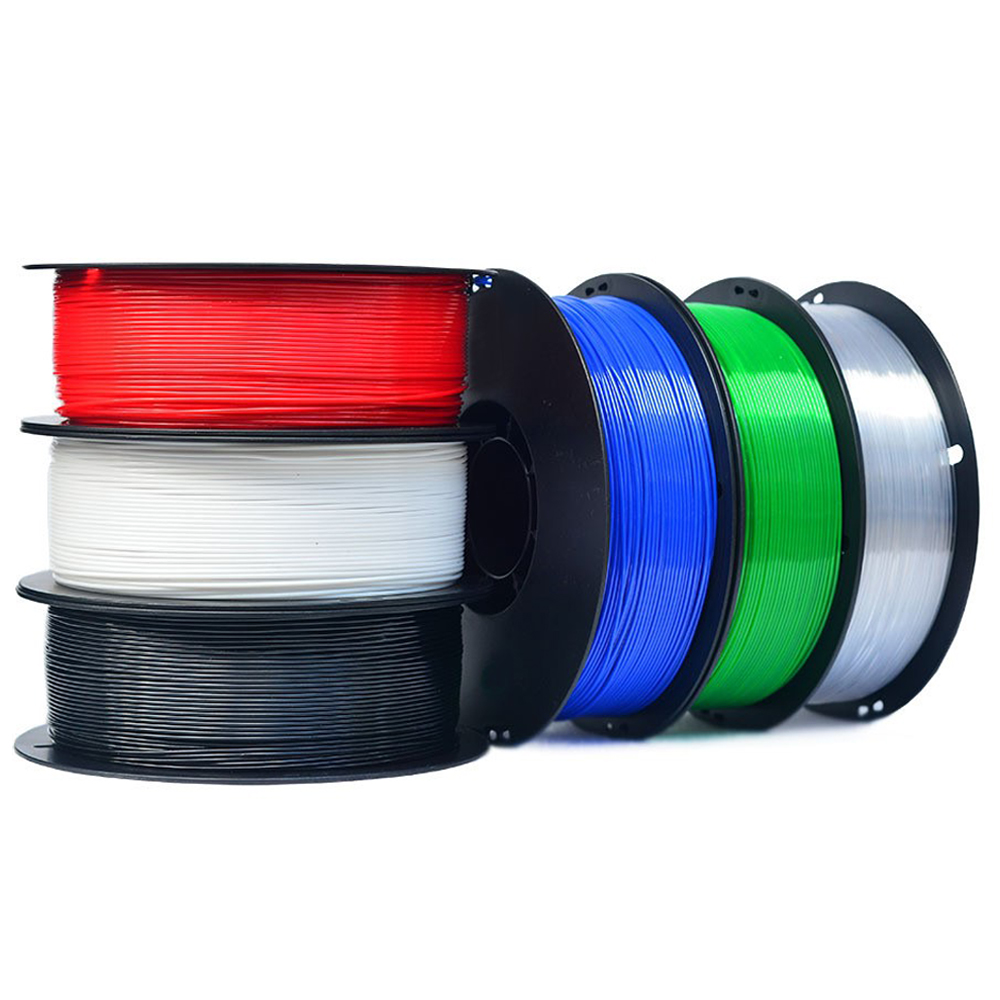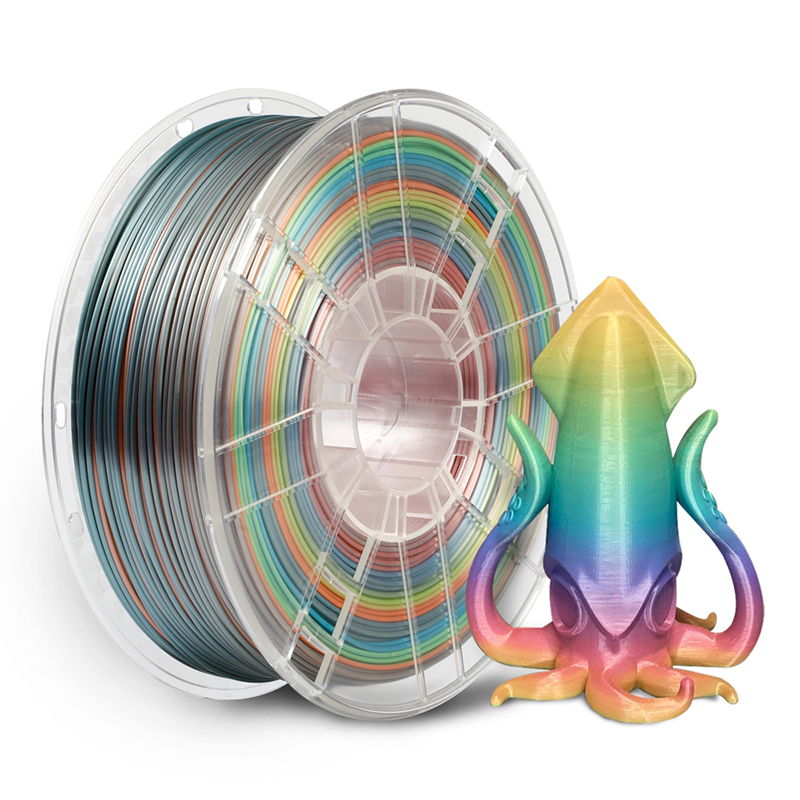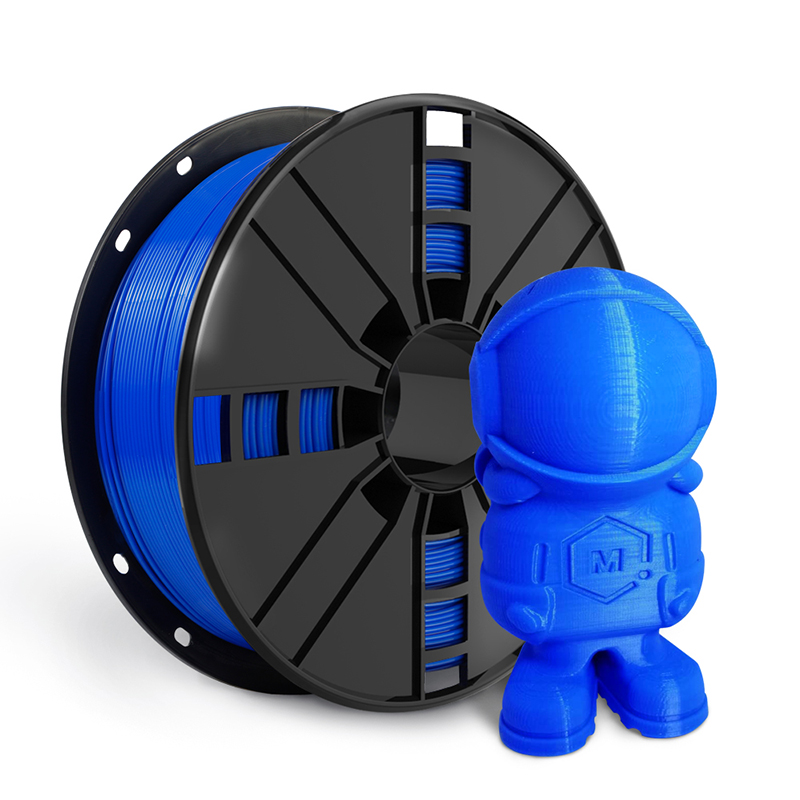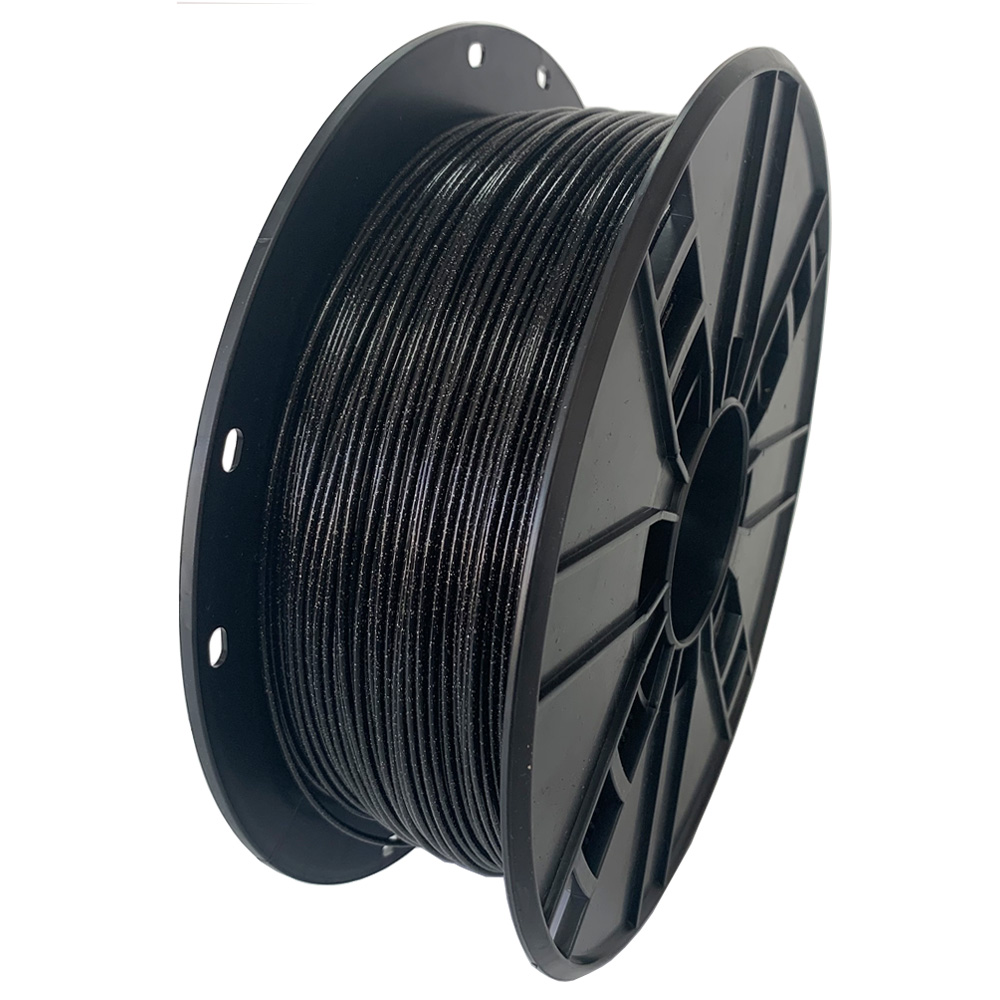
High-Performance Engineering Filaments
Explore our core additive manufacturing grades optimized for functional testing, structural stiffness, and dimensional fidelity.
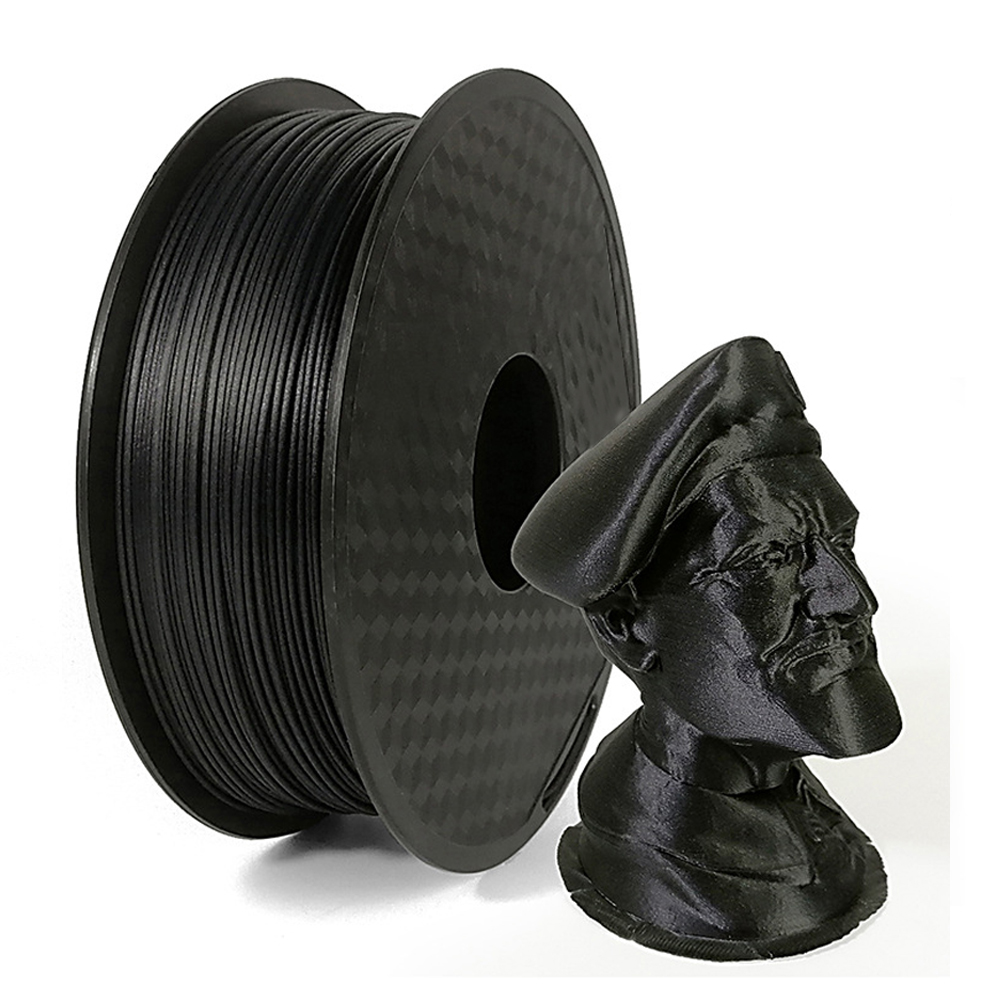
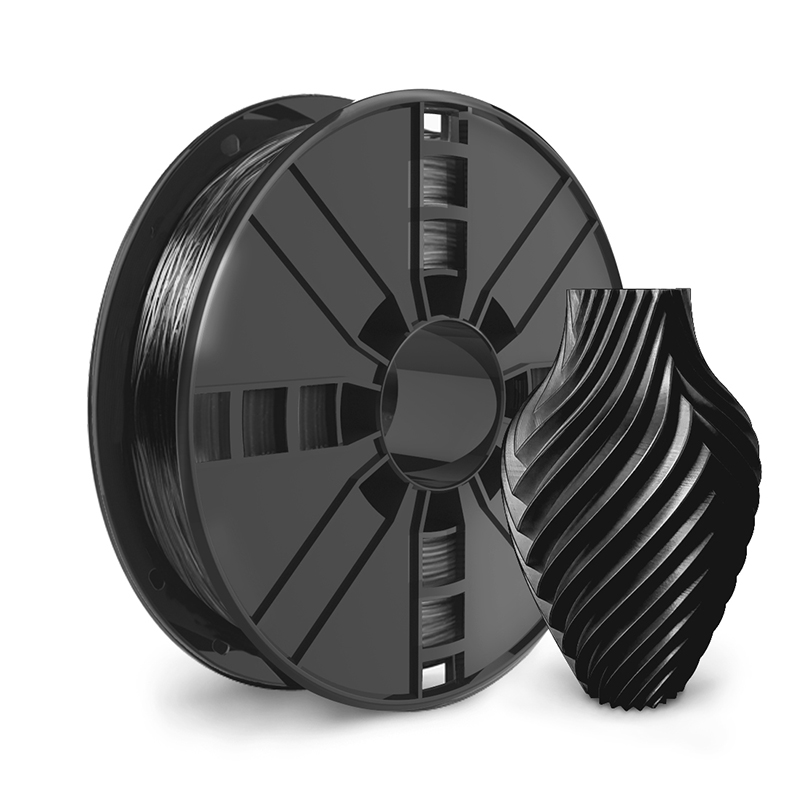
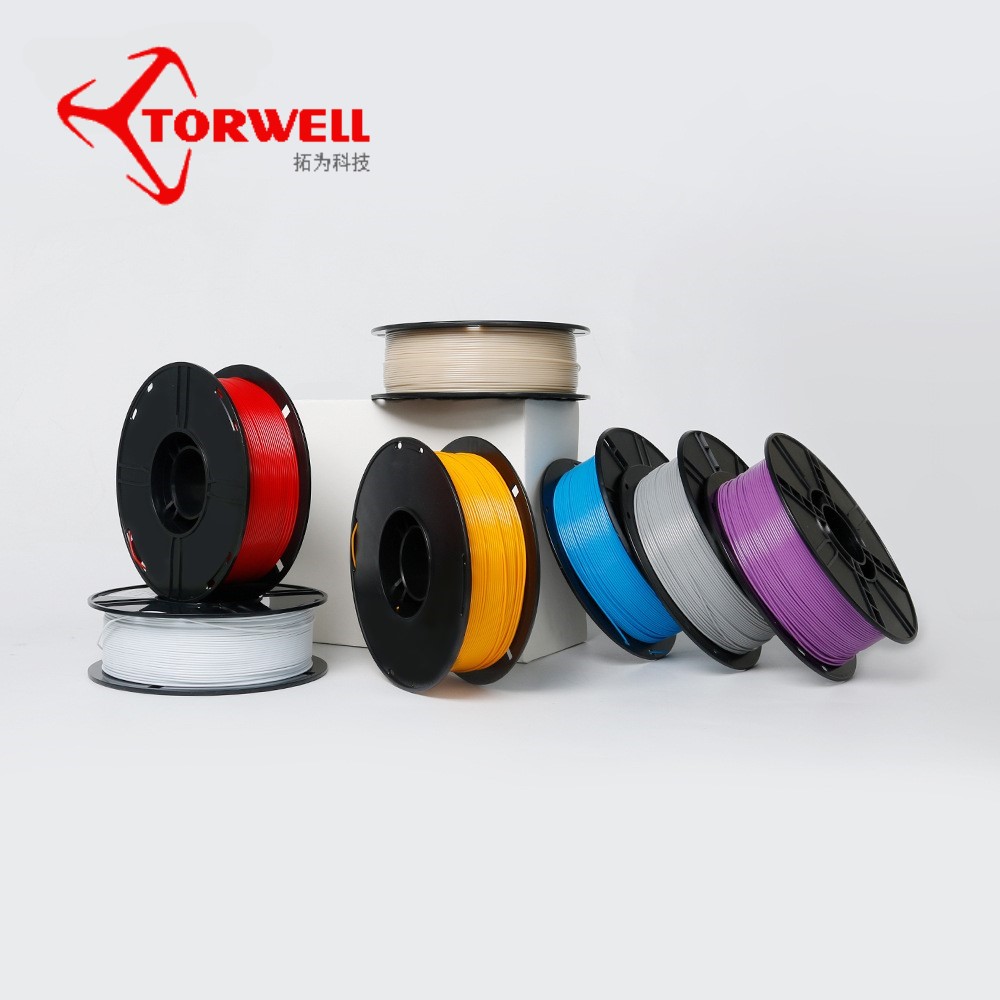
Why Carbon Fiber PETG Dominates Modern Functional Prototyping
The evolution of additive manufacturing from visual conceptualization to true functional validation has forced a paradigm shift in materials engineering. For decades, mechanical engineers faced a persistent trade-off: use standard thermoplastic filaments (like PLA or standard PETG) with high print reliability but moderate mechanical rigidity, or migrate to ultra-high-performance polymers (like PEEK, PEI, or Nylon-CF) which demand sealed heated chambers, hardened tool steel drivetrains, and complex moisture dehydration protocols. Carbon Fiber Polyethylene Terephthalate Glycol (PETG-CF) represents the ideal synthesis, merging exceptional printability and chemical resistance with the heightened tensile modulus and dimensional stability demanded by rapid mechanical engineering workflows.
"By embedding micro-chopped carbon fiber reinforcement matrix into virgin glycol-modified PET, PETG-CF achieves structural stiffness approaching die-cast lightweight alloys while retaining near-zero shrinkage during deposition."
Superior Flexural Modulus
High-aspect-ratio carbon fibers orient along the deposition toolpath, dramatically multiplying flexural stiffness and preventing mechanical creep under sustained loads.
Negligible Thermal Warpage
The carbon fiber lattice reduces the isotropic coefficient of thermal expansion (CTE), ensuring tight dimensional tolerances across large-format functional prototype builds.
Matte Industrial Finish
Naturally masks inter-layer striations with an elegant, non-reflective micro-textured surface that mimics finished injection-molded carbon-composite components.
Comparative Mechanical Performance in Engineering Environments
When selecting materials for functional prototypes, design engineers must evaluate tensile strength, flexural modulus, continuous operating temperatures, and environmental resistance against hydrocarbons, coolants, and humidity. Standard PETG provides admirable moisture resistance and ductility; however, it tends to flex excessively under torque or cantilevered loads. The integration of 15% to 20% high-purity chopped carbon fibers increases Young's modulus by more than 150%, allowing prototypes to withstand rigorous physical stress analysis, wind tunnel evaluations, and cyclical vibration testing without permanent plastic deformation.
| Mechanical & Physical Property | Unfilled Standard PETG | Torwell Carbon Fiber PETG | Standard ABS | Engineering Advantage (CF-PETG) |
|---|---|---|---|---|
| Tensile Modulus (MPa) | 2,100 ± 100 | 5,400 ± 250 | 2,300 ± 120 | +157% Increase in Rigidity |
| Flexural Strength (MPa) | 72 ± 4 | 115 ± 6 | 68 ± 5 | Superior load-bearing without deflection |
| Heat Deflection Temp (0.45MPa) | 68°C | 78°C – 82°C | 85°C | Maintains stiffness at elevated operating temps |
| Moisture Absorption (24h) | < 0.2% | < 0.3% | < 0.8% | No hydrolytic degradation, low hygroscopicity |
| Layer Line Visual Masking | Poor (Glossy) | Exceptional (Matte CF) | Moderate | Immediate C-suite & end-user presentation ready |
Industrial Applications in Modern Rapid Product Development
The industrial landscape for functional prototyping demands parts that survive real-world test benches. Carbon Fiber PETG is currently widely integrated across several mission-critical verticals:
1. Automotive Powertrain & Aerodynamic Validation
Engineers utilize PETG-CF to fabricate functional air intakes, brake ducting prototypes, lightweight aerodynamic diffuser brackets, and engine bay electronics housings. Because the material demonstrates substantial chemical inertness against motor oils, fuels, and automotive cleaning agents, functional prototypes can be installed directly into test mules for track and dynamometer testing.
2. Robotics, Drone Airframes & End-Of-Arm Tooling (EOAT)
In high-speed robotic picking and automation cells, mass directly dictates inertia, cycle time, and motor wear. Carbon Fiber PETG allows automation engineers to produce lightweight, ultra-rigid custom vacuum grippers, robotic finger actuators, and structural drone arms that exhibit zero flex during high-G maneuvers, significantly outperforming unreinforced plastics.
3. Precision Metrology Fixtures & Assembly Jigs
Quality control laboratories require coordinate measuring machine (CMM) fixtures and assembly locating jigs that maintain geometric integrity despite ambient temperature fluctuations. The low thermal expansion of PETG-CF guarantees that alignment pins, clamp blocks, and locator nests remain within tight micrometer tolerances over years of continuous factory-floor use.
4. Electronics & Industrial Enclosures for Rugged Environments
Functional enclosures for field-deployed test hardware require electromagnetic attenuation, drop impact resilience, and anti-static or high-rigidity structural shells. PETG-CF provides the necessary durability to safeguard sensitive PCB assemblies during rugged drop-test verification and field validation exercises.
Optimization Guidelines for Printing PETG-CF Prototypes
To maximize isotropic interlayer bonding and realize the maximum mechanical potential of Carbon Fiber PETG, specific slicing and hardware setups are highly recommended:
- Abrasion-Resistant Extrusion Nozzles: Chopped carbon fibers are abrasive. It is essential to use hardened tool steel, ruby-tipped, or tungsten carbide nozzles with a minimum diameter of 0.4mm (0.5mm or 0.6mm recommended to eliminate micro-clogging risks).
- Extrusion Temperature Profile: Maintain hotend temperatures between 240°C and 260°C. High thermal energy ensures complete polymer melt fluidity, allowing the micro carbon fibers to embed seamlessly along the extrusion bead.
- Build Plate Thermal Dynamics: Heated bed temperatures between 70°C and 85°C, paired with textured PEI or engineering adhesive sheets, guarantee maximum first-layer adhesion with zero corner lifting.
- Cooling Fan Management: Regulate part cooling fans between 20% and 50%. Excessive cooling can compromise inter-layer chemical fusion, whereas controlled cooling yields optimum tensile cohesion across the Z-axis.
Company Profile
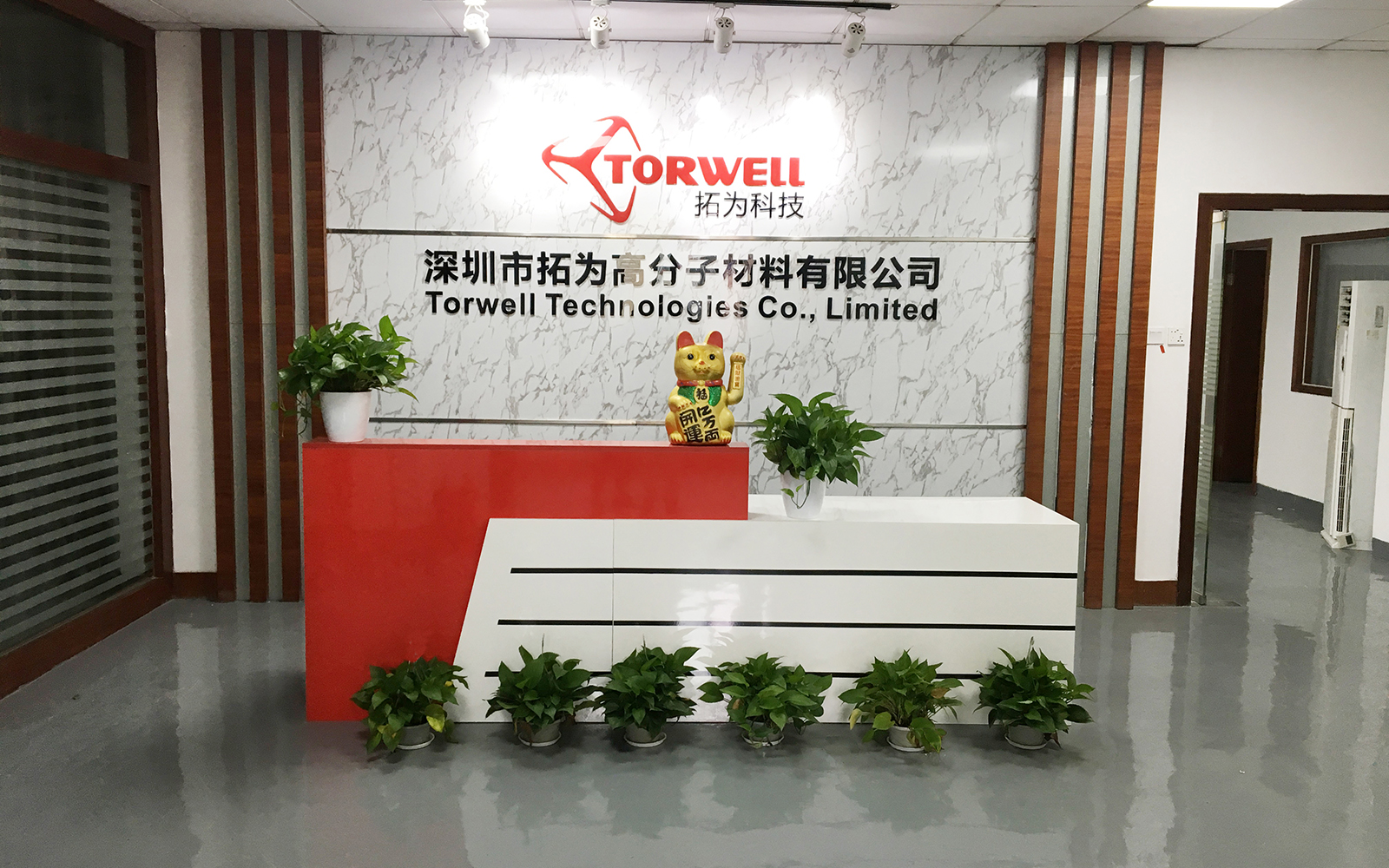
Founded in 2011, Torwell Technologies Co., Ltd. is one of the earliest high-tech enterprises which specializing in high – tech 3D printer filaments research, manufacture and sell, occupies 2,500 square meters modern factory with production capacity of 50,000kgs per month.
With more than 10years experiences in 3D printing market exploration, cooperated with Institute for High Technology and New Materials in domestic famous universities, and engaging Polymer materials experts as technical adviser, Torwell becomes one of member of Chinese rapid prototyping association and leader enterprise with the most innovative products in 3D printing industry, owns independent intellectual property rights, patents and trademarks(Torwell US, Torwell EU, NovaMaker US, NovaMaker EU).
Torwell passed international quality management system ISO9001, international environment system ISO14001, the advanced manufacturing equipment, test devices and virgin raw materials available are introduced to produce and distribute 3D printer filament of unparalleled quality, to insure all the products of Torwell are compliant with RoHS standard, MSDS, Reach, TUV and SGS test certificated.
Be a reliable and professional 3D printing partner, Torwell has committed to expanding its products to America, Canada, UK, Germany, Netherlands, France, Spain, Sweden, Italy, Russia, Mexico, Australia, New Zealand, Brazil, Argentina, Japan, South Korea, Vietnam, Thailand, Malaysia, India, more than 80 countries and regions.
Comprehensive Additive Manufacturing Materials
Industrial-grade, high-rigidity composites, flexible elastomers, and precision aesthetic polymers for every phase of prototyping and serial production.