
Featured High-Performance Filament Series
Engineered for extreme tensile strength, dimensional accuracy, and exceptional mechanical performance across industrial 3D printing ecosystems.
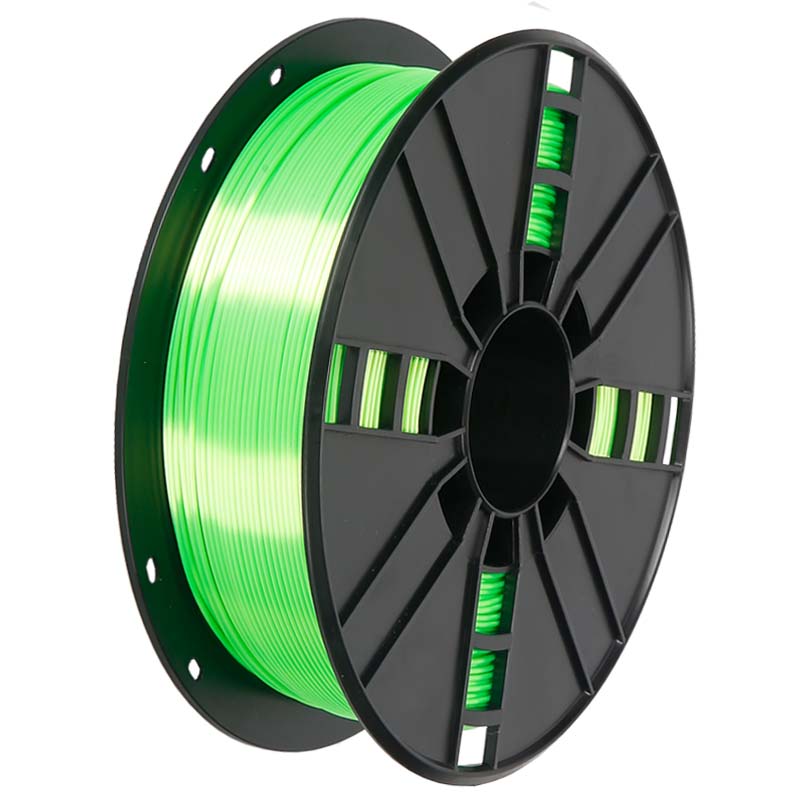
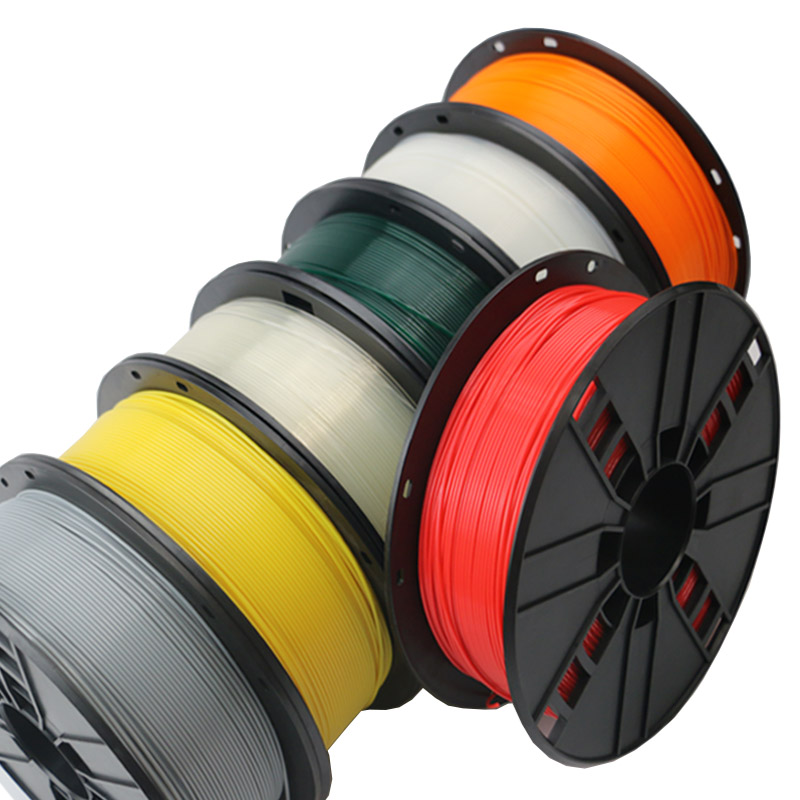
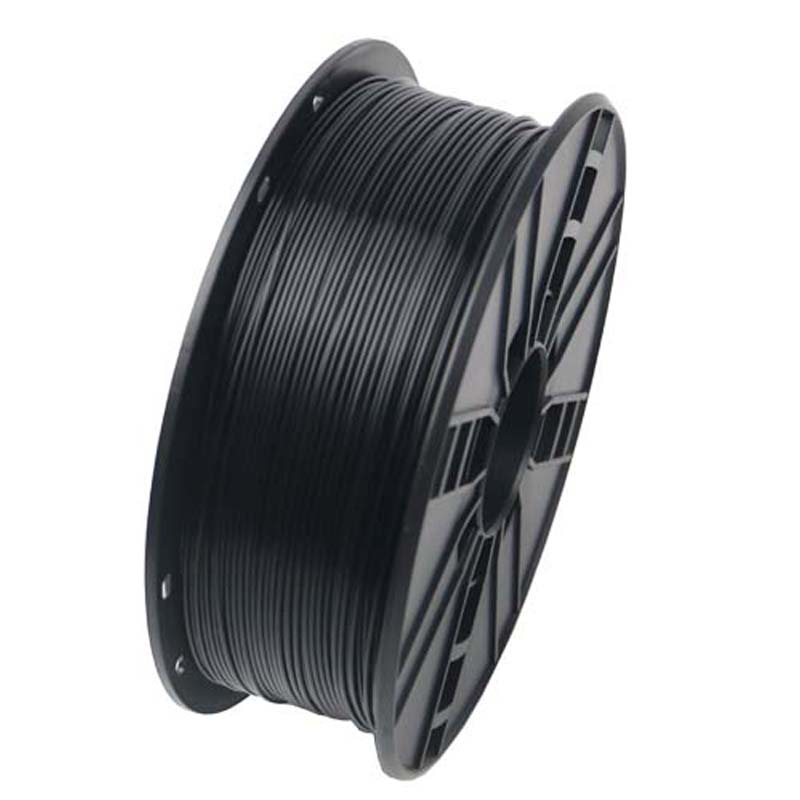
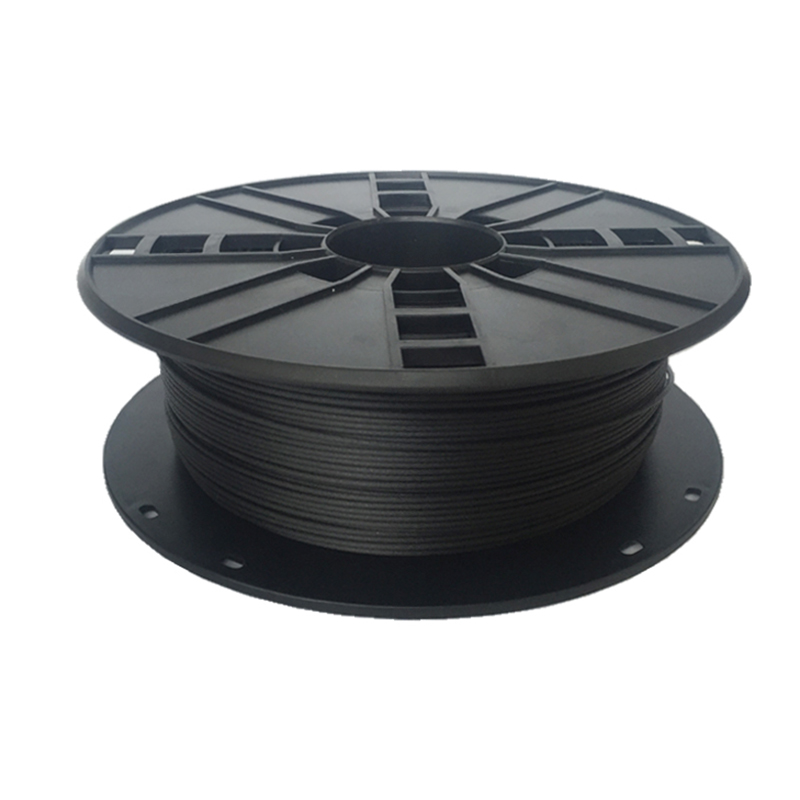
The Rise of Carbon Fiber 3D Printing in Italy's Industrial Heartlands
Italy stands as one of the world's premier capitals for industrial design, luxury automotive manufacturing, precision mechanics, and advanced nautical engineering. Across key economic corridors—from the renowned Emilia-Romagna Motor Valley (home to global motorsport pioneers like Ferrari, Lamborghini, Ducati, and Maserati) to the precision automation clusters of Lombardy, Piedmont, and Veneto—the adoption of additive manufacturing has evolved far beyond basic prototyping. Today, high-strength carbon fiber printer filament is revolutionizing Italian production lines, acting as a direct replacement for lightweight metals such as aluminum and titanium in high-stress functional components.
As Italian manufacturers embrace the national Piano Transizione 4.0, digital fabrication and advanced material extrusions have become paramount. Carbon fiber reinforced filaments—such as Carbon Fiber PLA, PETG-CF, and Carbon Fiber Nylon (PA-CF)—infuse microscopic, high-modulus chopped carbon fibers into premium thermoplastic matrices. This composite architecture provides extraordinary structural stiffness, superior heat deflection temperature (HDT), exceptional resistance to warping, and a premium matte finish that eliminates visible layer lines. For Italian engineers and designers, sourcing certified, high-consistency carbon fiber filament from dependable manufacturers is critical to ensuring structural integrity in end-use parts.
Motorsport & Automotive
Italian racing teams and hypercar manufacturers utilize carbon fiber filaments for intake manifolds, aerodynamic brake cooling ducts, ergonomic steering housings, and rapid wind-tunnel test rigs.
Industrial Robotics & Jigs
Lightweight end-of-arm tooling (EOAT), robotic grippers, and inspection assembly jigs built in Turin and Milan achieve unmatched rigidity with drastically reduced robotic arm inertia.
Marine & Luxury Goods
From custom yacht deck fittings in Ligurian shipyards to high-end eyewear frames and architectural models in Veneto, carbon fiber composites offer weather resilience and luxury aesthetic finishes.
Certified Manufacturing Integrity & Strict Process Engineering
Explore our end-to-end quality assurance framework, precision raw materials selection, and rigorous extrusion protocols guaranteeing batch-to-batch repeatability.
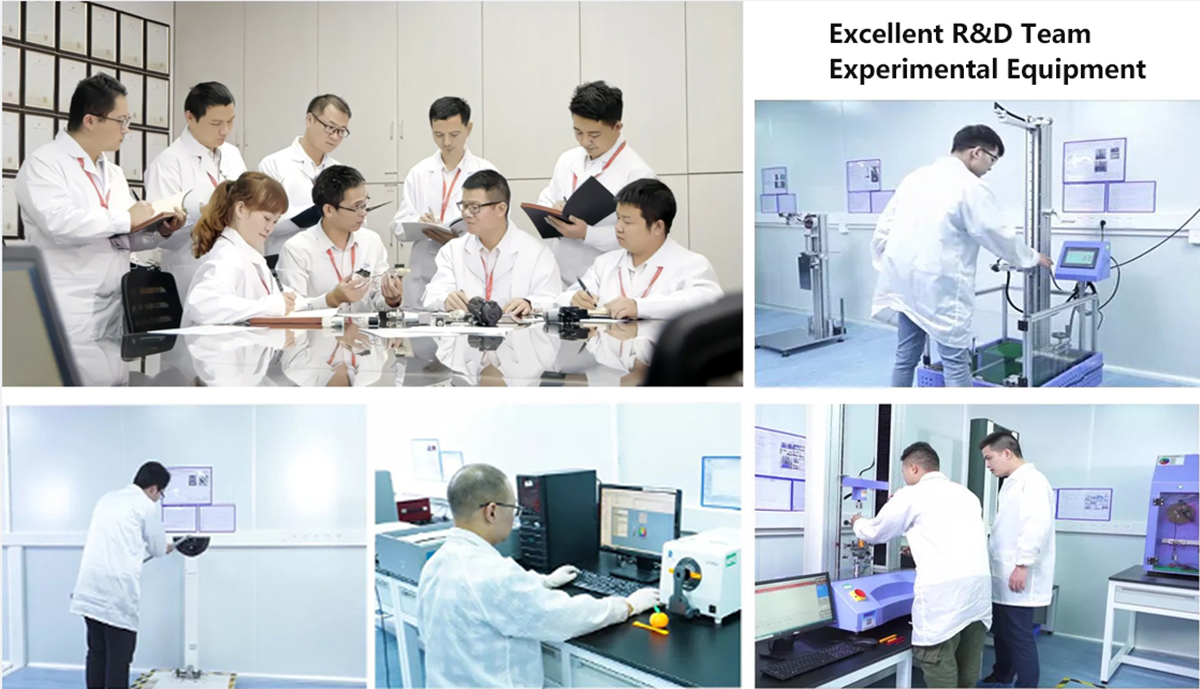
Quality Control
The factory area has passed ISO45001 occupational health and safety management system certification. Every new employee must be experienced one week of safety production knowledge teaching and two weeks of produce skills training, and master every course in the production process. Who is in the position will be responsible for its duty.
Our operational doctrine enforces absolute accountability at every manufacturing checkpoint. From continuous clean-room climate monitoring to automated real-time defect tracking, our production lines in accordance with international safety and quality standards provide Italian enterprise buyers with complete product reliability and traceability.
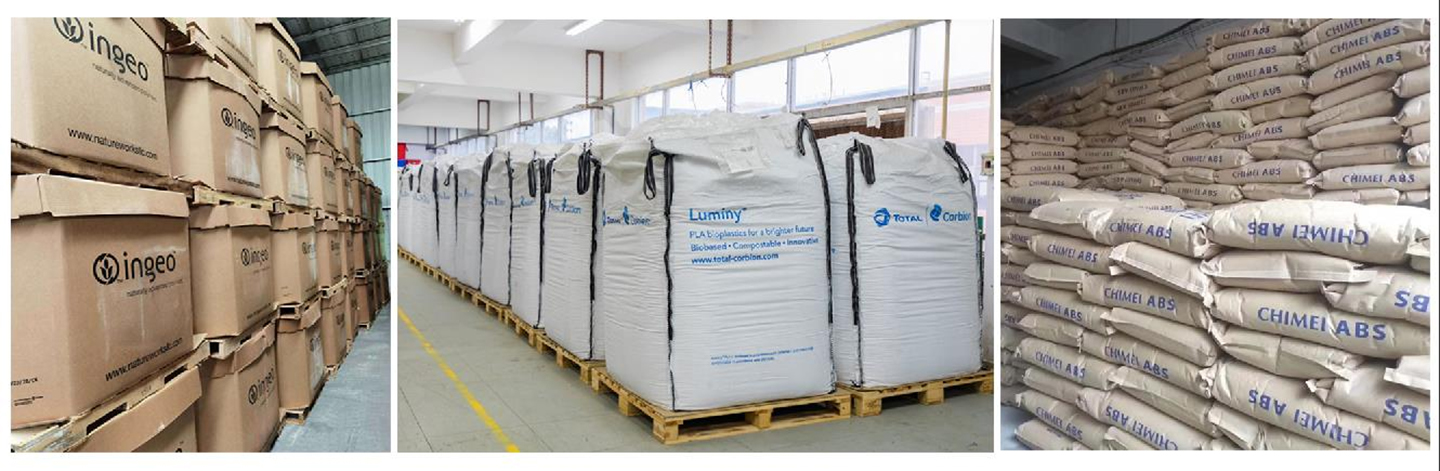
Raw Material
PLA is the most preferred material for 3D printing, Torwell firstly chooses PLA from US NatureWorks, and Total-Corbion is the alternative. ABS from TaiWan ChiMei, PETG from South Korea SK. Each batch of main raw materials comes from the partners who has cooperated more than 5 years to ensure the reliability of the products from the source. Each batch of raw materials will undergo parameters inspection before produce to ensure that raw materials are original and virginal.
When synthesizing specialized composites like Carbon Fiber PLA and technical thermoplastics, only high-purity virgin polymer base resins are blended with high-aspect-ratio carbon microfibers. This prevents nozzle clogging, maintains consistent melt flow indexing (MFI), and eliminates micro-voids during 3D printing.
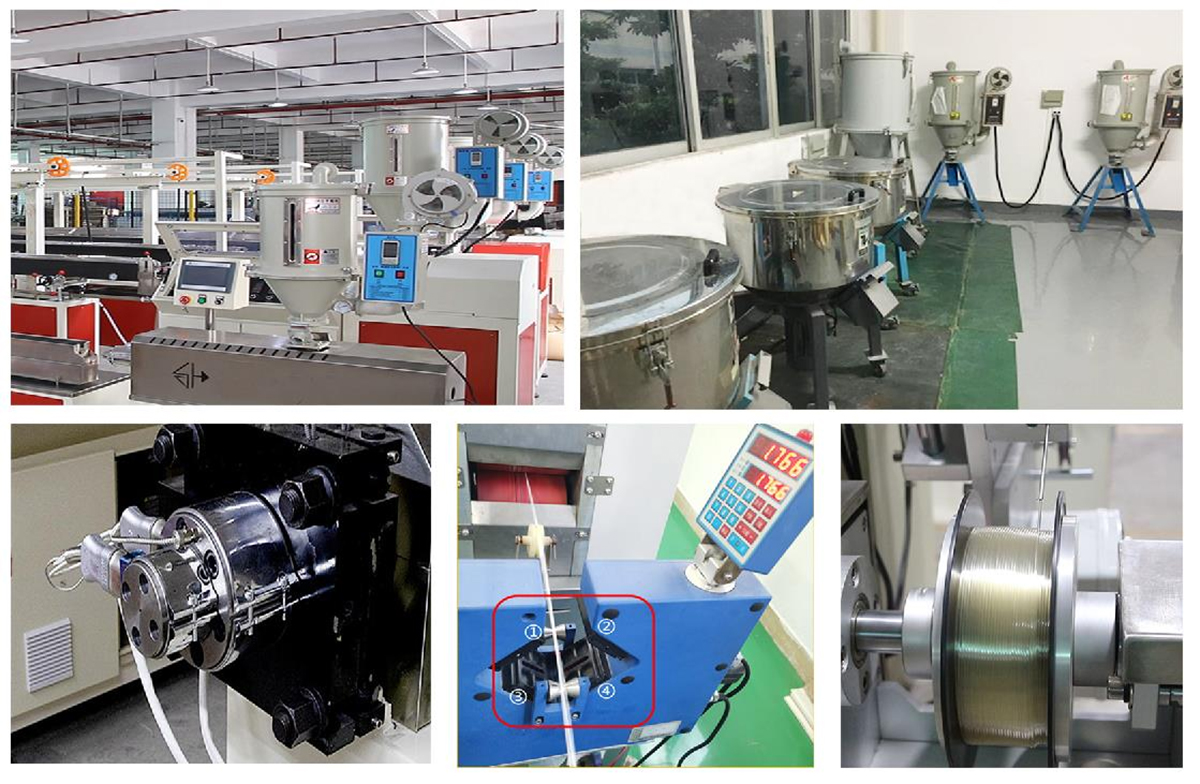
Equipment
The manufacturing workshop will make arrangements after the inspection of raw materials, at least two engineers cross-check the clearance of mixing tank, color mixed of material, humidity from hopper dryer, temperature of extruder, hot/cool tank, and trial-produce and debugging the produce line to make sure all of processes in the best condition. Maintain the filament Diameter tolerance +/- 0.02mm, Roundness tolerance +/- 0.02mm.
State-of-the-art dual-axis laser micro-diameter gauging systems continuously track the filament extruded cross-section at over 1000 measurements per second, dynamically adjusting extruder screw speeds and multi-stage cooling water channels to ensure absolute roundness and dimensional stability across entire 1kg, 2.5kg, or 5kg industrial spools.
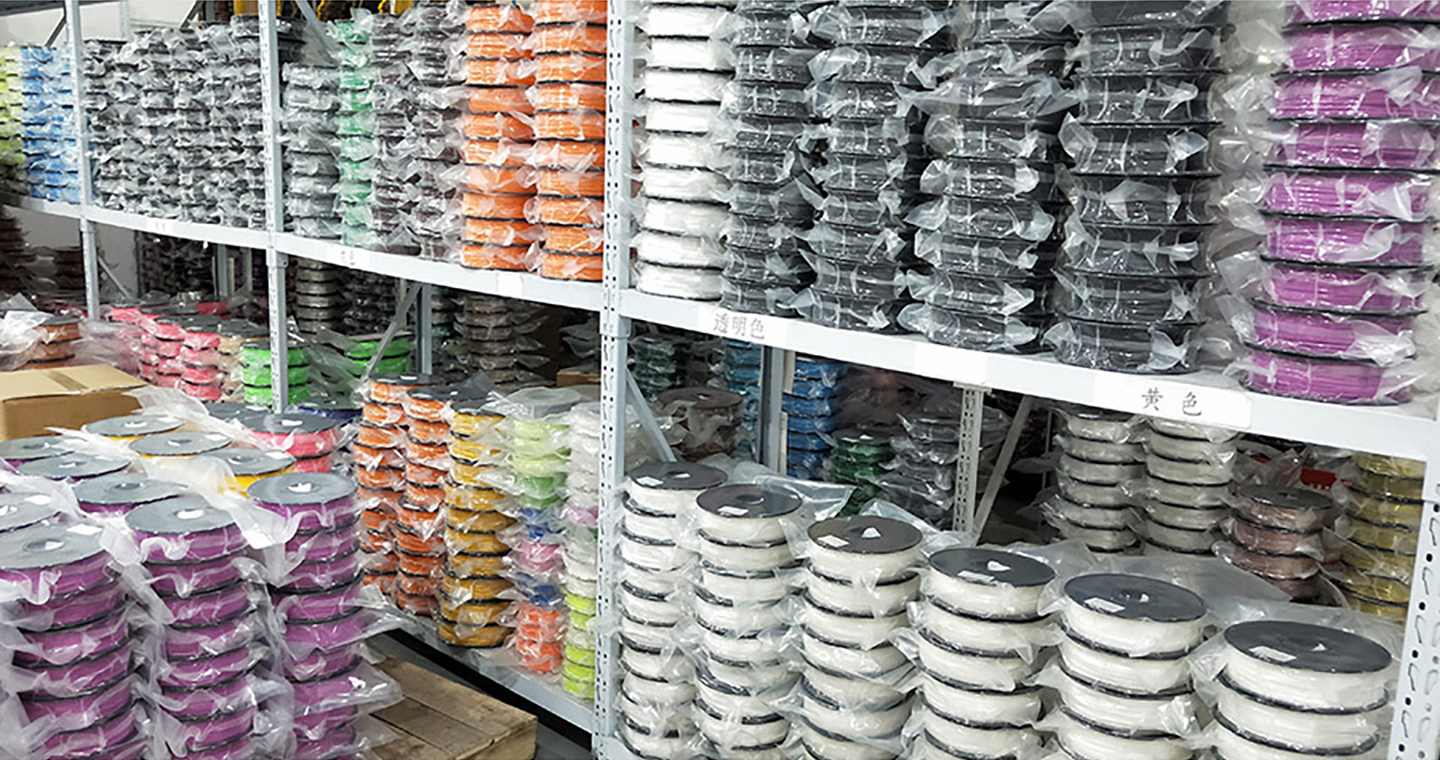
Final Inspection
After each batch of 3D filament is produced, two quality inspectors will conduct random inspections on each batch of finished products in accordance with the requirements of the standard, such as diameter tolerance, color consistency, strength and toughness and so on. After vacuuming the package, place them for 24 hours to check whether there is any leaking package, then label it and finish the package.
Moisture control is essential for fiber-reinforced filaments. Our aluminum barrier foil and high-density vacuum packaging include premium desiccant inserts, ensuring that Italian engineers unpack factory-dry filaments ready for direct high-speed extrusion without hydrolysis or bubbling issues.
Technical Guide: Printing with Carbon Fiber Filaments for Italian Fabricators
To achieve peak mechanical performance when 3D printing carbon fiber filaments in industrial, laboratory, or workshop environments, specific printer configurations and process parameters should be observed. Carbon fibers increase the abrasiveness of the molten polymer and alter its thermal conductivity characteristics, creating unique printing behaviors that reward optimized slicing setups.
| Filament Type | Extruder Temp (°C) | Bed Temp (°C) | Recommended Nozzle | Key Advantages in Italian Industry |
|---|---|---|---|---|
| Carbon Fiber PLA | 200°C – 230°C | 45°C – 60°C | Hardened Steel (≥0.4mm) | Zero warping, matte cosmetic finish, outstanding flexural modulus for rapid prototyping. |
| PETG Carbon Fiber | 230°C – 260°C | 70°C – 85°C | Hardened Steel / Ruby | Excellent chemical resistance, outdoor UV stability, water-tight marine & nautical components. |
| Nylon CF (PA-CF) | 260°C – 300°C | 80°C – 100°C | Tungsten Carbide / Hardened | Exceptional impact toughness, high thermal deflection (150°C+), metal replacement in automotive under-hoods. |
| ASA / ABS Series | 240°C – 270°C | 90°C – 110°C | Standard Brass / Steel | Superior UV and weather durability, ideal for Italian exterior architectural fixtures & automotive shells. |
Key Printing Recommendations for Carbon Fiber Filaments:
1. Wear-Resistant Nozzles: Standard brass nozzles can erode within several hundred grams of carbon fiber printing due to the abrasive nature of microscopic fibers. Italian machine operators are strongly advised to install hardened tool steel, tungsten carbide, or ruby-tipped nozzles with an orifice diameter of 0.4mm or 0.6mm to prevent clogs.
2. Filament Dehydration & Storage: While Carbon Fiber PLA is relatively forgiving, composite materials like PA-CF and PETG-CF absorb ambient humidity quickly. Pre-drying spools at 65°C to 80°C for 4 to 6 hours prior to high-performance industrial production guarantees maximum layer bonding and prevents surface micro-voids.
3. Bed Adhesion & Chamber Management: Textured PEI spring steel sheets paired with light adhesive solutions ensure firm initial layer adhesion. For high-temperature technical matrix composites, an enclosed print chamber minimizes thermal gradients, delivering isotropic tensile strength across all three axes.
Complete Product Catalog for Italian Industrial Suppliers & Makers
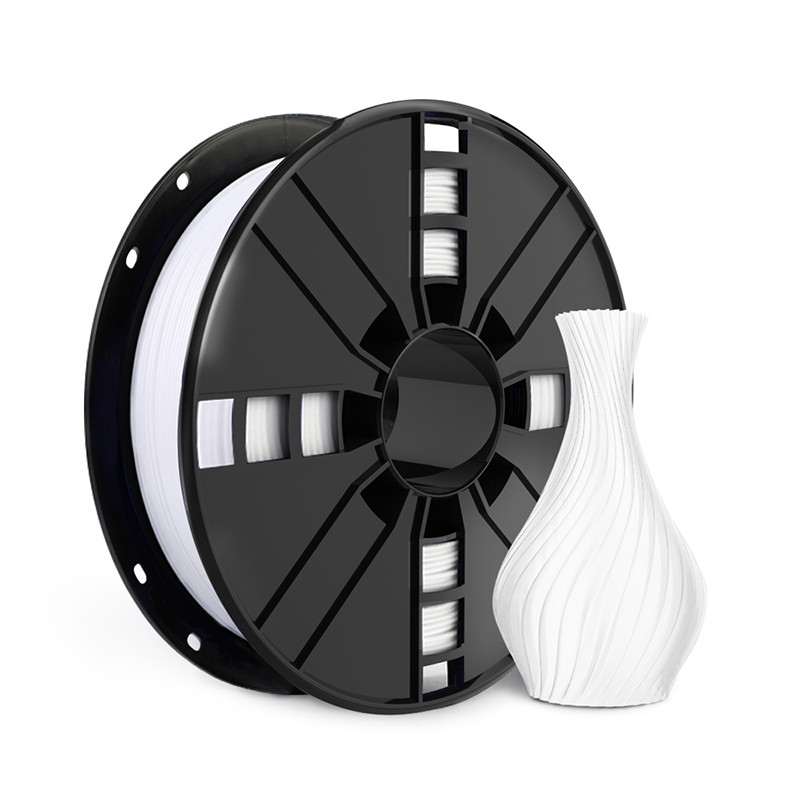
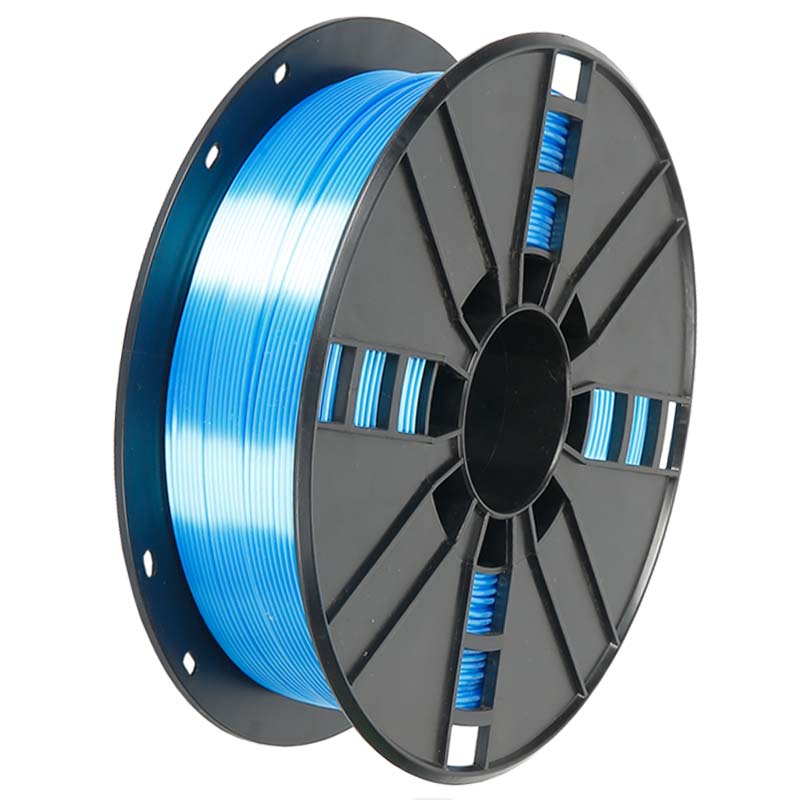
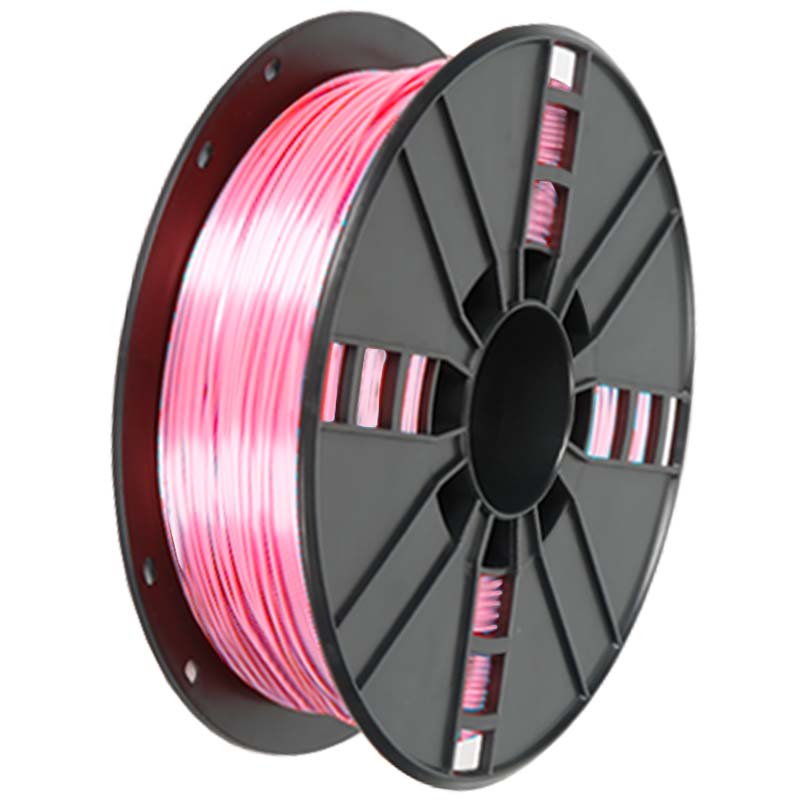
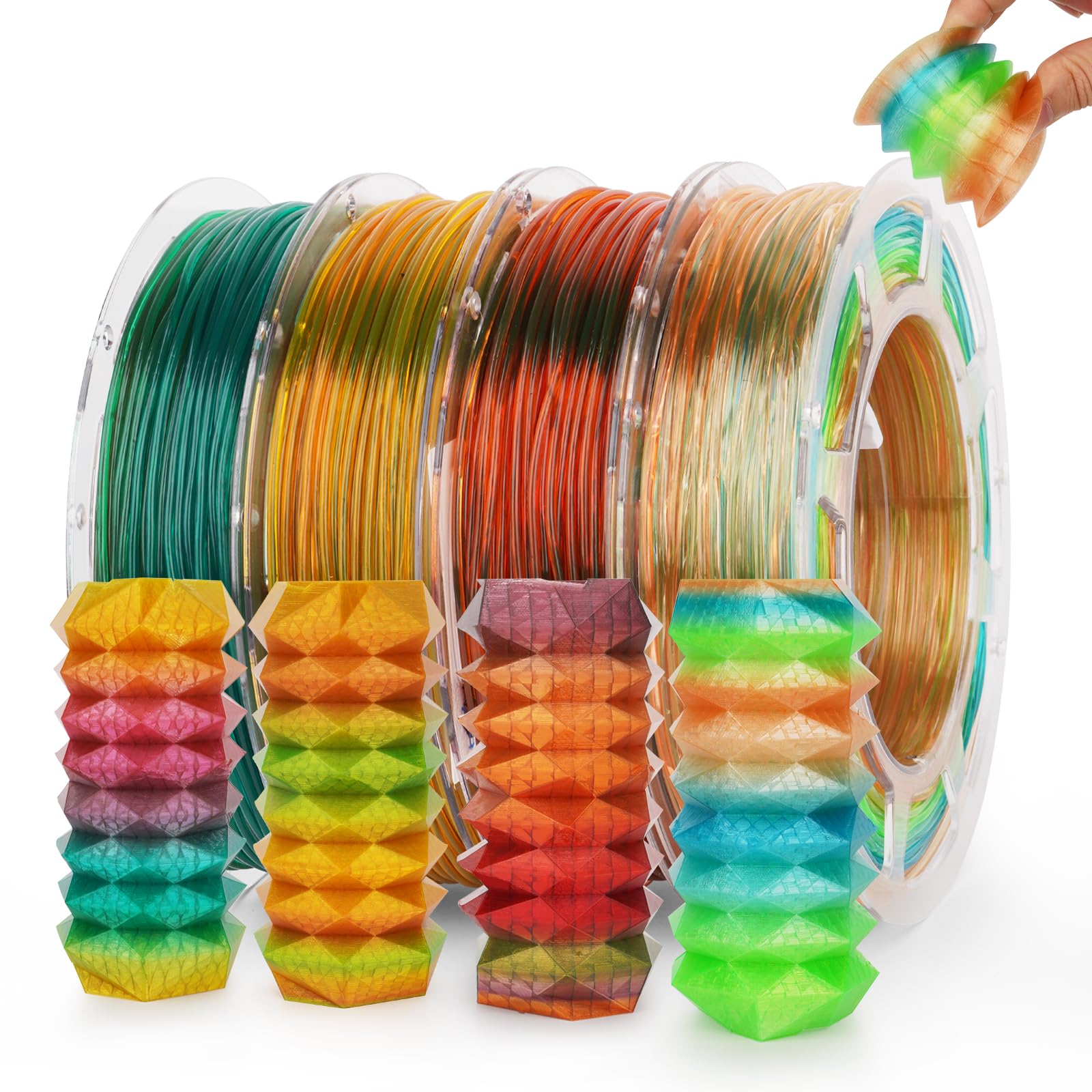
Browse our complete lineup of precision filaments, high-strength polymers, specialty composites, and flexible filaments designed for high-speed FDM/FFF 3D printing equipment.
Strategic Advantages of Partnering with Torwell for Italian B2B Distribution
As Italian additive manufacturing resellers, high-volume production bureaus, and industrial research institutions expand their composite material portfolios, securing direct manufacturer support is crucial for competitive positioning. Torwell delivers distinct structural advantages to partners throughout Italy and the European Union:
Strict European Compliance & Sustainability: All raw materials and additive masterbatches comply fully with EU REACH and RoHS environmental safety regulations. Our composite PLA filaments leverage certified bio-derived resins originating from NatureWorks Ingeo, ensuring reduced carbon footprints without sacrificing mechanical tensile strength.
OEM/ODM Customization Capabilities: We offer comprehensive private-label OEM manufacturing for Italian brands, including custom Pantone masterbatch formulation, specialized fiber loading percentages (10% to 30% carbon fiber volume), customized spool branding, eco-friendly cardboard spools, and custom packaging tailored for European retail and B2B distribution.
Consistent High-Volume Supply & Rapid EU Logistics: With multi-line automated production capacity operating under ISO45001 management, our supply chain guarantees large-scale inventory availability, zero batch variations, and streamlined customs and freight coordination for Italian hubs in Genoa, Milan, Bologna, Rome, and Naples.