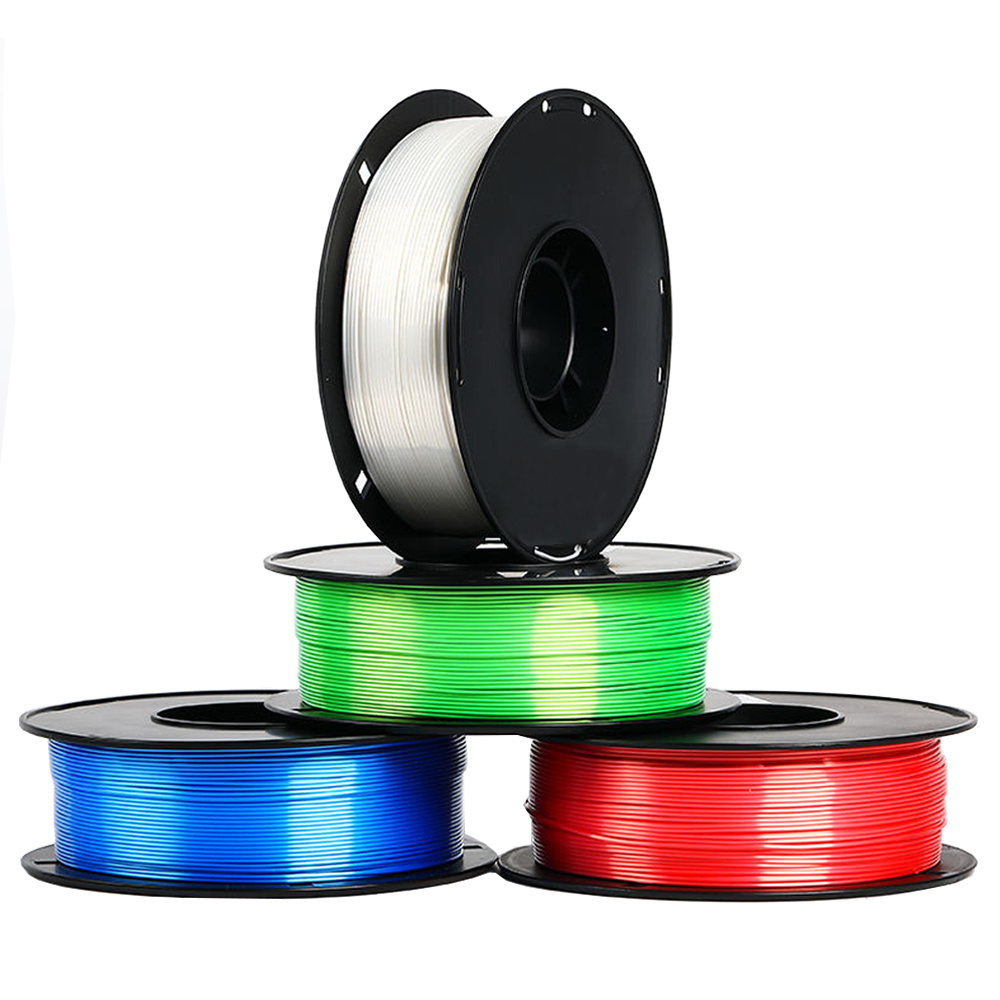
Featured Engineering 3D Printing Materials
Explore our flagship composite and high-performance polymer filaments formulated for tight dimensional tolerance and exceptional mechanical strength.
The Carbon Fiber Filament Revolution in Singapore's Industry 4.0 Ecosystem
Pioneering lightweight, metal-replacement additive manufacturing solutions for the Lion City's advanced engineering sectors.
Singapore has firmly established itself as Southeast Asia's epicentre for advanced manufacturing, Industry 4.0 automation, and high-value engineering. Supported by government initiatives such as the Research, Innovation and Enterprise (RIE2025) plan and institutions like the National Additive Manufacturing Innovation Cluster (NAMIC) and the Agency for Science, Technology and Research (A*STAR), Singaporean enterprises are rapidly moving beyond conventional prototyping toward production-grade additive manufacturing. Within this transformative shift, Carbon Fiber Printer Filament stands at the forefront of modern material science, offering an unmatched strength-to-weight ratio, extreme dimensional stability, and thermal resilience.
As industrial facilities across the Jurong Innovation District (JID), Seletar Aerospace Park, Tuas Mega Port, and Changi Aviation Hub strive for operational optimization, the demand for lightweight tooling, customized end-of-arm tooling (EOAT), and rapid replacement parts has surged. Traditional machining of aluminum, titanium, or polyoxymethylene (POM/Delrin) often involves lengthy supply chain lead times and substantial material wastage. By utilizing high-modulus carbon fiber composite filaments—such as PETG-CF, PLA-CF, Nylon PA12-CF, and PEEK-CF—Singaporean manufacturers can achieve structural integrity comparable to light alloys while cutting lead times from weeks to hours.
Metal Replacement Strength
High tensile modulus and flexural rigidity allow industrial FDM/FFF parts to replace cast aluminum brackets, jigs, and fixtures with up to 60% mass reduction.
Near-Zero Warpage & Creep
Micro-chopped carbon fibers stabilize the polymer matrix, drastically reducing thermal contraction, anisotropic shrinkage, and edge curling during large-format printing.
Thermal & Chemical Resistance
Enhanced heat deflection temperature (HDT) and chemical endurance against industrial oils, greases, and saltwater exposure prevalent in Singapore maritime environments.
Engineered Carbon Fiber Composite Formulations
Optimized polymer compounding incorporating high-tensile short carbon fibers for industrial FFF/FDM 3D printing equipment.
Carbon fiber 3D printer filament is manufactured by dispersing precisely sized micro-carbon fiber strands (typically 5 to 10 microns in diameter with high aspect ratios) uniformly throughout a thermoplastic matrix. When extruded through a printer nozzle, these microscopic fibers align in the direction of deposition, reinforcing the polymer along the print path and creating a composite component with vastly superior load-bearing capabilities and structural damping.
Our manufacturing protocols utilize virgin base polymers combined with surface-treated carbon fibers to guarantee superior interlayer adhesion. Below is a comparative technical overview of carbon-reinforced materials tailored for industrial deployment in Singapore:
| Filament Composite Matrix | Tensile Strength (MPa) | Flexural Modulus (GPa) | Heat Deflection Temp (0.45MPa) | Primary Industrial Use Case in Singapore |
|---|---|---|---|---|
| PLA-CF (Carbon Fiber PLA) | 55 - 65 | 4.8 - 5.5 | 60°C - 65°C | High-rigidity architectural models, precision jigs, aesthetic prototypes |
| PETG-CF (Carbon Fiber PETG) | 65 - 75 | 5.2 - 6.0 | 78°C - 85°C | Moisture-resistant drone frames, chemical ducting, marine equipment housings |
| PA-CF / Nylon-CF (PA12+CF) | 95 - 120 | 7.5 - 9.2 | 160°C - 185°C | Aerospace interior brackets, automotive functional parts, industrial robotics |
| ABS/ASA-CF | 58 - 68 | 5.0 - 5.8 | 95°C - 102°C | Outdoor UV-exposed enclosures, weather-resistant sensor mounts, port monitoring |
| PEEK-CF (Ultra-Polymer) | 140 - 170 | 11.0 - 14.5 | 280°C - 310°C | Oil & gas subsea components, high-temperature semiconductor wafer handling |
Key Industrial Application Scenarios in Singapore
Empowering engineers from biomedical laboratories to offshore marine infrastructure with lightweight composite manufacturing.
1. Aerospace & Aviation MRO (Seletar & Changi)
Singapore represents over 10% of global aviation Maintenance, Repair, and Overhaul (MRO) output. Carbon fiber filaments—specifically PA-CF and PEKK/PEEK-CF—are employed to print customized maintenance jigs, air ducting prototypes, lightweight cabin fixtures, and non-structural drone inspection rigs requiring fire-retardant and high-strength attributes.
2. Marine, Offshore & Port Logistics (Tuas & Jurong Island)
Operating in tropical equatorial marine environments requires materials that resist salt spray corrosion, intense humidity, and chemical fuels. Carbon-fiber PETG and ASA composites provide exceptional UV and corrosion resistance for autonomous surface vessel (ASV) housings, subsea sensor brackets, and crane robotic cable guides.
3. Semiconductor & Precision Electronics (Woodlands & Ang Mo Kio)
The electronics manufacturing cluster demands dimensionally stable, ESD-safe (electrostatic discharge) tooling. Carbon fiber reinforced filaments offer electrical dissipation properties along with micron-level dimensional precision, ideal for semiconductor test sockets, surface-mount technology (SMT) trays, and automated wafer transfer grippers.
4. Robotics, Industrial Automation & AMRs
Singaporean automated warehouses and smart factories rely on Autonomous Mobile Robots (AMRs) and robotic arms. Reducing the payload weight of robotic end-effectors with carbon fiber filaments allows motors to move faster with less inertial wear, directly boosting factory throughput and energy efficiency.
World-Class Manufacturing & Quality Control Systems
Strict adherence to international standards, closed-loop laser monitoring, and premium global raw materials ensure flawless 3D printing results.
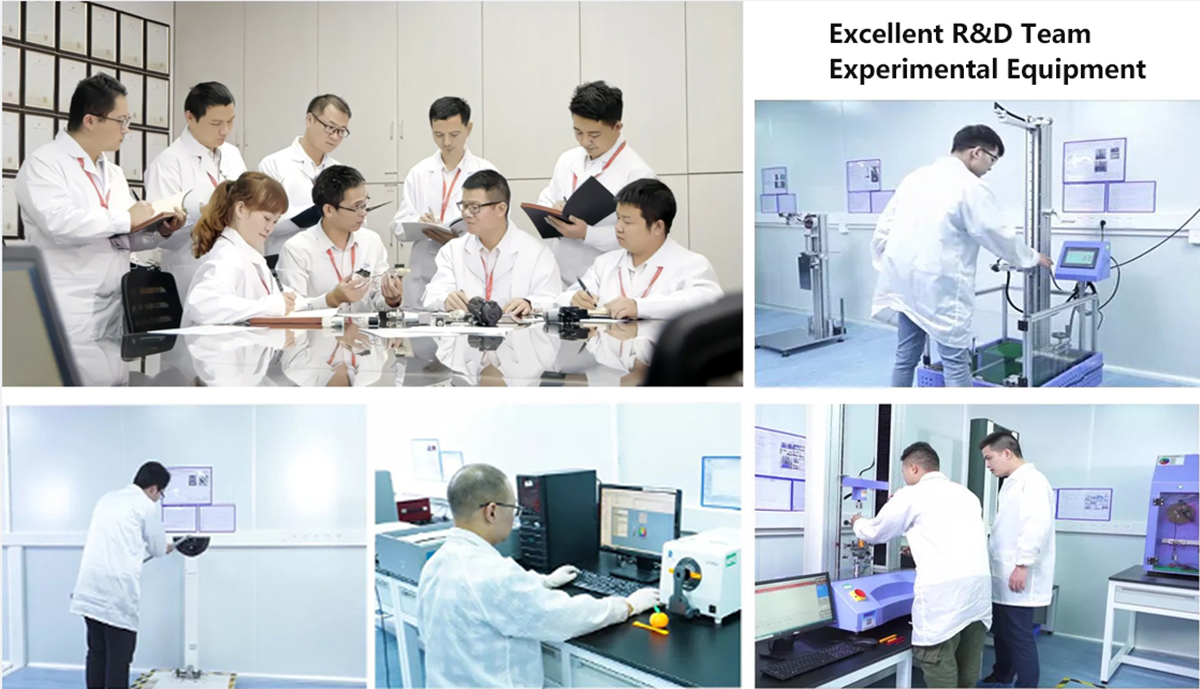
Quality Control
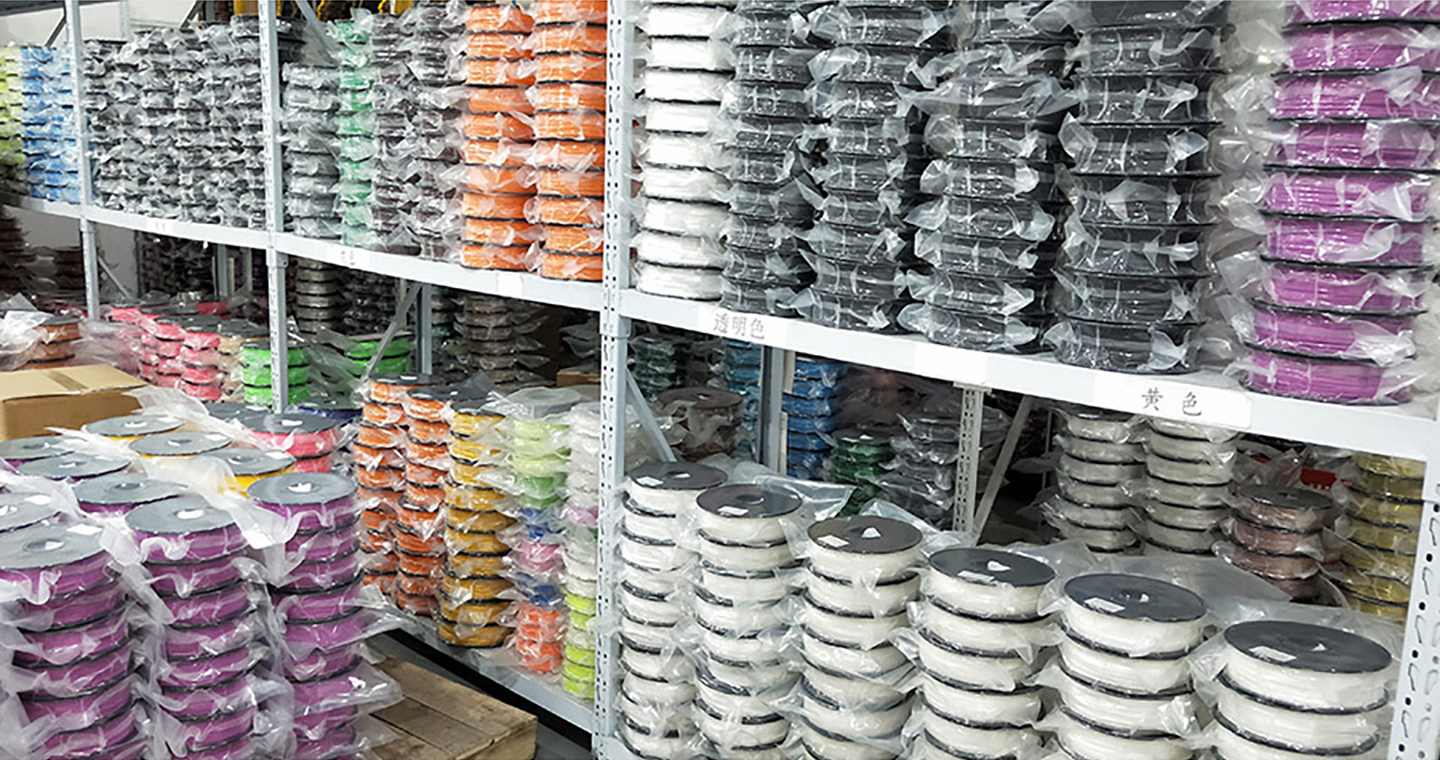
The factory area has passed ISO45001 occupational health and safety management system certification. Every new employee must be experienced one week of safety production knowledge teaching and two weeks of produce skills training, and master every course in the production process. Who is in the position will be responsible for its duty.
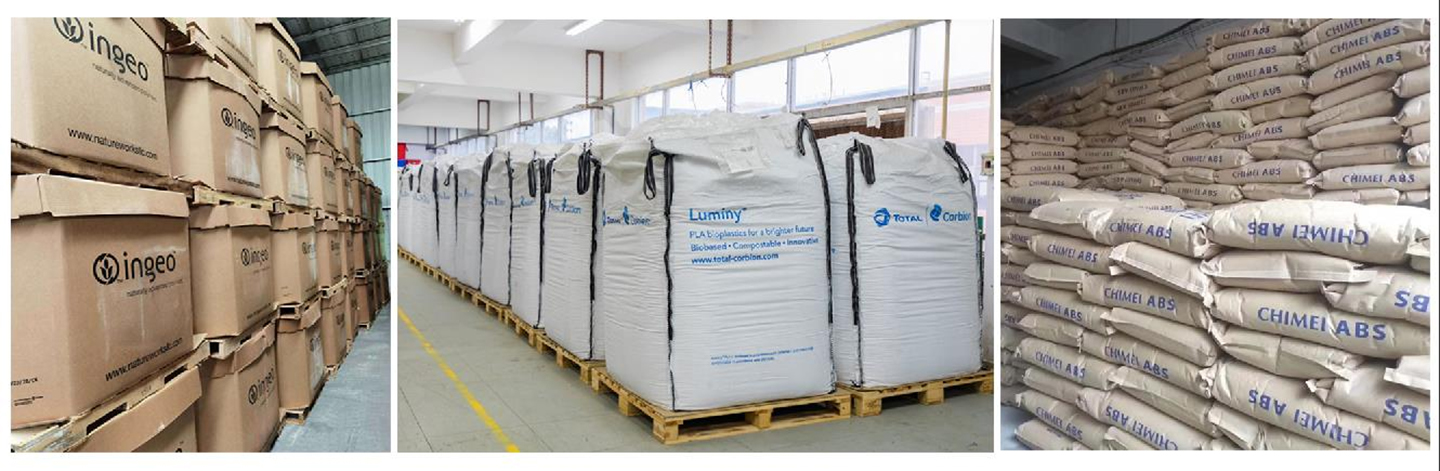
Raw Material
PLA is the most preferred material for 3D printing, Torwell firstly chooses PLA from US NatureWorks, and Total-Corbion is the alternative. ABS from TaiWan ChiMei, PETG from South Korea SK. Each batch of main raw materials comes from the partners who has cooperated more than 5 years to ensure the reliability of the products from the source. Each batch of raw materials will undergo parameters inspection before produce to ensure that raw materials are original and virginal.
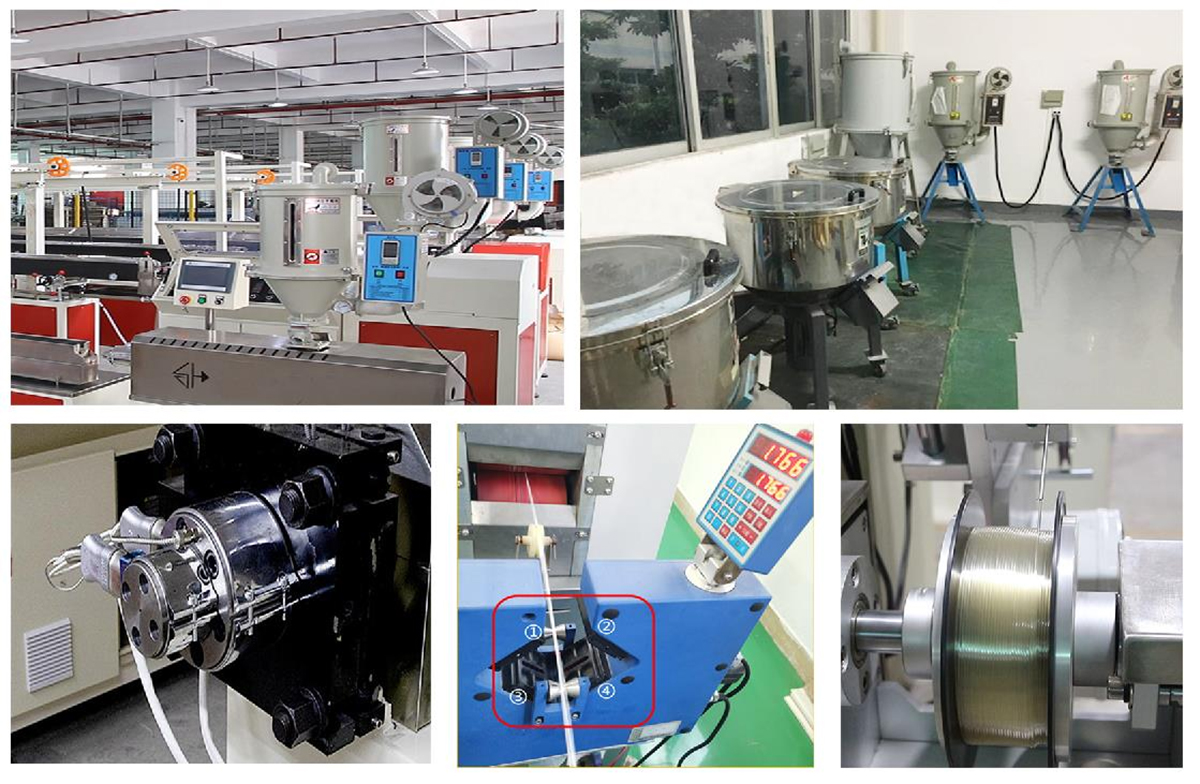
Equipment
The manufacturing workshop will make arrangements after the inspection of raw materials, at least two engineers cross-check the clearance of mixing tank, color mixed of material, humidity from hopper dryer, temperature of extruder, hot/cool tank, and trial-produce and debugging the produce line to make sure all of processes in the best condition. Maintain the filament Diameter tolerance +/- 0.02mm, Roundness tolerance +/- 0.02mm.
Final Inspection
After each batch of 3D filament is produced, two quality inspectors will conduct random inspections on each batch of finished products in accordance with the requirements of the standard, such as diameter tolerance, color consistency, strength and toughness and so on. After vacuuming the package, place them for 24 hours to check whether there is any leaking package, then label it and finish the package.
Carbon Fiber 3D Printing Technical Guidelines
Essential processing tips for optimal composite printing under tropical conditions.
Singapore’s ambient relative humidity consistently exceeds 75% to 85% year-round. Because polymer matrices like Polyamide (Nylon) and PETG are naturally hygroscopic, moisture absorption can lead to filament degradation, hydrolytic bubbling, severe stringing, and reduced mechanical interlayer adhesion during high-temperature printing. When handling carbon fiber filaments in Singapore, adherence to standard technical practices ensures maximum mechanical performance:
1. Hardened Nozzle Requirements: Micro-carbon fiber strands are inherently abrasive. Standard brass nozzles will experience rapid orifice erosion within 100 to 200 grams of carbon fiber printing, leading to uneven extrusion widths. It is strongly recommended to use hardened steel, tungsten carbide, or ruby-tipped nozzles (minimum 0.4mm or 0.6mm diameter) to prevent fiber clogging and ensure long-term nozzle longevity.
2. In-Line Drying & Storage: Keep composite spools stored in hermetically sealed dry boxes with molecular sieve desiccant or active heating dryers during printing. PA-CF filaments should be dried at 70°C–80°C for 6 to 8 hours prior to demanding prints, preserving their high-modulus tensile characteristics.
3. Bed Adhesion & Chamber Management: Utilize PEI spring steel sheets or specialized composite adhesives to achieve reliable first-layer bonding. While PLA-CF and PETG-CF can easily print on open-frame 3D printers, advanced high-temperature engineering filaments like PA-CF and PEEK-CF benefit significantly from an enclosed, heated chamber to eliminate residual internal stresses.
Comprehensive 3D Printing Filament Range
Explore our complete collection of standard, aesthetic, and industrial polymer spools available for direct delivery and wholesale supply in Singapore.
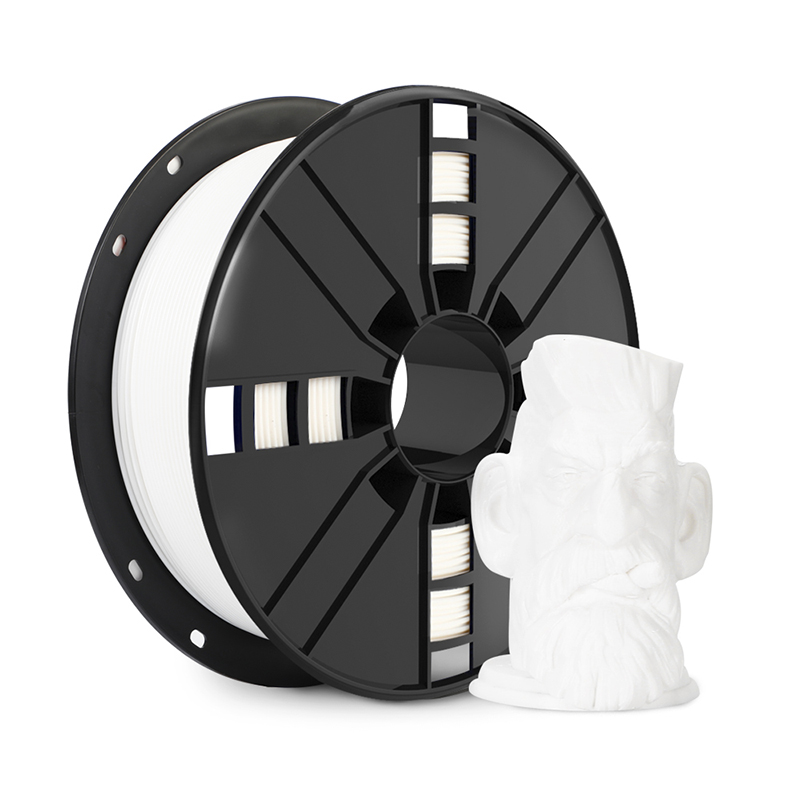
PLA+ filament for 3D printing
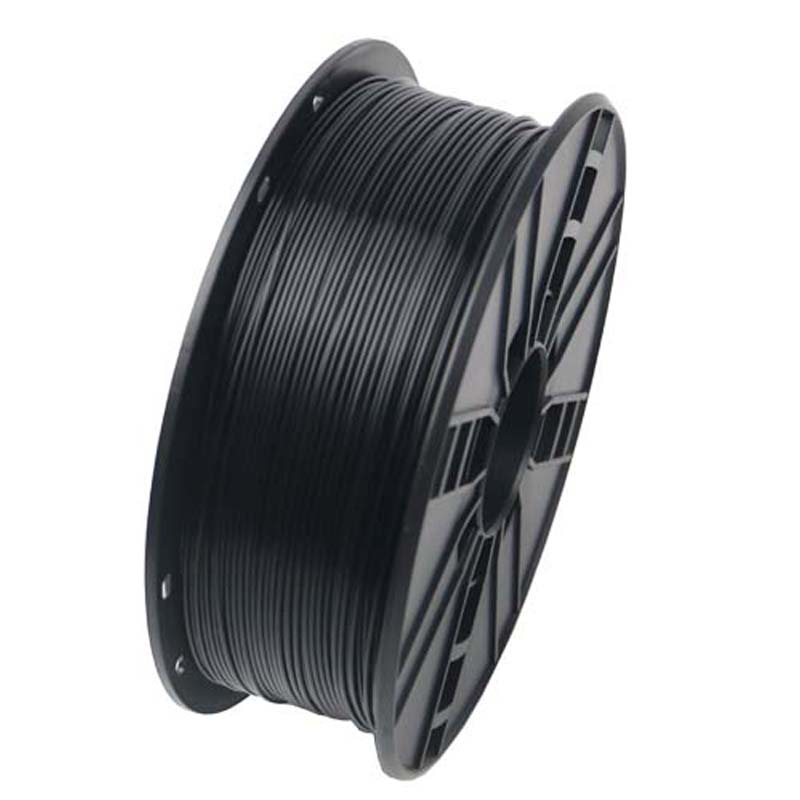
ASA filament for 3D printers UV stable filament
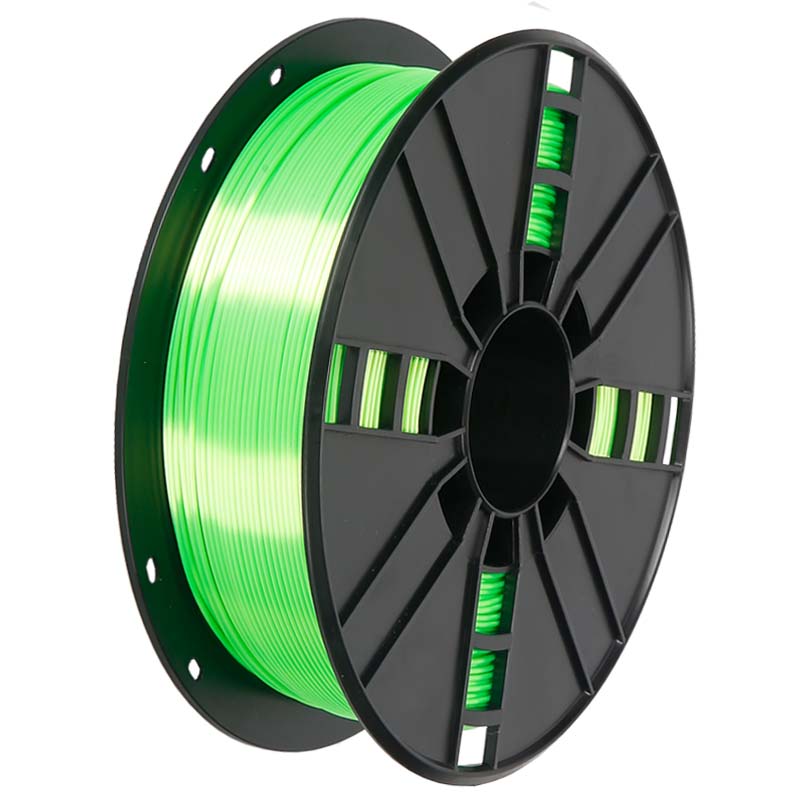
Silk PLA 3D Filament 1KG green color
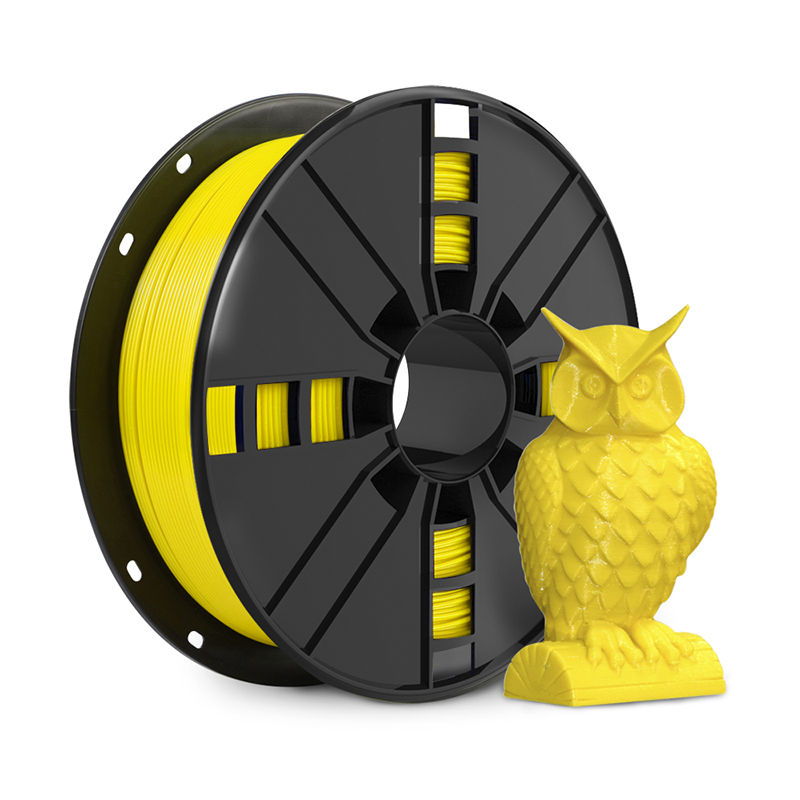
Pla 3d printing filament yellow color
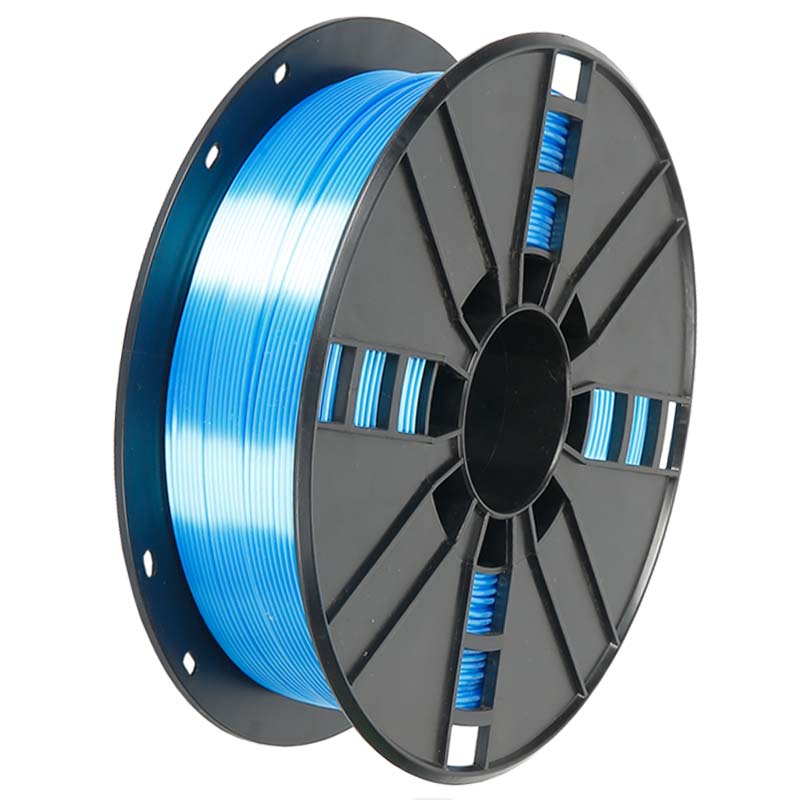
PLA Silk 3D filament blue 1.75mm
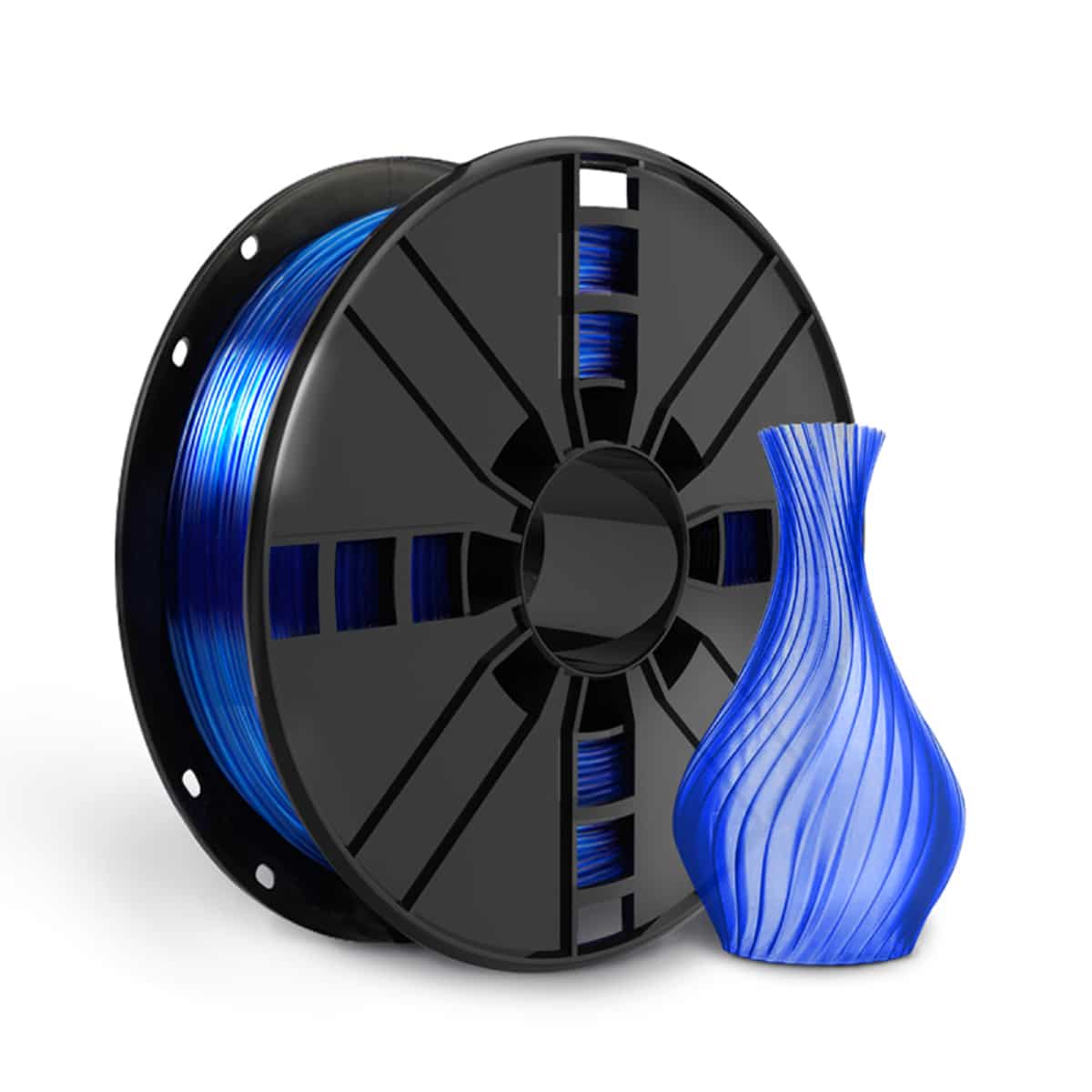
PETG filament 1.75 Blue for 3D printing
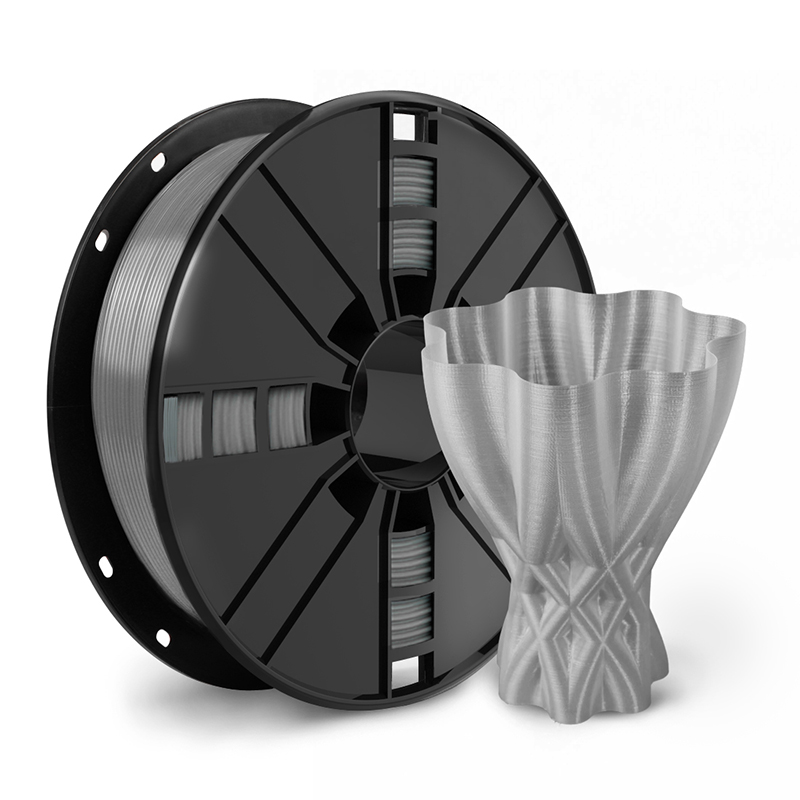
PETG Filament Grey for 3D printing