
Featured Industrial 3D Printing Filaments
Engineered with high tensile strength, outstanding thermal stability, and tight dimensional tolerances for demanding commercial applications in Spain.
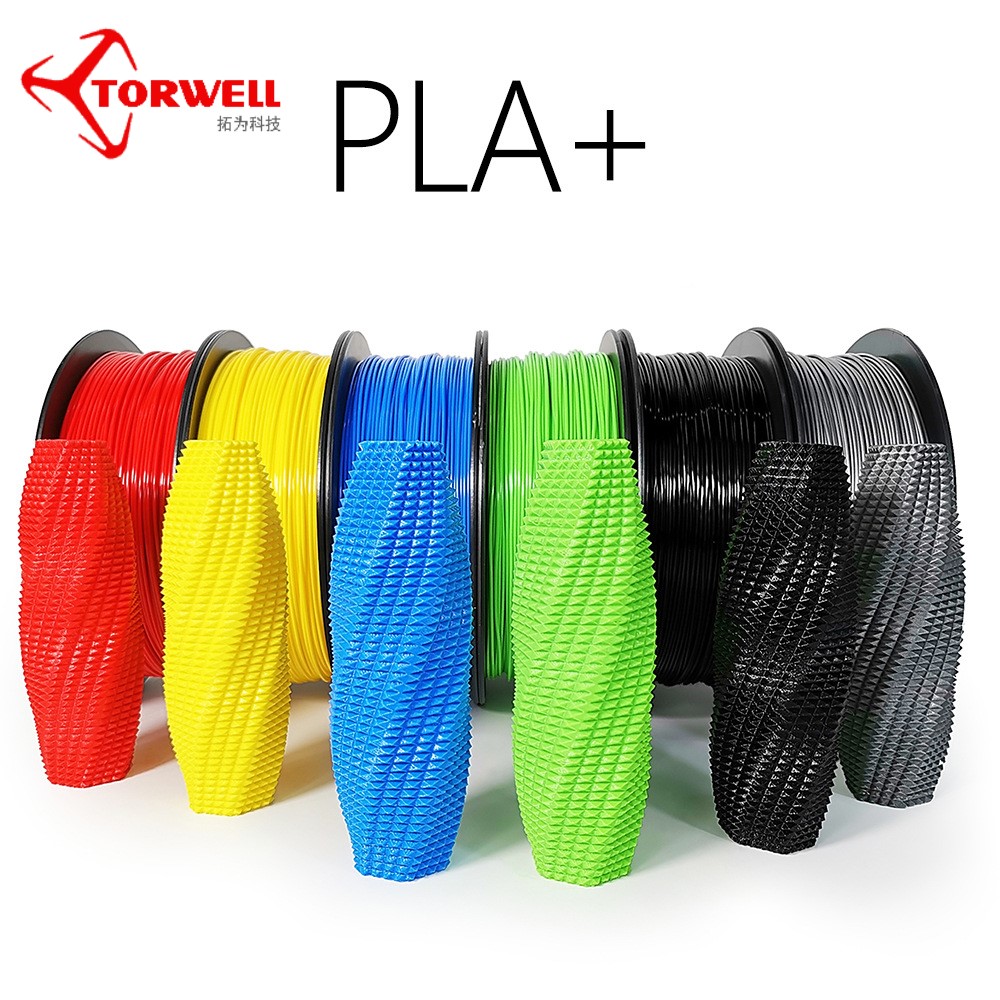
Spain's Industrial Transition to Carbon Fiber Additive Manufacturing
Spain is experiencing a rapid technological transition toward advanced additive manufacturing (AM) across major industrial regions including Catalonia, the Basque Country, Madrid, Andalusia, and the Valencian Community. Driven by Industry 4.0 automation initiatives, manufacturers in Barcelona, Bilbao, and Seville are replacing heavy metallic parts with high-rigidity carbon fiber reinforced filaments such as PLA-CF, PETG-CF, and PA-CF.
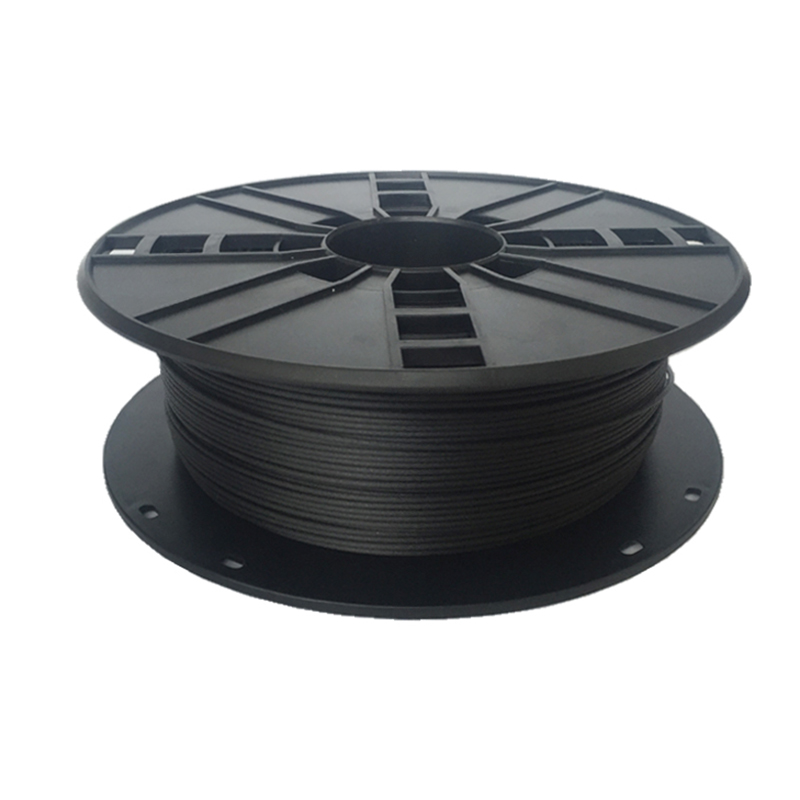
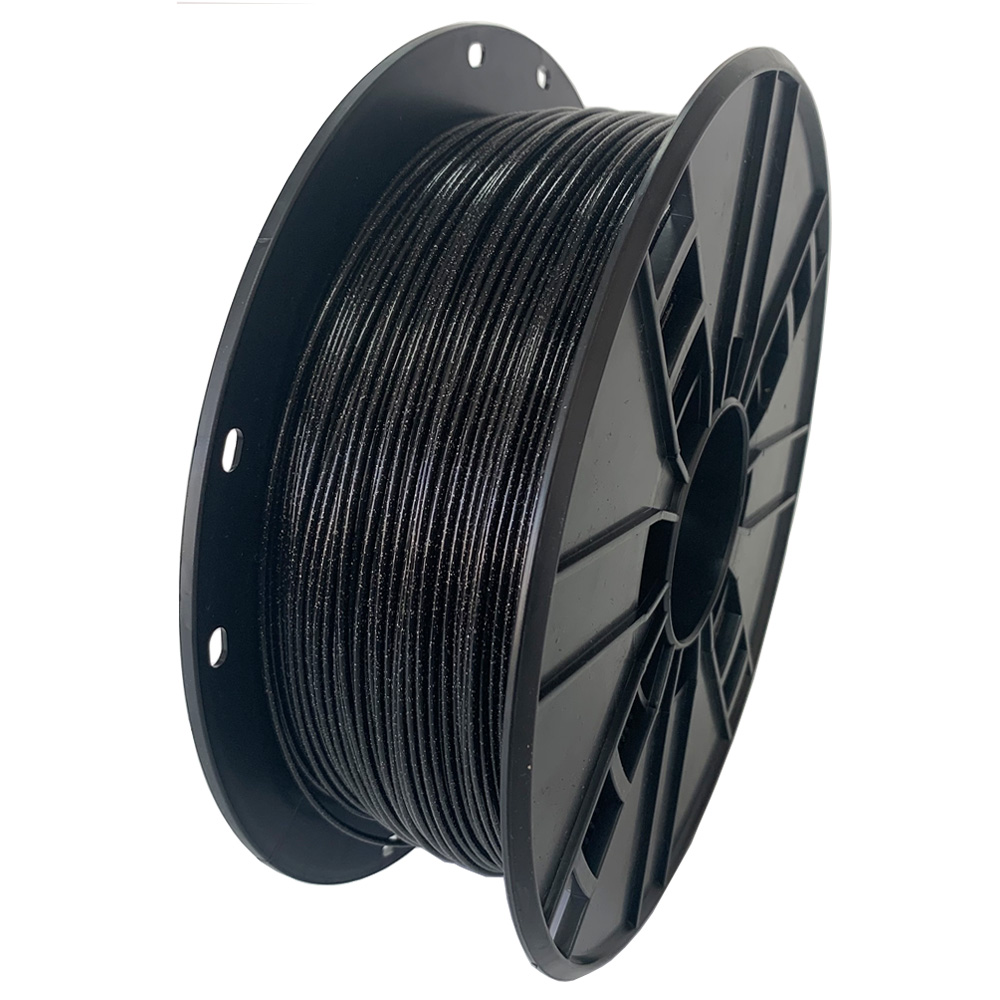
Carbon fiber 3D printer filament embeds chopped micro-carbon fibers into a high-grade polymer matrix. This structural composite delivers an extraordinary strength-to-weight ratio, superior structural stiffness, minimized thermal warping, and a refined matte black aesthetic. These properties make it the ideal alternative to traditionally CNC-machined aluminum and steel parts, slashing prototype turnaround times from weeks to hours.
Key Advantage: Torwell carbon fiber filaments provide up to 40% higher tensile modulus compared to pure virgin polymers while retaining excellent layer adhesion and precise dimensional repeatability.
High Modulus & Structural Rigidity
Micro-carbon fibers align longitudinally along the extrusion vector, providing outstanding bending resistance and tensile durability for structural applications under mechanical stress.
Exceptional Dimensional Stability
Carbon fiber reinforcement drastically lowers the Coefficient of Thermal Expansion (CTE), eliminating corner lifting and bed warping on large-format industrial 3D prints.
Localized Application Scenarios in Spain
From Tier-1 automotive assembly lines in Martorell to aerospace research clusters in Aerópolis Seville, our carbon fiber composite materials deliver mission-critical reliability.
1. Automotive & EV Tooling (Catalonia & Valencia)
The Iberian automotive cluster utilizes carbon fiber filaments for end-of-arm robotic tooling (EOAT), assembly positioning jigs, wiring harness guides, and lightweight air intake prototypes. The reduction in payload weight optimizes robotic cycle times and minimizes motor wear on high-speed factory lines.
2. Aerospace & Defence (Andalusia & Madrid)
Centering around the aerospace supply hub in Seville and Madrid, engineering firms use Torwell composite filaments to fabricate unmanned aerial vehicle (UAV) airframes, non-critical cabin interior brackets, and specialized testing wind tunnel models requiring dimensional fidelity and vibration dampening.
3. Maritime & Precision Tooling (Basque & Galicia)
Naval shipyards and heavy machinery builders across northern Spain rely on carbon fiber composites for salt-mist resistant fixtures, customized valve prototypes, CNC drill templates, and rapid spare parts manufacturing that prevent expensive shipyard work stoppages.
Certified Production & Uncompromised Quality Control
Our manufacturing ecosystem adheres to strict international testing protocols, ensuring diameter consistency and batch-to-batch repeatability for Spanish distributors and enterprise users.
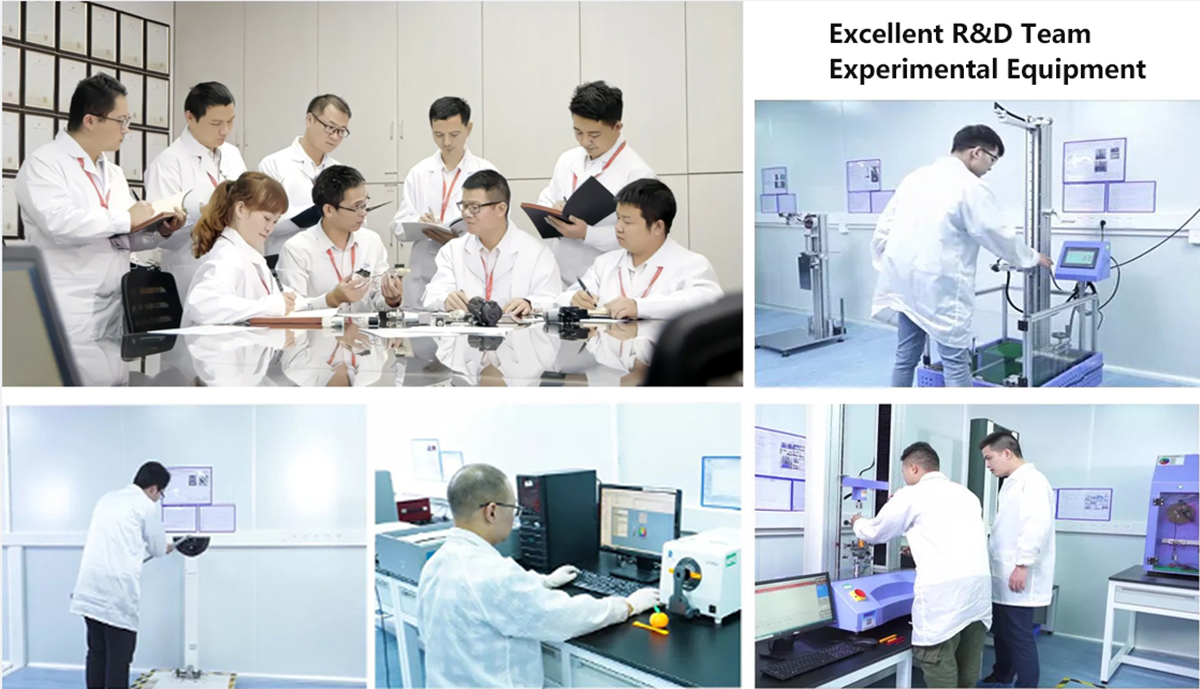
Quality Control
The factory area has passed ISO45001 occupational health and safety management system certification. Every new employee must be experienced one week of safety production knowledge teaching and two weeks of produce skills training, and master every course in the production process. Who is in the position will be responsible for its duty.
This dedicated personnel training ensures standardized handling of high-modulus carbon fibers, preventing cross-contamination and preserving absolute fiber dispersion throughout the polymer compound.
Raw Material
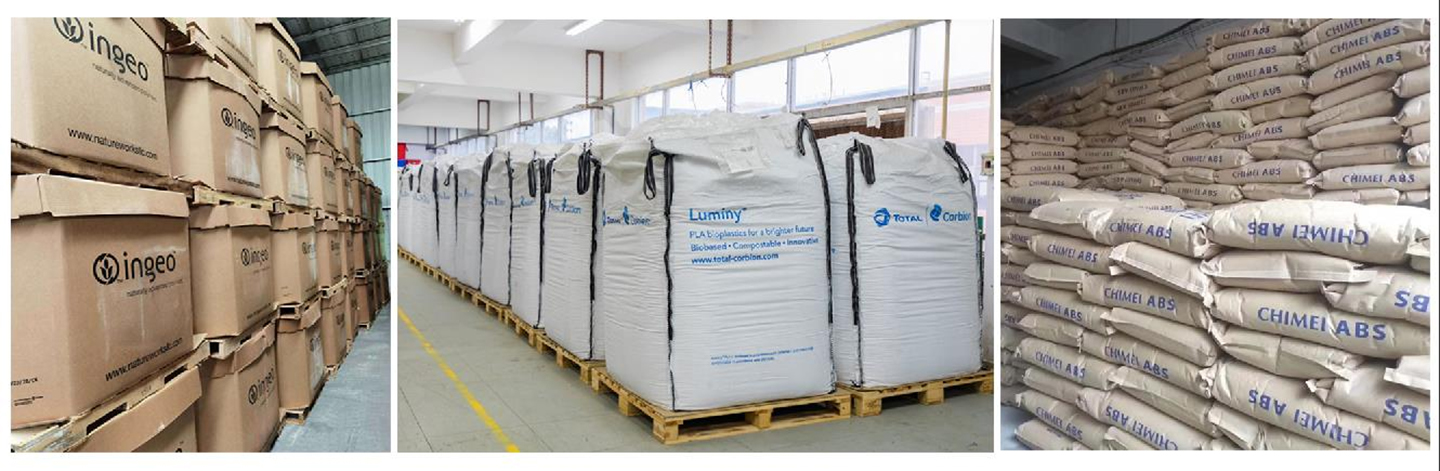
PLA is the most preferred material for 3D printing, Torwell firstly chooses PLA from US NatureWorks, and Total-Corbion is the alternative. ABS from TaiWan ChiMei, PETG from South Korea SK. Each batch of main raw materials comes from the partners who has cooperated more than 5 years to ensure the reliability of the products from the source. Each batch of raw materials will undergo parameters inspection before produce to ensure that raw materials are original and virginal.
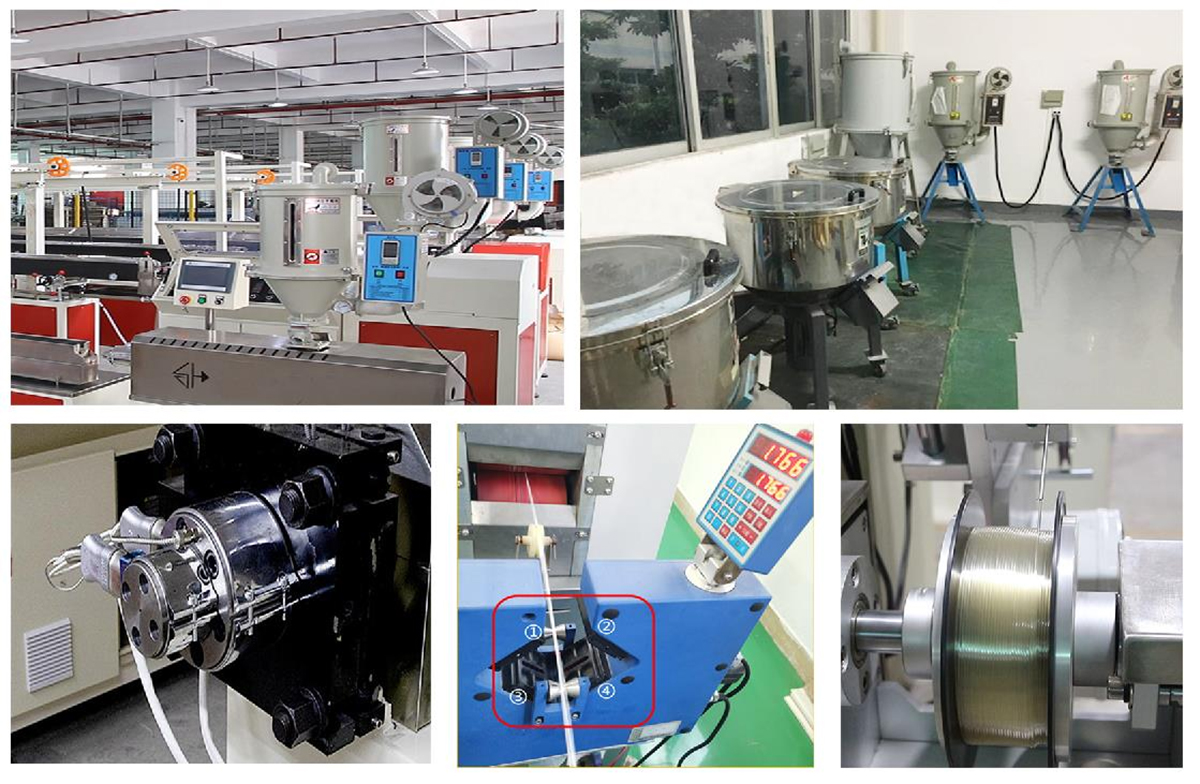
Equipment
The manufacturing workshop will make arrangements after the inspection of raw materials, at least two engineers cross-check the clearance of mixing tank, color mixed of material, humidity from hopper dryer, temperature of extruder, hot/cool tank, and trial-produce and debugging the produce line to make sure all of processes in the best condition. Maintain the filament Diameter tolerance +/- 0.02mm, Roundness tolerance +/- 0.02mm.
Final Inspection
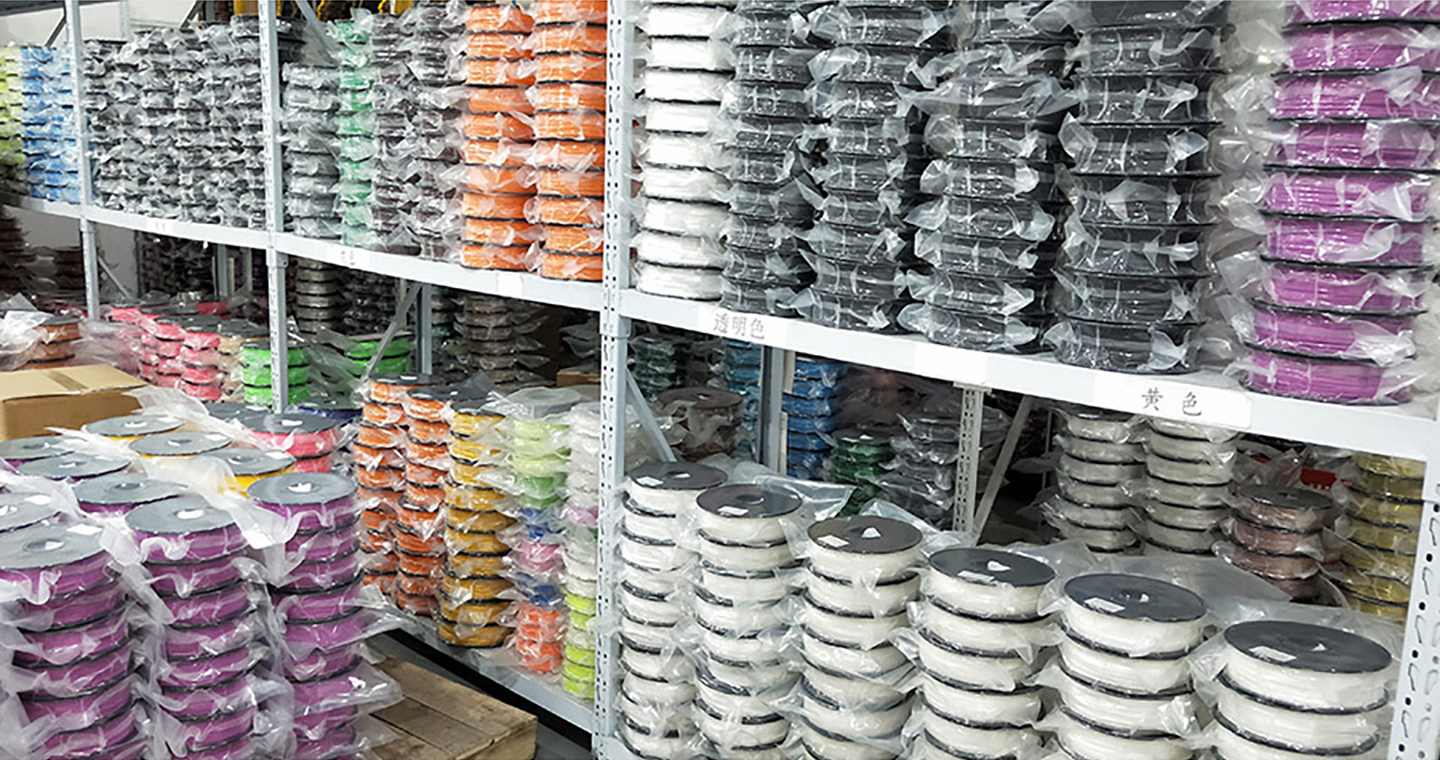
After each batch of 3D filament is produced, two quality inspectors will conduct random inspections on each batch of finished products in accordance with the requirements of the standard, such as diameter tolerance, color consistency, strength and toughness and so on. After vacuuming the package, place them for 24 hours to check whether there is any leaking package, then label it and finish the package.
Engineering Matrix & Printing Guidelines
Optimized processing recommendations to ensure maximum layer binding, clog-free nozzle flow, and peak mechanical performance on open-material FDM/FFF 3D printers in Spain.
| Parameter | Carbon Fiber PLA | High Strength PLA+ |
|---|---|---|
| Extruder Temperature | 200°C - 230°C | 190°C - 220°C |
| Heated Bed Temperature | 45°C - 60°C (Optional) | 40°C - 60°C |
| Recommended Nozzle | Hardened Steel / Ruby (≥0.4mm) | Standard Brass (≥0.4mm) |
| Printing Speed | 40 - 120 mm/s | 50 - 150 mm/s |
| Diameter Tolerance | ± 0.02 mm | ± 0.02 mm |
| Tensile Strength | ≥ 58 MPa | ≥ 52 MPa |
Extrusion & Hardware Best Practices
1. Hardened Nozzle Requirement: Chopped carbon fibers are naturally abrasive. To prevent nozzle aperture wear, users in Spain are advised to equip 3D printers with hardened steel, carbide, or ruby-tipped nozzles.
2. Moisture Control: Although carbon fiber PLA exhibits lower moisture absorption than nylon-based composites, storing spools in dry boxes or desiccant-sealed chambers preserves optimal layer bonding and smooth matte surface aesthetics.
3. Bed Adhesion: Excellent adhesion is achieved using PEI sheets, buildtak surfaces, or standard heated glass with PVA adhesive stick, completely eliminating warping across long structural prints.
B2B Wholesale & Custom Manufacturing for Spain
Empowering Spanish 3D filament brands, regional re-sellers, and enterprise additive manufacturing service bureaus with turnkey OEM/ODM production and reliable overseas logistics.
OEM & Custom Formulations
Customized carbon fiber loading ratios (5% to 25%), bespoke polymer compounding (PETG, PA, ABS, TPU), and pantone color adjustments tailored to the specific mechanical and branding requirements of Spanish commercial clients.
Private Labeling & Packaging
Complete branding solutions including customized cardboard/plastic spools, customized barcode labeling complying with EU/Spanish trade regulations, desiccated aluminum foil vacuum sealing, and bespoke outer master cartons.
Direct European Logistics
Streamlined freight handling with DDP/FOB shipping terms to major Spanish ports including Barcelona, Valencia, Algeciras, and Bilbao. Continuous stock replenishment with complete batch inspection certificates (COA, RoHS, REACH).
Complete 3D Printing Filament Range
Explore our full line of premium filaments engineered for industrial prototyping, functional mechanics, and visual display applications.
Trends Shaping Carbon Fiber Filament in Spain (2025–2030)
Analyzing composite formulation advances, circular economy initiatives, and evolving European Union industrial standards.
1. Recycled & Bio-Based Composite Matrices
In accordance with the Spanish Circular Economy Strategy (España Circular 2030), manufacturing plants and research institutions are focusing on bio-derived PLA composites filled with reclaimed aerospace-grade carbon fiber scraps. This approach lowers the product lifecycle carbon footprint while preserving high-modulus mechanical characteristics.
2. Continuous Fiber vs. Short Chopped Fiber
While short chopped carbon fibers (0.1mm - 0.4mm) dominate desktop and industrial FFF systems due to smooth nozzle flow and surface uniformity, hybrid extrusion setups are increasingly emerging in Spanish university labs in Madrid and Valencia to print continuous strands for structural load-bearing airframe parts.
3. High-Speed 3D Printing Compatibility
Modern CoreXY and high-flow extrusion systems operating above 300mm/s require composite filaments with enhanced melt flow index (MFI) and accelerated thermal dissipation. Torwell carbon fiber filaments are formulated to sustain thermal stability during ultra-fast extrusion, preventing nozzle crystallization and layer under-extrusion.
4. Strict European REACH & RoHS Compliance
Industrial clients in Spain require verified material safety data sheets (MSDS/TDS) ensuring filaments are free of hazardous heavy metals, toxic plasticizers, and dangerous volatile organic compounds during extrusion in open workshop environments.