Featured Composite & Performance Filaments
Explore our precision-grade production materials designed to deliver exceptional rigidity, heat tolerance, and structural integrity across Dutch automated manufacturing hubs.
The Carbon Fiber Filament Ecosystem in the Netherlands
Analyzing the demand for carbon-reinforced polymer materials within Europe's leading high-tech, precision engineering, and maritime innovation corridor.
Brainport Eindhoven High-Tech Hub
The Netherlands stands as a premier beacon for Smart Industry 4.0 in Western Europe. The Brainport Eindhoven region houses an interconnected ecosystem of semiconductor equipment builders, mechatronics integrators, and robotics developers. Carbon Fiber (CF) reinforced filaments (such as PA-CF, PETG-CF, and PEEK-CF) have transitioned from rapid prototyping to vital functional components, providing high stiffness-to-weight ratios and ESD-safe properties essential for semiconductor tooling.
Maritime & Offshore Engineering
From Rotterdam to Damen's naval shipyards, the Dutch maritime sector demands materials capable of withstanding aggressive saline environments, chemical exposure, and mechanical vibrations. CF composite filaments provide superior corrosion immunity compared to cast aluminum and stainless steel, enabling on-demand replacement of bespoke valve casings, sensor brackets, and underwater drone housings right at the port terminals.
Aerospace & Drone Innovation
Anchored by TU Delft Aerospace Engineering and the Royal Netherlands Aerospace Centre (NLR), the country is pioneering urban air mobility (UAM), autonomous UAVs, and lightweight composite structures. Continuous and chopped carbon fiber filaments allow Dutch aeronautical engineers to print lightweight, aerodynamically optimized structural spars and payload brackets that meet strict flight certifications.
Critical Industrial Applications Across Dutch Industry
The adoption of carbon fiber additive filaments across Dutch enterprises is accelerated by the national push towards digital inventory, decentralized supply chains, and circular industrial economy initiatives.
Automotive & High-Tech Mobility: Innovative ventures centered around solar electric mobility, light commercial vehicles, and student formula racing teams in Twente and Eindhoven utilize Carbon Fiber Nylon (PA-CF) and ABS-CF for aerodynamic diffusers, intake manifolds, and high-temperature battery enclosures.
Greenhouse Automation & Agri-Tech: The Westland agricultural heartland relies heavily on automated harvesting robots, robotic grippers, and sorting machinery. CF filaments deliver ultra-rigid, lightweight end-of-arm tooling (EOAT) that reduces motor torque requirements and maximizes pick-and-place cycling speeds.
Jigs, Fixtures & Manufacturing Aids: Dutch production plants utilize carbon fiber composites to fabricate shop-floor tooling that is up to 60% lighter than steel, significantly improving operator ergonomics while maintaining extreme dimensional stability under continuous mechanical loading.
Comparative Performance Metrics
CF-reinforced matrices enhance polymer base properties across critical parameters:
| Material Grade | Tensile Strength | Heat Deflection (HDT) | Key Dutch Sector |
|---|---|---|---|
| PA-CF (Nylon Carbon) | 110 - 145 MPa | 160°C - 190°C | Robotics & Automotive |
| PETG-CF | 65 - 80 MPa | 75°C - 85°C | Maritime & Jigs |
| PLA-CF | 55 - 70 MPa | 55°C - 65°C | Rapid Prototyping |
| PEEK-CF | 170 - 210 MPa | 280°C - 310°C | Semicon & Aerospace |
Global Manufacturing Partner for Dutch Composite Distributors
Supplying industry-grade 3D printer filaments with verified consistency, strict diameter tolerances, and international quality management certifications.
Company Profile
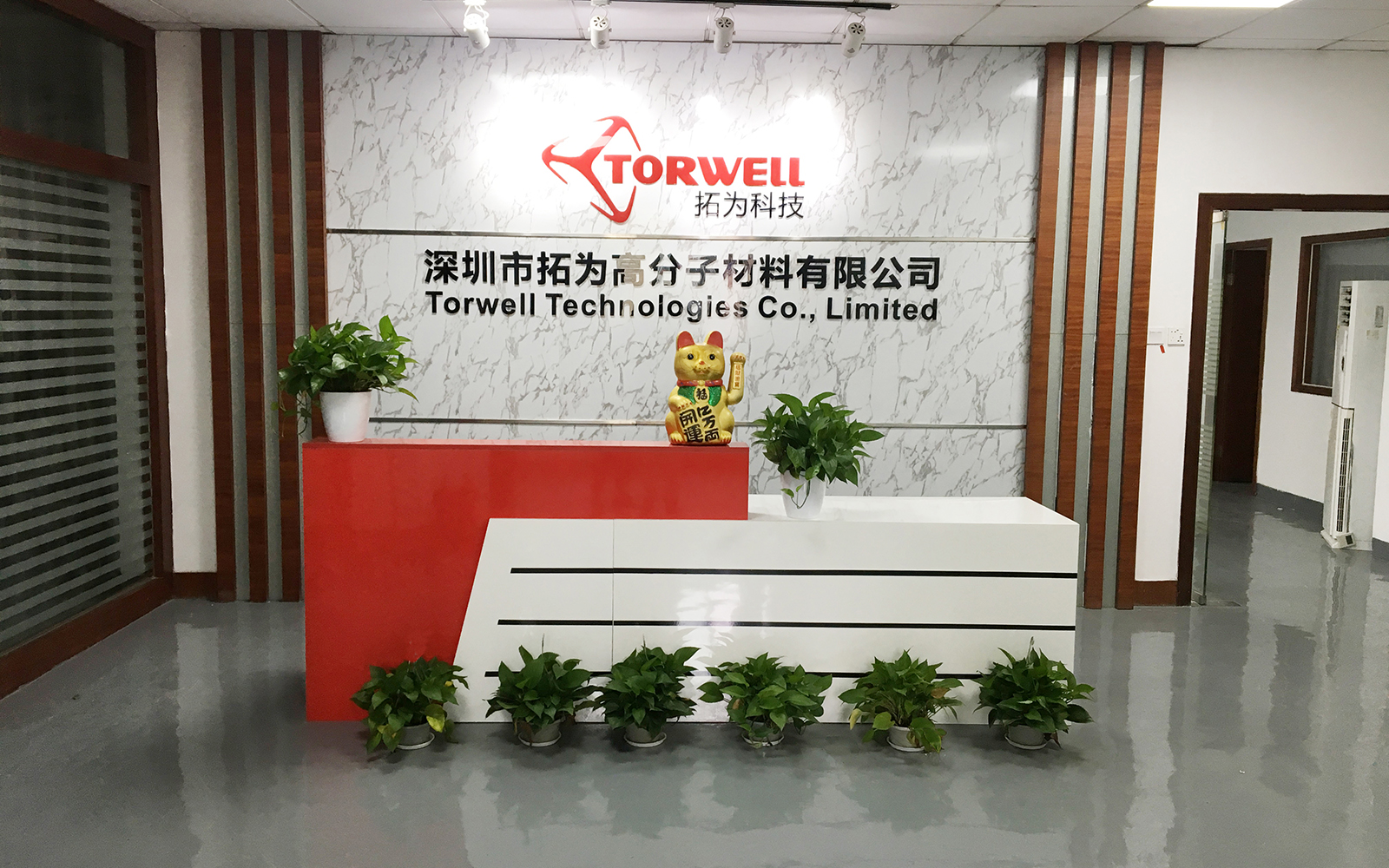
Founded in 2011, Torwell Technologies Co., Ltd. is one of the earliest high-tech enterprises which specializing in high – tech 3D printer filaments research, manufacture and sell, occupies 2,500 square meters modern factory with production capacity of 50,000kgs per month.
With more than 10years experiences in 3D printing market exploration, cooperated with Institute for High Technology and New Materials in domestic famous universities, and engaging Polymer materials experts as technical adviser, Torwell becomes one of member of Chinese rapid prototyping association and leader enterprise with the most innovative products in 3D printing industry, owns independent intellectual property rights, patents and trademarks(Torwell US, Torwell EU, NovaMaker US, NovaMaker EU).
Torwell passed international quality management system ISO9001, international environment system ISO14001, the advanced manufacturing equipment, test devices and virgin raw materials available are introduced to produce and distribute 3D printer filament of unparalleled quality, to insure all the products of Torwell are compliant with RoHS standard, MSDS, Reach, TUV and SGS test certificated.
Be a reliable and professional 3D printing partner, Torwell has committed to expanding its products to America, Canada, UK, Germany, Netherlands, France, Spain, Sweden, Italy, Russia, Mexico, Australia, New Zealand, Brazil, Argentina, Japan, South Korea, Vietnam, Thailand, Malaysia, India, more than 80 countries and regions.
Technical Processing Guide for CF Filaments
Achieve maximum interlayer adhesion and dimensional accuracy when processing carbon fiber reinforced polymers on industrial and desktop FDM systems.
Abrasion Resistance
Chopped carbon fibers act as abrasive micro-particles during extrusion. Standard brass nozzles will experience rapid bore enlargement. We advise Dutch facilities to equip machines with hardened steel, tungsten carbide, or diamond-tipped nozzles (minimum 0.4mm, ideally 0.6mm) to maintain precise flow calibration and prevent nozzle wear.
Moisture Management
Polymers like Polyamide (Nylon) and PETG are hygroscopic and can absorb ambient humidity within hours in maritime climates like Amsterdam or Rotterdam. CF filaments should be dried at 70°C-80°C for 6 to 8 hours prior to printing and fed directly from active desiccant dry boxes to eliminate stringing and hydrolysis defects.
Bed Adhesion & Warpage Control
Carbon fiber infusion substantially reduces isotropic shrinkage and coefficient of thermal expansion (CTE), making large planar prints significantly less prone to warping than neat polymers. Utilize textured PEI, Garolite (FR4), or specialized engineering adhesives with bed temperatures between 60°C and 110°C depending on matrix resin.
Future Trends in the Dutch Composite Additive Industry
How ongoing material innovations, generative design, and circular supply chains are reshaping high-performance 3D printing in the Netherlands.
Integration with High-Speed Klipper Architectures
The Dutch additive landscape has rapidly upgraded to high-acceleration, high-volumetric-flow printing hardware (such as Voron 2.4, Bambu Lab X1E, and industrial linear-motor platforms). High-speed carbon fiber filaments demand optimized melt flow index (MFI) resins and uniform fiber dispersion to maintain continuous extrusion at speeds exceeding 300 mm/s without fiber agglomeration.
Torwell's advanced multi-zone twin-screw compounding extruders ensure uniform strand shear and optimal fiber aspect ratio, delivering flawless surface finish and structural integrity under demanding high-acceleration conditions.
Circular Carbon Fiber & Sustainable Bio-Matrices
In alignment with the Dutch Government's circular economy mandate for 2050 ("Nederland Circulair in 2050"), research consortiums across Utrecht and Wageningen are pioneering circular composite lifecycles. Recycled carbon fiber (rCF) reclaimed from decommissioned wind turbine blades and aircraft fuselages is being compounded into bio-based PLA and PHA matrices.
This breakthrough minimizes the carbon footprint of structural 3D printed components while preserving the high specific stiffness required for architectural, consumer electronic, and industrial packaging applications.
Frequently Asked Questions
Answers to common technical, logistics, and compliance questions regarding sourcing carbon fiber 3D filaments in the Netherlands.
What are the main advantages of CF-reinforced filaments over standard materials?
Carbon fiber filaments incorporate chopped micro-fibers into base thermoplastics like PLA, PETG, ABS, or Nylon. This results in significantly higher rigidity, superior dimensional stability, reduced thermal warping, and an attractive matte textured surface that effectively hides layer lines.
Are Torwell filaments compliant with European REACH and RoHS environmental standards?
Yes. All Torwell products are fully certified under ISO9001 and ISO14001 quality systems and strictly adhere to EU REACH, RoHS, MSDS, TUV, and SGS requirements, guaranteeing safe deployment in cleanroom and industrial facilities throughout the Netherlands.
What nozzle diameter and material should be used for printing Carbon Fiber filaments?
We strongly recommend using a hardened steel, sapphire, or tungsten carbide nozzle with a minimum internal diameter of 0.4mm (0.6mm is optimal). Standard brass nozzles wear out quickly due to the abrasive nature of carbon fibers, resulting in inconsistent extrusion.
How fast can orders be shipped to OEM clients and distributors in the Netherlands?
With a monthly manufacturing output exceeding 50,000 kg and robust international logistics channels through Rotterdam and Amsterdam Schiphol, standard bulk and OEM custom spool orders are dispatched promptly with full traceability and customs compliance.
Full Range of 3D Printing Materials & Filaments
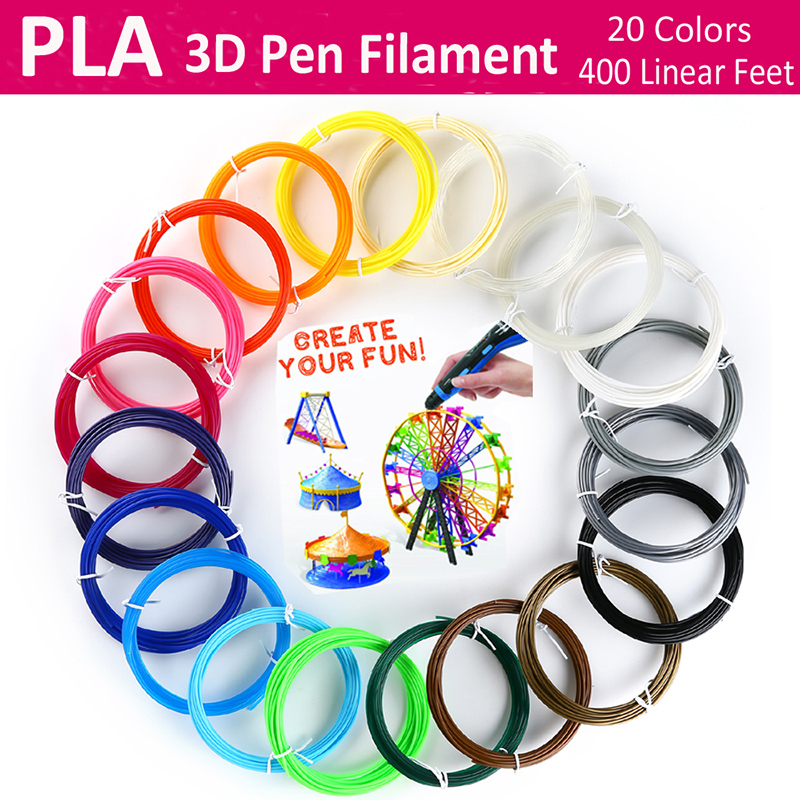
Browse our complete spectrum of PLA, PETG, Silk, Flexible TPU, ABS, and 3D pen materials engineered for hobbyists, educational institutions, and industrial production lines alike.