
High-Performance Engineered Filaments
The Industrial Rise of Carbon Fiber (CF) Filament in the United States
Over the past decade, the United States has witnessed a massive transformation in its manufacturing landscape. As industries push toward localized, agile, and cost-efficient production models, additive manufacturing has transitioned from a prototyping tool to a core industrial manufacturing method. At the center of this revolution is Carbon Fiber (CF) filament. By infusing high-strength carbon fibers into base polymers like PLA, PETG, Nylon, and Polycarbonate (PC), manufacturers are creating composite materials that challenge the structural dominance of traditional metals like aluminum and steel.
Across the US, from the aerospace hubs of California and Texas to the automotive heartlands of Michigan and Ohio, carbon fiber reinforced filaments are highly sought after. They offer an exceptional strength-to-weight ratio, superb dimensional stability, and high chemical and thermal resistance. This makes them ideal for producing end-use components, custom manufacturing jigs, assembly line fixtures, and functional aerospace prototypes. As a result, finding reliable CF filament manufacturers and suppliers in the United States has become a top priority for procurement managers, material scientists, and industrial designers alike.
By embedding micro-carbon fibers into polymer matrices, the resulting 3D printed parts inherit drastically increased stiffness, tensile strength, and resistance to warping. This structural enhancement allows engineers to design lightweight parts that can withstand extreme mechanical stresses, reducing overall weight without compromising structural integrity.
Key Market Trends Shaping the Composite 3D Printing Industry
The demand for advanced composite materials in North America is expanding rapidly, driven by several key technological and economic factors:
Metal-to-Plastic Substitution
With rising metal prices and supply chain bottlenecks, US manufacturers are actively replacing machined aluminum and steel parts with high-performance 3D printed carbon fiber composites. This dramatically lowers production costs and shortens lead times from weeks to hours.
The Need for Lightweighting in Transportation
In the automotive and aerospace sectors, every gram saved directly translates to improved fuel efficiency or battery range (especially for Electric Vehicles). CF filaments allow for the creation of complex, organic geometries that are hollow or utilize optimized infill patterns, maximizing weight reduction.
Strict Compliance and Quality Standards
Industrial buyers in the United States require strict adherence to material safety and environmental standards. Successful suppliers must provide filaments that comply with RoHS, REACH, and ISO certifications to ensure consistency, reliability, and safety in heavy industrial applications.
Localized Application Scenarios of Carbon Fiber Filaments in America
To understand the impact of carbon fiber filaments, we can look at several real-world application scenarios currently playing out across key US commercial and industrial sectors:
1. Custom Assembly Jigs & Fixtures in the Midwest Automotive Hub
In automotive assembly lines across Michigan and Ohio, custom robotic grippers, positioning jigs, and measurement fixtures must be both incredibly stiff and lightweight. Heavy metal tooling fatigues robotic arms and slows down cycle times. By 3D printing these tools using Carbon Fiber reinforced filaments (such as CF-PLA or CF-PETG), assembly engineers can produce ergonomically optimized, lightweight tools overnight. The high stiffness ensures that tolerances of less than a millimeter are consistently maintained over thousands of cycles.
2. Unmanned Aerial Vehicle (UAV) Structural Components in California
The aerospace and defense sector in California relies heavily on rapid prototyping and low-volume production of drone frames, landing gears, and structural brackets. These components must withstand intense aerodynamic forces and high vibration while remaining as light as possible. Using carbon fiber FDM filaments allows aerospace startups and defense contractors to rapidly iterate designs, flight-test functional prototypes, and even manufacture end-use drone components with extreme mechanical resistance.
3. Heavy Machinery Tooling & End-Effectors in Texas
Industrial automation facilities in Texas use 3D printing to customize End-of-Arm Tooling (EOAT) for robotic arms. Traditional tooling made from aluminum requires long lead times and high machining costs. With high-strength composite filaments, custom grippers can be printed to precisely match the contours of the parts being handled. The carbon fiber infusion prevents the grippers from flexing under load, preventing damage to the products and ensuring smooth automated operations.
Torwell Technologies: Your Trusted Global 3D Printing Partner
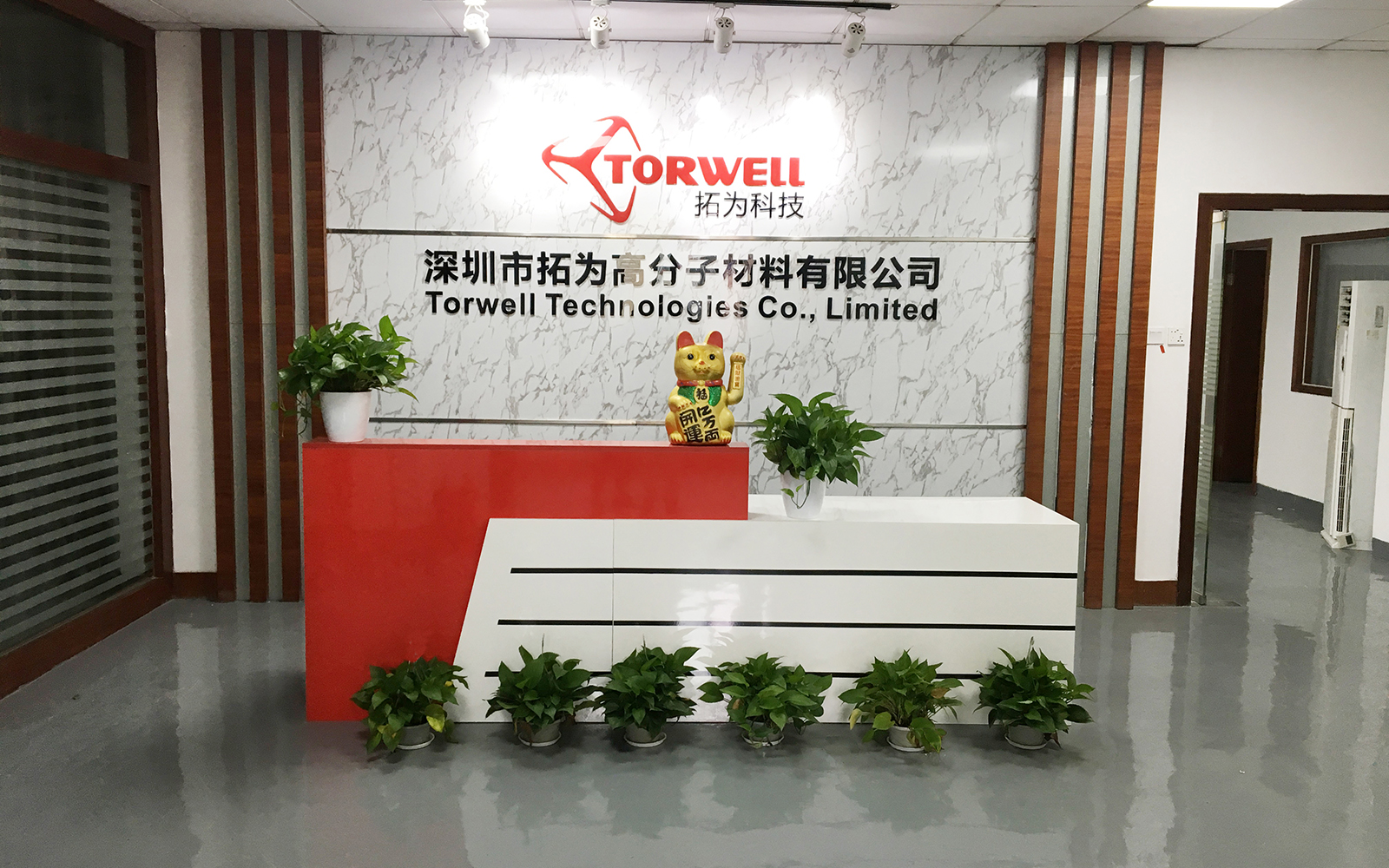
Founded in 2011, Torwell Technologies Co., Ltd. is one of the earliest high-tech enterprises which specializing in high – tech 3D printer filaments research, manufacture and sell, occupies 2,500 square meters modern factory with production capacity of 50,000kgs per month.
With more than 10years experiences in 3D printing market exploration, cooperated with Institute for High Technology and New Materials in domestic famous universities, and engaging Polymer materials experts as technical adviser, Torwell becomes one of member of Chinese rapid prototyping association and leader enterprise with the most innovative products in 3D printing industry, owns independent intellectual property rights, patents and trademarks(Torwell US, Torwell EU, NovaMaker US, NovaMaker EU).
Torwell passed international quality management system ISO9001, international environment system ISO14001, the advanced manufacturing equipment, test devices and virgin raw materials available are introduced to produce and distribute 3D printer filament of unparalleled quality, to insure all the products of Torwell are compliant with RoHS standard, MSDS, Reach, TUV and SGS test certificated.
Be a reliable and professional 3D printing partner, Torwell has committed to expanding its products to America, Canada, UK, Germany, Netherlands, France, Spain, Sweden, Italy, Russia, Mexico, Australia, New Zealand, Brazil, Argentina, Japan, South Korea, Vietnam, Thailand, Malaysia, India, more than 80 countries and regions.
Material Selection Guide: Choosing the Right CF Filament
When sourcing carbon fiber filaments for your specific application, it is important to understand the properties of the base polymer. Different base resins offer distinct advantages for different environmental conditions:
Carbon Fiber PLA
Incredibly easy to print with minimal warping. Provides high rigidity, making it excellent for aesthetic prototypes, structural mockups, and non-functional jigs. Ideal for quick iterations.
Carbon Fiber PETG
Offers excellent impact strength, chemical resistance, and weather resistance. It has a higher heat deflection temperature than PLA, making it perfect for functional outdoor parts and automotive components.
Carbon Fiber Nylon (PA-CF)
The industry benchmark for functional engineering. Extremely tough, highly wear-resistant, and capable of operating at elevated temperatures. Widely used for heavy-duty gears, brackets, and robotic arms.
Carbon Fiber PC
Combines the structural strength of polycarbonate with the stiffness of carbon fiber. Delivers outstanding heat resistance and flame retardancy, optimized for high-temperature industrial environments.
Our Complete Additive Manufacturing Product Range
From premium PLA and high-durability PETG to cutting-edge Carbon Fiber composites and flexible TPU, Torwell Technologies offers a comprehensive selection of 3D printing filaments engineered for professional and industrial results.
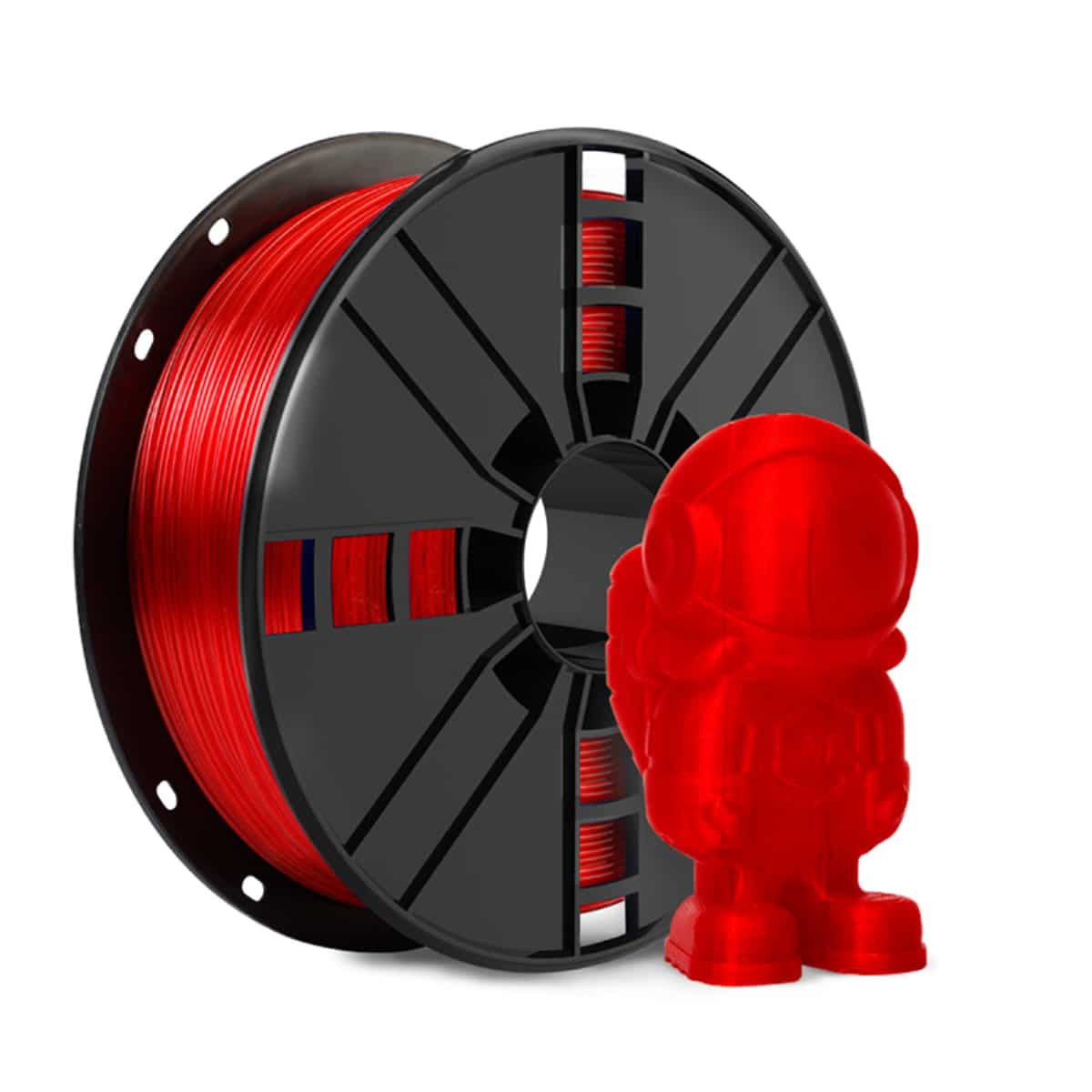
Red 3D filament PETG for 3D printing
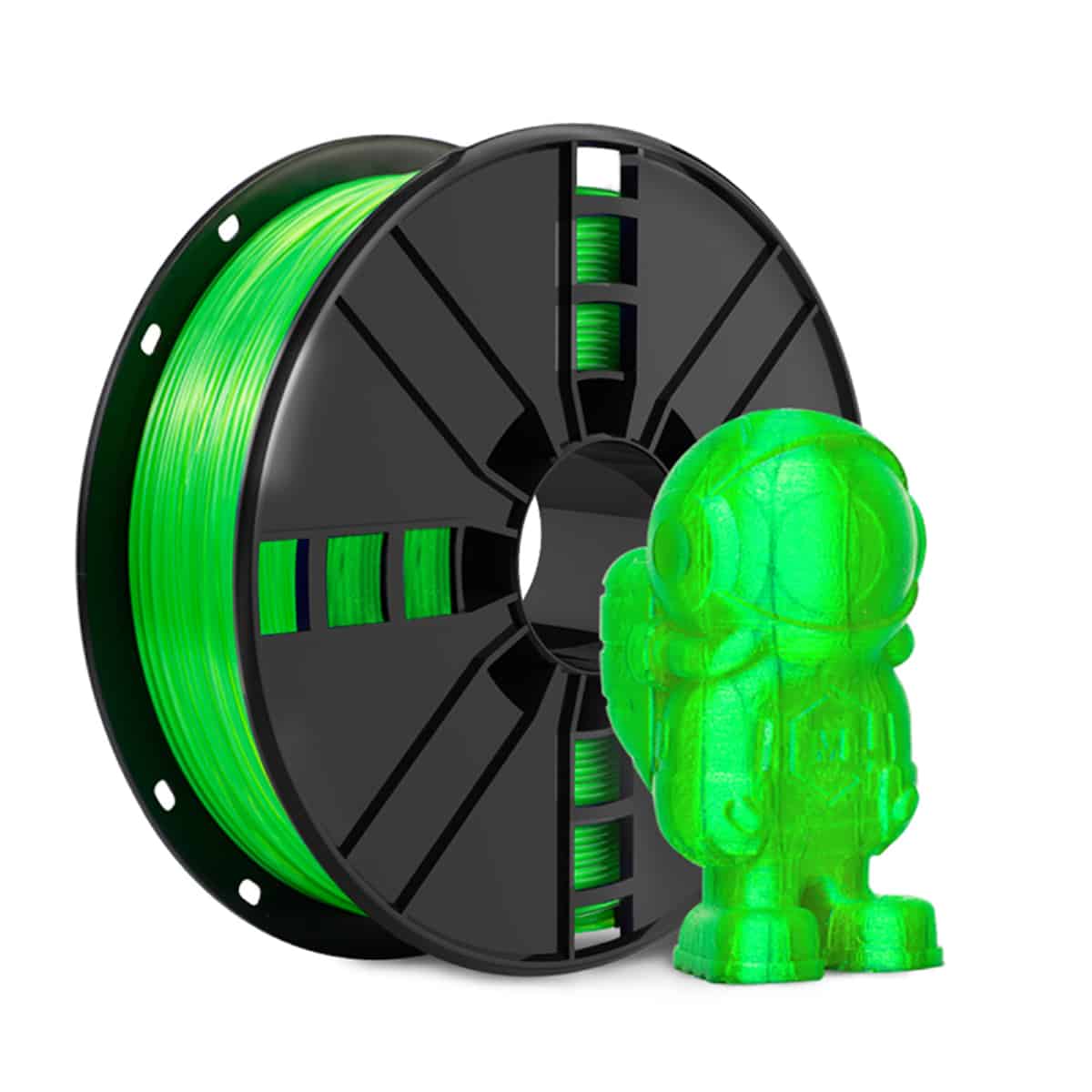
Green 3D filament PETG for FDM 3D printers
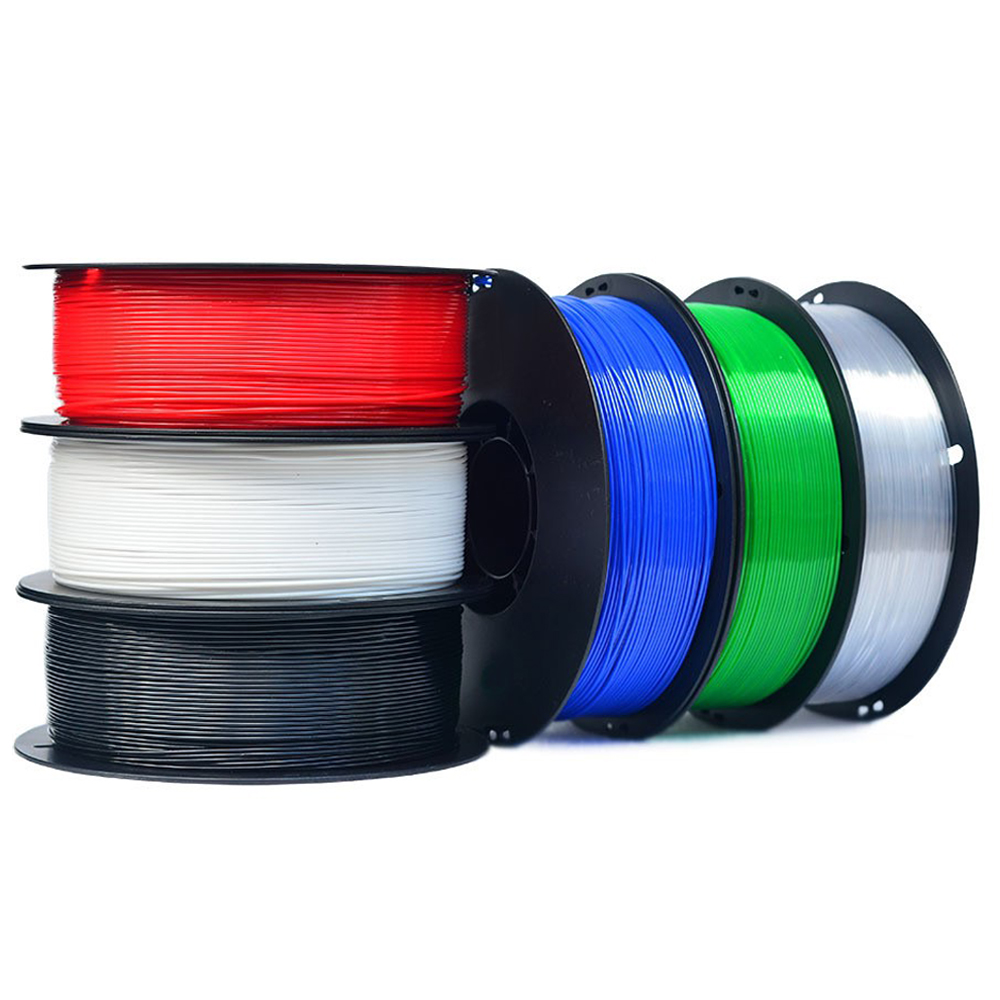
PETG 3D Printer Filament 1.75mm/2.85mm, 1kg
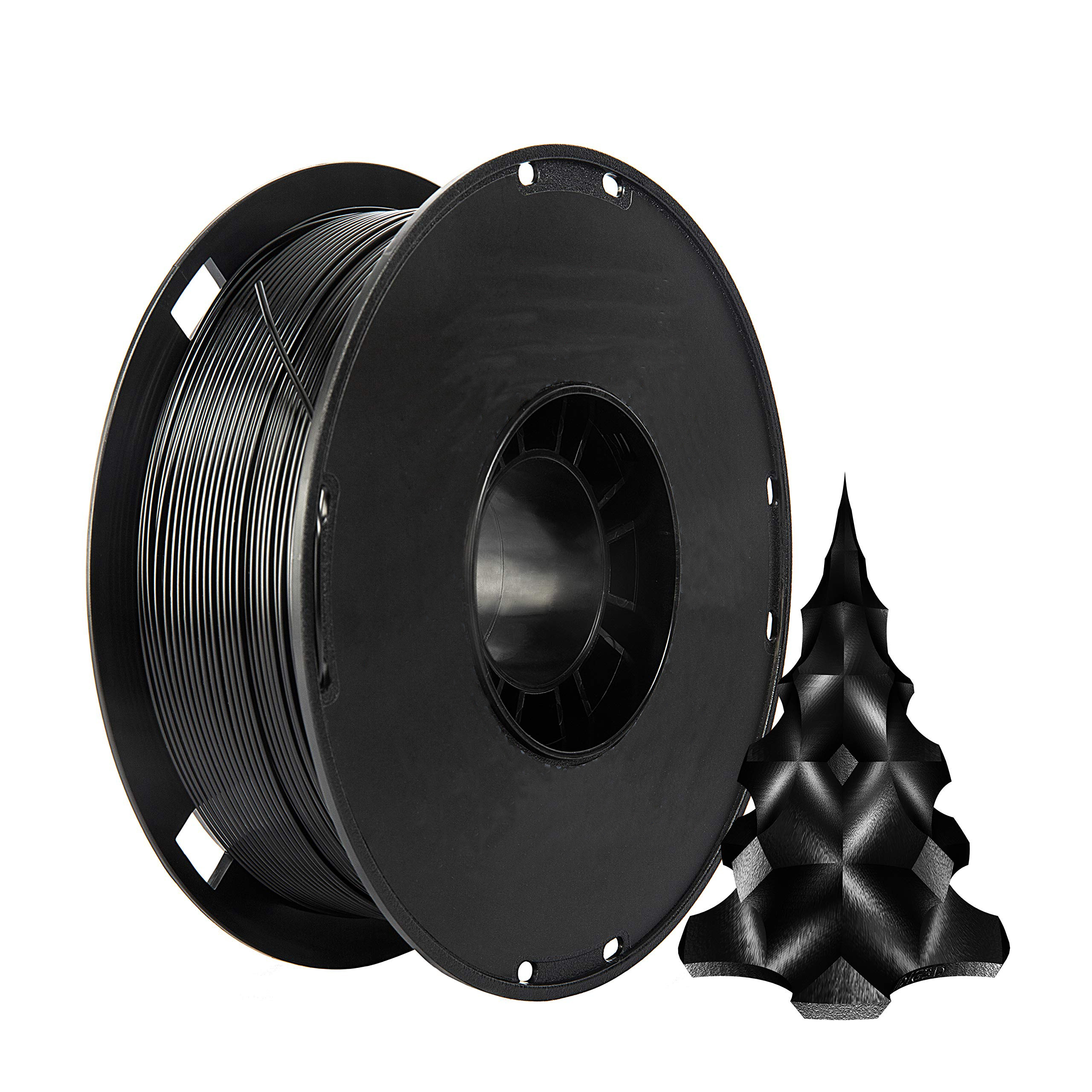
PC 3D filament 1.75mm 1kg Black
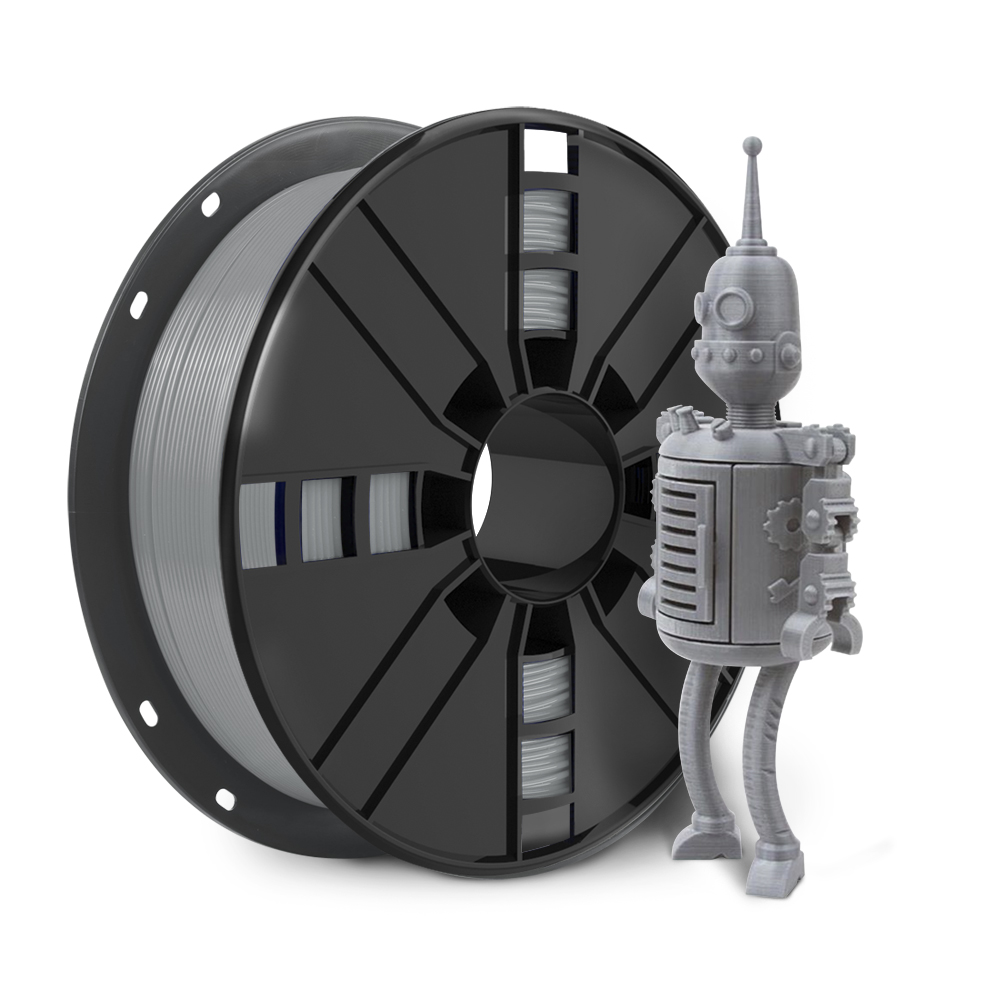
PLA Filament Grey color 1kg spool
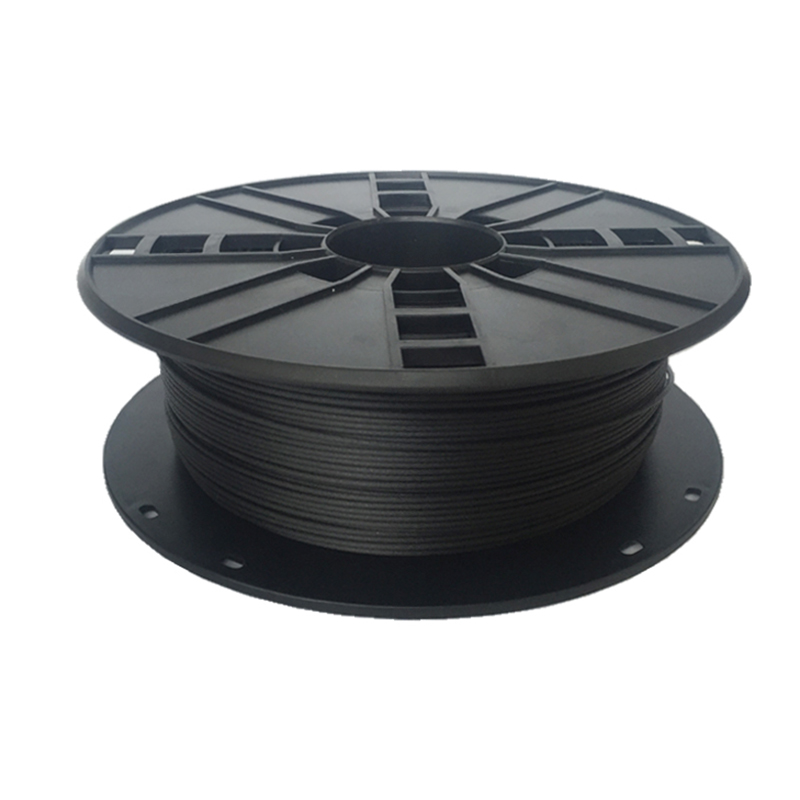
3D Printer Filament Carbon Fiber PLA Black Color
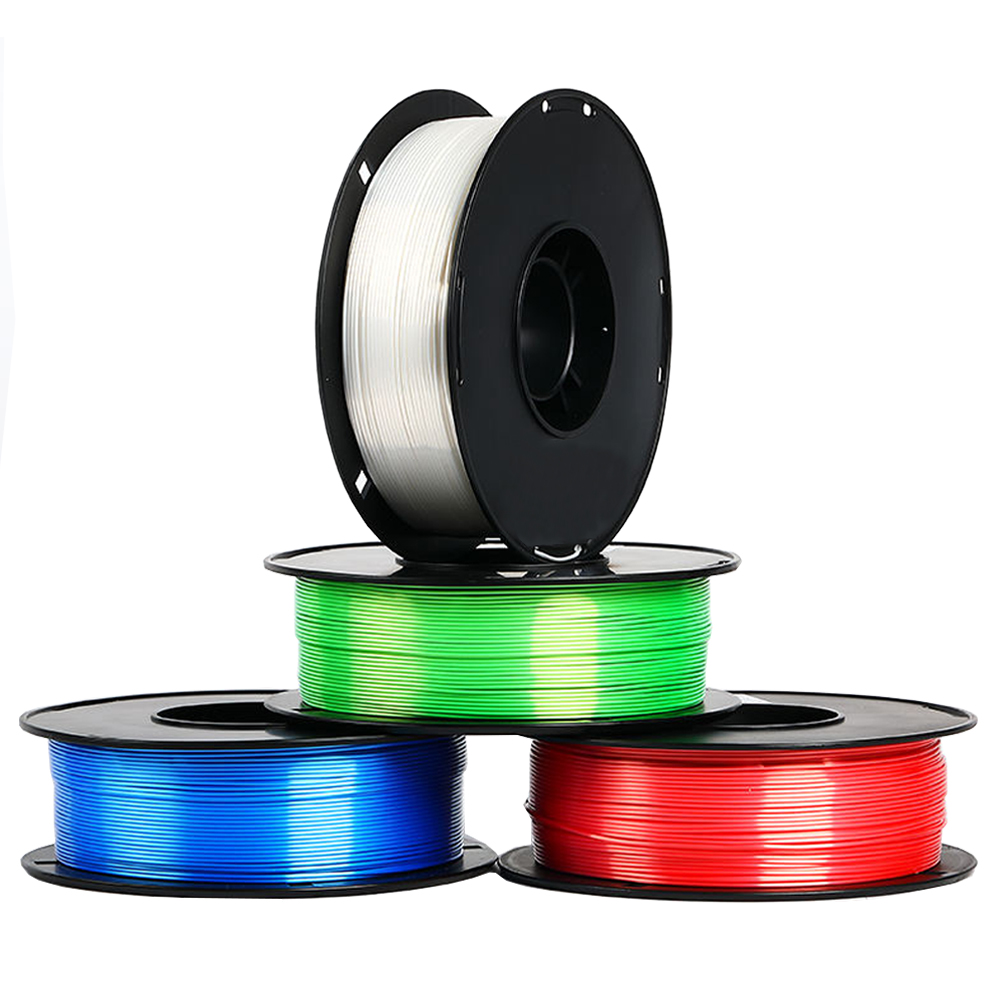
Torwell Silk PLA 3D Filament with gorgeous surface, Pearlescent 1.75mm 2.85mm
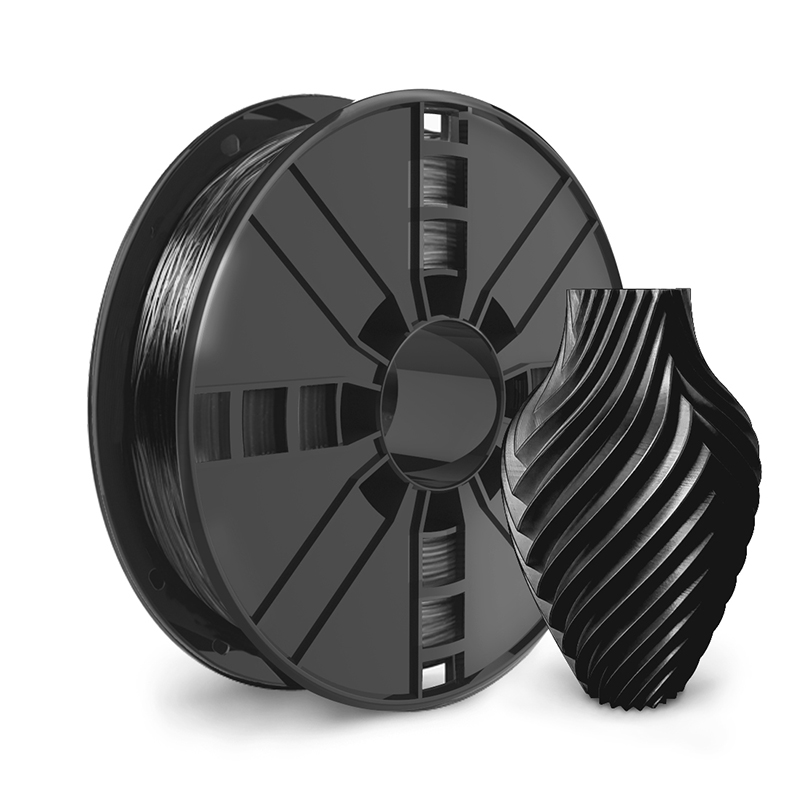
TPU 3D filament 1.75mm 1kg Black
Frequently Asked Questions (FAQ)
Q1: Why do I need a hardened steel nozzle to print Carbon Fiber filament?
A: Carbon fibers are highly abrasive. Printing composite filaments with a standard brass nozzle will quickly wear out the internal bore and nozzle orifice within just a few hundred grams of printing, leading to extrusion inconsistency. Hardened steel or ruby-tipped nozzles are highly recommended to ensure long-term precision and wear resistance.
Q2: How does Carbon Fiber PLA differ from standard PLA?
A: Carbon Fiber PLA is significantly stiffer and exhibits much lower shrinkage during the cooling process, making it virtually warp-free. It also leaves a beautiful matte black surface finish that hides layer lines exceptionally well. However, it is slightly more brittle than standard PLA in terms of impact resistance due to the fiber alignment.
Q3: Do Torwell filaments comply with US environmental and safety regulations?
A: Yes, absolutely. All of our filaments are manufactured using high-quality virgin raw materials. Our products undergo rigorous testing and are fully certified compliant with international standards including ISO9001, ISO14001, RoHS, REACH, MSDS, TUV, and SGS, making them completely safe and reliable for commercial and industrial settings in the United States and globally.
Q4: How should I store Carbon Fiber reinforced filaments?
A: Composite filaments, especially Carbon Fiber Nylon (PA-CF) and Carbon Fiber PETG, are highly hygroscopic (they absorb moisture from the surrounding air). To prevent printing issues like stringing, bubbles, or poor layer adhesion, we recommend storing the filaments in a dry box with desiccant or using a dedicated filament dryer before printing.