
Featured Automotive Exterior Grade Filaments
Engineered to satisfy stringent aerodynamic prototyping, light diffusion, and high-impact structural exterior component validation.
Industrial & Commercial Landscape: Clear TPU in Modern Automotive Engineering
The transition toward electric vehicles (EVs), connected sensor architectures, and dynamic light designs has revolutionized material demands for automotive exterior shells.
Resilience Over Vulcanized Rubber
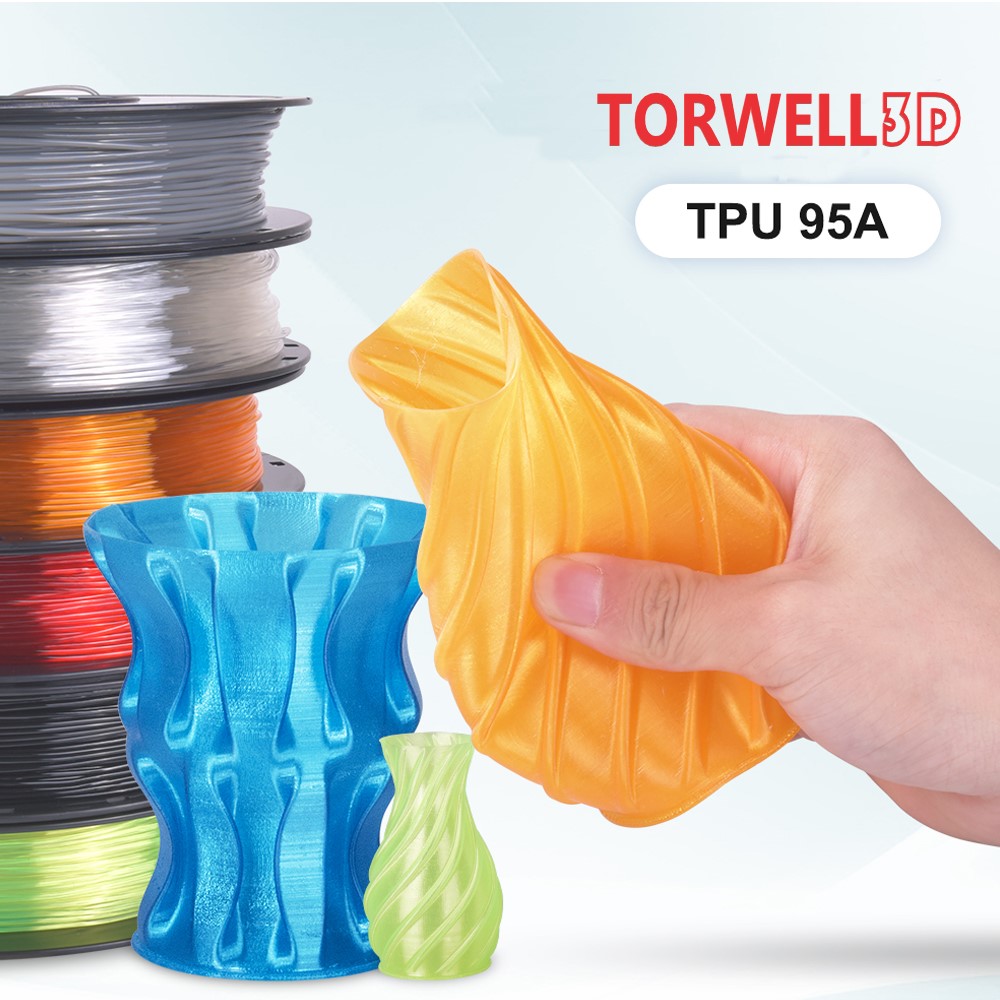
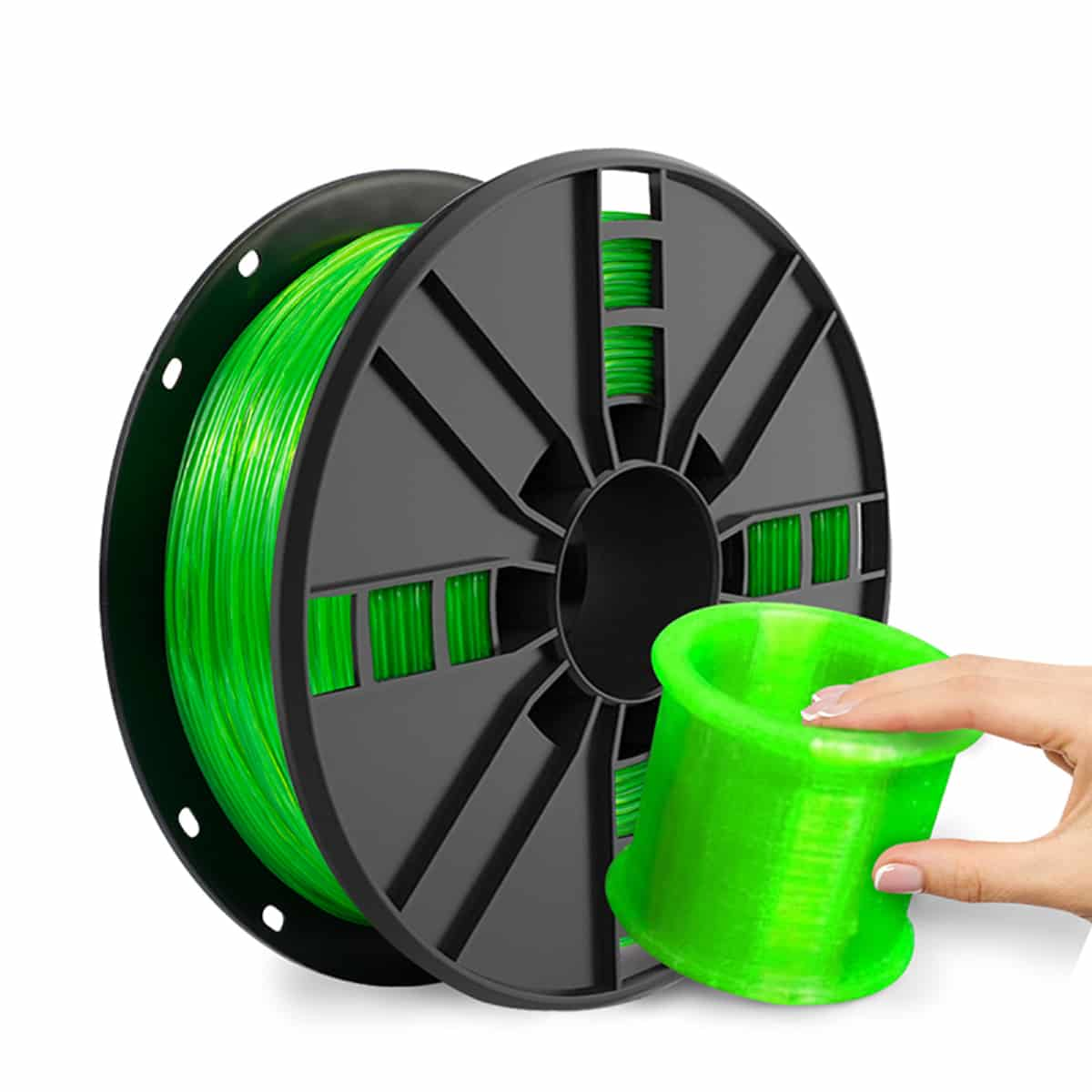
Conventional EPDM rubber and rigid PVC lack the recyclability, optical transparency, and low-temperature elastic recovery required by next-generation vehicle exteriors. Clear TPU filament bridge the performance gap by delivering Shore 85A-95A elasticity with the high-yield production agility of Fused Deposition Modeling (FDM) and additive manufacturing.
Aliphatic UV & Hydrolysis Defense
Unlike standard aromatic polymers that turn brittle and yellow under continuous solar radiation, specialized clear aliphatic thermoplastic polyurethanes withstand extreme ultraviolet cycles and environmental humidity, ensuring functional prototypes and end-use exterior light panels retain their clarity without surface micro-fissuring.
Autonomous Sensor Transmissivity
Modern vehicle fascias house an intricate array of LiDAR, radar, ultrasonic sensors, and optical cameras. Additively manufactured clear TPU components provide protective, non-attenuating outer covers with precise refractive index stability, protecting delicate solid-state optics from high-velocity rock impacts, road grime, and harsh de-icing salts.
In-Depth Exterior Application Scenarios
From flexible front splitters to crystalline optic shrouds, discover how clear TPU filaments fulfill critical structural and aesthetic roles across vehicle exterior assemblies.
Aerodynamic Splitters, Rocker Panel Extensions & Valances
High-downforce automotive aero components face constant road debris impact and curb scraping. Utilizing 95A clear TPU allows engineers to fabricate aerodynamic deflectors with high tear strength (greater than 120 kN/m) and elastic recovery. The material absorbs energy during curb strikes without cracking, maintaining laminar airflow under the chassis and reducing costly tooling lead times for track-day aero kits.
Headlamp Seals, Daytime Running Light (DRL) Lens Shrouds
Exterior illumination has transitioned into multi-faceted light guides and complex wrap-around headlamp clusters. Clear TPU filament is utilized to print translucent light diffusing pipes, internal lens bezels, and seamless overmolded environmental perimeter gaskets. Its dampening coefficients isolate sensitive light-emitting diodes from road vibration and thermal shock.
Cowl Vent Grilles, Wiper Flange Dampeners & Weatherstripping
Windshield wiper cowls and side-window water-deflection channels encounter harsh temperature swings ranging from -40°C to +85°C. 3D printed clear TPU provides a tight hermetic seal against rainwater intrusion while preventing mechanical wind buffeting noise. Its inherent oil, grease, and ozone resistance prevents hardening or cracking over prolonged outdoor life cycles.
Active Grill Shutter (AGS) Buffers & Sensor Enclosures
Modern electric vehicles utilize automated grill louvers to balance aerodynamic drag against battery cooling demands. Clear TPU provides low-friction, high-wear pivot sleeves and stops that minimize acoustic clatter during shutter actuation. Simultaneously, transparent sensor jackets shield ADAS forward-facing cameras without interfering with signal wavelength propagation.
Engineering Specifications & Extrusion Optimization
Achieving optical transparency and maximum interlayer adhesion requires precise thermal management, direct-drive extrusion, and systematic moisture control.
| Performance Parameter | Clear Automotive TPU (Shore 95A) | Industrial Clear PETG | Engineering Impact |
|---|---|---|---|
| Hardness (Shore Scale) | 95A (Elastomeric Flex) | 74D (Rigid Structural) | Energy dissipation during gravel impact; zero shattering under high shock. |
| Elongation at Break (%) | 450% - 550% | < 50% | Allows flexible clip-in installation on curved exterior body panels. |
| Tensile Strength (MPa) | 48 - 55 MPa | 45 - 52 MPa | Maintains structural integrity under exterior aerodynamic wind pressure. |
| Extrusion Temperature Range | 215°C – 235°C | 230°C – 250°C | Enables high polymer flow rate without thermal caramelization or haze. |
| Heated Bed Temperature | 40°C – 60°C (PEI / Glass) | 70°C – 85°C | Zero warp adhesion ensures precision tolerances across large 1000mm+ parts. |
| UV Stability & Weathering | High (Aliphatic Grade) | Moderate | Eliminates yellowing and hazing when exposed to continuous outdoor sunlight. |
Hygroscopic Drying Protocol
TPU polymers naturally absorb atmospheric moisture within hours. For optical clarity free from micro-voids, bubbles, and stringing, dry filament at 65°C for 6 to 8 hours prior to printing. Utilize sealed dry boxes feeding directly into direct-drive extruders for pristine cosmetic clarity.
Extrusion Speed & Path Planning
Maintain consistent extrusion rates between 20mm/s and 40mm/s. Lower printing speeds allow molten polyurethane chains to fuse seamlessly between layers, eliminating refraction interfaces and transforming layered prints into optically transparent, solid elastomer blocks.
Post-Processing for Glass Clarity
While raw 3D printed surfaces exhibit microscopic layer lines, clear TPU parts can undergo heated ironing passes, brief polyurethane-compatible chemical vapor polishing, or automotive clear-coating to achieve class-A exterior glass-level optical transparency.
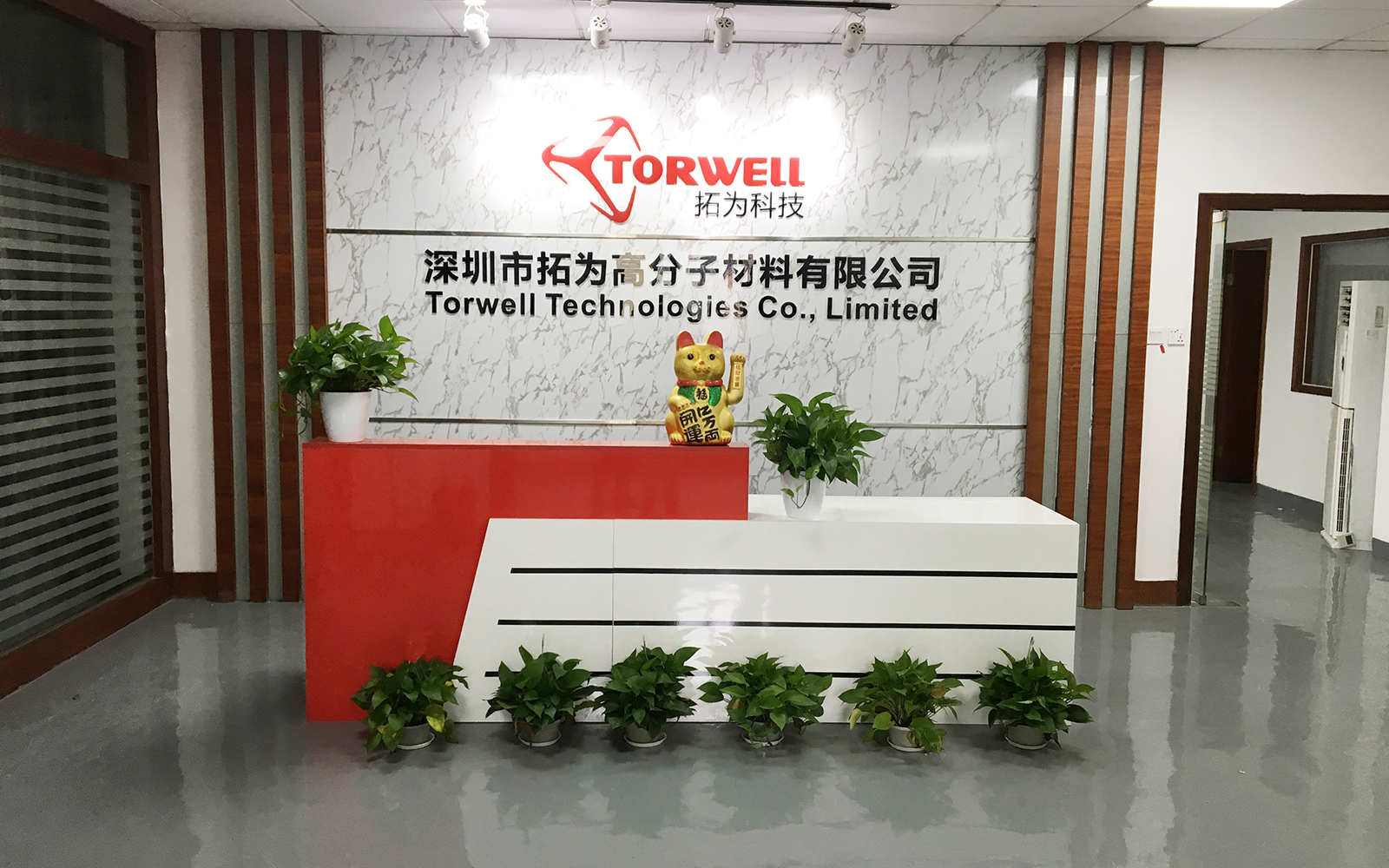
Company Profile: Torwell Technologies Co., Ltd.
Founded in 2011, Torwell Technologies Co., Ltd. is one of the earliest high-tech enterprises which specializing in high-tech 3D printer filaments research, manufacture and sell, occupies 2,500 square meters modern factory with production capacity of 50,000kgs per month.
With more than 10years experiences in 3D printing market exploration, cooperated with Institute for High Technology and New Materials in domestic famous universities, and engaging Polymer materials experts as technical adviser, Torwell becomes one of member of Chinese rapid prototyping association and leader enterprise with the most innovative products in 3D printing industry, owns independent intellectual property rights, patents and trademarks(Torwell US, Torwell EU, NovaMaker US, NovaMaker EU).
Torwell passed international quality management system ISO9001, international environment system ISO14001, the advanced manufacturing equipment, test devices and virgin raw materials available are introduced to produce and distribute 3D printer filament of unparalleled quality, to insure all the products of Torwell are compliant with RoHS standard, MSDS, Reach, TUV and SGS test certificated.
Be a reliable and professional 3D printing partner, Torwell has committed to expanding its products to America, Canada, UK, Germany, Netherlands, France, Spain, Sweden, Italy, Russia, Mexico, Australia, New Zealand, Brazil, Argentina, Japan, South Korea, Vietnam, Thailand, Malaysia, India, more than 80 countries and regions.
Automotive Rapid Prototyping & Functional Production Matrix
Complete range of flexible elastomers, chemical-resistant copolyesters, and dimensionally accurate thermoplastics engineered for exterior and interior automotive prototyping.
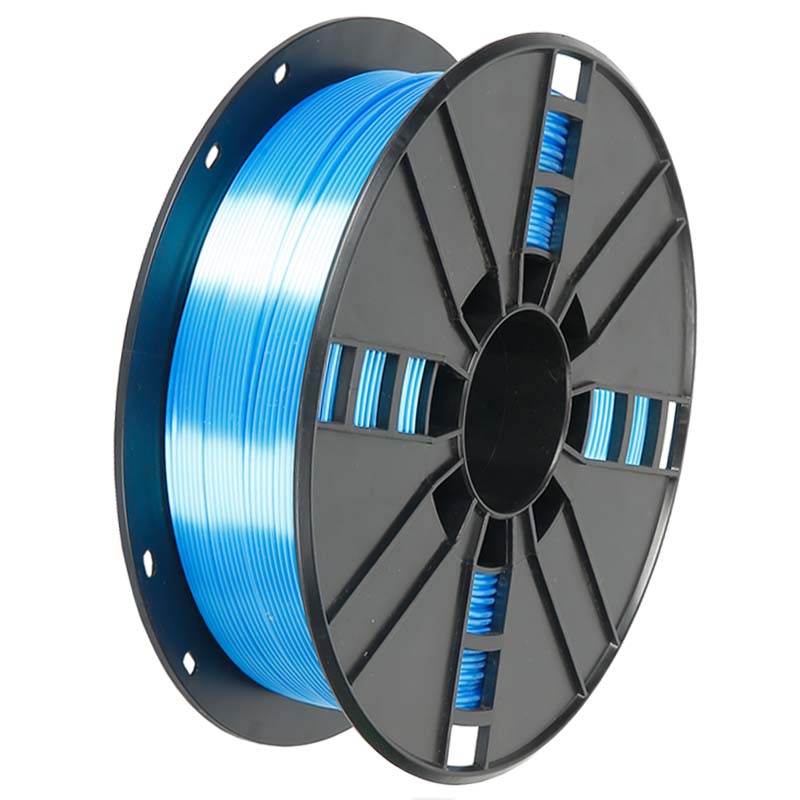
Development Trends: The Future of Elastomeric 3D Printing in Mobility
As the automotive industry pivots toward software-defined architectures and automated assembly, high-performance clear polyurethanes drive transformative manufacturing advantages.
Direct Digital Manufacturing (DDM)
Automakers are abandoning multi-million-dollar steel injection molds for low-volume specialty vehicles, hypercars, and custom commercial fleets. Clear TPU enables direct additive production of production-ready light surrounds, flexible aerodynamic splitters, and custom weather gaskets within 48 hours of CAD finalization, drastically shortening automotive cycle times.
Circular Economy & Recyclable Polymers
Global regulatory frameworks such as the European End-of-Life Vehicles (ELV) Directive mandate increased recyclability in vehicle exteriors. Thermoplastic Polyurethane, as a melt-reprocessable elastomer, can be reground and extruded back into automotive feedstock, replacing non-recyclable chemically crosslinked vulcanized rubbers and reducing lifetime carbon footprints.
Smart Surfaces & Embedded Electronics
The integration of in-mold electronics (IME) and flexible printed circuits (FPC) within clear TPU exterior skins allows vehicle surfaces to act as capacitive touch door handles, hidden-until-lit interactive panels, and de-icing sensor covers. Clear TPU's low dielectric constant ensures high electrical insulation and electromagnetic signal transmission fidelity.