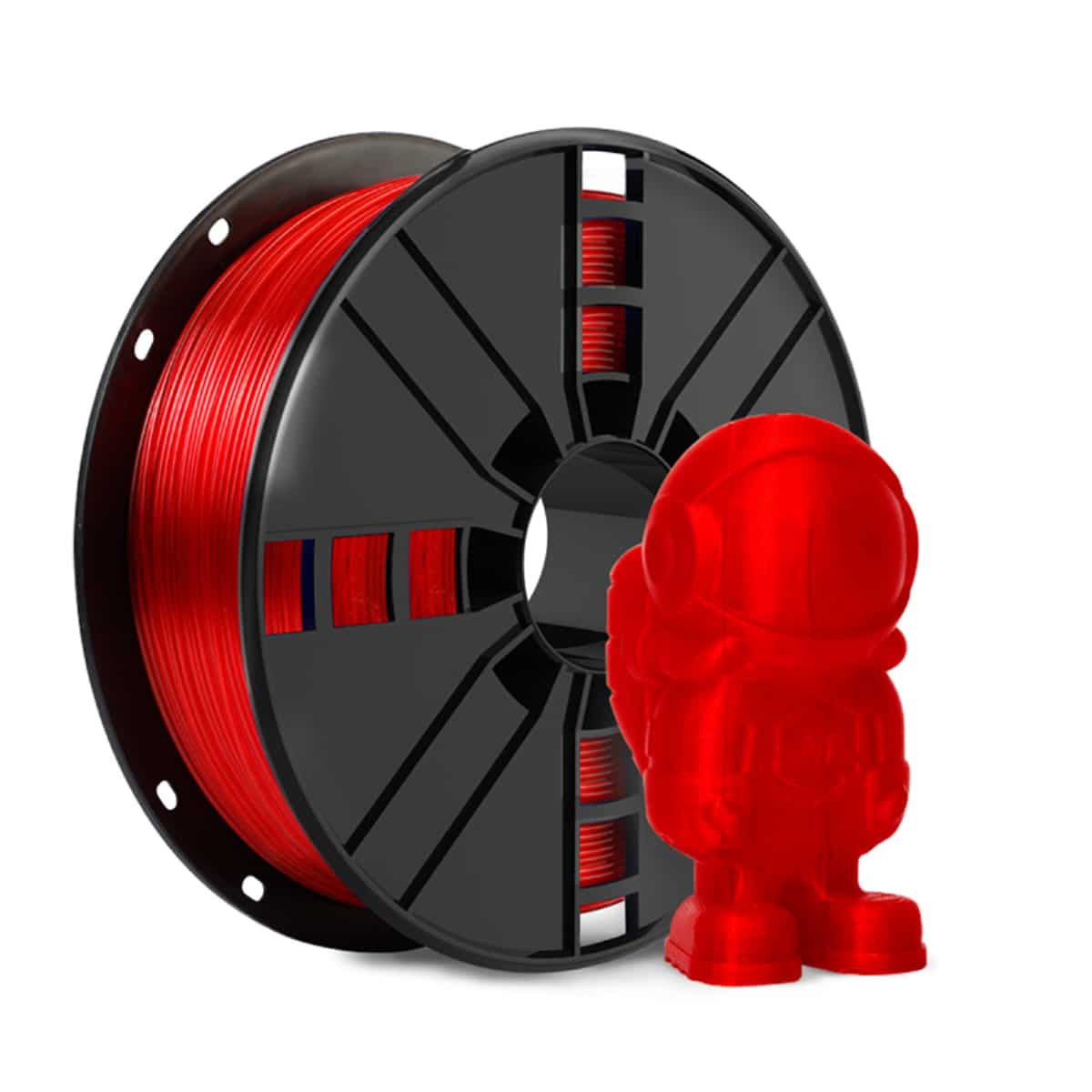
Featured Filaments For Ergonomic Tooling & Grips
Explore our industry-grade polymer filaments optimized for multi-density prototyping, custom handtool interfaces, and dual-tone high-precision components.
The Engineering Revolution of Custom Dual-Color Tool Grips
How additive manufacturing, co-extruded dual-color polymers, and personalized palm topography eliminate workplace musculoskeletal strain while drastically improving assembly torque transmission.
Anatomical Topology & MSD Prevention
Repetitive strain injuries (RSIs) and Carpal Tunnel Syndrome account for substantial assembly line downtime worldwide. Off-the-shelf standardized cylindrical handles force the operator’s hand into unnatural muscular contraction states, concentrating mechanical pressure along the median nerve and thenar eminence.
By leveraging 3D spatial scanning and parametric CAD modeling, dual-color PLA custom grips can be contoured to distribute contact stresses evenly across the metacarpal arch, achieving optimal palmar contact area and lowering cumulative palm pressure by up to 43%.
Co-Extrusion Physics & Dual-Tone Optics
Dual-color PLA filaments are engineered via precise continuous co-extrusion, bonding two distinct pigments longitudinally along a single 1.75mm cross-section. When extruded via FDM/FFF nozzles, the material preserves distinct split-color boundaries across the tool grip exterior.
This optical dichotomy produces dynamic viewing angles where tool rotation generates immediate chromatic shifts. In fast-paced industrial environments, this provides instantaneous visual feedback on tool orientation, rotation cycles, and mechanical torque angle engagement.
Dynamic Visual Wear Diagnostics
Beyond aesthetic distinction, dual-color PLA serves as an integrated visual maintenance gauge. In dual-tone slicing configurations where a high-contrast hue defines outer surface shells and another forms internal reinforcement layers, abrasive surface degradation visibly exposes the underlying color matrix.
Quality control teams and maintenance technicians can immediately spot mechanical friction erosion, slippage micro-fractures, or localized material wear before tool grip failure impairs operator safety or manufacturing precision.
Industrial Application Scenarios & Case Analysis
From aerospace cleanrooms to high-vibration pneumatic assembly workstations, dual-color PLA enables agile manufacturing of specialized tool handles with unmatched precision.
1. Aerospace & Automotive Torque Assembly
Precision fastening requires strict torque discipline without slippage. Custom dual-color PLA grips with parametric gyroid infills and textured thumb indents provide the exact counter-torque resistance required by assembly technicians. Dual-color visual indicators instantly signal clockwise vs. counter-clockwise rotational direction, reducing operational torque mistakes in high-value aircraft fuselage and powertrain assembly.
- High directional color contrast accelerates 5S lean workspace tool indexing.
- Optimized high-infill PLA+ cores resist sustained axial torque exceeding 35 Nm.
- Micro-grooved texture paths channel away sweat and industrial lubricants.
2. Medical Instrumentation & Laboratory Ergonomics
Surgical tool prototypes, orthopedic drill handles, and laboratory pipettes demand ultra-personalized geometry for micro-dexterity. Dual-color PLA enables rapid iteration of surgical grips tailored to a specific surgeon's hand dimensions, enhancing tactile sensitivity during delicate operations while maintaining biocompatible handling protocols during functional validation.
- Color-coded handles instantly identify specific gauge sizes or surgical procedures.
- Low thermal expansion of virgin PLA ensures microscopic fitting accuracy.
- Smooth layer adhesion prevents particulate traps and eases sanitization sweeps.
3. Heavy Machinery & Pneumatic Tool Gripping Sleeves
In pneumatic riveting, impact wrenching, and grinding operations, repetitive micro-vibrations cause severe vascular spasms (Vibration White Finger syndrome). Dual-color PLA composite shells, combined with TPU damping interlayers or dual-material concentric sleeves, isolate high-frequency mechanical vibrations while retaining rigid control over heavy tooling.
- Dual-color layer transitions highlight structural stress concentrations.
- Rigid PLA outer frames prevent accidental compression of critical pneumatic triggers.
- Rapid on-demand fabrication reduces tool downtime from weeks to hours.
4. Metrology Fixtures & Cleanroom 5S Lean Management
In electronic cleanrooms and optical metrology labs, cross-contamination and misplaced tools cause severe yield losses. Dual-color PLA grips allow facilities to color-code tooling sets according to specific cleanroom classifications (ISO Class 5 vs. ISO Class 7) or departmental ownership, integrating visual factory management directly into the physical grip architecture.
- Permanent dichromatic color coding cannot peel or flake off like painted coatings.
- Dimensionally stable PLA resists environmental humidity warping in HVAC cleanrooms.
- Enables non-slip handling for sensitive optical alignment micrometers.
FDM Processing Guidelines for Heavy-Duty Tool Grips
Achieving optimal mechanical inter-layer bonding and crisp chromatic separation when slicing and printing dual-color PLA ergonomic tool grips.
Thermal & Flow Control
Set nozzle temperature between 205°C and 215°C with a heated bed at 55°C–60°C. Maintaining constant extrusion velocity prevents thermal degradation of pigment interfaces within the dual-color melt chamber, ensuring sharp visual demarcation across tool curves.
Wall Loops & Shear Strength
For tool handles subjected to high torsional loads, configure a minimum of 4 to 6 perimeter wall loops (1.6mm–2.4mm total shell thickness). This shifts rotational shear stresses away from internal infill junctions into solid, continuous filament perimeters.
Infill Geometry Selection
Utilize 35% to 50% 3D Gyroid or Cubic infill patterns. Unlike 2D rectilinear infills, gyroid geometry delivers isotropic mechanical strength in all three axes, providing uniform compression resistance and superior damping against hand-grip impacts.
Torwell Manufacturing Standards & Quality Control
How state-of-the-art extrusion lines, premium virgin polymers, and strict multi-stage testing guarantee extreme dimensional precision and batch consistency for industrial 3D printing.
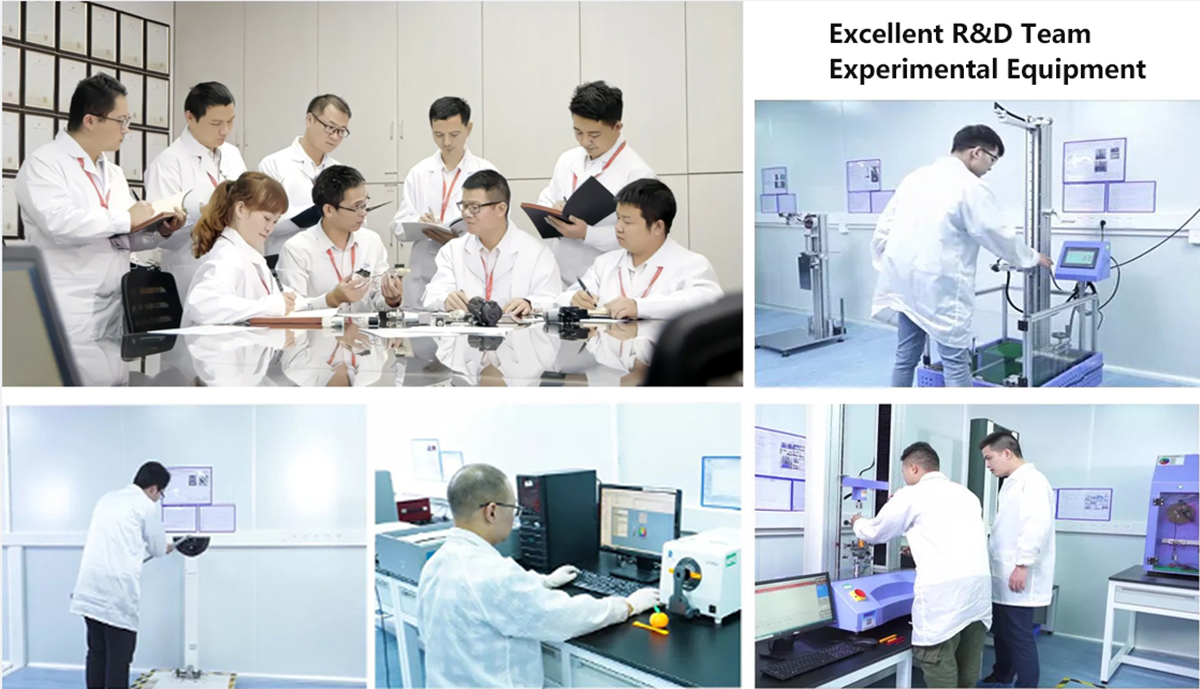
Quality Control & Safety Protocols
The factory area has passed ISO45001 occupational health and safety management system certification. Every new employee must be experienced one week of safety production knowledge teaching and two weeks of produce skills training, and master every course in the production process. Who is in the position will be responsible for its duty.
This rigorous operational baseline ensures flawless continuous production of dual-color PLA, maintaining strict material purity and zero contamination throughout the entire manufacturing life-cycle.
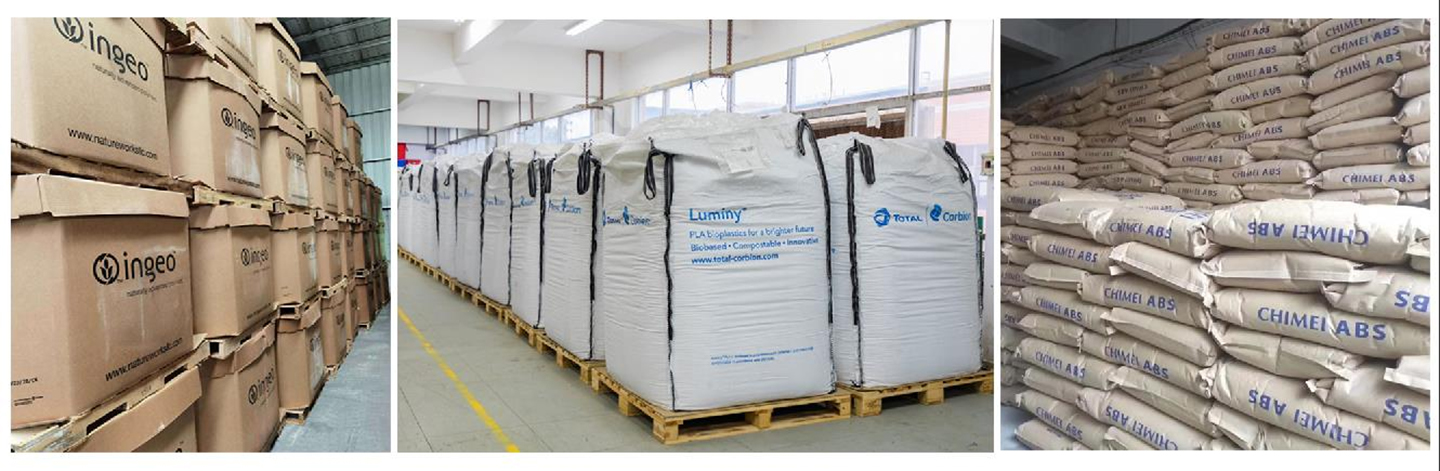
Premium Raw Material Sourcing
PLA is the most preferred material for 3D printing, Torwell firstly chooses PLA from US NatureWorks, and Total-Corbion is the alternative. ABS from TaiWan ChiMei, PETG from South Korea SK. Each batch of main raw materials comes from the partners who has cooperated more than 5 years to ensure the reliability of the products from the source.
Each batch of raw materials will undergo parameters inspection before produce to ensure that raw materials are original and virginal, avoiding recycled fillers that compromise tensile yield strength in tool grips.
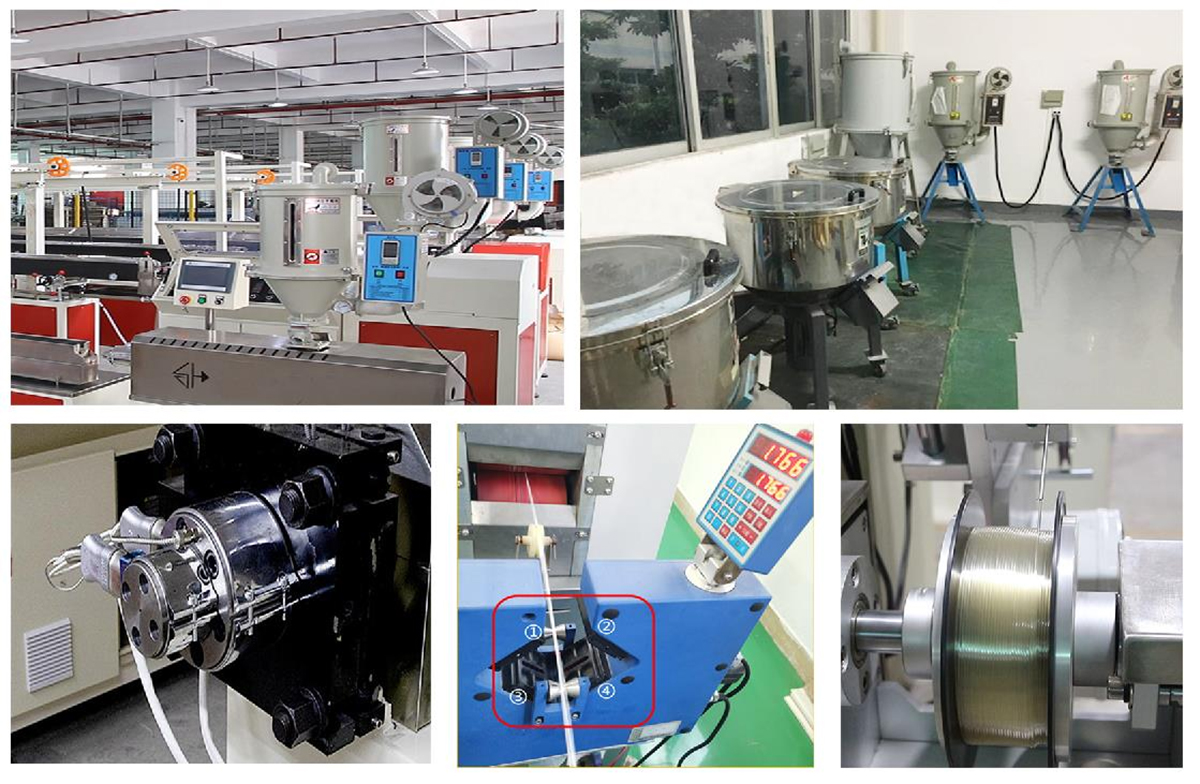
Precision Equipment & Tight Tolerances
The manufacturing workshop will make arrangements after the inspection of raw materials, at least two engineers cross-check the clearance of mixing tank, color mixed of material, humidity from hopper dryer, temperature of extruder, hot/cool tank, and trial-produce and debugging the produce line to make sure all of processes in the best condition.
Equipped with high-frequency dual-axis laser measurement loops, our lines maintain the filament Diameter tolerance +/- 0.02mm, Roundness tolerance +/- 0.02mm, eliminating extrusion flow inconsistencies during complex grip surface prints.
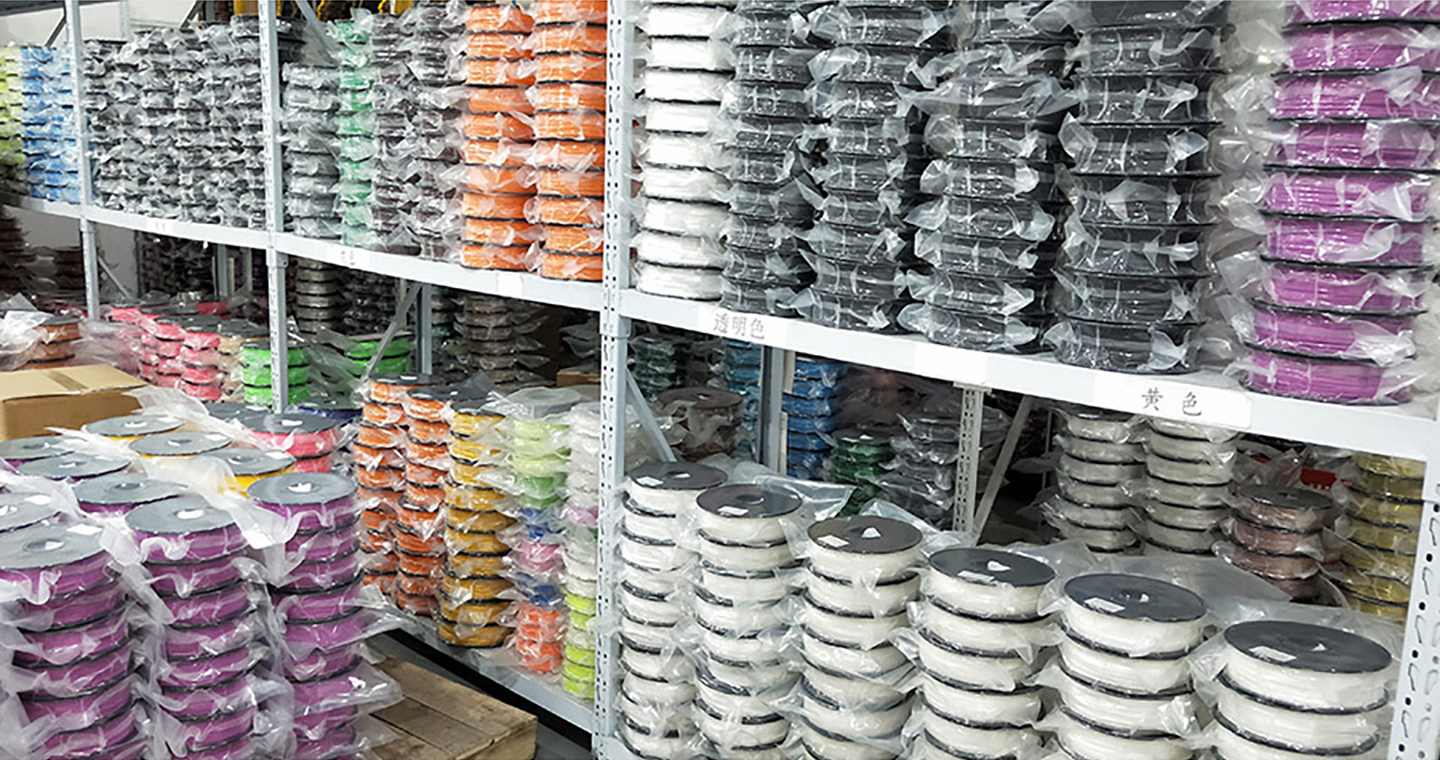
Comprehensive Final Inspection
After each batch of 3D filament is produced, two quality inspectors will conduct random inspections on each batch of finished products in accordance with the requirements of the standard, such as diameter tolerance, color consistency, strength and toughness and so on.
After vacuuming the package, place them for 24 hours to check whether there is any leaking package, then label it and finish the package. This guarantees dry, moisture-free filament ready for demanding industrial tool production.
Future Trends: AI Generative Ergonomics & Bio-Based Polymers
The convergence of cloud-based FEA optimization, automated grip generative design, and closed-loop biopolymer recycling is reshaping the hand tool manufacturing ecosystem.
AI Generative Grip Infill
Advanced CAD algorithms now generate internal density gradients based on finite element analysis (FEA) of user grip pressure maps. Dual-color PLA provides visual exterior confirmation of internal high-density structural trusses, enabling ultra-lightweight handles that resist severe impact shocks.
Bio-Derived Circular Economy
As global industries enforce strict ESG mandates, PLA’s cornstarch and sugarcane origin offers an environmentally sustainable alternative to petroleum-based thermosets. Worn-out custom tool grips can be remelted or industrially composted without toxic emissions.
Multi-Durometer Hybrid Tooling
The next generation of workshop ergonomics combines rigid dual-color PLA structural cores with flexible TPU external shock-dampening contact pads. This multi-material architecture delivers both unyielding torque transfer and superior palm comfort.
Complete Material Solutions For Advanced 3D Tooling
Discover our full spectrum of professional 3D printing filaments, from flexible shock-absorbing elastomers to high-tensile engineering filaments.
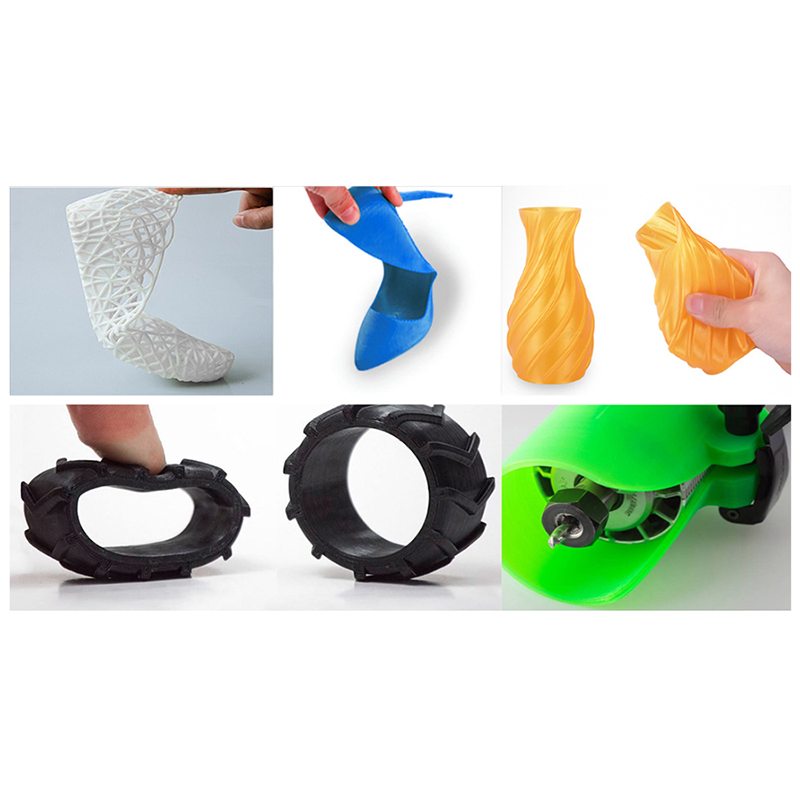
Flexible TPU filament for 3D printing soft material
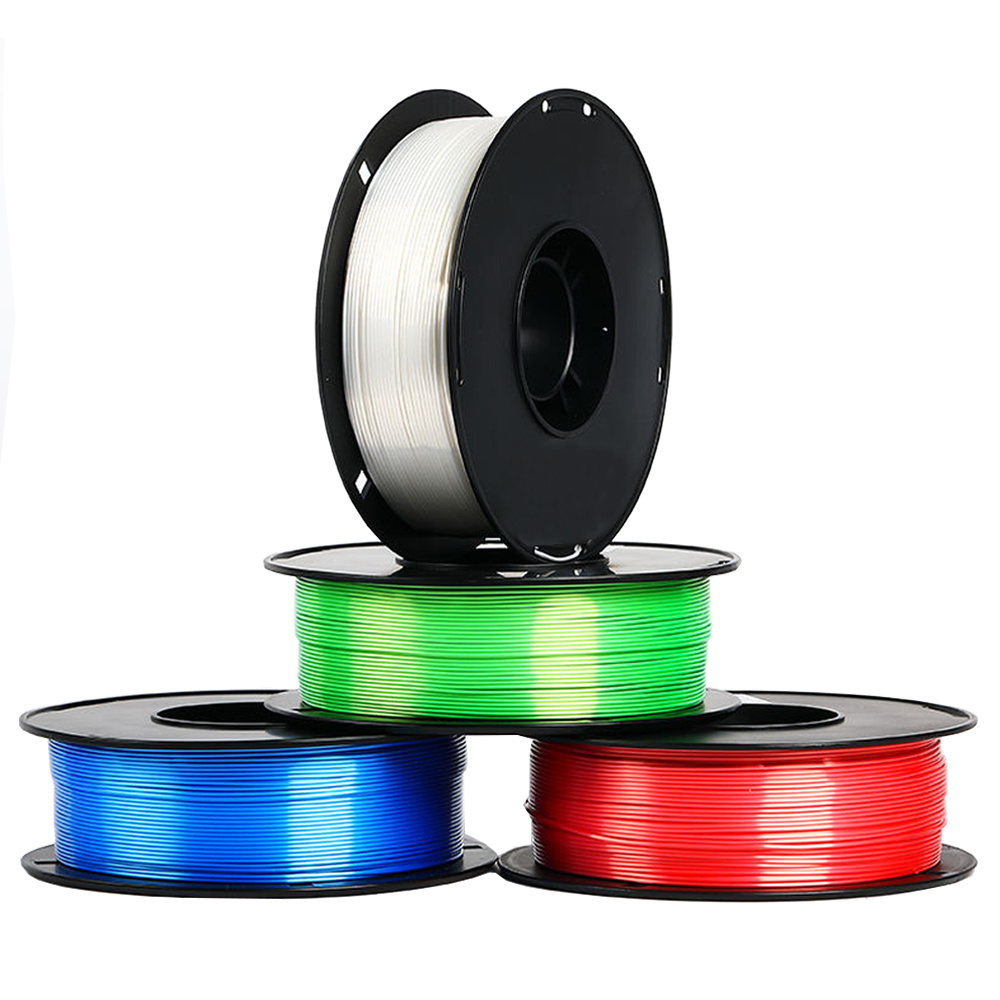
Silk PLA 3D Filament With Shining Surface, 1.75mm 1KG/Spool
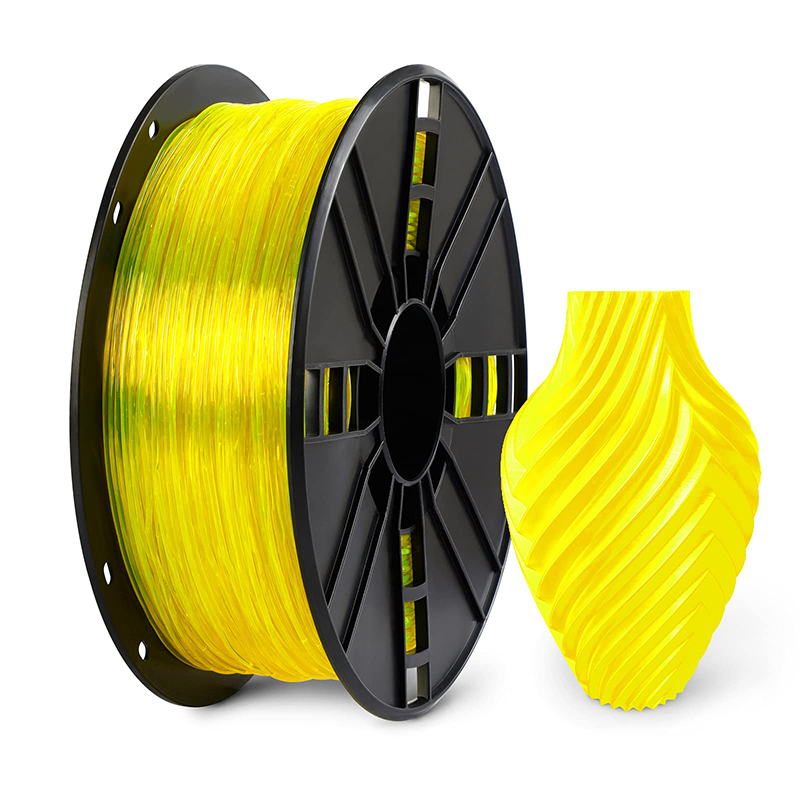
Rubber 1.75mm TPU 3D Printer Filament Yellow color
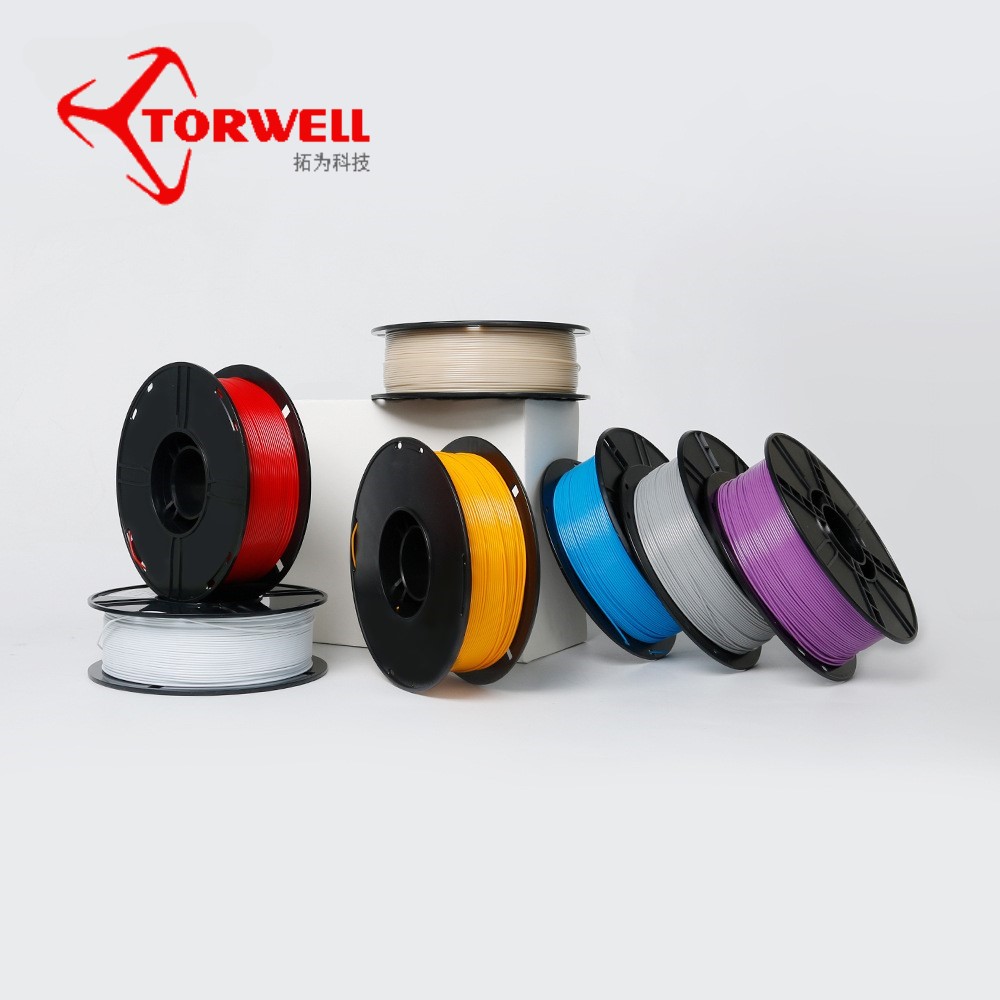
PLA 3D Printer Filament 1.75mm/2.85mm 1kg per Spool
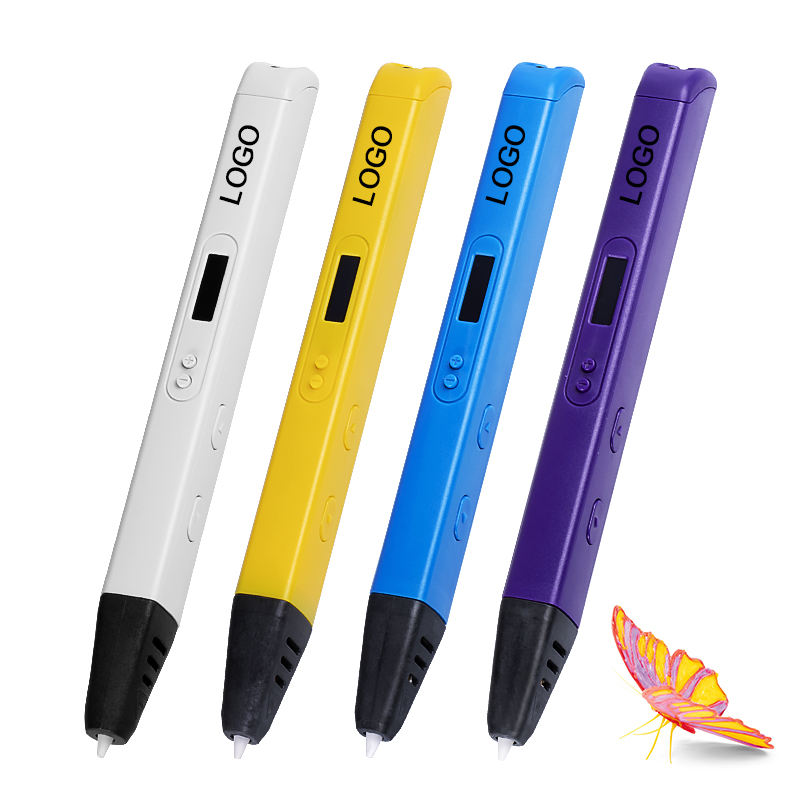
3D Printing Pen with Display - Includes 3D Pen, 3 Colors PLA Filament
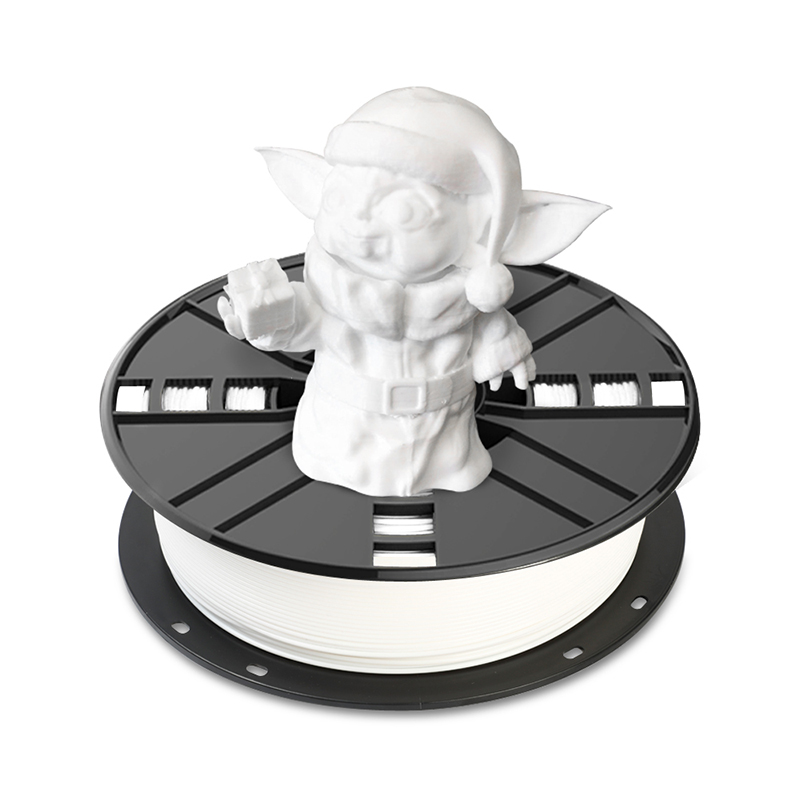
1.75mm PLA plus filament PLA pro for 3D printing
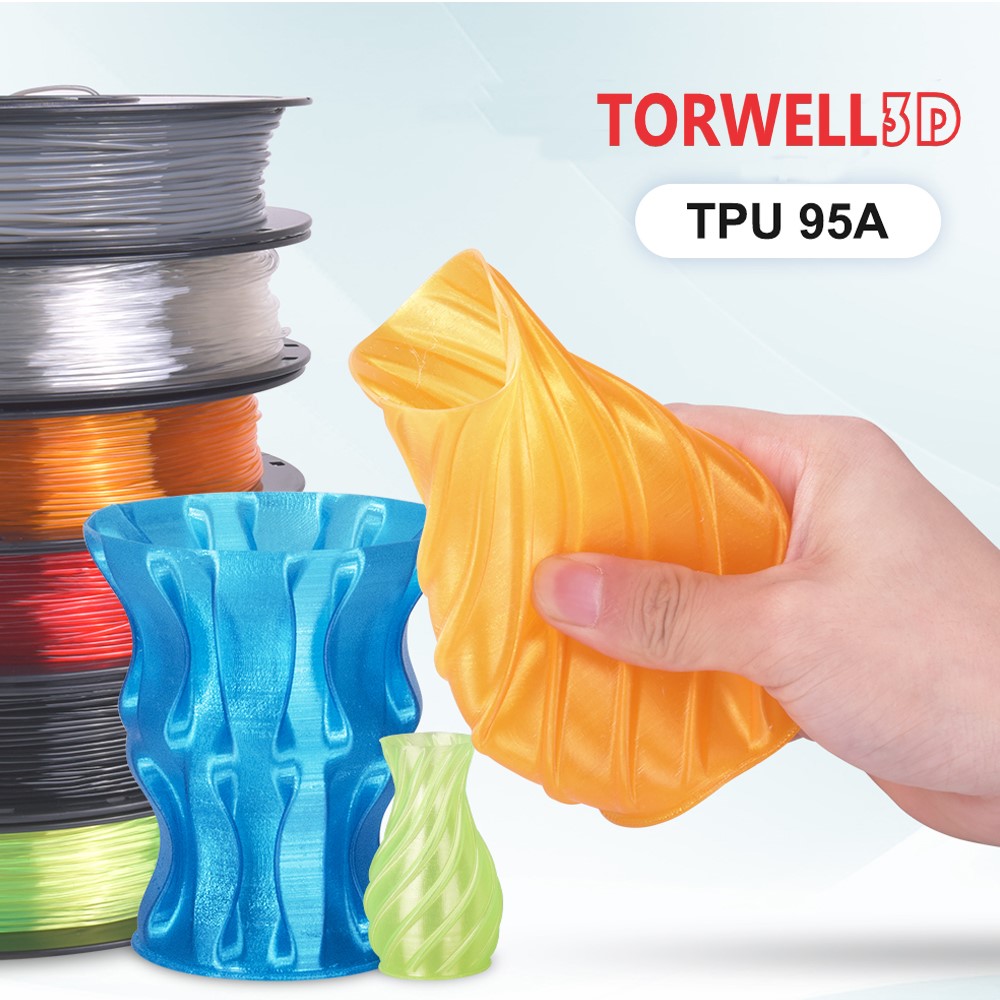
Flexible 95A 1.75mm TPU filament for 3D printing Soft Material