Rapid Deployment Surveillance Materials
High-performance filaments designed for rapid prototyping, edge sensor casings, and functional outdoor electronic assemblies.
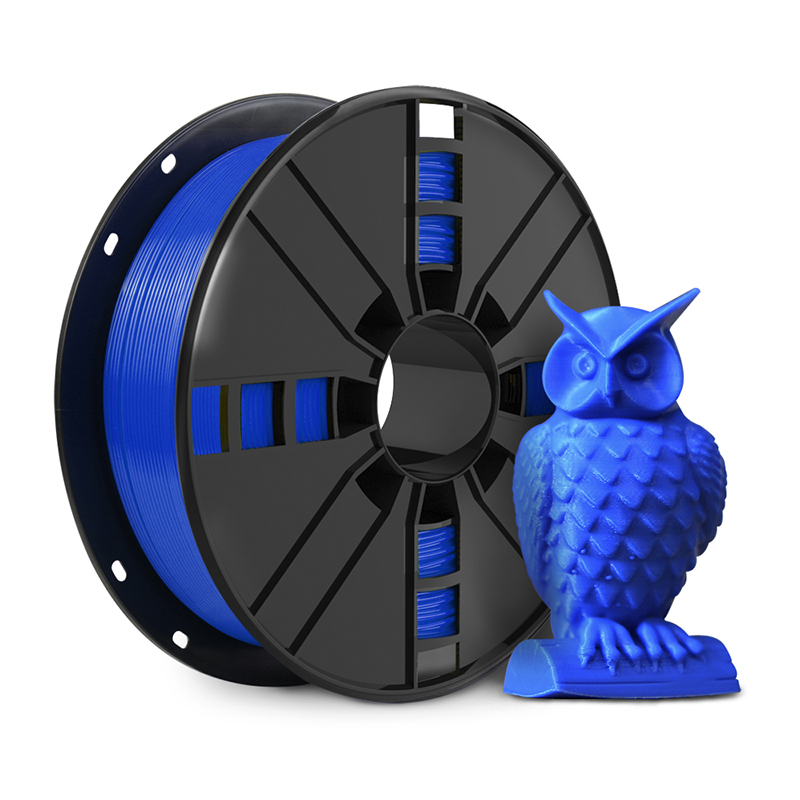
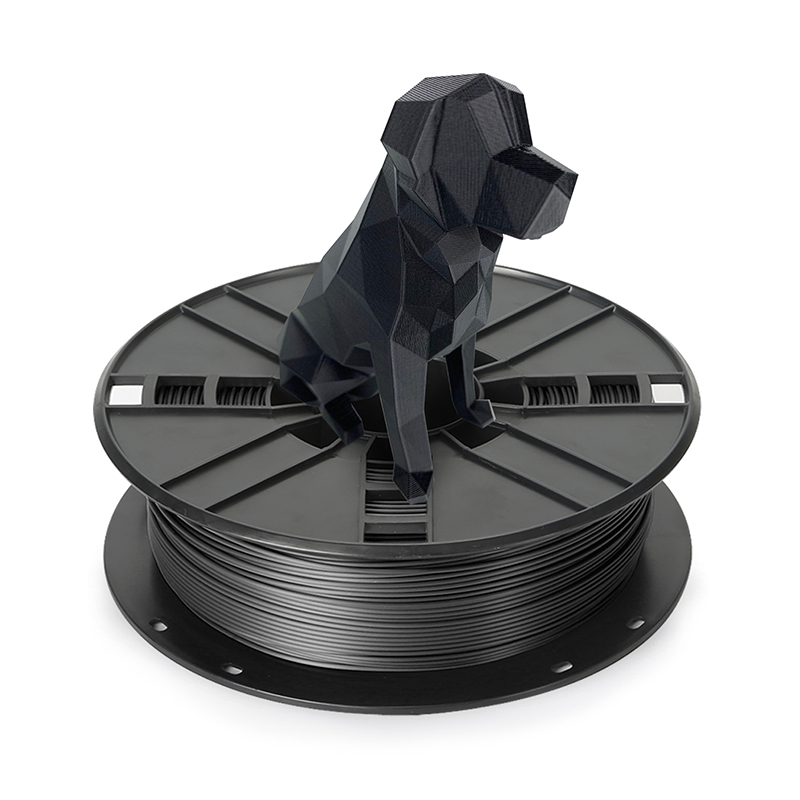
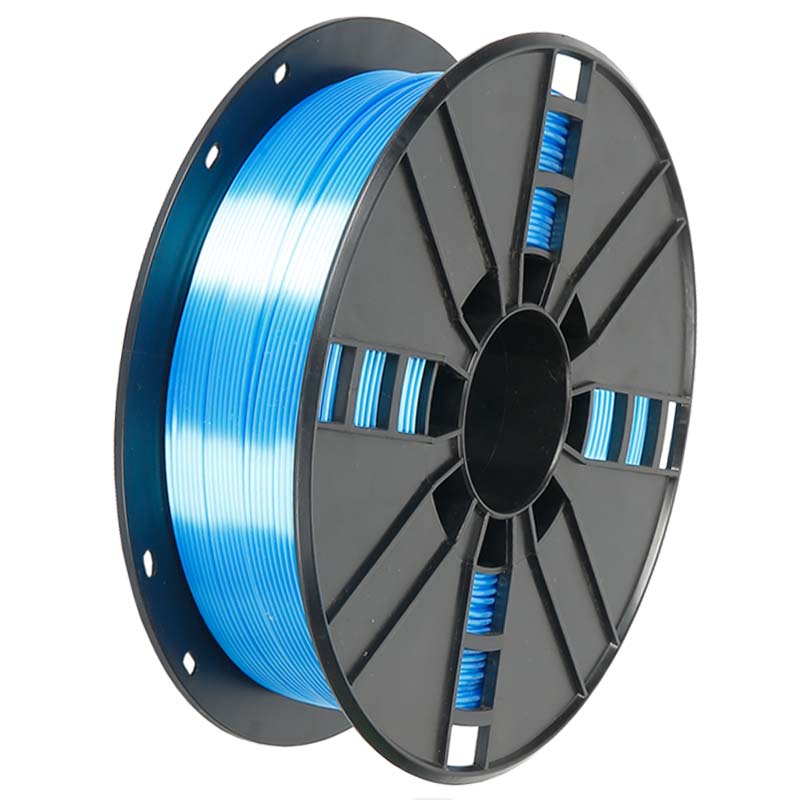
Commercial & Industrial Status: Next-Gen Exterior Surveillance
Tooling-Free Rapid Iteration
Accelerate edge camera prototype testing from months to hours. Modify internal lens bezels, heat-sink air passages, and waterproof cable gland channels directly in CAD.
Enhanced UV Barrier Protection
Incorporating Hindered Amine Light Stabilizers (HALS) and inorganic titanium oxides prevents photo-oxidative polymer chain scission under direct outdoor solar radiation.
Dichromatic Co-Extrusion
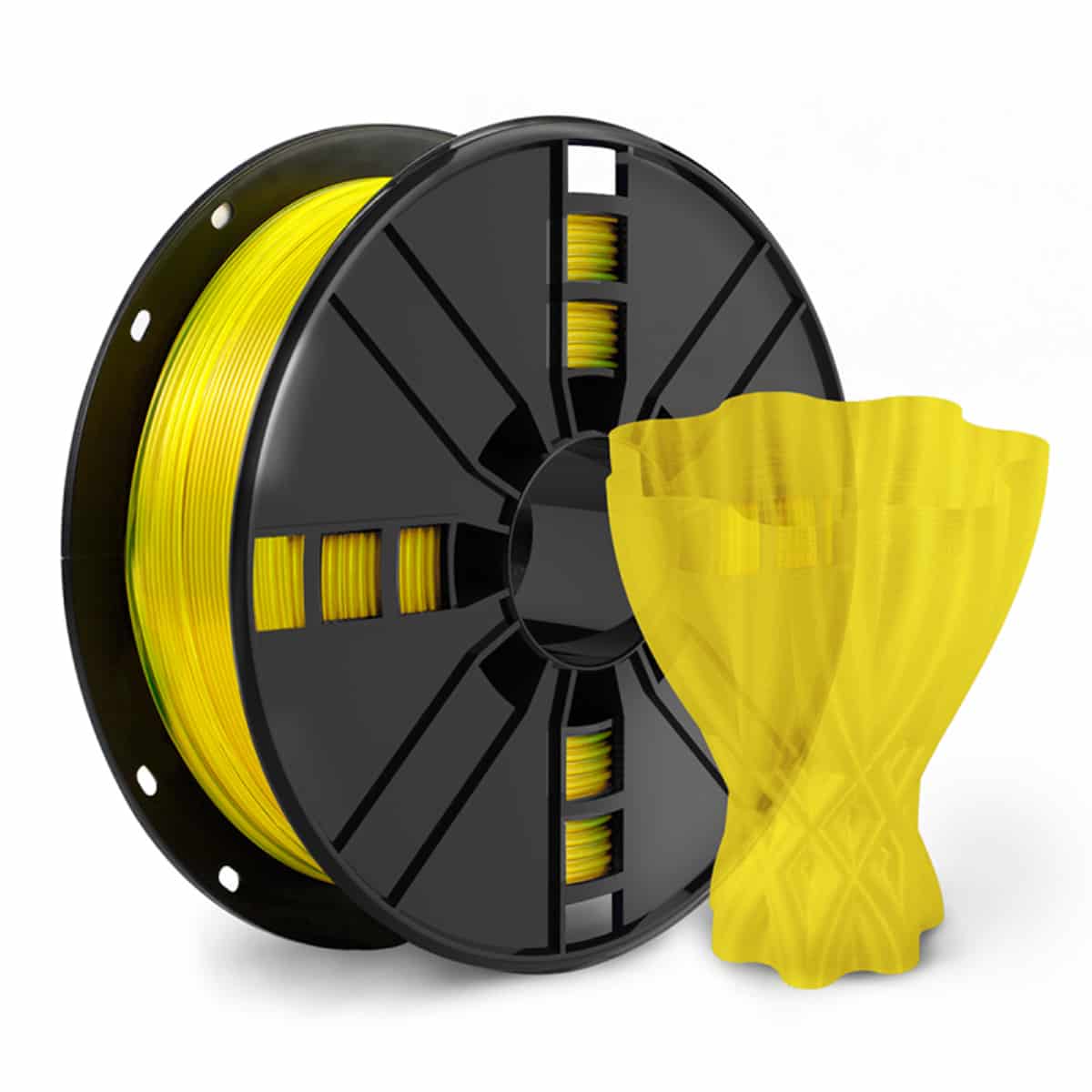
Simultaneous two-tone filament extrusion yields viewing-angle color shifts, optimizing daytime camouflage against varied architectural backdrops while remaining identifiable.
Polymer Formulation & UV Degradation Mitigation
How chemical additive engineering transforms standard polylactide into an outdoor-resilient industrial composite.
| Additive / Tech Vector | Chemical Mechanism | Surveillance Housing Benefit |
|---|---|---|
| Hindered Amine Light Stabilizers (HALS) | Cyclic Denisov cycle radical scavenging preventing free-radical propagating cascades. | Eliminates micro-fissures on camera shrouds; maintains structural drop-impact resilience over 3+ years. |
| Micronized Rutile TiO₂ / Metal Oxides | Wide-bandgap physical refraction and scattering of UV light below 385nm wavelengths. | Maintains optical clarity in dual-tone pigments without solar color shifting or chalking. |
| Cross-Linking Toughening Agents | Core-shell elastomer branching creating steric hindrance against thermal chain relaxation. | Raises heat deflection temperature (HDT) to resist hot solar enclosure baking up to 65°C. |
| Dual-Phase Co-Extrusion | Precise 50/50 longitudinal cross-section division of complementary colorants. | Creates passive anti-glare reflection and ambient blending for security assets without post-paint. |
Engineered Application Scenarios in Security & Perimeter Defense
Real-world deployment case studies leveraging UV-resistant dual-color additive manufacturing.
1. Smart City Multi-Sensor Traffic & LPR Enclosures
Municipal License Plate Recognition (LPR) and traffic-flow monitoring cameras require custom junction enclosures that hold radar units, auxiliary strobe flashes, and optical zoom lenses. Using dual-tone UV-resistant PLA, city system integrators can 3D print bespoke IP65-rated brackets with matte grey urban camouflage facing outward and high-contrast diagnostic warning accents facing maintenance technicians.
2. Coastal & Maritime Perimeter Monitoring Pods
Harbor and coastal perimeter surveillance units face extreme solar irradiance coupled with saline moisture. The chemical non-reactivity of modified PLA, backed by UV-stabilized pigments, prevents salt-spray electrochemical corrosion that often degrades aluminum or zinc die-cast housings, significantly lowering maintenance intervals.
3. Agricultural & Remote Wildlife Edge Observation
Solar-powered, battery-backed IoT camera stations deployed in forests and vast agricultural fields require unobtrusive biophilic camouflage. Dual-color silk and matte earth-tone PLA filaments allow field stations to print housings that blend into foliage patterns while offering a rigid, weatherproof shell that resists UV embrittlement under unshaded canopy exposure.
4. High-Mix Low-Volume Rapid Defense Prototyping
Specialized perimeter intrusion detection systems (PIDS) for critical infrastructure (substations, water reserves) demand non-standard optical housing shapes tailored to specialized mounting struts. Dual-color filament enables instant multi-axis visual orientation verification during field installation while guaranteeing strict dimensional tolerance for O-ring waterproof seals.
Manufacturing Rigor & Quality Management
Strict quality control systems ensuring filament diameter tolerance of ±0.02mm and pristine raw material purity.
Quality Control
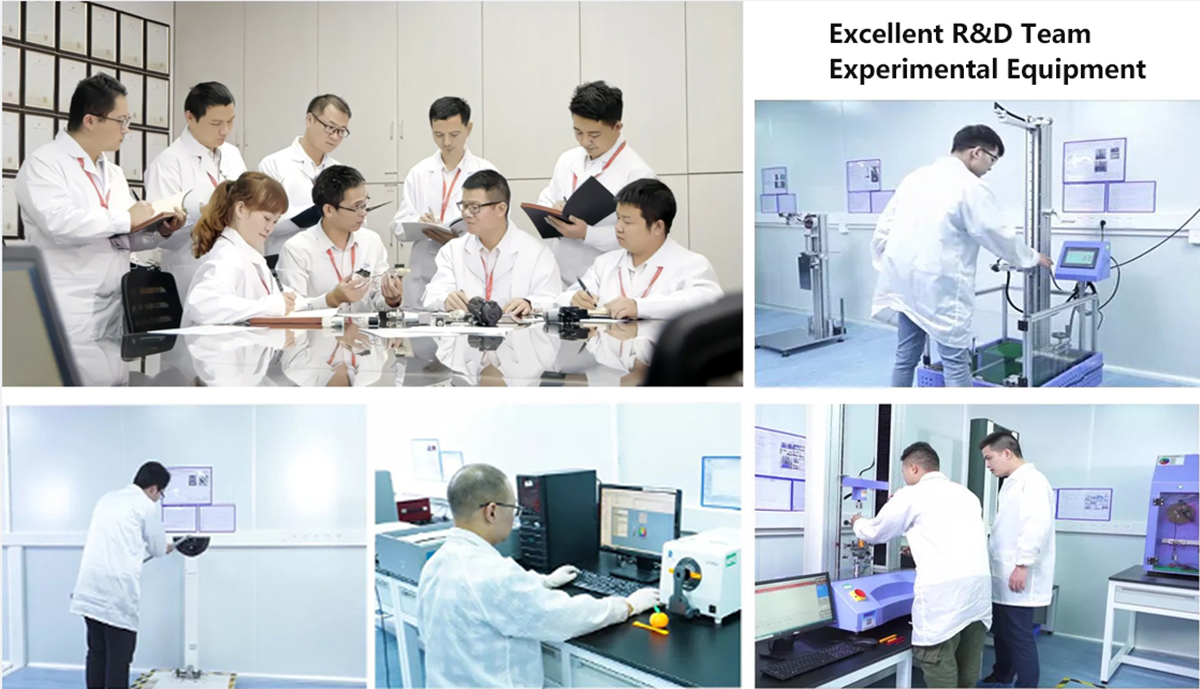
The factory area has passed ISO45001 occupational health and safety management system certification. Every new employee must be experienced one week of safety production knowledge teaching and two weeks of produce skills training, and master every course in the production process. Who is in the position will be responsible for its duty.
Raw Material
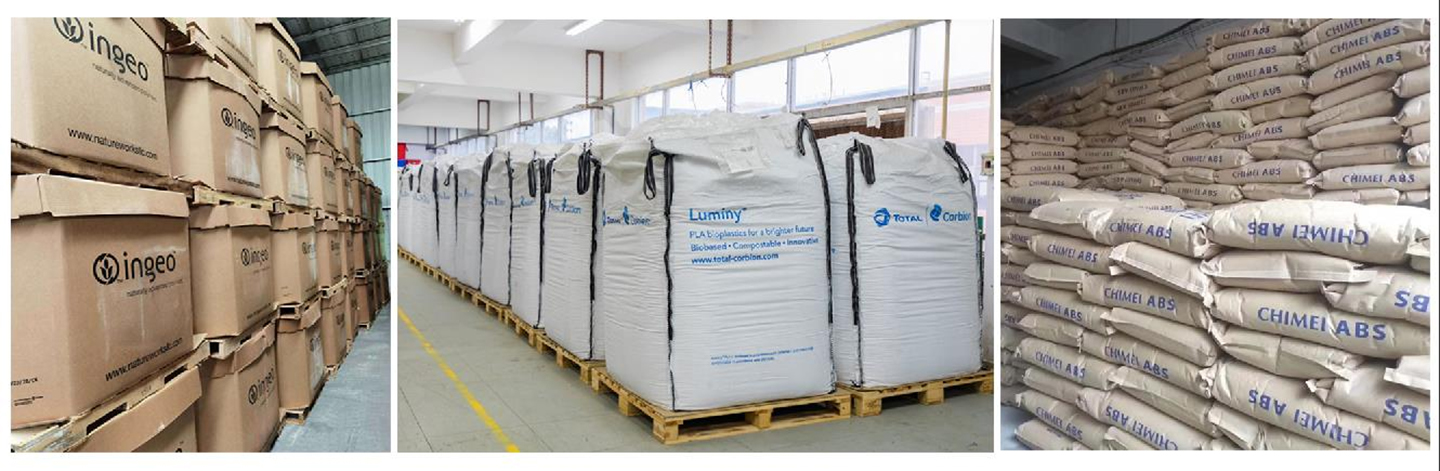
PLA is the most preferred material for 3D printing, Torwell firstly chooses PLA from US NatureWorks, and Total-Corbion is the alternative. ABS from TaiWan ChiMei, PETG from South Korea SK. Each batch of main raw materials comes from the partners who has cooperated more than 5 years to ensure the reliability of the products from the source. Each batch of raw materials will undergo parameters inspection before produce to ensure that raw materials are original and virginal.
Equipment
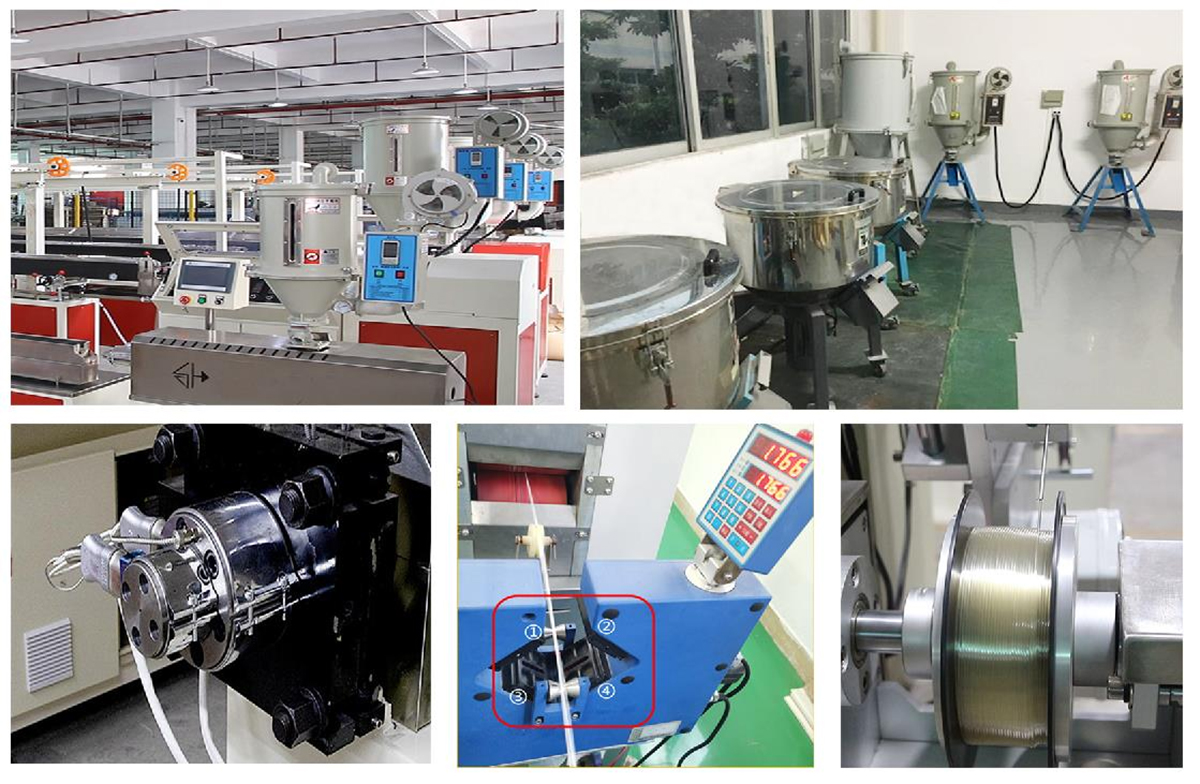
The manufacturing workshop will make arrangements after the inspection of raw materials, at least two engineers cross-check the clearance of mixing tank, color mixed of material, humidity from hopper dryer, temperature of extruder, hot/cool tank, and trial-produce and debugging the produce line to make sure all of processes in the best condition. Maintain the filament Diameter tolerance +/- 0.02mm, Roundness tolerance +/- 0.02mm.
Final Inspection
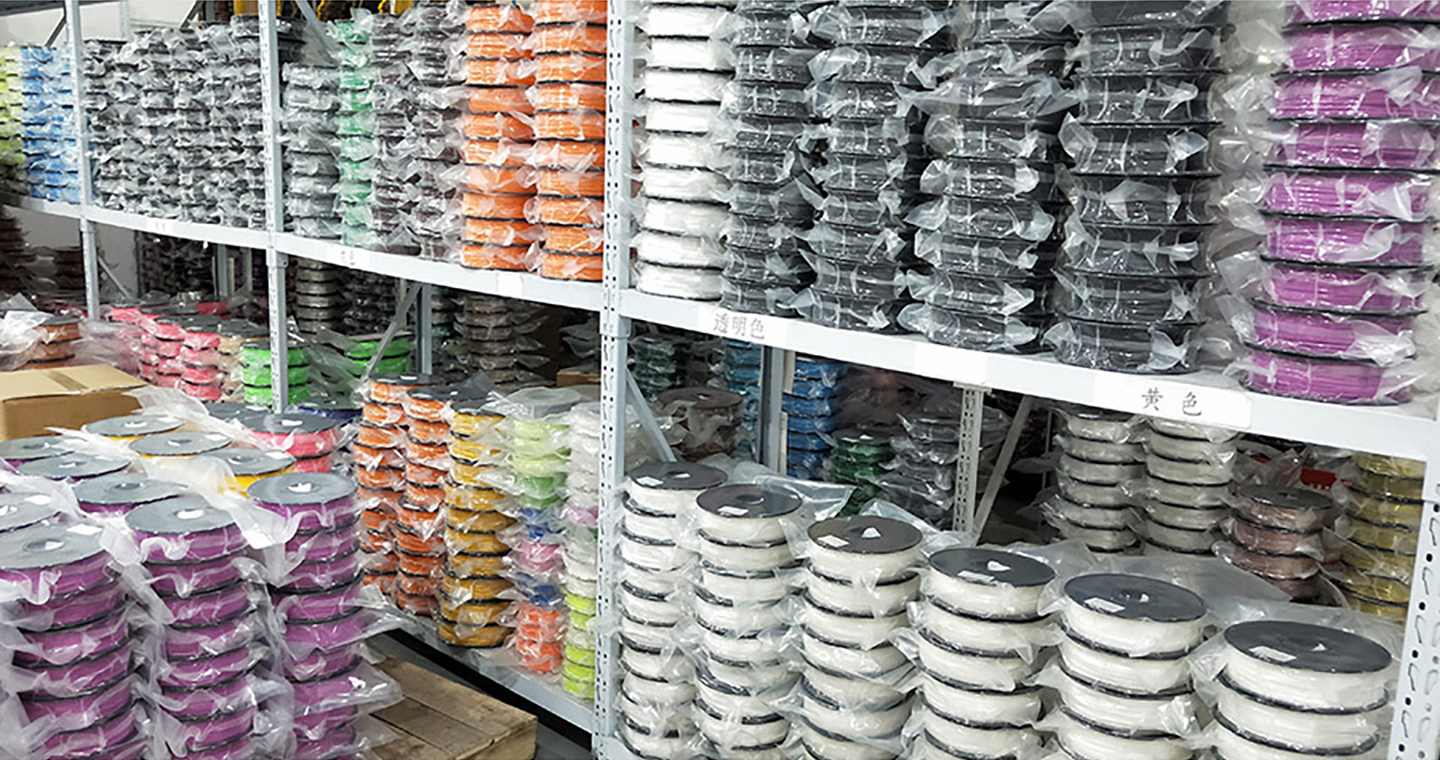
After each batch of 3D filament is produced, two quality inspectors will conduct random inspections on each batch of finished products in accordance with the requirements of the standard, such as diameter tolerance, color consistency, strength and toughness and so on. After vacuuming the package, place them for 24 hours to check whether there is any leaking package, then label it and finish the package.
Engineering Guidelines: Printing Exterior Enclosures
Design rules and slicing optimization to achieve IP66/IP67 ingress ratings with dual-color filaments.
Wall Thickness & Infill
Use at least 4 to 6 continuous perimeters (minimum 2.4mm wall thickness) and a 35%+ Gyroid infill. Gyroid structures disperse directional solar thermal expansion evenly across the chassis, preventing inter-layer shear fractures.
Hydrophobic Sealing
Coat finished dual-tone prints with a thin polyurethane or acrylic optical lacquer. This seals micro-grooves between print layers against driven rain, bio-algae accumulation, and moisture capillary intrusion.
Extrusion Temperature Tuning
Print at slightly elevated temperatures (205°C–215°C) to maximize cross-layer polymer fusion and eliminate micro-porosity while preserving the co-extruded color boundary definition.
Complete Precision Filament Series
Explore our full line of industrial 3D printing filaments engineered for rapid electronics prototyping, tooling, and final production housings.