
Featured Flexible 3D Printing Filaments for Gasket Seals
Explore our precision-engineered flexible filaments, ideal for manufacturing durable and elastic mechanical gasket seals.
Flexible 3D Printing Materials: Transforming the Gasket Sealing Industry
An in-depth look at how advanced flexible 3D printing filaments are reshaping industrial sealing technology.
In today's rapidly evolving manufacturing landscape, flexible 3D printing materials have emerged as a disruptive force in the production of mechanical gasket seals. Traditional gasket manufacturing relied heavily on die-cut rubber sheets, injection-molded silicone, and compressed fiber composites — all involving costly tooling, lengthy lead times, and significant material waste. The advent of flexible 3D printing filaments has fundamentally changed this paradigm, enabling engineers and manufacturers to produce custom gasket seals on demand with unprecedented precision, flexibility, and cost efficiency.
Flexible 3D printing materials — including TPU (Thermoplastic Polyurethane), TPE (Thermoplastic Elastomer), and advanced PETG blends — exhibit the elastic and compressible properties critical for effective mechanical gasket sealing. These materials can be deposited layer by layer to match exact geometry specifications, tolerances within ±0.1mm, and complex cross-sectional profiles that would be impossible or prohibitively expensive to achieve with traditional methods.
Precision Engineering
Layer-by-layer deposition enables gasket geometries with tolerances as tight as ±0.05mm, ensuring leak-free performance in high-pressure environments.
Material Innovation
TPU, TPE, and specialty flexible blends offer Shore A hardness ratings from 30A to 95A, covering the full spectrum of industrial sealing requirements.
On-Demand Production
Eliminate tooling costs entirely. Digital-to-physical manufacturing allows rapid prototyping and production of custom gasket seals within hours.
Global Applications
From aerospace to automotive, oil & gas to medical devices — flexible 3D printed gasket seals are trusted across 80+ countries worldwide.
Commercial & Industrial Status: The Current Landscape
Understanding where flexible 3D printing materials stand in today's global sealing industry.
The global gasket and sealing market was valued at over USD 58 billion in 2023 and is projected to surpass USD 78 billion by 2030. Within this market, 3D-printed flexible seals are one of the fastest-growing segments, driven by the convergence of advanced material science, industrial digitization, and the push for supply chain resilience. Manufacturers are increasingly turning to flexible 3D printing materials as a strategic tool for both rapid prototyping and end-use part production.
Leading automotive OEMs such as BMW, Ford, and Toyota have integrated flexible 3D printing into their maintenance and aftermarket parts programs, using flexible filaments to produce door seals, engine compartment gaskets, and vibration dampening components on demand. Similarly, major aerospace contractors use certified flexible 3D printing materials to manufacture lightweight, chemically resistant gasket seals for fuel systems, hydraulic lines, and environmental control systems.
In the oil and gas sector, the ability to print custom-geometry flange gaskets in chemically resistant flexible materials has reduced downtime and operational costs by an estimated 30–40% in pilot programs. The elimination of minimum order quantities and tooling costs means that even a single replacement gasket can be produced economically — a critical advantage in remote or offshore installations where logistics delays are extremely costly.
Shift from Prototyping to End-Use Production
Early adoption of flexible 3D printing was driven by prototyping needs. Today, over 45% of industrial users deploy flexible 3D printed gaskets as end-use parts, not just prototypes — a clear indicator of material maturity and process reliability.
Multi-Material & Gradient Hardness Seals
Next-generation FDM and PolyJet systems can now print gaskets with spatially varying Shore hardness — soft inner zones for compression sealing and harder outer zones for structural support — all within a single print run.
Digital Twin Integration
Manufacturers are pairing flexible 3D printing with digital twin technology to simulate gasket compression, chemical exposure, and thermal cycling before a single gram of material is consumed — dramatically reducing failure rates.
Sustainable Material Development
Bio-based TPU and recycled flexible filaments are entering the market, allowing manufacturers to meet ESG and circular economy targets while maintaining the mechanical properties required for demanding sealing applications.
Future Development Trends in Flexible 3D Printing for Sealing
The technological trajectory shaping the next decade of flexible gasket seal manufacturing.
The flexible 3D printing materials market for mechanical gasket seals is not static — it is accelerating. Several converging technological trends are poised to redefine what is achievable with printed seals over the next five to ten years.
AI-Driven Material Optimization: Machine learning algorithms are being deployed to optimize print parameters — layer height, infill density, extrusion temperature, and cooling rate — in real time based on sensor feedback. This "closed-loop" printing process ensures that flexible gasket seals meet mechanical specifications batch after batch, with minimal operator intervention. Torwell Technologies and other leading filament manufacturers are already working with software partners to develop AI-compatible material profiles.
High-Performance Composite Flexible Filaments: Carbon fiber-reinforced TPU and graphene-enhanced flexible filaments are entering commercial availability, offering dramatically improved tensile strength and thermal stability while preserving the elasticity required for gasket sealing. These composite flexible materials are expected to penetrate the aerospace and defense sealing markets at scale within three years.
Nano-Engineered Surface Textures: Research from leading polymer institutes is demonstrating that printing micro-textured surfaces on flexible gasket seals improves sealing performance by up to 60% compared to smooth surfaces — mimicking the micro-asperity contact mechanics seen in precision-machined metal seals. This is achievable with modern high-resolution FDM and SLA printers using specialized flexible resins and filaments.
Decentralized On-Demand Manufacturing: The combination of flexible 3D printing materials, cloud-based CAD repositories, and compact industrial FDM printers is enabling a "print-at-point-of-use" model. A ship at sea, a remote mining operation, or a field service technician can now print a replacement gasket seal on site — eliminating the need for extensive spare parts inventories and reducing operational downtime to near zero.
Deep Application Scenarios: Where Flexible 3D Printed Gasket Seals Excel
Exploring the industrial environments where flexible 3D printing materials deliver transformative sealing performance.
Automotive Sealing Systems
Engine compartment gaskets, transmission seals, EV battery enclosure seals — flexible 3D printed components meet the dual demands of thermal resistance and dynamic compression cycling inherent in modern vehicle powertrains, while enabling rapid design iteration for new model development.
Aerospace & Defense
Lightweight flexible gasket seals for hydraulic actuators, fuel line fittings, and environmental control ducts. Flexible 3D printing materials certified to aerospace standards (FAR 25.853, ASTM F2971) are enabling MRO teams to produce replacement seals in-field with full traceability and documentation.
Industrial Process Equipment
Chemical processing plants, water treatment facilities, and power generation stations rely on custom-geometry flange gaskets and valve seat seals. Flexible 3D printing materials resistant to a wide range of chemicals — acids, alkalis, hydrocarbons — are replacing traditional die-cut rubber and PTFE gaskets with printed alternatives that are faster, cheaper, and fully customizable.
Medical Devices & Life Sciences
Biocompatible flexible filaments (ISO 10993 compliant) are used to produce gasket seals for diagnostic equipment, fluid handling systems, and sterilizable medical device enclosures. The ability to print patient-specific or device-specific seal geometries in small batches is transforming medical device manufacturing economics.
Electronics & EV Battery Sealing
As electric vehicles proliferate, the demand for precision IP67/IP68 sealing solutions for battery modules, power electronics, and charging connectors is surging. Flexible 3D printed gasket seals offer the dimensional accuracy and elastic recovery needed to maintain waterproof performance through thousands of thermal cycles.
Oil, Gas & Energy
Subsea connectors, wellhead components, and pipeline flange gaskets fabricated from chemical-resistant flexible 3D printing materials offer significant cost advantages in offshore and remote environments, where logistics costs for standard replacement parts can exceed the part value itself by orders of magnitude.
About Torwell Technologies — Your Trusted Flexible 3D Printing Material Partner
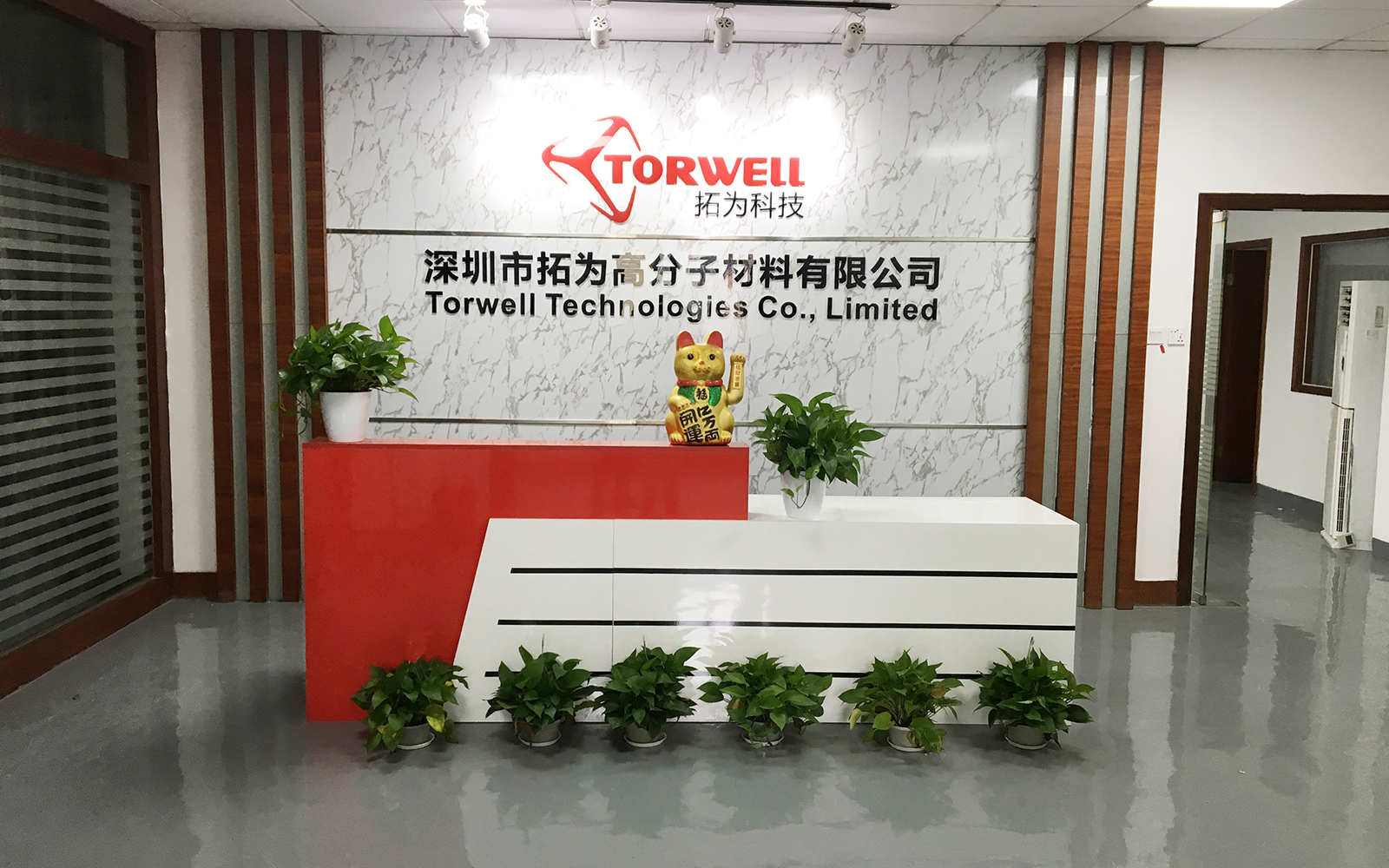
Company Profile
Founded in 2011, Torwell Technologies Co., Ltd. is one of the earliest high-tech enterprises specializing in high-tech 3D printer filaments research, manufacture and sales, occupying a 2,500 square meter modern factory with a production capacity of 50,000 kgs per month.
With more than 10 years of experience in 3D printing market exploration, cooperated with Institute for High Technology and New Materials in domestic famous universities, and engaging Polymer materials experts as technical advisers, Torwell has become one of the members of the Chinese Rapid Prototyping Association and a leader enterprise with the most innovative products in the 3D printing industry, owning independent intellectual property rights, patents and trademarks (Torwell US, Torwell EU, NovaMaker US, NovaMaker EU).
Torwell passed international quality management system ISO9001, international environment system ISO14001. Advanced manufacturing equipment, test devices and virgin raw materials are introduced to produce and distribute 3D printer filaments of unparalleled quality, ensuring all products are compliant with RoHS standard, MSDS, Reach, TUV and SGS test certifications.
As a reliable and professional 3D printing partner, Torwell has committed to expanding its products to America, Canada, UK, Germany, Netherlands, France, Spain, Sweden, Italy, Russia, Mexico, Australia, New Zealand, Brazil, Argentina, Japan, South Korea, Vietnam, Thailand, Malaysia, India, and more than 80 countries and regions worldwide.
More Flexible 3D Printing Filaments for Gasket Seal Applications
Browse our complete range of high-performance 3D printing filaments engineered for flexible sealing and industrial applications.
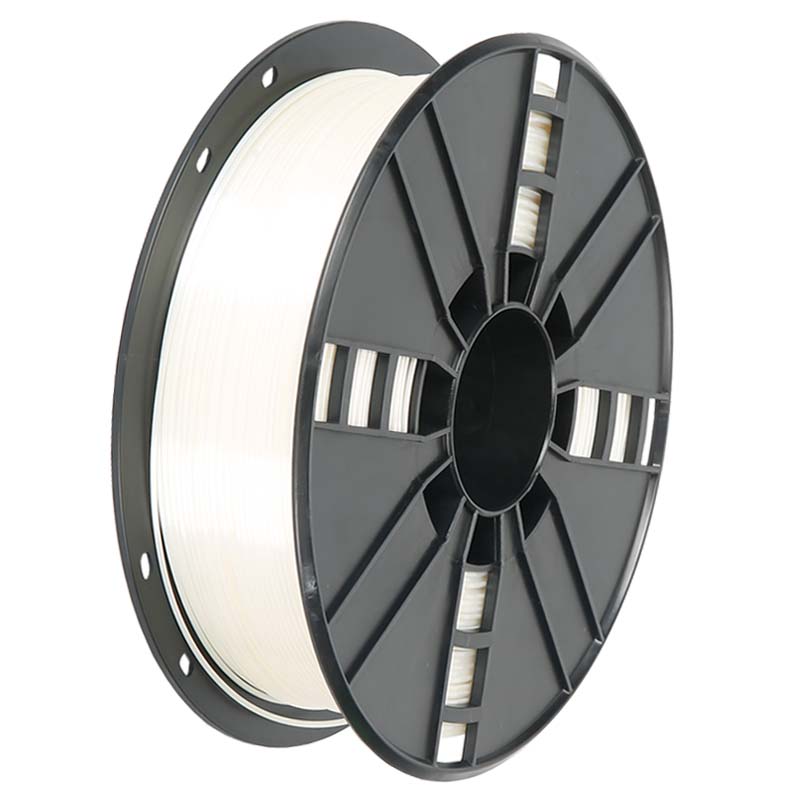 Shiny Pearl White PLA Filament for Gasket Seals
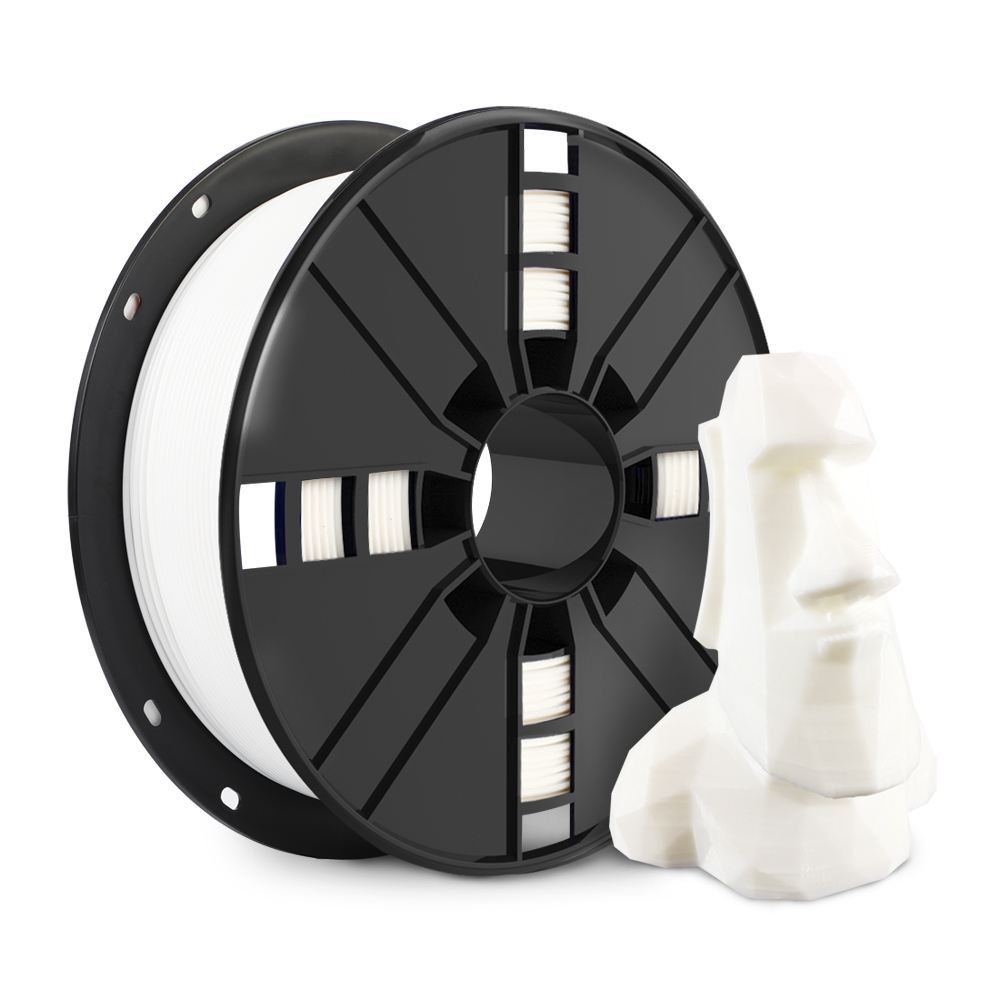 PLA Filament White for Flexible Seal 3D Printing
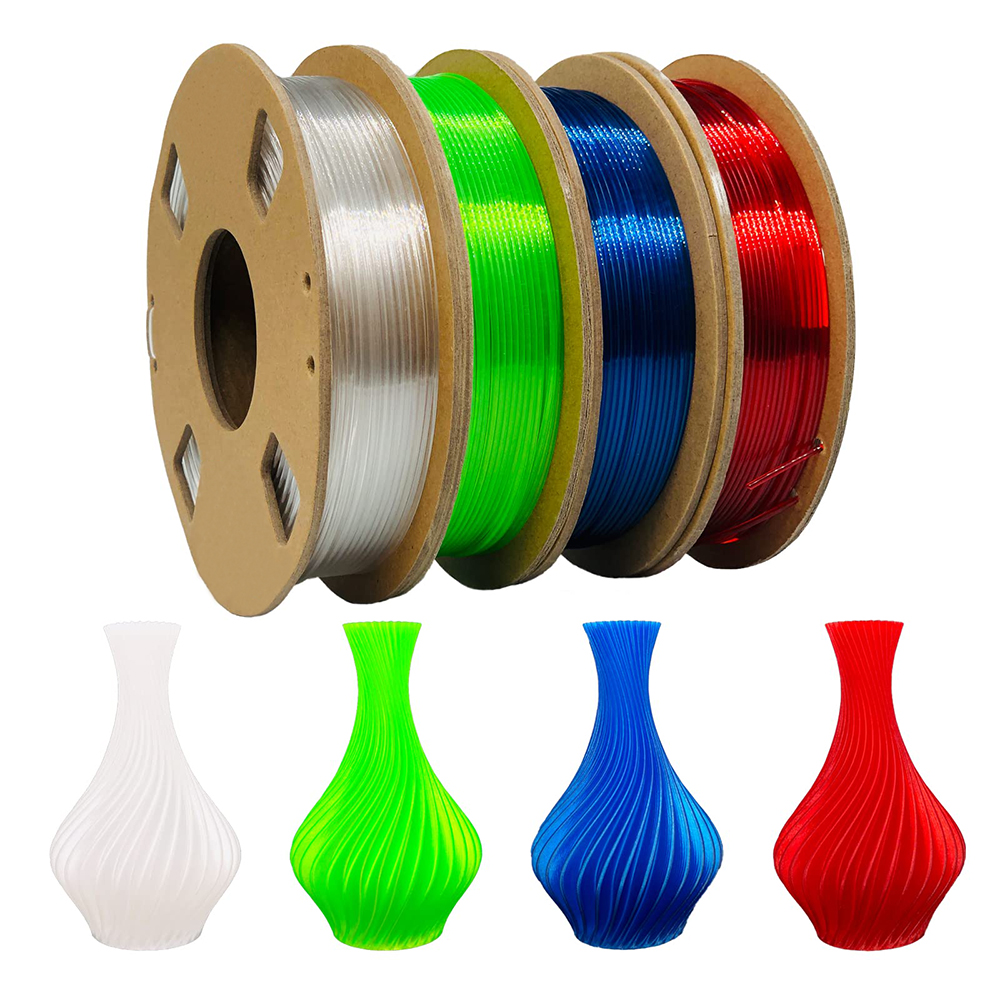 PETG Multi-Color Filament for Mechanical Seal Parts
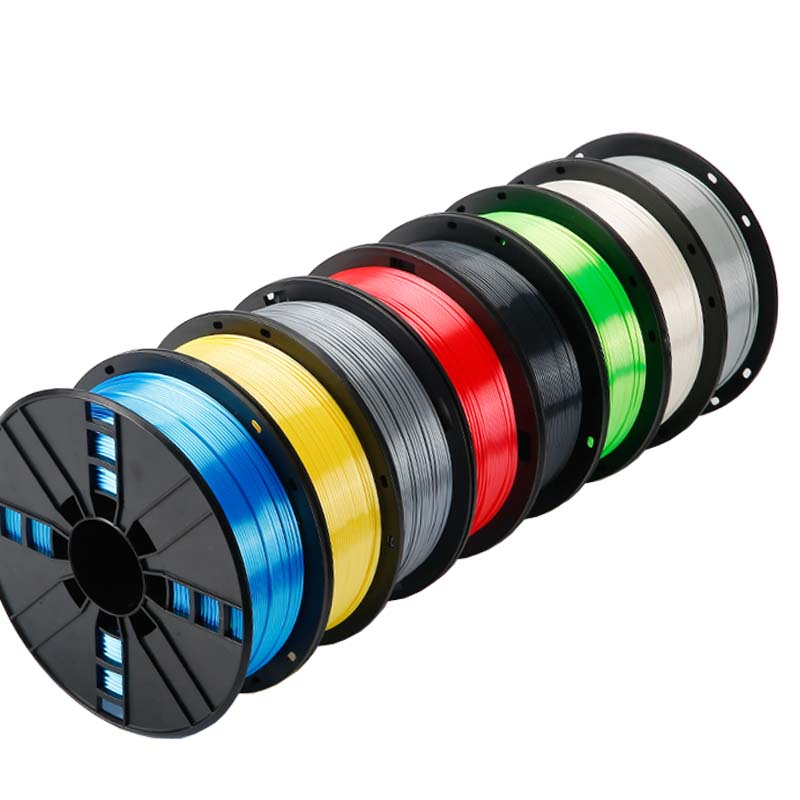 Silk Silver PLA Filament for Flexible Gasket Printing
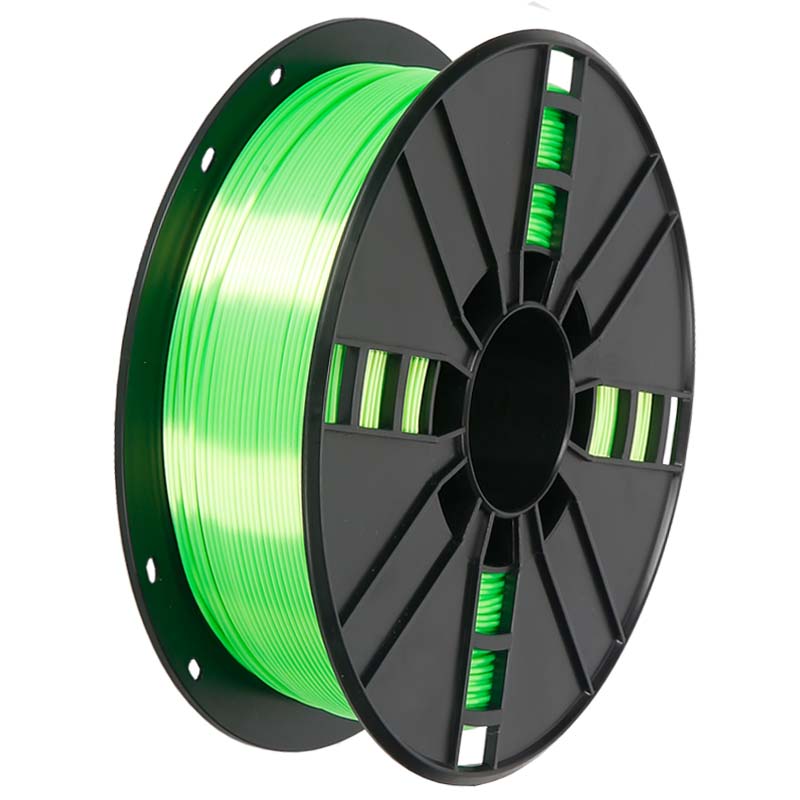 Silk PLA 3D Filament 1KG Green for Seal Components
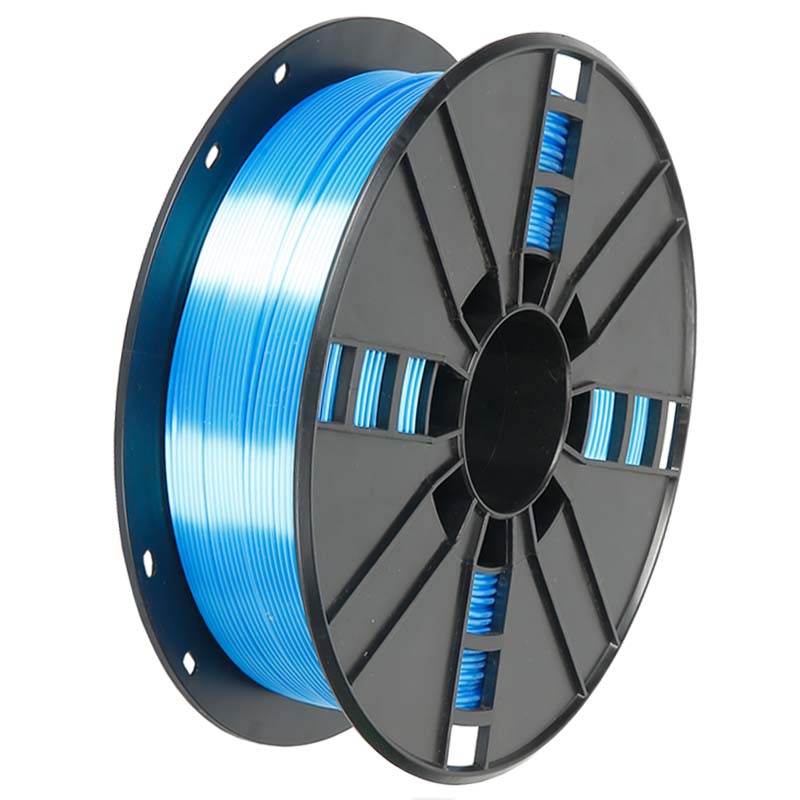 PLA Silk Blue 1.75mm for Flexible Gasket Manufacturing
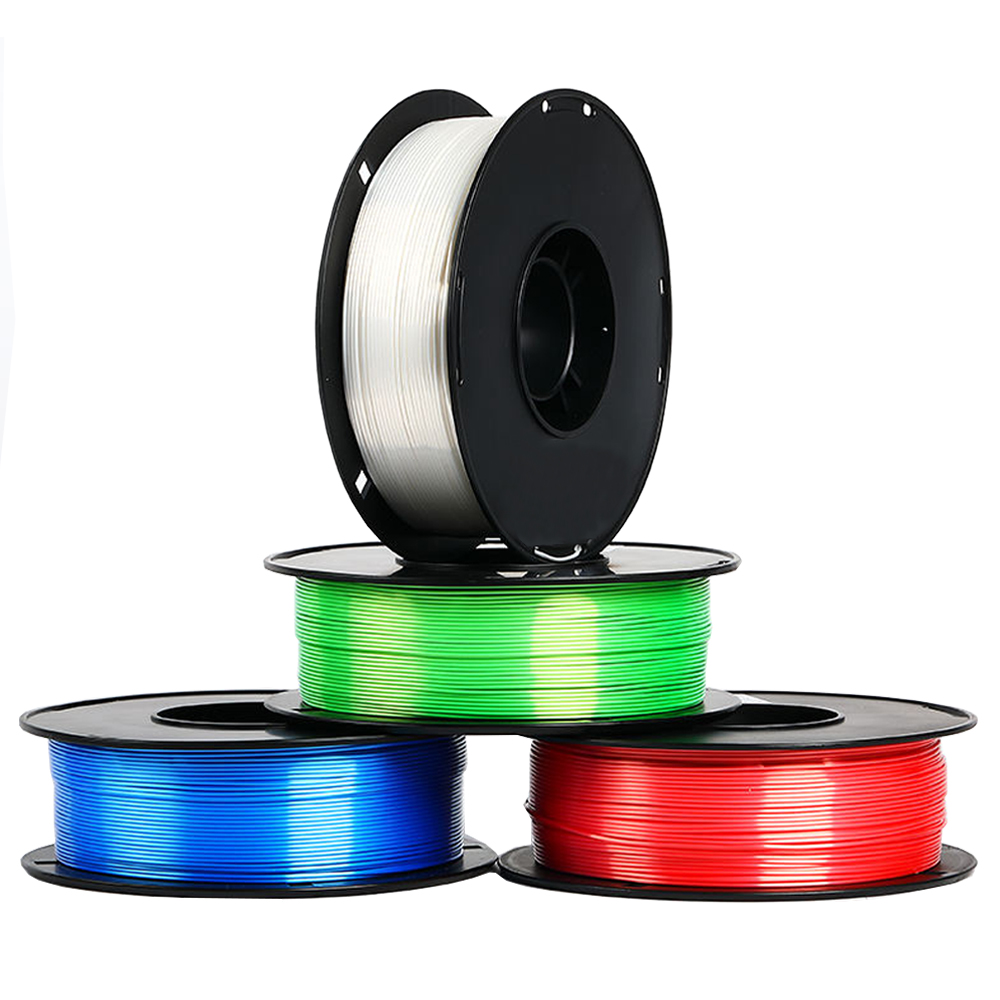 Silk PLA Shining Surface 1.75mm 1KG for Seal Applications
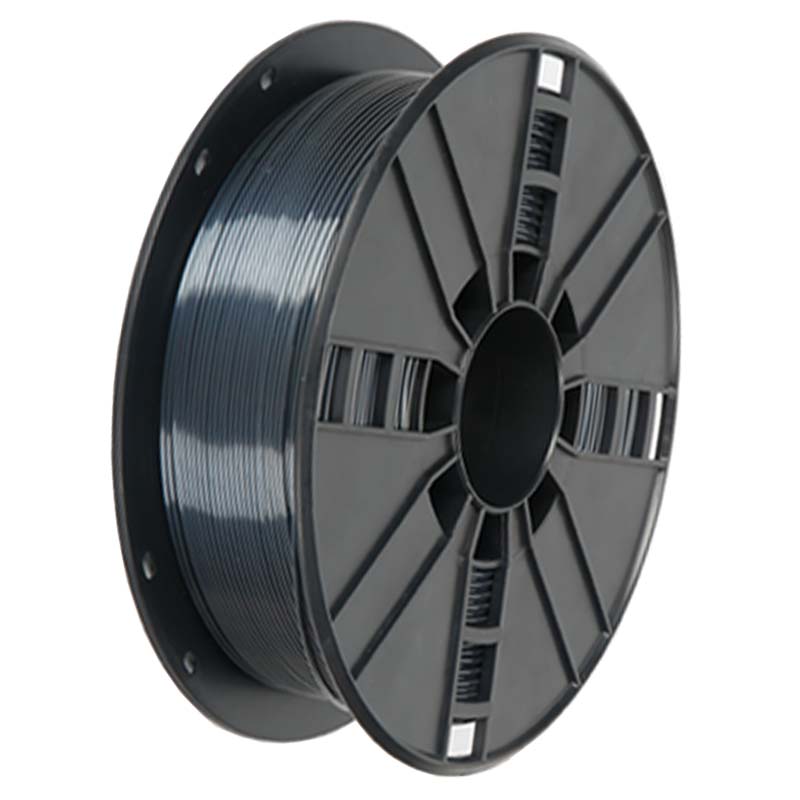 Silk Shiny PLA 3D Filament for Precision Gasket Seals