
Engineered Filaments for Surveillance & Outdoor Hardware
Industrial-grade thermoplastics optimized for weather-proof enclosures, impact-absorbing camera bezels, and long-term UV stability.
The Industrial Evolution of Exterior Surveillance Housings
The global exterior surveillance and intelligent vision market is undergoing an unprecedented architectural transformation. Driven by smart city deployments, edge-computed AI optical systems, and decentralized perimeter defense networks, modern surveillance housings are no longer simple static aluminum or stamped-metal boxes. Today's outdoor sensor nodes demand aerodynamically optimized, non-interfering, chemically resistant, and tightly sealed enclosures capable of withstanding uninterrupted solar bombardment, extreme diurnal thermal swings, and high mechanical shock.
Traditional manufacturing methods—predominantly high-pressure die casting and steel tooling injection molding—present severe constraints when deploying low-to-medium volume, custom-geometry vision systems. Hard tooling cycles often require 8 to 16 weeks and substantial capital expenditure, making rapid iteration impractical for custom lens mounts, specialized pan-tilt assemblies, multi-spectral LiDAR integration, and thermal imaging shields. Consequently, industrial additive manufacturing with advanced polymers has emerged as the definitive bridge between agile hardware iteration and end-use outdoor longevity.
Why Flexible & Copolymer Matrix Materials Dominate Exterior Enclosures
Exterior surveillance camera enclosures face a triad of environmental degradation forces: ultraviolet (UV-A and UV-B) photodegradation, cyclic thermal expansion, and moisture ingress. Rigid polymers such as standard PLA or unmodified ABS quickly exhibit photo-oxidation under continuous sunlight, leading to molecular chain scission, micro-cracking, brittleness, and eventual water leakage. Conversely, engineered flexible and semi-flexible polymers—such as thermoplastic elastomers (TPE), thermoplastic polyurethane (TPU), UV-stabilized PETG, and specialized flexible copolyesters—offer exceptional resilience.
Flexible polymers deliver unique mechanical dampening against mechanical vibration from wind shear, traffic shockwaves, and structural mount oscillations. Integrating flexible 3D printed gaskets, anti-vibration dampening grommets, and over-molded lens bezels directly into the housing design allows engineers to achieve IP66, IP67, and even IP68 ingress protection without resorting to multi-part adhesive assemblies.
Engineering Pillars for Outdoor Vision Systems
Comprehensive additive solutions designed to conquer photolytic degradation, moisture infiltration, and mechanical fatigue.
Advanced Photostabilization
Compounded with hindered amine light stabilizers (HALS) and specialized organic/inorganic UV absorbers, our materials prevent radical-induced polymer chain cleavage, maintaining critical tensile strength and surface finish across years of continuous solar exposure.
Hydrophobic Ingress Sealing
Exceptional interlayer cohesion combined with low water absorption properties ensures printed surveillance housings resist hydrolytic breakdown, saline mist, and atmospheric chemical pollution, preventing internal optical condensation.
Impact & Vibration Damping
Flexible and elastomeric 3D print matrices dissipate high-frequency mechanical vibrations from industrial machinery, mast oscillation, and high-velocity wind loads, safeguarding sensitive optical lenses and gimbal drives.
Material Performance Matrix: Comparative Analysis for Outdoor Additive Hardware
Selecting the optimal polymer for exterior surveillance enclosures requires balancing shore hardness, elongation at break, glass transition temperature ($T_g$), UV resistance, and chemical resilience. Below is an engineering evaluation across standard and advanced 3D printing filaments used in surveillance hardware prototyping and direct additive manufacturing.
| Material Matrix | Shore Hardness / Rigidity | UV Resistance Index | Thermal Deflection Temp (0.45MPa) | Primary Surveillance Hardware Use Case |
|---|---|---|---|---|
| Flexible TPU / TPE (Ether-based) | 85A - 95A / Flexible | Excellent (HALS Stabilized) | 80°C - 95°C | Internal/external water-tight gaskets, cable relief boots, shock-isolation bezels |
| Industrial PETG / Copolyester | 78D / Semi-Rigid | High (Natural Hydrolytic Stability) | 70°C - 78°C | Main optical domes, sensor brackets, external sunshades, electronics shells |
| Modified Weatherable ASA | 82D / Rigid | Superior (Acrylic Ester Backbone) | 90°C - 100°C | Fixed PTZ structural arms, radar brackets, external wall-mount utility enclosures |
| Silk Aesthetic Formulation | 80D / Rigid-Decorative | Moderate (Indoor/Shielded Outdoor) | 55°C - 60°C | Architectural interior camera trims, retail surveillance mockups, ergonomic casings |
In-Depth Exploration of Field Application Scenarios
1. Coastal and Marine Security Infrastructure: Marine environments represent the most hostile deployment conditions for video surveillance systems. Saline atmospheric humidity, intense specular solar reflection from water surfaces, and constant storm winds accelerate corrosion in traditional metal housings. Using flexible TPU gaskets in conjunction with chemical-resistant PETG shells manufactured via FFF/FDM technology completely eliminates galvanic corrosion risks while preventing salt-crystal accumulation inside optical zoom gearboxes.
2. Smart City Traffic & Edge AI Vision Hubs: Urban traffic management employs high-resolution cameras integrated with edge neural processors (e.g., Nvidia Jetson modules) mounted on roadside lighting poles. These enclosures generate significant internal heat while facing external solar radiation. Customized 3D printed housing architectures with integrated flexible thermal-expansion buffer joints allow internal heat-sink coupling without compromising IP67 environmental sealing.
3. Wildlife & Remote Border Autonomous Monitoring: Remote surveillance posts, often powered by off-grid solar panels, require lightweight, custom-camouflaged housings capable of surviving years unattended in desert or jungle biomes. Additive manufacturing enables complex organic exterior surfaces that blend into natural topography while utilizing UV-resistant flexible filaments to survive massive day-to-night temperature differentials (-20°C to +55°C) without cracking.
4. Critical Industrial & Hazardous Chemical Plants: Chemical processing facilities require surveillance camera housings that not only withstand UV radiation but also resist hydrocarbon vapors, acidic washdowns, and solvent aerosols. Engineered flexible polymers offer superior chemical inertness compared to standard ABS or polycarbonate, maintaining enclosure integrity and preventing volatile gas ingress into ignition-sensitive camera electronics.
Design Guidelines for Watertight & UV-Resistant Housings
Producing functional exterior surveillance hardware requires meticulous attention to both CAD architecture and slicing configurations:
- Continuous Perimeter Wall Strategy: For high ingress protection (IP ratings), avoid thin single-perimeter walls. Configure slicers with at least 4 to 6 continuous solid perimeters (minimum 2.4mm wall thickness) to eliminate micro-voids between layers where moisture could seep through under capillary action.
- Integrated O-Ring Grooves & Dual Extrusion: Modern 3D printing enables the co-extrusion of a rigid outer PETG/ASA shell with a flexible TPU sealing lip in a single print run, eliminating the need for manual rubber gasket assembly and adhesive bonding.
- Thermal Expansion Relief Channels: Polymer housings expand and contract under fluctuating outdoor temperatures. Incorporate flexible serpentine strain-relief geometry along structural mounting tabs to avoid stress-induced bolt pull-through.
- Overhang Minimization for Optical Clarity: Design integrated sunshields and drip hoods at 45° self-supporting angles to ensure flawless surface quality without support interface defects that could disrupt lens fields of view.
Slicing & Extrusion Parameter Calibration
Optimizing mechanical interlayer adhesion is paramount for long-term outdoor structural durability:
- Extrusion Temperature Optimization: Print PETG and engineering flexibles at the upper end of their recommended temperature range (e.g., 235°C - 250°C for PETG, 220°C - 240°C for flexible elastomers) to achieve near-isotropic interlayer fusion, maximizing tensile strength along the Z-axis.
- Controlled Cooling Airflow: Keep cooling fan speeds low (20% - 40%) during enclosure body printing to prevent rapid thermal quenching, ensuring deep polymer chain entanglement between layers while retaining dimensional stability.
- Annealing and Surface Post-Processing: Post-print low-temperature annealing can relieve residual extrusion stresses. For extreme UV environments, applying a hydrophobic polyurethane or fluoropolymer clear coat further seals microscopic layer lines and enhances photolytic reflection.
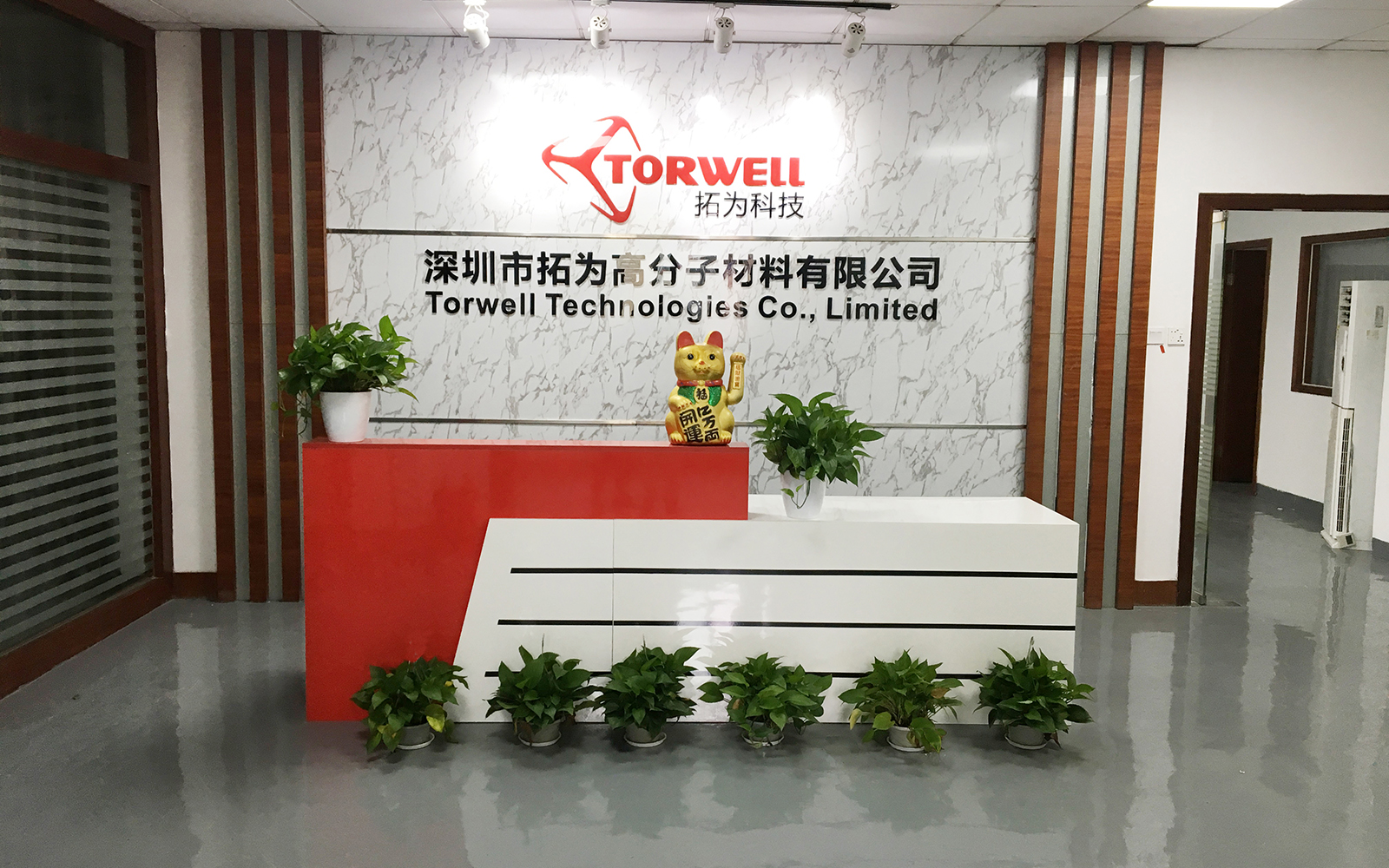
Company Profile
Founded in 2011, Torwell Technologies Co., Ltd. is one of the earliest high-tech enterprises which specializing in high-tech 3D printer filaments research, manufacture and sell, occupies 2,500 square meters modern factory with production capacity of 50,000kgs per month.
With more than 10years experiences in 3D printing market exploration, cooperated with Institute for High Technology and New Materials in domestic famous universities, and engaging Polymer materials experts as technical adviser, Torwell becomes one of member of Chinese rapid prototyping association and leader enterprise with the most innovative products in 3D printing industry, owns independent intellectual property rights, patents and trademarks (Torwell US, Torwell EU, NovaMaker US, NovaMaker EU).
Torwell passed international quality management system ISO9001, international environment system ISO14001, the advanced manufacturing equipment, test devices and virgin raw materials available are introduced to produce and distribute 3D printer filament of unparalleled quality, to insure all the products of Torwell are compliant with RoHS standard, MSDS, Reach, TUV and SGS test certificated.
Be a reliable and professional 3D printing partner, Torwell has committed to expanding its products to America, Canada, UK, Germany, Netherlands, France, Spain, Sweden, Italy, Russia, Mexico, Australia, New Zealand, Brazil, Argentina, Japan, South Korea, Vietnam, Thailand, Malaysia, India, more than 80 countries and regions.
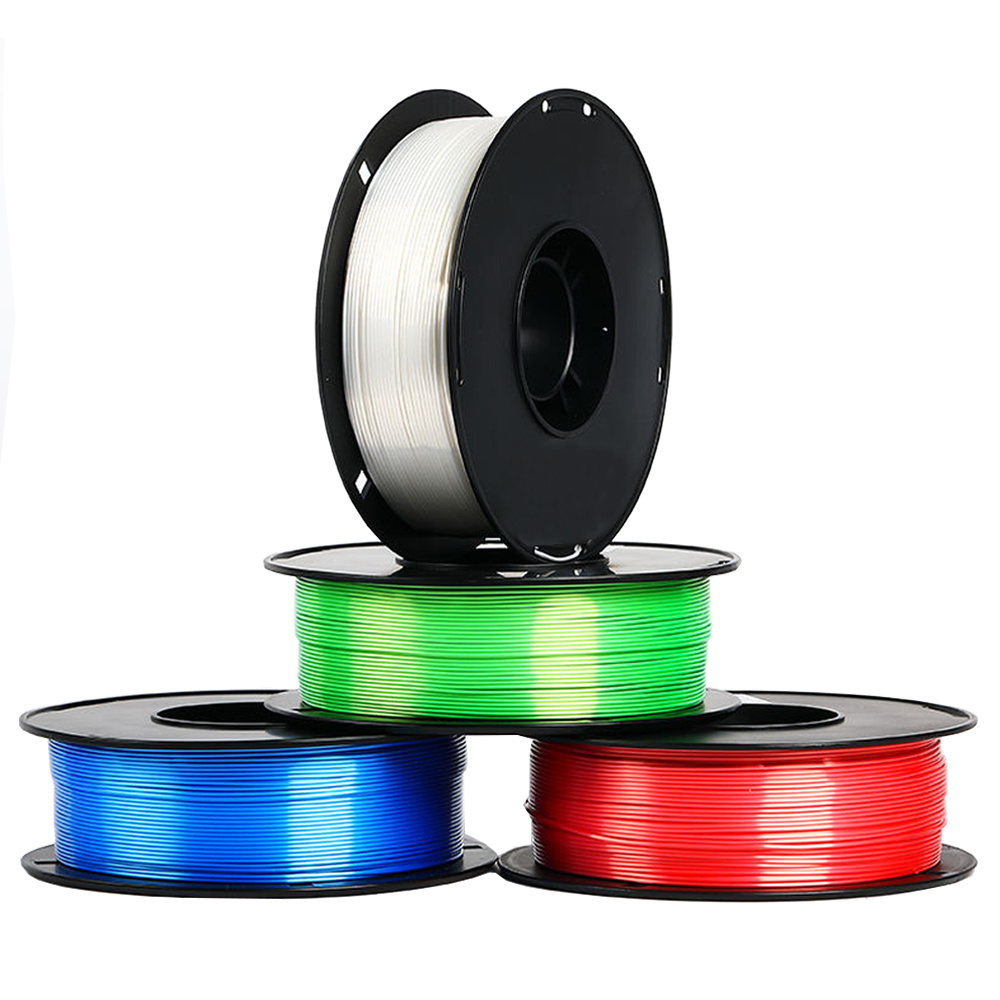
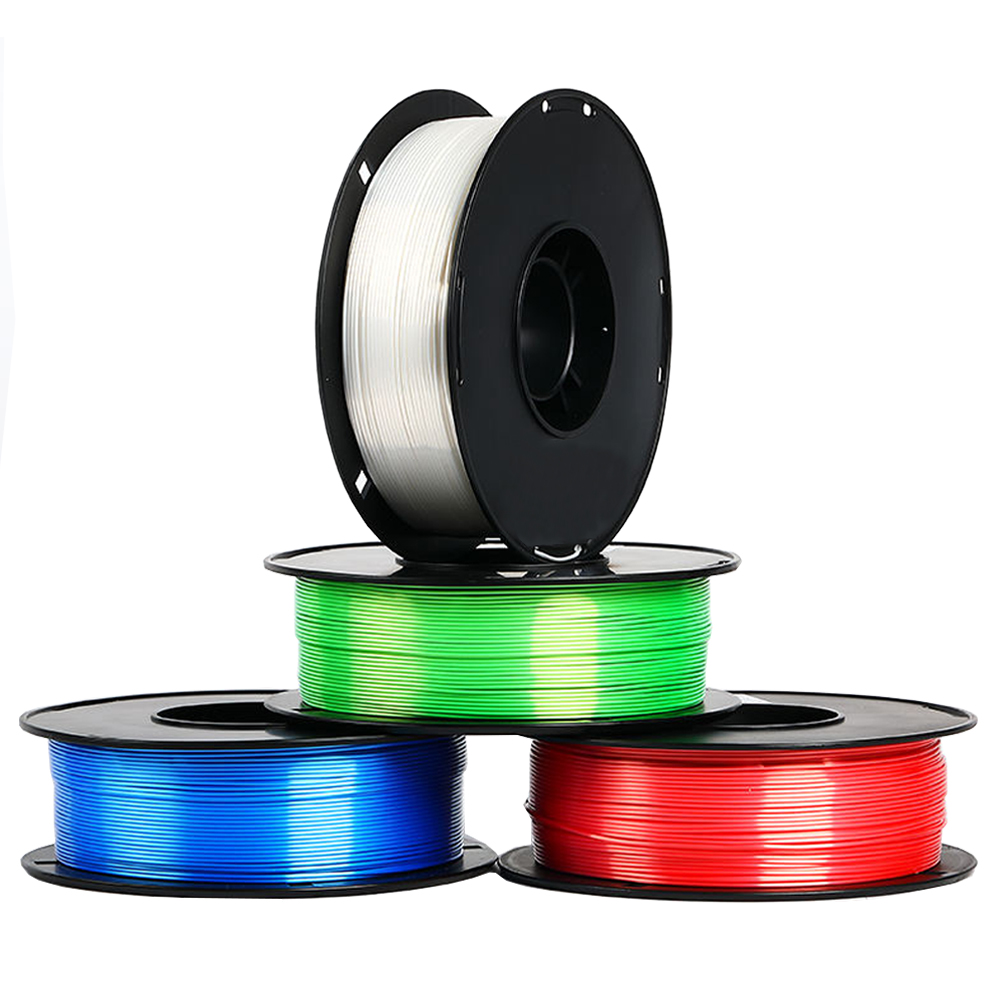
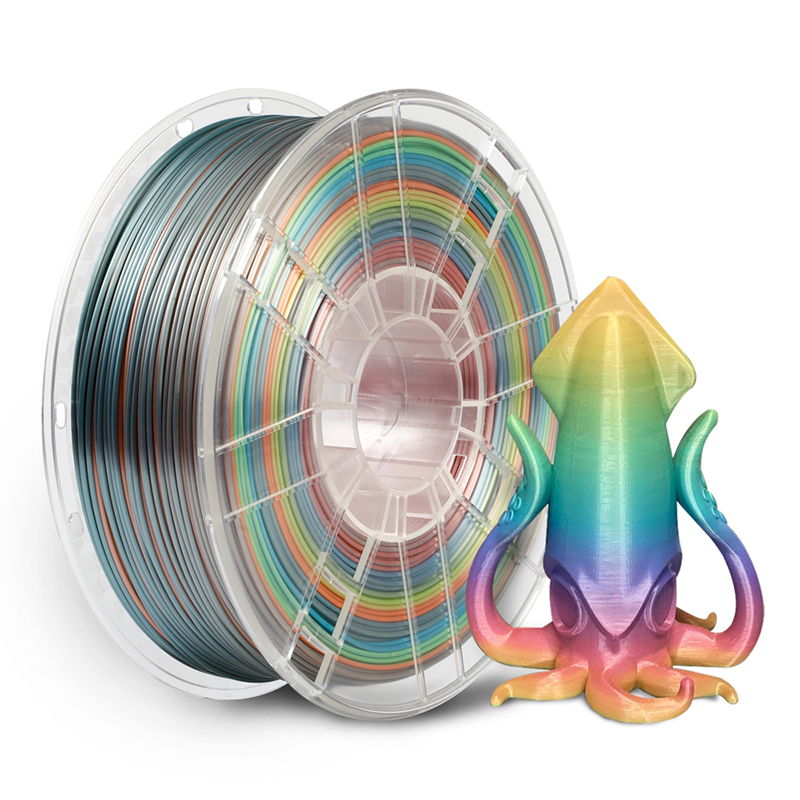
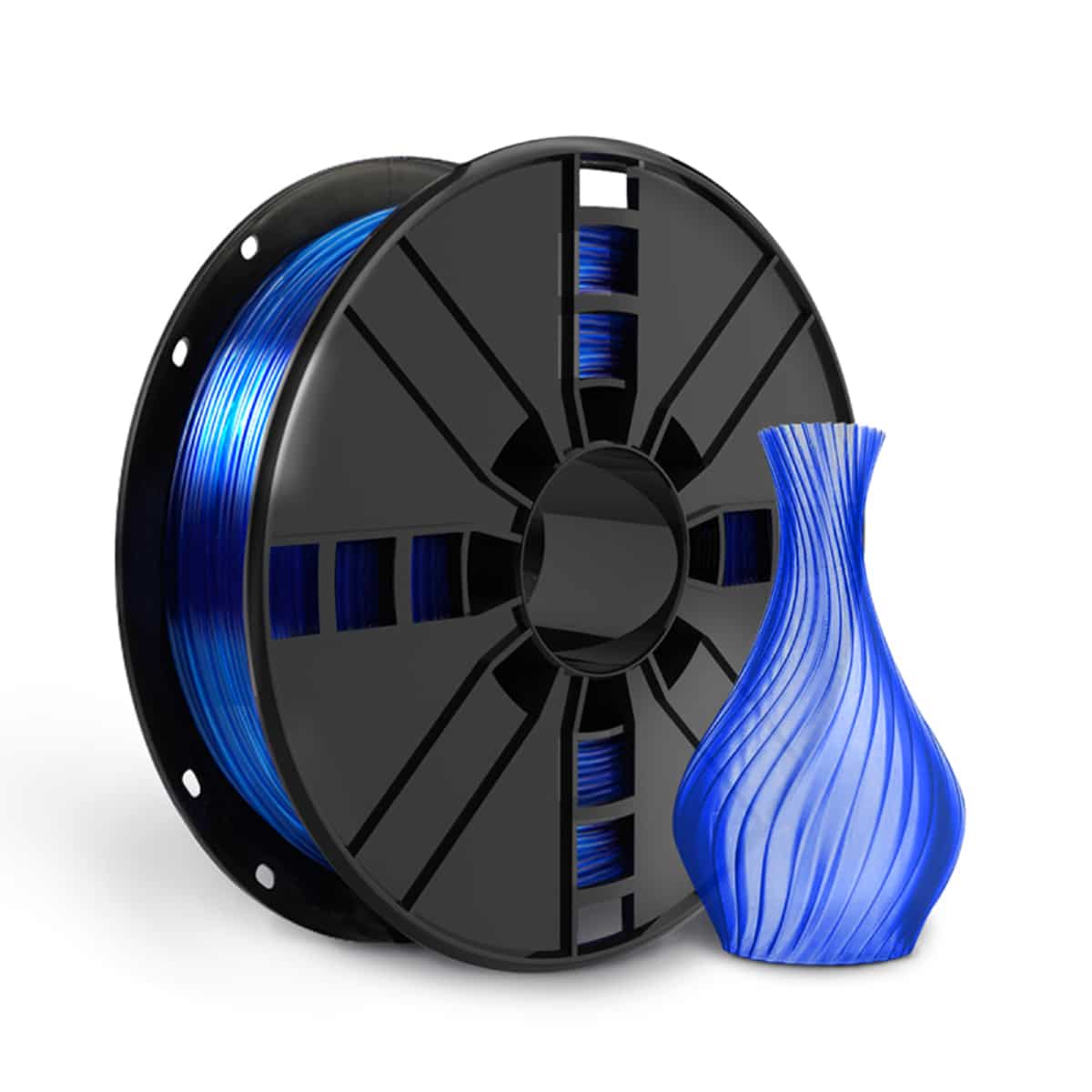
Complete Filament Series for Rapid Prototyping & Surveillance Production
Explore our comprehensive lineup of engineering-grade, aesthetic, and functional materials manufactured to strict ISO9001/ISO14001 standards.
Future Outlook: Circularity & Functional Additive Integration
As smart security ecosystems scale across the globe, the lifecycle footprint of physical hardware is coming under closer environmental scrutiny. Modern industrial research at Torwell is actively focused on formulating bio-based, recycled PET (rPETG), and chemically recyclable flexible elastomer matrices that provide uncompromised UV and weather performance while reducing carbon emissions associated with hardware production.
Furthermore, the convergence of multi-material additive manufacturing and embedded electronics (such as integrated conductive traces for RF antenna elements and passive inductive heating loops) is poised to redefine surveillance enclosure design. By utilizing advanced flexible and UV-resistant filaments as integral protective skins and structural shields, hardware engineers can now deploy next-generation vision systems with unprecedented speed, exceptional environmental resistance, and complete design freedom.