
Featured Flexible & High-Performance Filaments
Engineered for precision extrusion, stable interlayer adhesion, and superior mechanical elasticity.
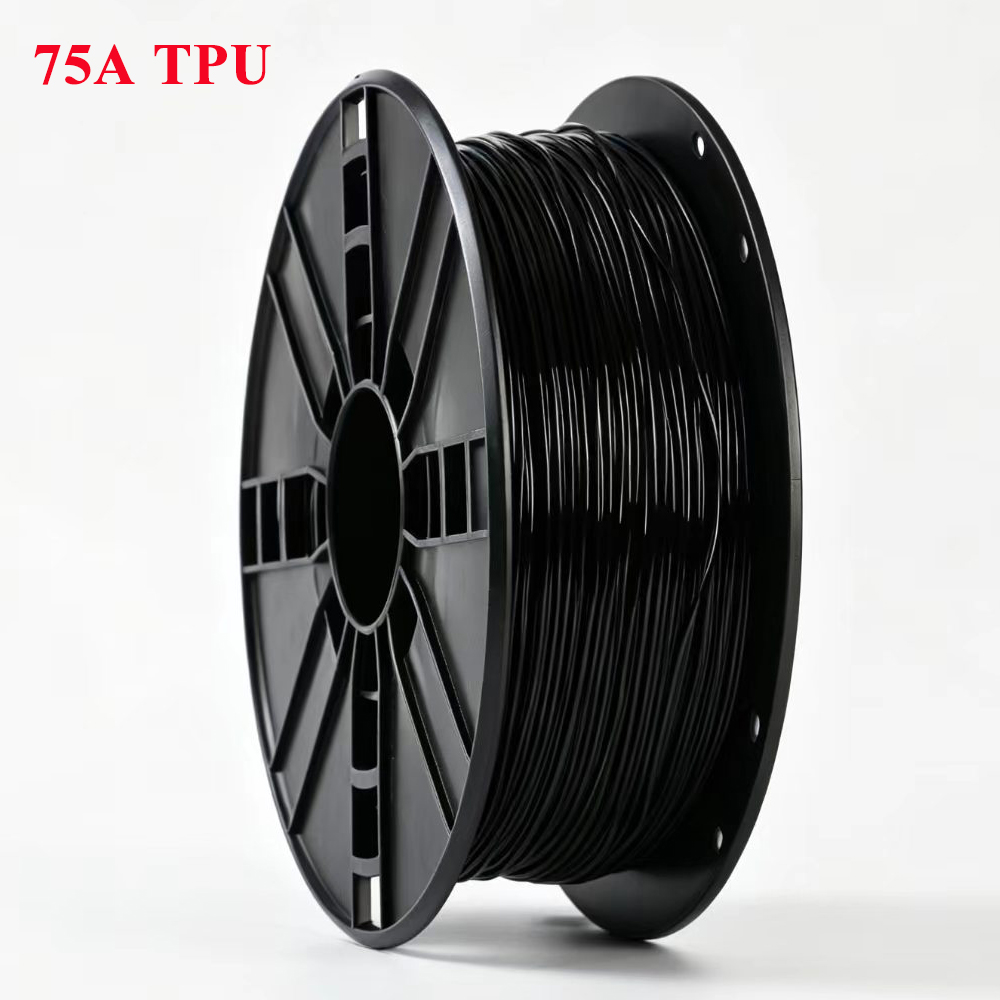
Industrial Dynamics of Flexible 3D Printing Materials in Japan
Bridging traditional Monozukuri precision craftsmanship with next-generation elastomeric additive technologies.
Automotive Prototyping & End-Use
Japan's automotive powerhouses across the Kanto and Chubu regions are rapidly replacing traditional rubber molds with functional TPU additive components. From custom acoustic gaskets and intake bellows to vibration dampers, flexible filaments drastically compress R&D turnaround cycles from months to hours.
Soft Robotics & Factory Automation
As Japanese industrial automation shifts toward collaborative robots (Cobots), flexible elastomeric materials like 75A to 95A TPU are essential for compliant end-effectors, tactile robotic grippers, pneumatic actuators, and protective skins that operate safely alongside human technicians.
Medical, Prosthetics & Healthcare
Japan's demographic landscape demands superior customized healthcare apparatus. Thermoplastic polyurethanes provide bio-inert properties, flexibility, and fatigue resistance essential for orthopedic orthoses, custom footwear midsoles, and anatomical simulation models for surgical planning.
The Evolution of Elastomeric Polymers in Japanese Additive Manufacturing
Navigating the shift toward engineering-grade flexible materials: TPU, TPE, and composite elastomers.
In the Japanese manufacturing paradigm, material selection is dictated by stringent reliability benchmarks, exact dimensional repeatability, and absolute lifecycle predictability. Flexible 3D printing filaments, specifically Thermoplastic Polyurethane (TPU) and Thermoplastic Elastomers (TPE), have transitioned from aesthetic prototyping curiosities into certified components for operational machinery.
Industrial users in Tokyo, Osaka, Nagoya, and Fukuoka demand precise shore hardness control. Softer formulations like Shore 75A offer exceptional elasticity, elongation at break exceeding 600%, and tactile cushioning suitable for biological interfaces and soft grippers. Meanwhile, semi-rigid formulations such as Shore 95A and reinforced PETG/ABS offer the structural stiffness required for functional ducting, industrial rollers, and high-impact wear rings.
Furthermore, the environmental sustainability initiatives championed by the Japanese Ministry of Economy, Trade and Industry (METI) emphasize circular manufacturing principles. The transition toward non-toxic, recyclable TPU matrices without hazardous plasticizers enables Japanese enterprises to minimize environmental footprint while maintaining thermal resistance from -40°C to +100°C.
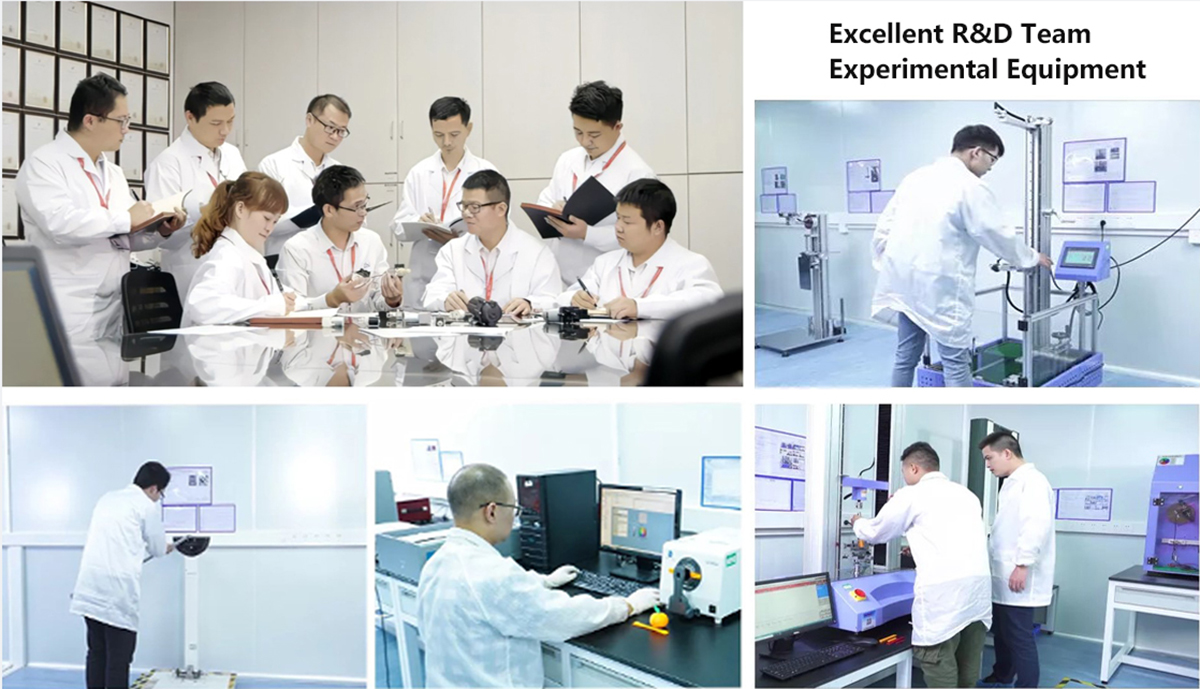
Quality Control
The factory area has passed ISO45001 occupational health and safety management system certification. Every new employee must be experienced one week of safety production knowledge teaching and two weeks of produce skills training, and master every course in the production process. Who is in the position will be responsible for its duty.
This rigorous institutional standard directly echoes Japanese operational expectations, guaranteeing full batch trace accountability, rigorous operator qualification, and defect prevention at every point of the manufacturing chain.
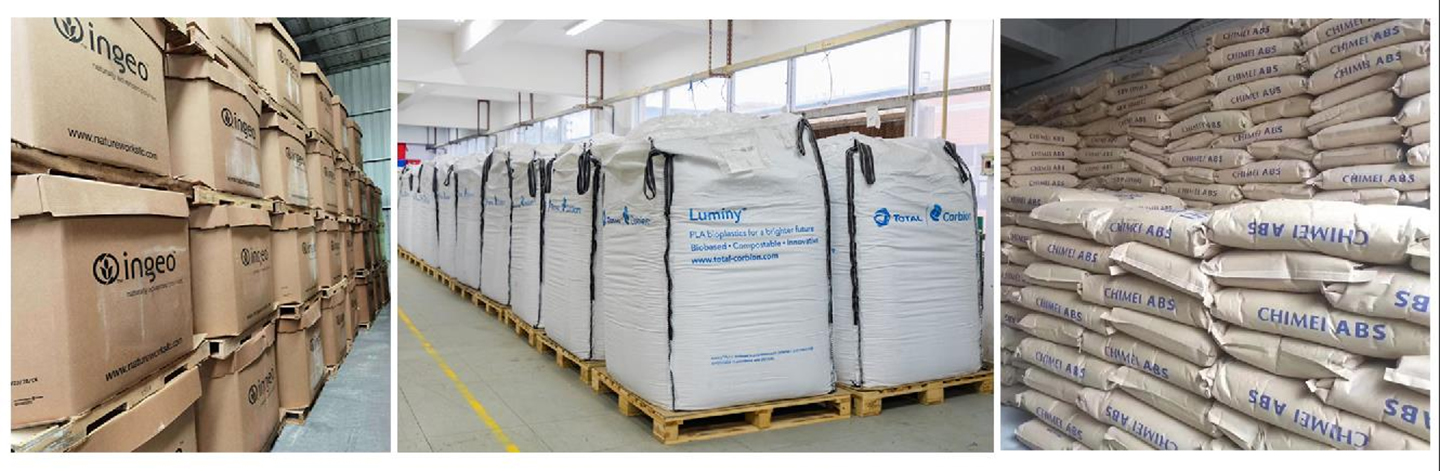
Raw Material
PLA is the most preferred material for 3D printing, Torwell firstly chooses PLA from US NatureWorks, and Total-Corbion is the alternative. ABS from TaiWan ChiMei, PETG from South Korea SK. Each batch of main raw materials comes from the partners who has cooperated more than 5 years to ensure the reliability of the products from the source. Each batch of raw materials will undergo parameters inspection before produce to ensure that raw materials are original and virginal.
Our flexible polymer lines leverage exclusively premium virgin polyurethane precursors, eliminating moisture absorption variances and ensuring pure melt flow stability essential for direct-drive and Bowden extrusion hardware across Japanese production facilities.
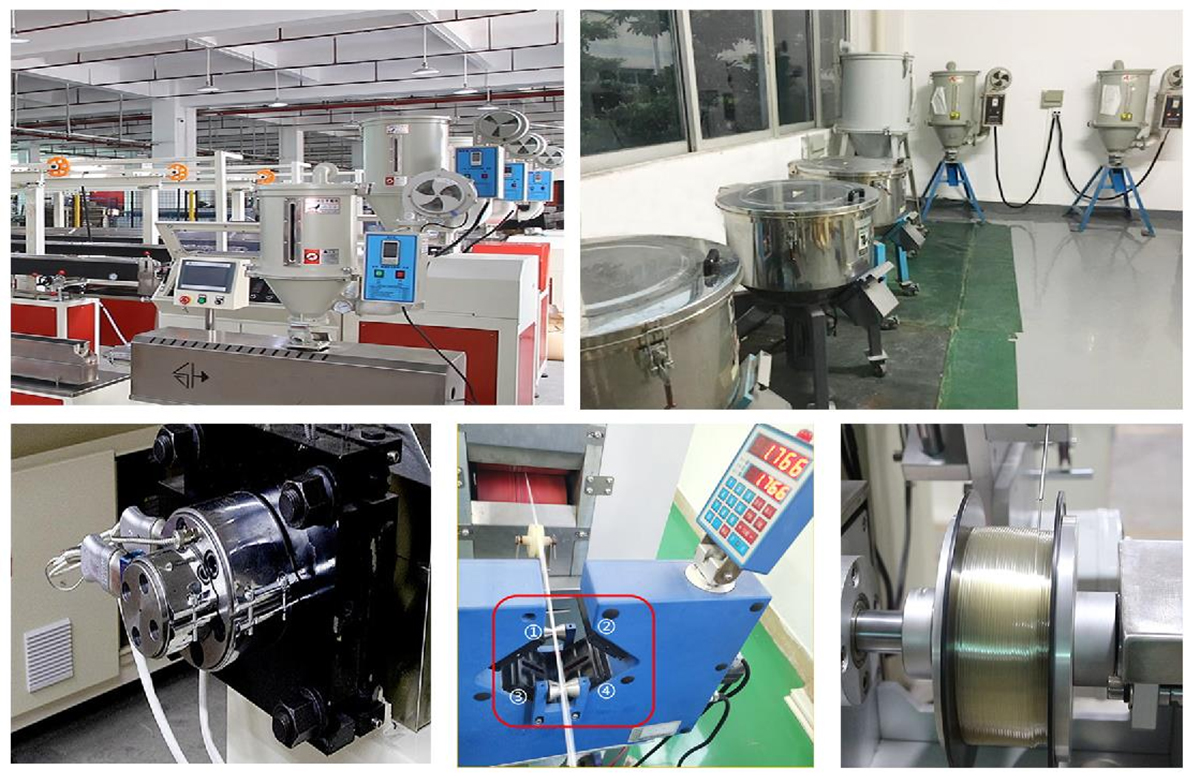
Equipment
The manufacturing workshop will make arrangements after the inspection of raw materials, at least two engineers cross-check the clearance of mixing tank, color mixed of material, humidity from hopper dryer, temperature of extruder, hot/cool tank, and trial-produce and debugging the produce line to make sure all of processes in the best condition. Maintain the filament Diameter tolerance +/- 0.02mm, Roundness tolerance +/- 0.02mm.
Precision calibration of multi-stage water cooling baths and continuous laser diameter monitors ensures that flexible filaments do not buckle or stretch during production, resolving the common feeding issues encountered with soft polymers.
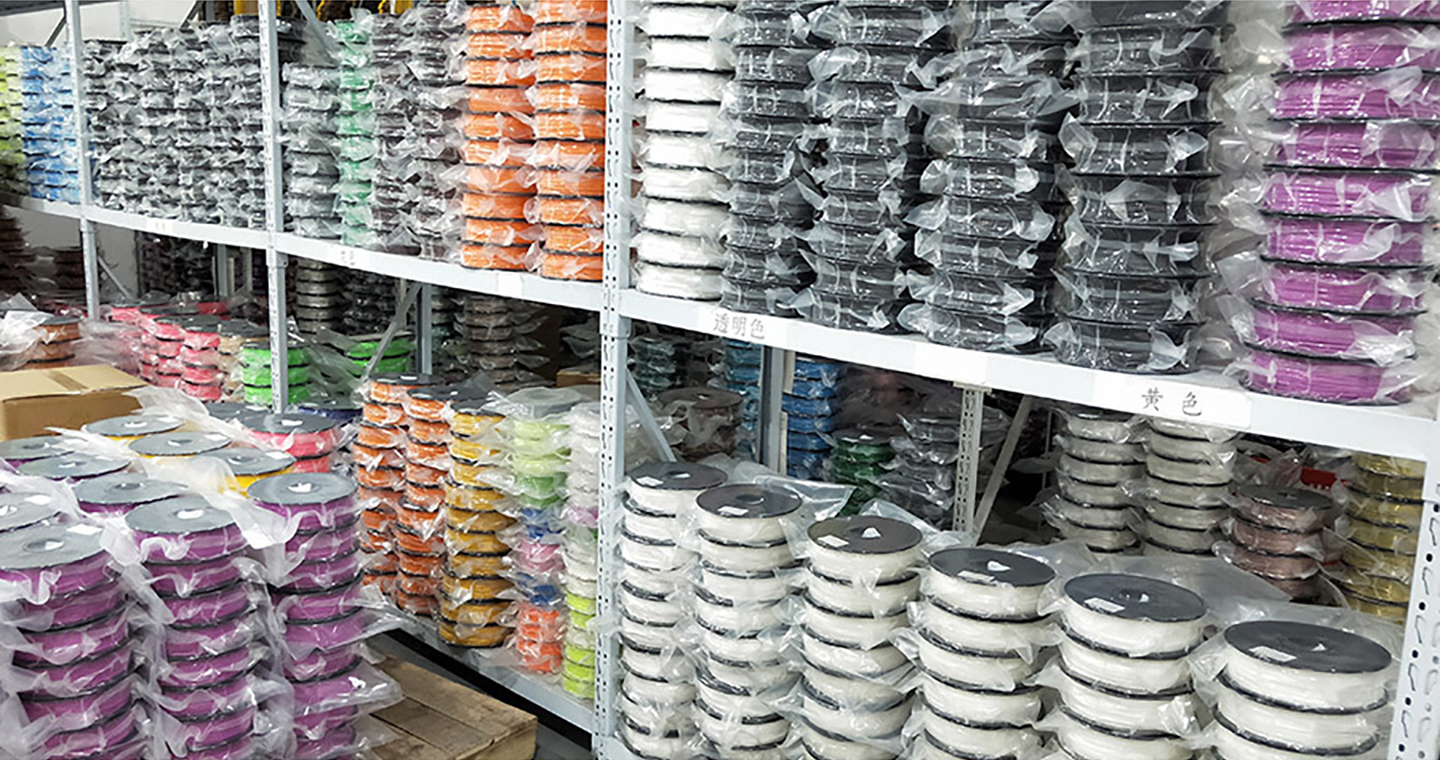
Final Inspection
After each batch of 3D filament is produced, two quality inspectors will conduct random inspections on each batch of finished products in accordance with the requirements of the standard, such as diameter tolerance, color consistency, strength and toughness and so on. After vacuuming the package, place them for 24 hours to check whether there is any leaking package, then label it and finish the package.
Because flexible polyurethanes are sensitive to ambient atmospheric humidity, our hermetic vacuum packaging with high-grade desiccant protects spool integrity during maritime transit and humid Japanese summer conditions, ensuring flawless out-of-the-box printability.
Engineering Selection Guide: Flexible & Technical Filaments
Comparative technical metrics to assist Japanese precision engineering and manufacturing firms.
| Filament Type | Shore Hardness / Density | Tensile Strength (MPa) | Elongation at Break (%) | Primary Industrial Application in Japan |
|---|---|---|---|---|
| Ultra-Soft TPU (75A) | 75A / 1.18 g/cm³ | ≥ 30 MPa | > 650% | Soft robotics grippers, wearable electronics, medical orthotics liners |
| Standard TPU (95A) | 95A / 1.21 g/cm³ | ≥ 45 MPa | > 450% | Automotive protective boots, vibration dampening pads, custom conveyor parts |
| PETG High-Toughness | Semi-Rigid / 1.27 g/cm³ | ≥ 50 MPa | > 120% | Chemical-resistant fluid containers, snap-fit electronic enclosures, jigs |
| Engineered ABS | Rigid / 1.04 g/cm³ | ≥ 42 MPa | > 30% | Automotive interior trim, functional brackets, mechanical enclosures |
| Precision PLA | Rigid / 1.24 g/cm³ | ≥ 60 MPa | > 10% | Rapid visual prototyping, architectural scale modeling, non-stressed fixtures |
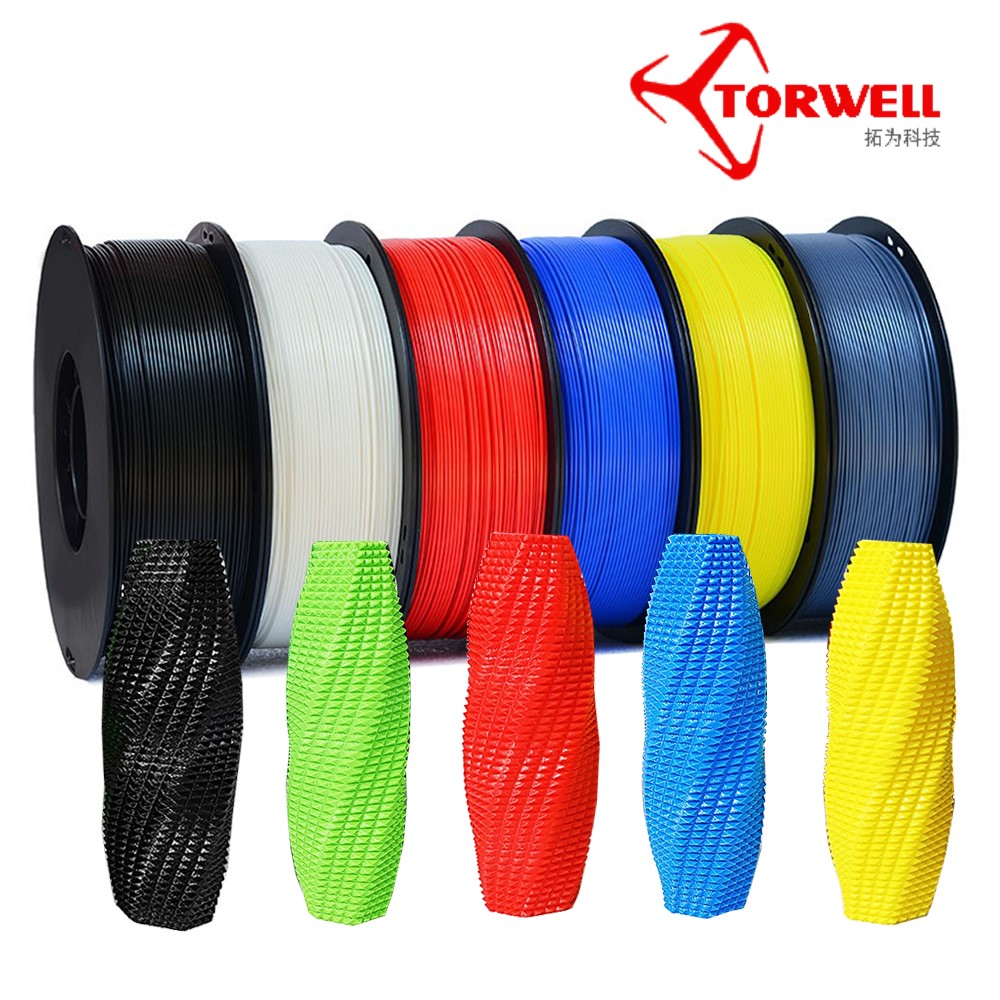
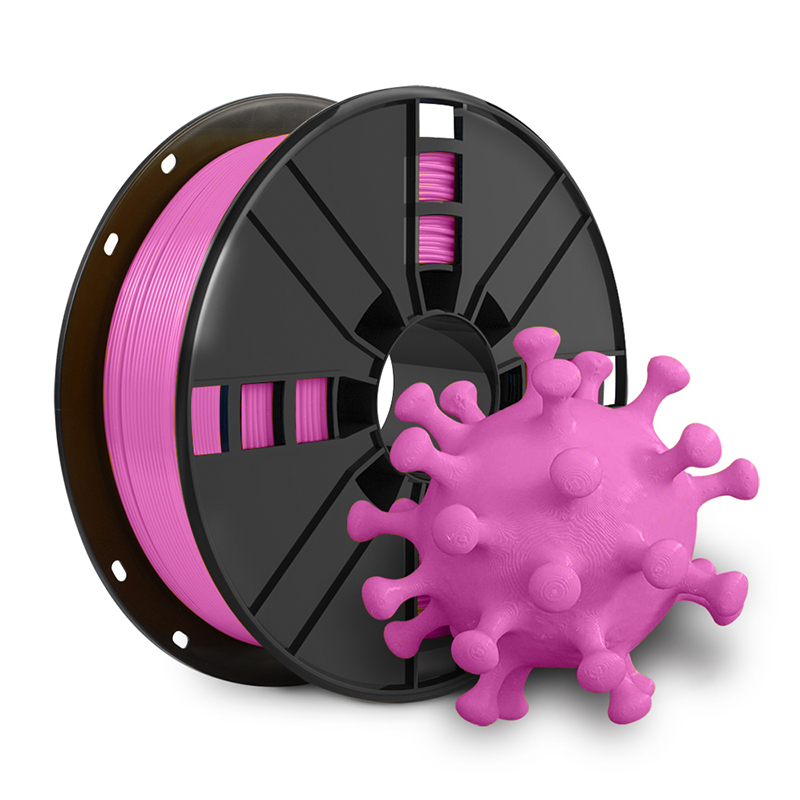
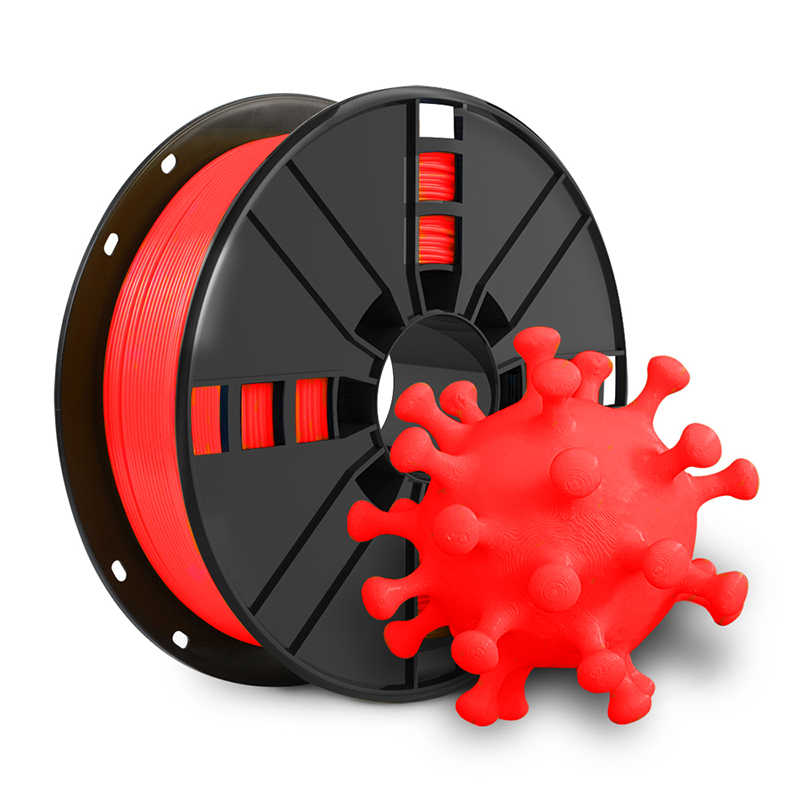
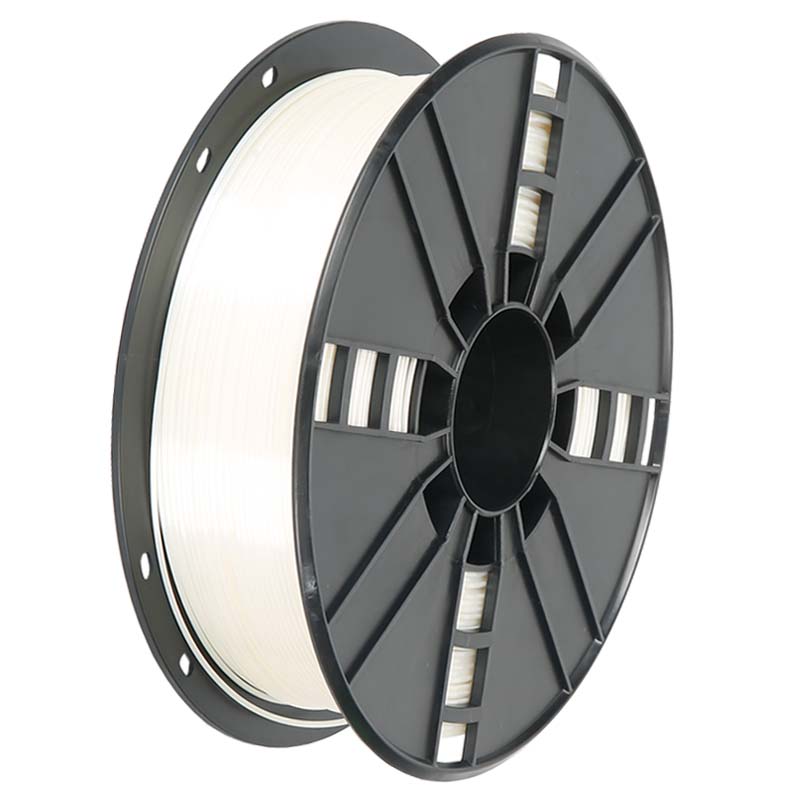
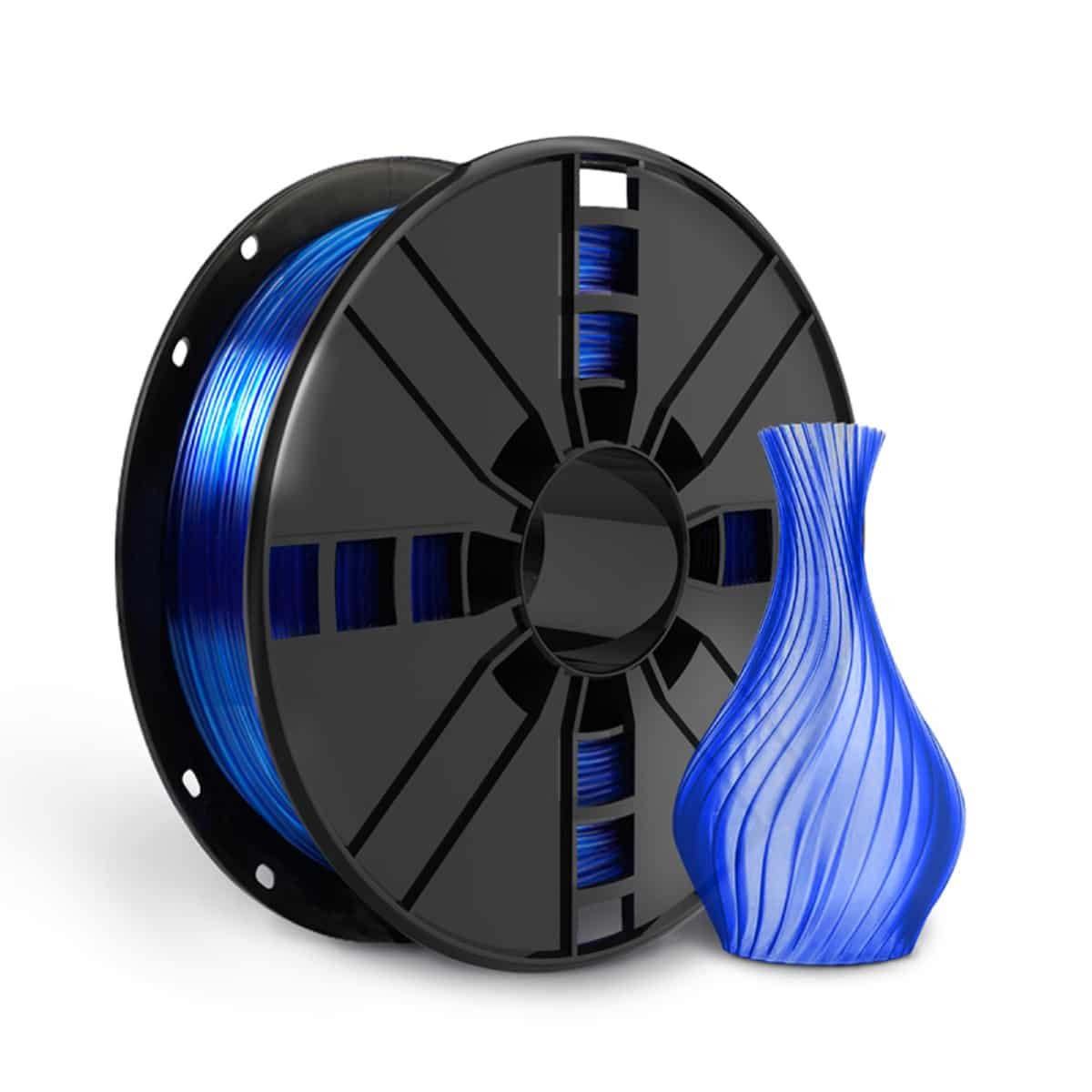
Complete Industrial 3D Printing Material Catalog
Explore our comprehensive portfolio supplied to leading distributors and manufacturing partners in Japan.
Custom OEM & Industrial Supply Solutions for Japan
Tailored manufacturing programs, private label spooling, and customized shore formulations.
We provide full-scale OEM and ODM production capabilities for Japanese trading firms, 3D printer manufacturers, and industrial research laboratories. Our extrusion infrastructure accommodates custom formulation development, including conductive TPU for electronic sensory arrays, flame-retardant elastomers meeting UL94-V0 standards, and custom pantone color matching.
Whether your operational requirement involves 1.75mm or 2.85mm diameter spools, specialized 500g, 1kg, or 5kg industrial packaging, our strict tolerance control (+/- 0.02mm) and moisture-free packaging ensure seamless execution from factory floor to end application throughout Japan.