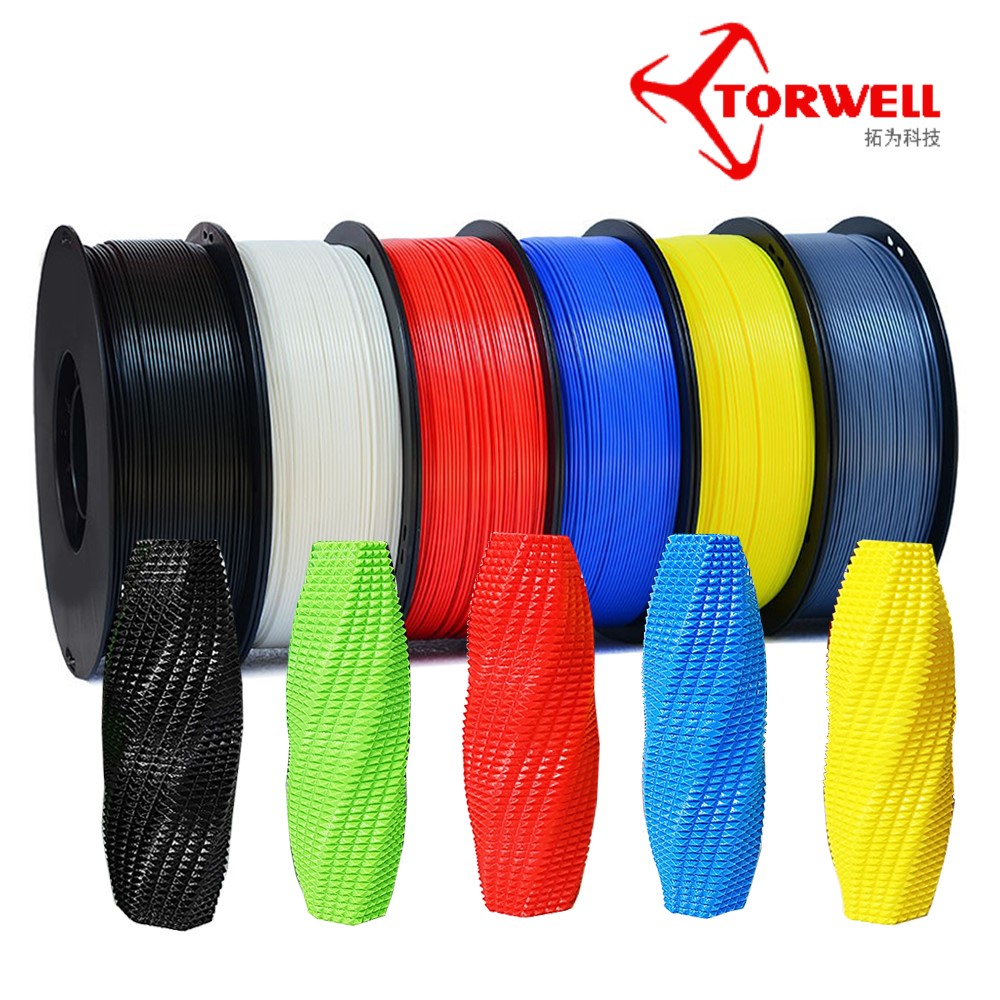
Flexible 3D Printing Material Suppliers & Manufacturers in Türkiye
Empowering Turkish automotive, defense, aerospace, and consumer manufacturing hubs with industrial-grade Thermoplastic Polyurethane (TPU), elastic filaments, and certified engineering 3D polymers.
Featured 3D Printing Polymers for Engineering & Rapid Prototyping
High-grade thermoplastic materials formulated for high layer-to-layer adhesion, wear resistance, and precise mechanical performance.
The Industrial Landscape of Flexible 3D Printing Materials in Türkiye
How Türkiye's robust industrial backbone is leveraging flexible thermoplastic elastomers for agile manufacturing and custom tooling.
Automotive Hubs in Marmara & Bursa
Türkiye's automotive clusters in Bursa, Kocaeli, and Sakarya leverage Shore 95A and 85A TPU for intake gaskets, flexible wire harnesses, protective vibration boots, and end-of-arm tooling components in OEM vehicle lines.
Defense & Aerospace in Ankara
Driven by major aerospace defense contractors in Ankara and Istanbul, high-damping elastomeric 3D printing filaments are specified for custom UAV shock mounts, avionics seals, and ruggedized environmental field enclosures.
Apparel & Footwear in Gaziantep & Izmir
Turkish footwear design houses and industrial textile producers utilize elastic filaments for customized midsoles, dynamic cushioning structures, functional orthotics, and flexible fashion accessories with zero tooling lead times.
Türkiye holds a geostrategic position connecting European supply networks with Central Asian and Middle Eastern industrial zones. As an established global center for contract manufacturing, white goods (such as refrigerators, washing machines, and HVAC systems in Manisa and Istanbul), and high-precision machining, Turkish businesses face growing demand for rapid turnaround tooling and functional end-use parts. Traditional elastomeric molding techniques—such as liquid silicone rubber (LSR) injection molding or polyurethane casting—require substantial financial and chronological commitments for high-precision molds.
Industrial flexible 3D printing filaments, specifically Thermoplastic Polyurethane (TPU), Thermoplastic Elastomer (TPE), and Thermoplastic Copolyester (TPC), have bridged this engineering gap. Manufacturers across Turkish Organized Industrial Zones (Organize Sanayi Bölgeleri - OSB) are shifting toward direct digital additive fabrication for low-to-medium batch runs of protective dampening elements, soft-touch handles, custom pneumatic seals, and chemical-resistant flexible ducting.
Technical Comparison: Flexible Filament Formulations
Selecting the right shore hardness, tensile elasticity, and thermal stability for additive manufacturing lines in Turkish factories.
| Polymer Class | Shore Hardness | Elongation at Break | Key Industrial Characteristics | Primary Turkish Industrial Applications |
|---|---|---|---|---|
| TPU 95A (Rigid-Flex) | 95 Shore A | > 450% | High printability on direct & Bowden setups, high abrasion resistance, oil/grease stability | Automotive seals, assembly line jigs, timing belts, conveyor guides |
| TPU 85A / 80A (High Elastic) | 80A - 85A | > 550% | Exceptional vibration absorption, rubber-like tactile feel, low compression set | Medical orthotics, acoustic dampening pads, tactile prosthetic sleeves |
| Carbon-Reinforced PLA/PETG | 80+ Shore D | < 15% | Structural stiffness, high tensile modulus, dimensional stability at high speeds | Robotic arm brackets, drone airframes, lightweight aerospace fixtures |
| ABS & High-Impact Polymers | 75 Shore D | > 25% | Thermal resistance up to 95°C, high impact strength, post-processing machinability | Automotive interior trim prototypes, electrical housing, functional white-good parts |
Dimensional Tolerance & Diameter Consistency
Extruded with precision laser feedback systems to maintain diameter tolerances within ±0.02mm, ensuring snag-free feeding and consistent flow rates across high-speed industrial 3D printers.
Chemical & Environmental Resistance
Formulated to resist industrial greases, lubricants, mild acids, and UV degradation—vital for continuous operation inside Mediterranean climate industrial workshops and dirty factory floors.
Interlayer Adhesion Integrity
Molecular polymer bonding delivers nearly isotropic physical properties, virtually eliminating delamination along Z-axis print layers during heavy dynamic flex cycles or pneumatic pressure loads.
Strategic Sourcing of Flexible 3D Printing Materials in the Turkish Market
Procuring reliable elastomeric materials in Türkiye requires balancing technical polymer metrics with international compliance certifications. As Turkish exporters deliver goods directly into the European Union and North America, all upstream additive components must comply with stringent regulations including EU RoHS Directive, REACH (EC 1907/2006), and ISO quality baselines.
Key Evaluation Metrics for Turkish Purchasing Managers:
- Melt Flow Index (MFI) Uniformity: TPU filaments require controlled viscoelasticity during extrusion to prevent nozzle clogging, stringing, and under-extrusion when operating in direct-drive toolheads.
- Virgin Raw Polymer Grade: Utilizing 100% pure virgin polyurethane resins without scrap adulteration ensures batch-to-batch repeatability and predictable Shore hardness ratings across multi-kilogram production lots.
- Moisture Sensitivity & Packaging: Flexible filaments are inherently hygroscopic. Top-tier manufacturers employ vacuum sealed multi-layer aluminum or desiccated polymer packaging to prevent hydrolytic degradation during sea/air transit and warehousing.
- Spool Ergonomics & Hub Compatibility: High-precision winding prevents filament overlap and cross-binding, which is critical for 24/7 unmonitored rapid manufacturing cells across Gebze and Bursa industrial zones.
Emerging Additive Trends Across Turkish Industry 4.0 Ecosystems
Türkiye's national industrial strategy emphasizes domestic value-added production and rapid prototyping capabilities. The integration of flexible additive materials has accelerated across multiple sectors:
In the commercial appliances and consumer electronics sector, Turkish engineering firms utilize Shore 95A flexible filaments for custom cable strain reliefs, non-marring gripper pads on automated assembly lines, and sound-isolation feet. In the defense and unmanned vehicle market, customized lightweight TPU elastomer seals protect sensory telemetry equipment from sand, moisture, and high-G landing shocks. By combining short production iterations with low mass and resilient mechanical attributes, Turkish enterprises shorten time-to-market by up to 70% compared to traditional subtractive CNC or tooling workflows.
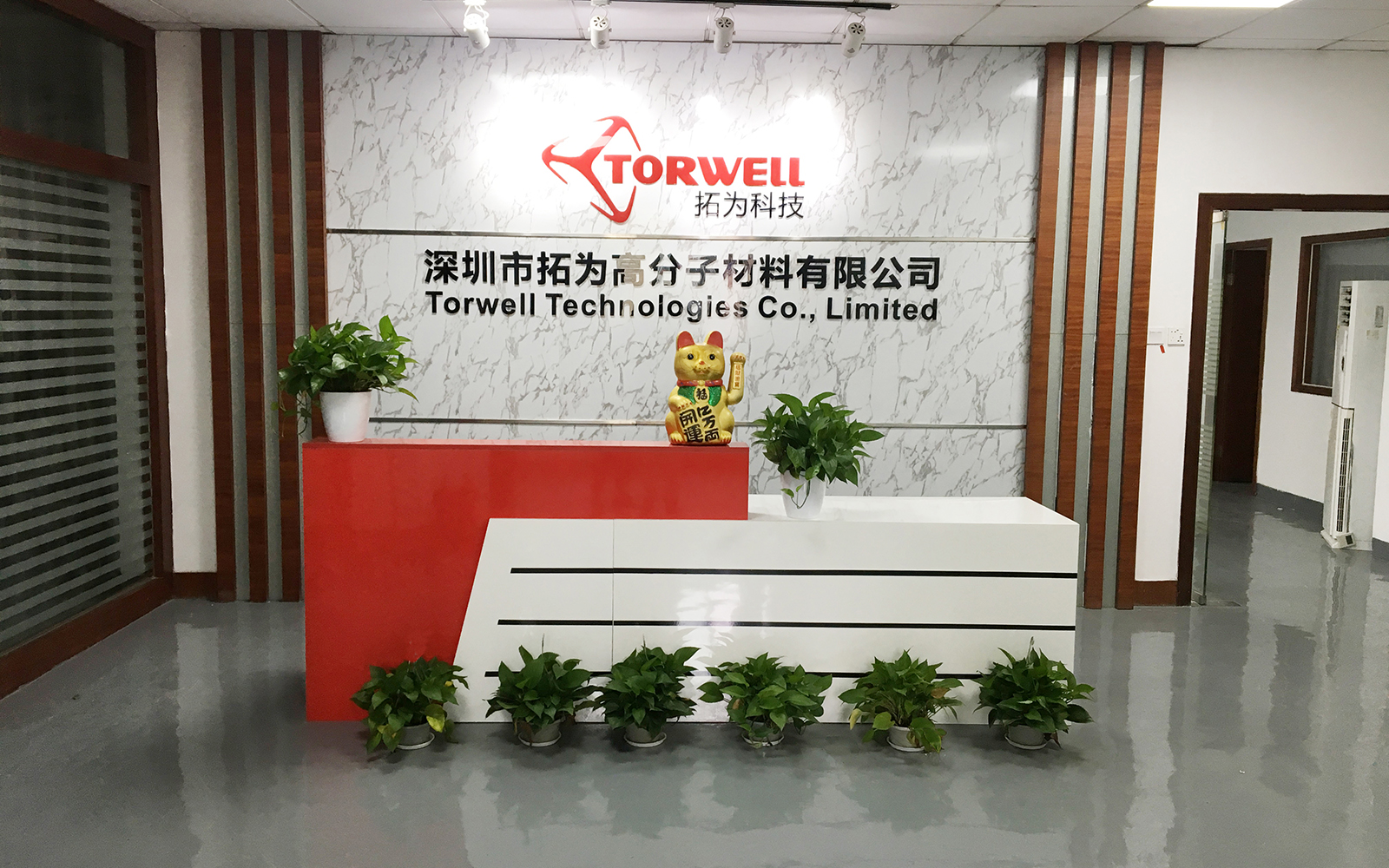
Torwell Technologies Co., Ltd.
Founded in 2011, Torwell Technologies Co., Ltd. is one of the earliest high-tech enterprises specializing in high-tech 3D printer filaments research, manufacture, and sales, occupying a 2,500 square meters modern factory with a production capacity of 50,000kgs per month.
With more than 10 years of experience in 3D printing market exploration, cooperated with the Institute for High Technology and New Materials in domestic famous universities, and engaging Polymer materials experts as technical advisers, Torwell becomes one of the members of the Chinese rapid prototyping association and a leader enterprise with the most innovative products in the 3D printing industry, owning independent intellectual property rights, patents, and trademarks (Torwell US, Torwell EU, NovaMaker US, NovaMaker EU).
Torwell has passed the international quality management system ISO9001 and international environmental system ISO14001. The advanced manufacturing equipment, test devices, and virgin raw materials available are introduced to produce and distribute 3D printer filament of unparalleled quality, to ensure all products of Torwell are compliant with RoHS standard, MSDS, Reach, TUV, and SGS test certified.
Being a reliable and professional 3D printing partner, Torwell has committed to expanding its products to America, Canada, UK, Germany, Netherlands, France, Spain, Sweden, Italy, Russia, Mexico, Australia, New Zealand, Brazil, Argentina, Japan, South Korea, Vietnam, Thailand, Malaysia, India, and more than 80 countries and regions including extensive partnerships across Türkiye.
Frequently Asked Questions: Sourcing Flexible Filaments
Answers to common technical, logistics, and material handling questions for Turkish additive manufacturing operations.
What printer extruder setup works best for TPU in factory environments?
A direct-drive extruder with a constrained filament path and dual-drive gears provides optimal control over flexible filaments, preventing buckling. Shore 95A filaments can also be reliably printed on well-calibrated Bowden setups at moderate feed speeds (20-40 mm/s).
How does Torwell ensure material compliance for Turkish export goods?
All Torwell 3D filaments are manufactured using virgin polymer stock certified under EU RoHS, REACH, MSDS, TUV, and SGS standards, ensuring complete compliance for products integrated into European and global supply chains.
What are the recommended printing settings for Shore 95A Flexible TPU?
Recommended printing temperatures range between 210°C and 230°C with a heated bed between 30°C and 60°C. Disabling retraction or using low retraction speeds (1-2mm at 20mm/s) ensures clean, blob-free surfaces.
Can Torwell provide OEM/ODM and custom spool branding for Turkish distributors?
Yes. Torwell supports comprehensive OEM/ODM manufacturing, including custom spool sizing (0.5kg, 1kg, 2.5kg, 5kg), private labeling, custom pantone color matching, and tailored packaging for Turkish brands and industrial distributors.
Torwell 3D Printing Filament Master Catalog
Industrial-grade PLA, Flexible TPU, High-Modulus Carbon Fiber, Silk, and ABS filaments available for direct international supply and distribution across Türkiye.
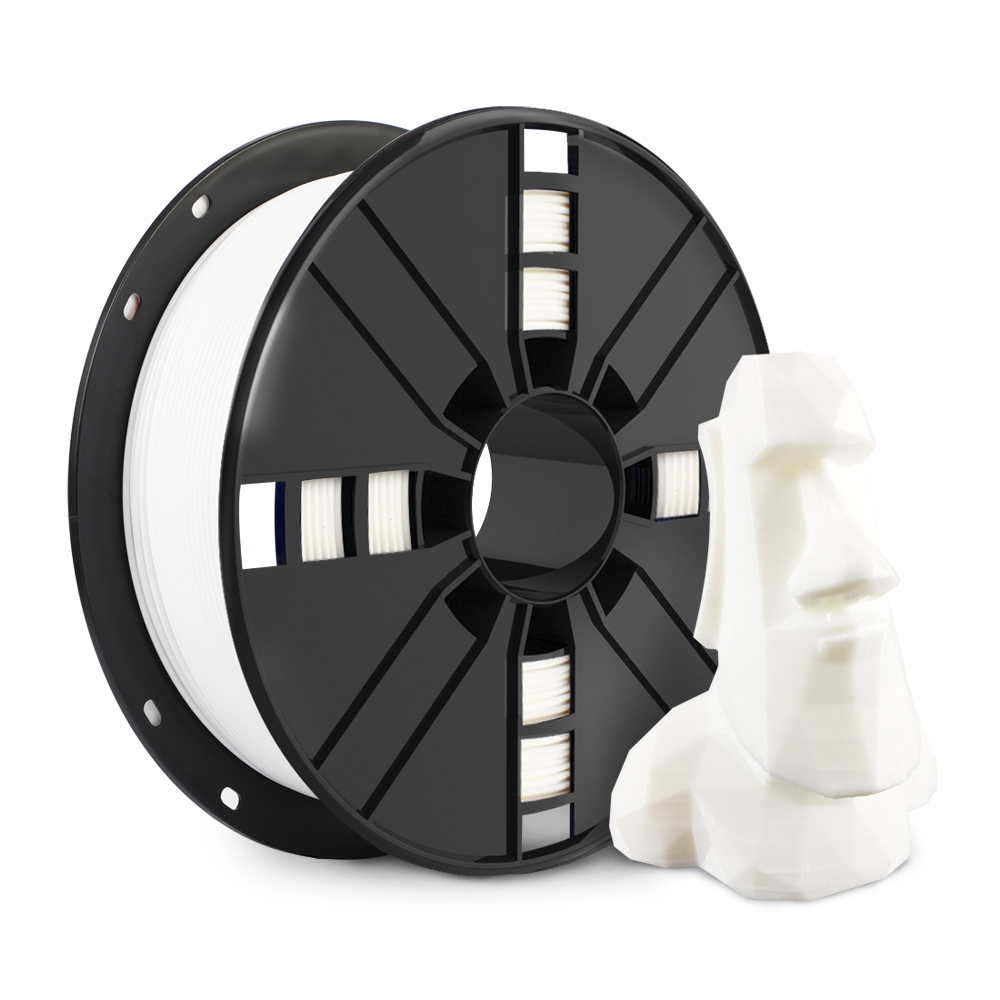
PLA filament white for 3D printing
View Product →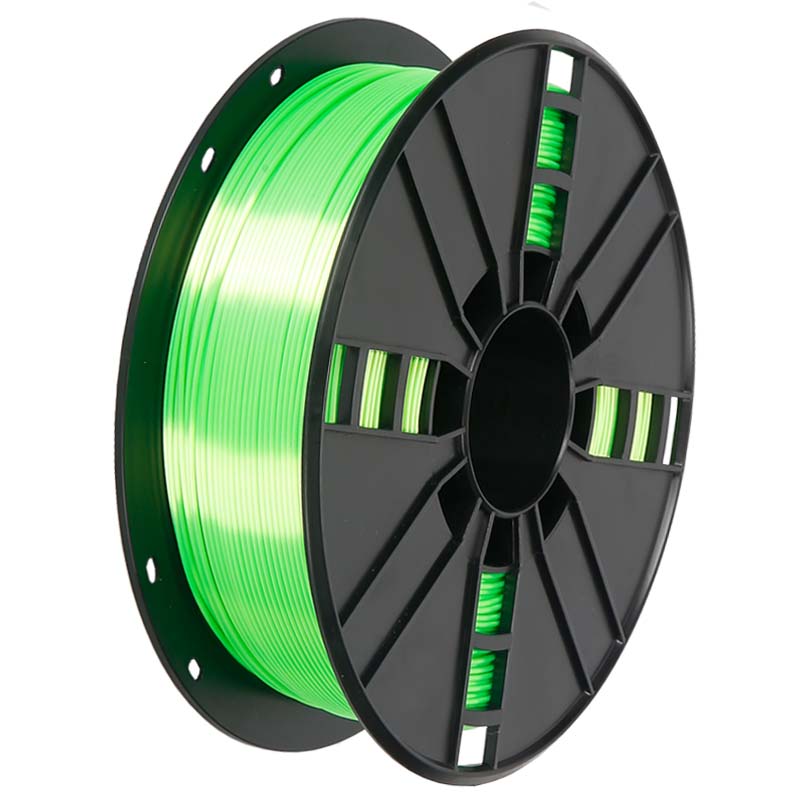
Silk PLA 3D Filament 1KG green color
View Product →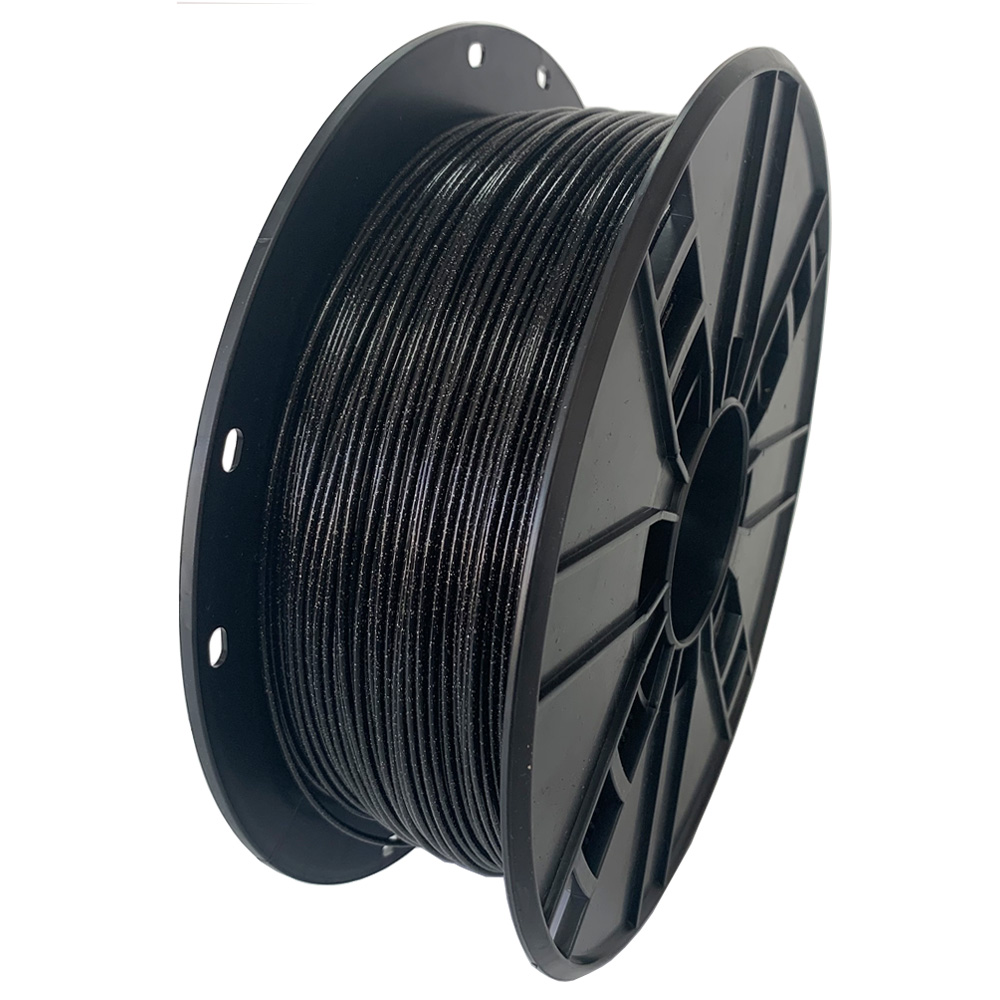
Sparlking PLA filament Glitter Flakes for 3D printers
View Product →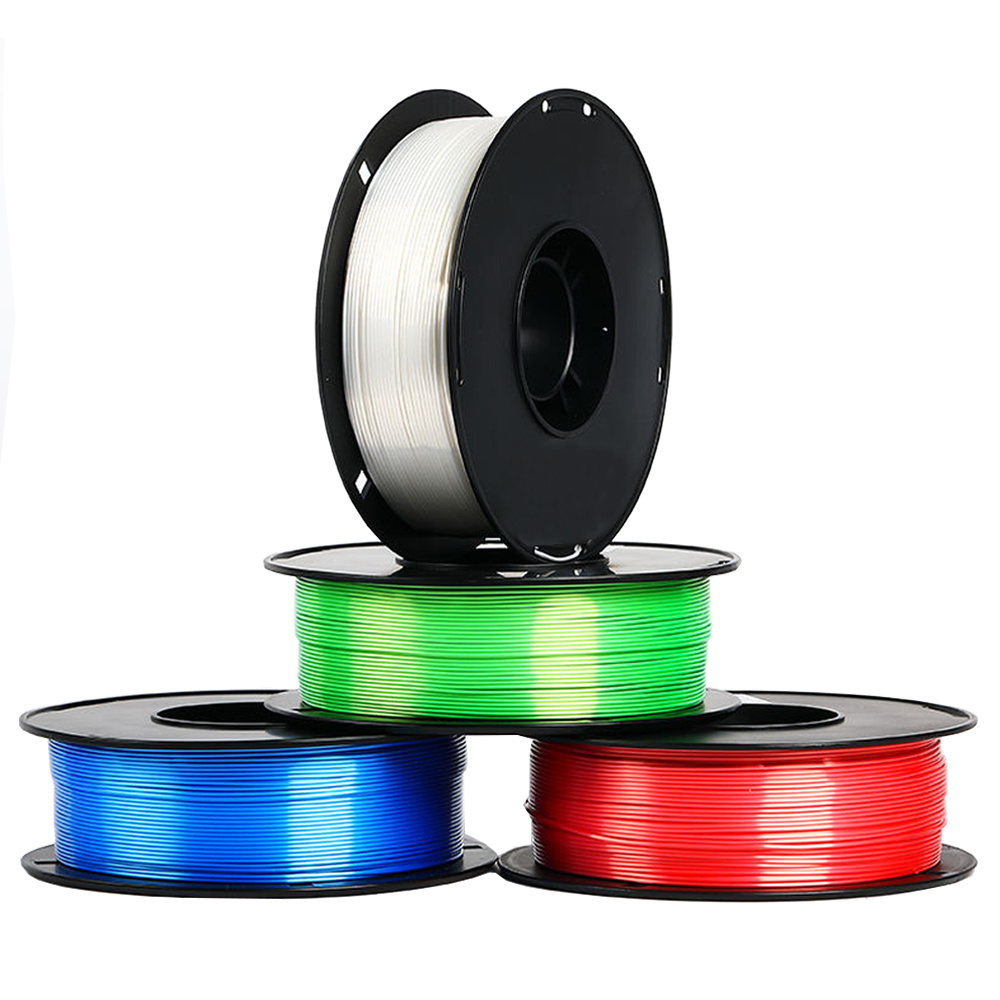
Silk PLA 3D Filament With Shining Surface, 1.75mm 1KG/Spool
View Product →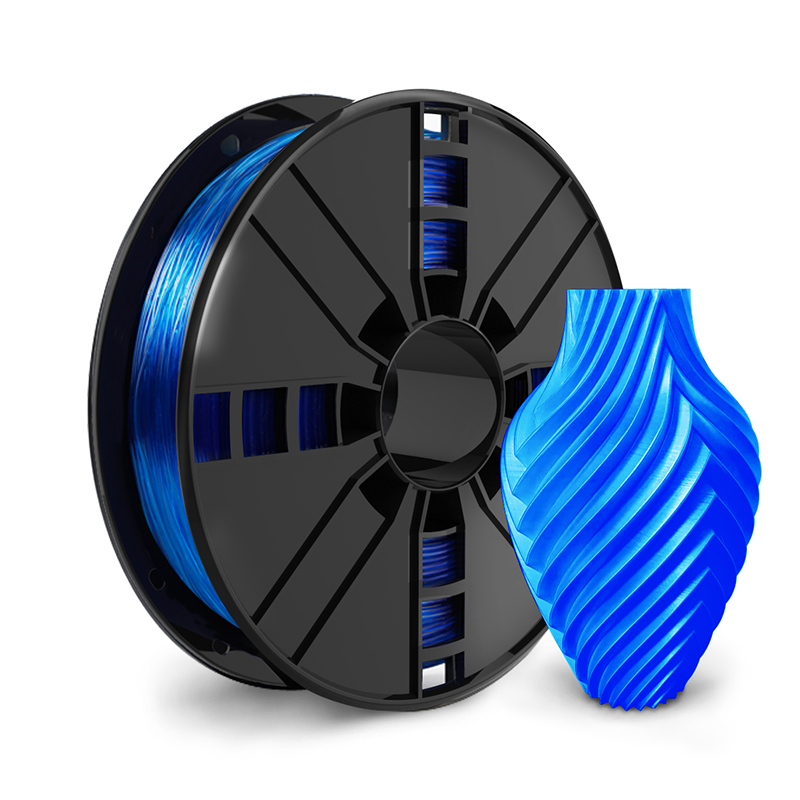
Flexible 3D filament TPU blue 1.75mm Shore A 95
View Product →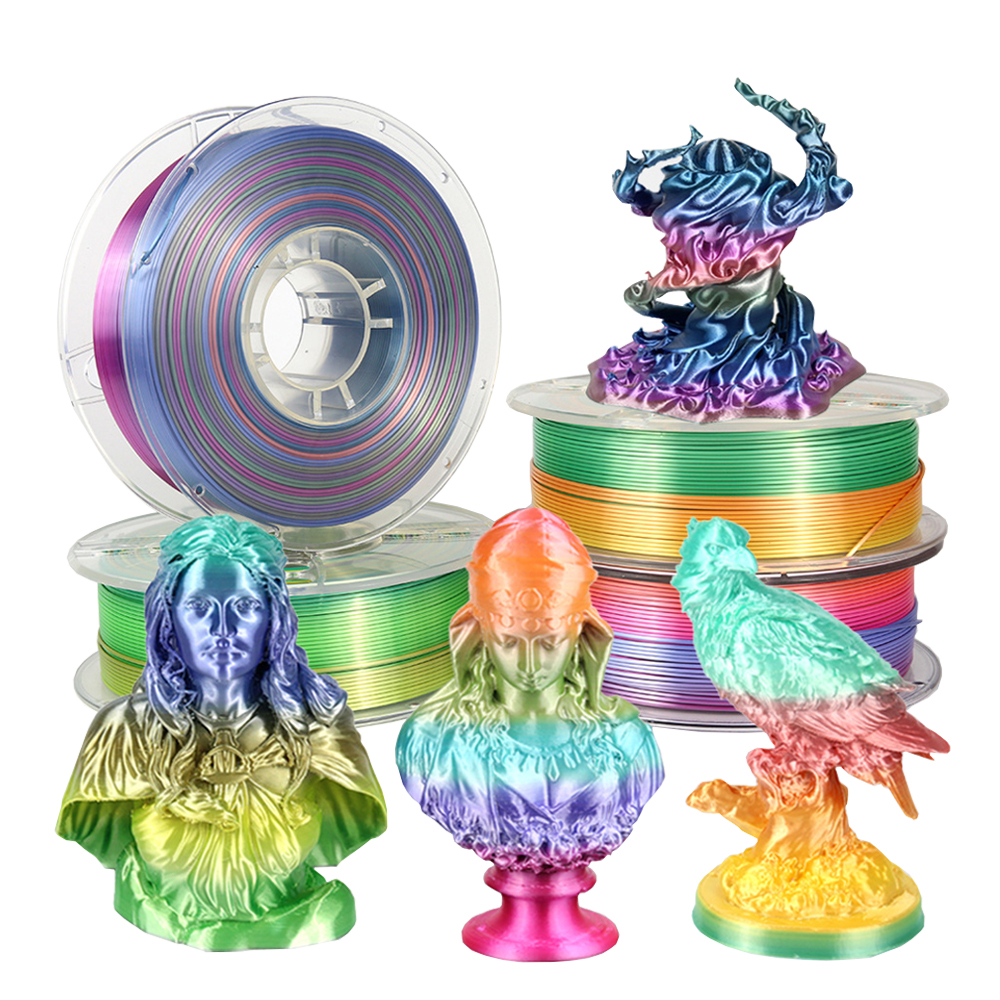
Silk Shiny Fast Color Gradient Change Rainbow Multicolored 3D Printer PLA Filament
View Product →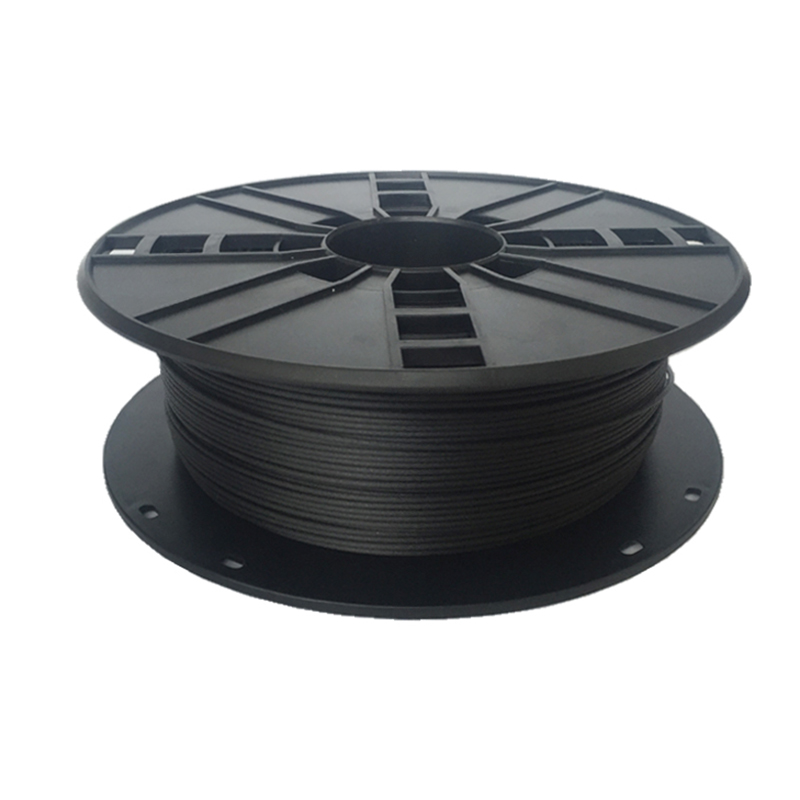
3D Printer Filament Carbon Fiber PLA Black Color
View Product →