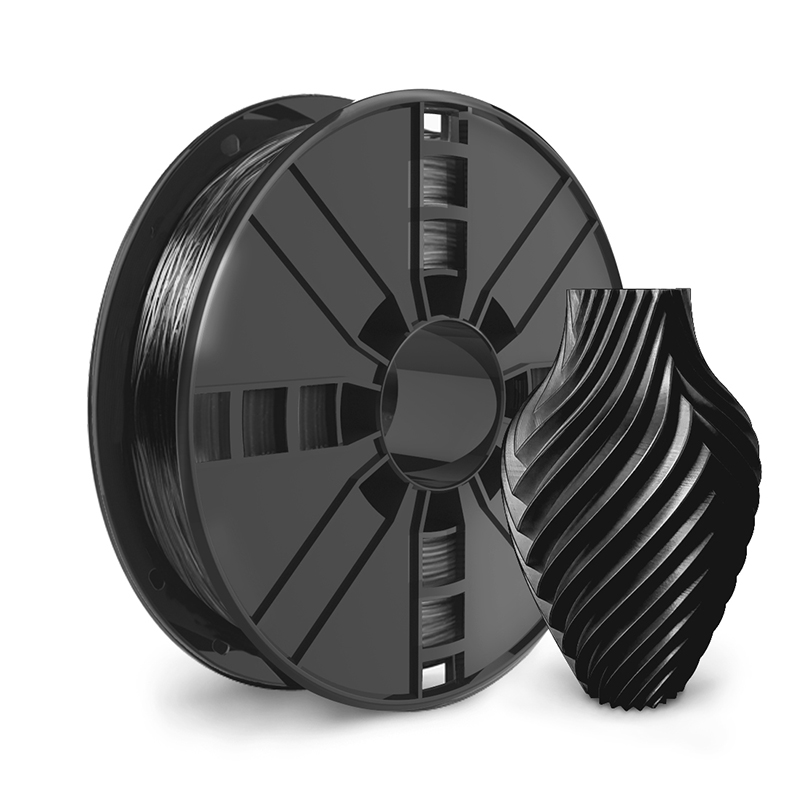
Rapid Prototyping & Hybrid Material Solutions for Phone Cases
Industrial-grade filaments optimized for multi-material case manufacturing, rigid structural skeletons, and flexible outer damping perimeters.
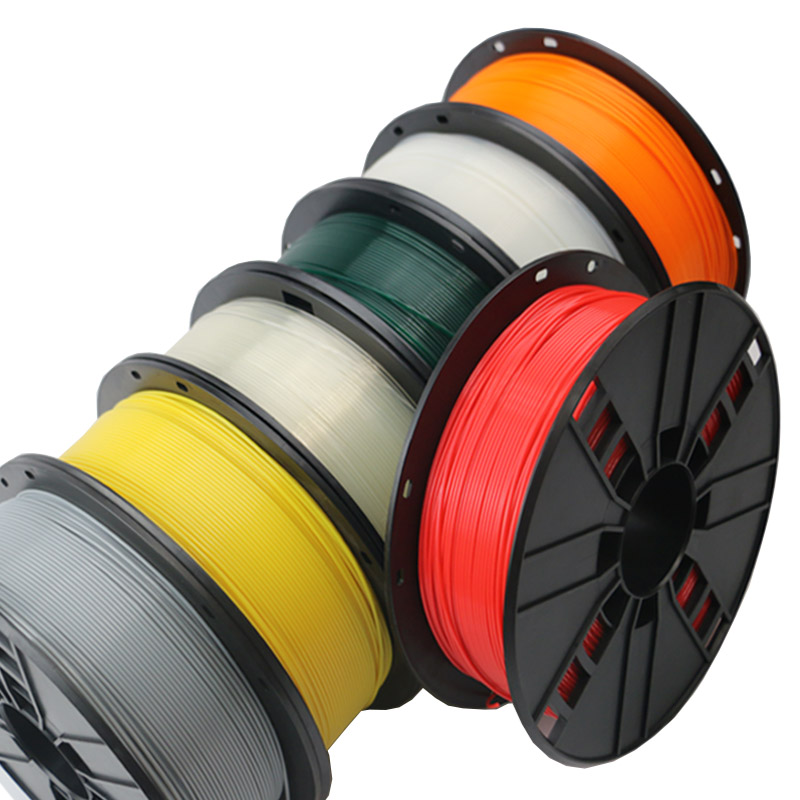
Rigid Case Core: High-Strength Precision PLA Filament (1.75mm/2.85mm 1kg)
Dimensional Stability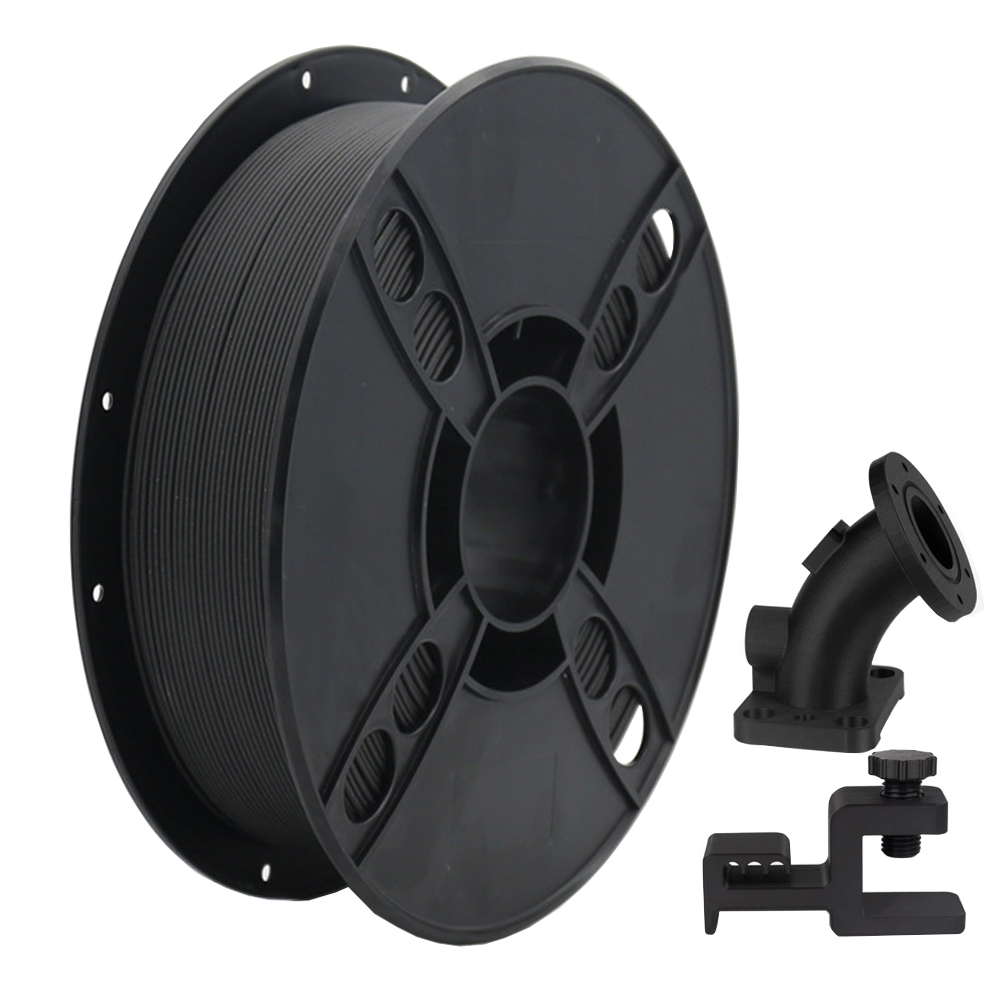
Armor Chassis: Carbon Fiber Reinforced PLA Filament (Matte Black 0.8kg)
Ultra-Rigid Shielding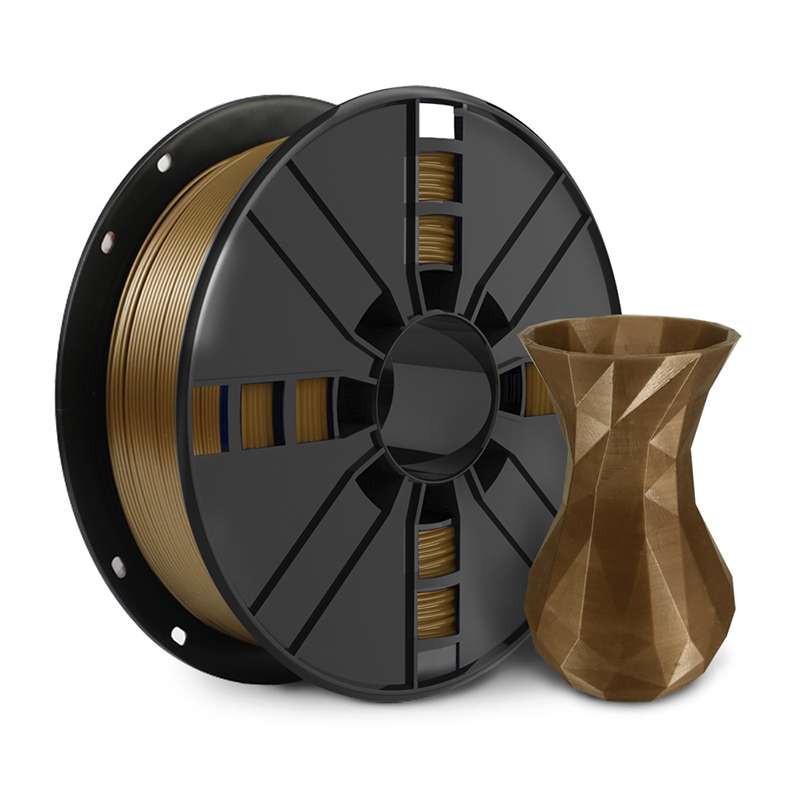
Aesthetic Accent: Metallic Gold 3D Filament (1.75mm 1kg Precision Spool)
Visual Customization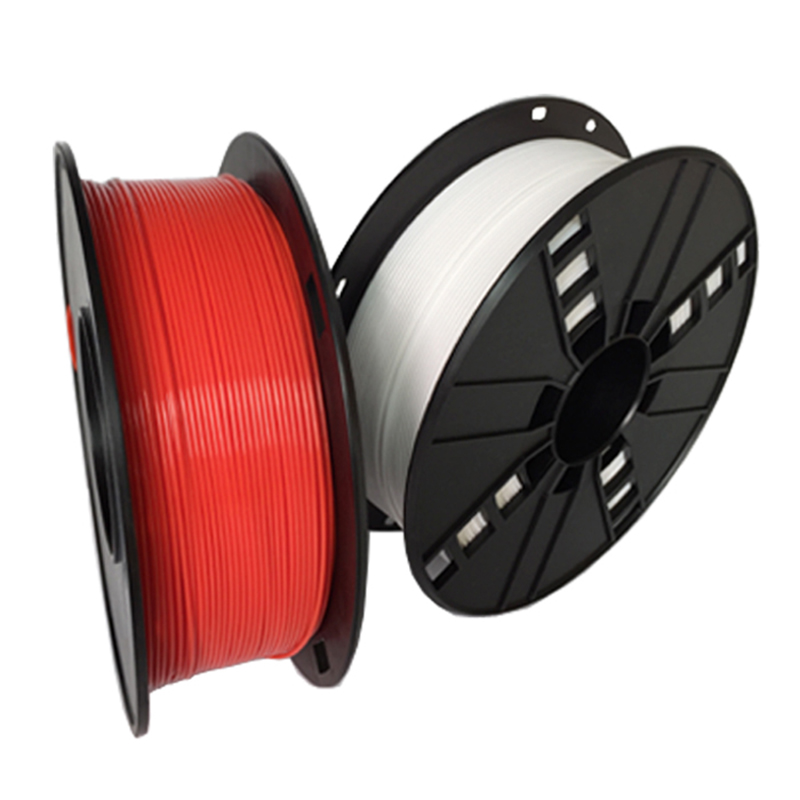
High Impact Backplate: Industrial ABS Filament (High Heat Resistance)
Rugged Dual-LayerThe Paradigm Shift: TPU Filament in Custom Smartphone Protective Shells
Analyzing the intersection of industrial additive manufacturing, mass customization, and mechanical elastomer engineering.
Dynamic Impact Absorption
Unlike rigid plastics, Thermoplastic Polyurethane (TPU) dissipates kinetic energy across viscoelastic molecular chains, drastically mitigating corner drop shock and preventing screen delamination in modern glass-sandwich smartphones.
Zero-Tooling Mass Customization
Eliminating expensive steel injection molds that cost thousands of dollars per phone SKU, flexible FDM printing enables localized print farms to produce tailor-made, ergonomic phone cases within two hours of CAD iteration.
Anisotropic Interlayer Cohesion
Advanced TPU formulations exhibit thermal plasticity that promotes thermal polymer inter-diffusion between z-axis layers, matching nearly 92% of isotropic injection-molded tear strength and ensuring longevity under repeated bending.
Transforming Consumer Accessory Supply Chains
The global smartphone protective case market is experiencing a profound structural transformation. As flagship smartphones evolve with curved displays, ultra-large camera sensor islands, and delicate rear ceramic finishes, consumer demand for precision-fit protection has surged. Traditional mass-scale injection molding faces critical challenges: long lead times of 4 to 8 weeks for mold tooling, high minimum order quantities (MOQs), and unsustainable inventory depreciation when device designs alter incrementally.
Flexible TPU (Thermoplastic Polyurethane) 3D printer filament solves this industrial bottleneck. By bridging the mechanical gap between pliable silicone rubbers and rigid thermoplastics, TPU allows bespoke accessory manufacturers, medical tech developers, and field engineering firms to manufacture bespoke protective enclosures on-demand. Digital manufacturing workflows enable parametric customization—such as embedding tactile Braille, integrating MagSafe magnetic ring geometries, or tailoring rugged corner lanyard anchors—directly into the print file without secondary machining.
Engineering Physics of TPU: Balancing Elastic Recovery and Extrusion Dynamics
TPU is a block copolymer consisting of alternating sequences of hard segments (diisocyanate and short-chain diols) and soft segments (polyether or polyester diols). The ratio and morphology of these segments dictate the polymer's shore hardness, tensile modulus, glass transition temperature, and damping factor (tan δ).
| Material Property | Shore 85A Flexible TPU | Shore 95A Industrial TPU | Standard Silicone (Molded) | Rigid Polycarbonate (PC) |
|---|---|---|---|---|
| Elongation at Break (%) | 550% – 650% | 400% – 500% | 300% – 450% | 40% – 60% |
| Impact Energy Absorption | Exceptional (Viscoelastic) | Superior (High Rebound) | Moderate Damping | Brittle Fracture Risk |
| Print Extrusion Speed | 15 – 30 mm/s (Direct Drive) | 35 – 60 mm/s (Bowden Capable) | N/A (Liquid Tooling Only) | 50 – 90 mm/s |
| Chemical & Skin Oil Resistance | High (Hydrolysis-Resistant) | High (Abrasion Proof) | Medium (Attracts Dust/Lint) | Susceptible to Solvent Cracking |
| Case Snap-Fit Retention | Ultra-Flexible Sleeve Fit | Tight Locking Structural Lip | Loose Stretch over Time | Rigid Click (Risk of Scratch) |
Shore 95A vs Shore 85A: Selecting the Optimal Hardness for Smartphone Enclosures
For custom smartphone cases, Shore 95A TPU represents the industry benchmark for automated FDM printing. It offers sufficient column strength to prevent filament buckling within dual-gear direct-drive extruders while delivering a tactile, rubberized hand-feel with remarkable tensile strength. Cases printed with 95A TPU feature a precise snap-on lip around bezel perimeters, holding modern heavy smartphones securely even during severe 2-meter corner drops.
Conversely, Shore 85A and Shore 80A TPU formulations are utilized in specialized industrial rugged cases and medical sleeves where maximum vibration damping and ultra-soft tactile grip are paramount. While 85A requires optimized low-friction PTFE-lined feed paths and controlled print speeds (20-25 mm/s), its superior viscoelastic hysteresis absorbs high-frequency shock waves that would otherwise shatter ceramic camera lens elements.
Advanced Geometrical Optimization for Additively Manufactured Cases
Unlocking generative design and internal structural topology impossible with conventional mold tooling.
1. Internal Honeycomb Air-Pocket Cushioning
With traditional molding, hollow internal chambers require complex collapsing cores or secondary assembly. Flexible TPU filament allows internal infill patterns (such as 3D Gyroid, Voronoi, or Honeycomb at 15-25% infill) to be encapsulated directly inside the case corner bumpers. These air cells compress upon sudden impact, creating a progressive deceleration cushion that lowers peak G-forces transferred to the phone frame.
2. Tactile Button Bridge Actuation
A frequent failure point of molded cases is stiff, unresponsive button actuation over volume and power switches. Using TPU additive manufacturing, designers create parametric living hinges and cantilevered flexure cuts measuring just 0.6mm in thickness. This provides a satisfying mechanical tactile click with immediate springback, matching original hardware feel while keeping the phone fully sealed against environmental debris.
3. Thermal Dissipation Micro-Ventilation Channels
Modern mobile system-on-chips (SoCs) generate significant heat during sustained 5G gaming, video rendering, and fast wireless charging. TPU cases can integrate internal negative-relief micro-grooves along the backplate interior. These channels leverage natural convective air currents, dissipating heat away from the battery zone while preserving full drop protection across the outer case perimeter.
4. MagSafe and Magnetic Module Embedding
By pausing the G-code print sequence at exact layer heights, neodymium magnet arrays and inductive copper coils can be embedded directly within the hermetically sealed TPU matrix. This achieves seamless, scratch-free wireless accessory integration without requiring adhesive glue strips that degrade over time.
Torwell Manufacturing Excellence & Quality Verification Systems
Our industrial manufacturing facility integrates rigorous quality standards and premium virgin polymer synthesis to ensure flawless 3D printing results.
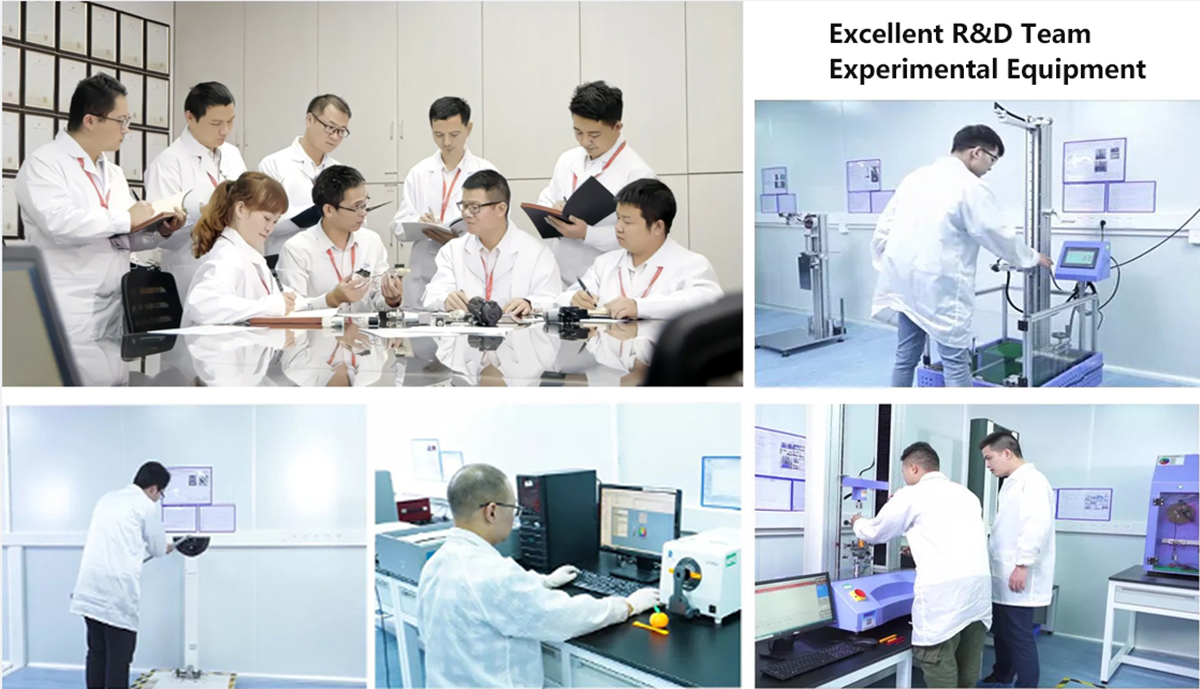
Comprehensive Quality Control & Workforce Training
The factory area has passed ISO45001 occupational health and safety management system certification. Every new employee must experience one week of safety production knowledge teaching and two weeks of production skills training, mastering every course in the production process. Strict workstation responsibility ensures that who is in the position will be responsible for its duty, maintaining zero-defect accountability across all filament spool batches.
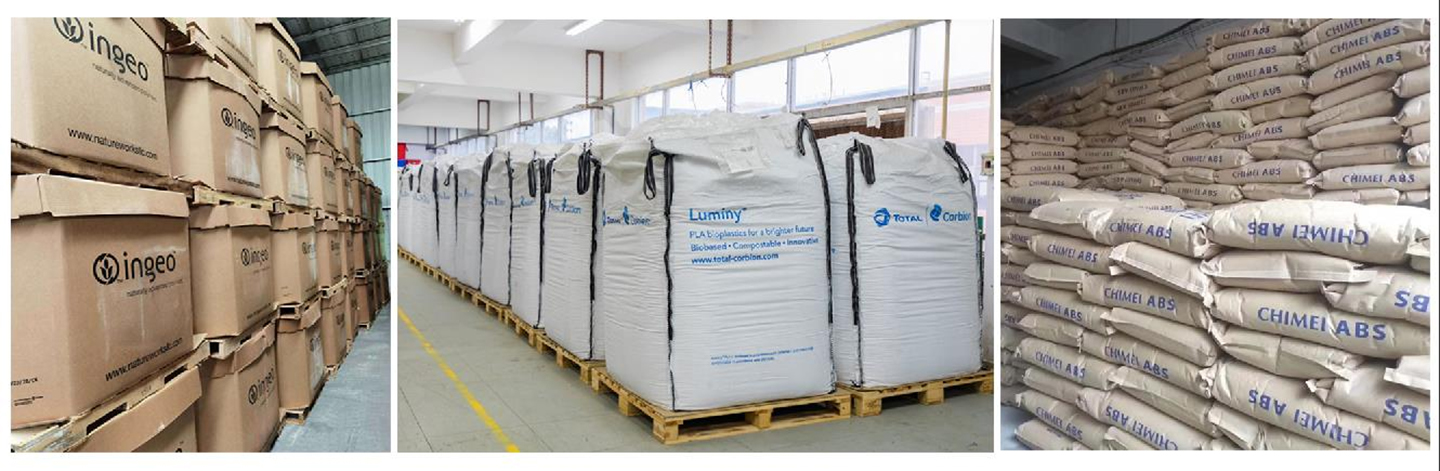
Certified Global Raw Material Sourcing
PLA is the most preferred material for 3D printing; Torwell selects PLA from US NatureWorks, and Total-Corbion is the alternative. ABS is sourced from Taiwan ChiMei, and PETG from South Korea SK. Each batch of main raw materials comes from long-standing partners who have cooperated for more than 5 years to ensure uncompromised product reliability from the source. Every incoming batch undergoes strict parameter inspections before production to ensure raw materials are 100% original, pure, and virginal.
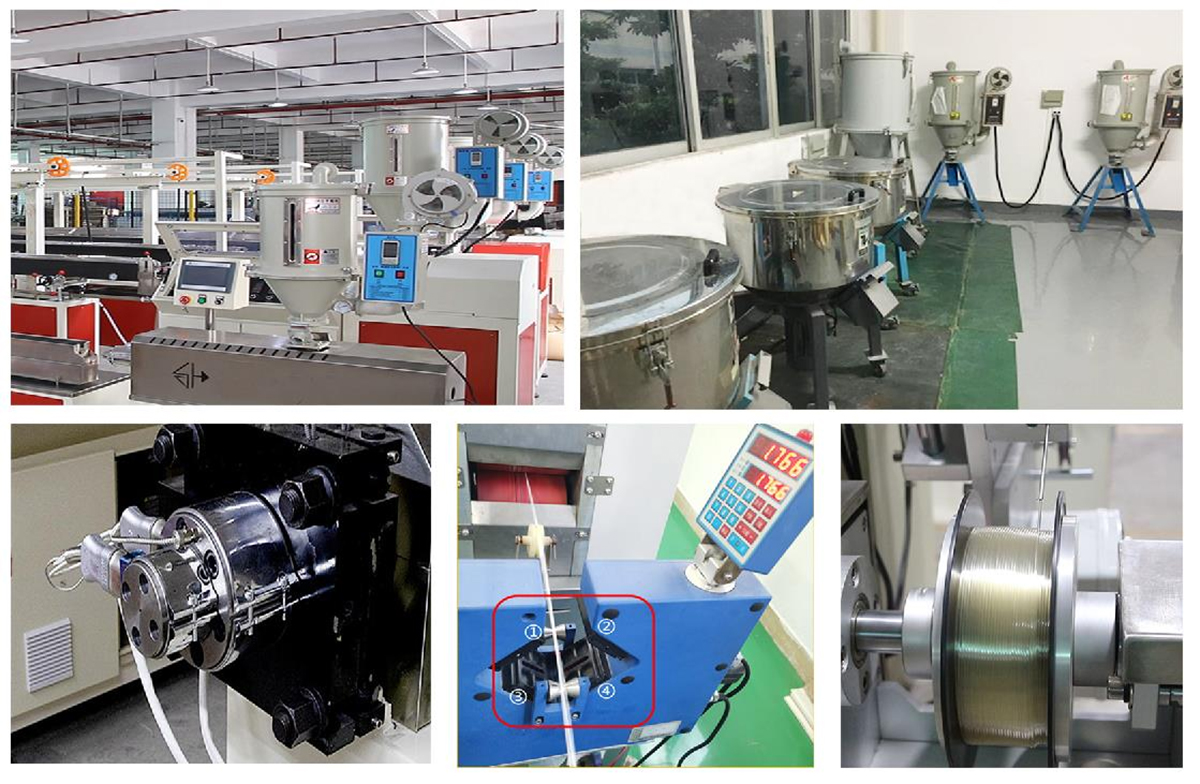
High-Precision Extrusion Equipment & Calibration
The manufacturing workshop initiates strict production scheduling following raw material inspection. At least two engineers cross-check the clearance of mixing tanks, color consistency, hopper dryer humidity, extruder melt zone temperatures, and hot/cool cooling tank parameters. Trial-run debugging of the automated production line ensures processes operate in optimum condition, maintaining a tight filament Diameter tolerance of ±0.02mm and Roundness tolerance of ±0.02mm.
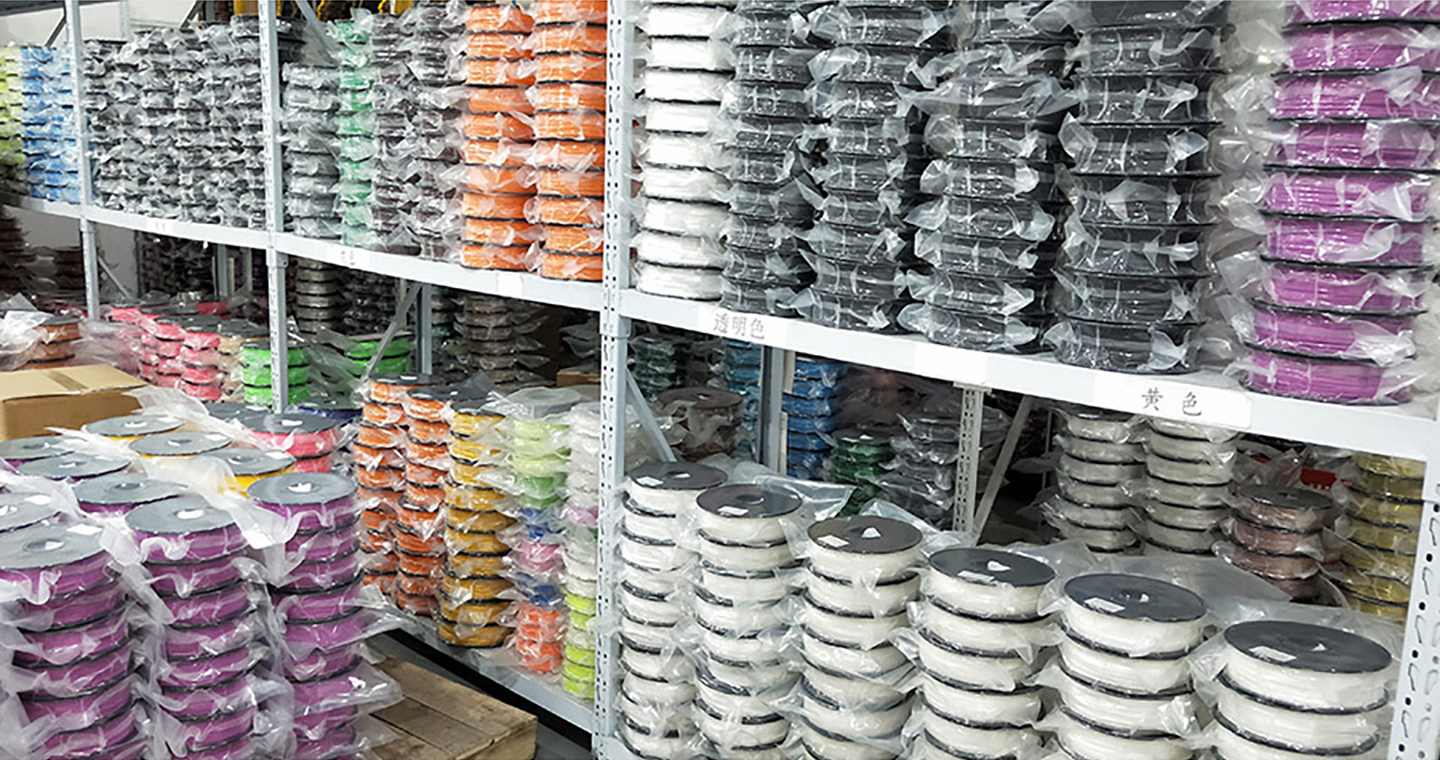
Rigorous Final Inspection & Vacuum Hermetic Packaging
After each batch of 3D filament is produced, two dedicated quality inspectors conduct random sampling inspections in accordance with strict enterprise standards, verifying diameter tolerances, optical color consistency, tensile strength, and flexural toughness. After automated vacuum packaging with active desiccant packets, spools undergo a 24-hour observation period to verify absolute vacuum seal integrity before final labeling and dispatch.
Specialized Industrial Application Scenarios for Custom TPU Enclosures
Beyond consumer phone aesthetics, flexible TPU filaments empower critical commercial hardware integration.
Warehouse Logistics & Barcode Scanners
Logistics hubs convert consumer smartphones into rugged enterprise scanners. Custom TPU enclosures integrate pistol-grip handles, lanyard rings, and oversized corner bumpers to withstand repeated 3-meter concrete drops in high-velocity fulfillment centers.
Sterile Medical Diagnostic Enclosures
Clinical technicians utilize smartphones connected to portable ultrasound probes and endoscopes. Chemical-resistant TPU resists frequent wipe-downs with isopropyl alcohol and quaternary ammonium hospital-grade disinfectants without hardening or cracking.
Extreme Sports & Tactical Navigation Mounts
Mounting phones directly to motorcycle handlebars or military tactical vests requires vibration damping that protects optical image stabilization (OIS) gyro sensors. Tailored TPU case geometries attenuate harmonic engine rumble and high-amplitude vibrations.
FDM Print Parameter Optimization Guide for TPU Smartphone Cases
Achieving optical clarity, clean retractions without stringing, and watertight layer adhesion requires tailored slicer settings. Below is our engineering recommendation for processing Torwell TPU 3D filament on standard and high-speed direct-drive 3D printers:
| Parameter Variable | Recommended Setting | Technical Purpose & Impact |
|---|---|---|
| Nozzle Temperature | 215°C – 235°C | Ensures complete polymer melting for maximum interlayer weld strength. |
| Heated Bed Temperature | 45°C – 60°C (or Unheated PEI) | Provides firm base adhesion without causing thermal warping or difficult removal. |
| Printing Speed | 30 – 50 mm/s (Volumetric limited) | Prevents back-pressure buildup and filament looping around feeder gears. |
| Retraction Distance & Speed | 0.8 – 1.5mm @ 25 – 40 mm/s | Direct drive optimization to mitigate thin filament stringing across speaker ports. |
| Part Cooling Fan | 50% – 80% after Layer 3 | Balances crisp perimeter bridging over port cutouts with optimal polymer cross-bonding. |
| Filament Dehydration | 55°C for 4–6 Hours | TPU is hygroscopic; dry filament eliminates micro-foaming, popping, and surface blemishes. |
Complete High-Performance 3D Printing Material Ecosystem
Explore our comprehensive catalog of precision engineering filaments, certified for demanding commercial, functional prototyping, and custom consumer product applications.
Torwell PLA 3D Filament with high strength, Tangle Free, 1.75mm 2.85mm 1kg
High Strength Series
Torwell PLA Carbon Fiber 3D Printer Filament, 1.75mm 0.8kg/spool, Matte Black
Composite Series
1.75mm 1kg Gold PLA 3D Printer Filament
Metallic Luster Series
ABS Filament for 3D prinitng 3D printing materials
Engineering Grade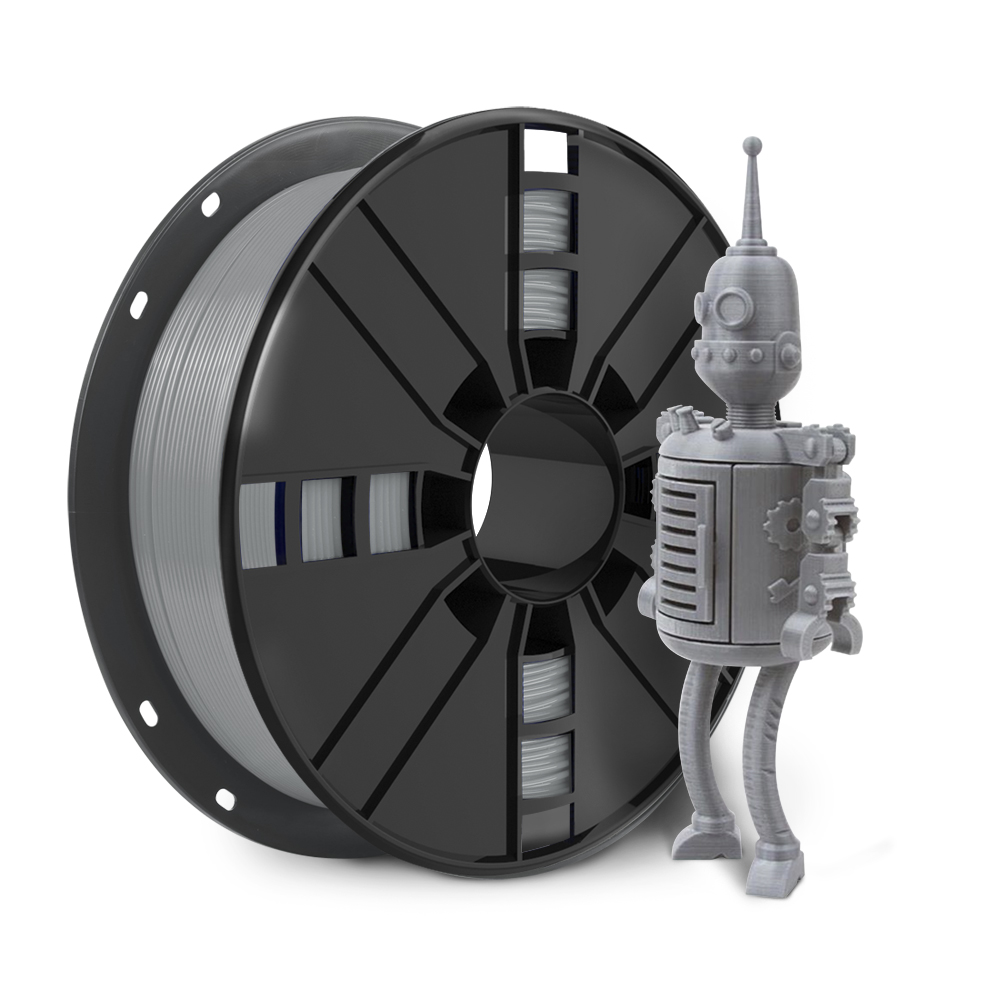
PLA Filament Grey color 1kg spool
Prototyping Standard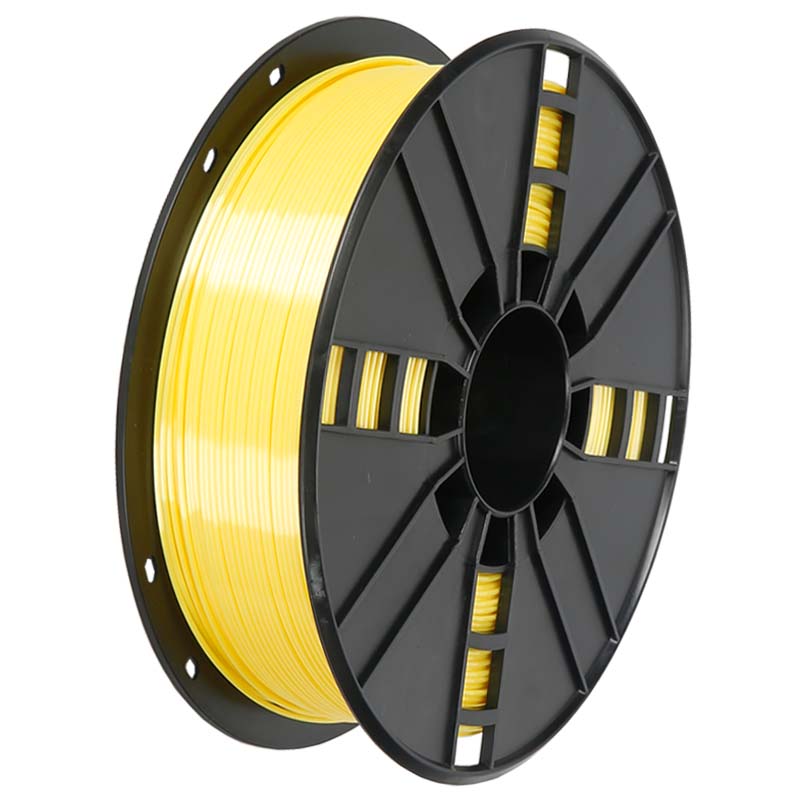
Silky Shiny PLA filament Yellow Color
Silk Aesthetic Line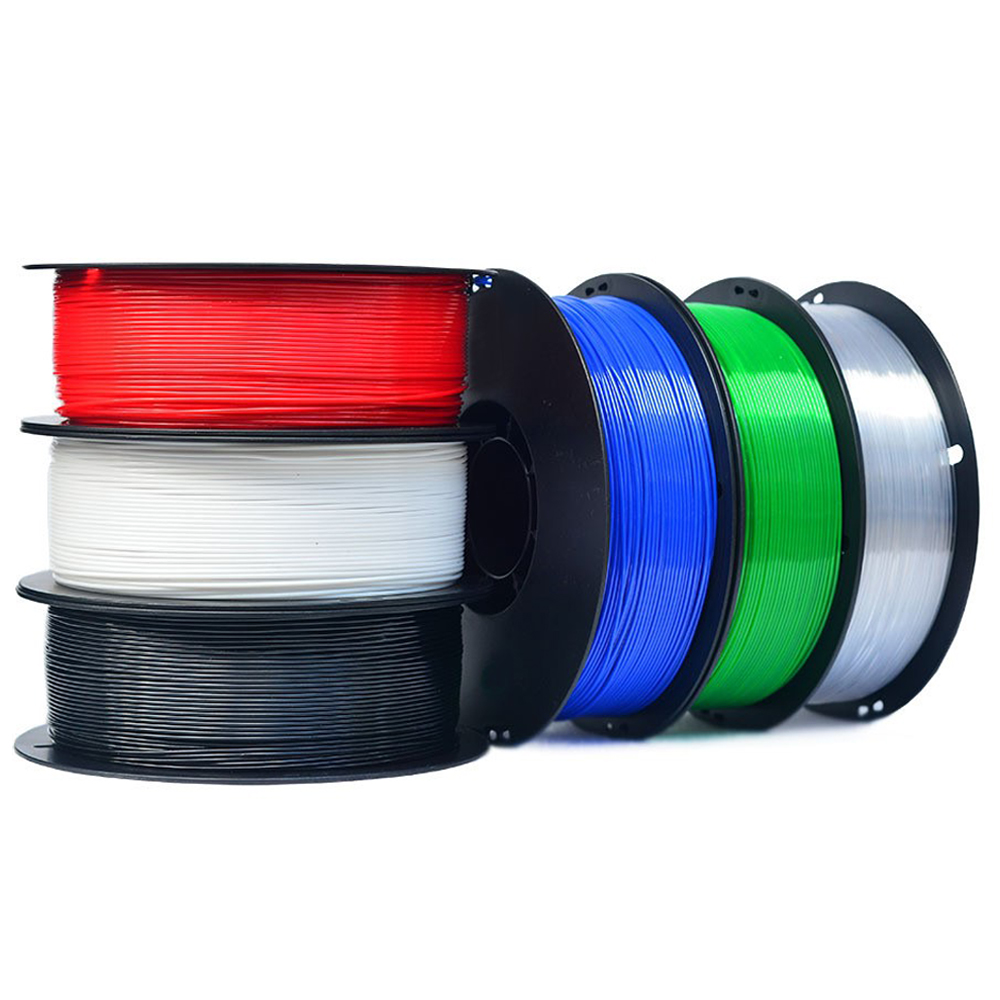
PETG 3D Printer Filament 1.75mm/2.85mm, 1kg
Tough & Clear Grade