
High-Performance Filaments for Mechanical Mounts & Prototyping
Explore specialized engineering-grade materials optimized for structural damping, functional test benches, and mechanical isolating assemblies.
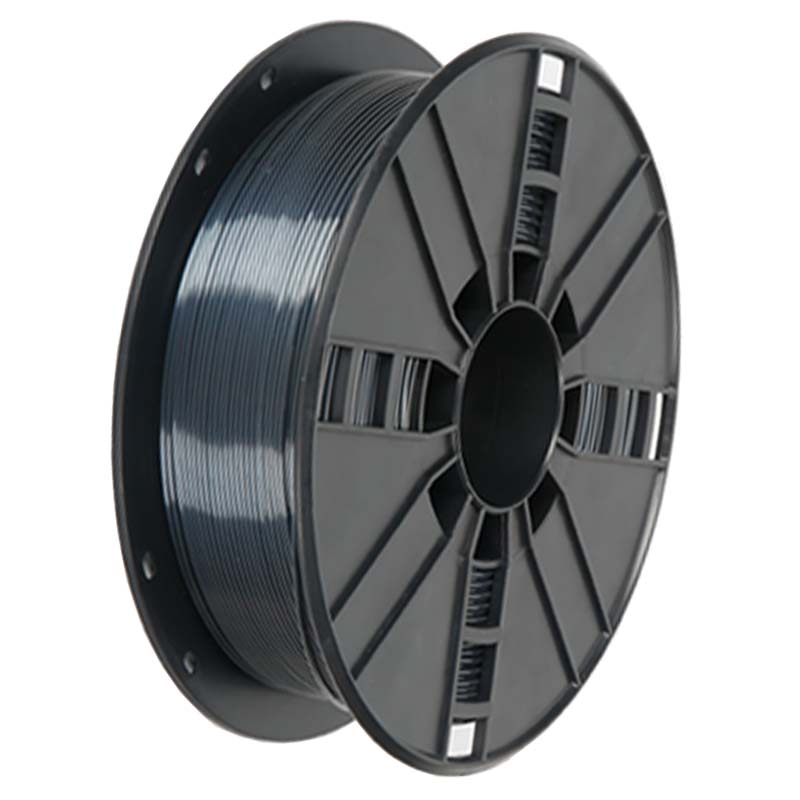 Silk PLA 3D Filament Silk shiny 3D filament
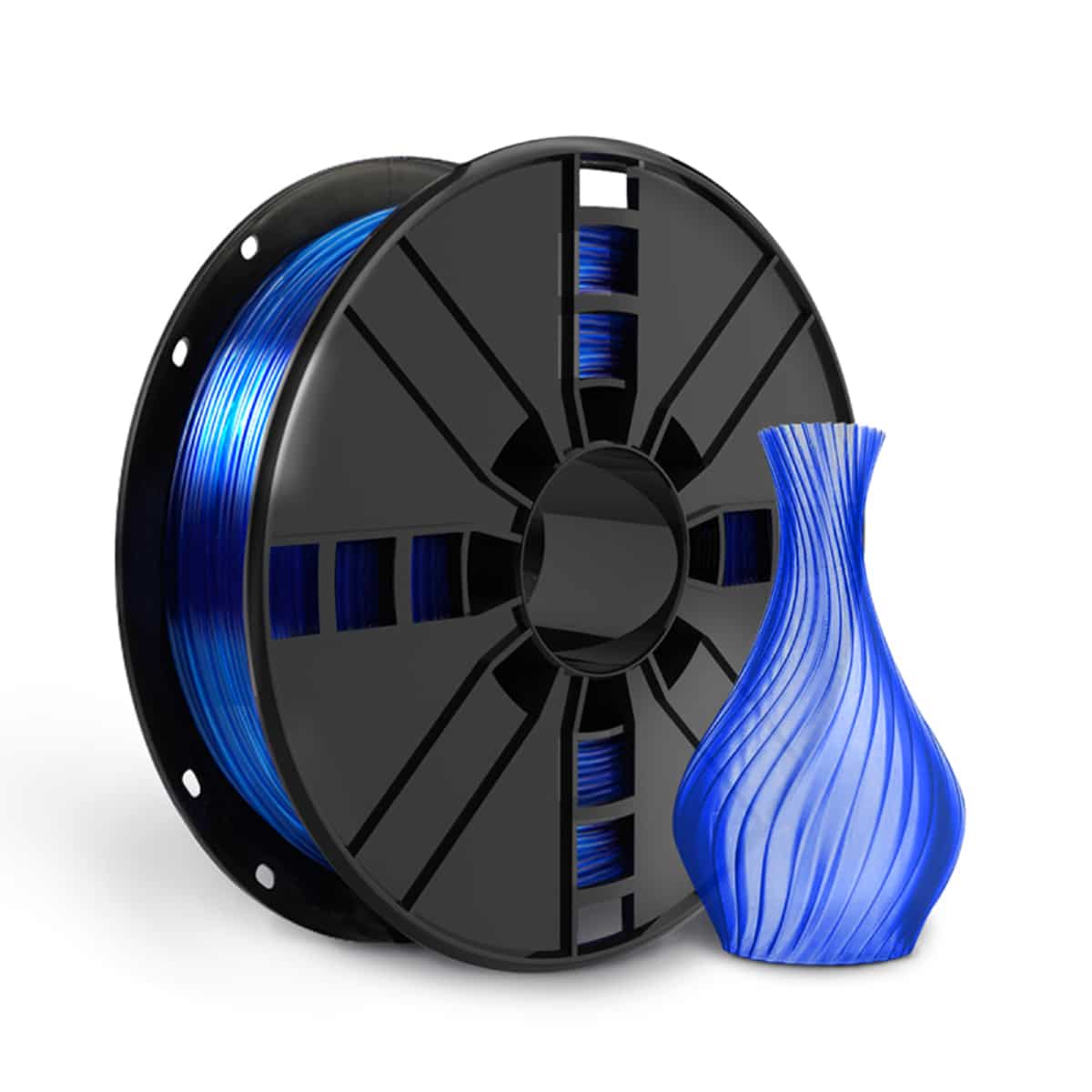 PETG filament 1.75 Blue for 3D printing
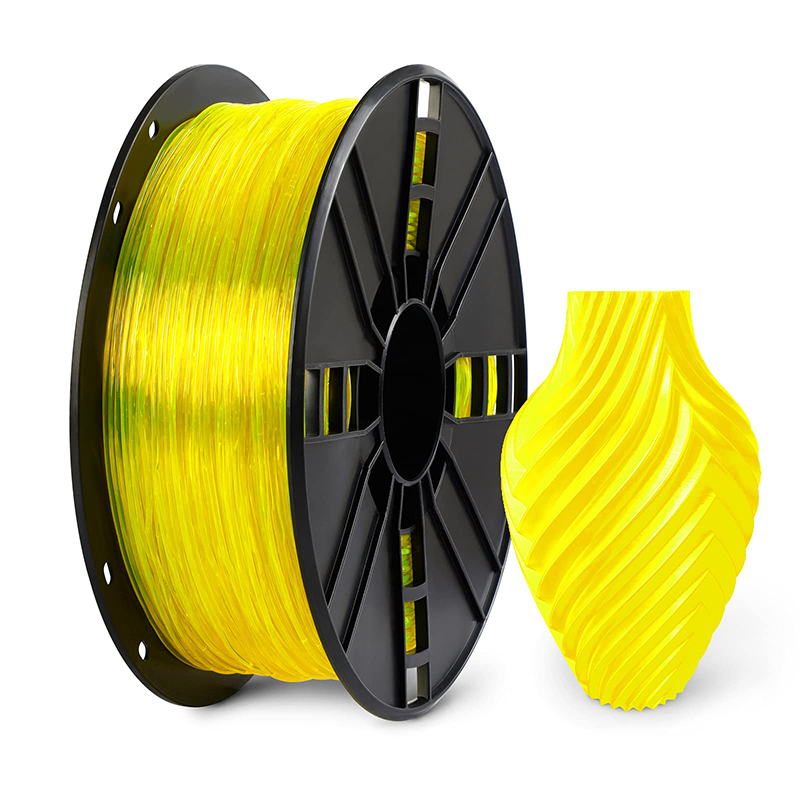 Rubber 1.75mm TPU 3D Printer Filament Yellow color
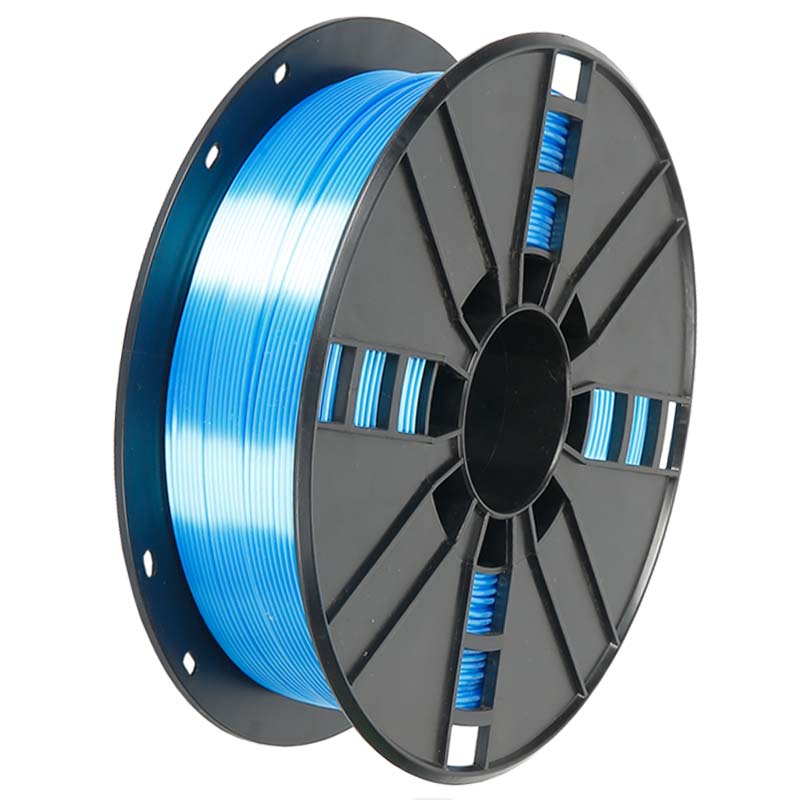 PLA Silk 3D filament blue 1.75mm
The Engineering Fundamentals of TPU in Industrial Vibration Isolation
In modern industrial automation, robotics, high-speed computer numerical control (CNC) machining, and precision metrology, mechanical vibration represents one of the primary drivers of kinematic inaccuracies, component fatigue, acoustic noise, and premature mechanical failure. Isolating structural resonance requires elastomeric materials that possess a balance of high tensile recovery, viscoelastic energy dissipation, chemical resilience, and mechanical toughness. Thermoplastic Polyurethane (TPU) filament has emerged as a state-of-the-art material class capable of meeting these critical operational demands via Fused Deposition Modeling (FDM) and Fused Filament Fabrication (FFF).
Unlike standard thermoset rubbers (such as nitrile butadiene rubber, neoprene, or silicone), which require expensive tooling, steel compression molds, and long vulcanization cycles, flexible TPU filaments enable digital fabrication of intricate, hollow, gyroidal, and metamaterial lattice architectures. These advanced geometries allow engineers to fine-tune dynamic spring rates ($k$) and loss factors ($\tan \delta$) on demand, yielding bespoke industrial vibration dampening mounts with uncompromised mechanical longevity.
Viscoelastic Dissipation
TPU combines hard segments (diisocyanates) for structural rigidity and soft segments (polyols) for elastomeric chain flexibility. This block copolymer configuration exhibits high mechanical hysteresis, converting unwanted cyclic kinetic shock into negligible thermal energy.
Harmonic Frequency Tuning
By controlling internal infill density, wall count, and isotropic cellular structures (e.g., TPMS Schwarz Diamond or Gyroid), engineers can shift the resonant natural frequency ($f_n$) of the mount far away from the operating excitation frequency of heavy machinery.
Chemical & Abrasion Resistance
Industrial environments subject isolation mounts to mineral lubricants, cutting fluids, hydraulic greases, and ozone exposure. TPU exhibits superior resistance to petroleum derivatives, aliphatic hydrocarbons, and cyclic micro-frictional wear compared to standard EPDM or natural rubber.
Commercial Landscape & Global Industry Trends
The global vibration damping market is undergoing a structural transition toward distributed, on-demand additive manufacturing. Historically, original equipment manufacturers (OEMs) and maintenance, repair, and operations (MRO) teams were constrained by off-the-shelf rubber-metal bonded bushings and anti-vibration feet. These catalog components frequently forced engineers into compromising on load ratings, geometry, or natural resonance frequencies.
Key technological and market drivers reshaping industrial dampening include:
- Digital Inventory and On-Demand Tooling: Additive TPU manufacturing enables factory floors to maintain virtual inventory CAD repositories, producing customized replacement dampers within hours, dramatically slashing equipment downtime.
- Functionally Graded Metamaterials: Modern multi-durometer printing or density-graded infills permit single-piece dampening mounts that are compliant on the exterior for vibration absorption while dense and rigid near threaded fasteners to avoid structural pull-out.
- Lightweighting in Robotics and Aerospace: In robotic arm end-effectors and drone payloads, mass reduction directly boosts kinematic response. TPU lattices provide shock attenuation at up to 60% lower mass compared to solid cast elastomers.
- Sustainability and Thermoplastic Recyclability: Unlike vulcanized thermosets that cannot be re-melted, TPU is 100% recyclable, reducing environmental footprint and complying with strict international circular-economy mandates.
Material Performance Benchmark: TPU vs Conventional Damping Elastomers
A rigorous engineering evaluation underscores why additive TPU filaments outclass legacy dampening compounds across severe mechanical, thermal, and chemical stress regimes.
| Material Classification | Shore Hardness Range | Tensile Strength (MPa) | Tear Resistance (kN/m) | Loss Factor (Tan δ @ 10Hz) | Hydrocarbon / Oil Resistance | Custom Geometry Fabrication |
|---|---|---|---|---|---|---|
| Industrial FDM TPU (Ether/Ester) | 85A - 98A / 60D | 35 - 55 | 110 - 160 | 0.15 - 0.35 | Excellent (Aliphatic & Oils) | Extreme (Direct Latticing) |
| Natural Rubber (NR) | 40A - 70A | 15 - 25 | 30 - 60 | 0.05 - 0.12 | Poor (Swelling / Degradation) | Low (Tooling Required) |
| Nitrile Rubber (NBR) | 50A - 90A | 10 - 20 | 35 - 70 | 0.10 - 0.20 | Good | Low (Molding Only) |
| Silicone Elastomer (VMQ) | 30A - 80A | 5 - 10 | 15 - 35 | 0.10 - 0.25 | Moderate (Degrades in Fuels) | Moderate (Cast / SLA Resin) |
| Cast Polyurethane (CPU) | 70A - 95A | 25 - 45 | 80 - 130 | 0.12 - 0.28 | Good | Low (Requires Molds) |
Mission-Critical Industrial Application Scenarios
Flexible TPU filaments engineered by Torwell Technologies are deployed across harsh operating environments where mechanical resonance must be eliminated to safeguard sensitive electronics, structural integrity, and manufacturing precision.
1. Collaborative Robotics & EOAT
Cobots and automated guided vehicles (AGVs) operating in automated warehouses experience repeated inertial jerk during acceleration cycles. 3D-printed TPU shock-absorbing end-of-arm tooling (EOAT) buffers delicate payloads against high-G decel spikes while damping servo motor hunting oscillations.
2. Optical Metrology & Vision Systems
High-resolution telecentric machine vision cameras installed on vibrating conveyor frames suffer from motion blur. Custom gyroid-infill TPU camera isolation brackets isolate high-frequency vibrations above 50 Hz, ensuring sub-micron inspection repeatability.
3. Industrial Pumps & Compressors
Positive displacement pumps and rotary screw compressors transmit low-frequency structural hum into factory floors. Dual-durometer TPU footers printed with progressive resistance lattices eliminate mechanical fatigue on pipe junctions and lower workplace decibel ratings.
4. Aerospace Avionics & Gimbal Mounts
Unmanned Aerial Systems (UAS) and specialized aerospace instrumentation require multi-axis shock isolation. Custom 95A TPU wire-rope-style dampers absorb both aerodynamic turbulence and high-RPM motor rotor resonance without catastrophic creep.
5. Semiconductor Cleanroom Conveyors
In silicon wafer transport systems, non-marking, low-outgassing, and anti-static TPU dampers prevent electrostatic build-up while smoothing out track transfer vibrations, protecting brittle crystalline substrates from micro-fractures.
6. Heavy Automotive Dyno Test Rigs
During powertrain durability testing, variable torque harmonics can damage calibration sensors. High-density TPU mounts withstand dynamic shear stresses while maintaining exceptional dimensional recovery over millions of loading cycles.
Additive Manufacturing & FDM Processing Parameters for TPU Mounts
Achieving optimum mechanical damping and structural inter-layer adhesion requires meticulous control over 3D printing parameters. Because vibration dampening components endure cyclic shear, tension, and compressive stresses, inter-layer bonding must approach 100% of the bulk isotropic polymer strength.
Extrusion & Thermal Control
Direct-drive extruders equipped with constrained filament paths are highly recommended for flexible TPU filaments to prevent buckling. Maintain nozzle temperatures between 210°C and 235°C (depending on Shore durometer) with bed temperatures set between 50°C and 65°C. Slightly higher printing temperatures enhance polymer melt fusion across layer boundaries, eliminating micro-voids that induce delamination under cyclic fatigue.
Lattice Geometry Selection
Avoid standard rectilinear or grid infills, as they exhibit anisotropic damping properties. Triply Periodic Minimal Surface (TPMS) structures, such as Gyroid and Schwarz Primitive, distribute compression loads uniformly in all 3 axes, offering linear spring rates and maximum energy absorption per unit volume.
Moisture Management & Storage
TPU is inherently hygroscopic. Water molecules absorbed into the polymer chains undergo hydrolytic degradation inside the hot-end melt chamber, creating internal steam micro-bubbles. These bubbles severely degrade tensile toughness and lead to acoustic inconsistency in the dampening mount. Always dry TPU filament at 65°C for 4-6 hours prior to high-performance industrial production runs.
Perimeter & Infill Tuning
For high-load dampers, specify a minimum of 4 to 6 perimeter shells. Increasing perimeter count shifts the component toward higher compression resistance, while increasing cellular infill volume fine-tunes the natural frequency without adding dead mass.
About Torwell Technologies Co., Ltd.
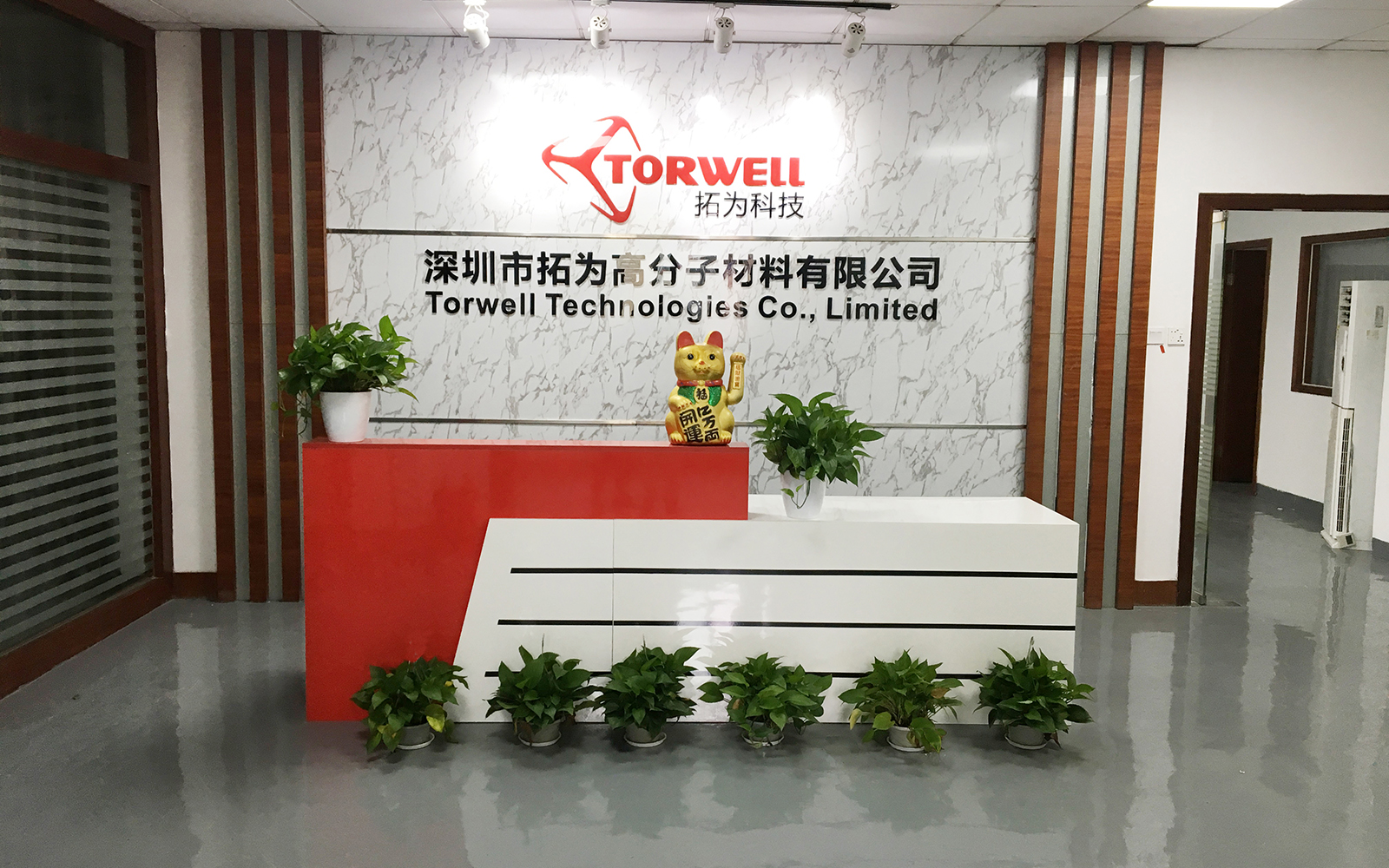
Company Profile & Global Manufacturing Excellence
Founded in 2011, Torwell Technologies Co., Ltd. is one of the earliest high-tech enterprises which specializing in high – tech 3D printer filaments research, manufacture and sell, occupies 2,500 square meters modern factory with production capacity of 50,000kgs per month.
With more than 10years experiences in 3D printing market exploration, cooperated with Institute for High Technology and New Materials in domestic famous universities, and engaging Polymer materials experts as technical adviser, Torwell becomes one of member of Chinese rapid prototyping association and leader enterprise with the most innovative products in 3D printing industry, owns independent intellectual property rights, patents and trademarks(Torwell US, Torwell EU, NovaMaker US, NovaMaker EU).
Torwell passed international quality management system ISO9001, international environment system ISO14001, the advanced manufacturing equipment, test devices and virgin raw materials available are introduced to produce and distribute 3D printer filament of unparalleled quality, to insure all the products of Torwell are compliant with RoHS standard, MSDS, Reach, TUV and SGS test certificated.
Be a reliable and professional 3D printing partner, Torwell has committed to expanding its products to America, Canada, UK, Germany, Netherlands, France, Spain, Sweden, Italy, Russia, Mexico, Australia, New Zealand, Brazil, Argentina, Japan, South Korea, Vietnam, Thailand, Malaysia, India, more than 80 countries and regions.
Comprehensive 3D Printing Materials Catalog
Explore Torwell's complete range of high-performance FDM/FFF 3D printing filaments engineered for industrial prototyping, functional tooling, and elastomeric vibration isolation.
PETG filament 1.75 Blue for 3D printing
Rubber 1.75mm TPU 3D Printer Filament Yellow color
PLA Silk 3D filament blue 1.75mm
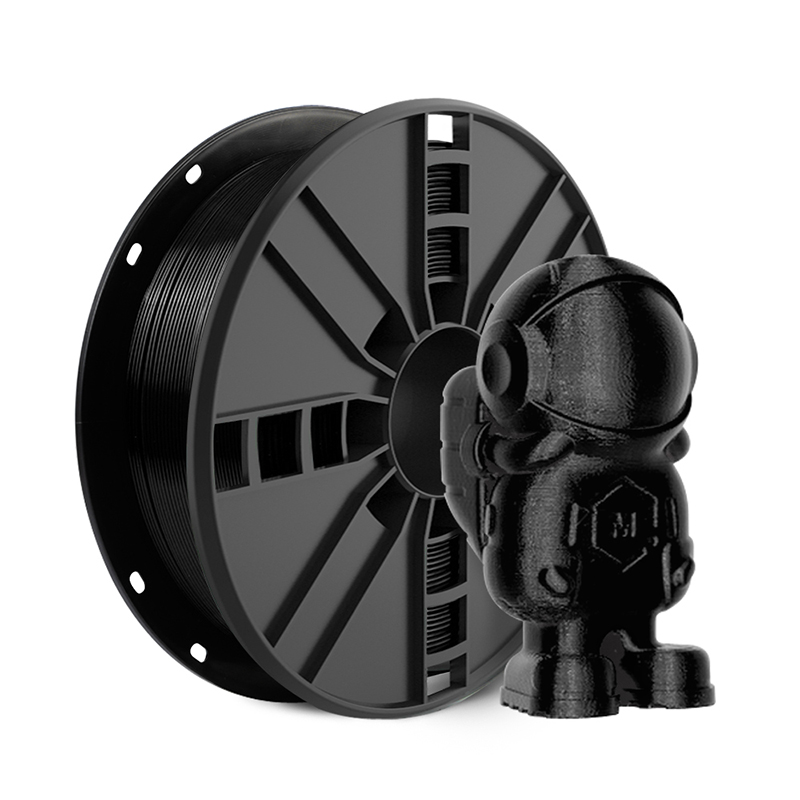 Torwell ABS Filament 1.75mm, Black, ABS 1kg Spool, Fit Most FDM 3D Printer
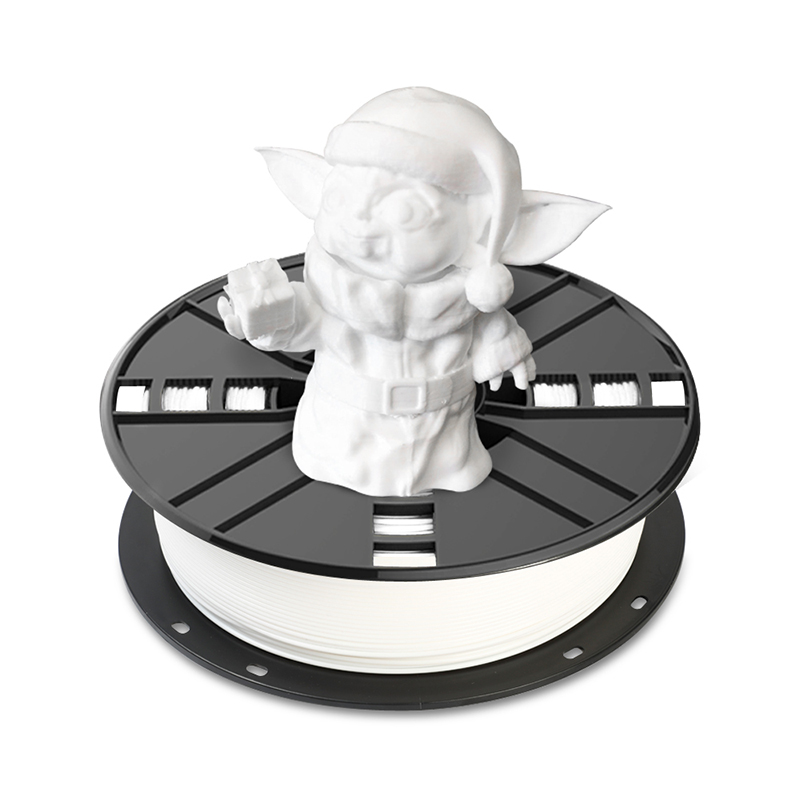 1.75mm PLA plus filament PLA pro for 3D printing
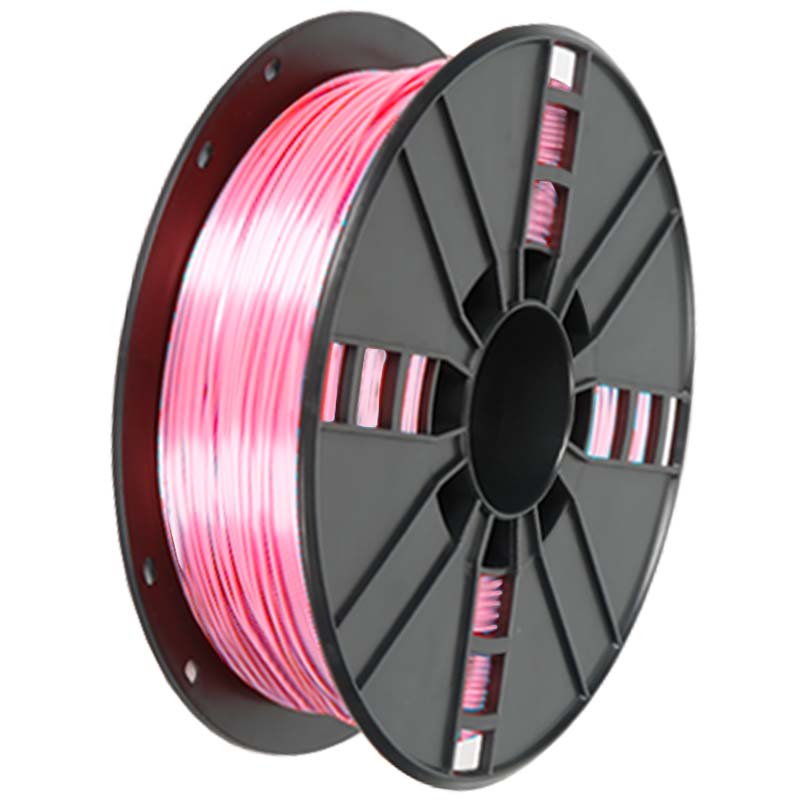 Silky Shiny 3D Printing Material for 3D Printer and 3D Pen, 1kg 1 Spool
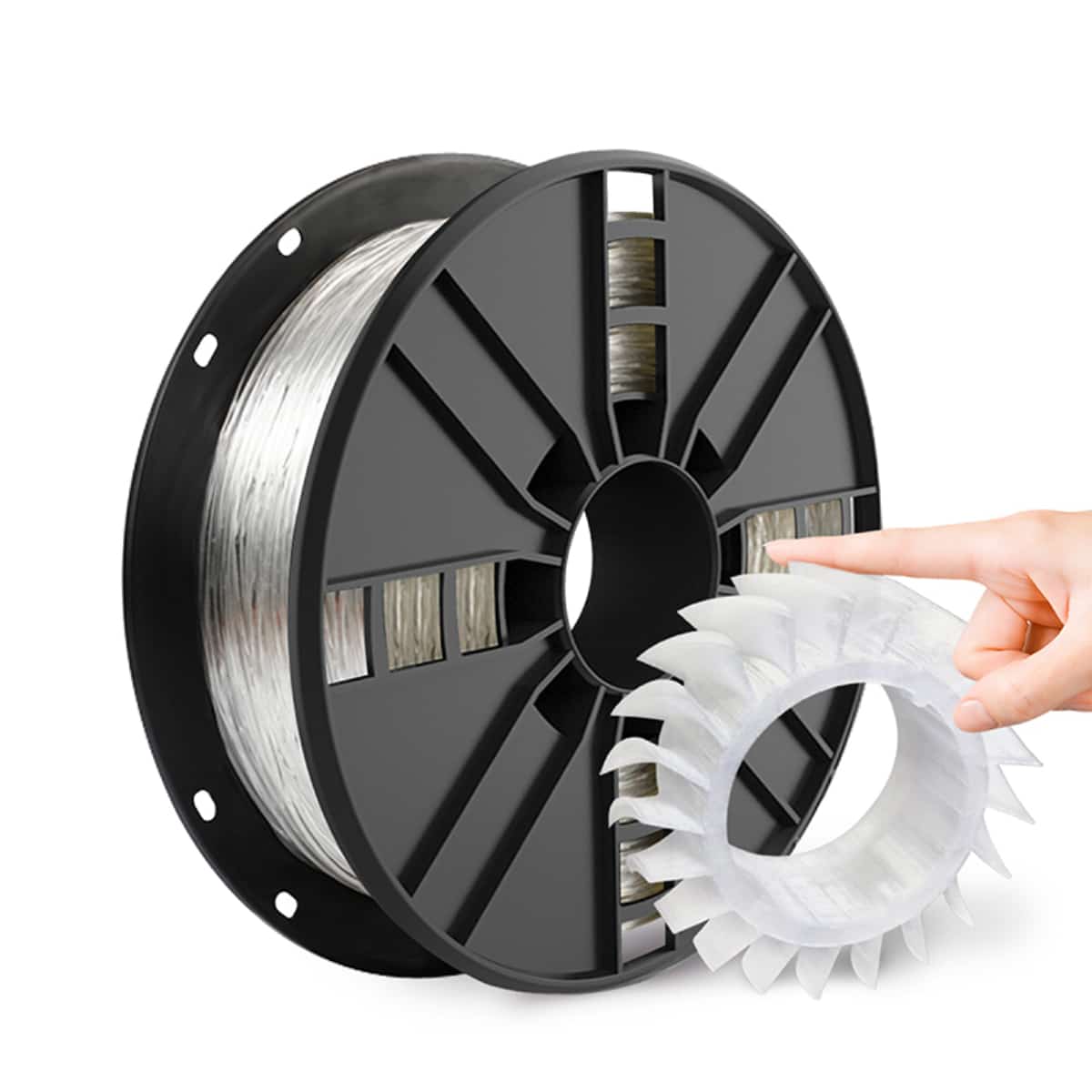 TPU filament 1.75mm clear Transparent TPU
Frequently Asked Questions: Flexible TPU for Dynamic Damping
What Shore durometer of TPU is best suited for industrial vibration mounts?
The ideal durometer depends directly on the static load and the target excitation frequency. For lightweight electronics, camera gimbals, and small sensors (under 2 kg), a soft durometer like 85A to 90A offers maximum deflection and isolation. For heavy machinery, industrial motors, and CNC frames carrying high compressive loads, 95A to 98A or semi-rigid 60D TPU is preferred to avoid complete compressive bottoming while damping low-to-mid frequency harmonics.
How does 3D printed TPU compare to molded rubber in vibration fatigue life?
When printed with proper thermal fusion (zero internal voids) and optimal perimeter counts, TPU exhibits superior cyclic flexural fatigue resistance compared to natural or neoprene rubber. TPU's high abrasion and tear resistance prevent micro-crack propagation over millions of dynamic cycles. Furthermore, TPU does not suffer from rapid ozone cracking or plasticizer leaching over time.
Can TPU vibration dampeners withstand oils, coolants, and thermal swings?
Yes. Ether-based and ester-based industrial TPU formulations offer robust resistance to industrial greases, hydraulic oils, and synthetic cutting fluids. Thermally, Torwell TPU maintains elastomeric flexibility from -30°C up to +80°C (+100°C intermittent), making it well-suited for under-hood automotive fixtures and enclosed industrial machine bays.
Why choose gyroid infill over standard grid infill for anti-vibration mounts?
Grid infills have stiff linear internal columns that resist force along single vectors and buckle suddenly once critical load is exceeded. Gyroid infill is a continuous, mathematically optimized 3D wave structure with isotropic load-bearing properties. It yields smooth, non-linear progressive damping in all directions (X, Y, and Z axes), preventing harsh bottom-out shock transfers.