
Engineered Rapid Prototyping Filaments For Footwear Innovation
Essential 3D printing polymers optimized for custom midsole damping, structural shank reinforcement, and multi-durometer sole prototyping.
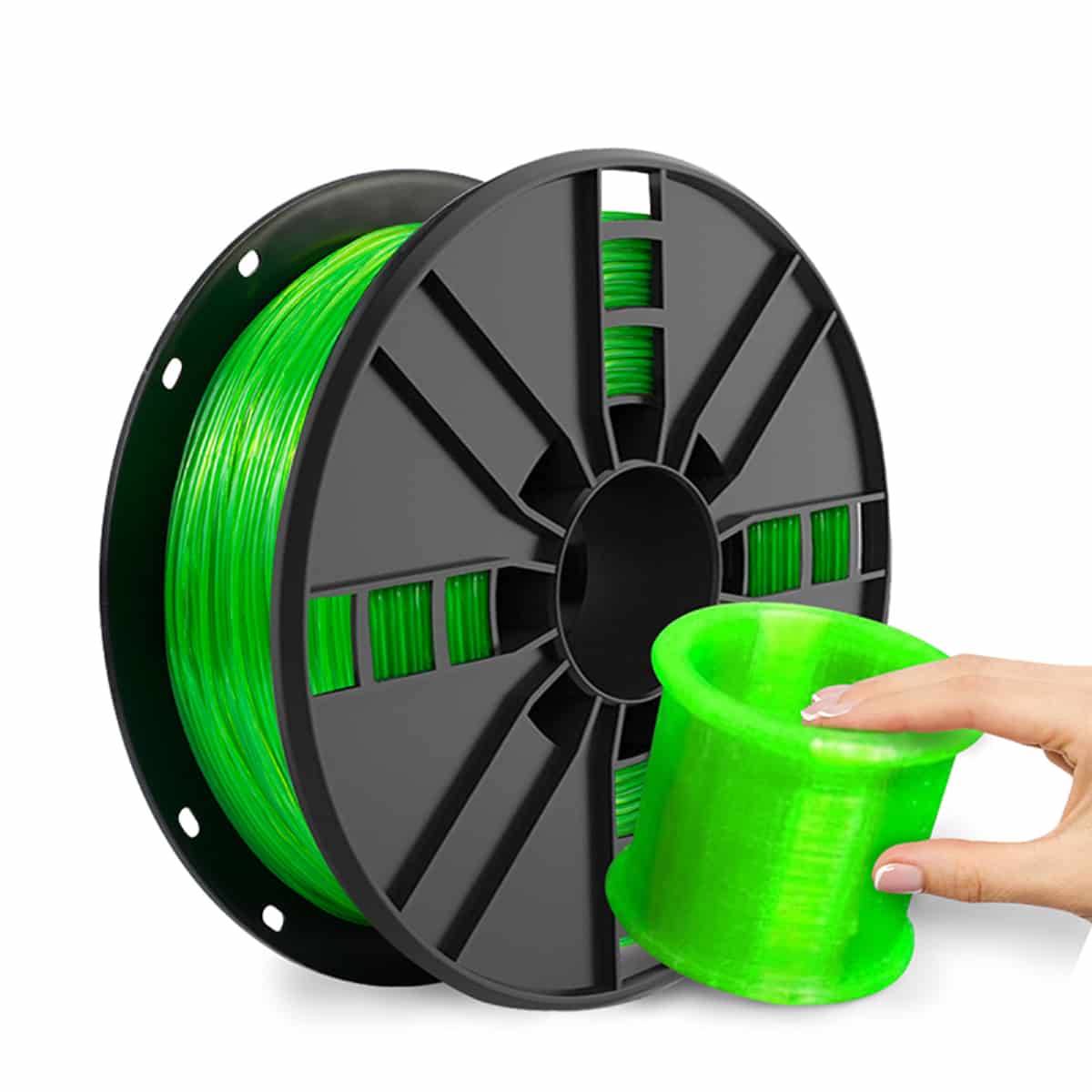
High-elasticity elastomer engineered for dynamic impact absorption and compliant shoe sole lattice matrices.
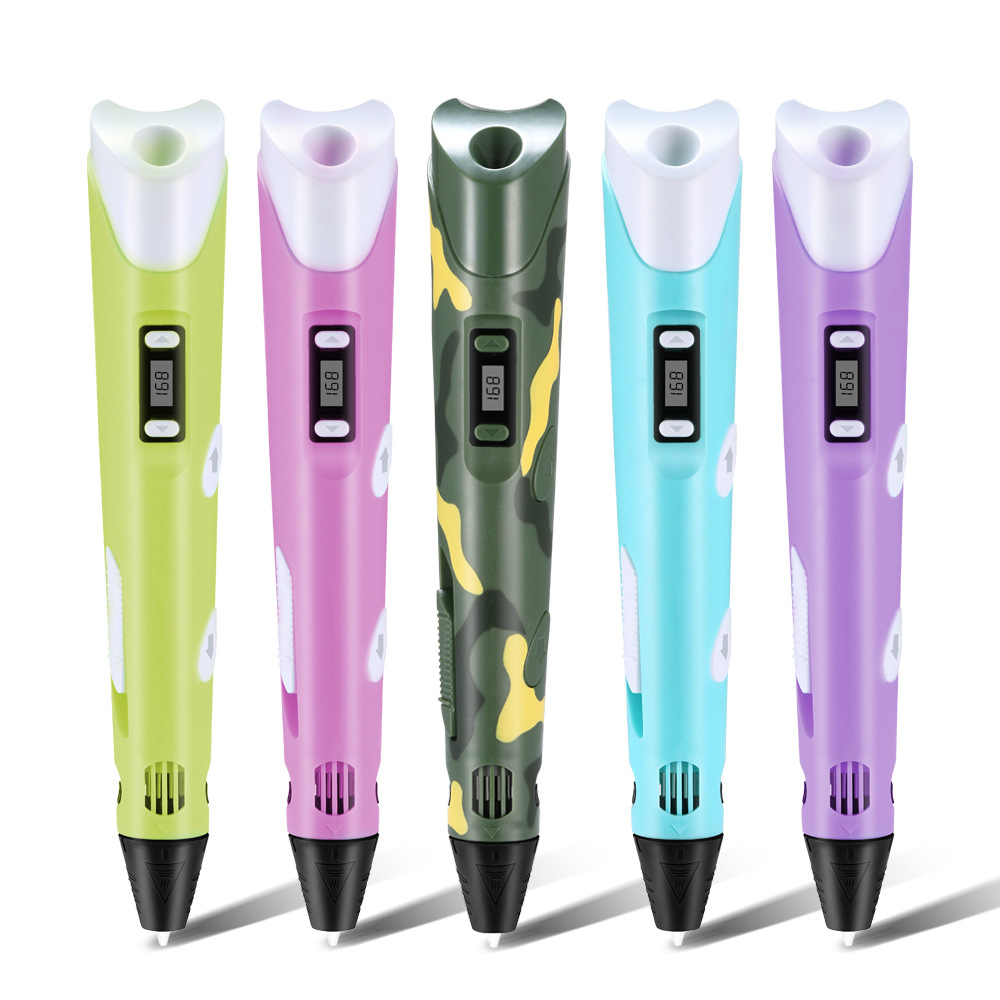
Precision manual extrusion tool for rapid seam bonding, aesthetic accentuation, and concept sole touch-ups.
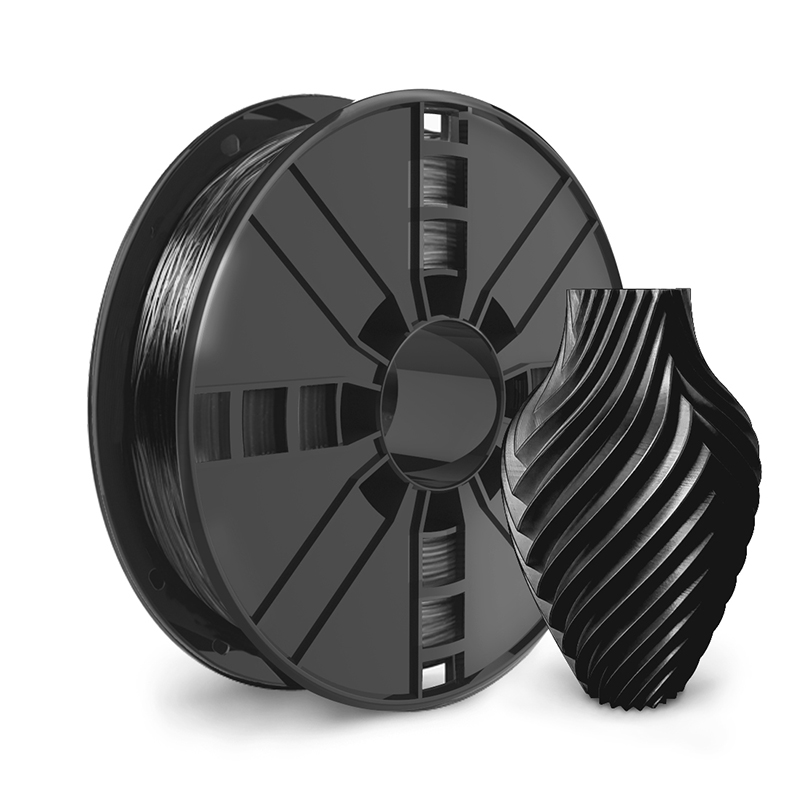
Wear-resistant, high-flex polyurethane ideal for functional tread patterns and outsole friction testing.
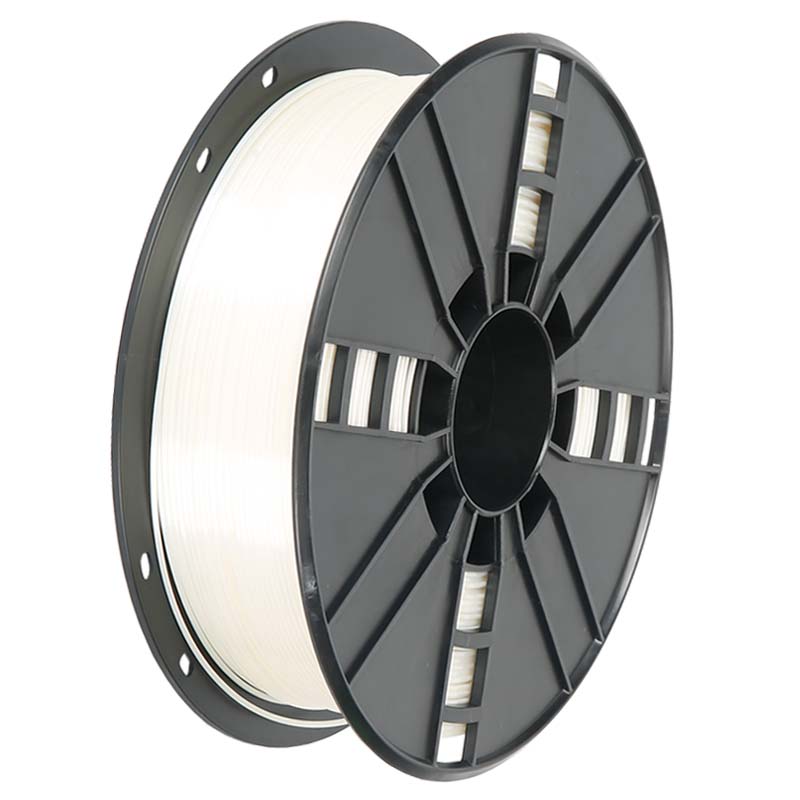
High-aesthetic visual mockup filament for shoe lasts, ergonomic master tooling, and exterior sole validation.
The Paradigm Shift: From EVA Foams to Carbon-Reinforced Digital Soles
How additive manufacturing and chopped carbon fiber polyamides are transforming footwear performance, biomechanics, and rapid product development.
The Engineering Dilemma in Modern Cushioning Prototyping
For decades, athletic and therapeutic footwear manufacturing relied almost exclusively on chemical foaming agents, primarily Ethylene-Vinyl Acetate (EVA) and expanded Thermoplastic Polyurethane (eTPU). While these materials provide adequate shock attenuation, their conventional production demands multimillion-dollar aluminum injection tooling, weeks of mold machining, and severely limits localized stiffness tuning.
The emergence of NylonX Carbon Fiber Filament has radically disrupted this paradigm. By compounding high-grade Polyamide (Nylon 12 or Nylon 6) with high-modulus chopped carbon microfibers (typically 15% to 20% by weight), engineers achieve an exceptional strength-to-weight ratio, structural fatigue endurance, and rigidity that matches or exceeds traditionally compression-molded composite plates. In custom shoe sole cushioning prototypes, NylonX serves as the structural backbone—enabling complex energy-return propulsion plates, torsional shanks, and hybrid meta-structure lattice frames.
NylonX allows footwear biomechanists to iterate shoe sole deflection curves, rocker geometries, and torsional transition stiffness in hours instead of months, drastically decreasing the athletic shoe product development cycle from 18 months to under 3 weeks.
Torsional Rigidity & Energy Return
Carbon fiber micro-reinforcement elevates the flexural modulus of polyamide up to 6000 MPa, preventing excessive midfoot torsion and maximizing propulsive energy return during the terminal stance and toe-off phases of the human gait cycle.
Dynamic Cyclic Fatigue Resistance
Unlike unreinforced thermoplastics that creep and deform under continuous repetitive cyclic load, NylonX retains structural integrity and damping profile stability across 100,000+ continuous gait strike simulations without delamination.
Anisotropic FEA Tailoring
Fused Filament Fabrication (FFF) allows footwear designers to direct the deposition vector of carbon fibers along high-stress trajectory lines calculated via Finite Element Analysis (FEA), yielding tailored anisotropic stiffness.
Custom Sole Cushioning Architectures: Lattice Mechanics & Hybrid Extrusion
Designing next-generation parametric geometries that blend compliant elastomer damping with carbon-reinforced structural stability.
Cellular Lattice Topology Optimization in Shoe Midsoles
Modern cushioning prototypes no longer rely on uniform solid blocks. Using generative design software, footwear developers generate functionally graded Triply Periodic Minimal Surfaces (TPMS) such as Gyroid, Schwarz Diamond, and Neovius cells, or Voronoi stochastic foams.
- Heel Strike Deceleration Zones: Highly open, flexible TPU structures absorb initial kinetic shock and ground reaction forces (GRF) without bottoming out.
- Midfoot Stability Core: Dense NylonX carbon fiber lattice struts resist inward overpronation while maintaining breathability and ultra-lightweight mass.
- Forefoot Spring Elements: Embedded thin NylonX leaf-spring curvature profiles store kinetic compression and rebound instantly during push-off.
This multi-material synergy is realized by co-printing or mechanically interlocking NylonX Carbon Fiber with flexible filaments like Torwell TPU. The thermal compatibility and chemical affinity of high-grade engineering polymers ensure robust inter-layer cohesion across complex geometric interfaces.
Material & Prototyping Benchmark: Traditional Tooling vs. NylonX Additive Cushioning
| Performance Parameter | Traditional EVA / Polyurethane Foam | Machined Solid Carbon Plate | NylonX Carbon Fiber 3D Prototype |
|---|---|---|---|
| Prototyping Lead Time | 4 – 8 Weeks (Mold Tooling) | 2 – 3 Weeks (CNC / Autoclave) | 4 – 12 Hours (Direct Print) |
| Tooling & Setup Cost | $5,000 – $25,000 per mold size | $3,000 – $10,000 fixture cost | $0 Zero Tooling Required |
| Localized Modulus Grading | Homogeneous / Uniform density | Uniform planar stiffness | Fully Variable 3D Density |
| Flexural Modulus (GPa) | 0.02 – 0.15 GPa | 50 – 120 GPa (Excessively stiff) | 4.5 – 6.8 GPa (Optimal Spring) |
| Custom Fit Personalization | Cost-prohibitive for individuals | Impractical for custom orthotics | 100% Patient / Athlete Specific |
| Design Complexity / Overhangs | Limited by draft angles & ejector pins | 2.5D planar profiles only | Complex Non-manifold Lattices |
End-to-End Engineering Workflow: From Plantar Pressure Scan to Functional Test
A systematic guide to fabricating functional, race-ready shoe sole cushioning assemblies with NylonX filament.
Plantar Pressure & 3D Scan
High-speed baropodometric pressure plates and optical foot scanners capture dynamic pressure distribution during running strides, identifying peak stress zones across the calcaneus and metatarsals.
Parametric Algorithmic Modeling
Generative design algorithms map pressure intensities to spatial lattice unit size, strut thickness, and internal carbon fiber reinforcement plate curvature, optimizing cushioning response.
FFF Slicing & Thermal Control
Slicing parameters are calibrated: hardened steel / ruby nozzle (0.4–0.6mm), 255°C–270°C hotend temperature, 80°C heated bed with active chamber heating to eradicate internal micro-voids and warping.
Direct Precision Extrusion
NylonX is deposited with tight ±0.02mm diameter consistency. The chopped carbon fibers naturally orient along the deposition path, imparting supreme directional strength along sole flexure axes.
Thermal Annealing (Optional)
Post-print thermal conditioning at 80°C for 4 to 6 hours relieves residual extrusion stresses, increases polymer crystallinity, and maximizes interlaminar bonding strength by up to 25%.
Dynamic Mechanical Validation
The prototype sole is mounted on pneumatic mechanical test benches for ASTM F1614 shock attenuation and flex endurance validation, followed by immediate athlete track wear-testing.
Industrial Manufacturing Excellence & Material Quality Assurance
Our manufacturing ecosystem adheres to strict international standards to ensure zero filament defects for mission-critical prototypes.
Quality Control
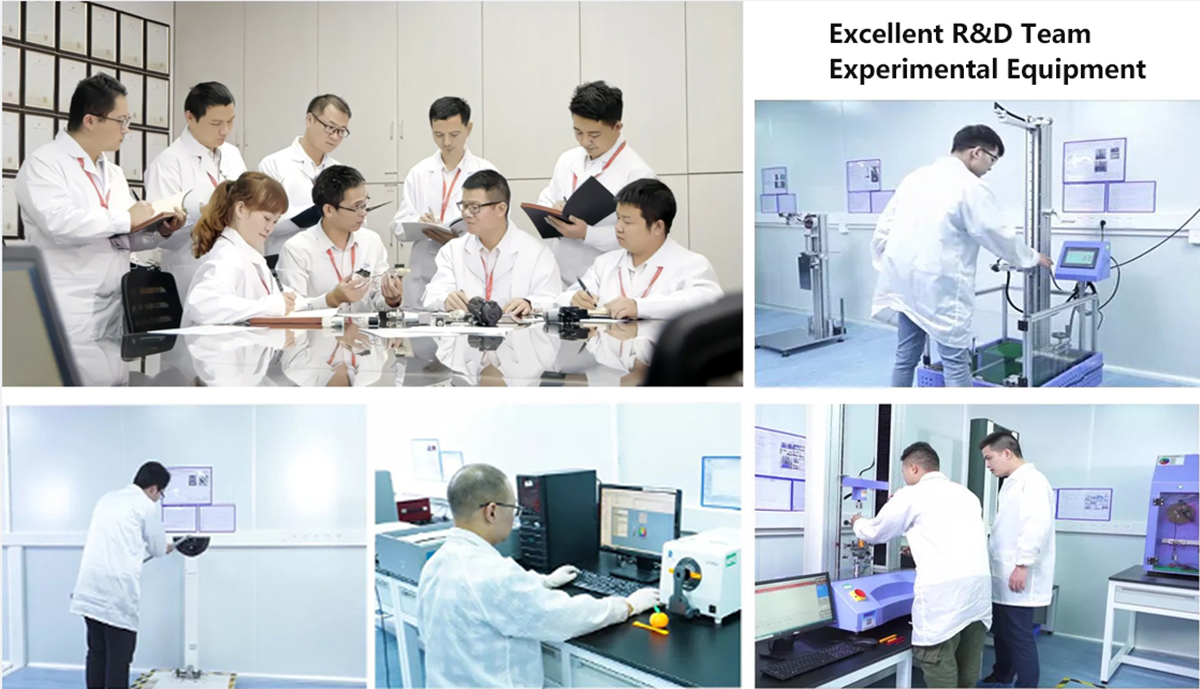
The factory area has passed ISO45001 occupational health and safety management system certification. Every new employee must be experienced one week of safety production knowledge teaching and two weeks of produce skills training, and master every course in the production process. Who is in the position will be responsible for its duty.
This rigorous standard ensures that every spool of high-performance NylonX carbon fiber and flexible elastomer filament satisfies strict engineering specifications required by footwear R&D laboratories globally.
Raw Material Selection
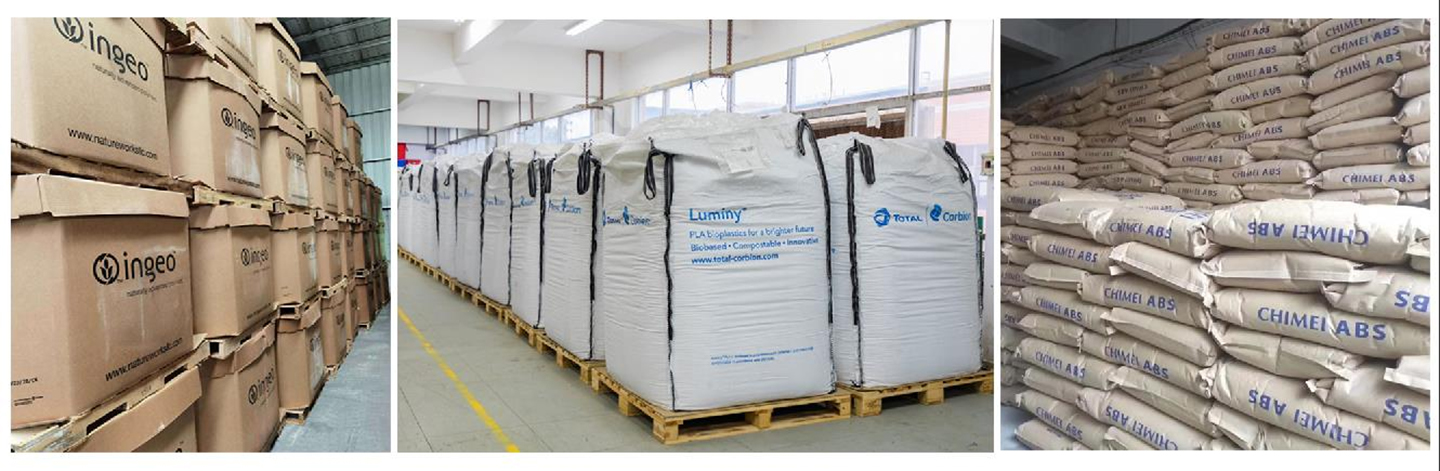
PLA is the most preferred material for 3D printing, Torwell firstly chooses PLA from US NatureWorks, and Total-Corbion is the alternative. ABS from TaiWan ChiMei, PETG from South Korea SK. Each batch of main raw materials comes from the partners who has cooperated more than 5 years to ensure the reliability of the products from the source. Each batch of raw materials will undergo parameters inspection before produce to ensure that raw materials are original and virginal.
Our specialized engineering-grade Polyamide resin and pristine micro-carbon fibers undergo meticulous desiccant dehumidification prior to compounding, guaranteeing zero hydrolytic degradation and supreme melt uniformity.
High-Precision Equipment
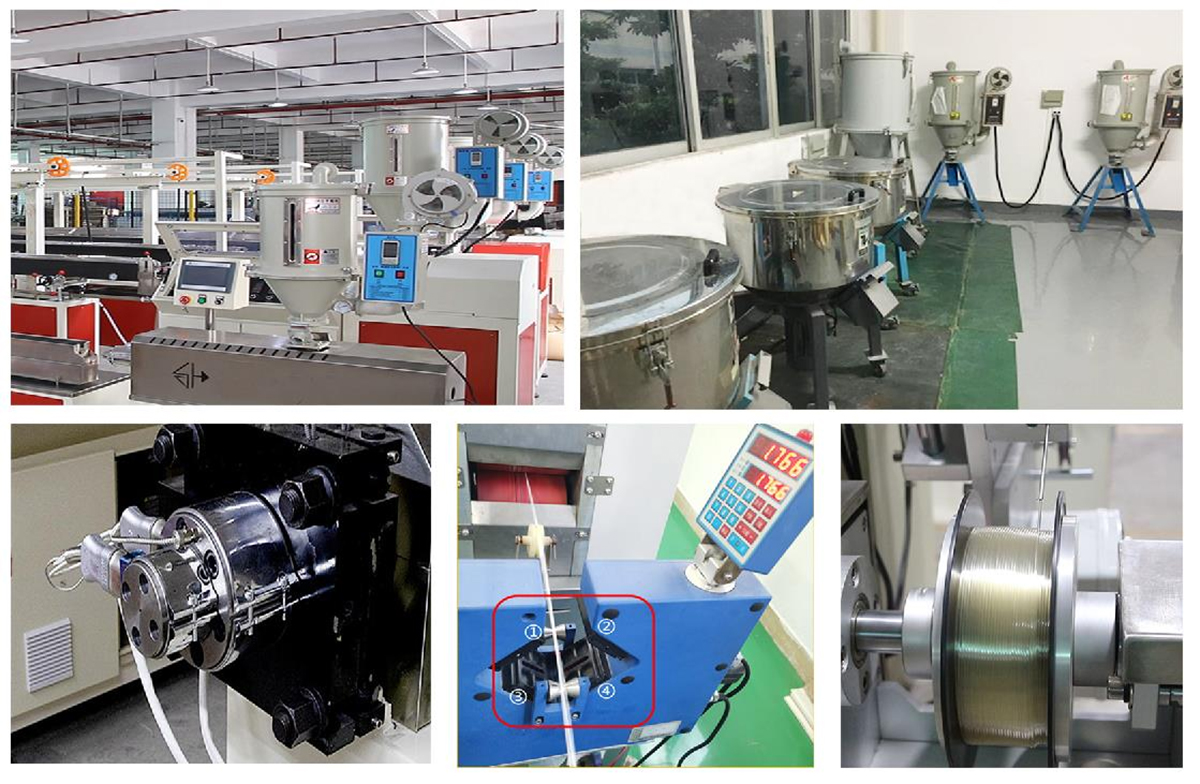
The manufacturing workshop will make arrangements after the inspection of raw materials, at least two engineers cross-check the clearance of mixing tank, color mixed of material, humidity from hopper dryer, temperature of extruder, hot/cool tank, and trial-produce and debugging the produce line to make sure all of processes in the best condition. Maintain the filament Diameter tolerance +/- 0.02mm, Roundness tolerance +/- 0.02mm.
Final Inspection & Packaging
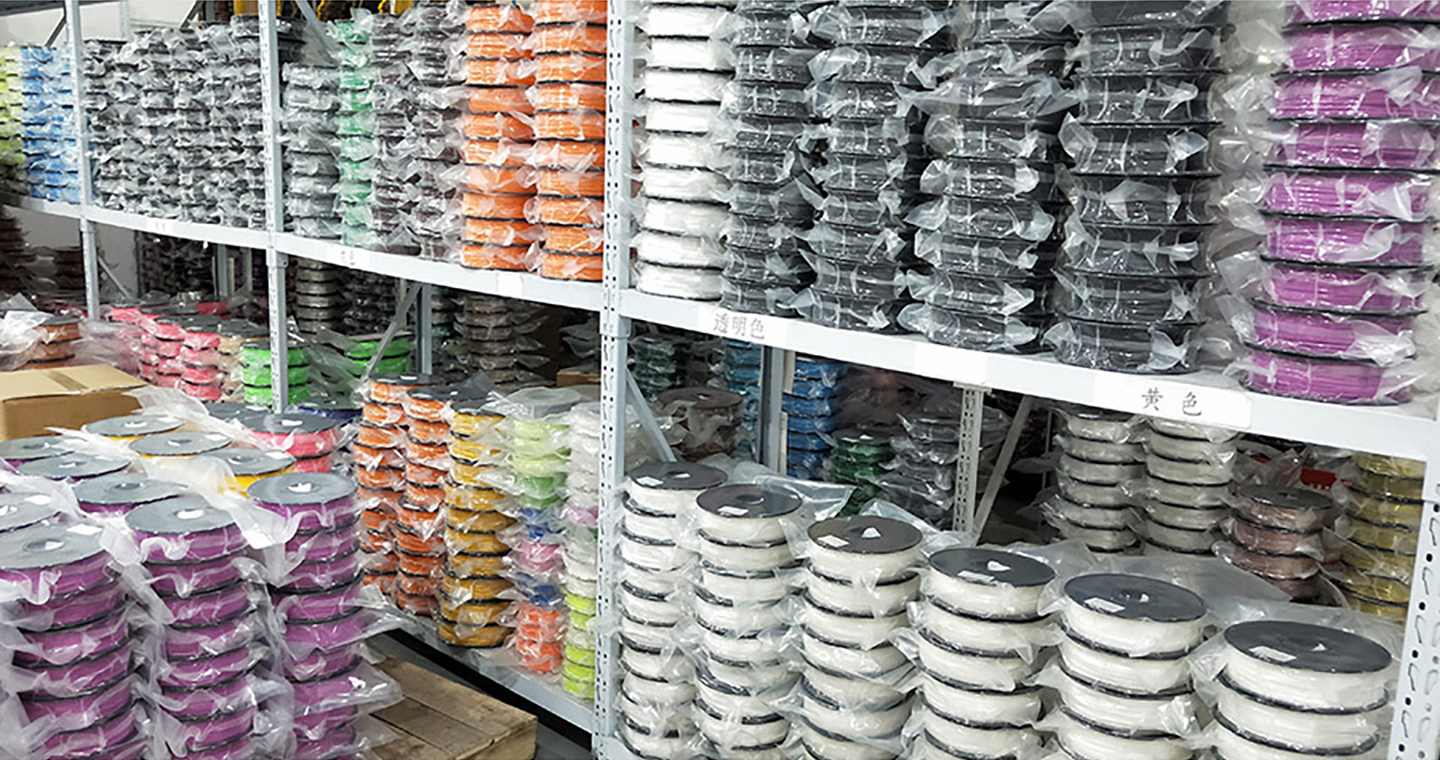
After each batch of 3D filament is produced, two quality inspectors will conduct random inspections on each batch of finished products in accordance with the requirements of the standard, such as diameter tolerance, color consistency, strength and toughness and so on. After vacuuming the package, place them for 24 hours to check whether there is any leaking package, then label it and finish the package.
The Future Outlook: Generative AI, Circular Composites & Smart Soles
Emerging technological frontiers driving the next evolution in custom athletic footwear and biomedical orthotics.
AI-Driven Generative Midsole Infill
Machine learning models trained on millions of foot strike data points are automating the generation of variable-density NylonX carbon fiber support spines, optimizing energy return for individual sprint mechanics in real time.
Circular Carbon Fiber Recycling
Closed-loop recycling processes are emerging where discarded carbon fiber prototype soles are mechanically reground, re-extruded, and repurposed into new composite filament with minimal mechanical property loss.
Embedded Micro-Sensor Channels
Complex 3D printed NylonX chassis now feature internal geometric conduits designed to house piezoelectric sensors and Bluetooth telemetric modules for real-time gait biomechanics analysis during live on-field trials.
Comprehensive Additive Prototyping Filament Portfolio
Explore our full line of industrial-grade 3D filaments engineered for footwear functional testing, concept mockups, and end-use components.
Elastic polymer offering exceptional shock absorption and resilience for responsive shoe sole cushioning prototypes.
Portable manual 3D extrusion pen for rapid physical mockups, seam sealing, and custom footwear upper enhancements.
Abrasion-resistant elastomeric material tailored for rugged outsole traction lugs and high-flex hinge points.
Premium pearlescent aesthetic finish ideal for presentation models, lasting molds, and footwear showpieces.
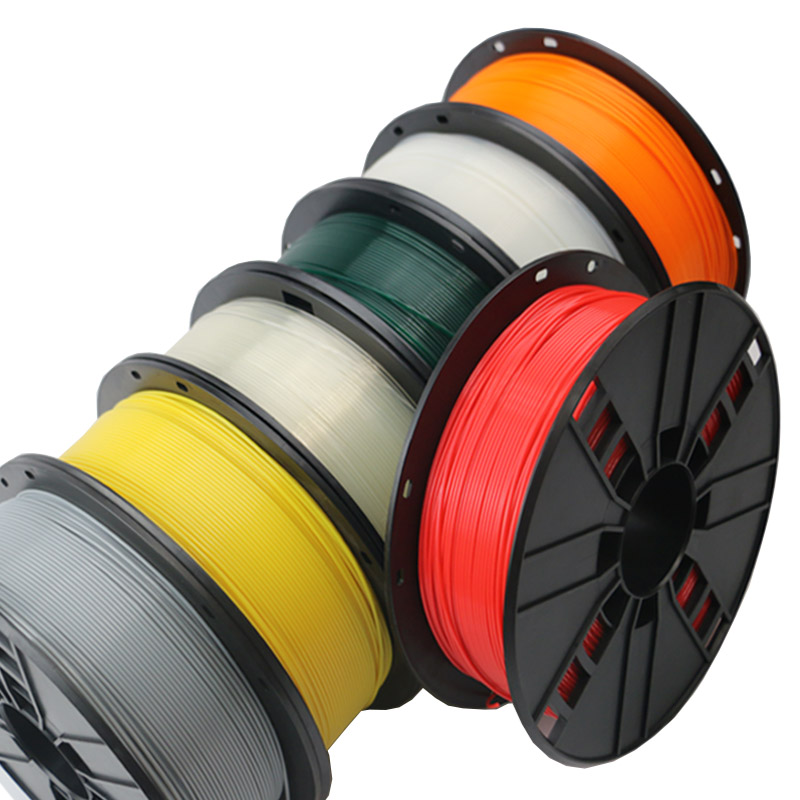
Ultra-reliable, warp-free bio-polymer for dimensionally stable shoe sole tooling fixtures and structural shells.
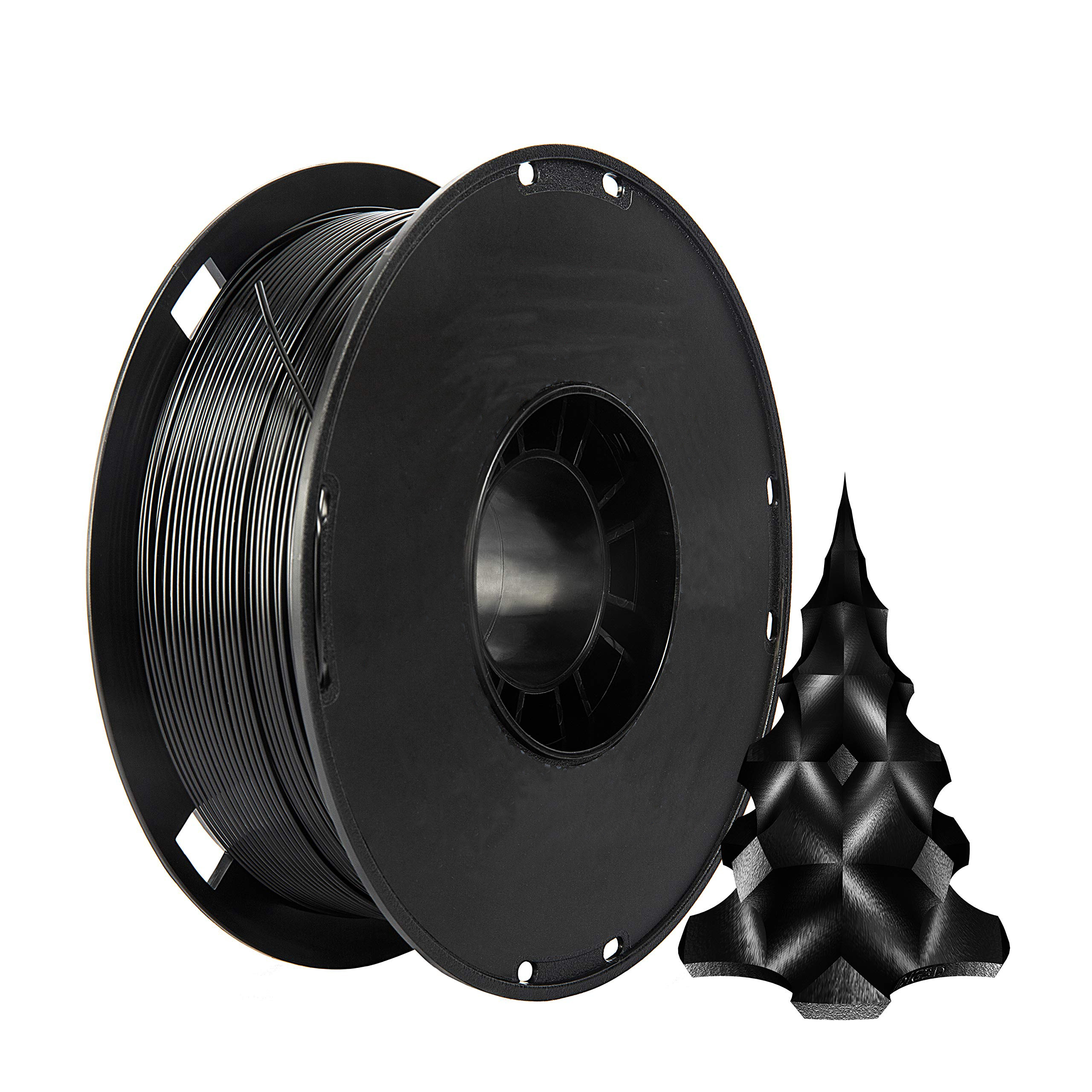
Engineering polycarbonate offering extreme impact resistance and thermal stability for heavy-duty sports cleat prototypes.
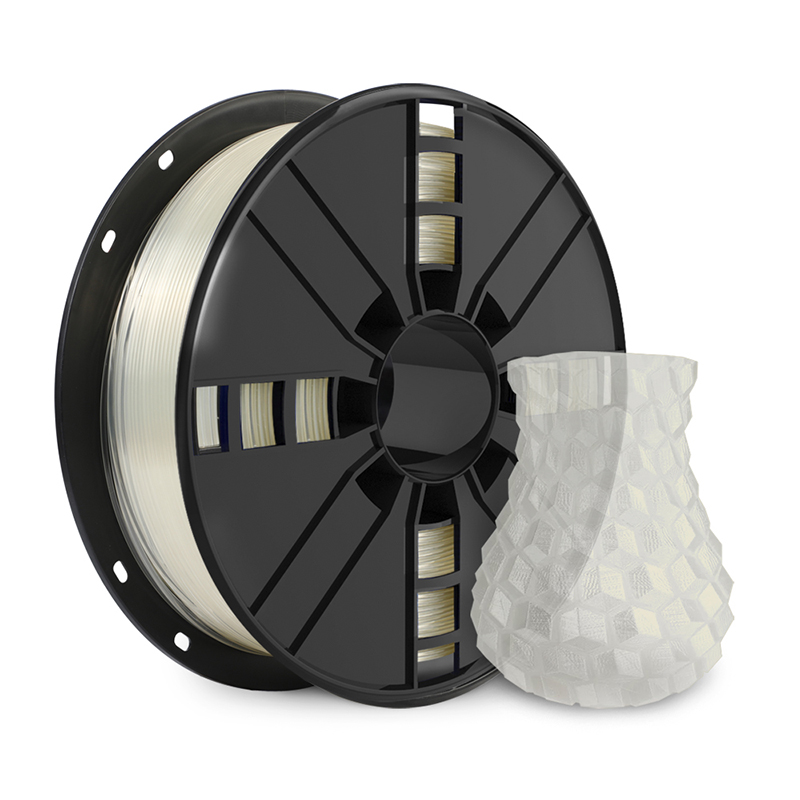
Optically translucent material engineered to inspect internal lattice channels, cushioning chambers, and airflow routing.
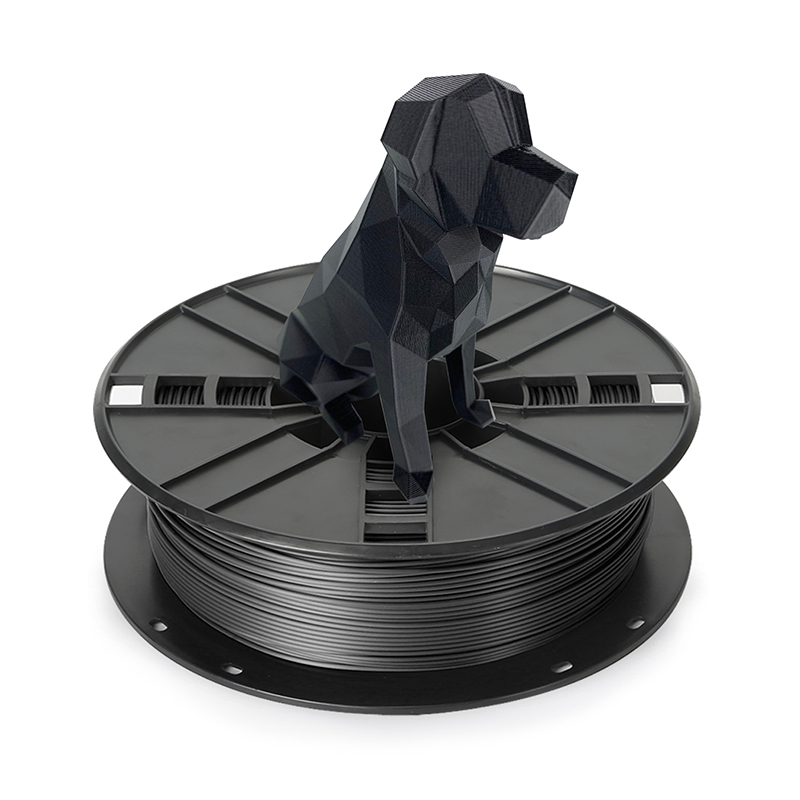
Enhanced impact-modified PLA delivering superior layer adhesion and fracture toughness for functional testing assemblies.