Engineered High-Strength Materials for Case Prototyping
Industrial-grade composite filaments optimized for precise dimensional stability, rugged exterior resilience, and everyday impact absorption.
Superior Stiffness & Resilience
Micro-carbon fibers embedded within engineering nylon matrix deliver unprecedented tensile modulus and drop-impact resistance, eliminating typical thermoplastic deflection.
Matte Anti-Slip Micro-Texture
The natural fiber dispersion yields an executive, non-reflective matte finish that enhances tactile grip while concealing additive layer lines without intensive post-processing.
Thermal & Chemical Resistance
Exceptional heat deflection resistance enables mobile devices to operate intensively under harsh field conditions, resisting solar heating and common chemical exposure.
Industrial Trajectory: The Evolution of Custom Protective Cases
The modern enterprise and consumer landscape has shifted decisively away from generic, mass-produced injection-molded phone cases. As premium smartphones integrate advanced array cameras, delicate glass backings, foldable hinge mechanisms, and ultra-dense lithium-ion battery cells, the demand for precision protective enclosures has surged. Industrial users, tactical operators, field engineers, and demanding consumers now require customized physical enclosures that offer bespoke form-factors, integrated mounting mechanisms, and structural survivability under mechanical stress. Within this high-spec manufacturing ecosystem, NylonX Carbon Fiber filament—a composite matrix combining tough engineering polyamide with chopped high-modulus carbon fibers—has emerged as the definitive material standard for on-demand additive manufacturing.
Historically, protective cases relied on thermoplastic polyurethane (TPU) and polycarbonate (PC) combinations. While flexible and shock-absorbent, unreinforced thermoplastics suffer from structural creep, UV degradation, thermal warping when exposed to automotive dashboards or outdoor environments, and bulkiness when engineered for maximum drop protection. Integrating short carbon fibers into high-grade nylon polymers addresses the fundamental trade-off between weight and mechanical durability. The resulting composite achieves an exceptional strength-to-weight ratio, allowing engineers to design ultra-thin yet exceptionally stiff phone shells that absorb catastrophic drop kinetic energy through engineered structural crumple geometries rather than excessive material bulk.
Technical Superiority: Why Carbon Fiber Reinforced Polyamide Outperforms Standard Polymers
The micro-mechanics of NylonX filament offer unique mechanical advantages specifically calibrated for thin-walled electronics enclosures:
1. Unmatched Dimensional Stability and Zero Warpage: Pure nylon is notorious for thermal shrinkage and environmental moisture uptake, leading to warping during print cooling. By embedding finely chopped carbon fibers, the thermal expansion coefficient of the polymer matrix is drastically minimized. This stability is critical for smartphone protective cases, where internal dimensional tolerances must align precisely with button arrays, millimeter-wave 5G antennas, microphone ports, and MagSafe induction coils. Tolerances within +/- 0.02mm ensure a tight snap-fit installation that prevents particulate ingress between the phone and case.
2. Elevated Heat Deflection Temperature (HDT): High-end smartphones running graphics-intensive workloads, computational photogrammetry, or rapid wireless charging generate sustained internal heat. Unreinforced filaments soften near 60°C, risking dimensional expansion and loosening. In contrast, carbon-fiber reinforced nylon maintains structural stiffness at operational temperatures exceeding 120°C, safeguarding both the device and external peripheral attachments such as tactical drone controllers and vehicle mounts.
3. Advanced Mechanical Damping and Fracture Toughness: While continuous carbon fiber can exhibit brittleness upon point impact, chopped short carbon fibers dispersed randomly within a flexible polyamide base generate micro-scale energy dispersion routes. Upon impact against hard concrete, shockwaves encounter billions of micro-interfaces, dissipating energy before it transfers through to internal optical sensors and fragile glass substrates.
Deep-Dive Application Scenarios: Beyond Standard Protection
The commercial and industrial implementation of custom NylonX smartphone cases encompasses several high-stakes environments:
Industrial Field Telemetry & Fleet Management: Heavy equipment operators, civil inspectors, and oil-and-gas technicians leverage customized smartphones as portable computing terminals. Custom 3D printed cases feature integrated rail-locking brackets, quick-release lanyard anchors, and thick corner bumpers tailored to exact machine-mount specs, impossible to source via generic retail channels.
First Responders and Defense Tactical Systems: Modern defense communication integrates off-the-shelf end-user devices (EUDs) securely mounted to tactical vests. NylonX protective frames ensure secure MOLLE mounting interfaces, non-reflective matte surfaces for tactical concealment, and chemical resistance to petroleum, lubricants, and aggressive environmental agents.
Bespoke Accessibility and Ergonomic Customization: Medical rehabilitation professionals and ergonomics specialists utilize custom 3D printing to engineer custom smartphone cases designed specifically for users with limited grip strength, motor impairments, or hand prosthetics. NylonX provides the required structural rigidity for ergonomic handle loops and specialized stylus docks without adding unwanted mass.
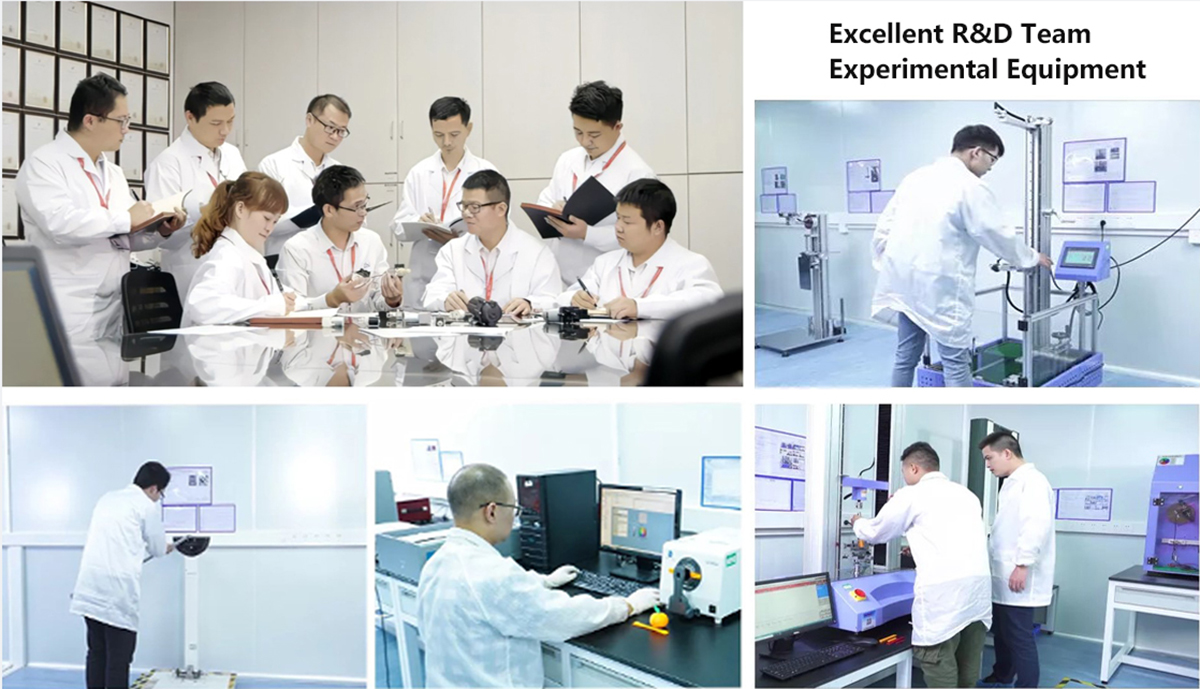
Quality Control
The factory area has passed ISO45001 occupational health and safety management system certification. Every new employee must be experienced one week of safety production knowledge teaching and two weeks of produce skills training, and master every course in the production process. Who is in the position will be responsible for its duty.
Our quality protocols ensure that every spool destined for custom engineering applications meets the highest dimensional, aesthetic, and mechanical criteria for dependable high-speed additive manufacturing.
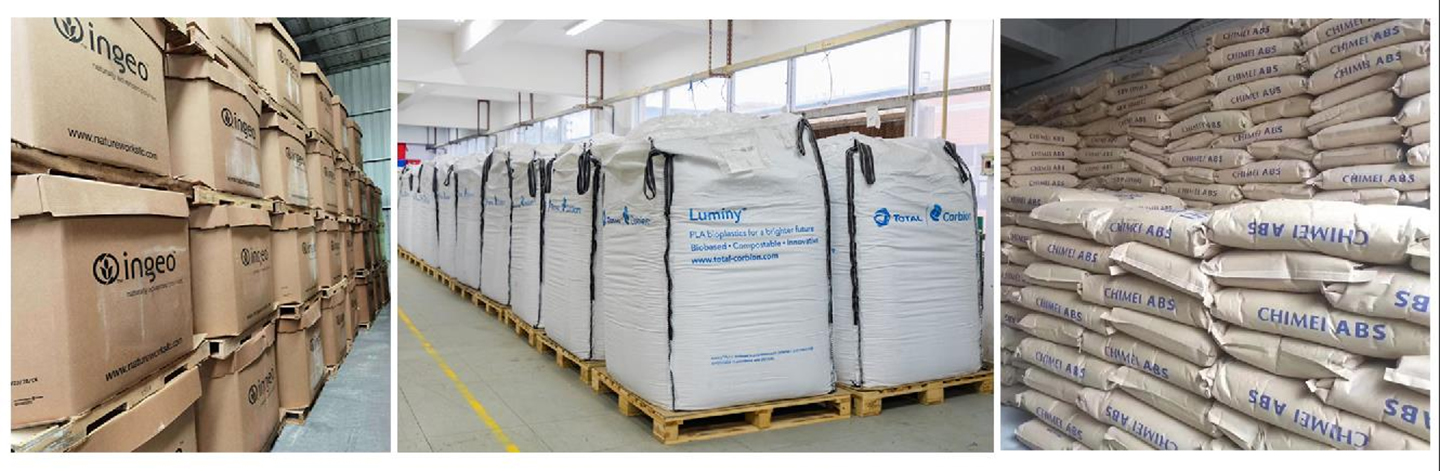
Raw Material
PLA is the most preferred material for 3D printing, Torwell firstly chooses PLA from US NatureWorks, and Total-Corbion is the alternative. ABS from TaiWan ChiMei, PETG from South Korea SK. Each batch of main raw materials comes from the partners who has cooperated more than 5 years to ensure the reliability of the products from the source. Each batch of raw materials will undergo parameters inspection before produce to ensure that raw materials are original and virginal.
For composite and engineering lines like our carbon fiber reinforced materials, strictly characterized base polymers and virgin high-purity reinforcing fibers ensure superior interlaminar adhesion and consistent melt-flow characteristics.
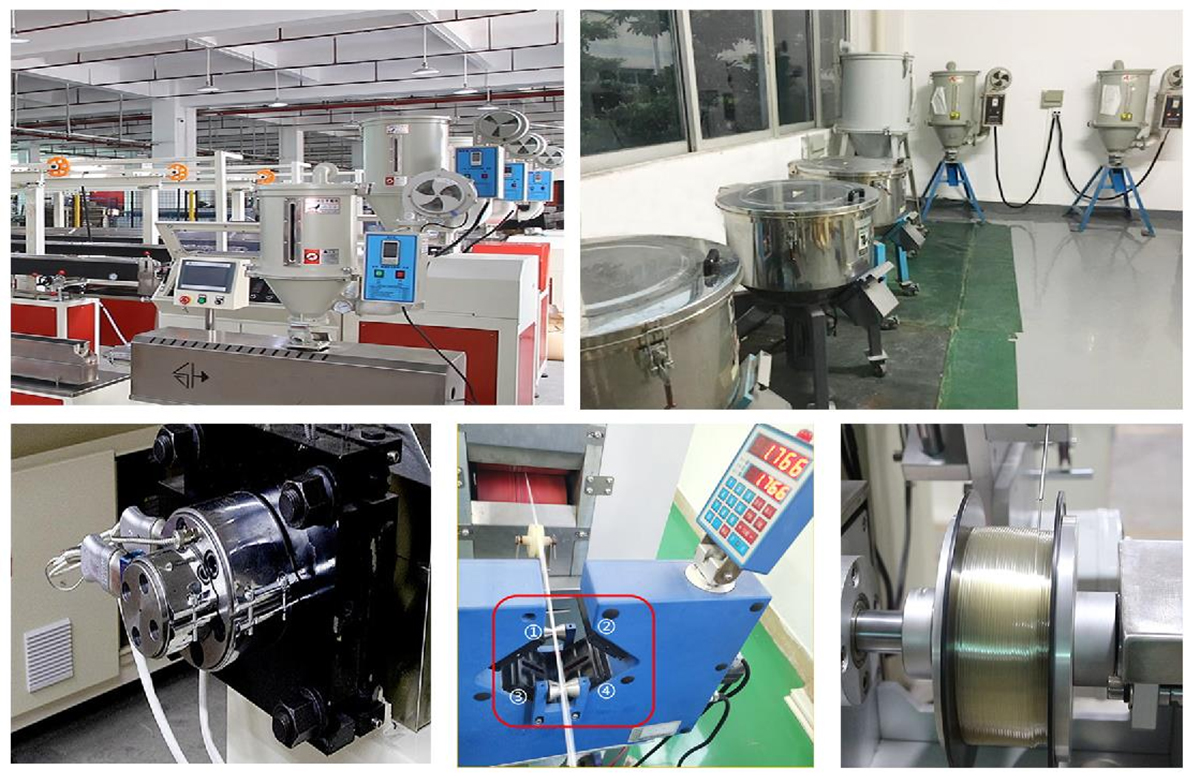
Equipment
The manufacturing workshop will make arrangements after the inspection of raw materials, at least two engineers cross-check the clearance of mixing tank, color mixed of material, humidity from hopper dryer, temperature of extruder, hot/cool tank, and trial-produce and debugging the produce line to make sure all of processes in the best condition. Maintain the filament Diameter tolerance +/- 0.02mm, Roundness tolerance +/- 0.02mm.
Continuous closed-loop laser micrometer feedback loops verify the tight cross-section dimensional accuracy necessary to avoid nozzle jams during abrasive carbon-fiber 3D printing runs.
Final Inspection
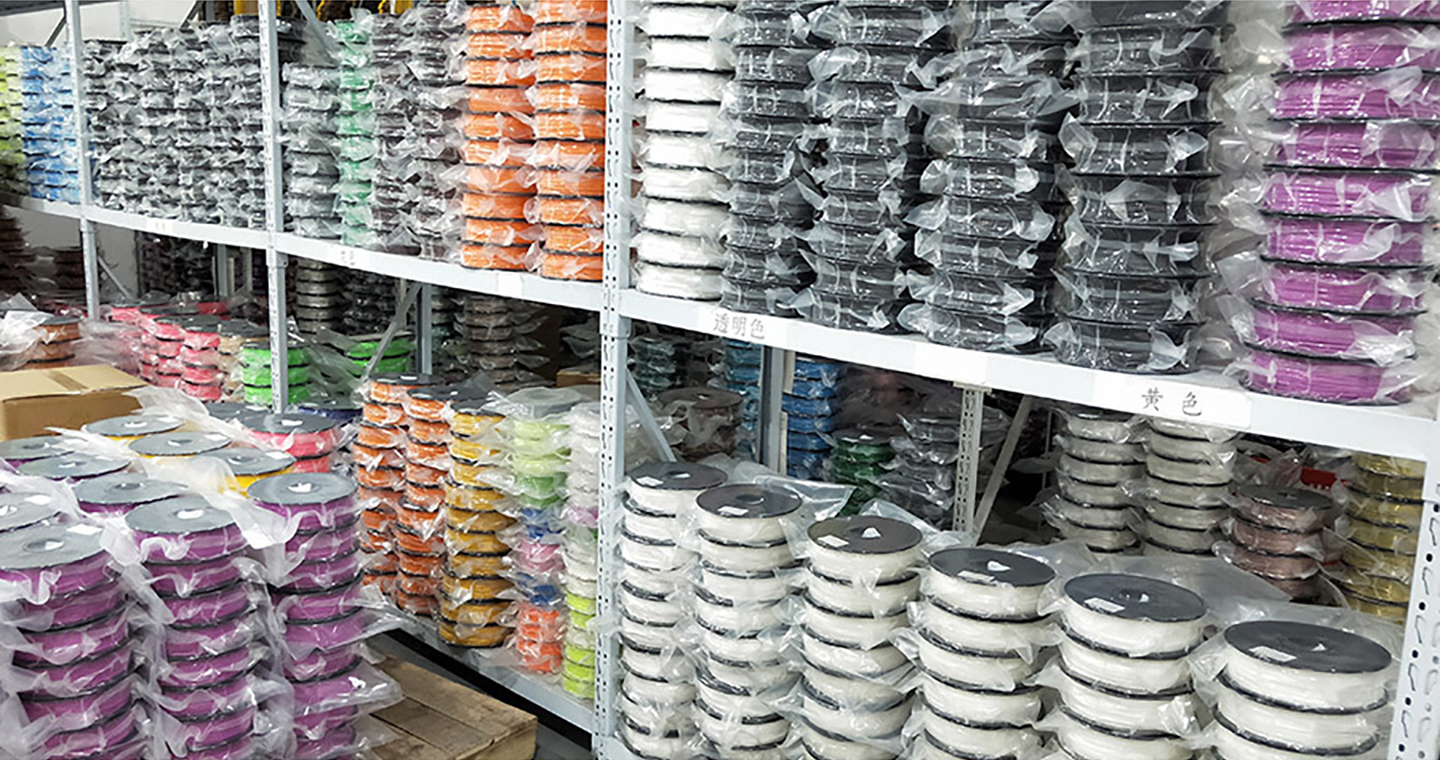
After each batch of 3D filament is produced, two quality inspectors will conduct random inspections on each batch of finished products in accordance with the requirements of the standard, such as diameter tolerance, color consistency, strength and toughness and so on. After vacuuming the package, place them for 24 hours to check whether there is any leaking package, then label it and finish the package.
Specialized barrier-grade moisture packaging ensures that hydro-sensitive polyamide composites arrive desiccated, preventing hydrolytic degradation and steam bubbling during critical phone case builds.
Design Guidelines and Best Practices for Printing NylonX Cases
Maximizing the functional performance of custom smartphone cases printed with carbon fiber nylon demands tailored CAD design and print preparation routines:
1. Wall Thickness and Structural Ribbing Optimization
Due to the superior flexural modulus of carbon-filled nylon, shell thickness can be reduced to 1.2mm – 1.6mm without compromising drop survivability. Rather than solid block geometries, implement internal generative rib lattices or Voronoi shock structures that absorb energy through progressive structural deformation. Chamfer sharp interior edges by a minimum radius of 0.8mm to minimize mechanical stress concentrations on fragile smartphone glass bevels.
2. Nozzle Selection and Extrusion Parameters
Chopped carbon fiber particles are intrinsically abrasive to traditional brass nozzles. High-volume manufacturing of custom cases requires hardened steel, tungsten carbide, or ruby-tipped nozzles. Maintain extrusion temperatures typically within 250°C to 275°C, accompanied by a heated build plate (60°C - 80°C) coated with specialized polyamide bed adhesives to secure flawless first-layer adhesion across the wide surface area of phone backplates.
3. Post-Print Annealing for Maximum Toughness
Nylon components naturally crystallize and attain peak tensile properties through thermal annealing. Placing printed phone cases in a temperature-controlled convection oven at 80°C for 4 to 6 hours relieves residual extrusion stresses and maximizes inter-layer molecular fusion. Subsequently allowing the parts to naturally equilibrate with ambient atmospheric humidity restores the base nylon polymer's native mechanical ductility, eliminating brittle failure during sudden drop impacts.
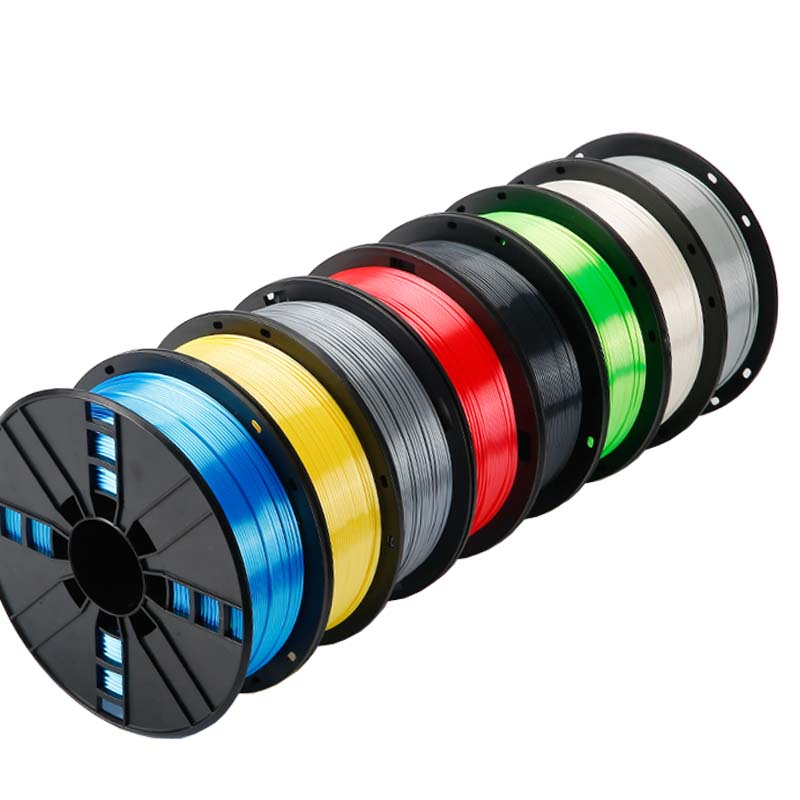
Comprehensive Filament Portfolio for Smartphone Case Prototyping & Production
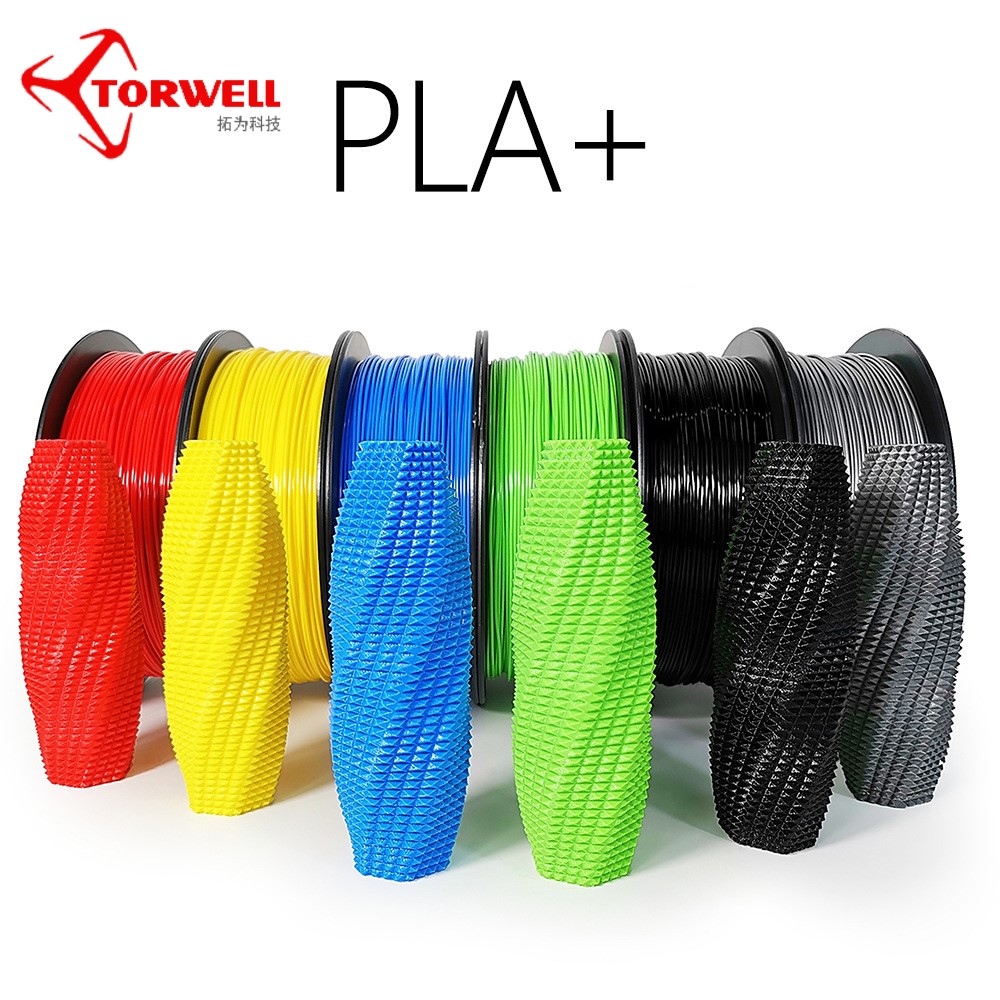
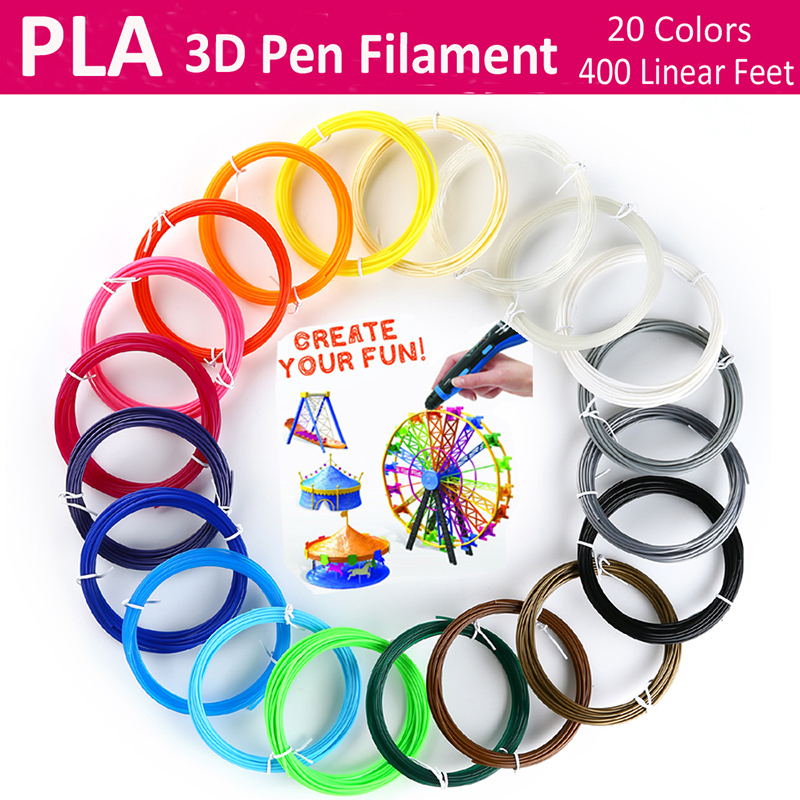
Explore our complete manufacturing lineup covering functional engineering composites, aesthetic consumer filaments, and rapid development materials.