Primary Industrial Materials for Tooling & Gasket Systems
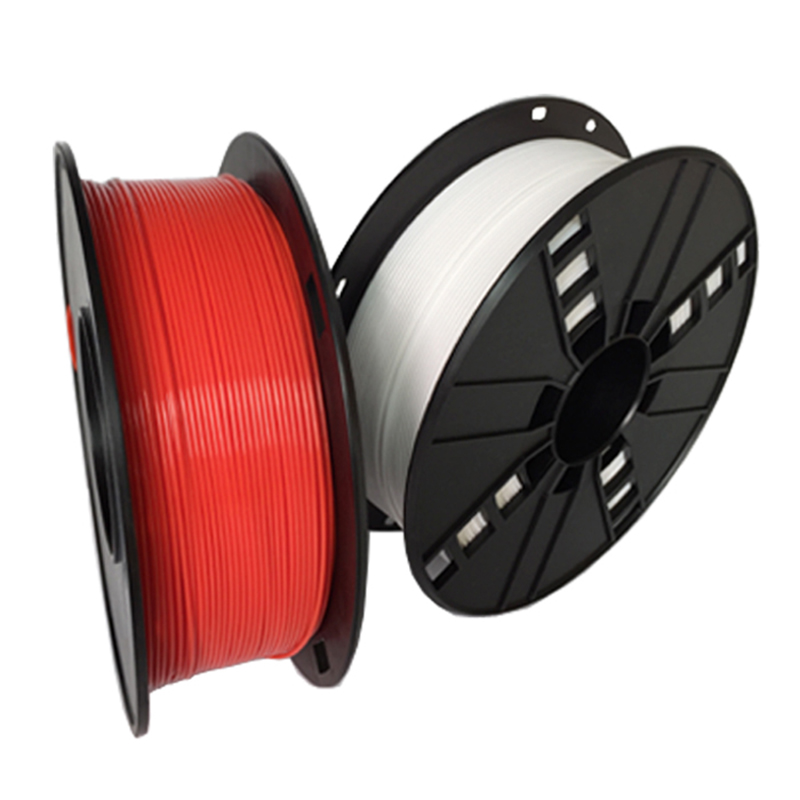
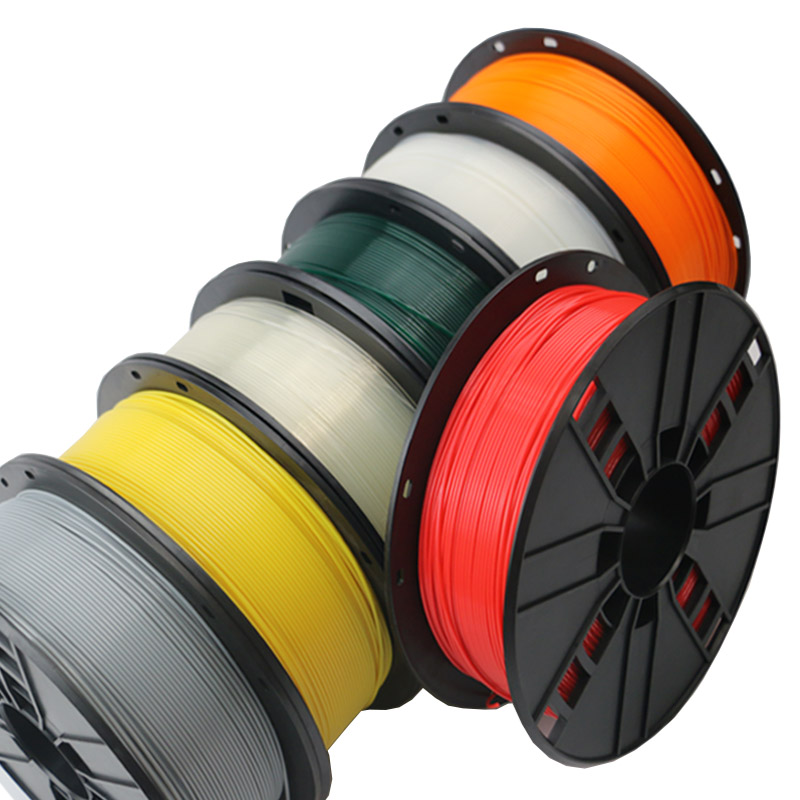
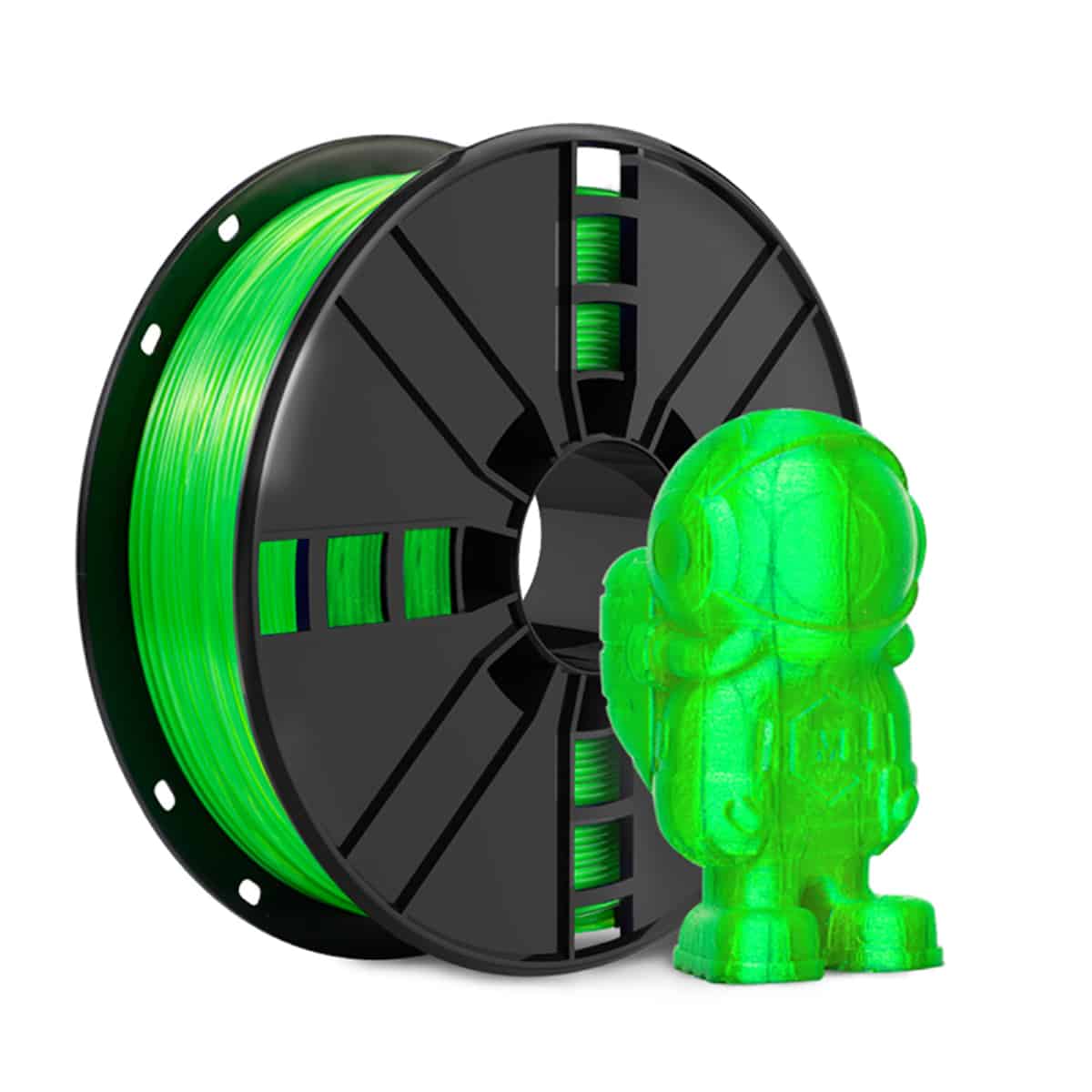
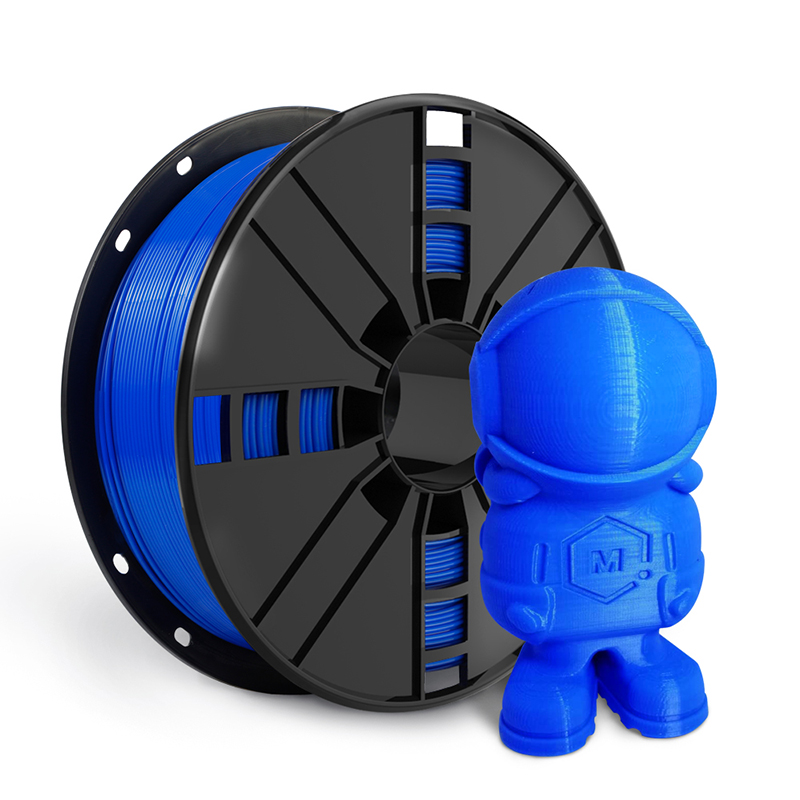
Explore high-performance 3D printing filaments optimized for structural flange interfaces, custom seal housings, and functional rapid testing prototypes.
Industrial Overview: The Evolution of Mechanical Gasket Manufacturing
In mechanical engineering, fluid handling systems, pneumatic drives, and automotive assemblies, mechanical gasket seals act as essential barrier components. Traditionally, elastomeric or semi-rigid gaskets have been manufactured via compression molding, sheet die-cutting, or injection tooling using vulcanized rubber, pure PTFE, or standard thermoset polymers. While these legacy production techniques provide economies of scale for millions of standardized parts, they struggle significantly when faced with high-mix low-volume production, rapid prototyping turnaround times, custom tooling costs, and intricate geometries requiring non-planar sealing topologies.
The industrial integration of additive manufacturing—specifically utilizing NylonX Carbon Fiber Filament (Polyamide reinforced with chopped high-modulus carbon micro-fibers)—has unlocked a new era for bespoke, flexible-yet-structural mechanical gasket seals. Unlike unreinforced polyamides which can suffer from excessive elongation under mechanical torque, or brittle composites that crack when bolted under pressure, NylonX carbon fiber composite blends offer an exceptional equilibrium of semi-flexible viscoelastic damping, isotropic compressive toughness, elevated heat deflection thresholds, and outstanding chemical resistance against industrial hydrocarbon lubricants and fluids.
Superior Creep & Extrusion Resistance
Micro-carbon fiber entanglement prevents polymer cold flow, ensuring continuous bolt preload retention and long-term joint integrity under extreme clamping pressure.
Hydrocarbon & Solvent Stability
Polyamide chemistry provides robust operational defense against engine motor oils, hydraulic fluids, diesel fuel, aromatic solvents, and mild alkaline cleansers.
Thermal & Dimensional Fidelity
Significantly lowered coefficient of thermal expansion (CTE) and continuous operating temperatures exceeding 120°C prevent warpage and gasket seal blowouts.
Polymer Matrix Dynamics: Why Carbon Fiber Reinforced Polyamide Excels in Gaskets
A successful mechanical gasket must fulfill two opposing physical requirements simultaneously: it must be flexible and compliant enough to deform micro-scopically into the machining ridges and surface imperfections of mating metal or composite flanges, yet structurally stiff and creep-resistant enough to prevent the gasket body from extruding outward or suffering tensile fracture under internal pressure spikes.
Pure flexible materials such as soft Thermoplastic Polyurethanes (TPU) or standard elastomers often fail in dynamic, pressurized mechanical joints because their low tensile modulus permits them to squeeze out from flange faces when bolted tightly. Conversely, completely rigid materials like Polycarbonate (PC) cannot achieve micro-conformal sealing without excessive bolt torque that risks crushing surrounding housings. NylonX carbon fiber filament solves this fundamental tribological puzzle:
The base polyamide (typically PA6 or PA12 copolymer) provides intrinsic elastomeric elongation and molecular toughness, while 15% to 20% weight fraction of microscopic chopped carbon fibers creates a 3-dimensional load-distributing internal skeleton. This micro-reinforced network increases flexural modulus and tensile yield strength, dampens vibration induced by cyclic engine or pump pulsations, and delivers exceptional rebound resilience.
Industrial Scenarios & Commercial Engineering Deployments
From aerospace testbeds to marine pump systems, NylonX carbon fiber seals provide mission-critical sealing capabilities across demanding working conditions.
1. Automotive Powertrain, Intake Plenums & Oil Pan Enclosures
In custom motorsport engineering, aftermarket modifications, and rapid automotive validation cycles, custom air intake manifolds, gearbox sumps, and oil cooler covers require gaskets capable of withstanding continuous oil vapor exposure up to 110°C to 135°C. 3D printed NylonX composite gaskets allow engineers to print integrated sealing beads directly alongside locating dowels and rigid flange limiters, eliminating separate multi-part assemblies and preventing catastrophic oil leaks caused by thermal deformation.
2. Industrial Fluid Valves, Pneumatic Actuators & Chemical Pumps
Centrifugal slurry pumps, industrial valve bodies, and pneumatic linear actuators regularly encounter high shear pressures and aggressive chemical media. NylonX carbon fiber seals exhibit negligible swell when subjected to mineral oils, hydraulic transmission fluids, and common industrial glycols. The stiffness imparted by the chopped carbon fibers prevents gasket displacement during rapid pressure cycling, extending scheduled maintenance intervals in factory automation pipelines.
3. Aerospace, UAV Avionics & Ruggedized IP67/IP68 Outdoor Enclosures
Unmanned Aerial Vehicles (UAVs) and field-deployed telemetry pods require hermetic sealing against dust, rain, and condensation while maintaining minimal takeoff weight. NylonX delivers an unbeatable strength-to-weight ratio. Gasket seals printed with carbon fiber nylon provide EMI shielding attenuation attributes due to the conductive nature of dispersed carbon networks, while simultaneously offering resilient waterproof compression under wide ambient temperature fluctuations (-40°C to +85°C).
Material Performance Comparison for Gasket Fabrication
The following engineering data highlights why NylonX Carbon Fiber filament stands out compared to conventional additive and subtractive gasket alternatives:
| Performance Metric | NylonX Carbon Fiber (PA-CF) | Standard TPU (Shore 95A) | Pure Polyamide (PA6/PA12) | Die-Cut Virgin PTFE |
|---|---|---|---|---|
| Tensile Modulus (MPa) | 4,500 – 6,200 | 100 – 180 | 1,400 – 2,100 | 400 – 700 |
| Heat Deflection Temp (0.45MPa) | 145°C – 165°C | 65°C – 75°C | 80°C – 95°C | 120°C – 130°C |
| Creep / Extrusion Resistance | Exceptional (Minimal cold flow) | Poor under heavy torque | Moderate | Moderate (Subject to creep) |
| Chemical & Oil Resistance | High (Resistant to fuels/oils) | Moderate to High | High | Extreme (Inert) |
| Geometric Customization | Direct 3D Print (Zero Tooling) | Direct 3D Print | Direct 3D Print (High warp risk) | Requires Stamping Tooling |
FDM Slicing & Printing Strategies for 100% Hermetic Gasket Density
To produce pressure-tight, non-permeable mechanical gasket seals from NylonX Carbon Fiber filament, print parameters and slicing strategies must be rigorously calibrated:
1. Toolpath Optimization for Zero Porosity: Standard infill patterns like grid or gyroid can introduce micro-voids between passes. For airtight and fluid-tight gaskets, configure slicing software to use 100% aligned rectilinear infill oriented perpendicular to fluid pressure lines, or utilize maximum concentric perimeter walls so the toolpath continuously circles the gasket geometry without retract-induced seams.
2. Thermal & Extrusion Calibration: Extrude at elevated temperatures between 250°C and 275°C using an abrasive-resistant hardened steel or ruby nozzle (0.4mm to 0.6mm diameter). Ensure a heated build plate temperature of 75°C to 90°C combined with an enclosed build chamber to promote inter-layer polymer chain diffusion, maximizing z-axis interlayer bonding strength.
3. Thorough Moisture Management: Polyamides are naturally hygroscopic. Prior to printing, NylonX filament must be dried in a convection dehydrator at 70°C to 80°C for 6 to 8 hours to achieve under 0.05% moisture content. Printing wet filament will cause water vaporization, forming microscopic internal bubbles that compromise sealing pressure containment.
Company Profile & Manufacturing Excellence
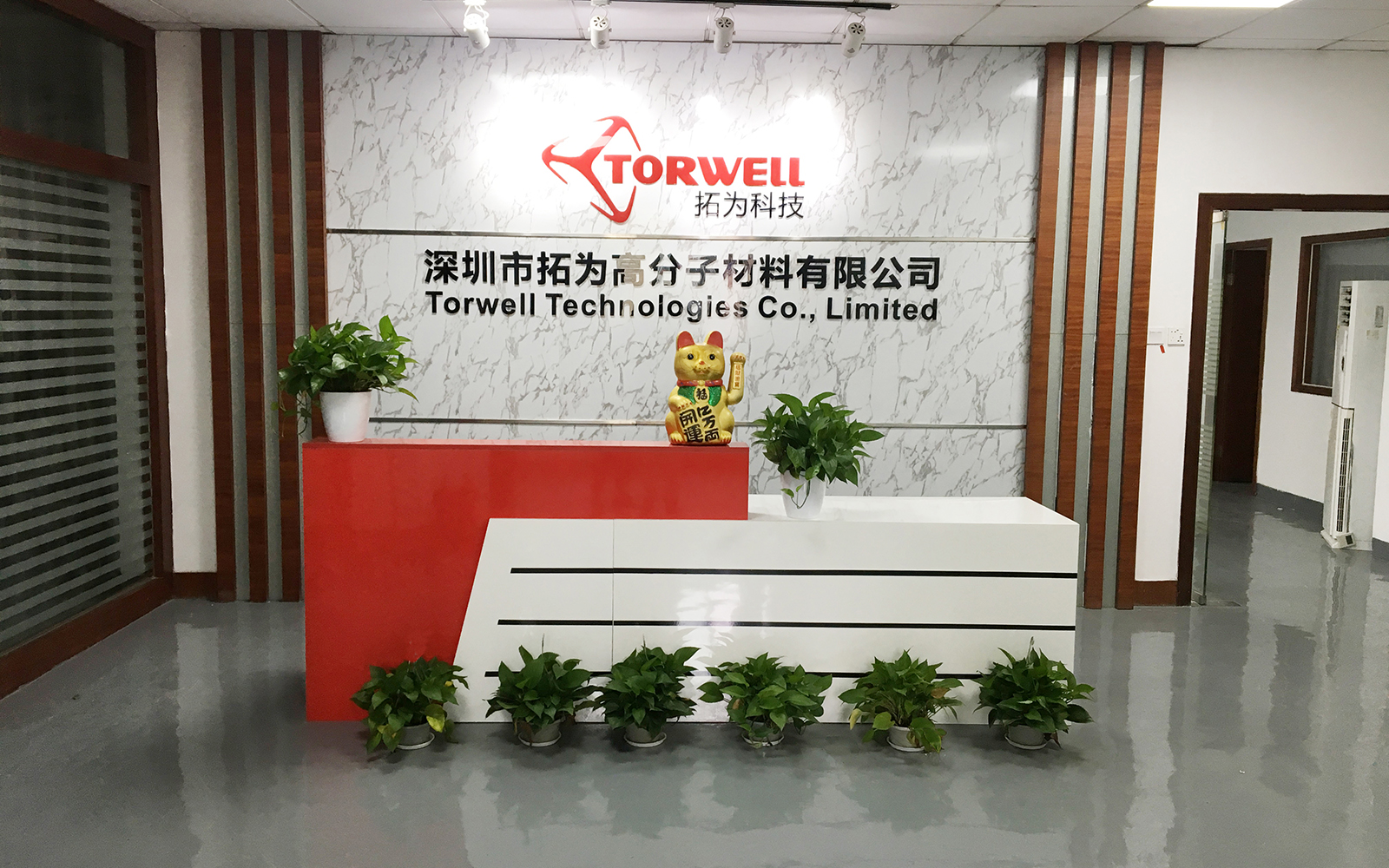
Founded in 2011, Torwell Technologies Co., Ltd. is one of the earliest high-tech enterprises which specializing in high-tech 3D printer filaments research, manufacture and sell, occupies 2,500 square meters modern factory with production capacity of 50,000kgs per month.
With more than 10 years experiences in 3D printing market exploration, cooperated with Institute for High Technology and New Materials in domestic famous universities, and engaging Polymer materials experts as technical adviser, Torwell becomes one of member of Chinese rapid prototyping association and leader enterprise with the most innovative products in 3D printing industry, owns independent intellectual property rights, patents and trademarks (Torwell US, Torwell EU, NovaMaker US, NovaMaker EU).
Torwell passed international quality management system ISO9001, international environment system ISO14001, the advanced manufacturing equipment, test devices and virgin raw materials available are introduced to produce and distribute 3D printer filament of unparalleled quality, to insure all the products of Torwell are compliant with RoHS standard, MSDS, Reach, TUV and SGS test certificated.
Be a reliable and professional 3D printing partner, Torwell has committed to expanding its products to America, Canada, UK, Germany, Netherlands, France, Spain, Sweden, Italy, Russia, Mexico, Australia, New Zealand, Brazil, Argentina, Japan, South Korea, Vietnam, Thailand, Malaysia, India, more than 80 countries and regions.
Comprehensive Torwell 3D Printing Filament Portfolio
Engineered for high mechanical performance, aesthetic precision, and reliable manufacturing consistency across all commercial and industrial sectors.