
Industrial Grade Filaments for Rapid Prototyping & End-Use Parts
Explore our top-tier engineering filaments, rigorously tested for structural integrity, impact resistance, and flawless layer adhesion.
The Surge of Carbon Fiber Nylon Additive Manufacturing in US Industry
Across the United States manufacturing ecosystem—from the automotive corridor in the Midwest (Michigan, Ohio, Indiana) to aerospace clusters in Southern California, Washington State, and Texas—the demand for high-strength composite additive manufacturing materials has skyrocketed. NylonX, a high-grade polyamide composite embedded with high-modulus chopped micro-carbon fibers (typically 15% to 20% by weight), has emerged as the definitive bridge between standard rapid prototyping and real-world functional production.
Why Carbon Fiber Nylon is Transforming US Manufacturing:
Unlike standard polymers that suffer from warping, poor thermal resistance, and creeping under mechanical loads, NylonX carbon fiber filament delivers aerospace-grade tensile modulus, exceptional heat deflection temperatures (HDT exceeding 150°C after annealing), and zero-warp dimensional stability across large-format industrial build volumes.
1. Commercial and Industrial Demand in Key US Sectors
The North American manufacturing sector is actively moving away from expensive, lengthy CNC machining for custom components. Carbon fiber reinforced nylon enables manufacturing engineers to replace aluminum, magnesium, and structural plastics in several demanding sectors:
- Aerospace & Unmanned Aerial Systems (UAS): Commercial drone manufacturers and defense subcontractors in Texas and California utilize carbon fiber nylon filaments for lightweight structural airframes, gimbal mounts, avionics housings, and aerodynamic fairings that require superior stiffness-to-weight ratios.
- Automotive Engineering & Motorsports: In Detroit and Charlotte, racing engineering teams print lightweight custom intake manifolds, brake cooling ducts, sensor brackets, and under-the-hood components capable of withstanding continuous engine bay vibrations and elevated temperatures.
- Industrial Robotics & Factory Automation: Factory lines across the American Rust Belt rely on custom end-of-arm tooling (EOAT), robotic grippers, and conveyor guide fixtures printed with chopped carbon fiber nylon to minimize robotic payload strain while maintaining extreme mechanical rigidity.
- Jigs, Fixtures, and Tooling (CMM Fixturing): Quality assurance inspection departments require non-marring, dimensionally static fixtures that do not shift under varying shop floor temperatures.
2. Industry Evolution & Technological Trends in the USA
The additive manufacturing market in North America is undergoing a fundamental transformation characterized by three key trends:
- High-Speed Industrial Extrusion: Modern core-XY and industrial FFF/FDM 3D printers now operate at velocities exceeding 300 mm/s to 600 mm/s. Filaments must demonstrate ultra-stable melt viscosity and uniform carbon fiber dispersion to prevent nozzle clogging during high-flow deposition.
- Integration with AI-Driven Slicing and Quality Monitoring: Smart factories in the US are deploying AI camera inspection and real-world thermal monitoring. Our tight tolerance control (±0.02mm) ensures predictable backpressure in direct-drive extruders, eliminating volumetric flow inconsistencies.
- Closed-Loop Supply Chains & Sustainable Resins: Industrial procurement managers are increasingly demanding verified material sourcing, RoHS compliance, and bio-derived or recycled polyamides without sacrificing isotropic mechanical performance.
Superior Rigidity & Weight Reduction
Chopped carbon micro-fibers interlock within the nylon matrix, increasing structural modulus by over 300% compared to pure polyamide while cutting component weight by up to 60% versus cast aluminum.
High Thermal Stability & Chemical Shield
Resistant to automotive fuels, industrial oils, greases, and organic solvents. Maintains mechanical structural integrity at continuous operating temperatures up to 120°C and peak thresholds over 150°C.
Zero-Warp Dimensional Accuracy
The micro-carbon fibers significantly constrain thermal shrinkage during deposition, yielding pristine matte surface finishes, near-invisible layer lines, and unmatched dimensional repeatability.
Standard Technical Data Sheet (NylonX CF Formulation)
| Property Parameter | Test Standard (ASTM / ISO) | Typical Metric Value | Industrial Advantage |
|---|---|---|---|
| Tensile Strength (Yield) | ASTM D638 / ISO 527 | 95 - 110 MPa | Replaces die-cast aluminum in non-structural brackets |
| Flexural Modulus | ASTM D790 / ISO 178 | 6,200 - 7,800 MPa | High torsional resistance for robotic arms & gears |
| Heat Deflection Temp (0.45 MPa) | ASTM D648 / ISO 75 | 155°C (Annealed) | Ideal for engine bays and high-heat production lines |
| Filament Diameter Tolerance | Laser Micrometer (Dual-Axis) | ± 0.02 mm | Zero extrusion jamming; seamless surface finish |
| Density & Carbon Loading | ASTM D792 | 1.14 g/cm³ (18% CF Loading) | Optimal balance between fluidity and tensile modulus |
End-to-End Precision Manufacturing Infrastructure
From certified virgin raw materials to high-precision multi-zone extrusion and rigorous 24-hour vacuum assurance, our quality control ensures flawless printing reliability.
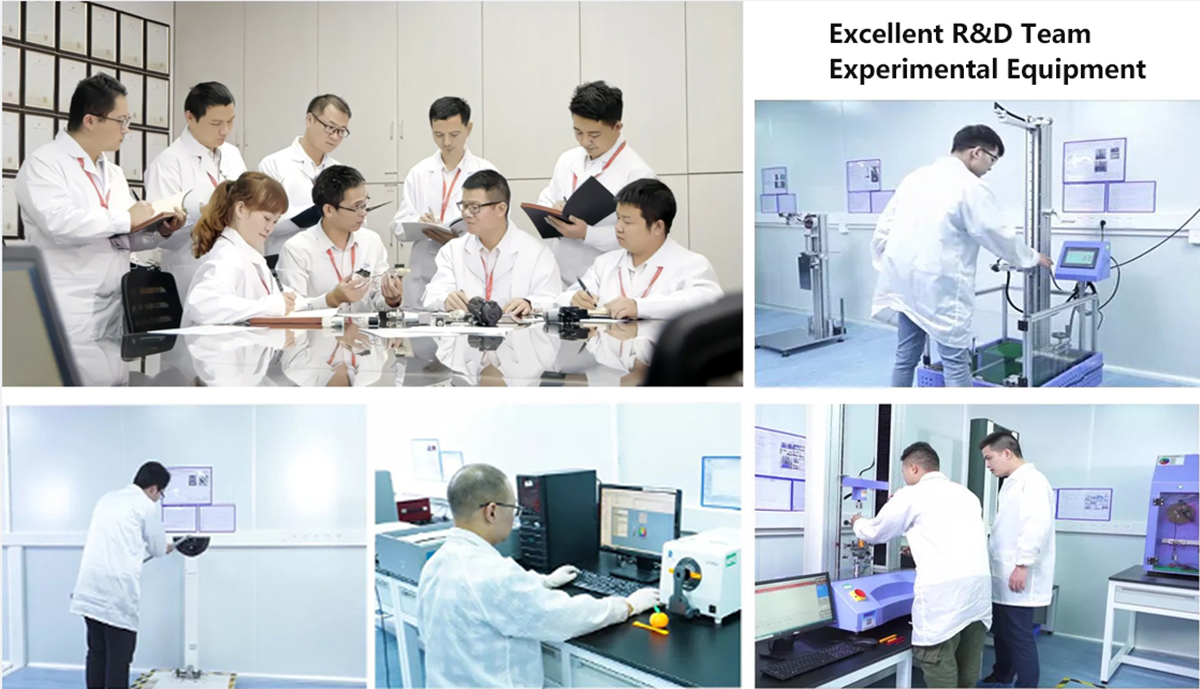
Quality Control & Safety Management
The factory area has passed ISO45001 occupational health and safety management system certification. Every new employee must be experienced one week of safety production knowledge teaching and two weeks of produce skills training, and master every course in the production process. Who is in the position will be responsible for its duty.
Our production protocols emphasize standardized accountability across every phase of compounding, extrusion line calibration, spool winding, and climate-controlled storage to maintain zero defect rates for enterprise partners in North America.
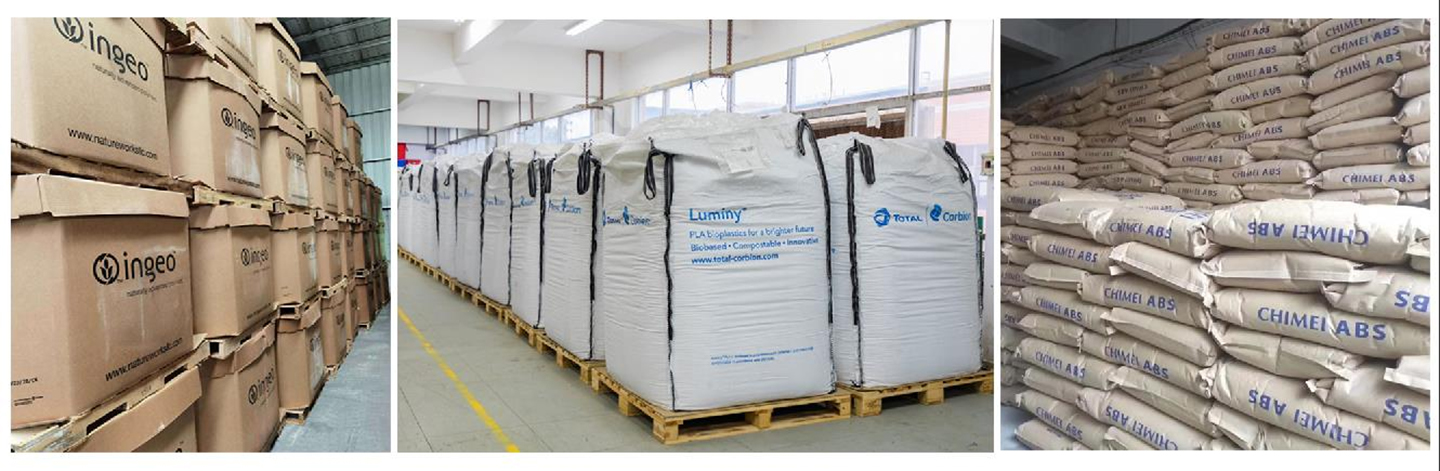
Premium Raw Material Sourcing
PLA is the most preferred material for 3D printing, Torwell firstly chooses PLA from US NatureWorks, and Total-Corbion is the alternative. ABS from TaiWan ChiMei, PETG from South Korea SK. Each batch of main raw materials comes from the partners who has cooperated more than 5 years to ensure the reliability of the products from the source. Each batch of raw materials will undergo parameters inspection before produce to ensure that raw materials are original and virginal.
For our carbon fiber reinforced line, specialized engineering-grade Polyamide resin is reinforced with high-purity, treated chopped carbon fibers to ensure optimal interfacial matrix bonding, high thermal resistance, and exceptional tensile resilience.
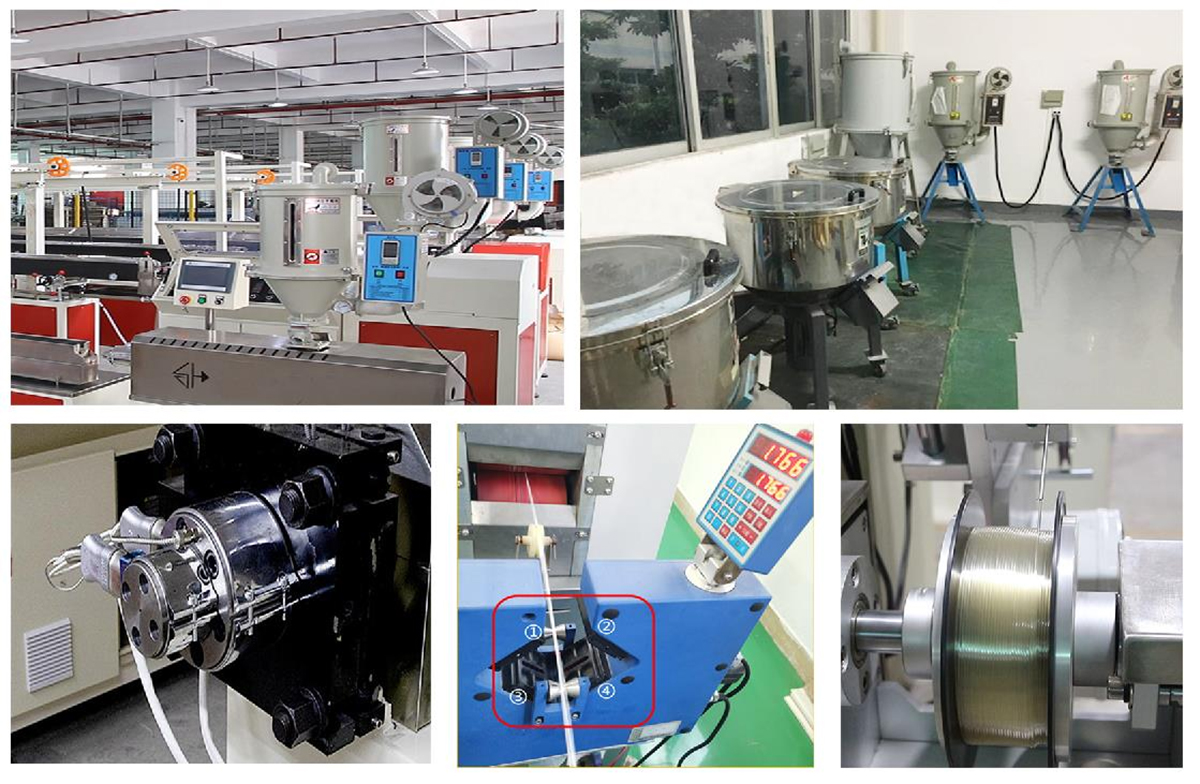
Advanced Equipment & Tolerance Control
The manufacturing workshop will make arrangements after the inspection of raw materials, at least two engineers cross-check the clearance of mixing tank, color mixed of material, humidity from hopper dryer, temperature of extruder, hot/cool tank, and trial-produce and debugging the produce line to make sure all of processes in the best condition. Maintain the filament Diameter tolerance +/- 0.02mm, Roundness tolerance +/- 0.02mm.
Equipped with real-time continuous closed-loop dual-axis laser diameter monitoring gauges, our extrusion lines dynamically adjust feeding speed, preventing both over-extrusion and under-extrusion in high-end additive manufacturing machinery.
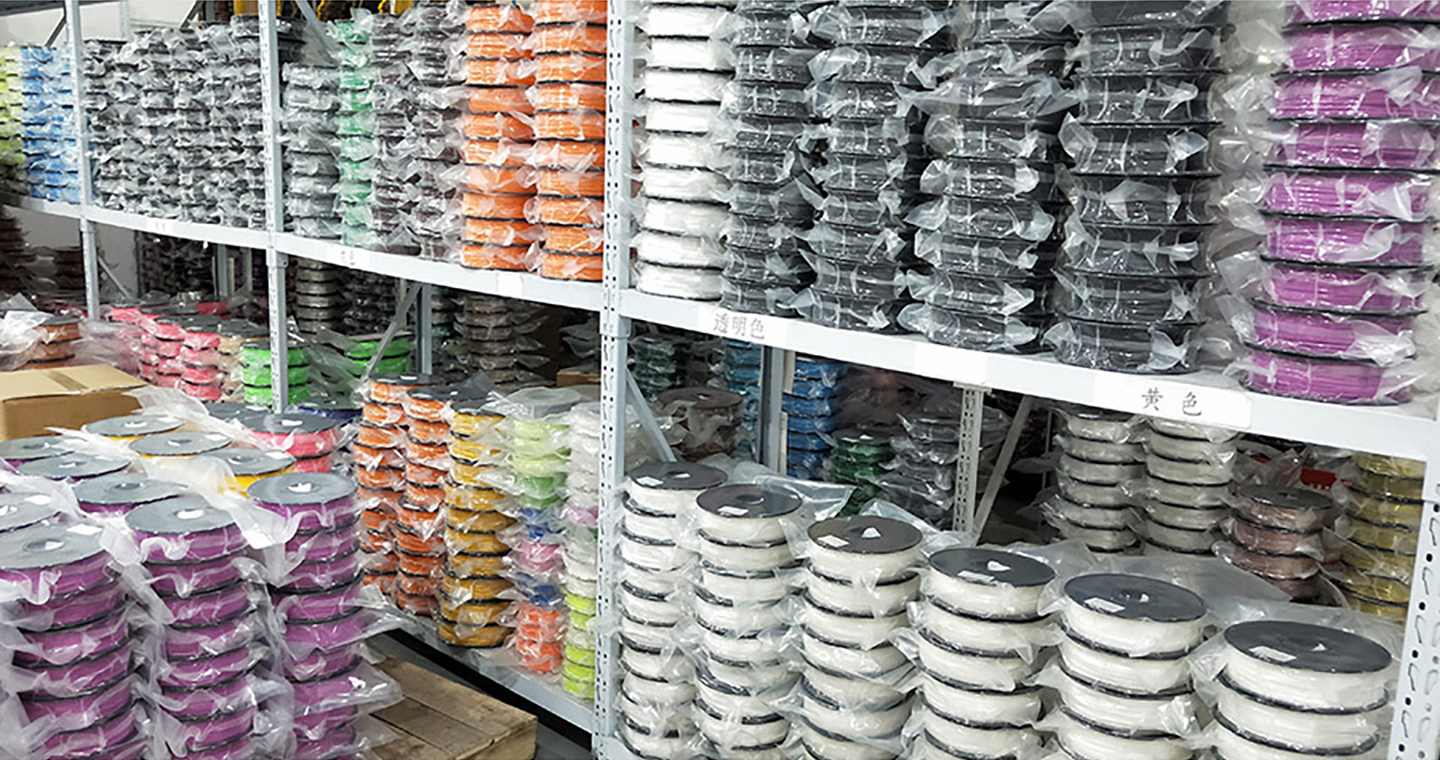
Final Inspection & 24-Hour Vacuum Assurance
After each batch of 3D filament is produced, two quality inspectors will conduct random inspections on each batch of finished products in accordance with the requirements of the standard, such as diameter tolerance, color consistency, strength and toughness and so on. After vacuuming the package, place them for 24 hours to check whether there is any leaking package, then label it and finish the package.
Because polyamide is naturally hygroscopic, our filaments are packaged with high-capacity desiccant pouches inside heavy-duty aluminum/nylon vacuum barrier pouches, ensuring the material arrives factory-dry and ready to print for critical US industrial runs.
Industrial Printing Guidelines for NylonX Carbon Fiber Filament
Achieving optimal mechanical characteristics with chopped carbon fiber reinforced polyamides requires strict adherence to recommended processing windows. Because carbon fibers are naturally abrasive, standard brass nozzles will rapidly erode, degrading dimensional accuracy within hours. Industrial users should observe the following factory parameters:
1. Hardened Nozzle Selection
Utilize hardened steel, tungsten carbide, or ruby-tipped nozzles (minimum 0.4mm, preferably 0.6mm). Standard extrusion temperatures range between 250°C and 275°C depending on printer flow rate and melt-zone geometry.
2. Build Plate & Enclosure Setup
Set bed temperature between 70°C and 90°C using a PEI sheet coated with PVA adhesive glue or specialized nylon adhesive. A draft-free heated enclosure (40°C - 60°C) maximizes layer-to-layer molecular bonding.
3. Active Moisture Management
Dry the spool at 75°C - 80°C for 6 to 8 hours in a convection oven or active filament dryer before printing. Feed directly from a dry box with relative humidity below 15% to eliminate hydrolytic degradation during extrusion.
Post-Print Annealing for Maximum Isotropic Strength
For end-use industrial fixtures and high-temperature brackets, thermal annealing elevates the polymer's crystalline ratio, significantly increasing tensile modulus and heat resistance. We recommend placing the printed component inside a temperature-regulated oven at 80°C for 2 hours, slowly ramping up to 120°C for 2 to 4 hours, followed by a gradual cooldown to ambient room temperature. This process relieves internal extrusion stress and locks in superior dimensional stability.
Comprehensive Additive Manufacturing Solutions
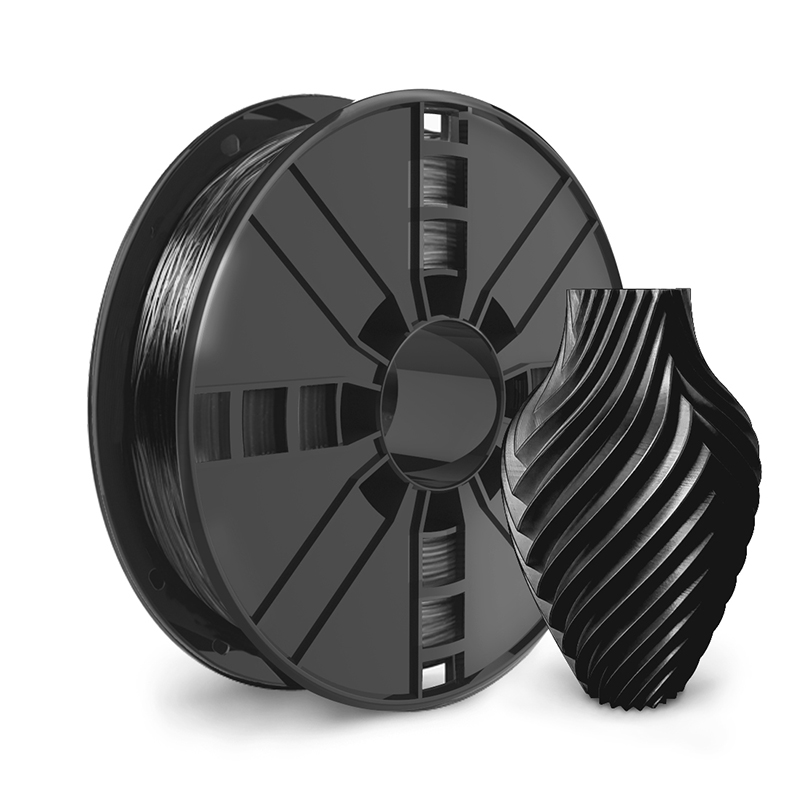
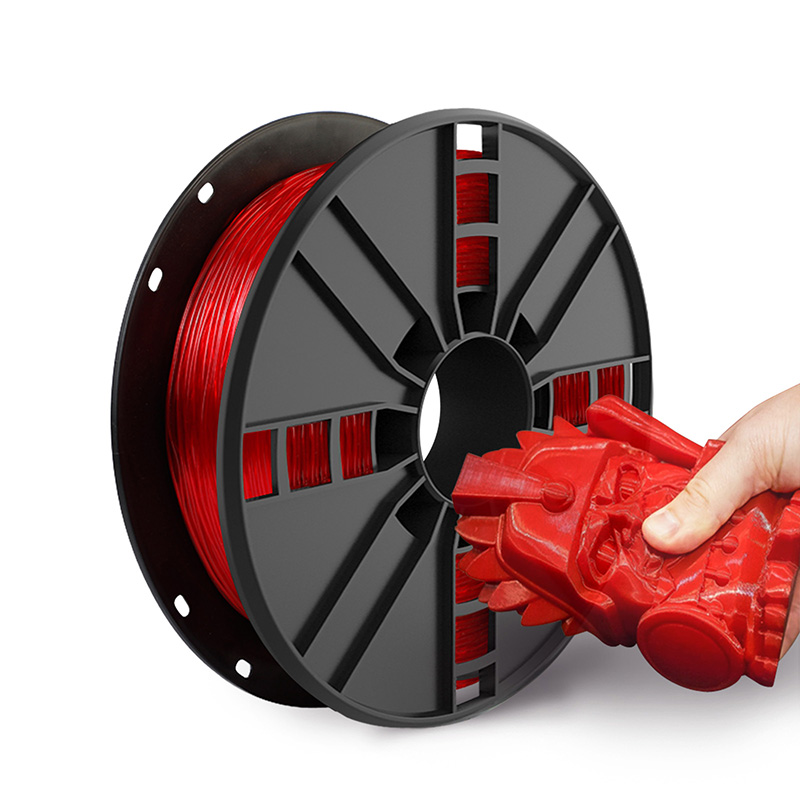
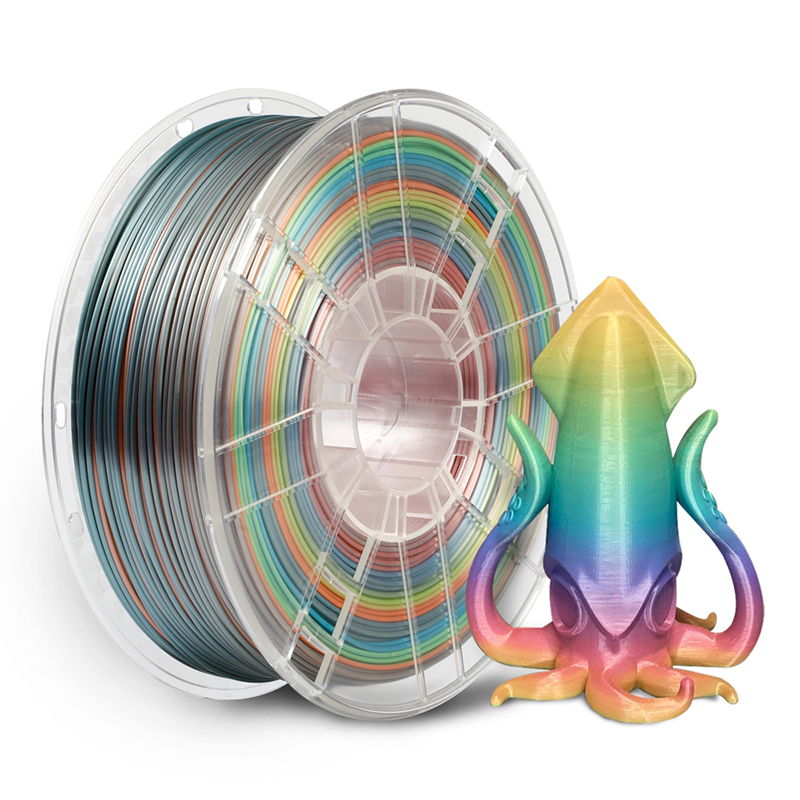
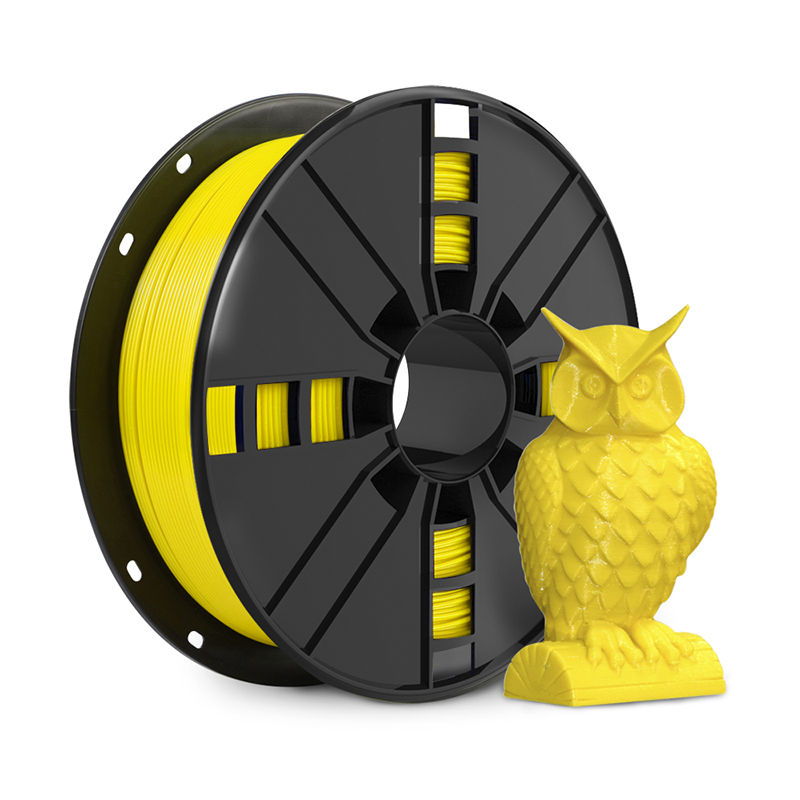
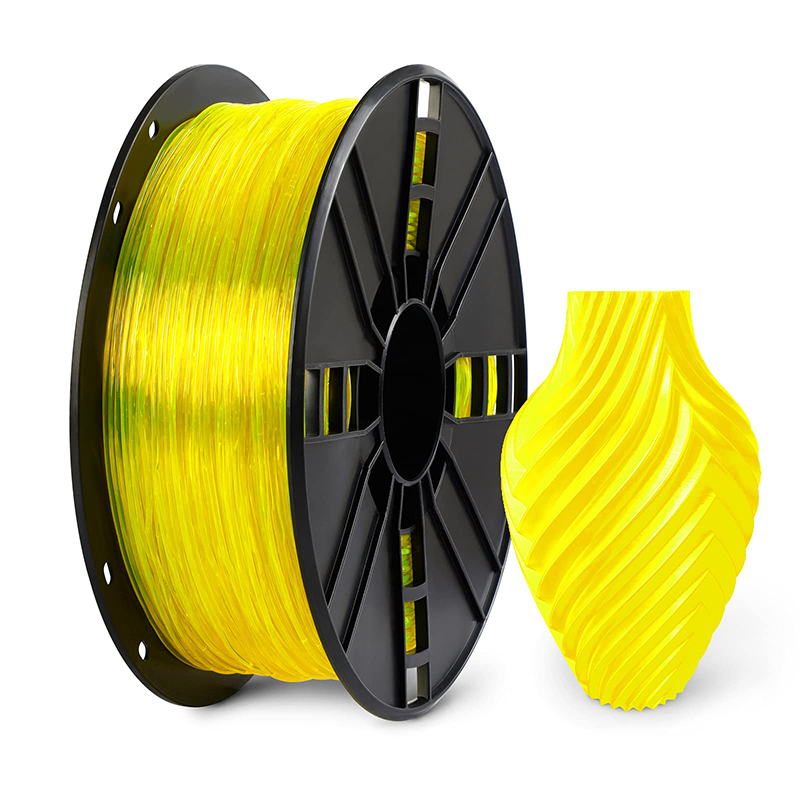
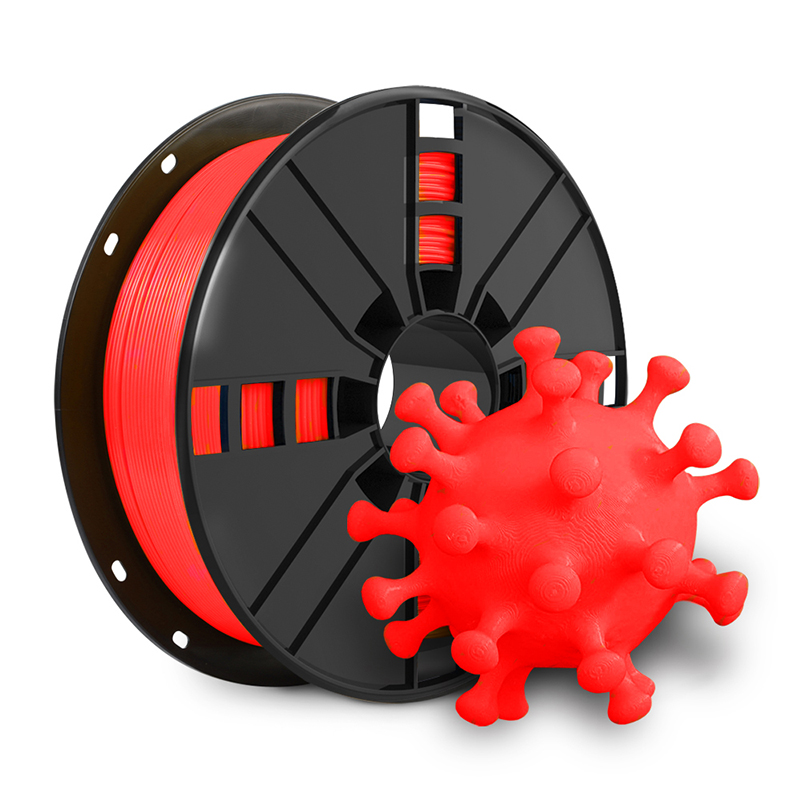
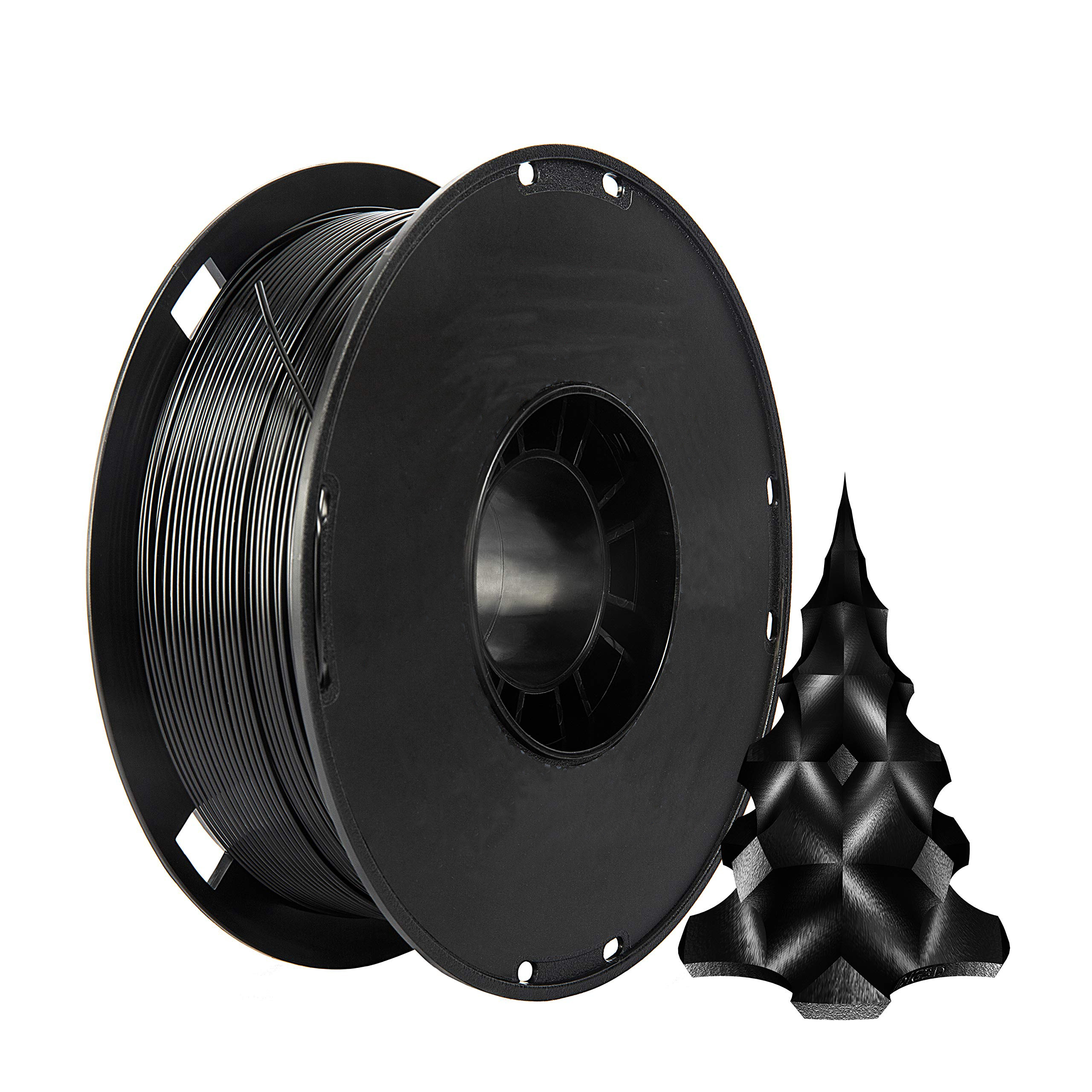
From engineering composites to high-flexibility elastomers and vibrant aesthetic polymers, explore our complete catalog of industrial-grade 3D printing filaments.
Frequently Asked Questions: NylonX Carbon Fiber Filament in the USA
Q1: How does NylonX compare to standard PLA or ABS in commercial applications?
While standard PLA and ABS are popular for aesthetic prototypes, they lack the structural stiffness, heat deflection thresholds, and impact resistance required for continuous industrial use. NylonX incorporates chopped carbon fibers into an engineering-grade polyamide matrix, raising tensile modulus, preventing thermal deformation up to 150°C+, and offering substantial chemical resistance against industrial lubricants and fuels.
Q2: Can NylonX filament be printed on standard desktop 3D printers?
Yes, provided the desktop 3D printer is equipped with an all-metal hotend capable of reaching 250°C–275°C, a heated print bed (70°C–90°C), and an abrasion-resistant nozzle such as hardened steel or tungsten carbide. Brass nozzles will rapidly wear out due to the abrasive nature of carbon fibers.
Q3: What quality control measures guarantee consistent ±0.02mm diameter tolerances?
Our manufacturing facility deploys real-time dual-axis laser micrometer feedback loops during extrusion. If the filament diameter or roundness deviates beyond ±0.02mm, the extrusion line automatically calibrates haul-off speeds. In addition, every batch undergoes mechanical tensile verification and a strict 24-hour post-packaging vacuum leak test to guarantee factory-fresh dryness upon arrival in the United States.