
High-Performance Engineering Filaments
Explore our premium 3D printer materials engineered with strict ±0.02mm diameter tolerance, high tensile stiffness, and extreme layer bonding for precision manufacturing.
The Surge of PETG Carbon Fiber in Brazil's Modern Manufacturing
The manufacturing and industrial landscape in Brazil is undergoing a profound digital transformation under Industry 4.0 initiatives. As Latin America's largest industrial powerhouse, Brazil houses expansive production clusters spanning São Paulo's ABC Paulista automotive hub, the aerospace epicenter in São José dos Campos, agribusiness machinery production in Rio Grande do Sul and Mato Grosso, and offshore energy infrastructure in the Campos Basin.
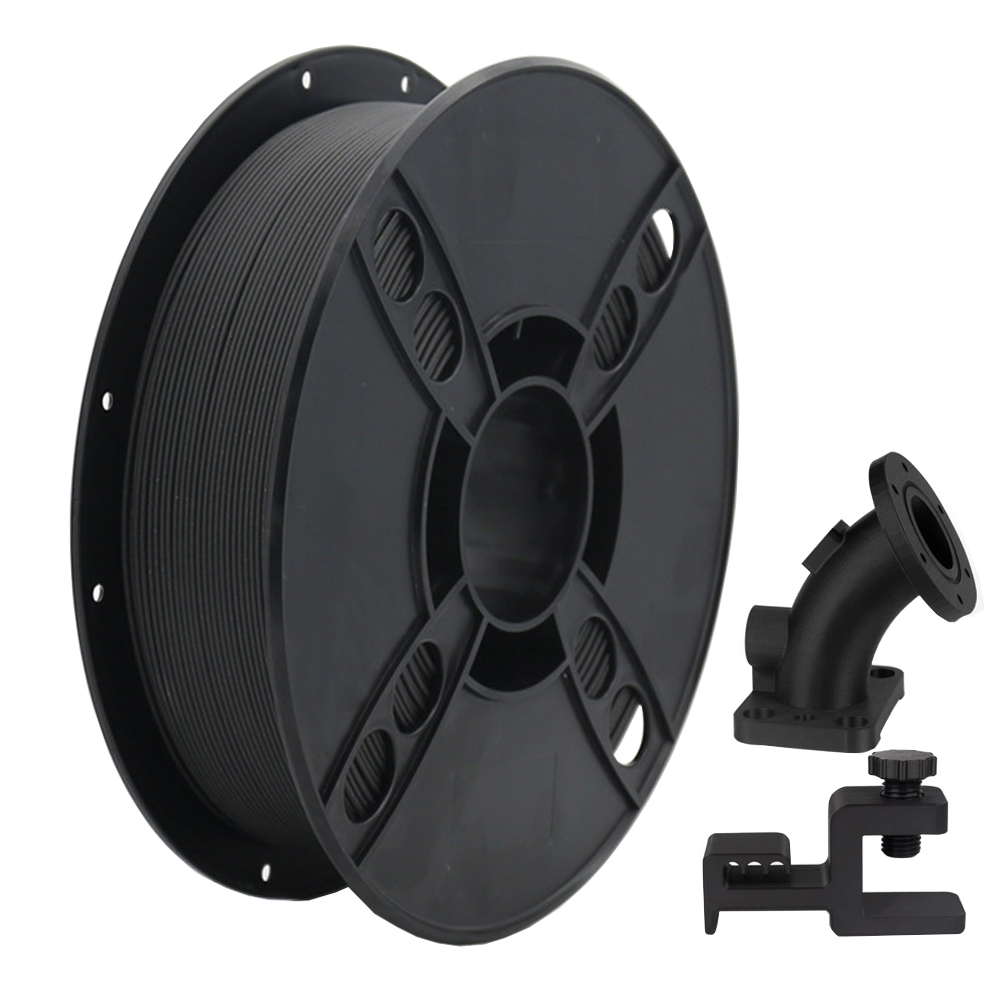
In this dynamic environment, engineering teams are rapidly shifting away from conventional metal machining and unreinforced thermoplastics toward advanced composite materials. PETG Carbon Fiber (PETG-CF) filament has emerged as the premier choice for Brazilian workshops, research institutes, and manufacturing plants seeking an optimal balance of extreme mechanical strength, dimensional stability, chemical resistance, and ease of high-speed 3D printing.
Reinforced with high-modulus chopped carbon fibers (typically 15% to 20% by weight), PETG-CF overcomes the thermal warping and layer-adhesion vulnerabilities commonly associated with ABS and Nylon filaments, making it exceptionally reliable in tropical climates and humid operating environments across Brazil.
Why Brazilian Factories Choose PETG-CF Composites
Standard engineering filaments often struggle in demanding South American industrial environments where high ambient humidity and elevated shop-floor temperatures cause moisture uptake and dimensional distortion. PETG-CF incorporates micro-carbon fibers into a high-clarity, modified glycol base, providing distinct benefits:
• Exceptional Rigidity & Modulus: Up to 200% stiffer than pure PETG, matching lightweight aluminum components in structural brackets.
• Minimal Shrinkage & Warpage: Carbon fiber inclusion stabilizes the molten polymer matrix during extrusion, ensuring sharp corners and tight dimensional tolerances.
• Matte Tech Finish: Flawlessly masks layer lines, eliminating secondary sanding or CNC post-processing for end-use functional parts.
Technical Specification & Performance Matrix
Comprehensive engineering evaluation comparing Torwell PETG Carbon Fiber composite material against benchmark rapid prototyping filaments under standard ASTM/ISO testing conditions.
| Property & Parameter | PETG Carbon Fiber (PETG-CF) | Standard PETG | Industrial ABS | Carbon Fiber Nylon (PA-CF) |
|---|---|---|---|---|
| Tensile Strength (MPa) | 68 - 75 MPa | 45 - 50 MPa | 40 - 45 MPa | 90 - 110 MPa |
| Flexural Modulus (GPa) | 5.2 - 6.0 GPa | 2.1 - 2.3 GPa | 2.2 - 2.4 GPa | 6.5 - 7.8 GPa |
| Heat Deflection Temp (HDT @ 0.45MPa) | 80°C - 85°C | 70°C - 72°C | 85°C - 90°C | 145°C - 160°C |
| Enclosure Requirement | Not Required (Open Bed Capable) | Not Required | Strictly Required (Warping Risk) | Heated Enclosure Recommended |
| Moisture Sensitivity | Low to Moderate (Hydrophobic Base) | Low | Moderate | Very High (Requires Active Drying) |
| Abrasion & Wear Resistance | Superior | Moderate | Standard | Exceptional |
| Layer Line Concealment | Flawless Matte Texture | Glossy (Visible Lines) | Semi-Matte | Dark Matte |
Strategic Industrial Use Cases Across Brazil
From the high-tech defense corridors of São Paulo state to the heavy agricultural machinery lines in Paraná, discover how PETG-CF filament accelerates regional operational performance.
Aerospace & Defense (São José dos Campos)
Brazil is home to one of the world's most sophisticated civil and military aerospace ecosystems. PETG Carbon Fiber is heavily utilized for non-structural interior brackets, environmental control ducting, lightweight camera gimbals for unmanned aerial vehicles (UAVs), and rapid pre-flight test fixtures, reducing component weight by up to 45% compared to cast aluminum.
Automotive Tooling & Jigs (ABC Paulista & Curitiba)
Assembly line operators in the ABC Paulista industrial belt rely on PETG-CF to fabricate custom robotic end-of-arm tooling (EOAT), ergonomic handheld drill guides, quality inspection check-fixtures, and customized welding masks. Its low coefficient of thermal expansion prevents deformation across repetitive multi-shift manufacturing cycles.
Agribusiness & Heavy Machinery (Mato Grosso & South)
Brazil's agricultural juggernaut demands rugged parts capable of surviving relentless UV exposure, agricultural chemicals, and abrasive soil conditions. Local repair centers and OEMs produce custom seed-metering nozzles, fertilizer sensor brackets, drone telemetry enclosures, and replacement harvester gears on demand using PETG-CF spools.
Offshore Oil & Energy (Santos & Campos Basins)
In deepwater drilling and offshore energy operations, chemical inertness is vital. PETG-CF demonstrates stellar resistance against hydrocarbons, salt spray, lubricating greases, and mild acids. Engineers deploy it for custom subsea sensor housings, cable routing guides, and explosion-resistant tool cases on offshore platforms.
Robotics & Factory Automation (Joinville & Campinas)
The rise of automated guided vehicles (AGVs) and collaborative robots across Brazilian logistics hubs requires rigid, lightweight structural frames. PETG-CF filament offers high specific stiffness to minimize robotic arm inertia, allowing faster cycle times and reduced servo motor strain.
Medical & Customized Orthotics (Universities & Clinics)
Biomedical engineering facilities in São Paulo and Rio de Janeiro utilize PETG Carbon Fiber to manufacture patient-specific prosthetic limb sockets, rehabilitation exoskeletons, and ergonomic orthotic braces that demand lightweight strength, biocompatible handling, and high aesthetic appeal.
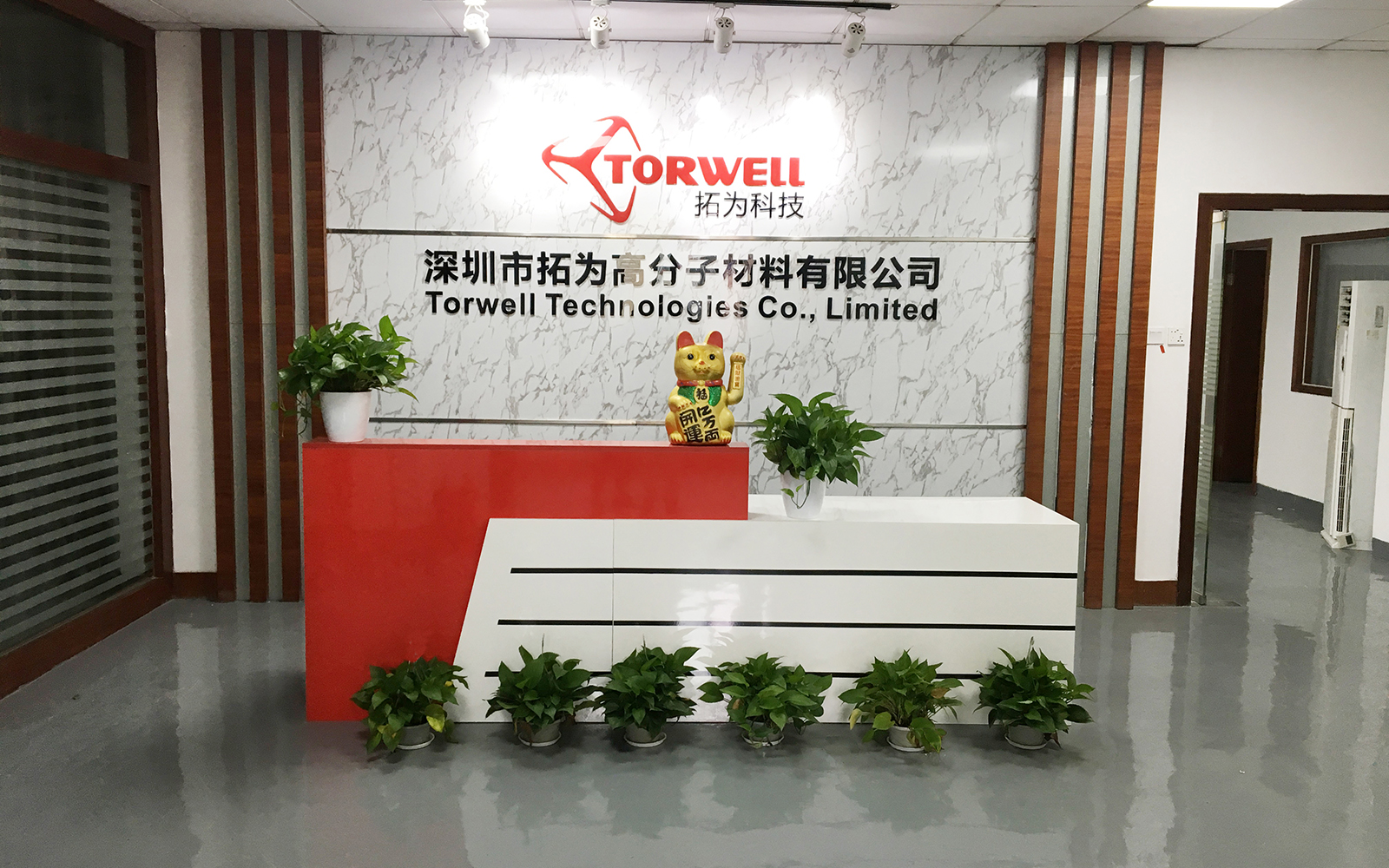
Company Profile & High-Tech Factory Infrastructure
Founded in 2011, Torwell Technologies Co., Ltd. is one of the earliest high-tech enterprises specializing in high-tech 3D printer filaments research, manufacture, and sales. Torwell occupies a 2,500 square meters modern factory with a robust production capacity of 50,000 kgs per month.
With more than 10 years of experience in 3D printing market exploration, Torwell has cooperated extensively with Institutes for High Technology and New Materials in domestic famous universities, engaging leading polymer materials experts as technical advisers. As a recognized leader enterprise with the most innovative products in the 3D printing industry, Torwell owns independent intellectual property rights, patents, and worldwide trademarks (Torwell US, Torwell EU, NovaMaker US, NovaMaker EU), and is an active member of the rapid prototyping association.
Torwell has passed international quality management system ISO9001 and international environment system ISO14001. Advanced manufacturing equipment, high-precision laser testing devices, and virgin raw materials are rigorously deployed to produce and distribute 3D printer filament of unparalleled quality, ensuring all Torwell products are compliant with RoHS standards, MSDS, REACH, TUV, and SGS certifications.
As a reliable and professional 3D printing partner, Torwell is committed to expanding its products to America, Canada, the UK, Germany, the Netherlands, France, Spain, Sweden, Italy, Russia, Mexico, Australia, New Zealand, Brazil, Argentina, Japan, South Korea, Vietnam, Thailand, Malaysia, India, and more than 80 countries and regions worldwide.
Optimizing PETG Carbon Fiber Extrusion in Tropical Environments
Ensure seamless printing results in Brazil's high-humidity and high-ambient-temperature production facilities with our comprehensive technical recommendations.
1. Hardened Nozzle Selection
Chopped carbon fiber micro-strands are naturally abrasive to standard brass nozzles. We strictly recommend using hardened steel, tungsten carbide, or ruby-tipped nozzles with an orifice size of 0.4mm or 0.6mm to prevent bore erosion and maintain strict volumetric flow consistency.
2. Temperature & Bed Configuration
Set nozzle temperatures between 230°C and 260°C depending on printing speed (50mm/s to 300mm/s on modern high-speed CoreXY systems). Maintain a heated bed temperature between 70°C and 85°C utilizing PEI spring steel or textured glass build plates with standard PVP glue or specialized adhesive.
3. Moisture Management in Brazil
Although PETG absorbs significantly less moisture than Nylon, humid conditions in coastal Brazilian cities (such as Santos, Rio de Janeiro, and Salvador) can cause stringing and micro-voids over extended exposure. We recommend storing open spools in dry boxes with desiccant or pre-drying at 65°C for 4 to 6 hours prior to mission-critical prints.
4. Cooling Fan & Speed Settings
For maximum interlayer tensile adhesion and mechanical load-bearing parts, reduce cooling fan speeds to 20% – 50%. For intricate overhangs and structural bridges, dynamic fan throttling ensures crisp geometry without compromising structural matrix cohesion.
Sustainable Additive Manufacturing in Latin America
Accelerating environmental responsibility through recyclable polymer bases, energy-efficient extrusion cycles, and localized spare part fabrication.
Eco-Conscious Formulations
Our PETG base polymers are fully recyclable within standard polyester recycling streams, enabling Brazilian factories to meet ambitious ESG and ISO14001 environmental benchmarks while curbing single-use plastics.
Decentralized Digital Warehousing
By producing spare parts locally on-demand with PETG-CF, Brazilian businesses eliminate costly overseas air freight, cut customs clearance lead times from weeks to hours, and substantially reduce supply chain carbon emissions.
Energy-Efficient Alternative to Metal CNC
Manufacturing structural composite brackets with additive PETG-CF consumes up to 80% less electrical power than subtractive CNC machining from solid billet aluminum or stainless steel blocks.
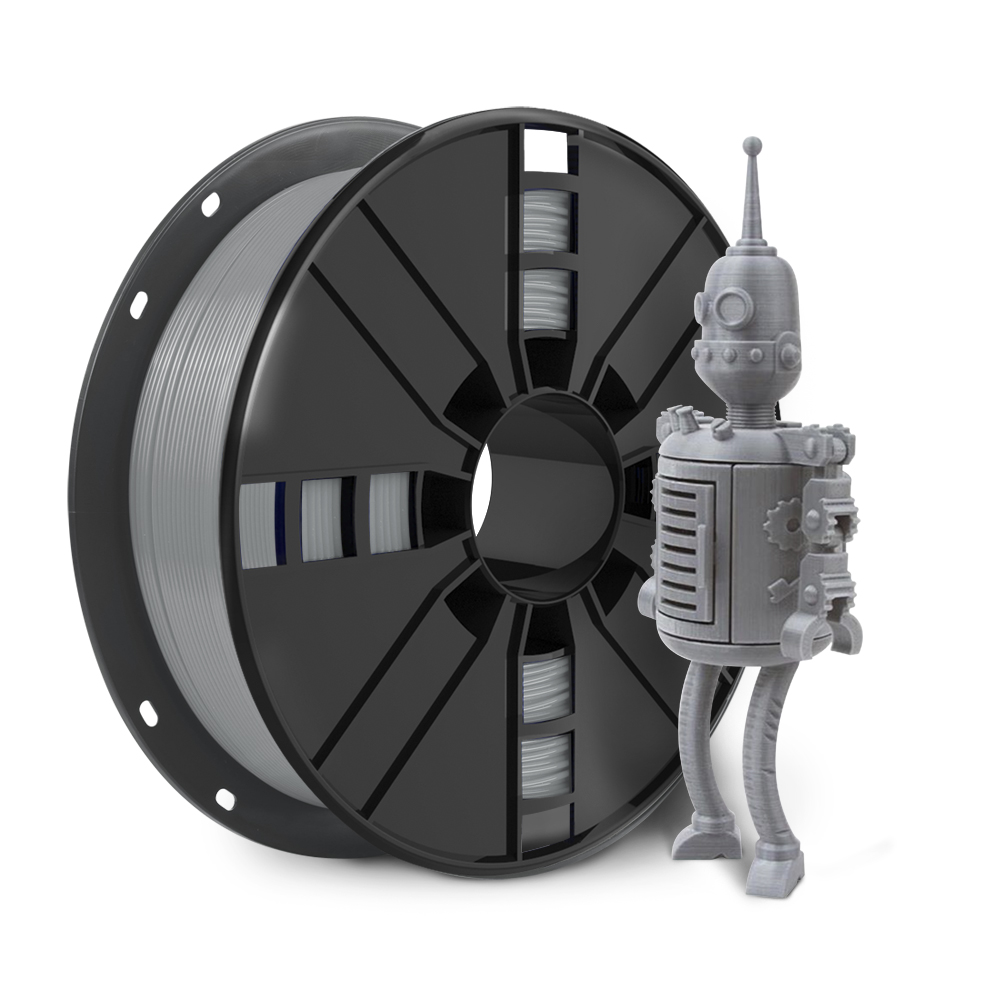
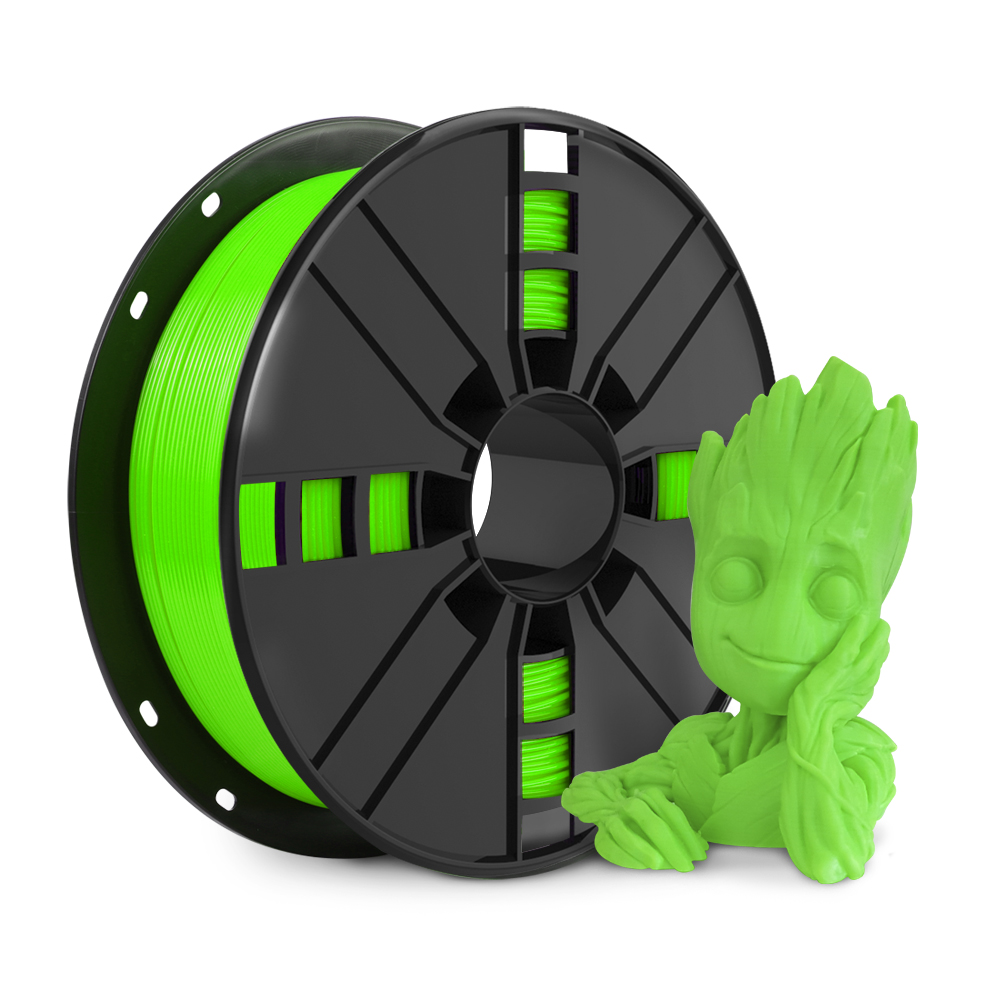
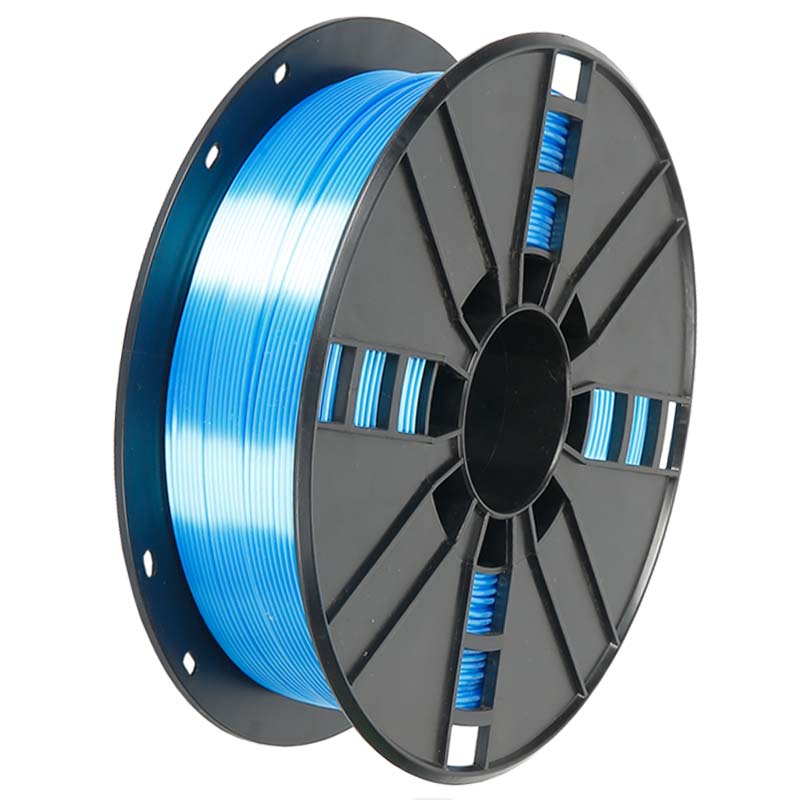
Explore Our Full Range of 3D Printing Materials
Premium 1.75mm and 2.85mm spools manufactured under strict ISO9001 quality controls, available for wholesale distribution and direct OEM factory supply across Brazil.
Frequently Asked Questions for Brazilian Industrial Buyers
Key technical insights on importing, testing, and scaling PETG Carbon Fiber filaments in South American production facilities.