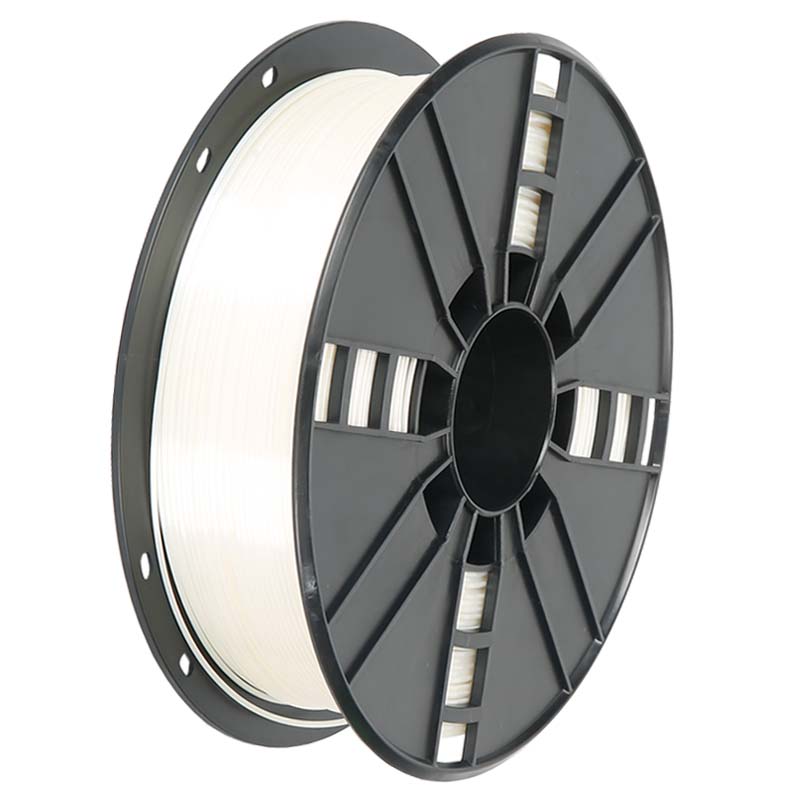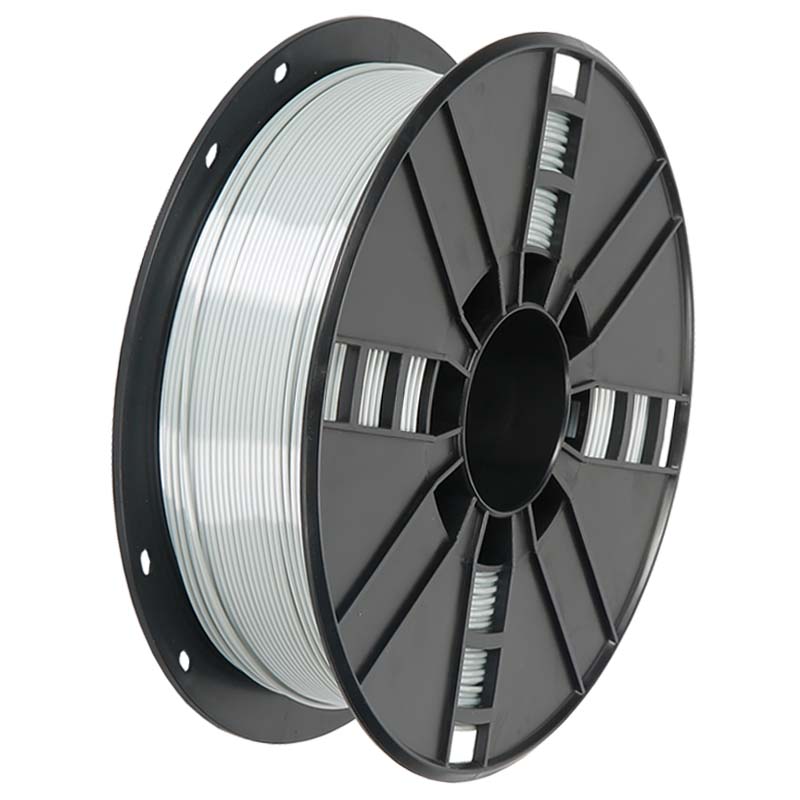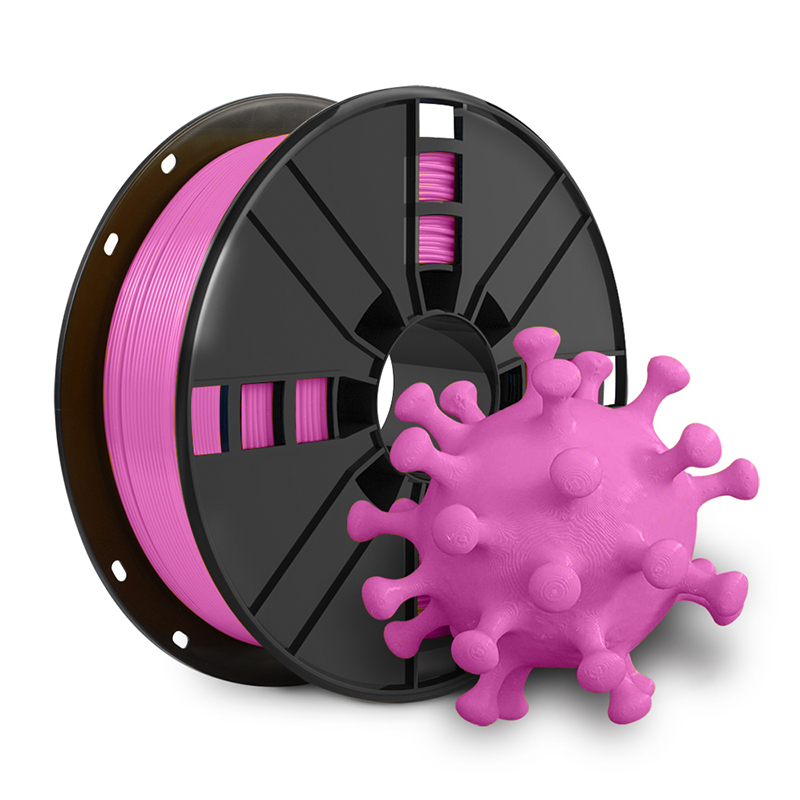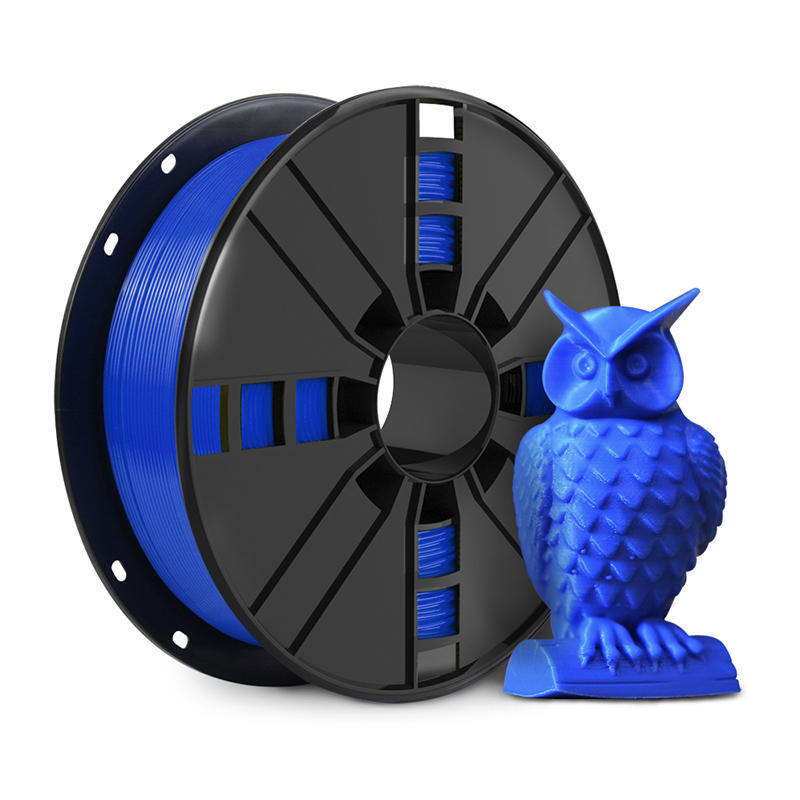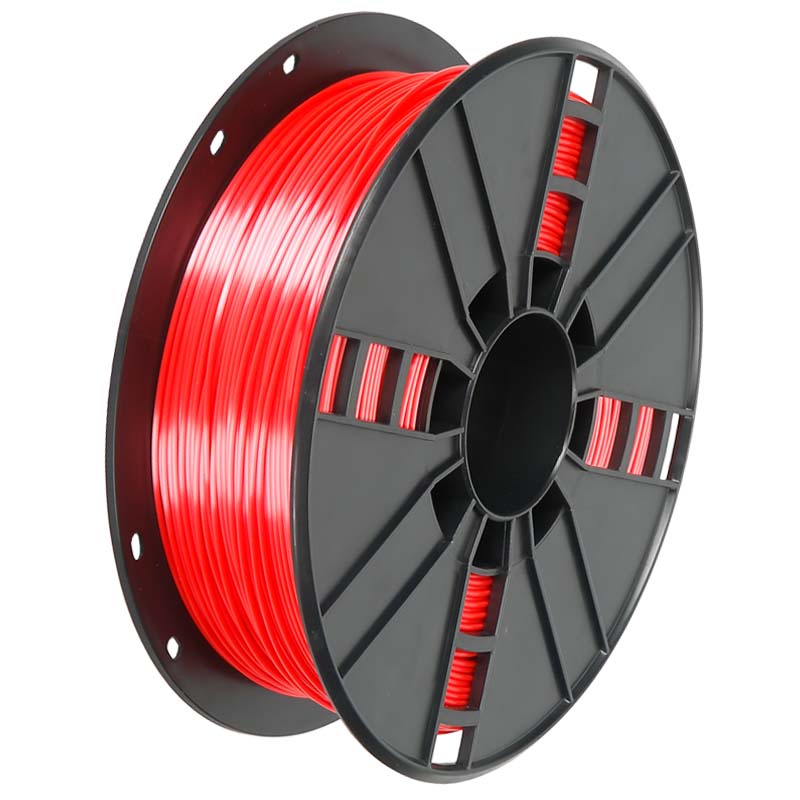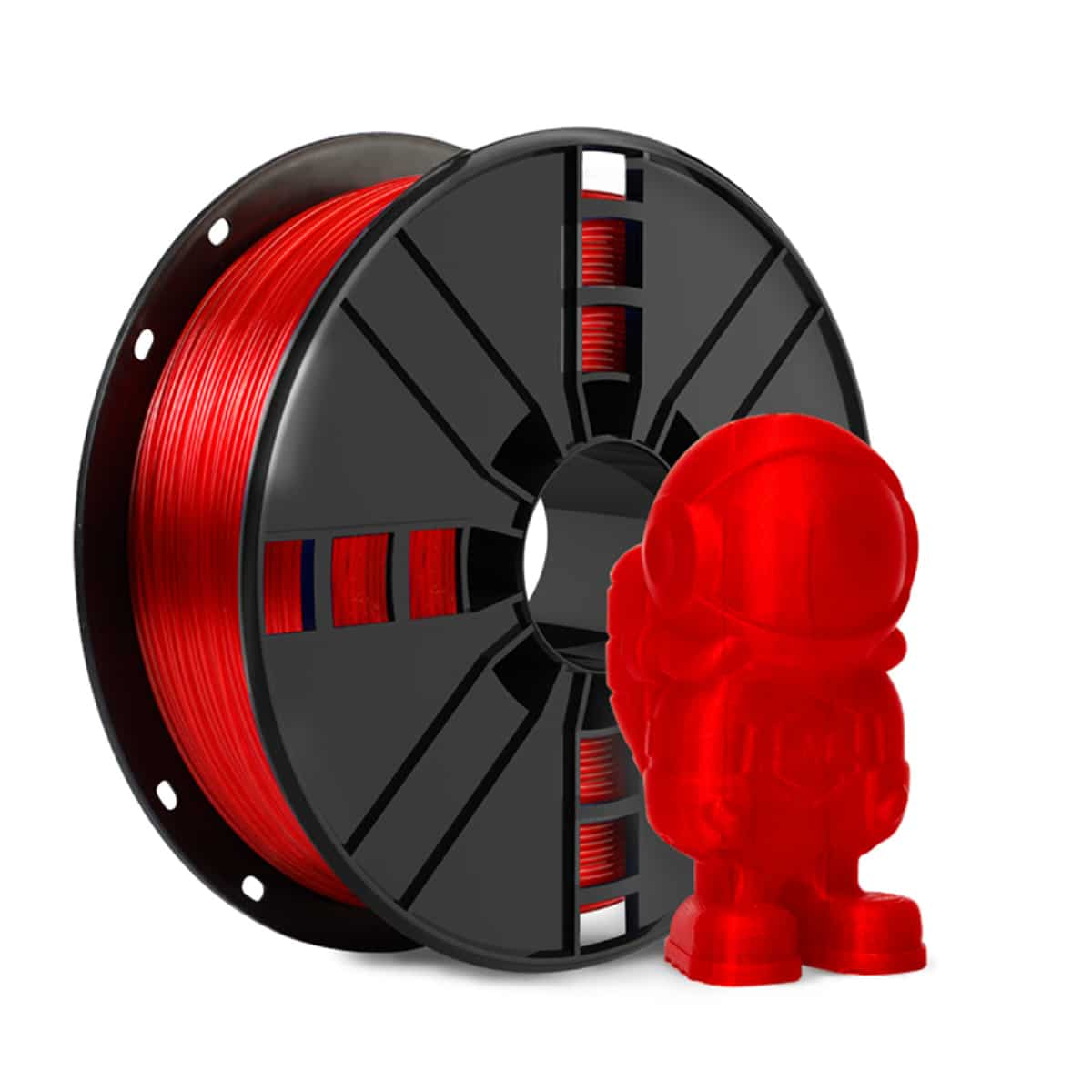
PETG Carbon Filament — Featured Flexible Wearable Strap Materials
Explore our precision-engineered filament solutions designed for high-performance flexible wearable device strap applications, offering superior chemical resistance, flexibility, and dimensional accuracy.
What Is PETG Carbon Filament for Wearable Device Straps?
PETG Carbon Filament is a cutting-edge composite 3D printing material combining the outstanding mechanical and chemical properties of PETG (Polyethylene Terephthalate Glycol) with short-fiber or continuous carbon reinforcement. This unique combination results in a filament that is exceptionally well-suited for manufacturing flexible wearable device straps — including smartwatch bands, fitness tracker straps, medical monitoring device harnesses, and AR/VR head-strap components. The material achieves a remarkable balance between structural rigidity and body-conforming flexibility, making it one of the most commercially significant advanced filaments in the rapidly expanding wearable technology market. With global wearable device shipments projected to surpass 1 billion units annually by 2027, the demand for precision-manufactured, skin-safe, durable strap materials has never been greater.
Key Material Properties: Why PETG Carbon Excels for Wearable Straps
Seven critical performance dimensions that make PETG carbon filament the premier choice for flexible wearable device strap manufacturing.
High Tensile Strength
Carbon fiber reinforcement increases tensile strength by up to 40% over standard PETG, providing straps that withstand repetitive bending, stretching, and torsional stress during daily wearable use without structural fatigue.
Thermal Stability
Maintains mechanical integrity from -20°C to +85°C, ensuring wearable straps remain functional and dimensionally stable across extreme environmental conditions — from cold outdoor sports to high-temperature industrial monitoring applications.
Chemical & Sweat Resistance
PETG's inherent resistance to perspiration, cosmetics, cleaning agents, and UV exposure makes it ideal for direct skin-contact wearable applications where longevity and hygiene are paramount concerns.
Lightweight Construction
Carbon-reinforced PETG delivers a superior strength-to-weight ratio, enabling the production of wearable straps that are significantly lighter than metal or conventional polymer alternatives — enhancing user comfort over extended wear periods.
Surface Finish Quality
Advanced extrusion processes yield smooth, aesthetically refined surfaces directly from the printer, with consistent color throughout the material — critical for consumer-facing wearable products where visual appeal drives purchasing decisions.
Dimensional Precision
Diameter tolerance maintained at ±0.02mm with roundness tolerance of ±0.02mm ensures consistent extrusion behavior, preventing print failures and guaranteeing that complex strap geometries — including buckle interfaces and sensor housings — are reproduced accurately.
🌐 Global Wearable Device Market: A Multi-Billion Dollar Opportunity
The global wearable technology market was valued at over USD 95 billion in 2023 and is forecast to reach USD 265 billion by 2030, growing at a CAGR of approximately 15.8%. PETG Carbon Filament sits at the intersection of this explosive growth, enabling brands to rapidly prototype and manufacture next-generation flexible wearable device straps with uncompromised performance, reduced lead times, and significant cost advantages over traditional injection molding or CNC machining processes.
Tolerance Precision
vs. Standard PETG
Temperature
Reliability Standard
In-Depth Application Scenarios: PETG Carbon Filament in Wearable Straps
From consumer electronics to industrial safety, PETG carbon filament is redefining what is possible in flexible wearable strap design and manufacturing.
Smartwatch & Fitness Tracker Bands
Leading consumer electronics brands are increasingly adopting PETG carbon composite filaments for rapid prototyping and short-run production of smartwatch bands. The material's combination of flexibility, skin compatibility, and high-resolution surface detail allows designers to iterate quickly, testing ergonomic profiles and buckle mechanisms before committing to mass production tooling. For limited-edition collections and customized athlete editions, direct 3D printing with PETG carbon offers unmatched speed-to-market advantages.
Medical Monitoring Device Harnesses
Continuous health monitoring devices — including ECG patches, blood glucose monitors, and vital sign trackers — require straps that maintain precise sensor positioning against the skin while withstanding repeated sterilization cycles. PETG carbon filament's chemical resistance to isopropyl alcohol and common disinfectants, combined with its biocompatible base polymer, makes it a compelling choice for medical-grade wearable strap manufacturing under ISO 13485 quality frameworks.
AR/VR Head-Strap & Eyewear Frames
The ergonomic demands of extended AR/VR headset use are extraordinary. Head straps must distribute significant device weight evenly, resist deformation under continuous load, and maintain their geometry across thousands of adjustment cycles. PETG carbon's stiffness-to-weight ratio and creep resistance under sustained stress make it technically superior to standard TPU or silicone straps for high-end extended reality applications, particularly in enterprise and industrial AR deployment scenarios.
Industrial Safety & IoT Wearable Straps
Worker safety wearables — such as fall detection systems, environmental hazard monitors, and location tracking devices deployed in construction, mining, and chemical processing environments — demand strap materials that can withstand mechanical impacts, chemical exposure, and extreme temperature swings. PETG carbon filament manufactured to ISO 45001 standards provides the structural reliability and chemical inertness required by occupational health and safety specifications in these demanding industrial contexts.
Smart Sports Performance Equipment
Athletic performance wearables — from motion capture suits used in professional sports biomechanics analysis to smart insole pressure mapping systems — incorporate PETG carbon strap components that must flex repeatedly without fatigue while maintaining sensor alignment accuracy within fractions of a millimeter. The material's excellent fatigue resistance and minimal hysteresis make it preferred for high-cycle-count sports performance applications.
Sustainable Fashion & Customized Wearables
The emerging market for sustainable, personalized wearable accessories is driving demand for on-demand manufactured straps that eliminate inventory waste. PETG carbon filament enables brands to offer fully customized strap geometries, engravings, and color-carbon combinations printed per order — a business model that dramatically reduces overproduction waste and allows fashion-forward wearable brands to test micro-collection concepts with minimal capital investment.
Industry Trends Driving PETG Carbon Filament Adoption in Wearable Manufacturing
Macro-economic and technology forces accelerating the commercial deployment of carbon-reinforced PETG in flexible wearable strap production.
📈 Mass Customization at Scale
Advances in multi-axis FDM printing and AI-driven generative design are enabling brands to produce structurally optimized, anatomically personalized strap geometries that were previously impossible to manufacture economically. PETG carbon filament is central to this shift.
🔗 Supply Chain Localization
Post-pandemic supply chain disruptions have accelerated the adoption of digital manufacturing with advanced filaments, allowing wearable brands to nearshore production and achieve just-in-time manufacturing without dependence on distant injection molding facilities.
♻️ Circular Economy Pressure
EU and global regulations on electronic waste are pushing wearable brands toward recyclable and mono-material strap designs. PETG's recyclability, combined with the reduced material waste of additive manufacturing, positions PETG carbon filament favorably in ESG-driven procurement decisions.
🤖 AI-Integrated Quality Control
Machine vision and AI-driven inline quality inspection systems are being integrated into filament production lines, enabling real-time diameter and defect monitoring that elevates the consistency standards expected by medical device and high-end consumer electronics OEMs.
🏗️ Hybrid Manufacturing Processes
Combining 3D-printed PETG carbon strap structures with insert-molded silicone comfort liners or overmolded TPE padding is emerging as a dominant hybrid manufacturing strategy for premium wearable brands seeking both structural performance and consumer comfort.
🔋 Embedded Electronics Integration
Next-generation wearable strap designs are integrating flexible PCBs, conductive pathways, and micro-battery cavities directly into the strap structure. PETG carbon's dimensional stability and controlled electrical conductivity provide the substrate precision required for these emerging smart strap architectures.
PETG Carbon vs. Alternative Wearable Strap Materials
A comparative analysis demonstrating why PETG carbon filament outperforms conventional strap materials across critical performance dimensions.
| Property | PETG Carbon Filament | Standard PETG | TPU/Silicone | Stainless Steel |
|---|---|---|---|---|
| Tensile Strength | ⭐⭐⭐⭐⭐ Excellent | ⭐⭐⭐ Good | ⭐⭐ Moderate | ⭐⭐⭐⭐⭐ Excellent |
| Weight (Lightweight) | ⭐⭐⭐⭐⭐ Excellent | ⭐⭐⭐⭐ Very Good | ⭐⭐⭐⭐ Very Good | ⭐ Poor |
| Sweat / Chemical Resistance | ⭐⭐⭐⭐⭐ Excellent | ⭐⭐⭐⭐ Very Good | ⭐⭐⭐ Good | ⭐⭐⭐ Moderate |
| Design Customization | ⭐⭐⭐⭐⭐ Unlimited | ⭐⭐⭐⭐⭐ Unlimited | ⭐⭐⭐ Requires Tooling | ⭐ Very Limited |
| Production Lead Time | ⭐⭐⭐⭐⭐ Hours | ⭐⭐⭐⭐⭐ Hours | ⭐⭐ Weeks (tooling) | ⭐ Weeks-Months |
| Cost Efficiency (Small Batch) | ⭐⭐⭐⭐ Very Good | ⭐⭐⭐⭐⭐ Excellent | ⭐⭐ Poor (tooling cost) | ⭐ Very Poor |
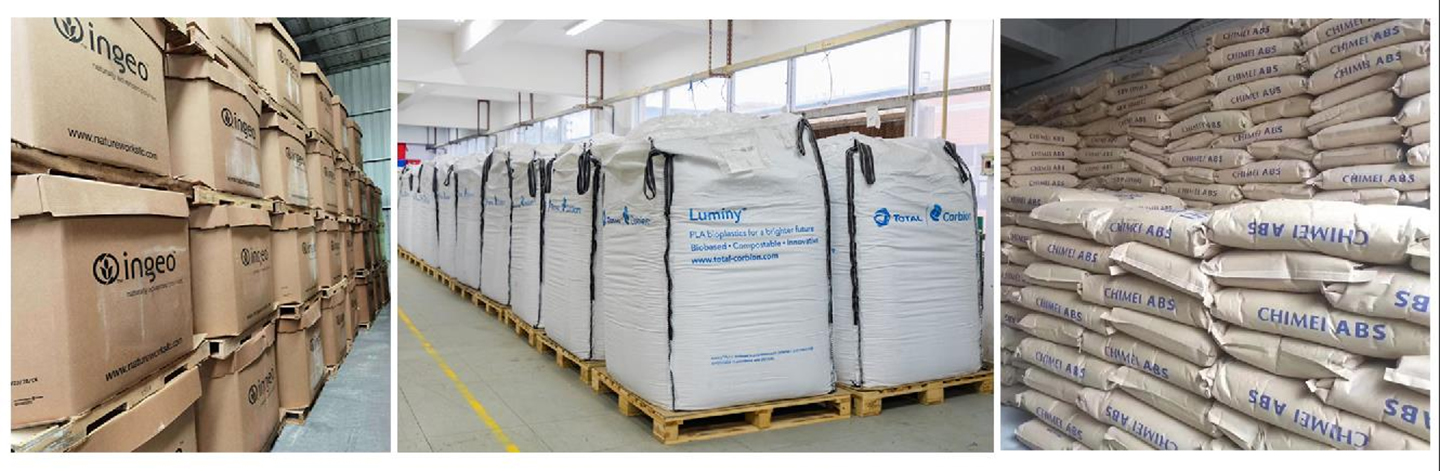
Premium Source Materials for Wearable-Grade PETG Carbon Filament
At Torwell, the foundation of every PETG Carbon Filament roll begins with stringent raw material sourcing. PETG resin is sourced from South Korea SK — one of the world's most respected polymer producers — ensuring consistent molecular weight distribution and processing behavior that is critical for the tight dimensional tolerances required by wearable strap manufacturing.
PLA grades are procured from US NatureWorks (primary) and Total-Corbion (alternative), while ABS resin originates from Taiwan ChiMei. Every batch of core raw materials is supplied by partners with whom Torwell has maintained cooperative relationships for over five years, establishing a supply chain reliability framework that directly translates to end-product quality consistency for wearable device OEMs.
Each incoming material batch undergoes comprehensive parameter inspection prior to production commencement — verifying originality, virgin status, and conformance to material specifications — before any filament destined for flexible wearable device strap applications is manufactured.
ISO-Certified Manufacturing Quality for Wearable Strap Filament Production
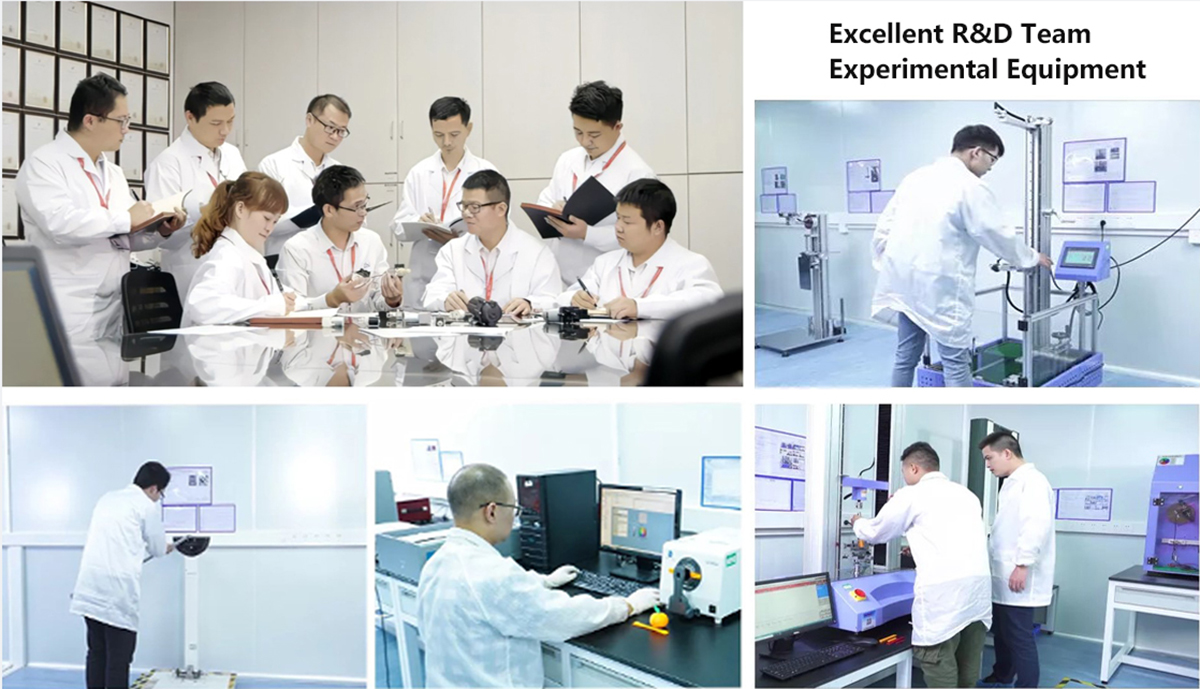
Quality Control
The Torwell manufacturing facility has achieved ISO 45001 Occupational Health and Safety Management System certification — a standard that reflects not only workplace safety excellence but also the disciplined process control culture that underpins consistent filament quality for demanding applications like flexible wearable device strap production.
Every new production employee completes a mandatory one-week safety production knowledge program followed by two weeks of hands-on production skills training, with comprehensive mastery of every process stage required before independent production responsibility is assigned. This human-centered quality culture ensures that the judgment, care, and technical competence of every team member contributes directly to the dimensional accuracy, surface consistency, and material integrity of PETG carbon filament delivered to wearable technology manufacturers worldwide.
Advanced Equipment & Process Engineering for Carbon PETG Wearable Filaments
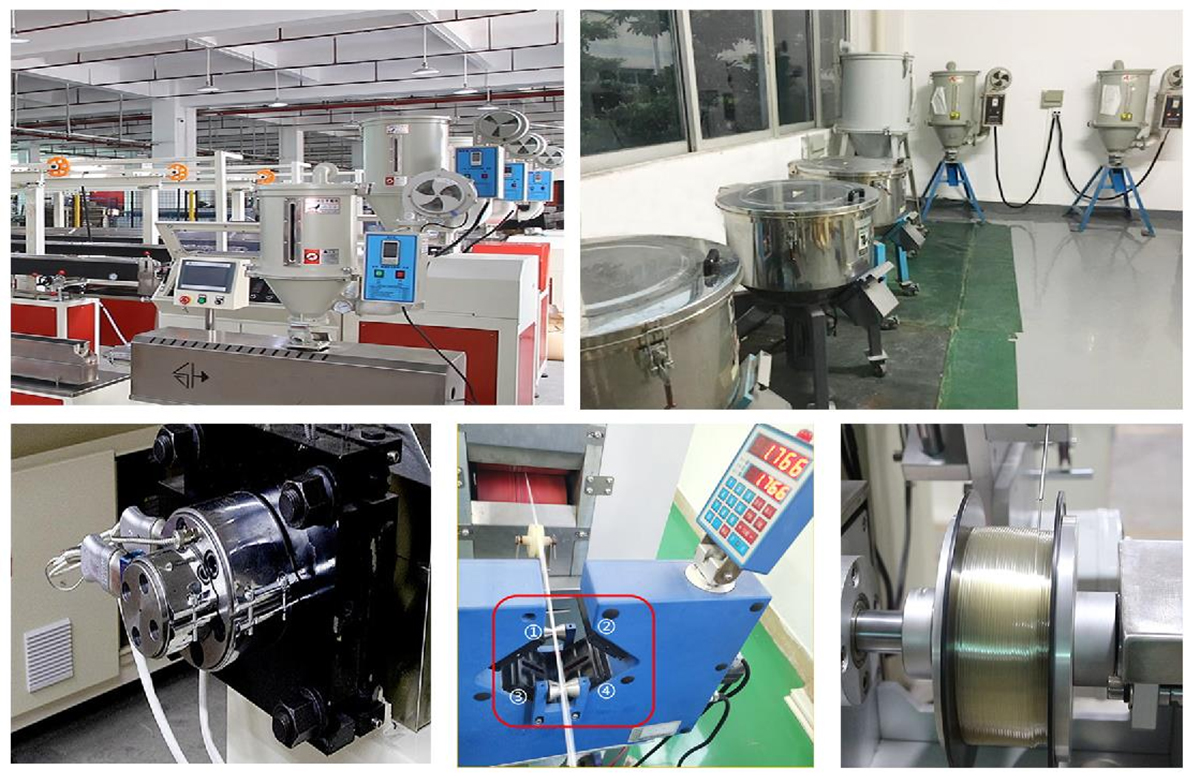
Following raw material qualification, Torwell's manufacturing process for PETG Carbon Filament destined for flexible wearable device strap applications begins with a rigorous multi-stage equipment preparation protocol. At minimum two qualified engineers perform cross-verification checks on mixing tank cleanliness, colorant dispersion uniformity, hopper dryer moisture content, extruder temperature profiles, and hot/cold tank calibration before any production run commences.
Trial production runs and line debugging are executed until all process parameters are confirmed within optimal operating windows. This proactive approach to process readiness maintains the critical filament diameter tolerance of ±0.02mm and roundness tolerance of ±0.02mm — specifications that are non-negotiable for the precision-critical hole patterns, hinge geometries, and sensor-integration features present in advanced wearable device strap designs.
Multi-Stage Final Quality Inspection for Every Wearable Strap Filament Batch
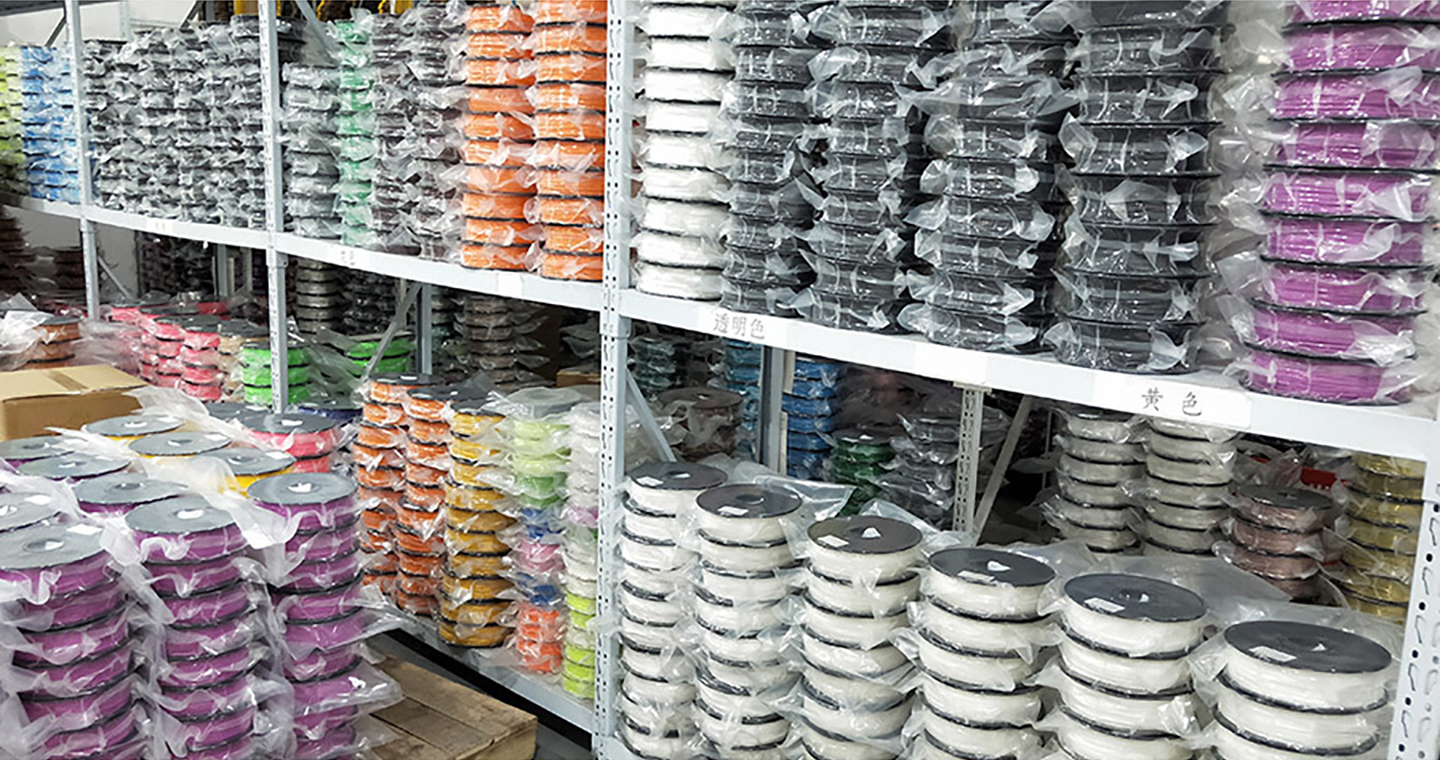
Upon completion of each production batch, two dedicated quality inspectors conduct systematic random sampling inspections aligned with standardized quality requirements. Inspection parameters include diameter tolerance measurement across multiple spool sections, color consistency verification, and mechanical assessment of strength and toughness — all critical attributes for PETG carbon filament used in flexible wearable device strap production.
Post-inspection packaging employs vacuum sealing to eliminate moisture ingress during storage and transit — a critical step for carbon-composite filaments that can be susceptible to hygroscopic degradation affecting print quality and mechanical performance. Following vacuum packaging, each batch is held for 24 hours under controlled conditions to verify packaging seal integrity. Approved batches are then labeled with full traceability information and prepared for dispatch, ensuring that every spool reaching a wearable technology manufacturer meets the exacting standards that precision strap components demand.
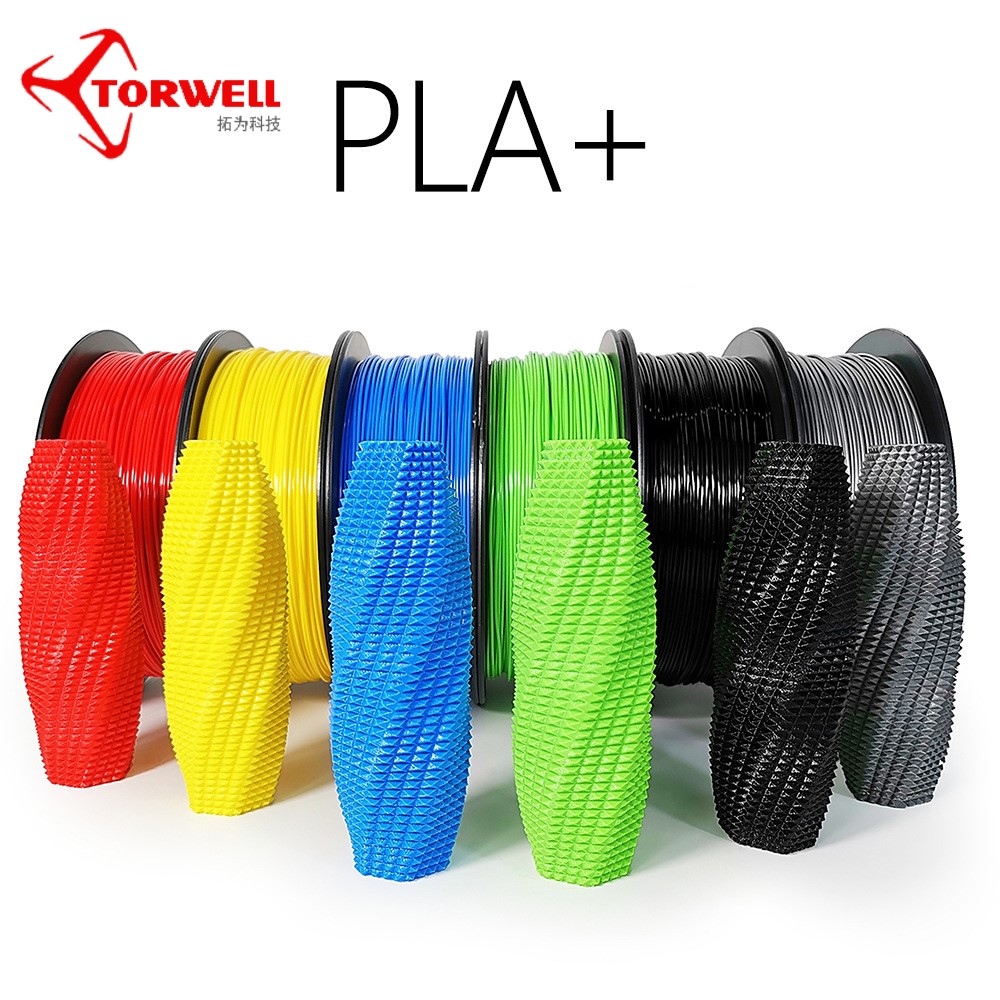
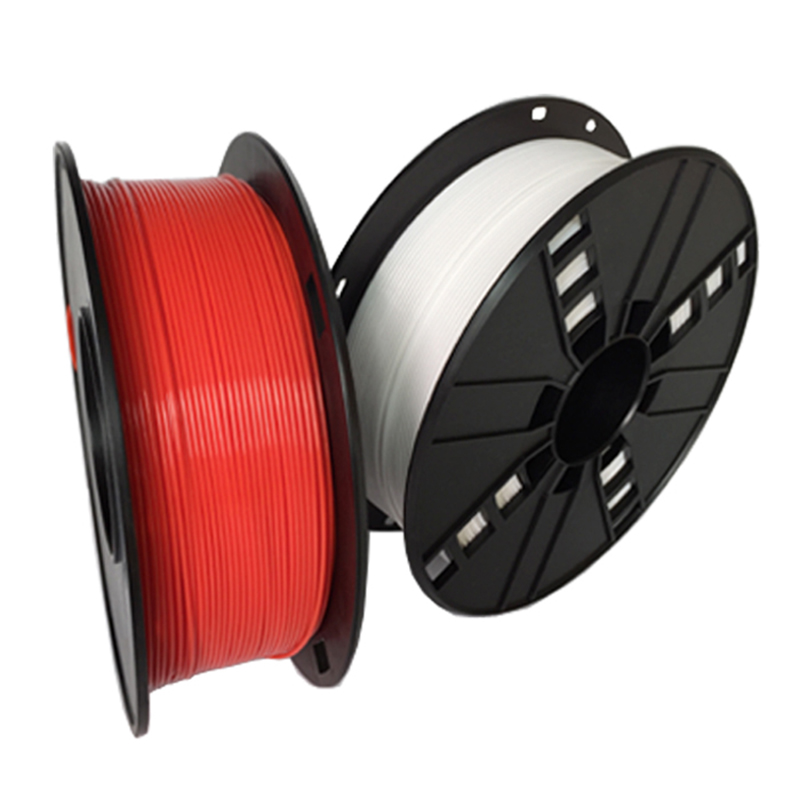
Complete Filament Range for Flexible Wearable Device Strap Applications
Our full portfolio of high-performance 3D printing filaments — engineered for the full spectrum of wearable technology and flexible strap manufacturing requirements.