Featured High-Performance Surveillance Enclosure Filaments
Engineered for extreme environmental endurance, mechanical rigidity, and dimensional precision
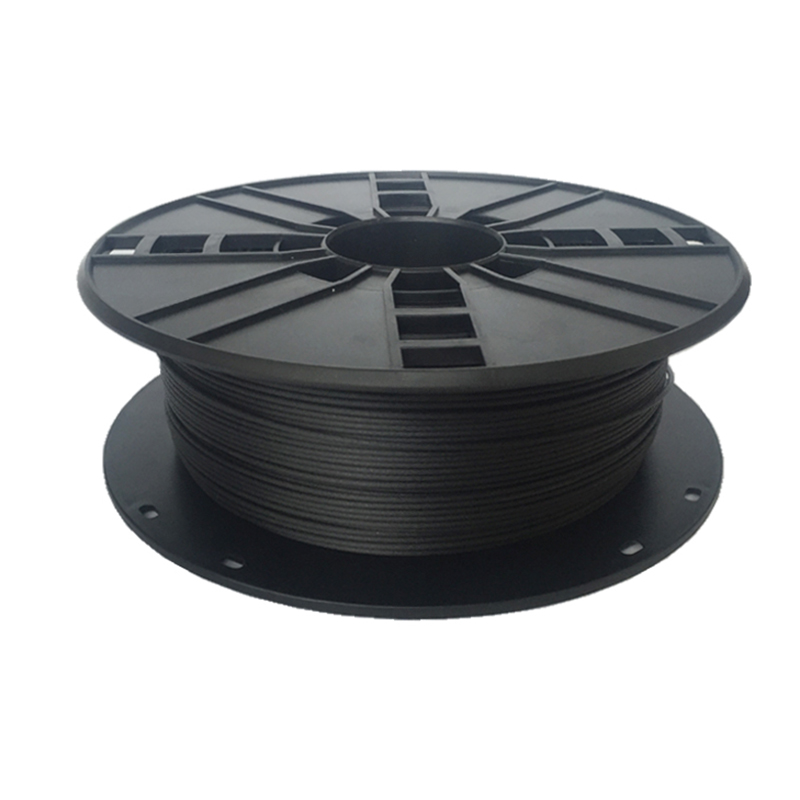
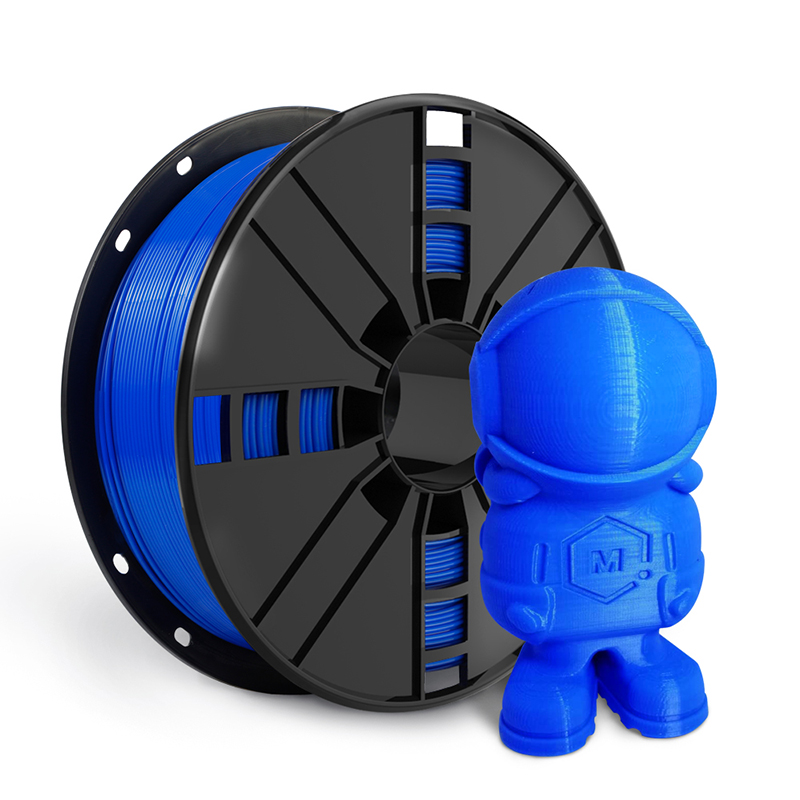
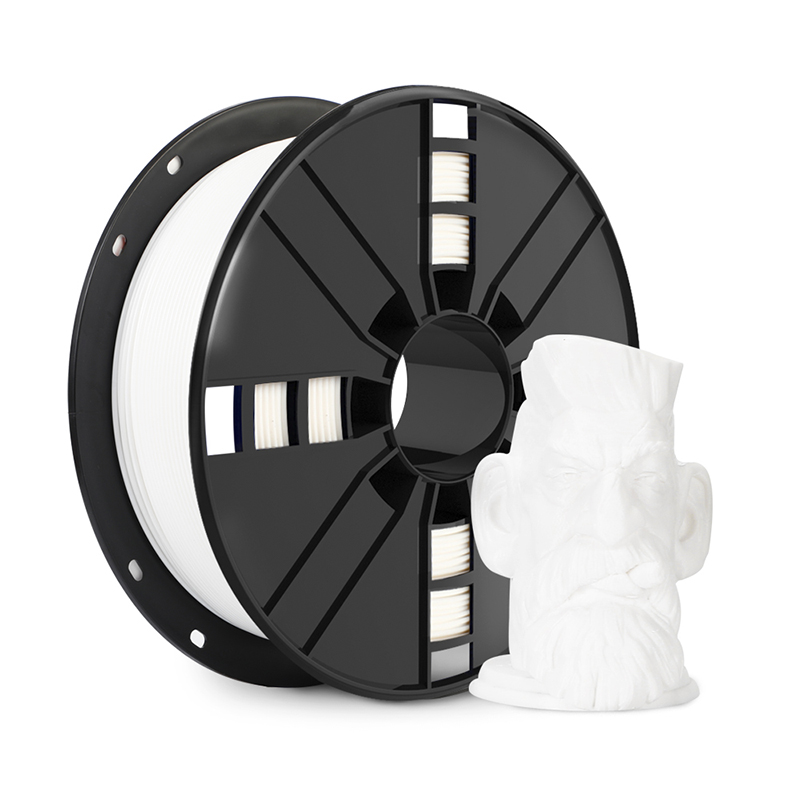
1. Executive Summary & Industrial Context
The global security infrastructure landscape is undergoing a massive paradigm shift. As Artificial Intelligence at the Edge (Edge AI), Smart Cities, Intelligent Transportation Systems (ITS), and automated industrial monitoring expand rapidly, exterior surveillance hardware is deployed into increasingly unforgiving outdoor environments. Today’s optical camera modules, LiDAR domes, radar units, and thermal imaging systems demand protective housings that provide not only IP66/IP67 weatherproofing but also long-term resistance against solar Ultraviolet (UV) radiation, thermal stress, mechanical impacts, and corrosive micro-climates.
Traditional mass manufacturing techniques—such as aluminum die-casting or injection-molded Polycarbonate (PC) and Acrylonitrile Styrene Acrylate (ASA)—often face bottlenecks in rapid prototyping, low-volume customization, and lightweight drone-mounted surveillance pods. Additive manufacturing (3D printing) has stepped into this space as a critical production tool. However, standard 3D printing polymers like standard PLA or basic ABS suffer from rapid UV degradation, warping under direct solar thermal load, or micro-cracking upon impact.
Enter PETG Carbon Filament (Polyethylene Terephthalate Glycol reinforced with Chopped Carbon Fiber). By combining the inherent chemical resistance, mechanical toughness, and low moisture absorption of glycol-modified PET with high-modulus micro-carbon fibers, PETG Carbon filament emerges as the definitive material for manufacturing UV-resistant, high-strength exterior surveillance housings.
Superior UV Stability
Carbon fiber reinforcement acts as a natural UV shield, absorbing photon radiation and protecting the polymer matrix against photo-oxidation and brittleness.
High Tensile & Flexural Modulus
Chopped carbon fibers provide exceptional structural rigidity, preventing dome deflection, camera misalignments, and vibrational blur in wind-heavy areas.
Zero-Warp Dimensional Precision
Ultra-low thermal expansion coefficient guarantees airtight sealing for waterproof IP67 rubber gaskets, eliminating water ingress risks.
2. Material Science: Why PETG Carbon Outperforms Standard Polymers
To understand why PETG Carbon filament excels in exterior surveillance enclosure applications, it is essential to analyze its underlying polymer physics and chemical composition relative to competing outdoor materials.
The Degradation Mechanism of Outdoor Polymers
Outdoor surveillance enclosures are continuously bombarded by UV-A and UV-B solar wavelengths (280nm - 400nm). Unstabilized polymers undergo photo-oxidative degradation: free radicals are generated within the polymer chains, leading to chain scissoring, yellowing, surface chalking, micro-fissures, and catastrophic impact failure. While materials like ASA (Acrylonitrile Styrene Acrylate) offer baseline UV resistance, they lack high mechanical stiffness and can deform under elevated internal electronics heat.
Synergistic Properties of Carbon Fiber Reinforced PETG
PETG Carbon filament resolves these limitations through a synergistic dual-phase structure:
- Glycol-Modified PET Matrix: Incorporating cyclohexane dimethanol (CHDM) into the polyethylene terephthalate backbone breaks up crystallization, giving standard PETG high ductility, chemical resistance against acid rain and salt spray, and excellent hydrophobic barrier properties.
- Chopped Carbon Fiber Network: Dispersed micro-carbon fibers (typically 15% to 20% weight ratio) act as an internal structural cage. Carbon black and micro-fibers absorb high-energy UV photon radiation, dispersing energy as harmless thermal radiation before it can rupture the polymer chemical bonds.
- Enhanced Thermal Deflection Temperature (HDT): Standard PETG softens near 70°C. Reinforcing PETG with high-modulus carbon fibers elevates its heat deflection temperature to 80°C - 88°C, preventing sagging in enclosures housing heat-generating AI processors (like NVIDIA Jetson modules or NPU chips) exposed to intense direct sunlight.
| Material Property | Standard PLA | Standard PETG | Unreinforced ASA | PETG Carbon Filament |
|---|---|---|---|---|
| Tensile Strength (MPa) | 45 - 55 | 40 - 50 | 38 - 45 | 65 - 85 |
| Flexural Modulus (GPa) | 2.5 - 3.2 | 1.9 - 2.1 | 1.8 - 2.0 | 4.5 - 6.2 |
| UV Resistance Score | Poor (Degrades fast) | Moderate | Excellent | Superior (Light Absorbing) |
| Water Absorption (24h) | 0.35% | 0.15% | 0.25% | 0.08% |
| Print Deformation / Warping | Low | Moderate | High | Near Zero |
3. Deep-Dive Application Scenarios in Modern Outdoor Vision Systems
The unique physical profile of PETG Carbon filament allows mechanical engineers to solve critical design challenges across specialized outdoor surveillance verticals:
Scenario A: Highway & Intelligent Transportation Systems (ITS)
Traffic monitoring hardware mounted on highway gantries experiences constant high-frequency vibration from passing heavy trucks, wind buffeting, and extreme exhaust fume exposure. PETG Carbon’s high vibration-damping capacity prevents structural micro-fractures in mounting brackets, while its chemical resistance protects against road salts and nitric oxide pollutants.
Scenario B: Marine & Coastal Perimeter Monitoring
Coastal installations face salt spray corrosion, continuous marine moisture, and elevated UV exposure. Unlike metallic housings that corrode or aluminum that oxidizes over time, PETG Carbon enclosures are completely non-reactive to saline environments, maintaining structural integrity without paint peeling or surface rust.
Scenario C: Edge-AI Wildfire & Forest Remote Domes
Solar-powered, off-grid wildfire detection cameras operate under severe thermal shifts (sub-zero winters to 45°C summer desert heat). The low coefficient of thermal expansion (CTE) of PETG Carbon ensures that waterproof optical window seals remain watertight through thousands of thermal expansion cycles.
Scenario D: Heavy Industrial & Petrochemical Refineries
In chemical processing plants and refineries, surveillance equipment is exposed to airborne organic solvents, acidic vapors, and volatile compounds. PETG Carbon maintains chemical resistance superior to polycarbonate or ABS, preventing chemical stress cracking around screw fasteners.
4. Manufacturing Excellence & Quality Assurance Protocols
Producing industrial-grade PETG Carbon filament capable of meeting the stringent requirements of outdoor surveillance housing manufacturers requires rigorous quality control and raw material selection. Below is an insight into our standardized manufacturing and testing ecosystem:
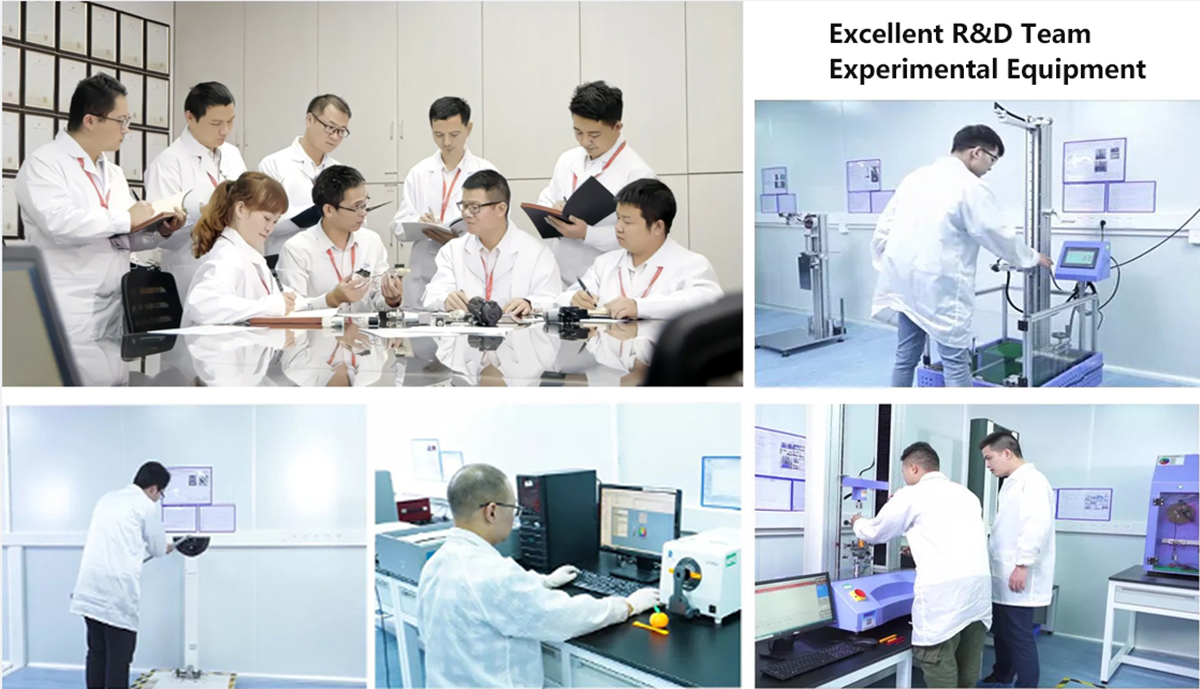
Quality Control System
The factory area has passed ISO45001 occupational health and safety management system certification. Every new employee must experience one week of safety production knowledge teaching and two weeks of production skills training, mastering every course in the production process. Who is in the position will be responsible for its duty.
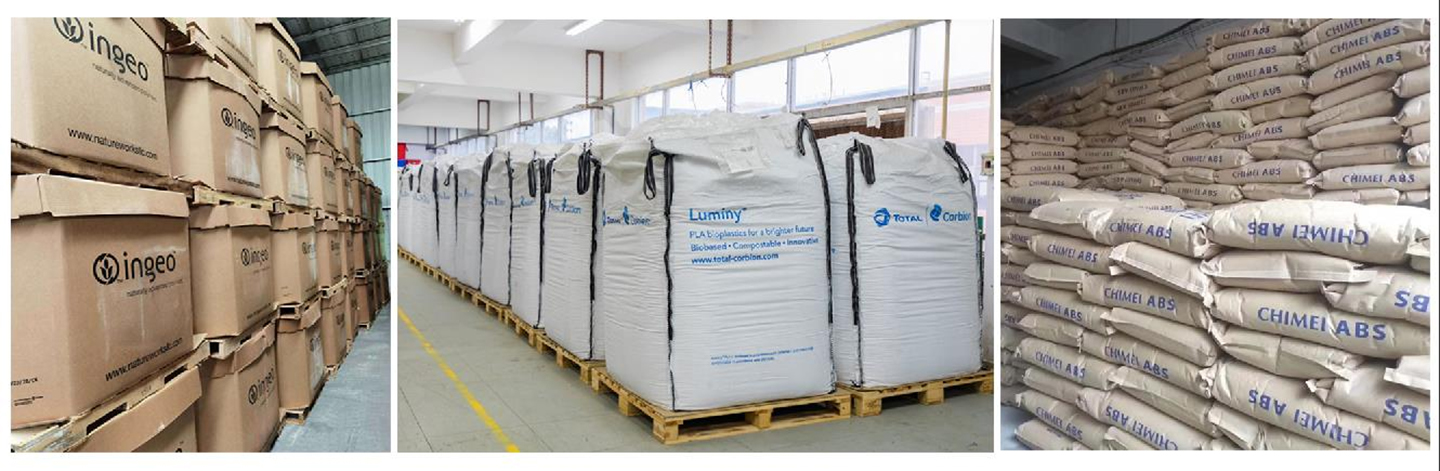
Raw Material Sourcing
PLA is the most preferred material for 3D printing, Torwell firstly chooses PLA from US NatureWorks, and Total-Corbion is the alternative. ABS from Taiwan ChiMei, PETG from South Korea SK. Each batch of main raw materials comes from partners who have cooperated for more than 5 years to ensure the reliability of products from the source. Each batch undergoes parameters inspection before production to ensure materials are original and virginal.
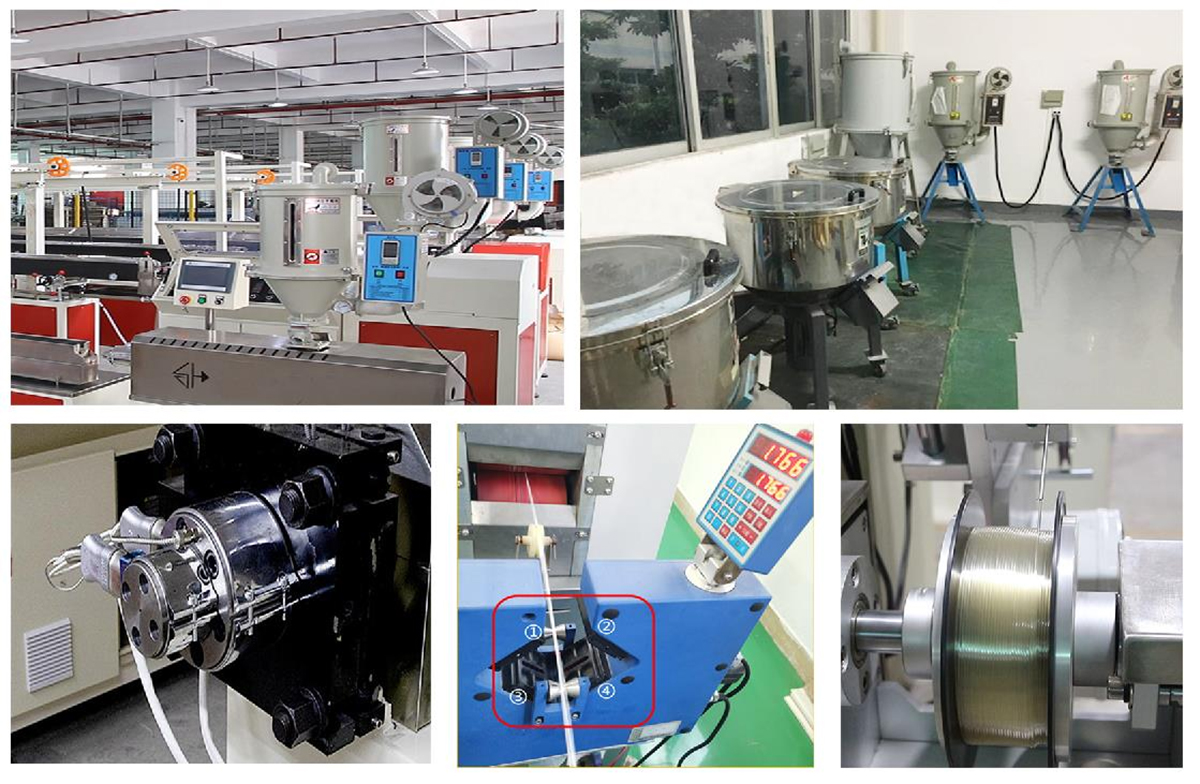
Precision Equipment & Debugging
The manufacturing workshop makes arrangements after raw material inspection. At least two engineers cross-check the clearance of the mixing tank, color mixed of material, humidity from hopper dryer, temperature of extruder, hot/cool tank, and trial-produce and debug the production line to make sure all processes are in the best condition. Maintain filament Diameter tolerance ±0.02mm, Roundness tolerance ±0.02mm.
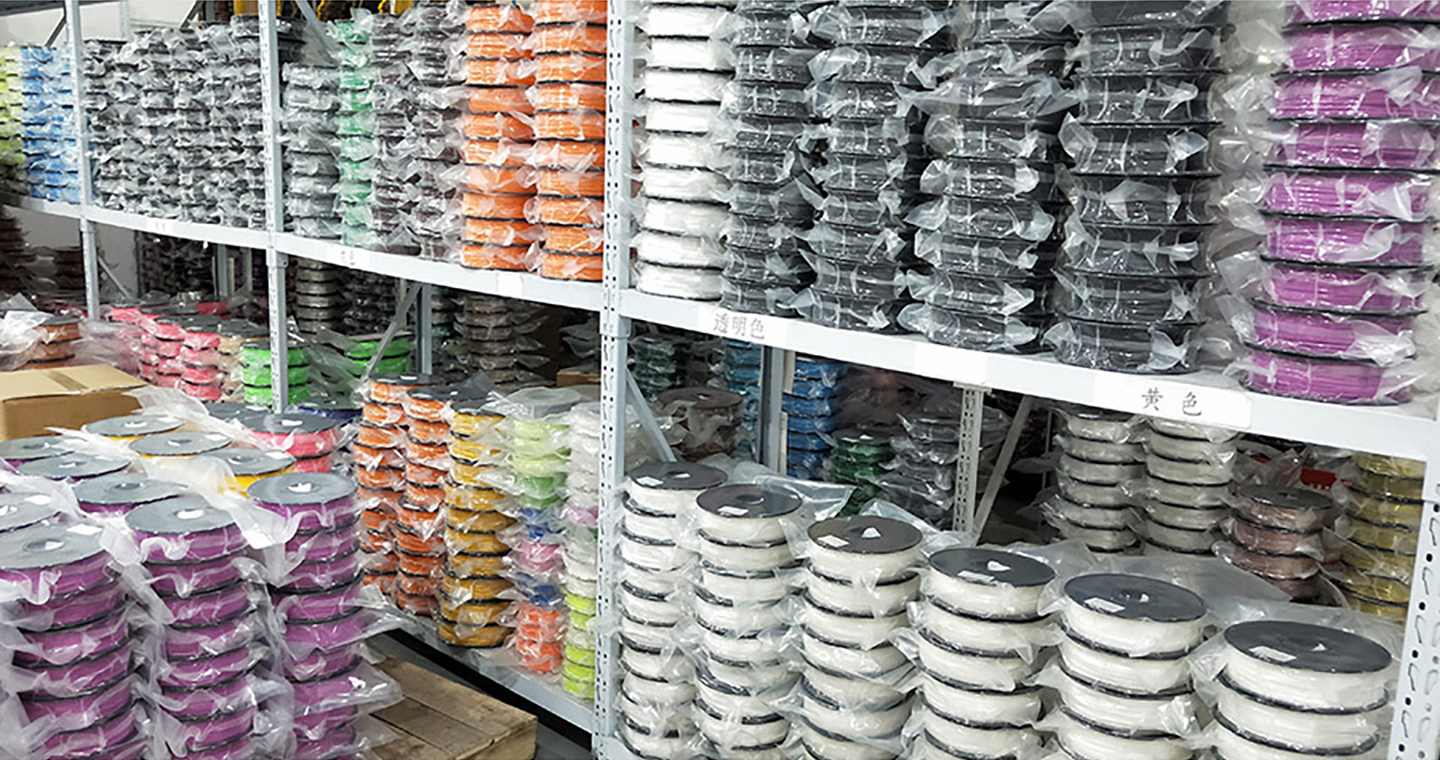
Final Inspection Protocols
After each batch of 3D filament is produced, two quality inspectors conduct random inspections on finished products in accordance with standard requirements (diameter tolerance, color consistency, strength, toughness). After vacuum packaging, spools are placed for 24 hours to verify package seals before labeling and final shipping.
5. Engineering Guidelines: Designing & Printing Surveillance Housings
Achieving optimal print quality and structural longevity when printing exterior camera housings with PETG Carbon filament requires adhering to key additive manufacturing practices:
Hardware Requirements
- Abrasion-Resistant Nozzle: Carbon fibers are abrasive. Use hardened steel, tungsten carbide, or ruby-tipped nozzles (0.4mm or 0.6mm diameter). Brass nozzles will erode within a few print hours.
- Enclosure & Bed Heating: Heated bed temperatures should be set between 70°C and 80°C. While PETG Carbon does not warp like ABS, maintaining a stable ambient temperature prevents layer delamination in tall, thin-walled housing geometries.
- Drying Parameters: Carbon fibers increase surface micro-porosity. Pre-dry filament at 65°C for 4 to 6 hours before printing to ensure smooth, bubble-free extrusion.
Print Parameters Table
| Parameter | Recommended Setting |
|---|---|
| Nozzle Temperature | 240°C - 260°C |
| Bed Temperature | 70°C - 80°C |
| Print Speed | 40 - 80 mm/s |
| Layer Height | 0.16mm - 0.28mm |
| Cooling Fan Speed | 20% - 50% (Turn off for maximum layer adhesion) |
| Infill Pattern | Gyroid or 3D Honeycomb (25% - 40% density) |
6. Future Trends in Smart City Vision Hardware
As smart cities deploy millions of low-latency computer vision nodes for traffic management, crowd control, and environmental sensing, traditional centralized manufacturing is being augmented by distributed 3D printing networks. PETG Carbon filament sits at the center of this transformation, providing the agility to prototype, iterate, and deploy end-use weather-resistant enclosures in days rather than months.
Future developments will see composite materials integrated with electromagnetic interference (EMI) shielding properties, embedded thermal dissipation pathways, and bio-based resin matrices. By choosing high-purity, strictly controlled PETG Carbon filament, equipment manufacturers ensure their outdoor surveillance platforms withstand decades of intense solar radiation, violent thermal swings, and harsh atmospheric environments.
Complete Industrial 3D Printing Material Catalog
Explore our comprehensive portfolio of high-grade filaments for outdoor surveillance, structural prototyping, and production