High-Precision Filaments for UAV Assemblies
Explore engineering polymers designed for rugged aerospace fixtures, dynamic damping mounts, and high-frequency flight stresses.
The Engineering Mechanics of Shock-Absorbing Drone Landing Gear
Overcoming kinetic energy spikes during rough autonomous vertical landings through carbon-fiber composite matrix optimization.
In modern unmanned aerial vehicle (UAV) design, landing gear systems represent one of the most critical structural subsystems. Far from being a passive support frame, drone landing gear is a primary dynamic shock-absorbing assembly that must dissipate extreme kinetic deceleration spikes upon touchdown. During high-velocity descents, gust-induced hard landings, or autonomous field descents on unpaved terrain, the landing apparatus is subjected to combined compressive, shear, and torsional impulse loads. Traditional landing gear fabrication has predominantly relied on extruded aluminum alloys, pultruded thermoset carbon tubes, or standard unreinforced injection-molded thermoplastics. However, these conventional approaches present distinct mechanical compromises: aluminum exhibits high plastic deformation under shock loads, thermoset carbon prepregs are prone to catastrophic brittle shear failures without progressive energy absorption, and standard thermoplastics suffer from excessive flexural deflection and premature cyclic fatigue.
The integration of chopped carbon fiber reinforced Polyethylene Terephthalate Glycol (PETG Carbon / PETG-CF) in additive manufacturing fundamentally alters this engineering paradigm. By compounding high-tensile short carbon fiber micro-strands into a modified glycolized polyester matrix, engineers achieve an optimal synergy of high flexural modulus, superior interlaminar fracture toughness, and inherent viscoelastic dampening. This material balance enables the direct digital fabrication of customized, shock-attenuating landing struts featuring generative internal lattices and progressive crush geometries that cannot be manufactured via traditional CNC machining or subtractive mold tooling.
Viscoelastic Damping
The PETG copolymer foundation possesses higher molecular chain compliance than brittle polylactic acids, dissipating high-frequency landing harmonics before resonance reaches onboard flight controllers and optical sensors.
Micro-Fiber Reinforcement
Microscopic high-strength carbon fibers orient along toolpaths during extrusion, elevating the tensile modulus beyond 4500 MPa while maintaining outstanding structural resistance against localized hoop stresses.
Hydrophobic & Chemical Shield
Unlike polyamide-based composites (PA-CF) which suffer from moisture absorption and dimensional softening in rainy operating environments, PETG Carbon maintains absolute dimensional stability.
Material Performance Comparison for UAV Landing Mechanics
Benchmarking PETG Carbon against standard commercial 3D printing filaments and aerospace structural materials.
| Material Classification | Tensile Modulus (MPa) | Flexural Strength (MPa) | Charpy Impact (kJ/m²) | Moisture Sensitivity | Shock Attenuation Profile |
|---|---|---|---|---|---|
| Torwell PETG Carbon (PETG-CF) | 4,850 - 5,400 | 115 - 128 | 9.8 - 11.2 | Extremely Low (<0.2%) | High (Viscoelastic Micro-Damping) |
| Standard Unreinforced PETG | 2,100 - 2,400 | 72 - 80 | 7.5 - 8.5 | Low (<0.3%) | Moderate (Elastic Bending) |
| PLA Carbon Fiber (PLA-CF) | 5,100 - 5,800 | 120 - 135 | 4.2 - 5.0 | Moderate (Hydrolytic Aging) | Low (Brittle Fracture Tendency) |
| Nylon Carbon Fiber (PA12-CF) | 4,200 - 6,000 | 110 - 140 | 12.0 - 15.0 | High (Atmospheric Moisture Uptake) | High (Elastoplastic Transition) |
| Aviation Aluminum (6061-T6) | 68,900 | 276 (Yield) | N/A (Plastic Shear) | Impermeable (Corrosive Oxidation) | Very Low (Transmits G-Force Spikes) |
Design Insight for Drone Engineers: While Nylon-CF offers high raw impact values, its atmospheric hygroscopic behavior causes unpredictable modulus decay in field operations. PETG Carbon maintains uniform mechanical stiffness and shock-absorbing modulus across varying relative humidity (RH) levels from 10% to 95%, making it the premier choice for mission-critical industrial UAV landing gears.
Deep Application Scenarios for Shock-Absorbing PETG Carbon Landing Gear
From agricultural heavy-payload sprayers to automated rooftop logistics, engineering resilience where landing errors cannot be tolerated.
- Heavy-Payload Agricultural Multirotors: Agricultural crop-spraying drones carry fluid chemical tanks weighing up to 50kg. Sloshing payloads generate severe secondary rebound forces during touchdown. Landing skids printed with PETG Carbon withstand pesticide corrosion, fertilizer overspray, and dynamic soil impacts without delamination.
- Autonomous Last-Mile Logistics & Delivery Drones: Delivery UAVs experience thousands of rapid takeoff-and-landing cycles per month on abrasive asphalt, concrete roofs, and metallic delivery stations. PETG Carbon landing components offer high abrasion resistance and prevent micro-fissure propagation under continuous cyclic fatigue.
- Tactical Reconnaissance & Mountain Field Robotics: Defense and emergency first-responder drones frequently make unguided hard landings on rocky inclines, sub-zero snowpacks, and high-salinity maritime environments. PETG Carbon remains chemically inert, UV-stable, and resistant to brittle cold-weather impact fractures.
- Cinematography & High-Precision LiDAR Surveying: Sensitive optical gimbals, hyperspectral cameras, and LiDAR scanners require immediate suppression of ground-touch vibrations. PETG Carbon landing assemblies act as mechanical low-pass acoustic and shock filters, protecting delicate optical mounts and calibrators.
Generative Metamaterial Structures
Additive manufacturing enables the slicing of intricate, biomimetic shock-absorbing structures that are physically impossible to create via traditional tooling:
The Additive Future of Drone Fleet Maintenance and Mass Customization
Examining how decentralized 3D manufacturing, rapid replacement cycles, and carbon composites drive industrial drone economics.
The commercial UAV industry is currently undergoing a massive structural transition toward automated fleet deployment. According to aerospace analytical forecasts, the global commercial drone market is expanding at a compound annual growth rate (CAGR) exceeding 25%, driven largely by inspection, infrastructure monitoring, precision farming, and logistics automation. In this high-utilization environment, conventional centralized supply chains for spare parts are becoming a bottleneck. When an industrial drone damages its landing gear during an autonomous mission, grounding the aircraft for weeks while awaiting OEM injection-molded components results in severe operational revenue loss.
The adoption of standardized PETG Carbon additive manufacturing protocols establishes an on-demand distributed manufacturing infrastructure. Drone operators, fleet hubs, and military forward operating bases can maintain digital CAD repositories and produce exact-tolerance, flight-ready landing gears locally within hours. Moreover, PETG Carbon allows rapid generational iterations: if telemetry reveals excessive vibration during landings on specific offshore platforms, structural engineers can adjust the wall thickness, modify the carbon fiber raster angles, and print an optimized landing skid prototype within the same afternoon.
Rapid Downtime Elimination
Direct digital manufacturing reduces replacement lead times from 21 days (traditional supply chains) to under 4 hours, maximizing flight asset availability across multi-regional fleet deployments.
Payload & Flight Time Gains
Replacing solid aluminum landing brackets with topologically optimized PETG Carbon structural lattices achieves up to 42% weight savings, translating directly into extended battery runtime and increased payload limits.
Sustainable Circular Life Cycle
Unlike epoxy-infused thermoset composites which cannot be melted down and typically end in landfills, PETG Carbon thermoplastic scrap can be mechanically shredded, re-extruded, and recycled into auxiliary drone components.
Precision Extrusion Guidelines for Maximum Landing Gear Interlayer Adhesion
Best practices for processing carbon-filled engineering filaments to avoid z-axis layer shear failure under harsh impacts.
Slicing & Toolpath Engineering for Impact Struts
When printing structural landing components subjected to dynamic ground shock, tensile failure frequently initiates along interlaminar boundaries (Z-axis). To guarantee structural integrity:
- Orient Along Stress Trajectories: Position the landing gear model on the build plate so that primary compressive landing shocks compress along the X-Y continuous extrusion loops rather than pulling Z-layers apart in tension.
- Maximize Wall Perimeters: Use at least 4 to 6 continuous wall perimeters (shells). Continuous perimeter loops orient carbon fiber strands longitudinally, maximizing the flexural beam strength during violent strut deflection.
- Controlled Thermal Chamber: While PETG Carbon does not require ultra-high chamber temperatures like PEEK or PEI, maintaining a draft-free environment at 35°C - 50°C dramatically enhances inter-layer polymer diffusion.
- Abrasion-Resistant Tooling: Chopped carbon fibers are highly abrasive to brass. Utilize hardened steel, silicon carbide, or ruby-tipped nozzles (0.4mm to 0.6mm diameter) to maintain precision flow rates.
Recommended Print Process Window
Company Profile & Quality Leadership
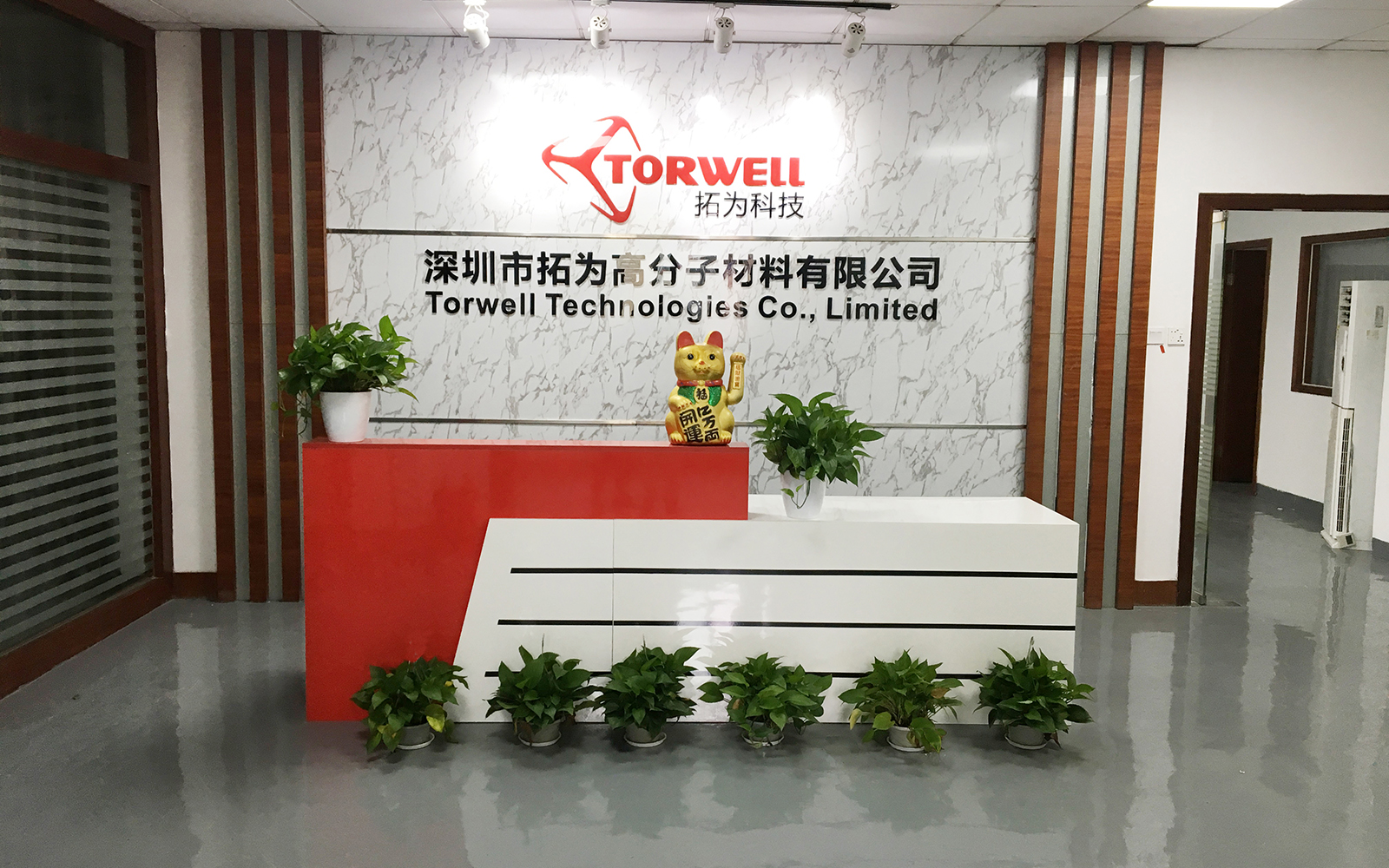
Founded in 2011, Torwell Technologies Co., Ltd. is one of the earliest high-tech enterprises which specializing in high-tech 3D printer filaments research, manufacture and sell, occupies 2,500 square meters modern factory with production capacity of 50,000kgs per month.
With more than 10years experiences in 3D printing market exploration, cooperated with Institute for High Technology and New Materials in domestic famous universities, and engaging Polymer materials experts as technical adviser, Torwell becomes one of member of Chinese rapid prototyping association and leader enterprise with the most innovative products in 3D printing industry, owns independent intellectual property rights, patents and trademarks(Torwell US, Torwell EU, NovaMaker US, NovaMaker EU).
Torwell passed international quality management system ISO9001, international environment system ISO14001, the advanced manufacturing equipment, test devices and virgin raw materials available are introduced to produce and distribute 3D printer filament of unparalleled quality, to insure all the products of Torwell are compliant with RoHS standard, MSDS, Reach, TUV and SGS test certificated.
Be a reliable and professional 3D printing partner, Torwell has committed to expanding its products to America, Canada, UK, Germany, Netherlands, France, Spain, Sweden, Italy, Russia, Mexico, Australia, New Zealand, Brazil, Argentina, Japan, South Korea, Vietnam, Thailand, Malaysia, India, more than 80 countries and regions.
Complete Engineering Material Catalog for Drone Structural Applications
Comprehensive portfolio of filaments engineered for high-performance structural prototyping, shock mitigation, and outdoor aerospace durability.
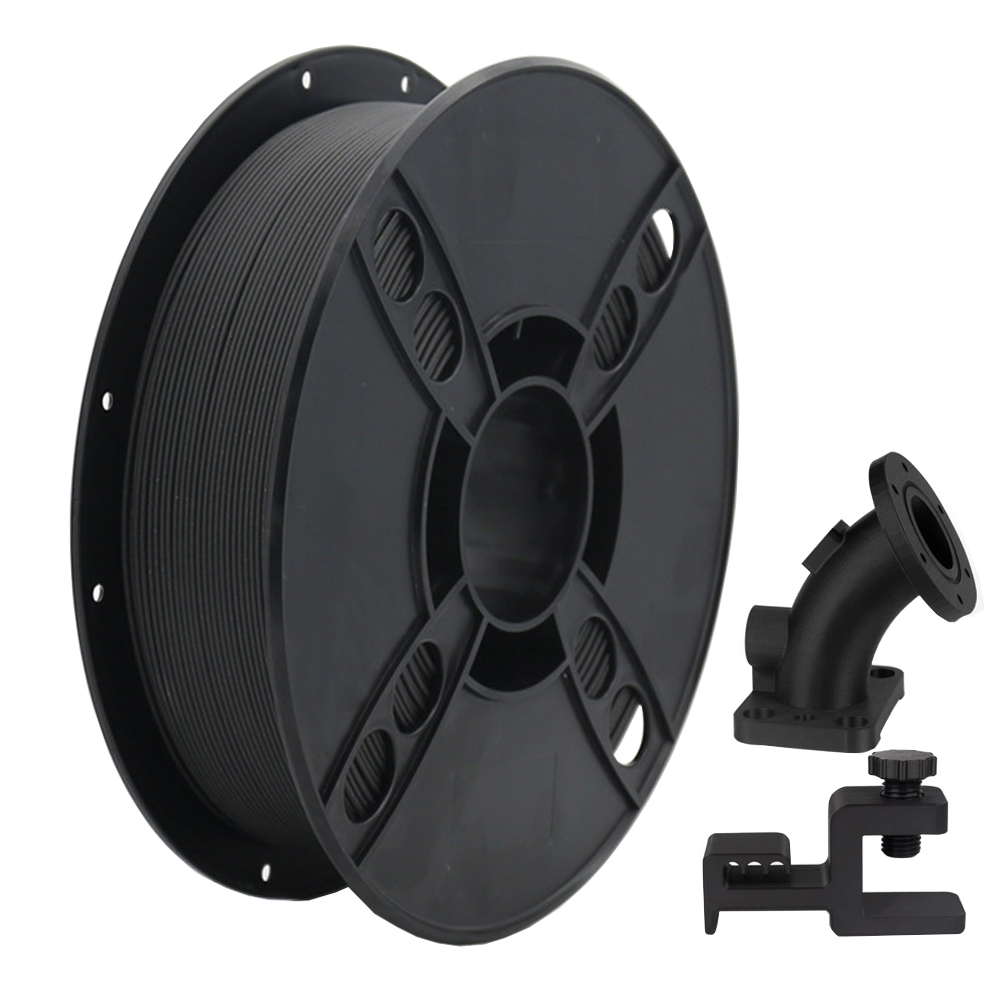 Ultra-Stiff Drone Arm Brackets
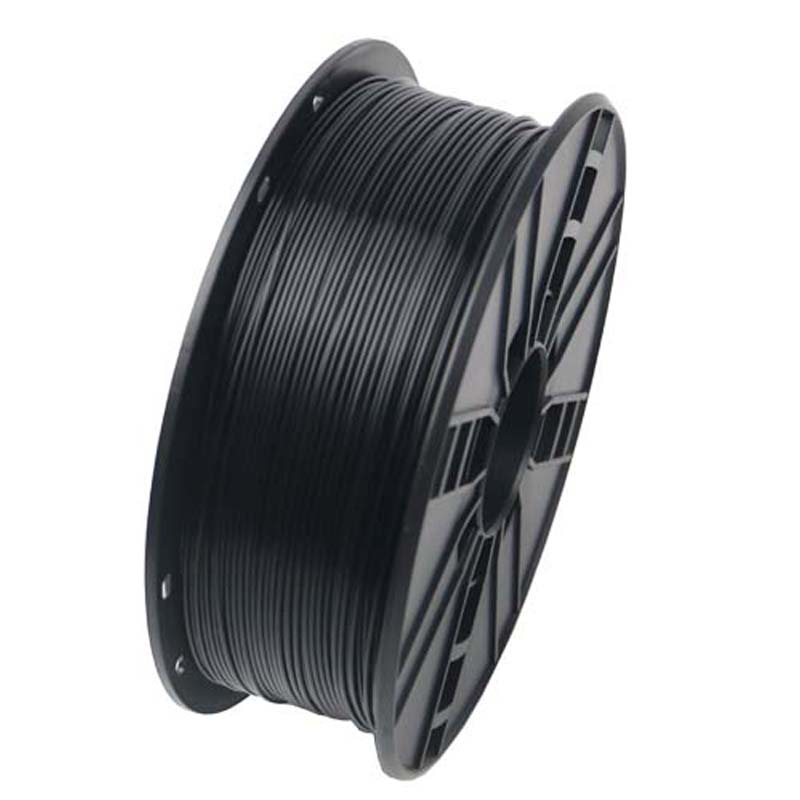
Torwell PLA Carbon Fiber 3D Printer Filament, 1.75mm 0.8kg/spool, Matte Black
Ultra-Stiff Drone Arm Brackets
Torwell PLA Carbon Fiber 3D Printer Filament, 1.75mm 0.8kg/spool, Matte Black