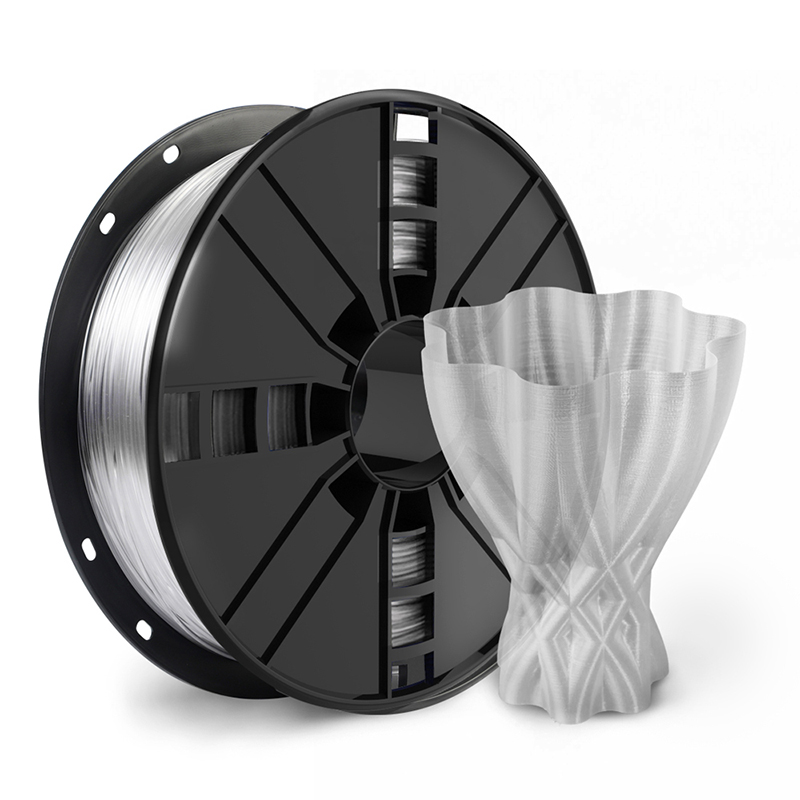
Featured Industrial & Engineering Filaments for High-Torque Prototyping
Explore our top-tier additive manufacturing materials optimized for low-friction drive assemblies, structural enclosures, and flexible impact damping.
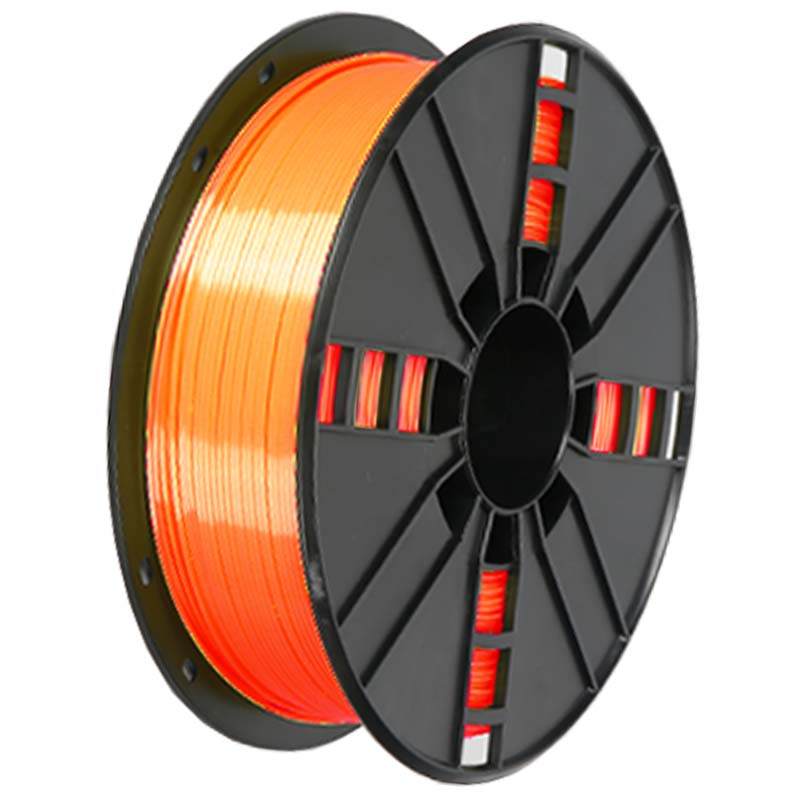
1.75mm Silk Filament PLA 3D Filament Shiny Orange
View Engineering Specs →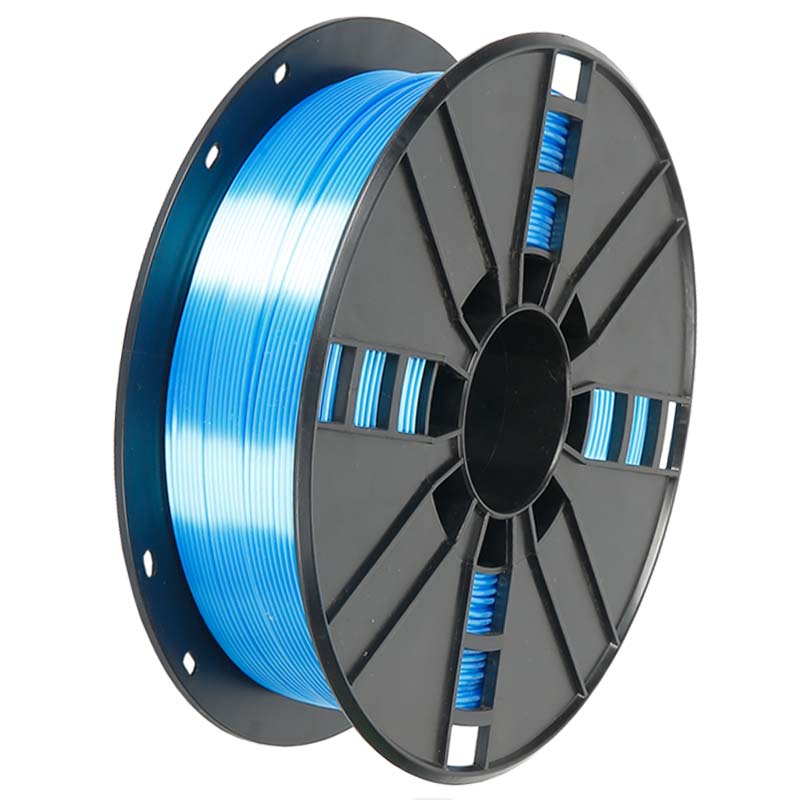
PLA Silk 3D Filament Blue 1.75mm
View Engineering Specs →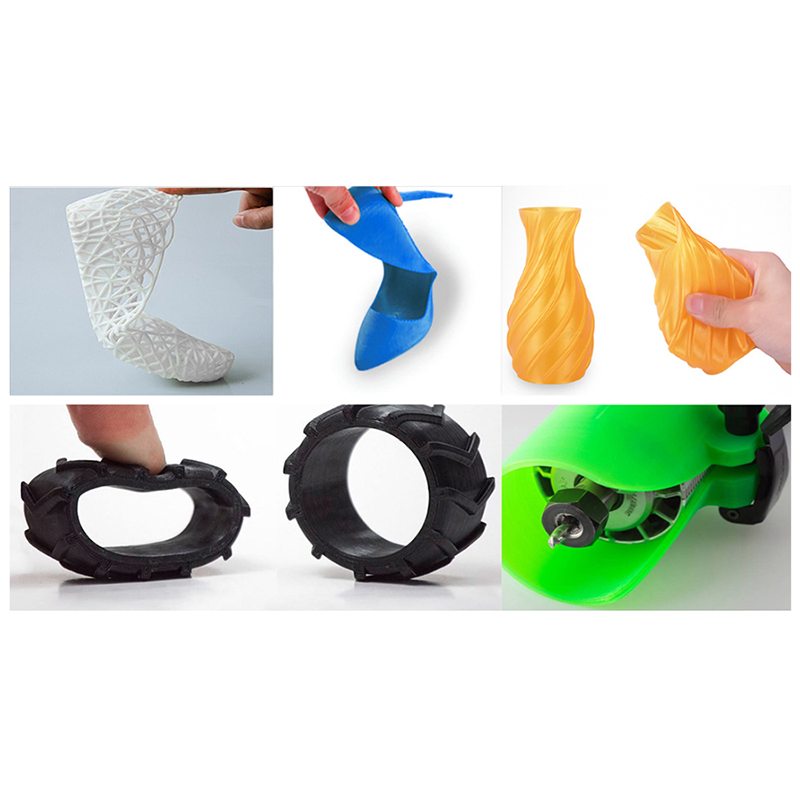
Flexible TPU Filament for 3D Printing Soft Material
View Engineering Specs →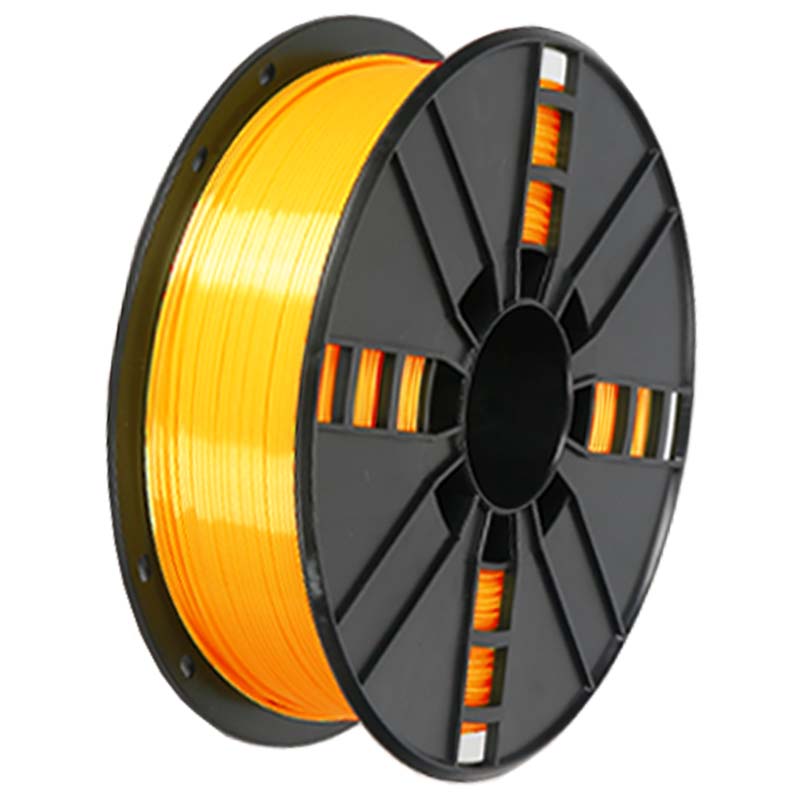
Silk Filament Yellow Gold 3D Printing Filament
View Engineering Specs →The Industrial Paradigm Shift: Why PETG-CF is Dominating Gear Replacements
How high-modulus chopped carbon fibers combined with glycol-modified polyethylene terephthalate solve catastrophic drivetrain failure in harsh industrial settings.
In modern industrial manufacturing facilities, unexpected downtime caused by worn, cracked, or stripped drive gears represents one of the single largest sources of operational expenditure losses. Traditional gear manufacturing relies heavily on subtractive CNC machining of metals such as bronze, carbon steel, and aluminum, or injection-molded engineering polymers like Polyoxymethylene (POM / Acetal) and Polyamide (Nylon). While effective, procuring customized replacement gears during emergency maintenance cycles often requires lead times spanning from several weeks to multiple months, severely disrupting lean manufacturing schedules.
The introduction of PETG-CF (Carbon Fiber Reinforced PETG) filament has fundamentally revolutionized the maintenance, repair, and operations (MRO) sector. By integrating micro-engineered chopped carbon fiber strands—typically ranging between 15% and 20% by weight—into a high-purity PETG matrix, engineers achieve an extraordinary structural material that bridges the gap between conventional desktop 3D printing ease and high-performance industrial metallurgy. PETG inherently exhibits exceptional resistance to chemical contaminants, low moisture absorption, and outstanding interlayer adhesion. When fortified with high-tensile carbon fibers, the resulting composite delivers high flexural modulus, significantly increased tensile yield strength, and virtually zero anisotropic shrinkage.
Exceptional Modulus & Gear Tooth Rigidity
Short carbon fibers dramatically restrict molecular slip during heavy cyclic engagement, preventing tooth bending and involute deformation under high dynamic torque loads.
Near-Zero Thermal Shrinkage
The carbon fiber network drastically lowers the coefficient of thermal expansion (CTE), ensuring AGMA Class 8/9 pitch diameter tolerance and true tooth meshing.
Chemical & Lubricant Immunity
Unlike moisture-sensitive Nylons or chemically susceptible standard polymers, PETG-CF resists synthetic gear oils, cutting fluids, aliphatic hydrocarbons, and high humidity.
Tribological & Mechanical Performance Comparison
Rigorous quantitative evaluation of PETG-CF against traditional drivetrain materials in heavy-duty cyclical operation.
When selecting a material for heavy-duty industrial gear replacement, mechanical engineers evaluate four vital physical vectors: Tensile Modulus (resistance to elastic tooth deflection), Surface Hardness & Coefficient of Friction (resistance to abrasive and adhesive wear), Hydrophobic Stability (maintaining dimensional tolerances under ambient humidity fluctuations), and Heat Deflection Temperature (HDT) under loaded conditions. Unreinforced polymers like standard PETG, PLA, or ABS lack the stiffness required to maintain involute tooth contact under high continuous torque, resulting in rapid root stress cracking and catastrophic thermal softening due to frictional dissipation.
Nylon-based filaments (such as PA6-CF or PA12-CF) possess high impact strength, but their hygroscopic nature poses significant operational vulnerabilities in unconditioned plant environments. Unsealed PA6 gears can absorb up to 6–9% atmospheric moisture, resulting in volumetric expansion, pitch diameter swelling, tooth binding, and a simultaneous 50% drop in tensile modulus. Conversely, PETG-CF retains an equilibrium water absorption rate of less than 0.2%, ensuring that custom spur, helical, or bevel gears preserve micron-level precision from the print bed to years of service inside industrial gearboxes.
| Engineering Property | Industrial PETG-CF | Standard Unfilled PETG | Nylon PA6-CF (Conditioned) | Machined POM (Acetal) | Cast Bronze (SAE 660) |
|---|---|---|---|---|---|
| Tensile Modulus (MPa) | 5,200 – 6,800 | 2,100 – 2,400 | 4,500 – 5,800 | 2,800 – 3,200 | 105,000 |
| Tensile Strength (MPa) | 78 – 95 | 45 – 52 | 85 – 110 | 65 – 70 | 240 |
| Moisture Absorption (24h immersion) | < 0.20% | < 0.25% | 3.50% – 7.00% | 0.25% | 0.00% |
| Heat Deflection Temp (0.45 MPa) | 82°C – 86°C | 68°C – 70°C | 160°C – 180°C | 110°C | > 300°C |
| Dimensional Print Shrinkage (%) | < 0.15% | 0.40% – 0.60% | 0.80% – 1.20% | N/A (Subtractive) | N/A (Subtractive) |
| Emergency Replacement Lead Time | 2 – 6 Hours | 2 – 6 Hours | 4 – 8 Hours (Post-dry) | 1 – 3 Weeks | 3 – 8 Weeks |
Heavy-Duty Application Scenarios in Modern Automation
Where and how PETG-CF heavy-duty gear replacements perform under real-world factory loads, corrosive atmospheres, and high-cycle regimes.
Automated Conveyor Spur & Helical Gears
In automated logistics centers and automotive paint/assembly conveyors, PETG-CF spur gears deliver quiet transmission, self-lubricating dry-contact properties, and direct resistance to paint overspray, acetone cleaning solutions, and heavy start-stop shock loads.
Agricultural & Outdoor Drivetrain Mechanisms
Harvesters, seeders, and fertilizer spreaders operate in environments subject to mud, fertilizers, UV radiation, and severe moisture. PETG-CF bevel and worm gear replacements resist UV photodegradation, prevent galvanic corrosion, and outlast standard polymers.
Robotic End-Effector Planetary Gearboxes
High-speed pick-and-place delta robots and 6-axis cobots demand minimal rotational inertia. PETG-CF sun and planet gears provide up to 65% weight reduction compared to steel equivalents, drastically reducing motor thermal load and enabling faster cycle acceleration.
Beyond traditional rotary drivetrains, PETG-CF is extensively deployed in high-ratio reduction worm drives and rack-and-pinion actuators for bottling lines, chemical processing plants, and food packaging equipment. In washdown environments where high-pressure hot water and aggressive caustic cleaners (such as sodium hypochlorite solutions) cause rapid oxidation of metallic gears, PETG-CF offers an impervious barrier that prevents structural embrittlement and surface pitting.
Engineering Best Practices for 3D Printing High-Torque PETG-CF Gears
Critical slicing parameters, toolpaths, and extrusion optimizations to ensure maximum shear strength and tooth durability.
Fabricating heavy-duty industrial gears from PETG-CF requires precise optimization of Fused Filament Fabrication (FFF) process parameters to maximize inter-bead polymer chain diffusion and minimize shear delamination under torsional stress. To achieve high mechanical integrity across gear teeth root radii, engineers should follow these standardized technical guidelines:
1. Wall Line Count & 100% Concentric Infill: Conventional grid or gyroid infills can introduce microscopic stress concentrators along the pitch line. For gears transmitting more than 15 Nm of continuous torque, set the perimeter wall count so that gear teeth are composed entirely of solid concentric perimeters. This aligns the high-strength carbon fibers parallel to the direction of tooth contact pressure, maximizing beam bending resistance.
2. Hardened Tooling & Thermal Calibration: Carbon fibers are abrasive. It is essential to use a hardened steel, ruby, or tungsten carbide nozzle (0.4mm to 0.6mm diameter). Extrusion temperatures should be calibrated between 245°C and 265°C with a heated build plate temperature of 75°C – 85°C. Running slightly higher hotend temperatures decreases melt viscosity, enabling thorough encapsulation of carbon fiber strands by the PETG matrix and increasing Z-axis interlayer tensile strength by up to 28%.
3. Controlled Cooling & Annealing Considerations: Keep part cooling fan speeds between 20% and 40%. Excessive cooling fan airflow prevents adequate molecular bonding across adjacent layer boundaries. When printing thick gear blanks (above 25mm thickness), utilizing an enclosed chamber at 40°C–50°C prevents internal residual stress buildup, ensuring the finished gear maintains pitch runout within 0.05mm of nominal CAD specifications.
Torwell Industrial Quality Assurance & Manufacturing Ecosystem
Rigorous multi-stage inspection, premium raw material sourcing, and precision extrusion engineering ensuring reliable performance.
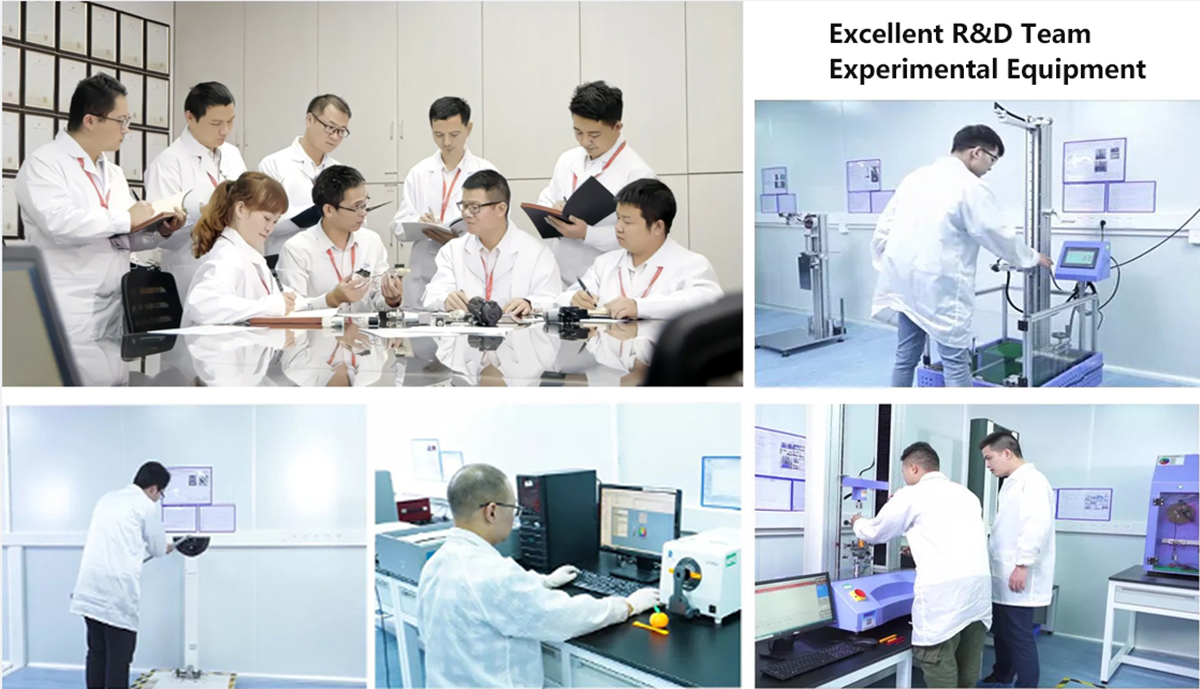
Quality Control
The factory area has passed ISO45001 occupational health and safety management system certification. Every new employee must be experienced one week of safety production knowledge teaching and two weeks of produce skills training, and master every course in the production process. Who is in the position will be responsible for its duty.
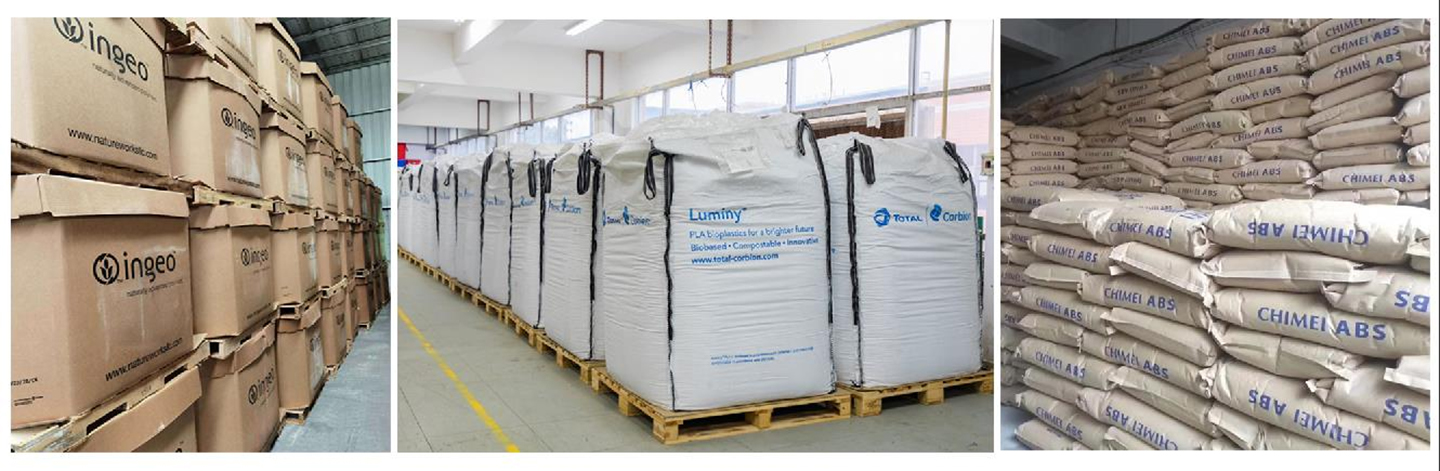
Raw Material
PLA is the most preferred material for 3D printing, Torwell firstly chooses PLA from US NatureWorks, and Total-Corbion is the alternative. ABS from TaiWan ChiMei, PETG from South Korea SK. Each batch of main raw materials comes from the partners who has cooperated more than 5 years to ensure the reliability of the products from the source. Each batch of raw materials will undergo parameters inspection before produce to ensure that raw materials are original and virginal.
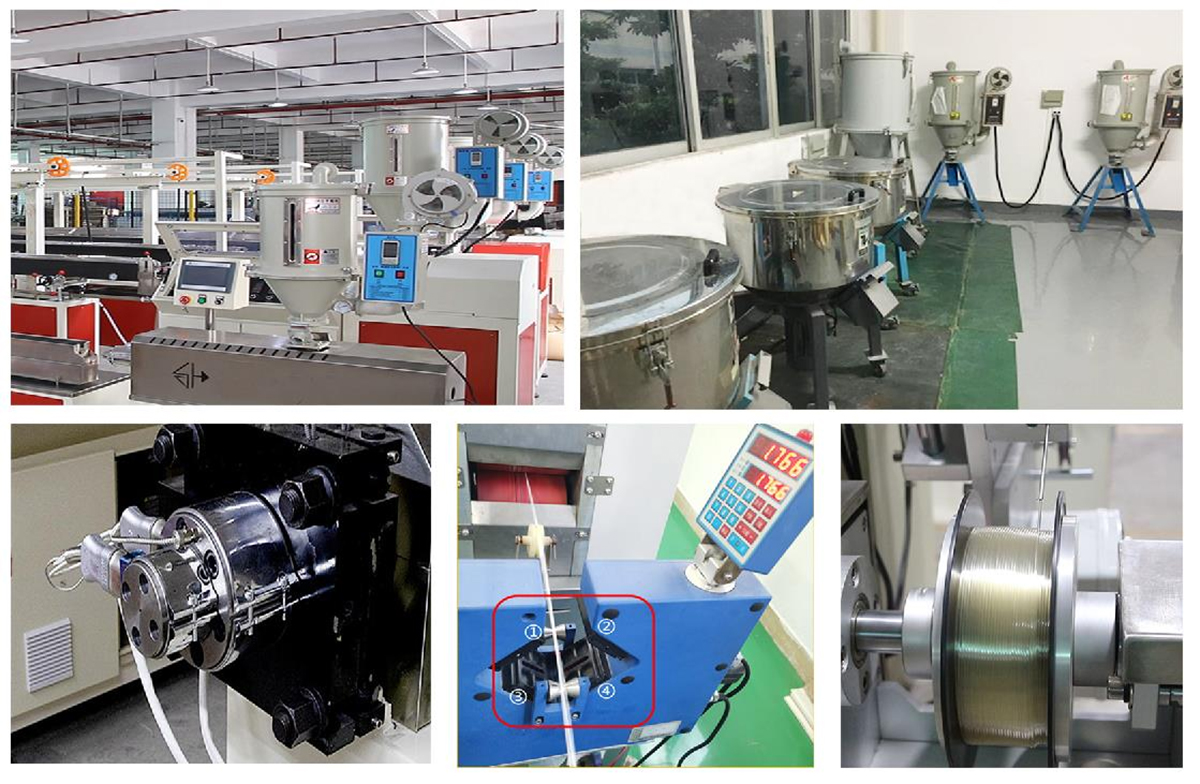
Equipment
The manufacturing workshop will make arrangements after the inspection of raw materials, at least two engineers cross-check the clearance of mixing tank, color mixed of material, humidity from hopper dryer, temperature of extruder, hot/cool tank, and trial-produce and debugging the produce line to make sure all of processes in the best condition. Maintain the filament Diameter tolerance +/- 0.02mm, Roundness tolerance +/- 0.02mm.
Final Inspection
After each batch of 3D filament is produced, two quality inspectors will conduct random inspections on each batch of finished products in accordance with the requirements of the standard, such as diameter tolerance, color consistency, strength and toughness and so on. After vacuuming the package, place them for 24 hours to check whether there is any leaking package, then label it and finish the package.
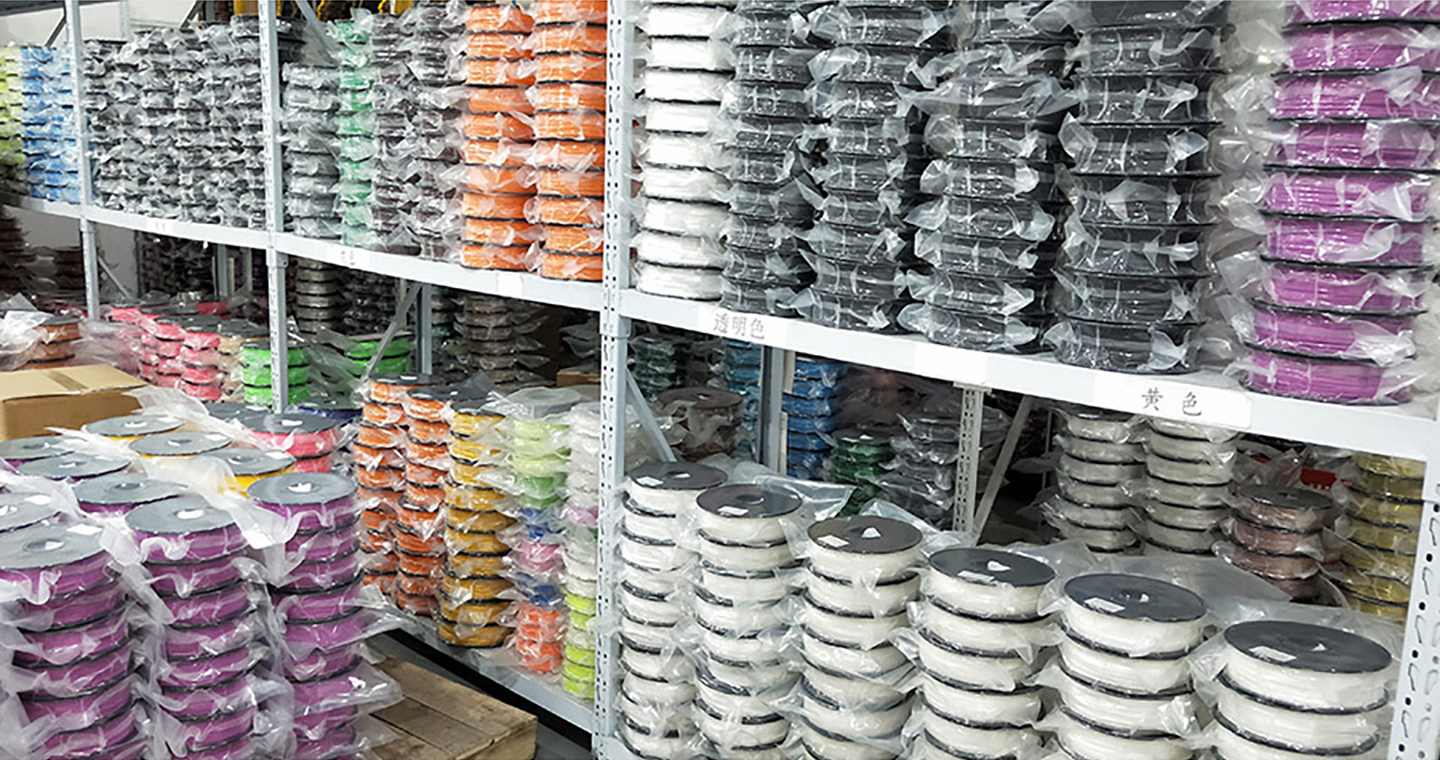
Full Industrial 3D Filament Material Portfolio
Complete catalog of specialized polymers, engineering composites, and high-durability filaments engineered for rapid functional tooling, jigs, gears, and end-use industrial parts.
1.75mm Silk filament PLA 3D Filament Shiny Orange
Explore Product →
PLA Silk 3D filament blue 1.75mm
Explore Product →
Flexible TPU filament for 3D printing soft material
Explore Product →
Silk filament yellow gold 3D Printing filament
Explore Product →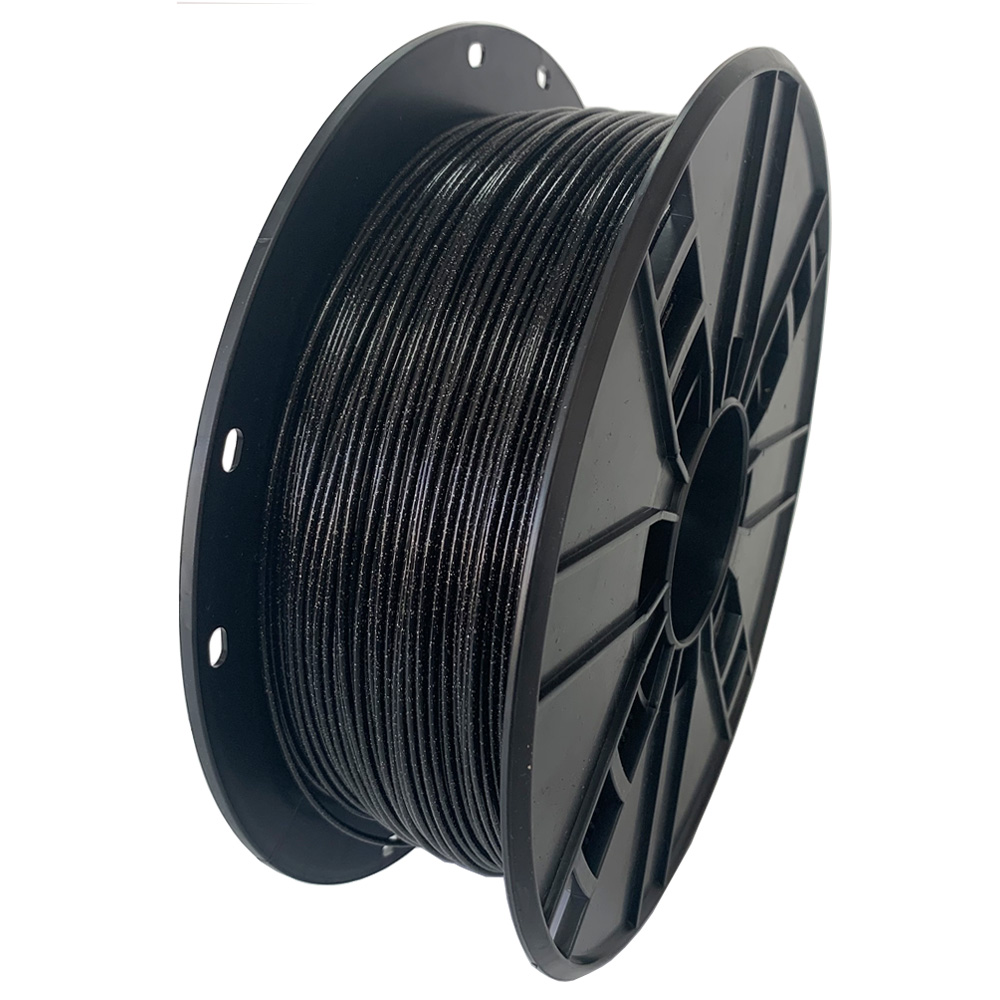
Sparlking PLA filament Glitter Flakes for 3D printers
Explore Product →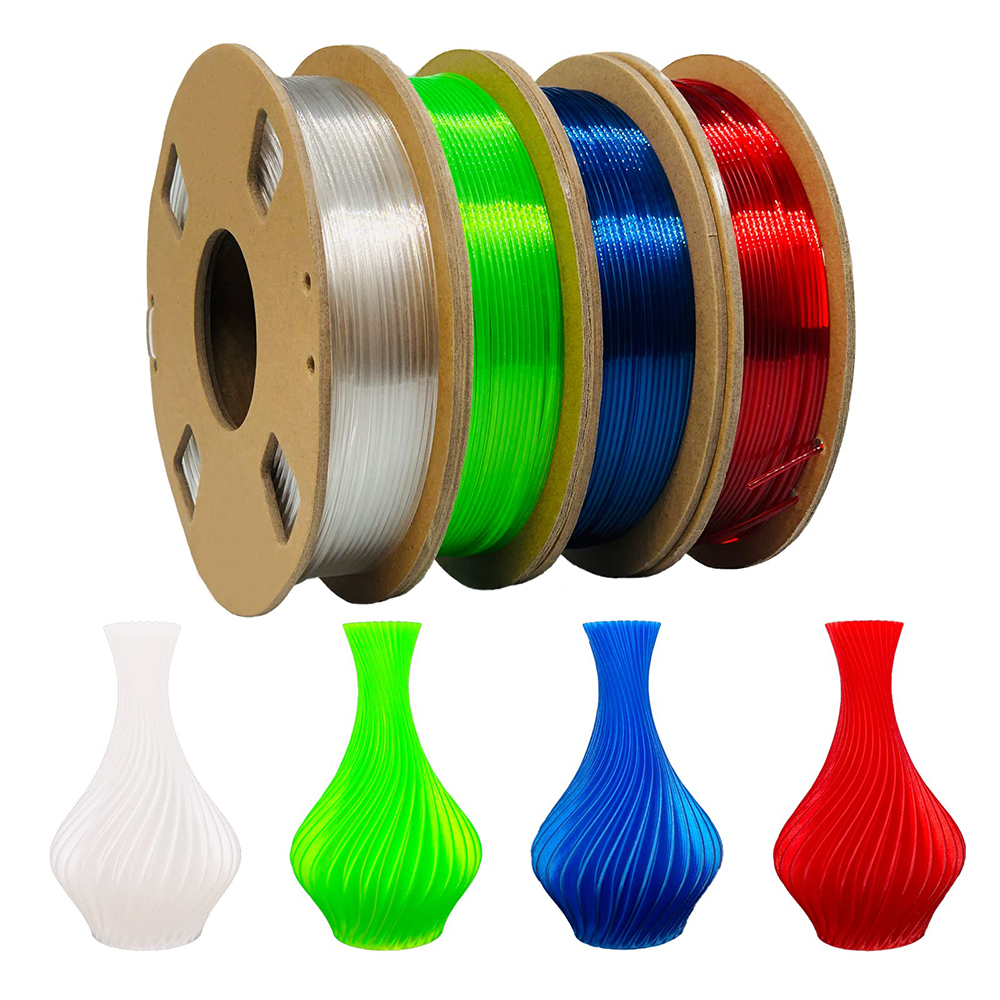
PETG Filament with multi-color for 3D printing, 1.75mm, 1kg
Explore Product →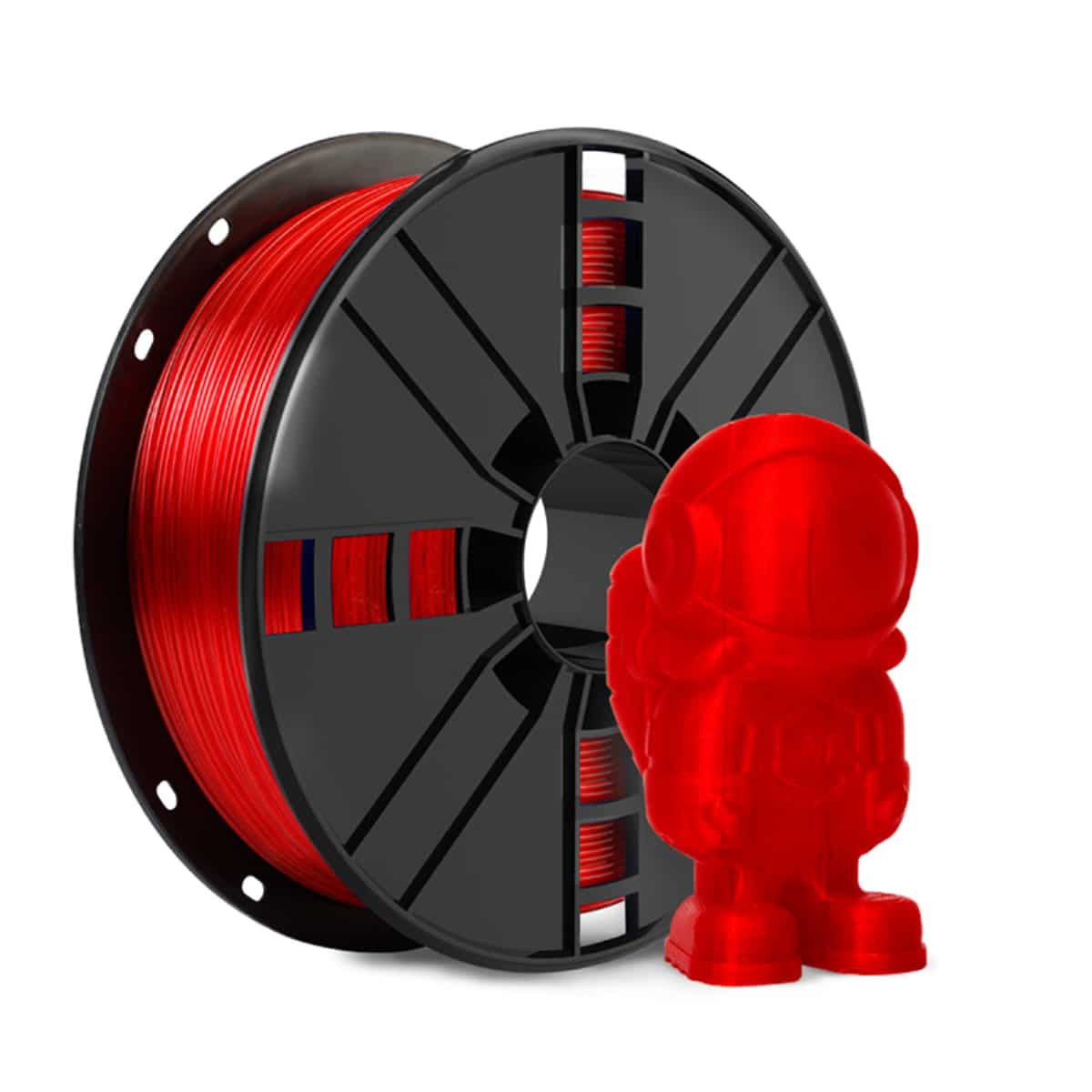
Red 3D filament PETG for 3D printing
Explore Product →