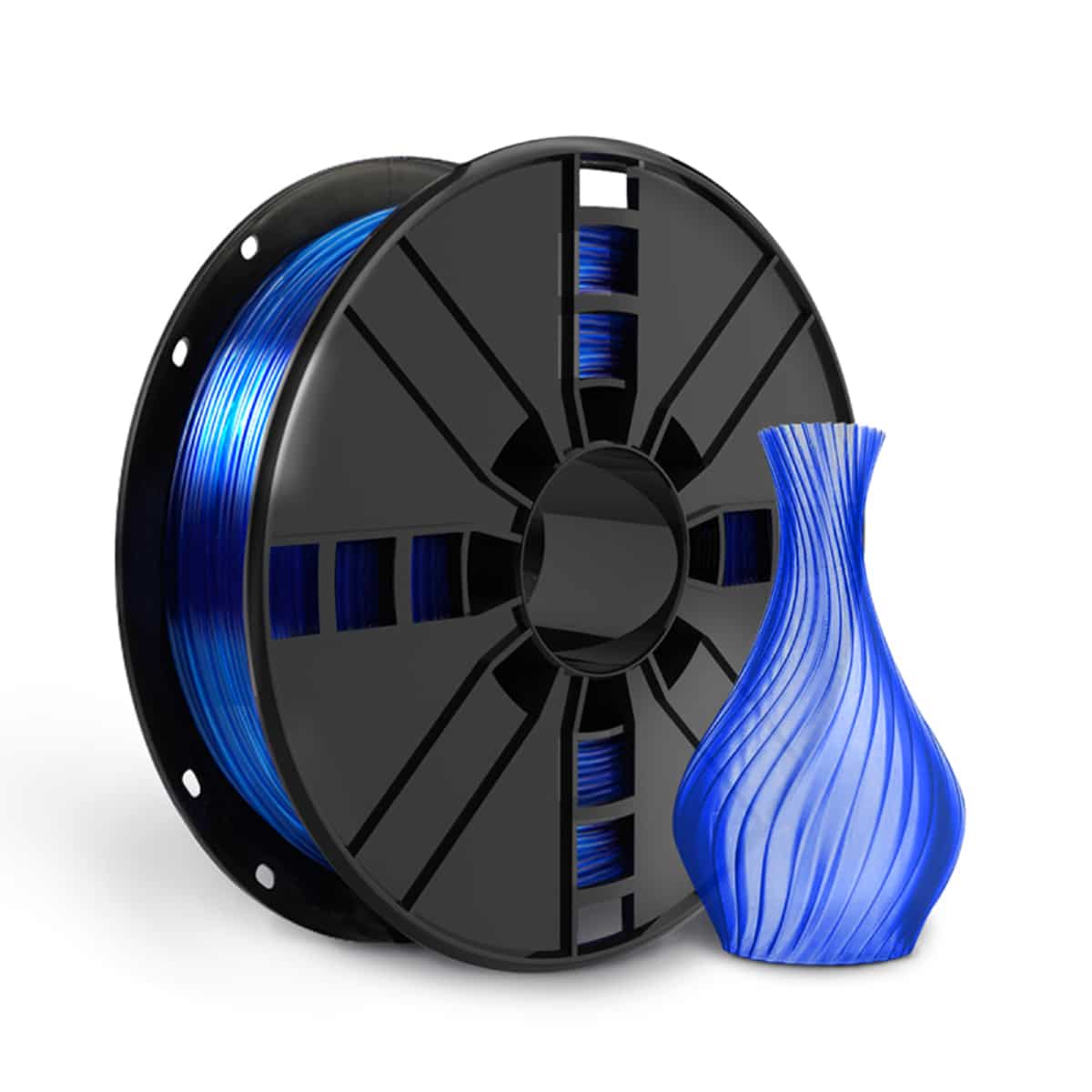
Featured Materials for Rapid Enclosure Prototyping & Production
Deploying industrial-grade polymers tailored for harsh ambient conditions, optical alignment reliability, and durable structural prototyping.
The Transformation of Outdoor Surveillance & Edge Hardware Housings
From Monolithic Die-Casting to Agile Additive Fabrication
The global commercial surveillance and smart city infrastructure market is undergoing a paradigm shift. Modern optical surveillance is no longer restricted to standardized dome cameras housed in cast aluminum enclosures. With the integration of AI-driven edge compute modules (such as NVIDIA Jetson and specialized NPU nodes), high-gain 5G millimeter-wave antennas, LiDAR scanners, and multi-spectral infrared arrays, security camera geometries have become highly complex, thermal-sensitive, and customized.
Traditional die-cast aluminum and injection-molded standard thermoplastics fall short when deploying low-to-medium volume, customized sensor pods. Tooling costs for multi-cavity injection molds frequently exceed tens of thousands of dollars with lead times stretching 12 to 16 weeks. Furthermore, standard unreinforced polymers suffer from severe thermal warping and ultraviolet (UV) degradation under prolonged sun exposure, while metallic enclosures introduce RF interference and substantial mass penalties on elevated pole mounts.
This industrial gap has catalyzed the widespread adoption of PETG-CF (Carbon Fiber Reinforced Polyethylene Terephthalate Glycol). By infusing high-modulus chopped carbon fibers into an inherently robust, weather-resistant PETG matrix, engineers achieve an ultra-stiff, chemically inert, and UV-resistant material engineered specifically for direct digital production of exterior surveillance housings.
Critical Environmental Challenges in Exterior Deployments
Exterior security enclosures are continuously subjected to aggressive environmental factors:
- Solar Radiation (UV-A & UV-B): Causes chain scission, micro-cracking, and yellowing in conventional polymers like ABS and uninhibited PLA.
- Thermal Cycling (-40°C to +85°C): Large diurnal temperature swings induce cyclic expansion, causing optical defocusing and seal degradation.
- Hydrolytic Attack & Acid Rain: Ambient moisture and atmospheric sulfur lead to hydrolytic embrittlement in non-hydrophobic filaments like unreinforced PA (Nylon).
- Wind-Induced Resonance & Vibration: Mount flexure distorts high-zoom PTZ (Pan-Tilt-Zoom) sensor calibration.
Material Science: Why PETG-CF Outperforms Alternative Outdoor Filaments
A rigorous look into the mechanical reinforcing mechanisms, crystalline behavior, and ultraviolet stabilization of Carbon-Fiber filled PETG composites.
Carbon Fiber Micro-Reinforcement
Chopped high-aspect-ratio carbon fibers (typically 15% to 20% by weight) are compounded into the glycol-modified polyester matrix. The fibers align along the deposition vector during extrusion, drastically increasing tensile modulus and flexural rigidity. This prevents structural sagging under heavy telephoto lens assemblies and guarantees precise positional repeatability for algorithmic tracking.
Intrinsic UV & Weather Shielding
The PETG polymer backbone demonstrates exceptional resistance to photon-induced radical degradation. When combined with concentrated carbon black and carbon microfibers, solar ultraviolet wavelengths (290–400 nm) are efficiently absorbed and dissipated as minor thermal energy across the surface, preventing deep matrix photodegradation, chalking, or impact brittleness over multi-year deployments.
Low Hygroscopic Drift & Zero Warpage
Unlike PA6-CF or PA12-CF (Nylon composites) which readily absorb atmospheric moisture leading to dimensional swelling and loss of tensile stiffness, PETG-CF exhibits virtually negligible water absorption (
| Engineering Property | PETG-CF Composite | Standard PETG | Outdoor Grade ASA | Polyamide (PA12-CF) |
|---|---|---|---|---|
| Tensile Modulus (MPa) | 4,800 - 6,200 | 2,100 - 2,400 | 2,000 - 2,300 | 5,000 - 7,000 |
| UV Resistance Index | High (Intrinsic + CF) | Moderate | Very High | Moderate (Requires Coating) |
| Moisture Absorption (24h) | < 0.20% | < 0.25% | < 0.30% | 1.2% - 2.5% (High Swell) |
| Dimensional Warpage / CTE | Extremely Low | Low | Moderate / High | Extremely Low |
| Enclosure Enclosure Printability | Open-Bed Friendly | Open-Bed Friendly | Requires Heated Chamber | Requires Heated Chamber |
| Matte Surface Finish (Anti-Glare) | Yes (Diffuses Glare) | No (Glossy) | Semi-Matte | Yes |
Deep Engineering Scenarios for Exterior Surveillance Enclosures
PETG-CF provides the mission-critical structural baseline across multiple next-generation commercial, industrial, and defense vision platforms.
1. Smart Traffic & ANPR Multi-Sensor Pods
Automatic Number Plate Recognition (ANPR) and intelligent traffic systems require high-resolution global shutter cameras, strobe IR illuminators, and radar velocity detectors housed in a unified assembly. Mounted high above multi-lane highways, these enclosures endure severe solar heating, exhaust fumes, and continuous mechanical vibration from heavy freight traffic.
Using PETG-CF allows municipal hardware developers to produce aerodynamically optimized, multi-chamber housings that isolate sensitive optical pathways from the heat generated by internal power converters. The matte carbon-fiber surface eliminates stray solar reflections that cause flare in adjacent camera sensors.
2. Marine, Coastal & Port Perimeter Security
Coastal border patrol, offshore oil rigs, and port container terminals present the harshest operating environments for electronic security. Saline sea mist rapidly corrodes traditional aluminum camera bodies via galvanic action and pits standard polymer seals.
PETG-CF is chemically inert to sodium chloride, sulfur dioxide, and alkaline cleaning detergents. Housings printed with solid perimeters and integrated O-ring grooves achieve IP67 water-tight integrity without requiring secondary electro-coating or anodizing, drastically reducing life-cycle replacement and servicing expenditures.
3. Autonomous Drone Perches & Remote Wildlife Monitoring
Autonomous drone nesting stations and solar-powered wilderness surveillance units require maximum payload weight reduction while maintaining bulletproof structural integrity against predatory animals and extreme mountain weather.
With a density of approximately 1.27 g/cm³, PETG-CF delivers a strength-to-weight ratio that matches die-cast aluminum at less than half the total mass. This low weight reduces mounting torque on remote telescoping poles and extends the battery life of robotic surveillance gantry systems.
4. Edge-AI Vision Systems with Integrated Thermal Dissipation
Edge-AI cameras perform real-time video analytics on-device, generating significant heat inside sealed housings. Designers leverage PETG-CF's superior heat deflection temperature (HDT around 75°C to 80°C) compared to standard PLA/PETG.
Designers can 3D print complex internal conformal air ducts, chimney baffles, and external vortex generators directly into the single-piece housing geometry, routing air over internal aluminum heatsinks without admitting rain or particulate debris.
Best Practices for Slicing & Printing Waterproof, UV-Stable Enclosures
Optimizing process parameters ensures complete interlayer fusion, high hydrostatic pressure resistance, and maximum structural longevity.
Tooling & Extrusion
Due to the abrasive nature of carbon micro-fibers, use hardened steel, ruby, or tungsten carbide nozzles (0.4mm to 0.6mm diameter). Maintain extrusion temperatures between 240°C and 260°C with bed temperatures at 75°C to 85°C to ensure optimal melt viscosity and inter-bead polymer chain entanglement.
IP-Rated Wall Architecture
For complete waterproof and airtight performance without post-coatings, configure slicers for at least 4 to 6 continuous perimeters (wall lines) and a 102% to 104% flow rate on internal shells. Employ a Gyroid or Cubic infill pattern at 35%+ density to achieve isotropic mechanical strength against wind loads.
Threaded Inserts & Gaskets
Design integrated counter-bored recesses for ultrasonic or brass heat-set threaded inserts (M3/M4). PETG-CF's dimensional stability prevents localized stress cracking around inserts during torque application, ensuring long-term hermetic compression against silicone or TPU sealing gaskets.
Company Profile
Founded in 2011, Torwell Technologies Co., Ltd. is one of the earliest high-tech enterprises which specializing in high – tech 3D printer filaments research, manufacture and sell, occupies 2,500 square meters modern factory with production capacity of 50,000kgs per month.
With more than 10years experiences in 3D printing market exploration, cooperated with Institute for High Technology and New Materials in domestic famous universities, and engaging Polymer materials experts as technical adviser, Torwell becomes one of member of Chinese rapid prototyping association and leader enterprise with the most innovative products in 3D printing industry, owns independent intellectual property rights, patents and trademarks(Torwell US, Torwell EU, NovaMaker US, NovaMaker EU).
Torwell passed international quality management system ISO9001, international environment system ISO14001, the advanced manufacturing equipment, test devices and virgin raw materials available are introduced to produce and distribute 3D printer filament of unparalleled quality, to insure all the products of Torwell are compliant with RoHS standard, MSDS, Reach, TUV and SGS test certificated.
Be a reliable and professional 3D printing partner, Torwell has committed to expanding its products to America, Canada, UK, Germany, Netherlands, France, Spain, Sweden, Italy, Russia, Mexico, Australia, New Zealand, Brazil, Argentina, Japan, South Korea, Vietnam, Thailand, Malaysia, India, more than 80 countries and regions.
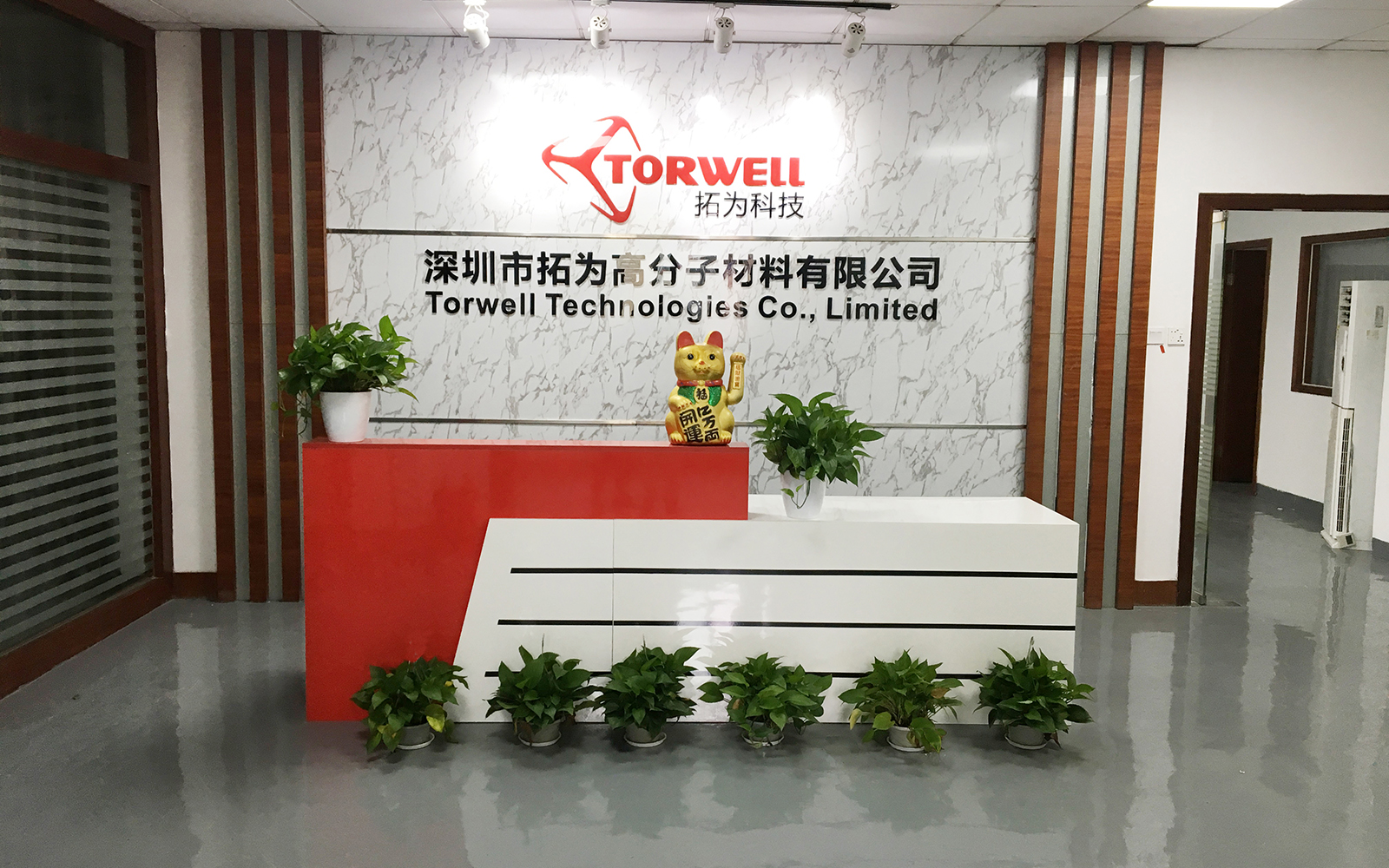
Full Product Range: Additive Filaments & High-Performance Polymers
Explore our comprehensive catalog of 3D printing consumables engineered for precision engineering, rapid prototyping, and extreme exterior durability.
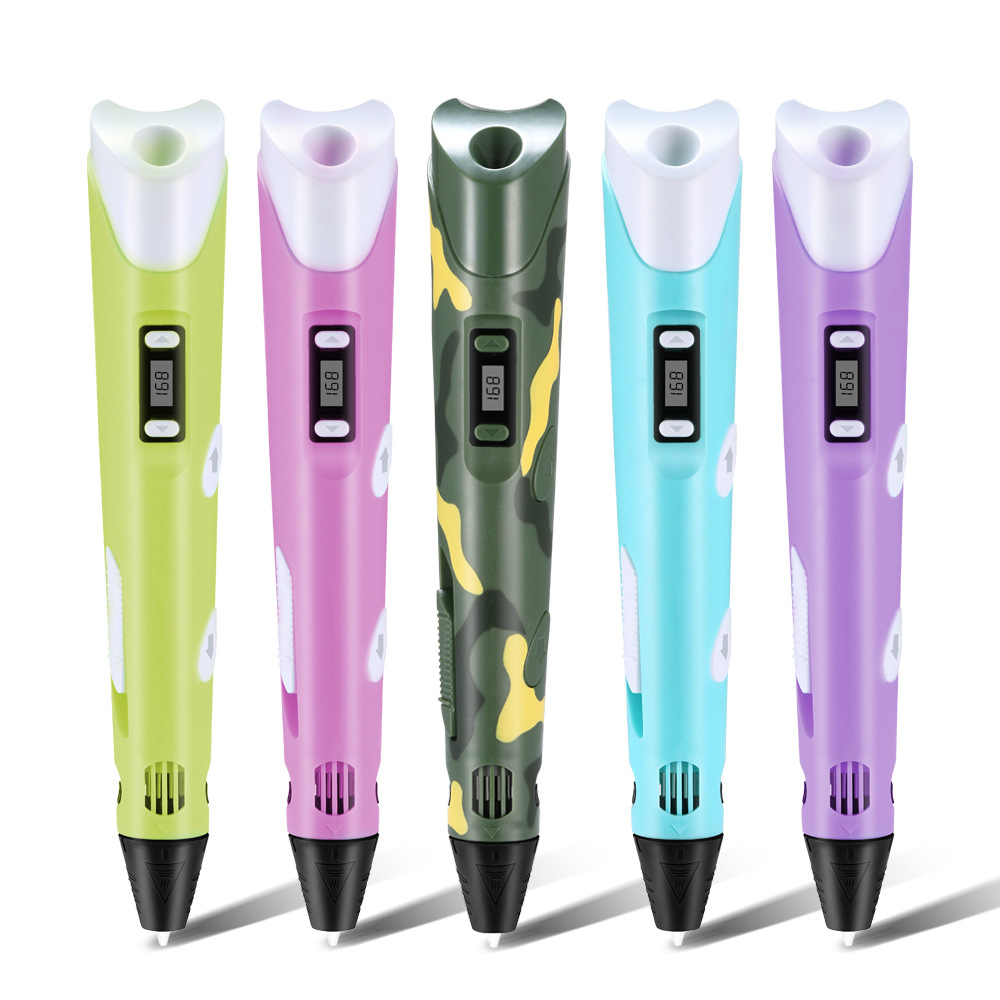
DIY 3D Drawing Printing Pen with LED Screen- Creative Toy Gift For Kids
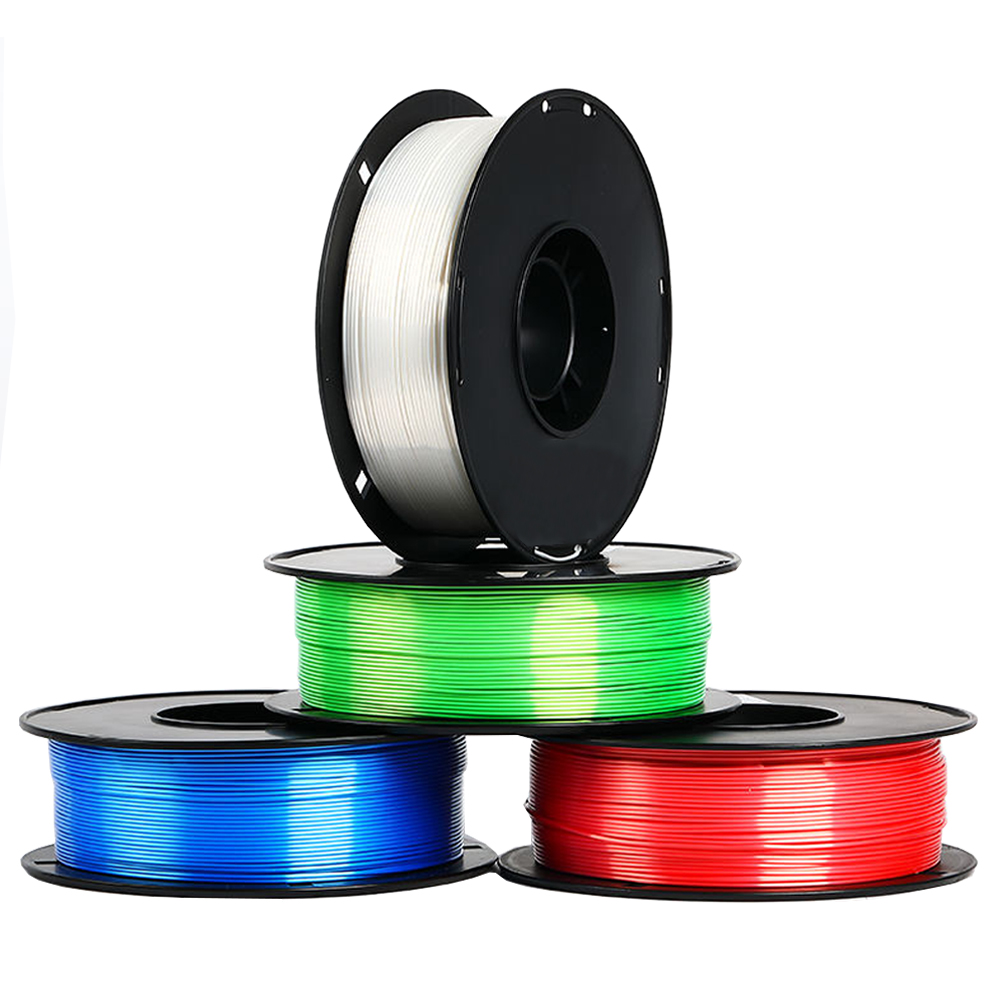
Torwell Silk PLA 3D Filament with gorgeous surface, Pearlescent 1.75mm 2.85mm
PLA+ filament for 3D printing
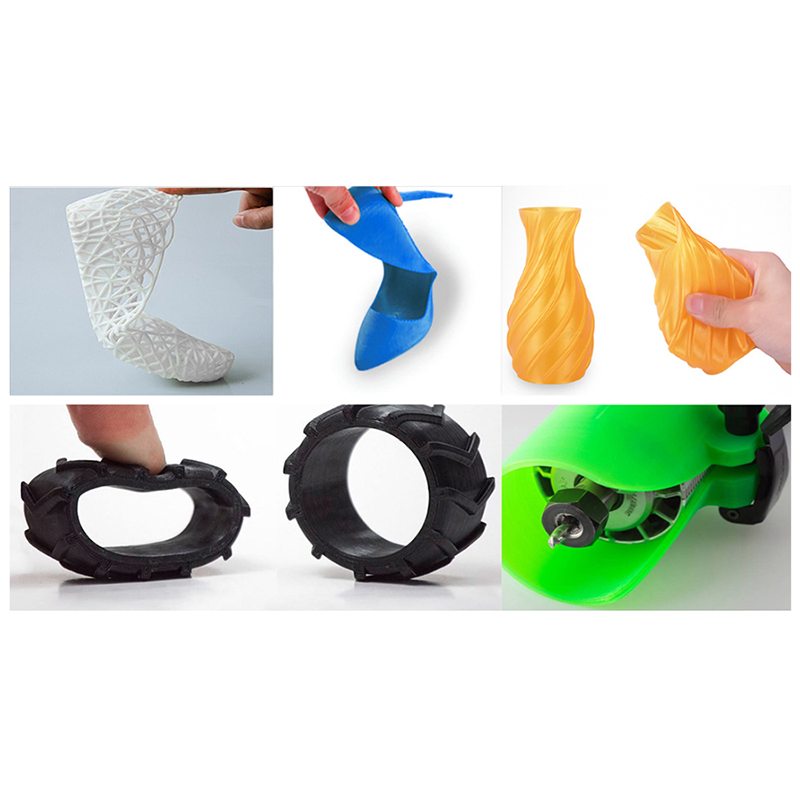
Flexible TPU filament for 3D printing soft material
TPU flexible filament 1.75mm 1kg Green color for 3D printing
PETG 3D printing material Black color
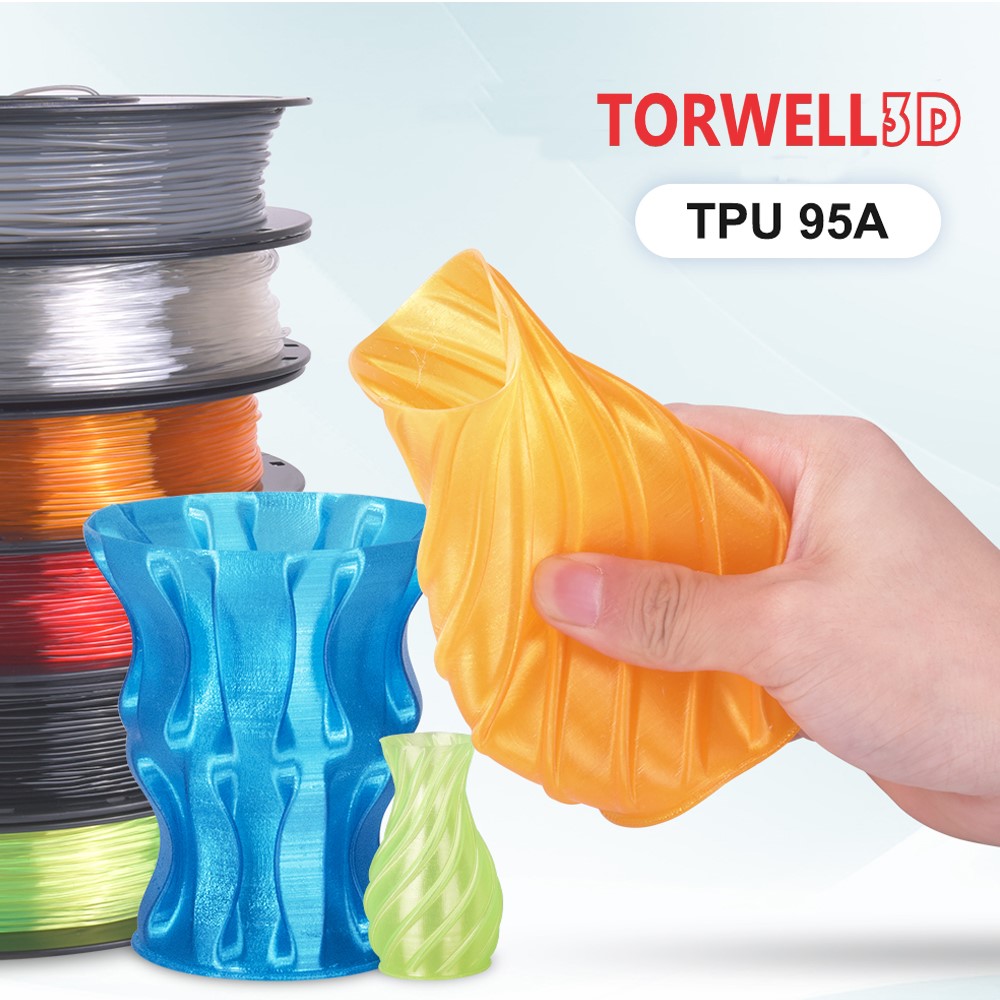
Flexible 95A 1.75mm TPU filament for 3D printing Soft Material