
Specialty Filaments for Outdoor Electronic Engineering
Explore our top-tier additive manufacturing filaments engineered for rugged enclosure prototyping, hermetic sealing gaskets, and durable outdoor device packaging.
Why Carbon Fiber Reinforced PETG Solves Outdoor Enclosure Failure
Integrating micro-carbon fiber matrixes into polyethylene terephthalate glycol transforms thermoplastic durability against open atmospheric threats.
Hydrophobic & Weatherproof
Unlike moisture-sensitive polyamides (Nylon), PETG-CF absorbs almost zero ambient humidity (
High UV & Solar Resistance
Chopped carbon fibers act as natural internal UV-blocking shields. Combined with an intrinsically UV-stable glycol-modified copolymer base, the enclosures avoid chalking, yellowing, micro-cracking, and mechanical degradation.
Zero-Warp Dimensional Precision
The carbon fiber reinforcement drastically reduces the coefficient of thermal expansion (CTE). Large weatherproof electronics boxes print without warping, ensuring airtight gasket channels and O-ring mating lines.
The Commercial Landscape of Additive Outdoor Electronic Enclosures
The rapid expansion of distributed Internet of Things (IoT) infrastructure, edge computing nodes, smart energy grids, precision agriculture sensor networks, and 5G small cell base stations has generated an unprecedented demand for resilient, customized outdoor electronic enclosures. Historically, industrial electrical housings have relied upon metal die-casting (such as aluminum alloy ADC12) or high-volume injection molding of polycarbonate (PC), acrylonitrile styrene acrylate (ASA), or fiberglass-reinforced polyester (SMC). While traditional methods offer high tensile ratings, their high non-recurring engineering (NRE) tooling costs and prolonged lead times create substantial bottlenecks for agile hardware development, low-to-mid volume manufacturing, and customized field deployment.
Additive manufacturing using high-performance composite thermoplastics has emerged as the premier solution for rapid enclosure fabrication. Among modern composite filaments, PETG-CF (Polyethylene Terephthalate Glycol reinforced with Chopped Carbon Fiber) has established itself as the undisputed workhorse for harsh outdoor environments. By fusing the natural moisture resistance, chemical inertness, and ease-of-printing of PETG with high-modulus carbon micro-fibers, PETG-CF eliminates the historic shortcomings of 3D-printed end-use parts: anisotropy, thermal creep, and atmospheric degradation.
Microstructural Mechanics: Why Chopped Carbon Fibers Transform PETG
Standard unfilled PETG possesses exceptional ductility, chemical resistance against dilute acids and alkalis, and impressive optical clarity. However, in outdoor engineering applications, neat PETG can experience creep relaxation under continuous mechanical torque (such as cable gland strain or fastener preload) and exhibits moderate rigidity under elevated ambient temperatures. The inclusion of high-aspect-ratio chopped carbon fibers (typically 10% to 20% by weight, with fiber lengths ranging from 100 to 250 micrometers) fundamentally alters the polymer's crystalline and amorphous dynamics:
- Fiber-Polymer Stress Transfer: Mechanical loads applied to the enclosure wall are transferred from the ductile PETG matrix to high-tensile carbon fibers via interfacial shear stresses. This elevates the tensile modulus from ~2.1 GPa in standard PETG to over 4.8–6.0 GPa in high-grade PETG-CF.
- Thermal Deflection Suppression: The carbon fiber skeleton forms an internal structural network that impedes polymer chain slipping at elevated temperatures. This increases the Heat Deflection Temperature (HDT at 0.45 MPa) from approximately 68°C to over 78°C–84°C, preventing enclosure sag under direct solar radiation in desert or tropical climates.
- Isotropic Shrinkage Control: As molten filament cools from the nozzle, standard polymers exhibit anisotropic thermal contraction, resulting in corner lifting and seal groove distortion. The embedded carbon fibers restrict longitudinal contraction along the toolpath, yielding near-zero thermal shrinkage and pristine surface flatness.
- Matte Aesthetic with Hidden Layer Lines: The carbon fibers naturally scatter light reflections, creating an ultra-smooth, dark matte finish that visually conceals layer lines, delivering an injection-molded aesthetic directly from the build plate without post-print vapor smoothing or sandblasting.
| Engineering Property | Standard Neat PETG | Torwell Industrial PETG-CF | Standard ABS / ASA | Fiberglass Reinforced Nylon (PA-CF/GF) |
|---|---|---|---|---|
| Tensile Modulus (ISO 527) | 2,100 MPa | 5,450 MPa | 2,300 MPa | 6,800 MPa (Dry) / 2,900 MPa (Conditioned) |
| Water Absorption (24h immersion) | 0.14% | 0.12% (Ultra Low) | 0.40% | 1.80% – 3.50% (High Swelling Risk) |
| Heat Deflection Temp (0.45 MPa) | 68 °C | 82 °C | 86 °C | 160 °C (Dry State) |
| UV Degradation Resistance | Moderate | Superior (CF Block + UV Stable Matrix) | Poor (ABS) / Excellent (ASA) | Moderate (Susceptible to Photo-Oxidation) |
| Printing Chamber Requirement | Open Bed / No Chamber | Open Bed / Enclosure Optional | Heated Chamber Mandatory (60°C+) | High Heated Chamber (80°C+) + Dry Box |
| Chemical Resistance (Salts/Oils) | High | Excellent | Moderate (Soluble in Ketones) | High (Attacked by Strong Acids) |
Critical Environmental Threats Neutralized by PETG-CF Enclosures
Outdoor electronic devices must maintain continuous electrical insulation, mechanical integrity, and ingress protection (IP ratings such as IP65, IP66, IP67, and IP68) across decades of exposure. Standard materials often suffer catastrophic failures in field conditions due to complex multi-factor environmental stressors:
- Solar UV Radiation & Photo-Oxidation: Ultraviolet photons break covalent carbon-carbon bonds within standard polymers, leading to radical generation, polymer chain scission, discoloration, and structural micro-cracks. In PETG-CF, the high optical density of dispersed elemental carbon fibers acts as an impenetrable barrier, absorbing and dissipating UV radiation within the top 5 microns of the printed surface.
- Hygroscopic Moisture Swelling & Hydrolysis: Materials such as PA6, PA12, or neat Nylons readily absorb atmospheric moisture (up to 8% by weight in humid conditions), causing dimensional expansion that misaligns silicone sealing gaskets and degrades dielectric breakdown voltage. PETG-CF maintains an ultra-hydrophobic surface chemistry, ensuring that gasket seating pressures remain constant across monsoons, snowpacks, and marine fog.
- Thermal Cycling & Fatigue Creep: Electronic enclosures experience drastic cyclic temperature differentials—from freezing sub-zero winter nights (-30°C) to scorching solar-loaded summer afternoons (+55°C ambient, reaching internal housing temps above +75°C). The matched thermal expansion characteristics of PETG-CF prevent mechanical fatigue around brass threaded heat-set inserts and stainless steel cable glands.
- Salt Fog, Acid Rain, and Agricultural Chemicals: Coastal installations and precision agriculture monitoring devices are exposed to airborne chlorides, fertilizer nitrates, and pesticide mists. PETG-CF resists chemical stress cracking (ESC) caused by exposure to automotive fuels, greases, cleaning detergents, and saline spray.
Industrial Field Deployment Scenarios
From smart telecommunications to deep marine research, explore how PETG-CF empowers mission-critical outdoor electronics.
5G Micro-Nodes & Edge Gateways
Pole-mounted cellular repeaters and optical fiber distribution boxes require rigid, RF-neutral enclosures that shield internal PCBs from torrential rains and direct solar heat without warping.
AgTech Soil & Climate Telemetry
Autonomous sensor hubs deployed in crop fields face relentless UV exposure, irrigation water sprays, and fertilizer chemicals. PETG-CF prevents micro-cracking and housing degradation.
Solar Inverter & Combiner Junctions
Photovoltaic junction housings demand high thermal stability and fire-retardant performance under persistent sun exposure, maintaining airtight seal compression around DC isolator switches.
Harbor Monitoring & Ocean Buoys
Coastal telemetry nodes operate in constant saline mist. PETG-CF provides absolute immunity to galvanic corrosion and marine salt fog, outlasting aluminum enclosures.
Autonomous Drone Docking Peripherals
Weather-exposed optical cameras, LiDAR sensor hoods, and landing station electronics rely on the high stiffness-to-weight ratio of carbon-reinforced PETG to resist high wind loads.
Outdoor Charging Access Points
Commercial EV chargers, RFID card readers, and payment terminals require impact-resistant, weather-sealed front bezels that resist vandalism and surface abrasion.
Engineering Guidelines for Waterproof & Weather-Sealed Enclosures
Achieving true IP66 or IP67 hermetic protection with FDM/FFF 3D-printed PETG-CF enclosures requires intentional mechanical design and precise slicer parameter optimization. Because FDM parts are built layer-by-layer, interstitial voids between perimeter toolpaths can serve as micro-channels for water ingress if not properly fused.
1. Perimeter Wall Overlap & Temperature Tuning
To ensure 100% solid, water-tight perimeter shells, designers should specify a minimum of 4 to 6 continuous wall perimeters (wall thickness >= 2.4 mm). Print extrusion temperature should be calibrated to the upper operating limit (245°C - 260°C) with low part-cooling fan speeds (15% - 30%). This elevated thermal energy promotes deep polymer re-melting across layer interfaces, allowing the molten PETG to cross-link past the carbon fibers and completely seal interstitial micro-gaps.
2. O-Ring & Tongue-and-Groove Seal Integration
A flat-face gasket design is rarely sufficient for outdoor water resistance. Enclosures should incorporate a continuous tongue-and-groove channel designed to compress an elastomeric silicone O-ring or a custom 3D-printed flexible TPU 95A gasket (such as Torwell High-Performance TPU). The groove width should accommodate 25% to 35% nominal gasket compression when fasteners are tightened to their final torque specification.
3. Fastener Anchoring via Heat-Set Brass Inserts
Tapping threads directly into 3D printed plastic creates weak points prone to thread stripping and moisture tracking. Enclosure lids should be secured using heat-set brass threaded inserts (M3, M4, or M5) melted into pre-designed bosses. The carbon-fiber matrix provides excellent hoop strength around the brass inserts, preventing boss bursting under torque while ensuring repeated opening and resealing during battery or circuit maintenance.
4. Hydrophobic Breather Vent Integration
Outdoor sealed enclosures experience substantial internal air pressure swings during rapid temperature changes (e.g., sudden rain on a hot enclosure). This internal vacuum can draw moisture past the best rubber seals. Integrating an M12 hydrophobic ePTFE membrane breather vent allows pressure equalization while preventing liquid water and dust from entering.
World-Class Quality Control & Production Standards
Torwell upholds stringent manufacturing protocols, utilizing premier virgin raw materials and multi-stage precision testing to deliver consistent industrial-grade filaments.
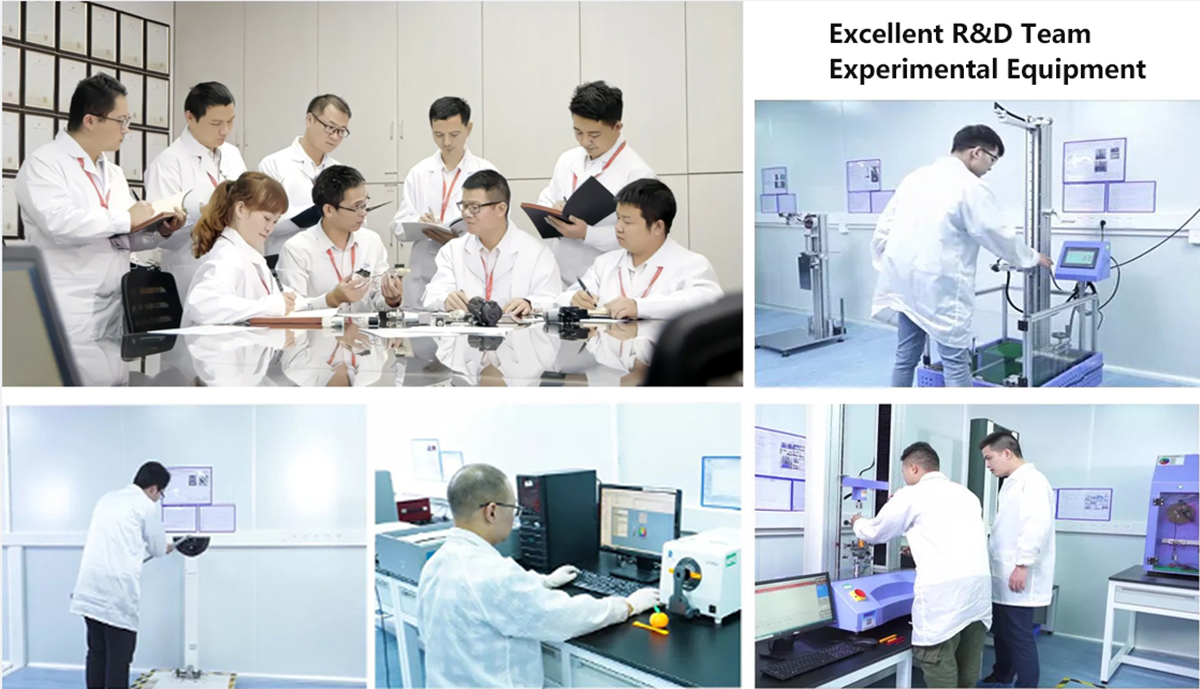
Quality Control
The factory area has passed ISO45001 occupational health and safety management system certification. Every new employee must be experienced one week of safety production knowledge teaching and two weeks of produce skills training, and master every course in the production process. Who is in the position will be responsible for its duty.
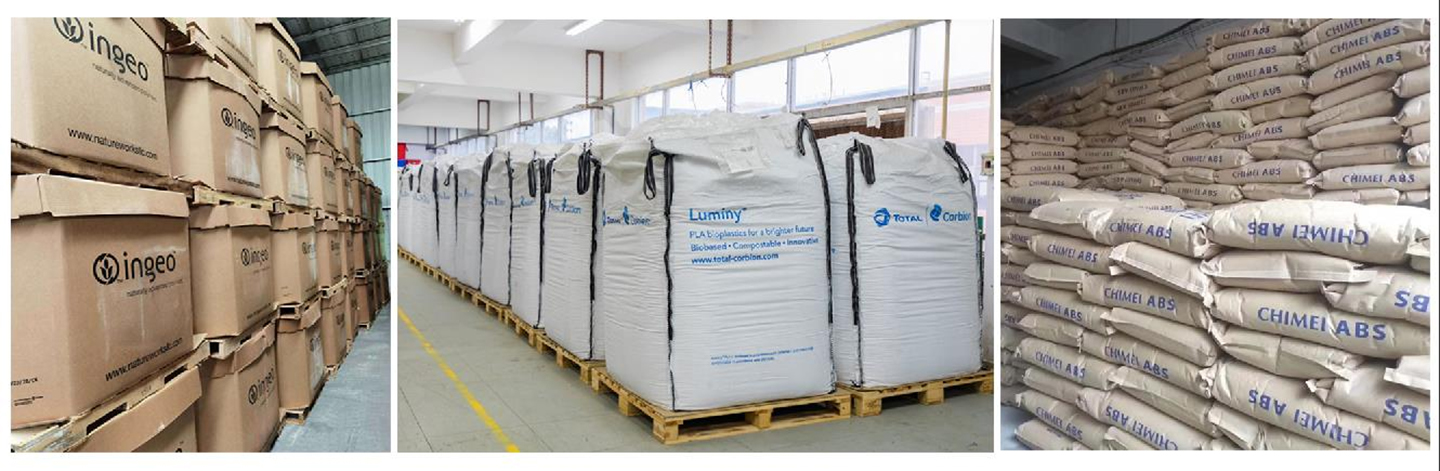
Raw Material
PLA is the most preferred material for 3D printing, Torwell firstly chooses PLA from US NatureWorks, and Total-Corbion is the alternative. ABS from TaiWan ChiMei, PETG from South Korea SK. Each batch of main raw materials comes from the partners who has cooperated more than 5 years to ensure the reliability of the products from the source. Each batch of raw materials will undergo parameters inspection before produce to ensure that raw materials are original and virginal.
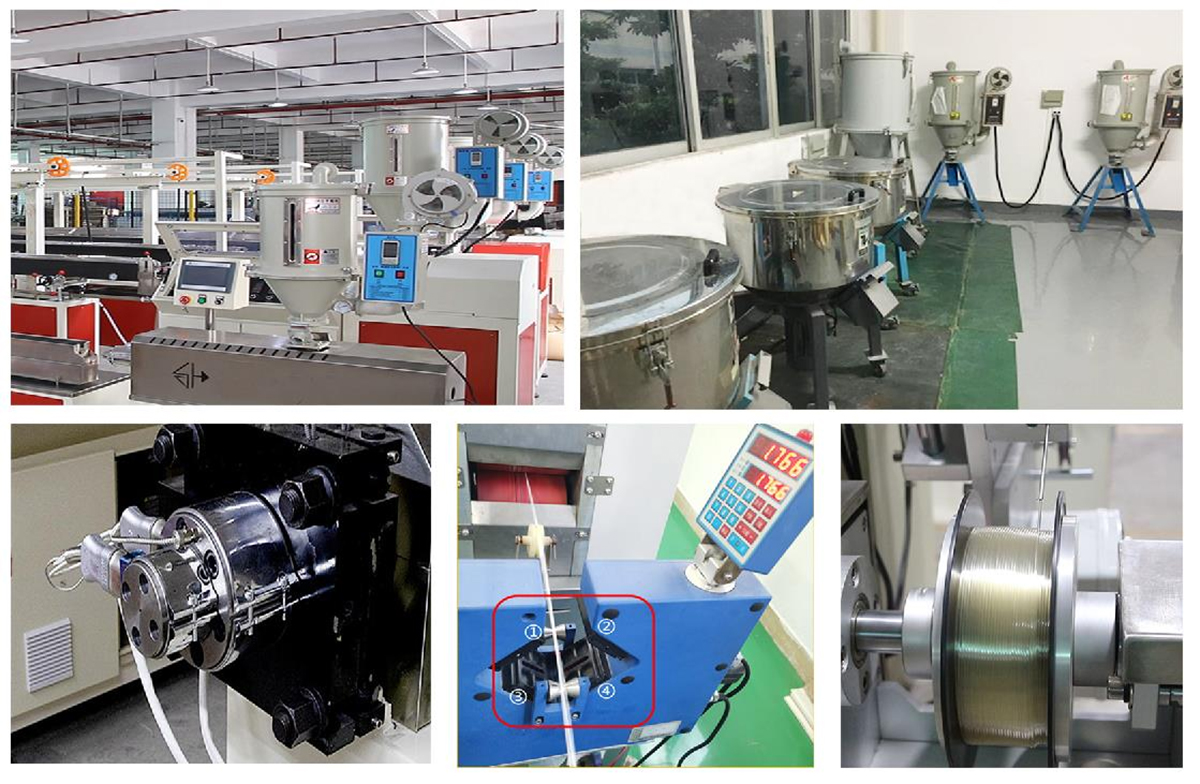
Equipment
The manufacturing workshop will make arrangements after the inspection of raw materials, at least two engineers cross-check the clearance of mixing tank, color mixed of material, humidity from hopper dryer, temperature of extruder, hot/cool tank, and trial-produce and debugging the produce line to make sure all of processes in the best condition. Maintain the filament Diameter tolerance +/- 0.02mm, Roundness tolerance +/- 0.02mm.
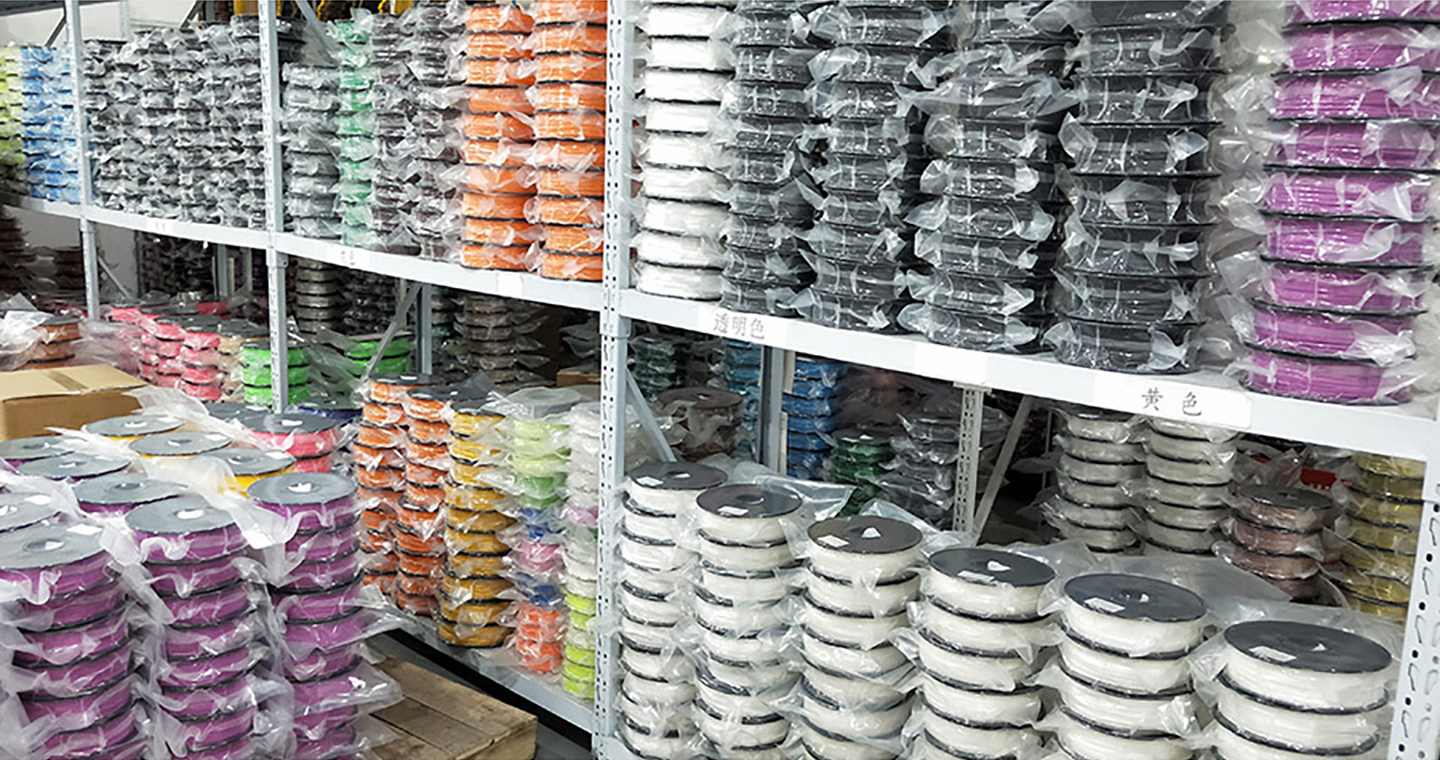
Final Inspection
After each batch of 3D filament is produced, two quality inspectors will conduct random inspections on each batch of finished products in accordance with the requirements of the standard, such as diameter tolerance, color consistency, strength and toughness and so on. After vacuuming the package, place them for 24 hours to check whether there is any leaking package, then label it and finish the package.
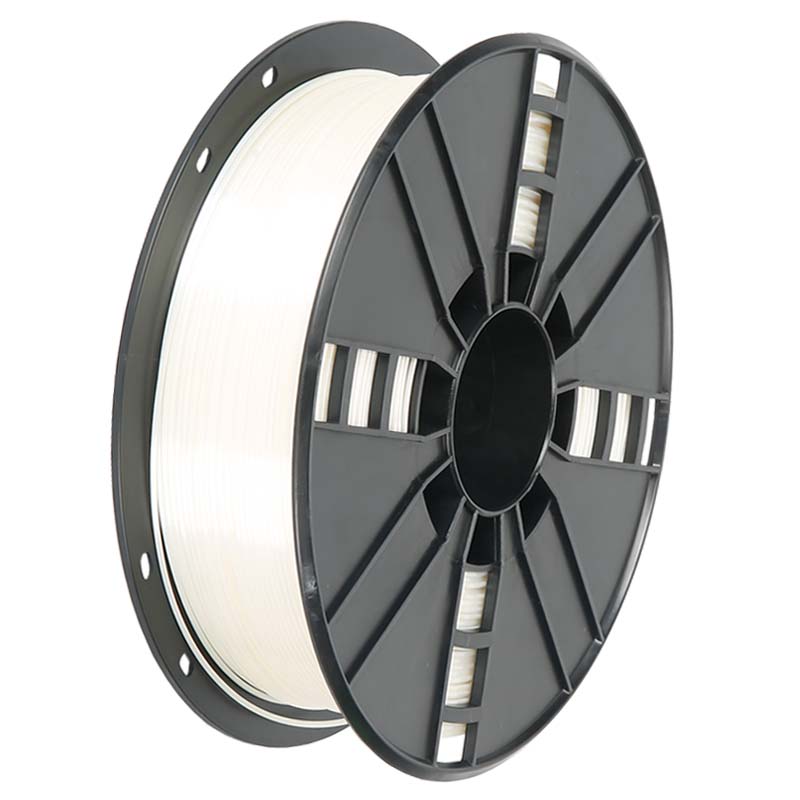
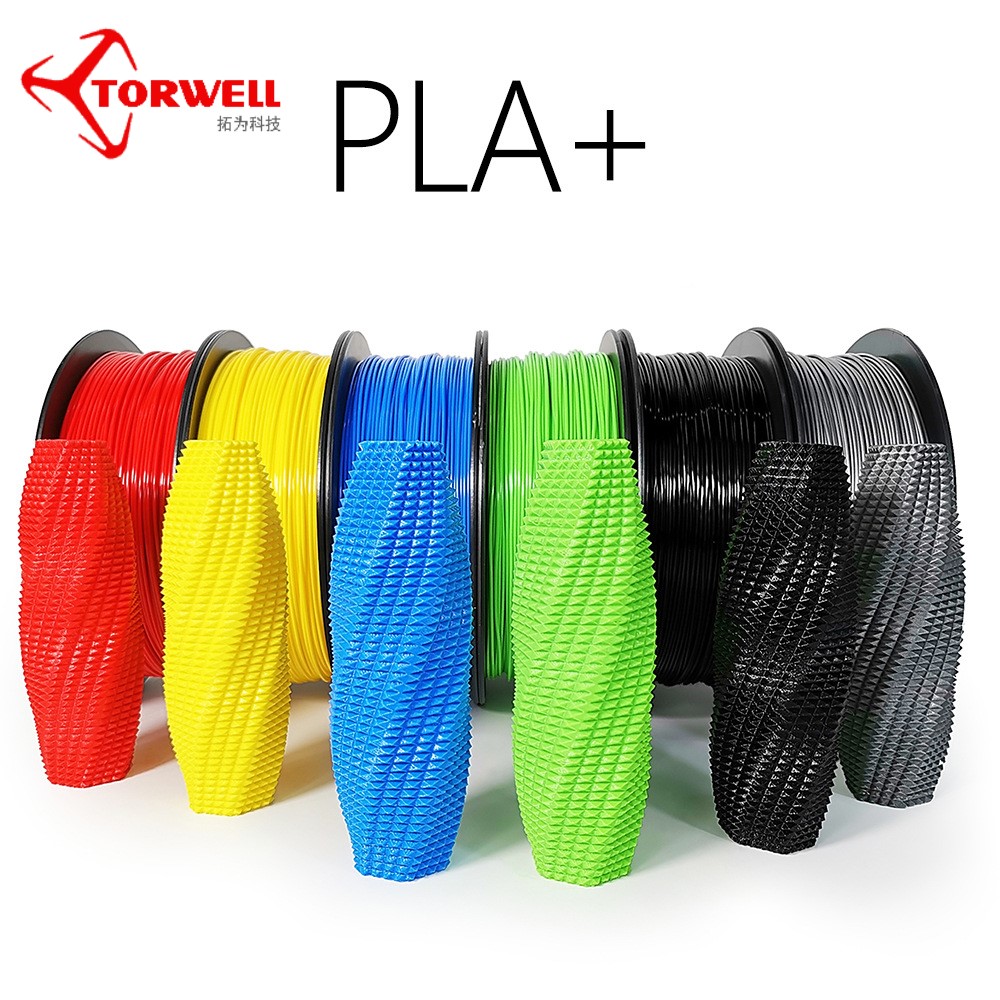
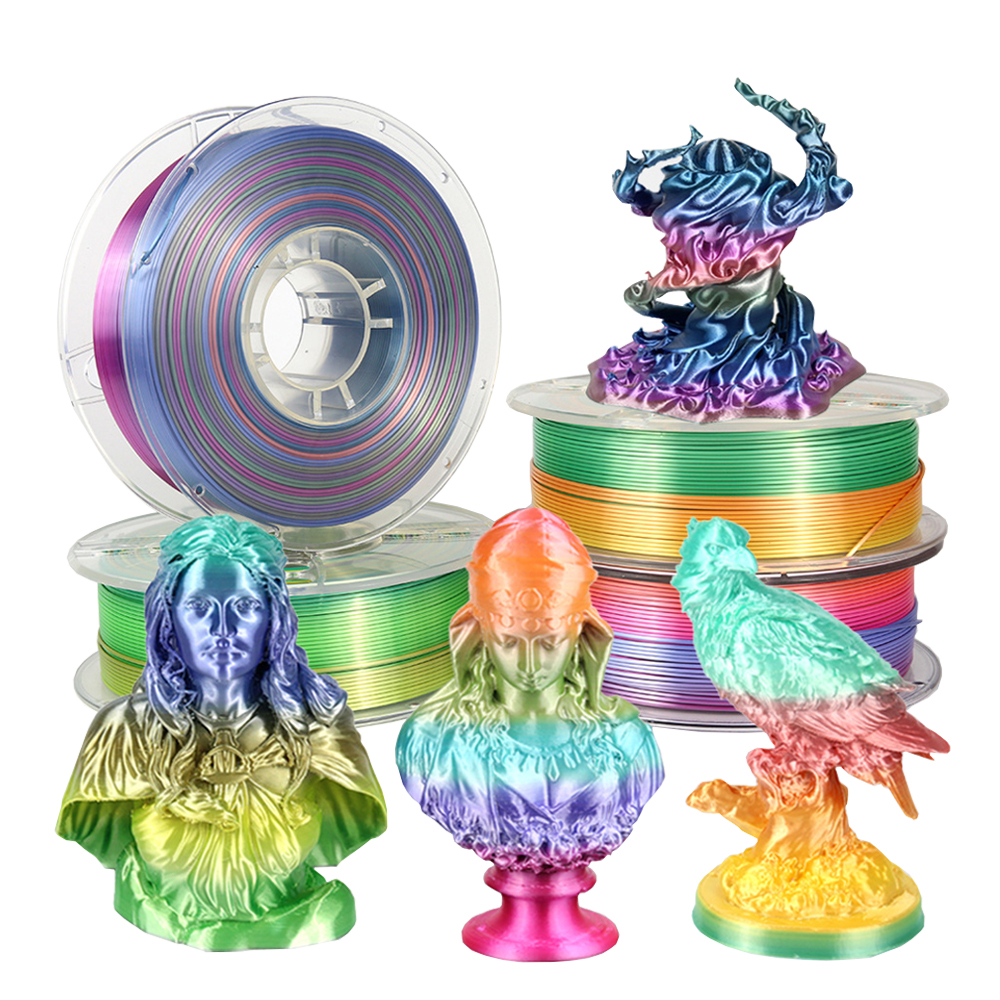
Torwell Professional Filament Product Series
Engineered for commercial prototyping, structural manufacturing, and high-performance weather-resistant applications.
Frequently Asked Questions: Outdoor Enclosure Manufacturing
Does PETG-CF require a hardened nozzle for 3D printing?
Yes. The chopped carbon fibers dispersed throughout PETG-CF are abrasive. Standard brass nozzles will experience rapid orifice enlargement and bore wear after printing only 250g to 500g of material. It is strongly recommended to use hardened steel, tungsten carbide, or ruby-tipped nozzles (0.4 mm or 0.6 mm diameter) to guarantee long-term extrusion accuracy and consistent layer geometry.
Is PETG-CF electrically conductive, and does it interfere with RF antenna signals?
Torwell PETG-CF is formulated with chopped carbon fiber loadings optimized for mechanical reinforcement while retaining high electrical volume resistivity. While it provides mild surface static dissipation (ESD protection), it does not create a continuous electrical conductive network and will not short-circuit PCB components mounted inside. For high-frequency RF applications (such as internal Wi-Fi, LoRa, or 4G LTE antennas), antenna positioning near thin enclosure windows or external pass-through antenna mounts is recommended to eliminate signal attenuation.
How does PETG-CF compare to ASA for outdoor electrical boxes?
ASA (Acrylonitrile Styrene Acrylate) offers exceptional intrinsic UV and weather resistance, but it exhibits significant thermal shrinkage and warping during printing, demanding a high-temperature enclosed chamber (60°C+) and careful bed adhesion techniques. PETG-CF prints with virtually zero warping on standard open-frame printers, exhibits significantly higher flexural modulus (higher rigidity), absorbs less moisture than ABS, and delivers superior mechanical stiffness for snap-fit lids and gasket compression rails.