Precision 3D Printing Materials for Next-Gen Case Engineering
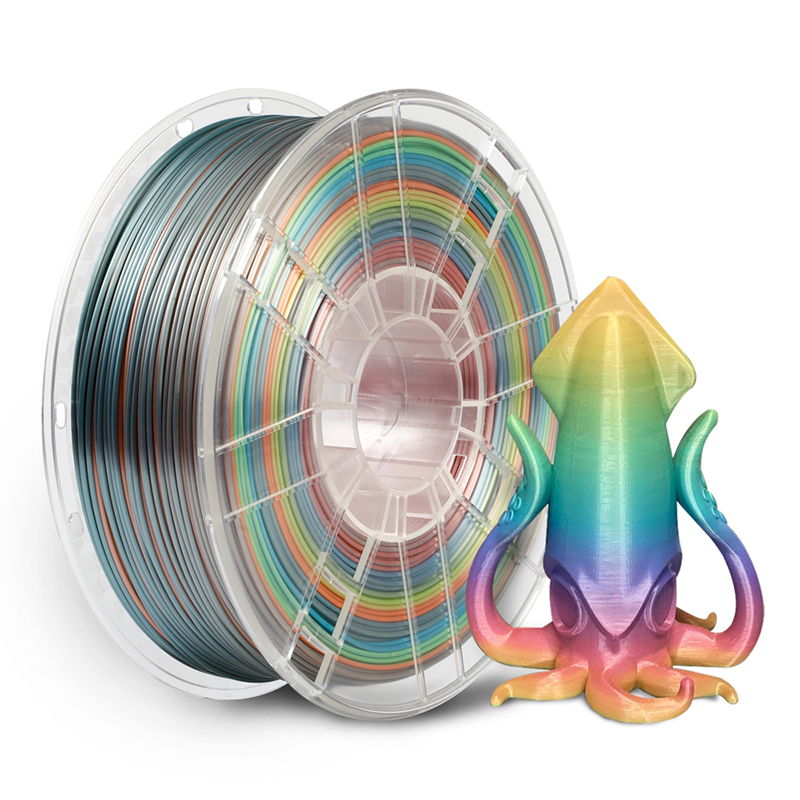
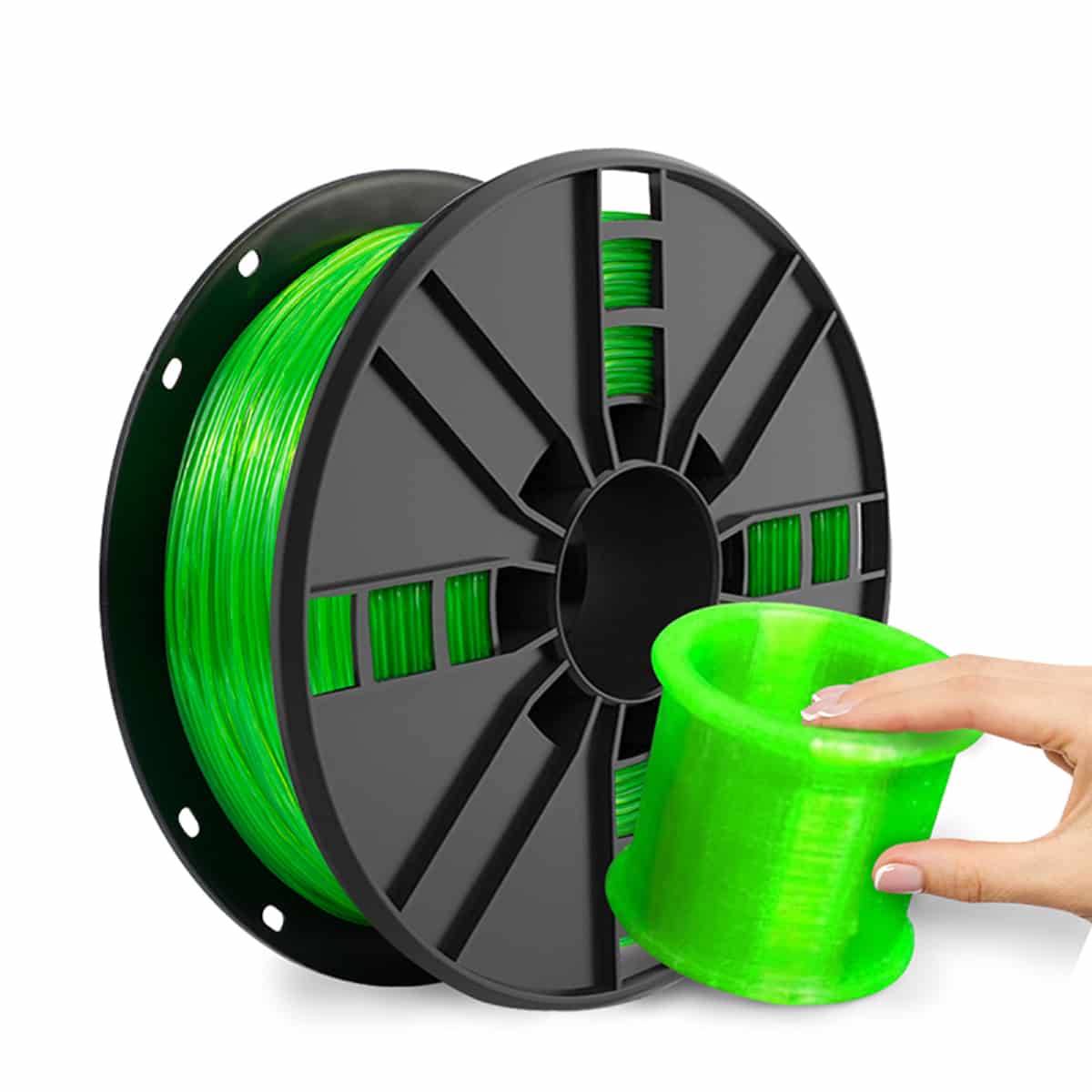
Explore selected multi-polymer filaments engineered for structural bumpers, hybrid backplates, and ergonomic mobile phone casings.
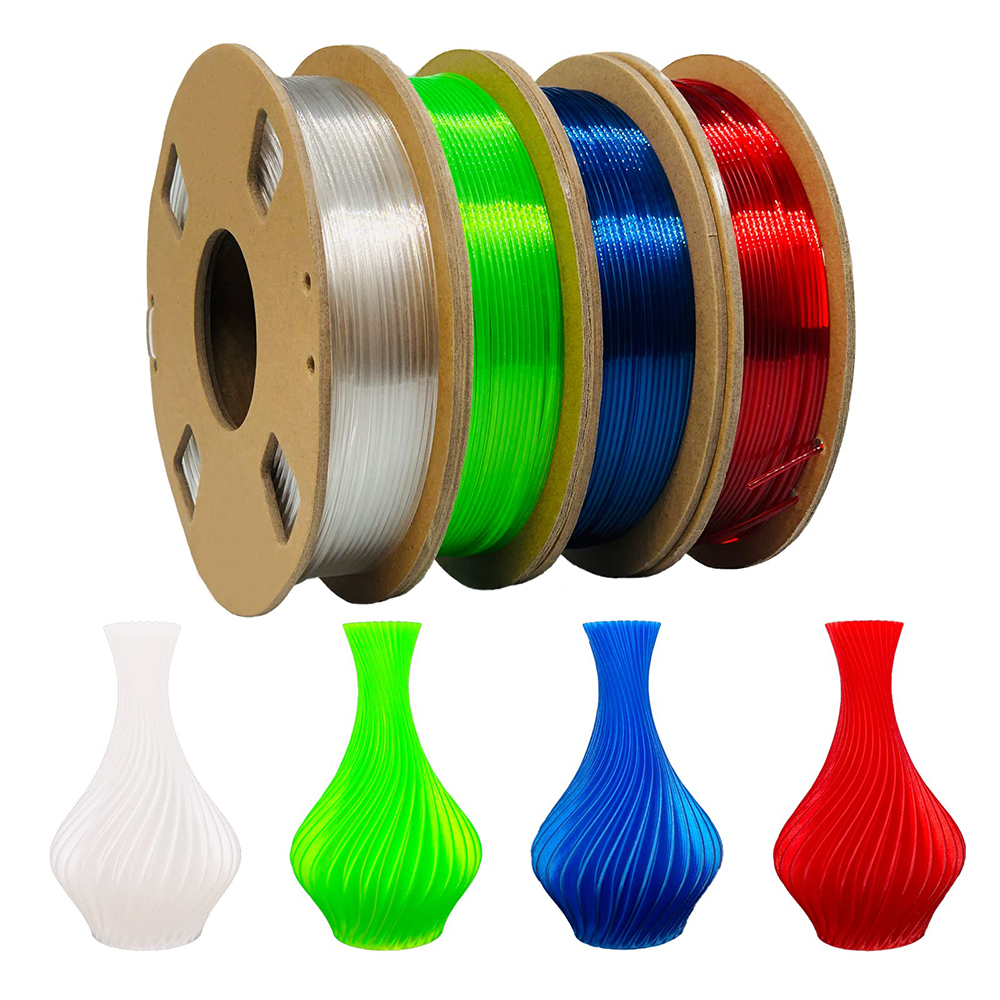
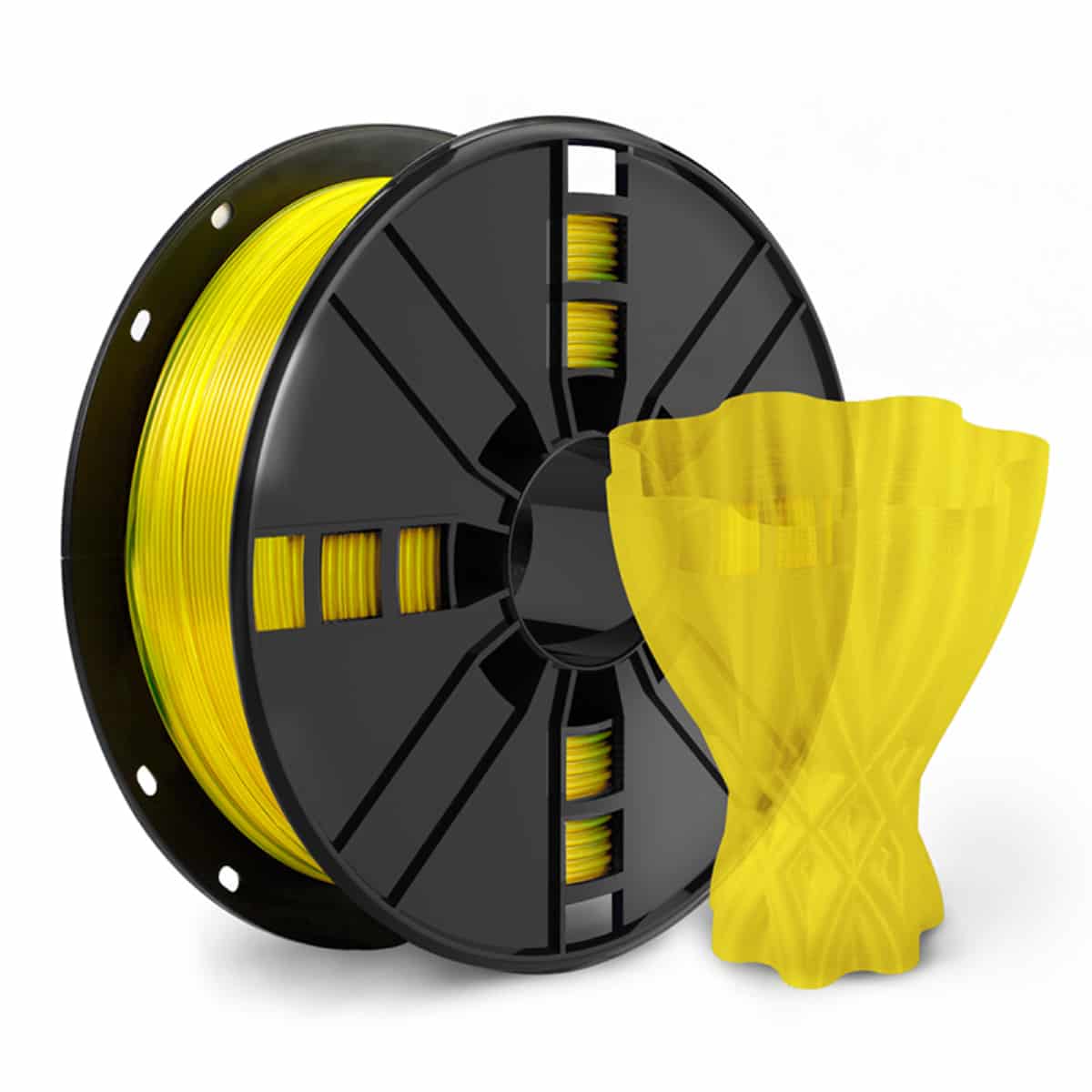
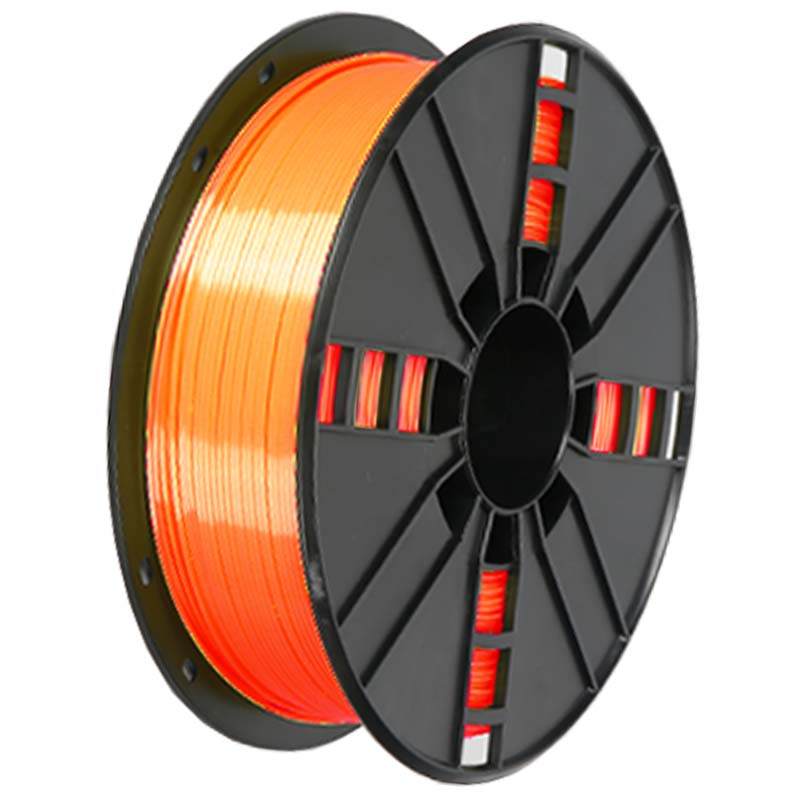
Industrial Paradigm Shift: The Rise of On-Demand Custom Phone Cases
The global smartphone accessories market has surpassed billions of dollars annually, yet conventional injection molding faces critical bottlenecks when dealing with rapid flagship phone iterations, low-volume customization, and personalized consumer trends. Injection molding requires expensive steel tooling, long lead times (often 4 to 8 weeks), and significant minimum order quantities (MOQs) that risk dead inventory upon model obsolescence.
Soft TPU (Thermoplastic Polyurethane) filament combined with fused filament fabrication (FFF) additive manufacturing presents a disruptive alternative. By leveraging direct-drive high-speed elastomer extrusion, case designers and commercial print farms can produce tailor-made, drop-tested protective sleeves within hours of CAD release. This on-demand framework facilitates zero-inventory operations, immediate tactile customization, and complex geometric structures impossible to de-mold via traditional tooling.
90%
Tooling Cost Reduction24 Hrs
Concept to Market Cycle100%
Custom Parametric FitWhy Soft TPU Dominates Mobile Protection
Unlike rigid plastics such as standard PLA or ABS, soft TPU possesses an elastic block copolymer structure consisting of alternating hard segments (isocyanates) and soft segments (polyols). This unique macromolecular architecture provides:
- Dynamic Energy Dissipation: Damps kinetic impact across localized micro-lattice internal bumper zones, safeguarding fragile glass backs and AMOLED displays.
- Optimal Shore Hardness (85A to 95A): Delivers the ideal equilibrium between flexible snap-on assembly and rugged edge-holding rigidity.
- High Abrasion & Oleophobic Resistance: Resists everyday friction against textiles, denim dyes, and skin oils without peeling or sticky degradation.
- Zero Interlayer Delamination: Exceptional thermal coalescence ensures isotropic mechanical strength equivalent to injection-molded counterparts.
Engineering Soft TPU for Extreme Drop Protection & Tactile Feedback
A comprehensive examination of physical properties, shore hardness ratings, and print parameters required for smartphone case mass customization.
Shore Hardness Optimization
For custom phone protective cases, Shore 95A provides the ultimate sweet spot for easy feeding through direct-drive extruders, offering crisp tactile button response and tight edge retention. For ultra-cushioned military-spec bumpers, Shore 85A to 90A TPU filaments supply advanced viscoelastic damping.
Elongation & Tensile Resilience
Premium TPU filaments exhibit tensile elongation at break exceeding 450% - 600%. This prevents corner cracking when repeatedly flexing the smartphone case during insertion or removal, ensuring longevity over thousands of installation cycles without permanent deformation.
Tight Tolerance Extrusion
Mobile cases rely on precision fitment around camera islands, microphone ports, and Type-C cutouts. Maintaining a strict diameter tolerance of ±0.02mm ensures predictable flow rates, eliminates micro-voids, and prevents printhead clogging during continuous industrial manufacturing.
| Performance Characteristic | Soft TPU (85A - 90A) | Standard TPU (95A) | Engineering Polycarbonate (PC) | Silicone (Liquid Injection) |
|---|---|---|---|---|
| Impact Absorption (Drop Test) | Exceptional (Viscoelastic Damping) | High (Structural Cushioning) | Moderate (Rigid Transfer) | High (Soft Damping) |
| Layer Adhesion / Fusion | Near-Isotropic (>95%) | Near-Isotropic (>98%) | Moderate (Thermal Stresses) | N/A (Solid Molded) |
| Printability Speed | 20 - 45 mm/s | 40 - 100 mm/s | 40 - 70 mm/s | N/A (Molding Only) |
| Tooling & Setup Expense | $0 (Direct CAD to Print) | $0 (Direct CAD to Print) | $0 (Additive) / High (Tooling) | $3,000 - $12,000 (Tooling) |
| Surface Tactile Grip | Ultra-Soft Velvet Grip | Firm Satin Grip | Slick / Glossy | Soft / Lint Attracting |
Deep-Dive Application Scenarios for 3D Printed TPU Enclosures
From consumer aesthetic expressions to specialized industrial protection, discover how flexible filaments redefine case performance.
Scenario 1: Bio-Mimetic Cellular Air-Cushion Armor
Traditional molding cannot manufacture enclosed internal void structures without complex dissolving cores. Soft TPU 3D printing enables Voronoi lattice structures and gyroid internal infills within the case corners. Upon drop impact, the lattice collapses elastically, converting kinetic peak energy into air compression and heat, offering military-spec MIL-STD-810G drop resistance at 40% less bulk and weight.
Scenario 2: Industrial Handheld & POS Terminal Bumpers
Warehouses, logistics couriers, and medical facilities utilize specialized mobile scanning terminals that require heavy-duty impact sleeves with lanyard anchors, barcode scanner hoods, and integrated battery-pack clips. Utilizing flame-retardant and chemical-resistant soft TPU filament allows hardware developers to produce rugged, custom-molded sleeves for niche enterprise hardware without investing in expensive low-volume molds.
Scenario 3: Multi-Material Hybrid Magnetic Cases
By pairing soft TPU perimeter bumpers with rigid PETG or Carbon Fiber reinforced PLA backplates via dual-extrusion 3D printing, manufacturers produce co-molded hybrid cases. The soft TPU perimeter ensures effortless snap-on assembly and tactile side grips, while the rigid composite back maintains flatness, houses MagSafe magnetic arrays, and prevents device torsion during accidental drops.
Scenario 4: Ergonomic & Assistive Accessibility Casings
Soft TPU filament opens unlimited possibilities for ergonomic personalization. Users with motor challenges can receive cases with custom-contoured grip handles, tactile Braille lettering, anti-slip thumb grooves, or wheelchair mount receivers tailored exactly to their individual hand morphology via 3D scanning and parametric CAD generation.
Industrial Production Integrity & Factory Quality Systems
Strict quality assurance protocols, virginal raw material sourcing, and precision laser telemetry establish our world-class filament standards.
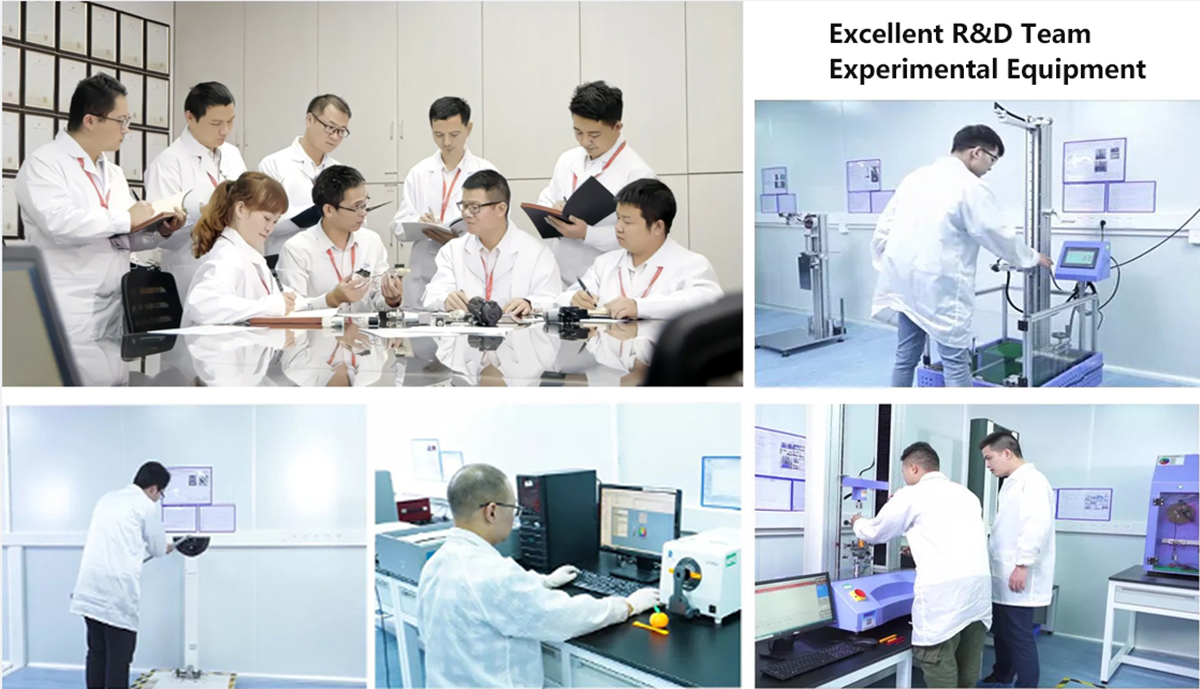
Quality Control
The factory area has passed ISO45001 occupational health and safety management system certification. Every new employee must be experienced one week of safety production knowledge teaching and two weeks of produce skills training, and master every course in the production process. Who is in the position will be responsible for its duty.
Our operational framework ensures rigorous standardized processing across every spooling line, verifying that elastomer extrusion temperatures, tension winding reels, and spooled geometries conform strictly to global high-speed 3D printing specifications.
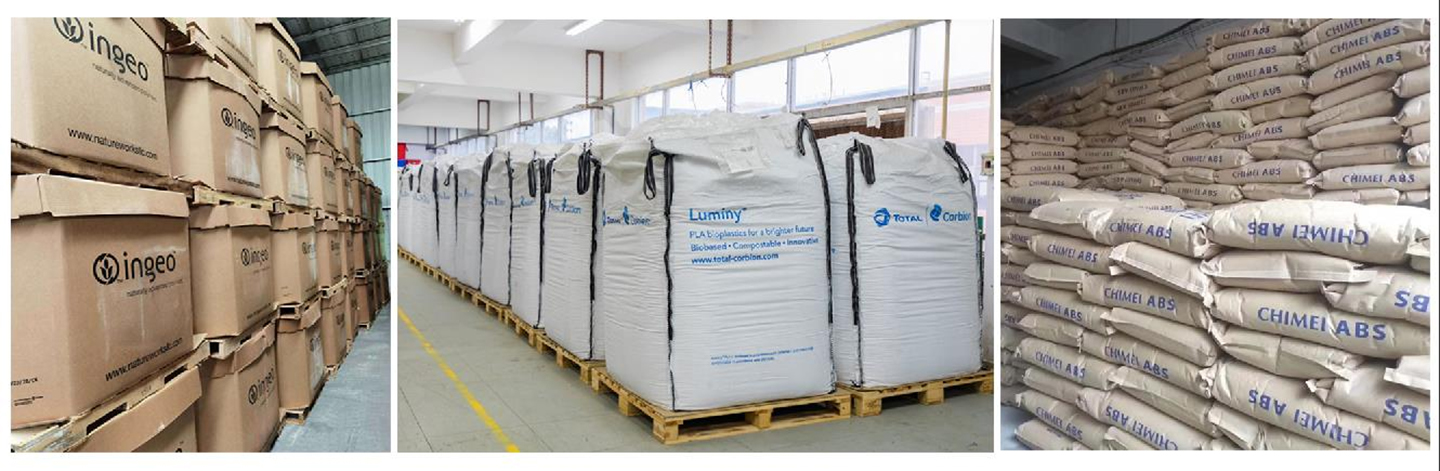
Raw Material
PLA is the most preferred material for 3D printing, Torwell firstly chooses PLA from US NatureWorks, and Total-Corbion is the alternative. ABS from TaiWan ChiMei, PETG from South Korea SK. Each batch of main raw materials comes from the partners who has cooperated more than 5 years to ensure the reliability of the products from the source. Each batch of raw materials will undergo parameters inspection before produce to ensure that raw materials are original and virginal.
By securing medical-grade and high-purity thermoplastic elastomer resins from tier-one global chemical providers, we ensure that our soft TPU filaments avoid plasticizer migration, maintain UV colorfastness, and exhibit unmatched batch-to-batch repeatability.
Equipment
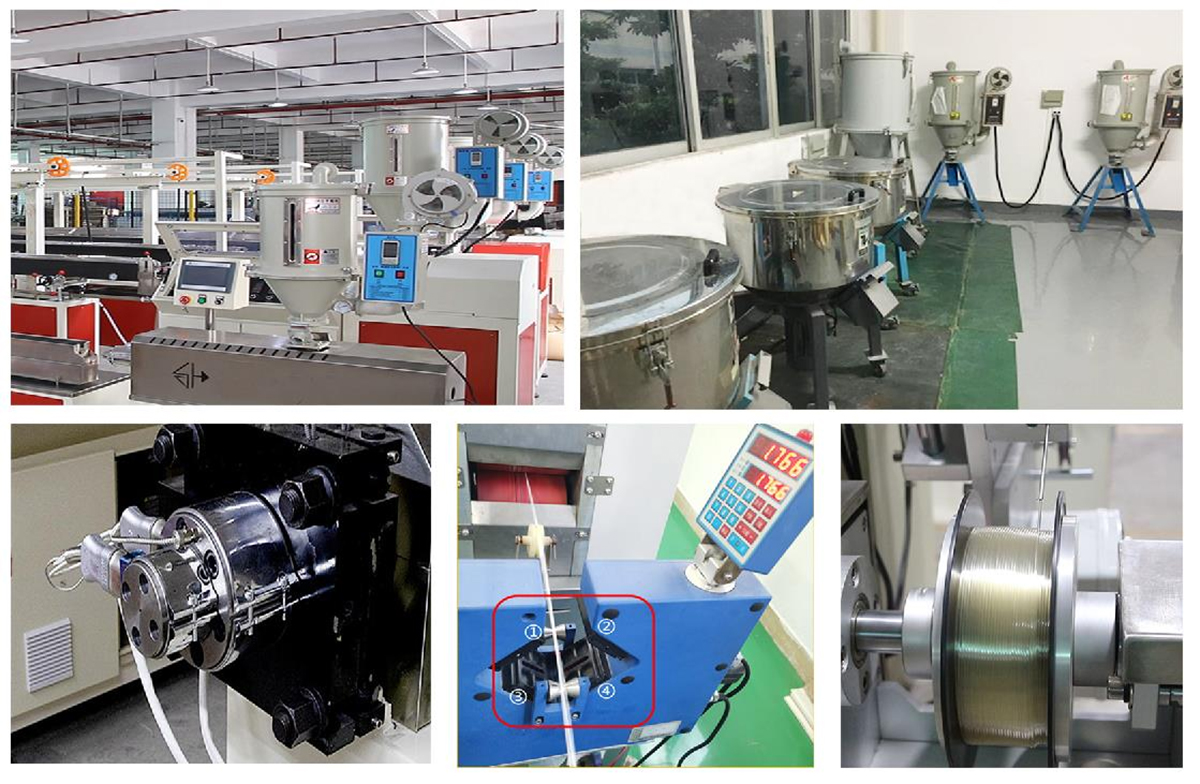
The manufacturing workshop will make arrangements after the inspection of raw materials, at least two engineers cross-check the clearance of mixing tank, color mixed of material, humidity from hopper dryer, temperature of extruder, hot/cool tank, and trial-produce and debugging the produce line to make sure all of processes in the best condition. Maintain the filament Diameter tolerance +/- 0.02mm, Roundness tolerance +/- 0.02mm.
Automated dual-axis laser measurement gauges monitor the extruded filament continuously along the water-cooling tanks, feeding real-time puller adjustments to guarantee flawless dimensional stability essential for jam-free printing.
Final Inspection
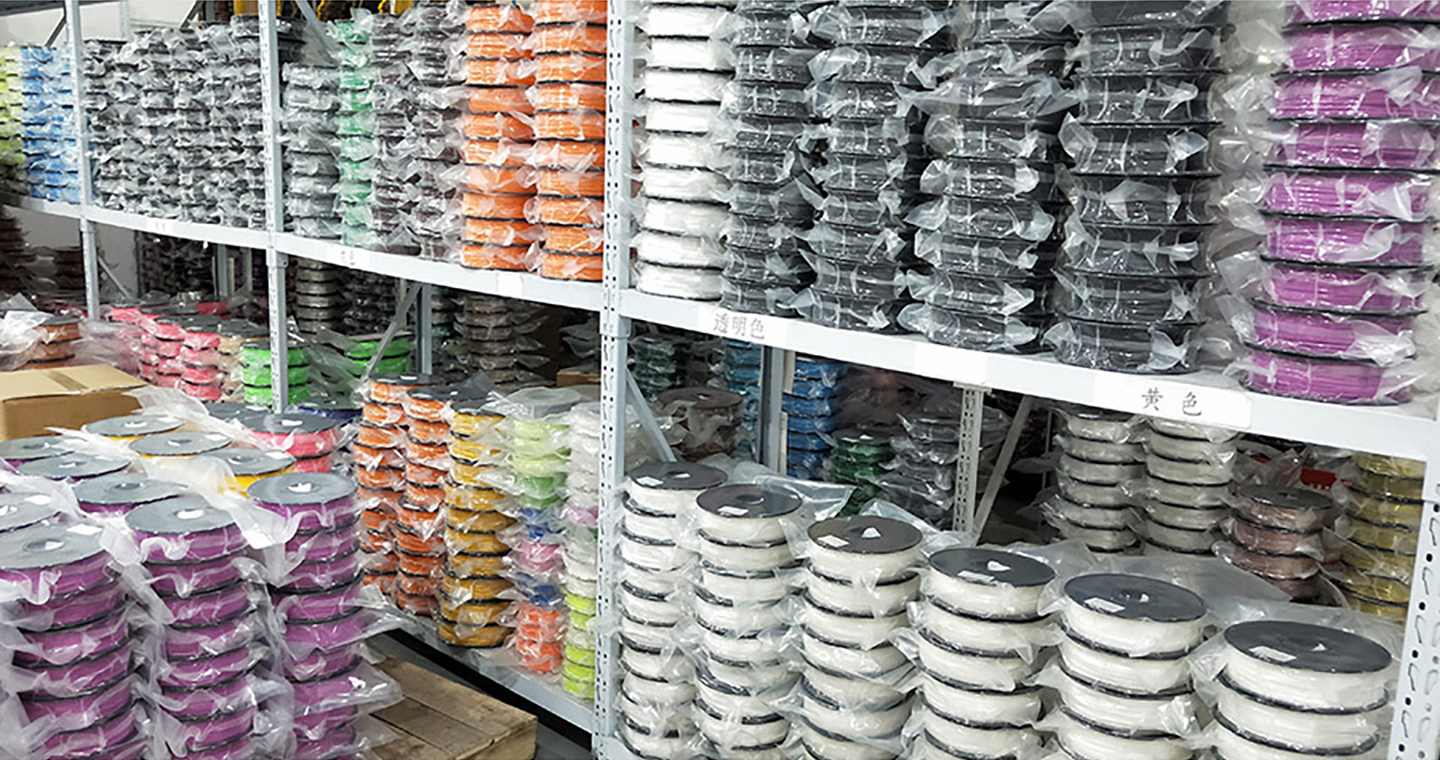
After each batch of 3D filament is produced, two quality inspectors will conduct random inspections on each batch of finished products in accordance with the requirements of the standard, such as diameter tolerance, color consistency, strength and toughness and so on. After vacuuming the package, place them for 24 hours to check whether there is any leaking package, then label it and finish the package.
Each spool undergoes desiccant-infused vacuum sealing, barrier foil isolation, and automated moisture content verification to guarantee fresh, bubble-free, and string-free extrusion right out of the box.
Engineering Guidelines: Perfecting TPU Case Print Parameters
Maximize surface finish, eliminate stringing, and guarantee exact dimensional cutouts with these validated print parameters.
Extrusion Setup
Utilize a direct-drive extruder with dual hardened steel drive gears. Keep the distance between the drive gear and the melt zone minimal to prevent flexible filament buckling. Direct-drive configurations provide the precise retraction control required for sharp port cutouts and button overhangs.
Thermal & Cooling Control
Operate hotend temperatures between 215°C and 235°C and bed temperatures at 40°C to 60°C with a PEI or textured glass build plate. Maintain 100% part cooling fan after the third layer to freeze intricate camera bezel overhangs without sagging.
Retraction & Speed Tuning
For Shore 95A, set retraction distance to 1.0 - 2.5 mm at 30 - 40 mm/s. Maintain printing speeds between 35 - 60 mm/s. Enabling 'Avoid Crossing Perimeters' inside your slicer eliminates travel stringing across camera openings and speaker ports.
Circular Lifecycle & Eco-Conscious Mobile Accessories
Tens of millions of cheap silicone and vulcanized rubber phone cases end up in landfills each year because they cannot be remelted or reprocessed. In contrast, Thermoplastic Polyurethane is 100% recyclable via conventional mechanical regrind and thermal reprocessing methods.
Because soft TPU is a thermoplastic rather than a thermoset elastomer, defective prints, support structures, and post-consumer cases can be crushed into pellets, re-extruded into filament spools, and printed again without significant polymer degradation. By shifting toward on-demand TPU case additive manufacturing, accessory brands drastically reduce scrap rates, optimize supply chain carbon footprints, and fulfill global circular economy mandates.
Future Outlook: Smart & Conductive Elastomers
The next frontier in custom smartphone case manufacturing integrates conductive carbon additives and embedded sensor channels directly into flexible TPU matrices. Future developments include:
- Embedded NFC/RFID Antennas: Directly printing smart communication tags inside the inner shock-absorbing liner.
- Integrated Capacitive Touch Buttons: Electro-conductive flexible TPU pathways that replace mechanical rocker buttons with sleek, seamless touchpads.
- Self-Healing Elastomers: Micro-capsule infused TPU formulations capable of thermally self-healing minor pocket scratches and abrasions.
Comprehensive 3D Printing Filament & Prototyping Ecosystem
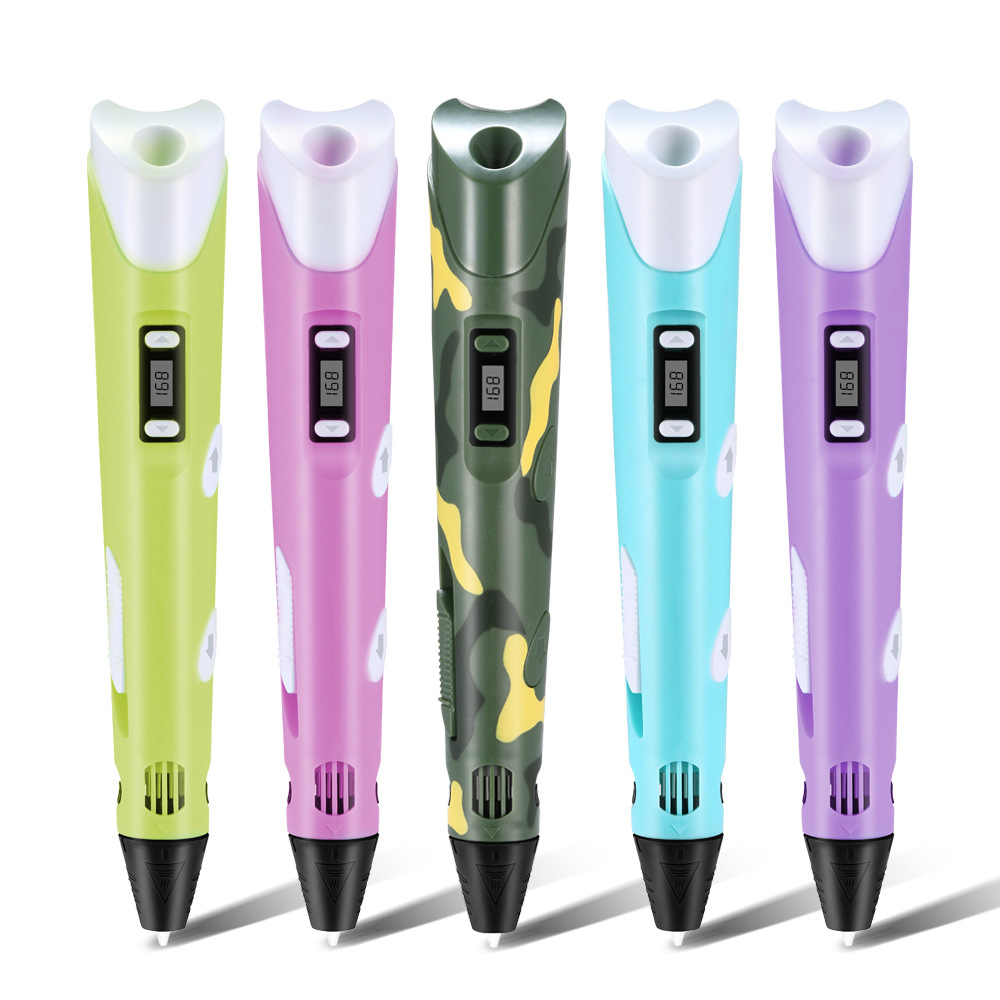
Discover our full portfolio of high-performance materials engineered for custom phone cases, functional prototypes, and industrial manufacturing.